

Where Are Truffles Found? The Real Reason They’re So Rare
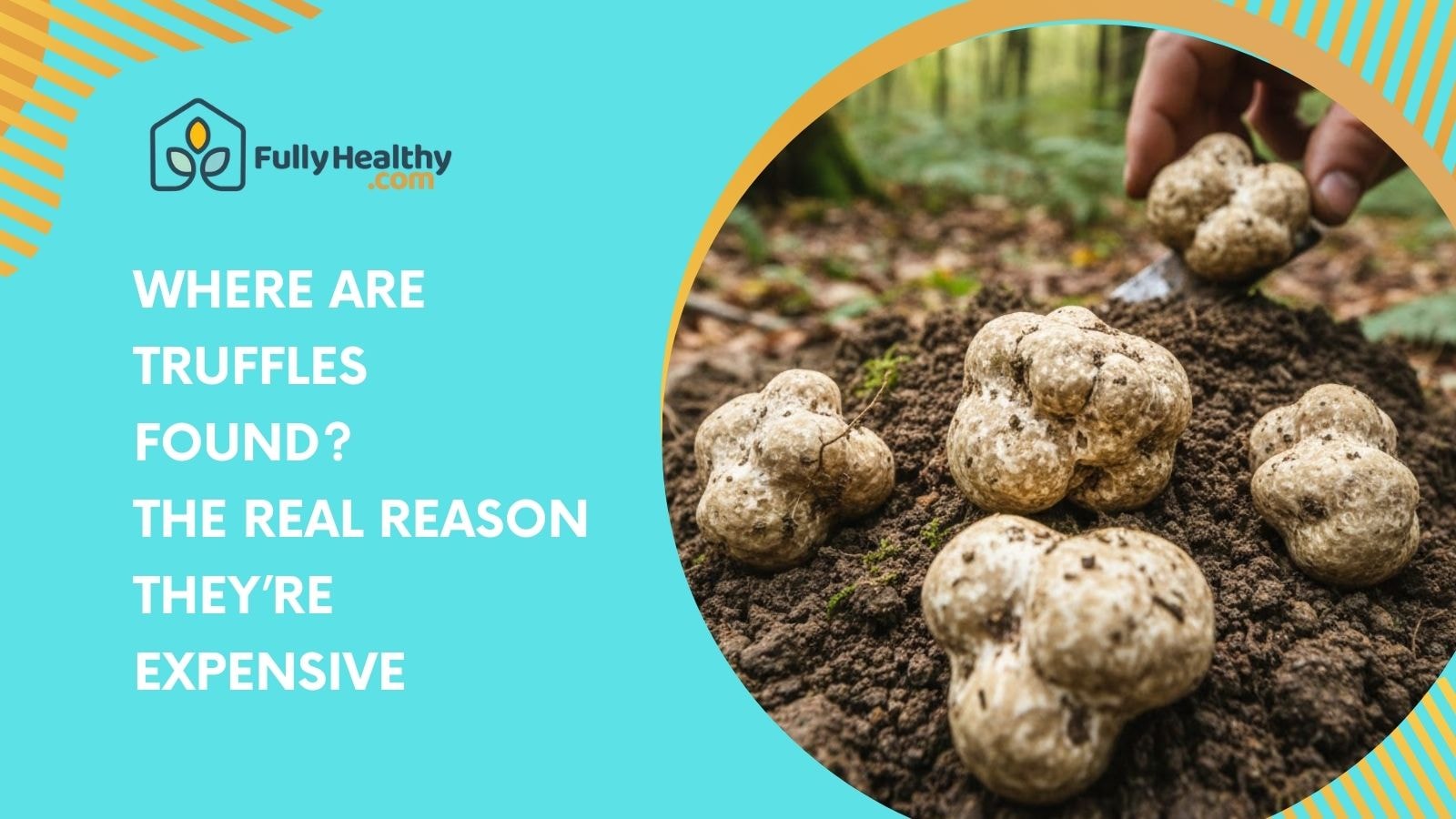
Where are truffles found? They grow underground in specific regions where climate, soil, and tree roots work together in balance. You can find most truffles in Europe and some parts of the Pacific Northwest in the US. These valuable fungi need cold winters, oak and hazelnut trees, and alkaline soils. Because the conditions have to be just right, truffles can only be found in a few places around the world.
🍫 Spoon Into Decadence — Raspberry Truffle Done the Clean Way!
Where Are Truffles Found?
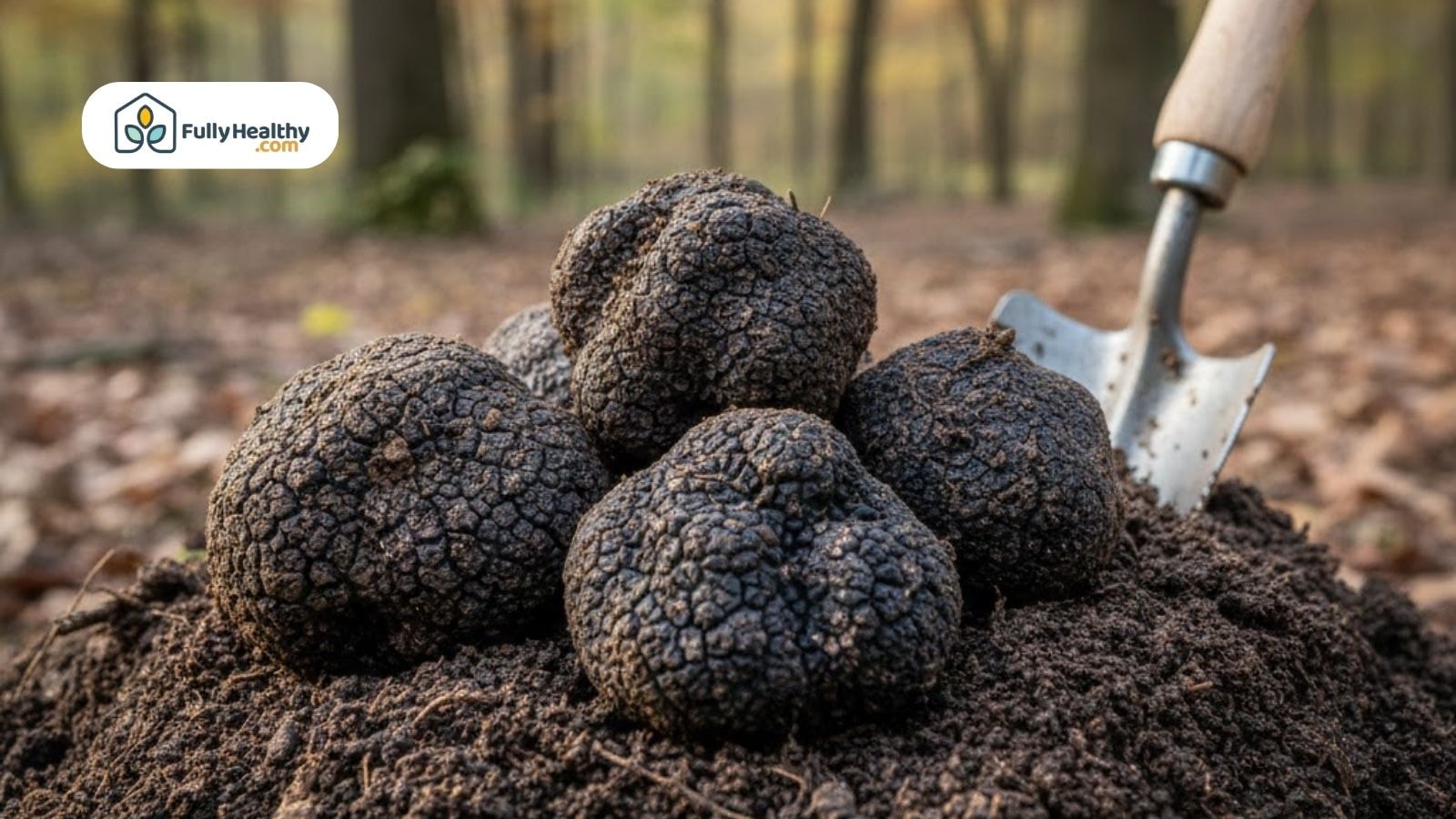
Truffles are very valuable fungi that only grow underground in certain ecosystems where the weather, soil, and host trees all work together. Knowing where truffles are found can help you understand why these underground mushrooms are still so rare and valuable in the food world.
Global Truffle Regions Explained
Truffles grow best in temperate areas with clear seasons. In some countries, different species of truffles do very well. Truffles fruit underground, unlike many above-ground mushroom forms.
-
Italy: The Piedmont Region produces the Alba white truffle, also known as tuber magnatum pico, one of the most expensive truffles in the global truffle market.
-
France: Périgord Truffles, or black périgord truffle classified as tuber melanosporum, dominate winter black truffles and define French truffle production.
-
Spain And Croatia: Key truffle producing areas supplying black and white truffles across Europe.
-
United States: The Pacific Northwest produces the Oregon black truffle and Oregon white truffle during truffle season.
-
Australia: Australian truffles are cultivated truffles grown in orchards designed to mimic European cold winters.
Soil, Trees, And Climate Requirements
Tluffles grow below the ground in rich, alkaline soils that drain well. They attach to the roots of some trees in a very delicate way. Because of this connection, truffle spores can grow into fruiting bodies that take several months to grow underground.
-
Host Tree: Oak trees and hazelnut trees are the most common host truffles partners, though poplar trees and other tree species can also support truffle growth.
-
Soil Conditions: Alkaline soils with balanced moisture are essential for growing truffles successfully.
-
Climate: Cold winters help stimulate winter black truffles and other types of truffles.
-
Underground Development: Truffles are found beneath tree roots rather than above ground unlike mushrooms.
Why Can't We Just Grow Truffles?
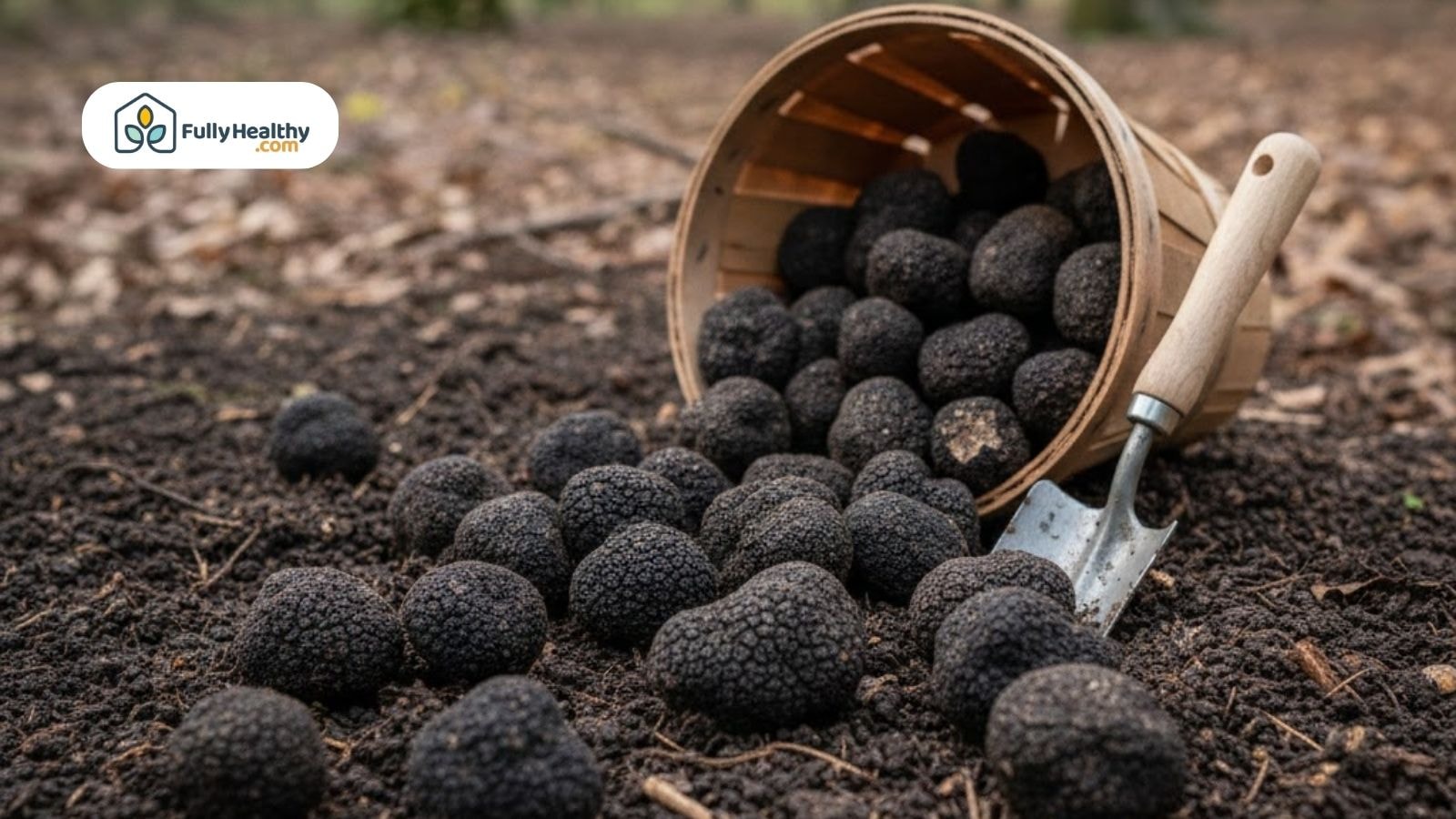
A lot of people think that growing truffles should be easy, like farming mushrooms, but the process is still hard to predict. To grow truffles, tree roots and truffle fungi must be brought back to their natural forest relationship.
The Science Behind Truffle Symbiosis
Truffles depend on symbiosis, which means both the fungus and the host tree benefit from the partnership. The fungus exchanges nutrients with the roots of certain trees, and this interaction drives truffle growth over time.
-
Tree Roots: Truffle fungi attach to tree roots and share minerals and sugars.
-
Truffle Spores: Animals eat truffles and spread truffle spores through soil, supporting wild truffles reproduction.
-
Unique Aroma: The strong aroma and unique scent attract animals with a keen sense of smell.
-
Laboratory Limits: Truffles cannot be grown in sterile indoor systems without host trees; cultivation requires establishing ectomycorrhizae in outdoor soils.
Why Truffle Farming Takes Years
Truffle farming involves planting inoculated oak trees or hazelnut trees and waiting years before harvesting truffles becomes possible. Truffle production typically requires five to ten years before fruiting bodies develop.
-
Orchard Setup: Farmers test soil pH and adjust rich soils before planting a host tree.
-
Time Investment: Growing truffles requires patience because truffles form slowly underground.
-
Climate Risk: Drought or heavy rain can interrupt truffle growth cycles.
-
Uncertain Yield: Cultivated truffles may not appear every season even in managed orchards.
Why Are Truffles So Expensive?
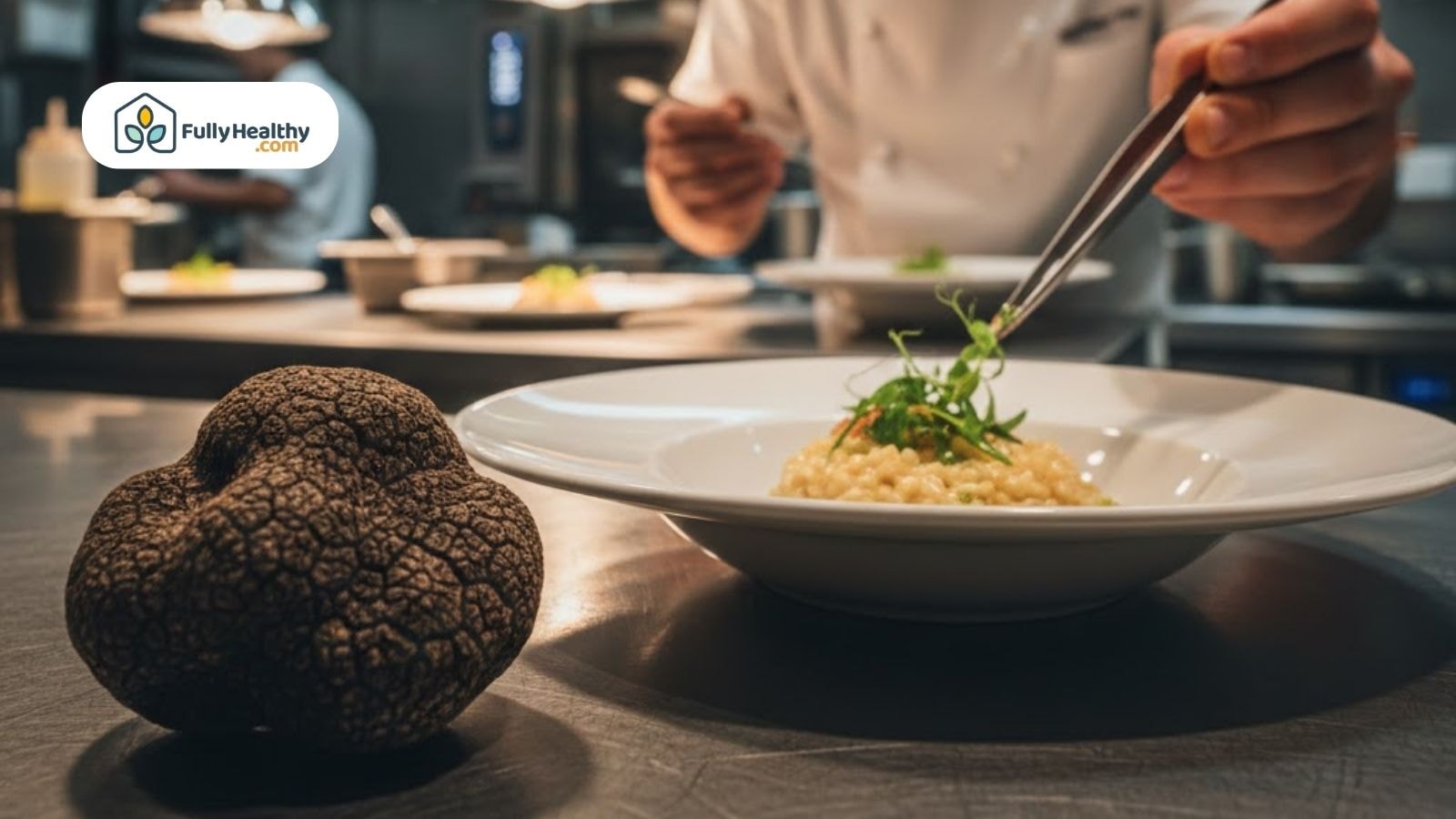
The high price of fresh truffles reflects rarity, labor, and strong demand among food enthusiasts. Expensive truffles command premium prices because supply is limited and harvesting truffles is difficult.
Limited Geography And Short Harvest Seasons
Truffles are found only in narrow climate zones, and truffle season lasts just a few months each year. This limited supply contributes directly to high truffle market prices.
-
Seasonal Window: Winter black truffles peak during colder months, while summer truffles and burgundy truffles appear later in the year.
-
Regional Limits: Tuber aestivum grows in specific European forests.
-
White Truffles: Tuber magnatum and tuber magnatum pico grow mainly in northern Italy and are much less reliably cultivated, and commercial success is limited.
-
Climate Sensitivity: Cold winters are essential for many truffle species to mature.
Labor-Intensive Hunting And Market Demand
Harvesting truffles requires trained dogs guided by experienced truffle hunters who rely on a keen sense of smell. This traditional truffle hunting method adds labor costs before truffle shavings ever reach a plate of truffle pasta.
-
Truffle Dogs: Specially trained dogs use their sense of smell to locate hidden fruiting bodies.
-
Low Yield: A hectare of orchard produces limited quantities compared to other crops.
-
Culinary Demand: Black and white truffles are prized in the culinary world for their earthy flavor and unique aroma.
-
Luxury Appeal: Fresh truffles are often shaved over dishes with olive oil to enhance the strong aroma.
Which Is More Rare, White Or Black Truffles?
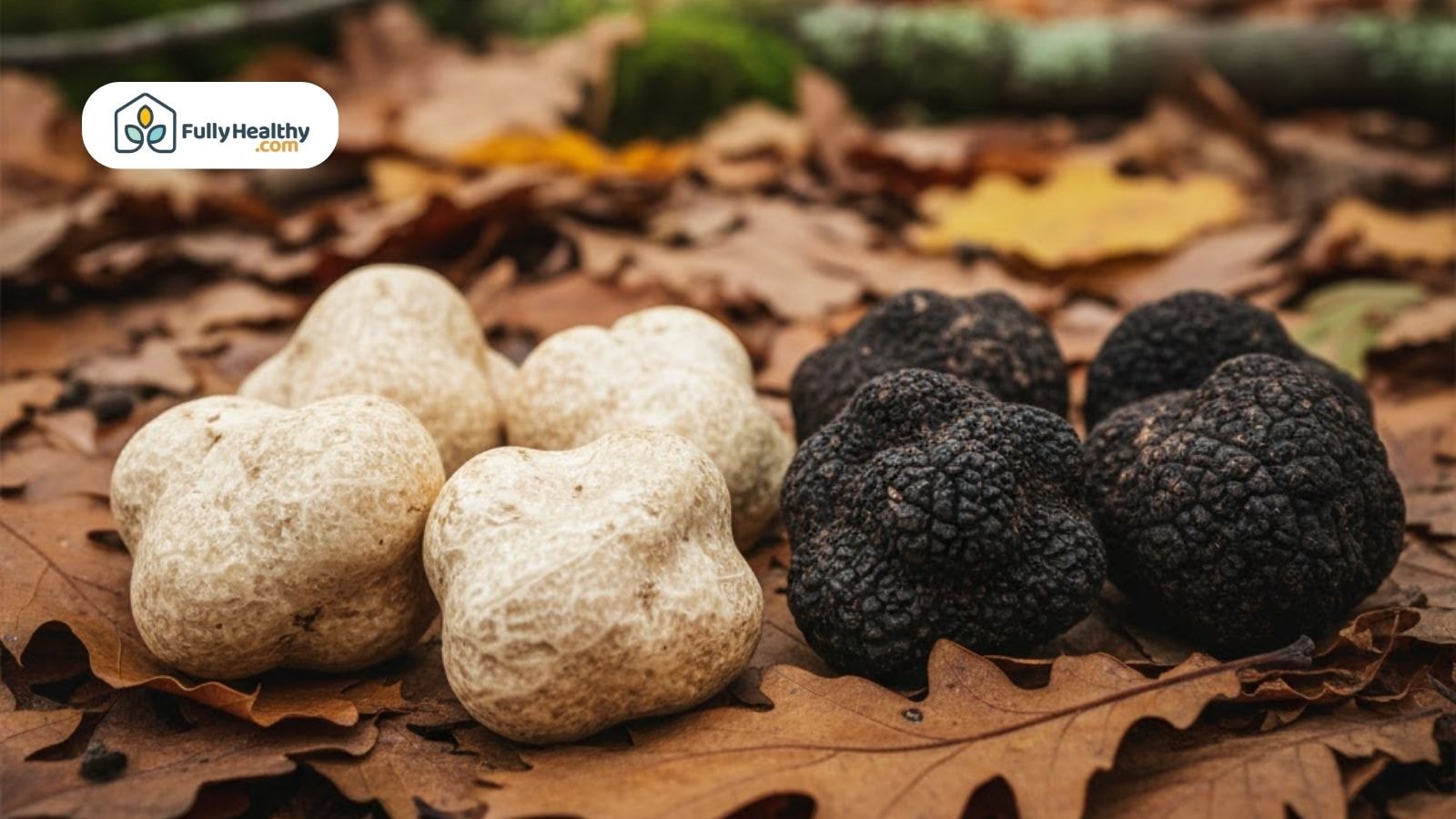
Black and white truffles differ in cultivation potential, availability, and price. The rarity debate centers on natural supply and dependence on wild ecosystems.
White Truffles: Rarity And Wild Dependence
The Alba white truffle, which is a type of truffle called tuber magnatum, is thought to be the rarest of all the truffles. Truffles grow underground near certain types of trees and have been hard to farm successfully in the past.
-
Geographic Concentration: Primarily limited to the Piedmont Region and parts of the Balkans.
-
Cultivation Limits: White truffles cannot be reliably produced as cultivated truffles.
-
Market Value: They often top the truffle market in auction prices.
-
Strong Aroma: Their unique scent is sharper than most black truffles.
Black Truffles: Cultivated But Still Scarce
Truffle farming has led to more black truffles, especially the tuber melanosporum and black périgord types. The total amount of truffles grown is still affected by changes in the weather.
-
European Orchards: France and Spain lead in cultivated truffles.
-
Australian Truffles: Southern Hemisphere orchards contribute to global supply.
-
Seasonal Nature: Winter black truffles remain seasonal despite cultivation.
-
Market Stability: Prices fluctuate depending on harvest size and weather.
About FullyHealthy
FullyHealthy focuses on clean ingredients and specialty foods designed for health-conscious food enthusiasts. The platform curates products that align indulgence with mindful eating.
About FullyHealthy
FullyHealthy offers curated items free from artificial additives and emphasizes transparency in sourcing. The brand supports quality ingredients that complement gourmet lifestyles.
-
Clean Focus: Products avoid unnecessary additives.
-
Specialty Foods: Items appeal to consumers who appreciate premium ingredients.
-
Community Driven: The platform educates buyers about quality food choices.
Featured Product: GoodPud Raspberry Truffle
The GoodPud Raspberry Truffle is a chocolate-based dessert treat that delivers rich cocoa depth paired with bright raspberry notes. This truffle is a sweet treat made of chocolate and cream, not the truffle that grows underground.
-
Chocolate Base: Crafted as a chocolate treat with smooth texture and deep cocoa flavor.
-
Ingredient Simplicity: Formulated without artificial preservatives.
-
Flavor Profile: Combines chocolate richness with raspberry contrast for a dessert-style experience.
-
Health Alignment: Designed for consumers seeking indulgence with awareness.
Final Thoughts
Only in the best places to grow truffles, where the soil, climate, and tree roots are in just the right balance, do truffles grow well. The value of truffles is based on how rare they are, while truffle oil and other products try to capture their smell in a more accessible way.
When you smell truffles, that strong smell comes from the way the plants grew underground under strict natural conditions. Finally, truffles are still one of the most interesting treats in the world of food, and you now know why they're important.
FAQs
How Much Is 1 Lb Of Truffle Worth?
One pound of fresh white truffles can range from $2,000 to over $4,000 during peak season, depending on origin and quality.
Is Truffle Worth More Than Gold?
At auction, rare Alba specimens have sold at prices that temporarily exceeded gold per gram, but gold remains more stable in long-term value.
Can I Bring Truffles Back From Italy To The US?
Fresh truffles are generally restricted by U.S. agricultural rules, and travelers risk confiscation unless properly declared and inspected.
Do Vegans Eat Truffle?
Yes, vegans eat truffles because they are fungi, though some avoid certain harvesting practices that use animals.
Why Is Black Truffle So Addictive?
Black truffle contains aroma compounds that create an earthy flavor and strong sensory appeal, which explains why many food lovers crave it repeatedly.
Leave a comment