

Does Tuna Have Scales? Learn About Tuna’s Scales
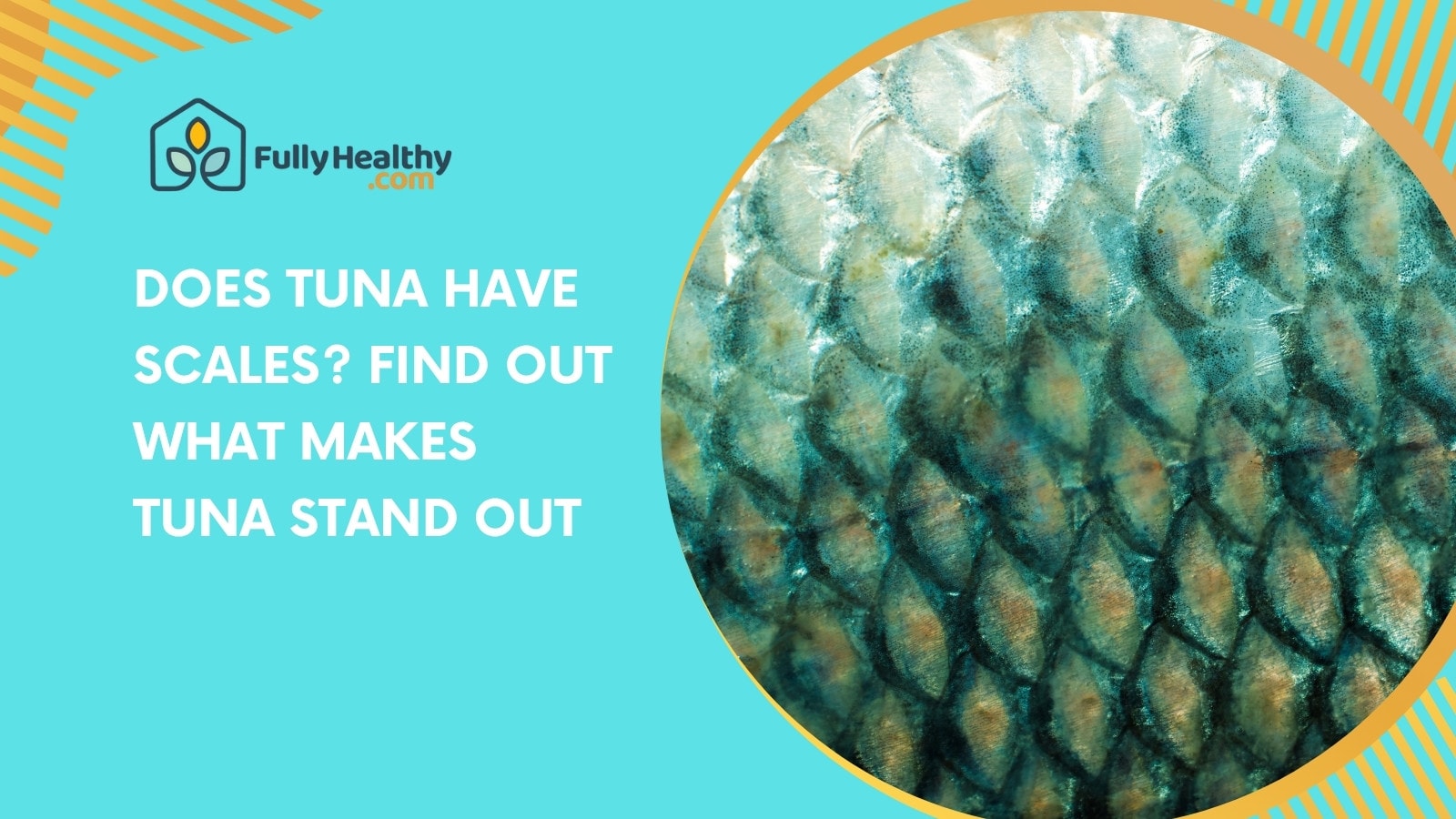 Photo Credit: Canva Pro
Why do tuna have scales? When it comes to scales, tuna does have them, but they're not the usual kind. The tuna instead have small, smooth scales running along their sides and close to their chest fins.
Tuna scales primarily serve as an adaptation to reduce drag and increase swimming efficiency, which is critical for their migration and fast swimming capabilities, This article will talk about them and answer some common questions about how to eat tuna and take care of pets.
Featured Pantry Pick
Wild Planet // Wild Albacore Tuna - 5 oz
Loading...
Does Tuna Have Scales?
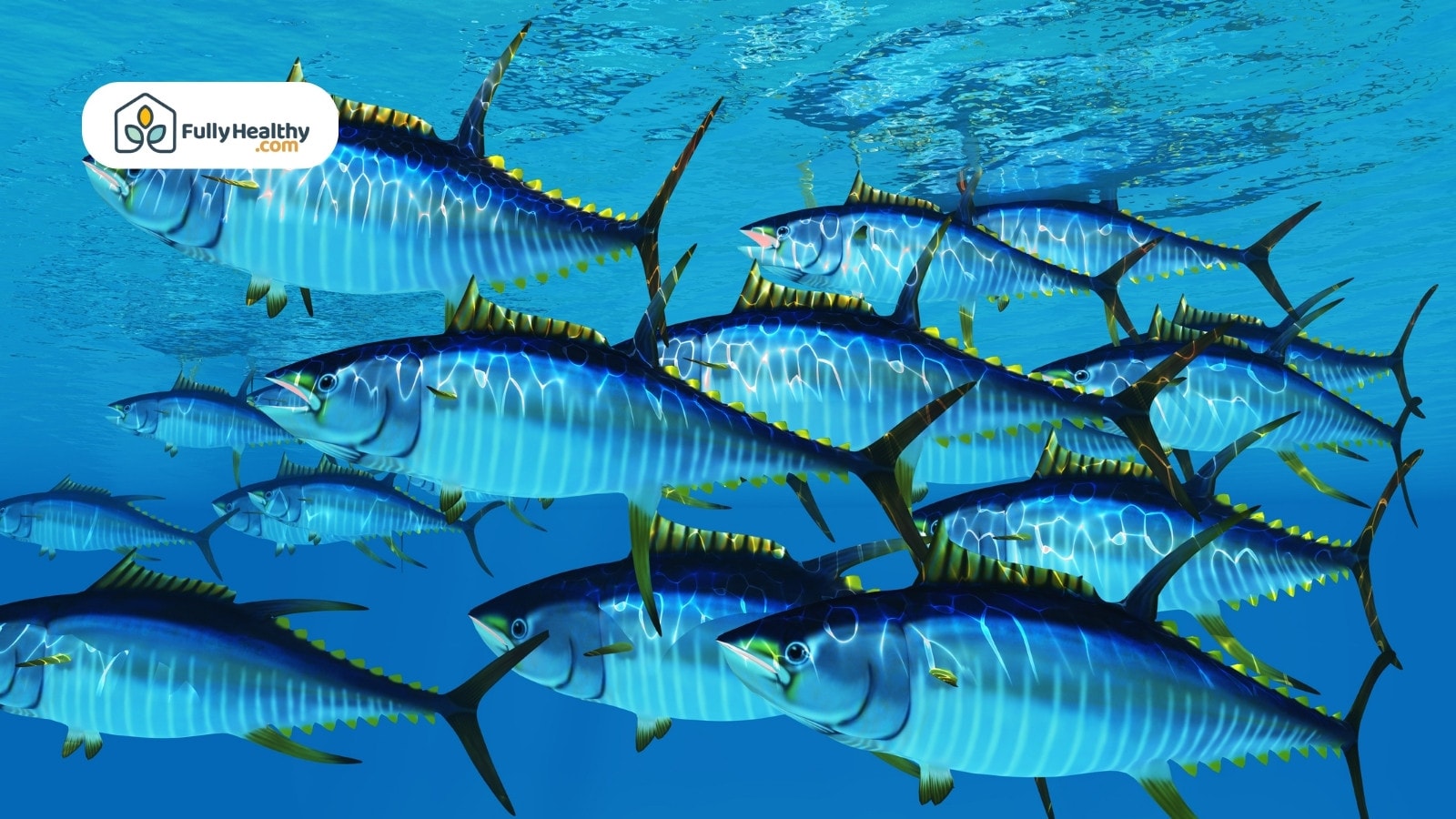 Photo Credit: Canva Pro
Skipjack tuna, yellowfin tuna, and albacore tuna are just a few of the species that are known for their important roles in marine ecosystems. These large pelagic fish move around a lot and can often be found in the open ocean and tropical waters. A question people often ask about tuna is if they have scales. The short answer is yes, but there are some important details to keep in mind.
Scale Distribution in Tuna
Some types of tuna, like skipjack and yellowfin, have scales on their bodies, but not all over. Instead, their scales are grouped together in certain places, which makes them unique.
-
Skipjack Tuna: Also known as striped tuna and ocean bonito, skipjack has scales mainly along its lateral line and around the pectoral fins.
-
Yellowfin Tuna: This species has scales in specific areas but lacks them across most of its body.
-
Albacore Tuna: A common choice for canned tuna, albacore also has scales, but only in certain regions of its body.
Why Do Tuna Have Limited Scales?
The way tuna's scales are arranged helps them swim faster by lowering the resistance of the water, which is critical for their migration.
-
Reduced Resistance: Scales only in certain areas minimize drag while swimming.
-
Adaptation to Fast Swimming: Limited scales help tuna move faster through water, essential for migration across vast ocean distances.
-
Streamlined Body: The streamlined body of tuna aids in smooth swimming through surface waters.
Can Jews Eat Tuna?
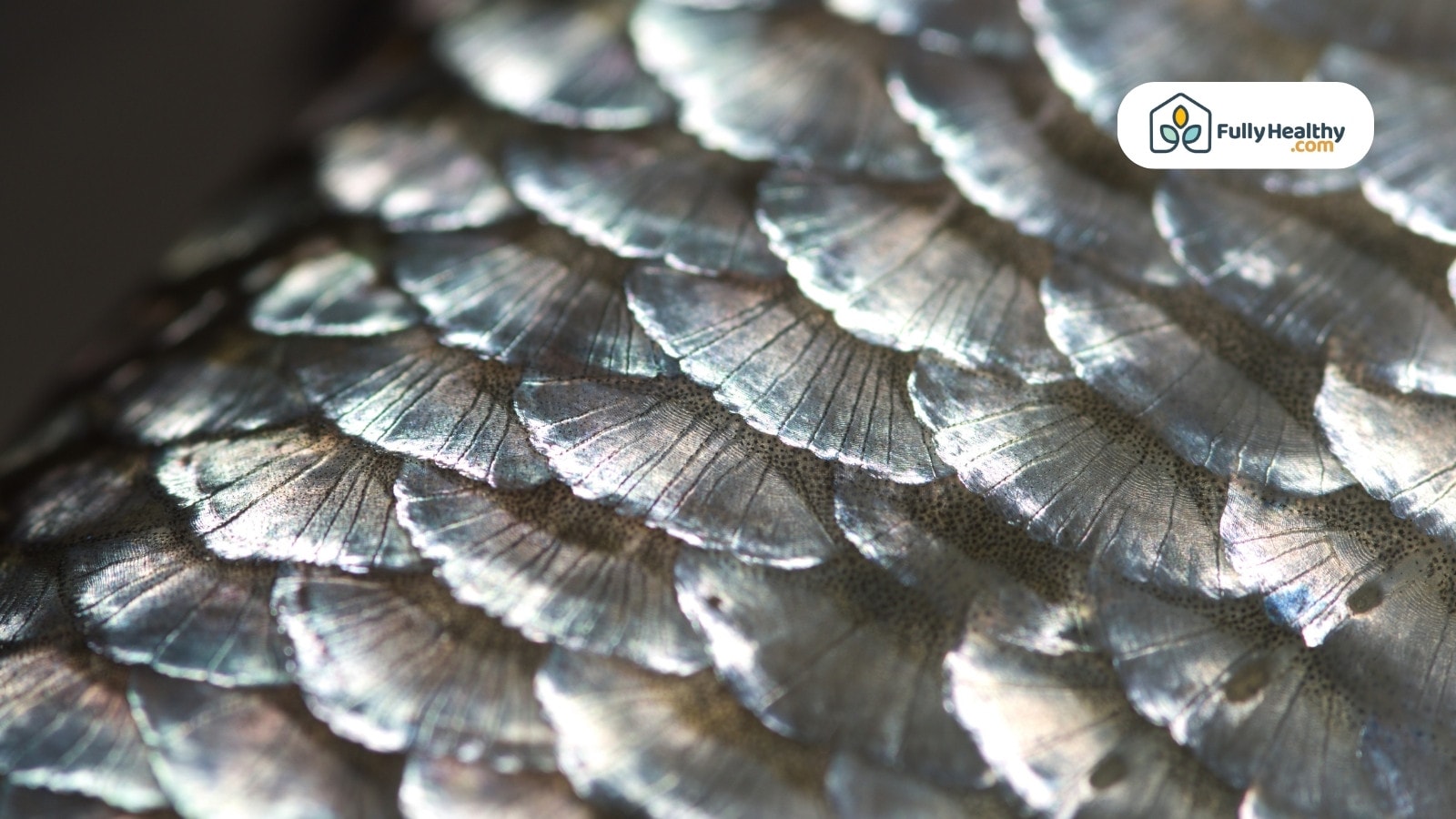 Photo Credit: Canva Pro
According to Jewish dietary rules, tuna of all kinds, such as skipjack and albacore tuna, is kosher. Tuna is kosher because it has both fins and scales, which are things that fish must have. People who follow a kosher diet often eat tuna because of this.
Kosher Guidelines for Tuna
Kosher rules say that fish must have both fins and scales in order to be kosher. These conditions are met by tuna species like skipjack and yellowfin.
-
Tuna Species with Fins and Scales: Tuna species, such as striped tuna and oceanic bonito, possess both fins, belly and scales, fulfilling the necessary kosher requirements.
-
Albacore Tuna: Commonly found in canned tuna, is considered kosher and is widely consumed in kosher diets.
-
Kosher Status: Tuna is generally acceptable in kosher meals, particularly when canned tuna is used.
Are There Any Exceptions for Eating Tuna?
Tuna is technically kosher, but it's important to make sure that all the rules for cooking it are followed to keep its status.
-
Preparation Matters: The tools used to prepare tuna, such as knives and cutting boards, must also be kosher.
-
Avoid Cross-Contamination: Tuna should not be prepared with meat or dairy products, as this would violate kosher rules.
Can You Eat Tuna According to the Bible?
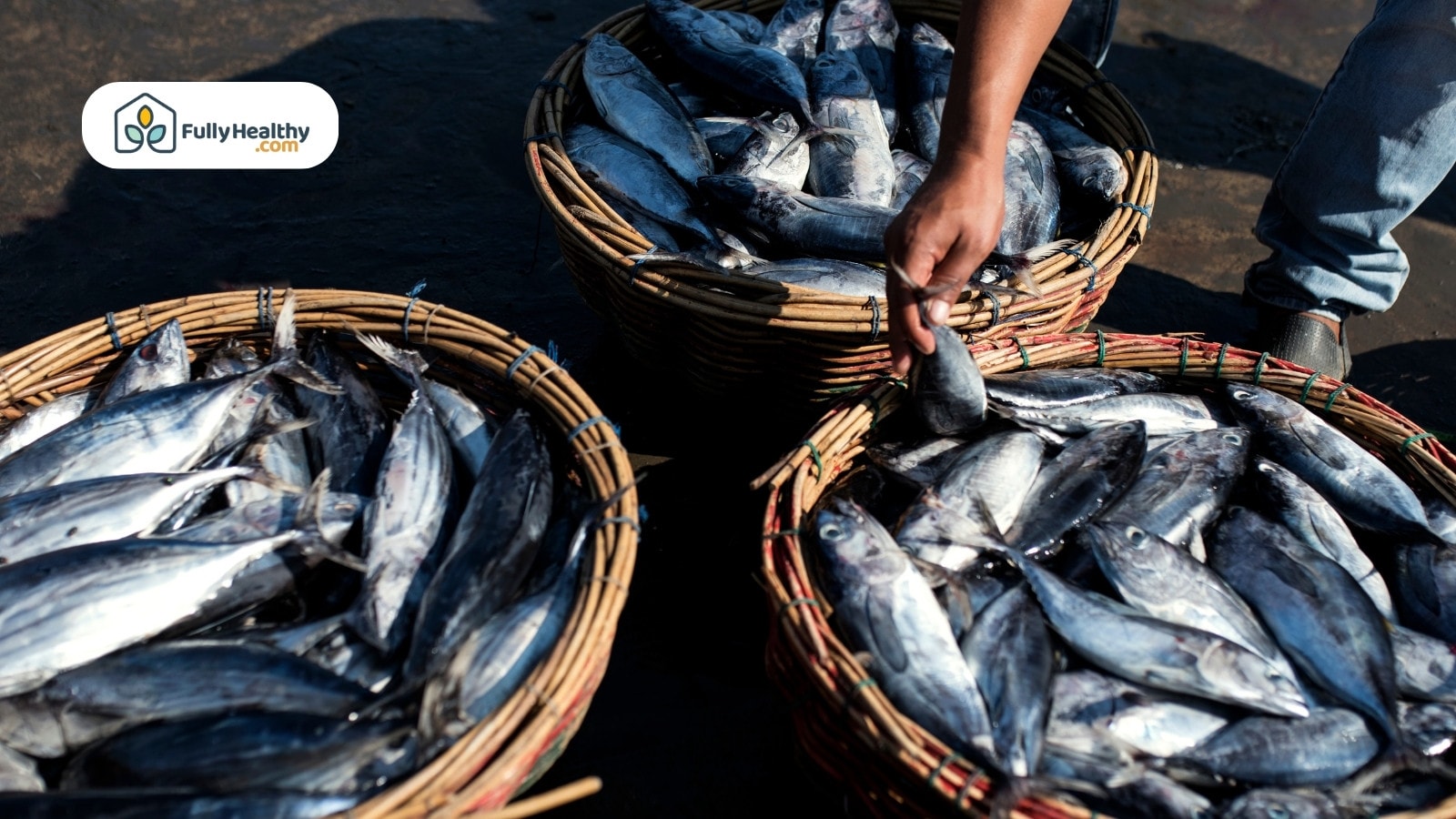 Photo Credit: Canva Pro
In the Bible, animals that meet certain criteria, like having fins and scales, are called "clean." According to the Bible, both skipjack and yellowfin tuna are clean, which means they are perfectly safe to eat.
Biblical Criteria for Clean Animals
According to Leviticus and Deuteronomy, all clean fish, like skipjack and albacore tuna, must have fins and scales.
-
Skipjack Tuna: Known as ocean bonito, this species meets the biblical clean criteria with its fins and scales.
-
Albacore Tuna: Albacore, which is often canned, also meets these requirements and is considered clean.
-
Yellowfin Tuna: Yellowfin tuna, like other tuna species, fits these biblical guidelines unlike others.
Are There Any Fish Considered Unclean in the Bible?
Eating fish without fins and scales is against the Bible. This includes many crustaceans and shellfish.
-
Unclean Fish: Shellfish, lobsters, and crabs are considered unclean in biblical dietary laws.
-
Clean Fish: Tuna, with its fins and scales, is clean and permissible according to biblical teachings.
Are There Any Risks of Feeding Tuna to Dogs?
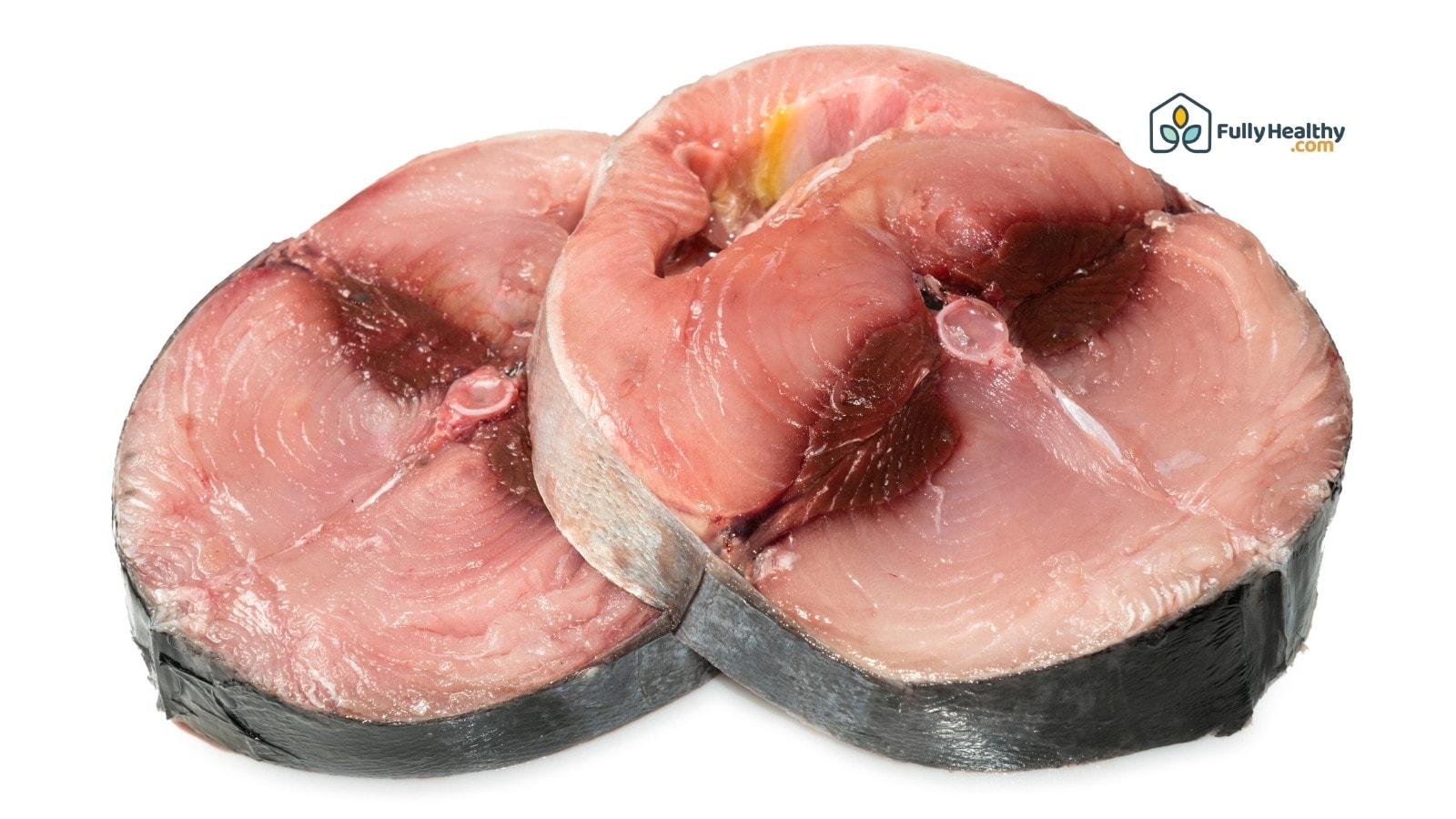 Photo Credit: Canva Pro
Dogs love tuna as a treat, but there are some things you should know about the risks. In small amounts, it can be good for them, but pet owners should be aware of the risks, such as mercury poisoning and using the wrong cooking methods.
Mercury Poisoning Risk
Tuna, particularly larger species like yellowfin and albacore, tend to accumulate higher levels of mercury, which can pose health risks to dogs if consumed in large quantities or frequently.
-
Mercury in Larger Tuna Species: Larger tuna, such as the oceanic bonito and yellowfin tuna, tend to accumulate more mercury, which can be toxic for dogs if eaten regularly.
-
Short Life Span of Tuna: Tuna species, like skipjack tuna and striped tuna, have a shorter life span and can accumulate toxins like mercury quickly.
-
Predators of Tuna: Larger predators, such as sharks and billfish, often feed on tuna, contributing to higher mercury levels.
Proper Portion Size
It's important to be careful when giving dogs tuna. To keep dogs from getting mercury poisoning, they should only be given small amounts.
-
Canned or Frozen Tuna: It’s safer to offer canned or frozen tuna, as it’s processed to remove harmful bacteria that can be present in raw tuna.
-
Avoid Salted or Smoked Tuna: Tuna that is salted or smoked can be harmful due to the high sodium content, which can lead to health issues like kidney problems in dogs.
What Can FullyHealthy Do For You?
FullyHealthy sells a range of healthy foods, such as tuna that comes from sustainable sources. They specialize in tuna options that work with different diets, like AIP and gluten-free diets, so you can enjoy healthy food without having to worry about extra ingredients.
Sustainably Sourced Tuna:
FullyHealthy makes sure that the tuna they sell comes from fisheries that are still around and that don't catch too many other fish. This helps marine ecosystems stay healthy and cuts down on bycatch.
-
Sustainable Tuna by NOAA Fisheries: The tuna offered by FullyHealthy is caught using sustainable practices, certified by NOAA Fisheries, ensuring that species like albacore tuna and skipjack tuna remain stable in their populations.
-
Tuna from Warm Temperate Waters: Many of FullyHealthy’s tuna products are caught in warm temperate waters, where tuna species thrive and spawn in large quantities.
-
Species-Specific Practices: Tuna like albacore and yellowfin are caught using methods that limit bycatch, protecting other species in the ocean.
Health Benefits of Tuna:
Not only is tuna tasty, it's also full of good things for you. Tuna is good for both people and pets because it is high in protein and low in fat. It can be eaten raw, frozen, or smoked.
-
Rich in Omega-3 Fatty Acids: Tuna is an excellent source of omega-3s, which are crucial for heart, brain, and overall health.
-
Versatile for Cooking: Whether it's canned, salted, or smoked, tuna can be prepared in many ways, making it a great addition to your meals.
Final Thoughts
Tuna, including species like victor fish, arctic bonito, and regular tuna, are fascinating creatures of the ocean surface. With their wide range of common names, like katsuo and atlantic tuna, they thrive in equatorial waters and have become a staple in various cuisines worldwide. Whether you're fishing for anglers or buying canned tuna, knowing about their habitat, spawning, and prey can help us understand the sustainability of these species. Some species, such as skipjack tuna, are considered sustainable by organizations like NOAA Fisheries, but overfishing remains a concern.
Tuna species, including skipjack and yellowfin, are known for their flavor and provide many nutritional benefits, from omega-3 fatty acids to essential vitamins. They prey on squid, mollusks, and other cephalopods, while also being hunted by larger predators. Their fork length varies, and their tail and lower sides contribute to their streamlined bodies, which help them swim at high speeds. Whether in light dishes or smoked meals, tuna is an important food for many people.
FAQs
What are victor fish and arctic bonito?
Victor fish and arctic bonito are common names for skipjack tuna and ocean bonito, which are found in equatorial waters and are highly migratory species. They are known for their spawning in tropical regions.
Why is regular tuna considered a good source of protein?
Regular tuna like albacore is rich in nutrients and protein. It preys on squid, mollusks, and cephalopods, making it a high-quality food for humans and anglers alike.
What is the fork length of a typical tuna?
The fork length of tuna, such as skipjack tuna or yellowfin, varies by species. Larger species can grow over a meter in length, with some reaching their full size in seasonal periods, especially in the Philippines and Atlantic regions.
Do tuna species like katsuo have spawning seasons?
Yes, katsuo and other species of tuna have seasonal spawning periods, with some species like skipjack tuna spawning in equatorial waters, where conditions are ideal for their eggs to hatch.
Is canned tuna from NOAA Fisheries considered sustainable?
Yes, canned tuna from fisheries considered sustainable by NOAA Fisheries, like skipjack tuna, is an excellent choice for those looking to protect marine ecosystems while enjoying their favorite tuna dishes.
Leave a comment