

How Do You Plant Cilantro Seeds for Bigger Harvests?
 Photo Credit: Canva Pro
Want to know the right way to plant cilantro seeds? You may not believe how easy it is. The best conditions for cilantro seeds to grow are cool weather, well drained soil, and full sun. Sow seeds ¼ inch deep (not more), as deeper sowing may reduce germination. Germination typically occurs within 7–15 days under optimal conditions.
You can have fresh coriander seeds or cilantro leaves in just a few weeks if you plant them at the right time and distance apart. Let's take it one step at a time.
Featured Pantry Pick
Simply Organic // Cilantro - 0.78 oz
Loading...
How Do You Plant Cilantro Seeds?
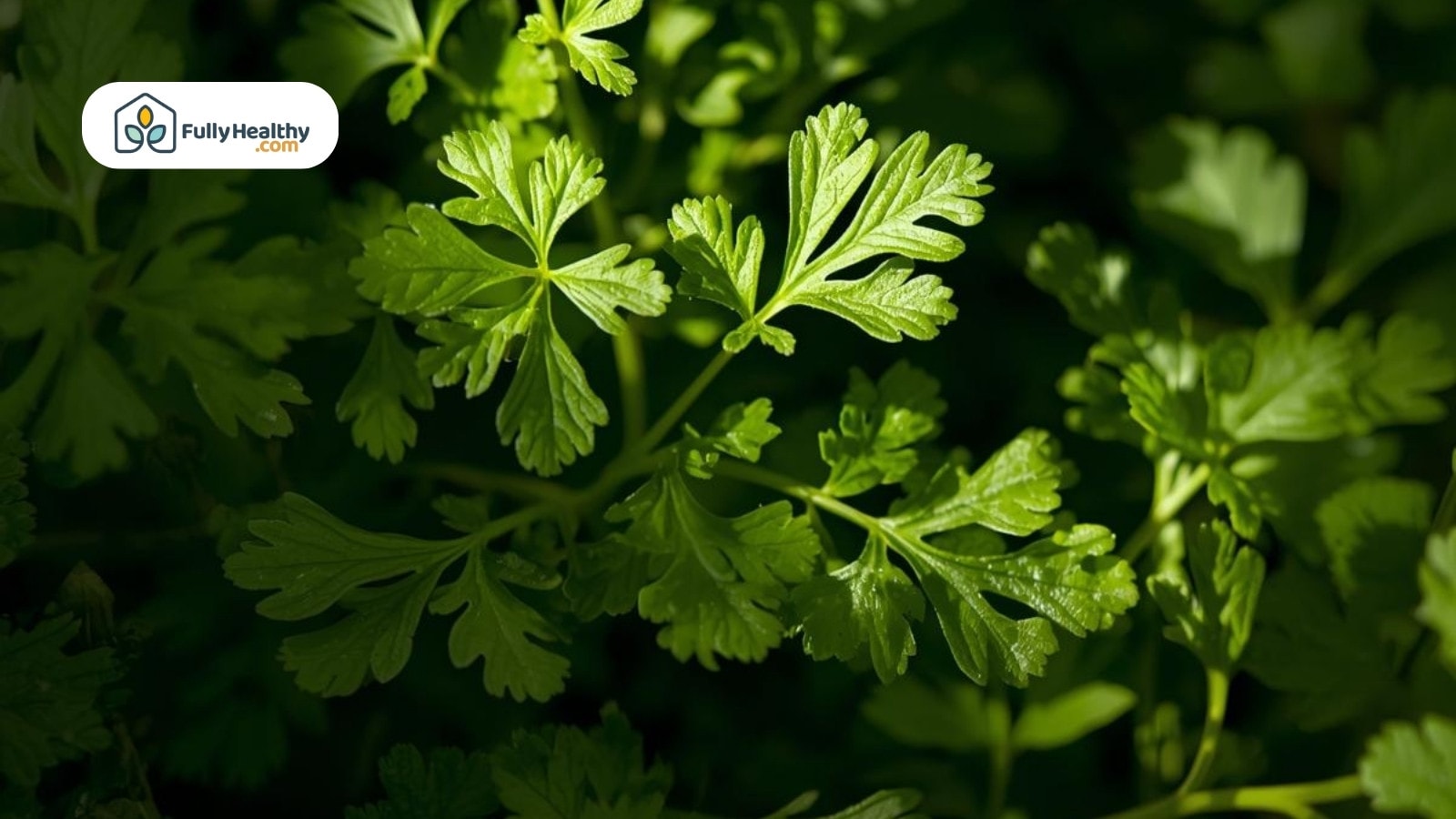 Photo Credit: Canva Pro
It is an annual herb in the carrot family. It grows quickly and can be used for two things: harvest cilantro leaves or the seeds, which are called coriander. It makes a big difference how you start your plants, whether you're in a garden or a pot.
Follow the Proper Depth, Spacing, and Soil Preparation
Pick a sunny spot with soil that doesn't stay soggy. Before you plant, add organic matter like compost to help the seeds get the nutrients they need.
-
Seed depth: Sow seeds ¼ to ½ inch deep in rows about 15 inches apart.
-
Seed spacing: Thin seedlings to 2 inches apart for leaf harvest, or 8–10 inches apart if you're growing for coriander seeds.
-
Soil moisture: Keep the soil moist but not soaked until your seeds germinate (usually in 10 to 21 days).
-
Soil quality: Enrich with compost for strong growth and better flavor.
Choose the Right Location and Minimize Root Disturbance
Moving cilantro bothers it. Because its roots are weak, you should always plant seeds right where you want them to grow to avoid problems.
-
Sunlight: Cilantro performs best in full sun (6–8 hours), but partial shade can help delay bolting in hot climates.
-
Direct sowing: Plant seeds straight into the garden or container to minimize root disturbance.
-
Shade in heat: In warmer climates, provide some afternoon shade to reduce bolting.
-
Container growing: If you grow cilantro indoors, use a deep container at least 12 inches for healthy roots.
When Should You Plant Cilantro Seeds?
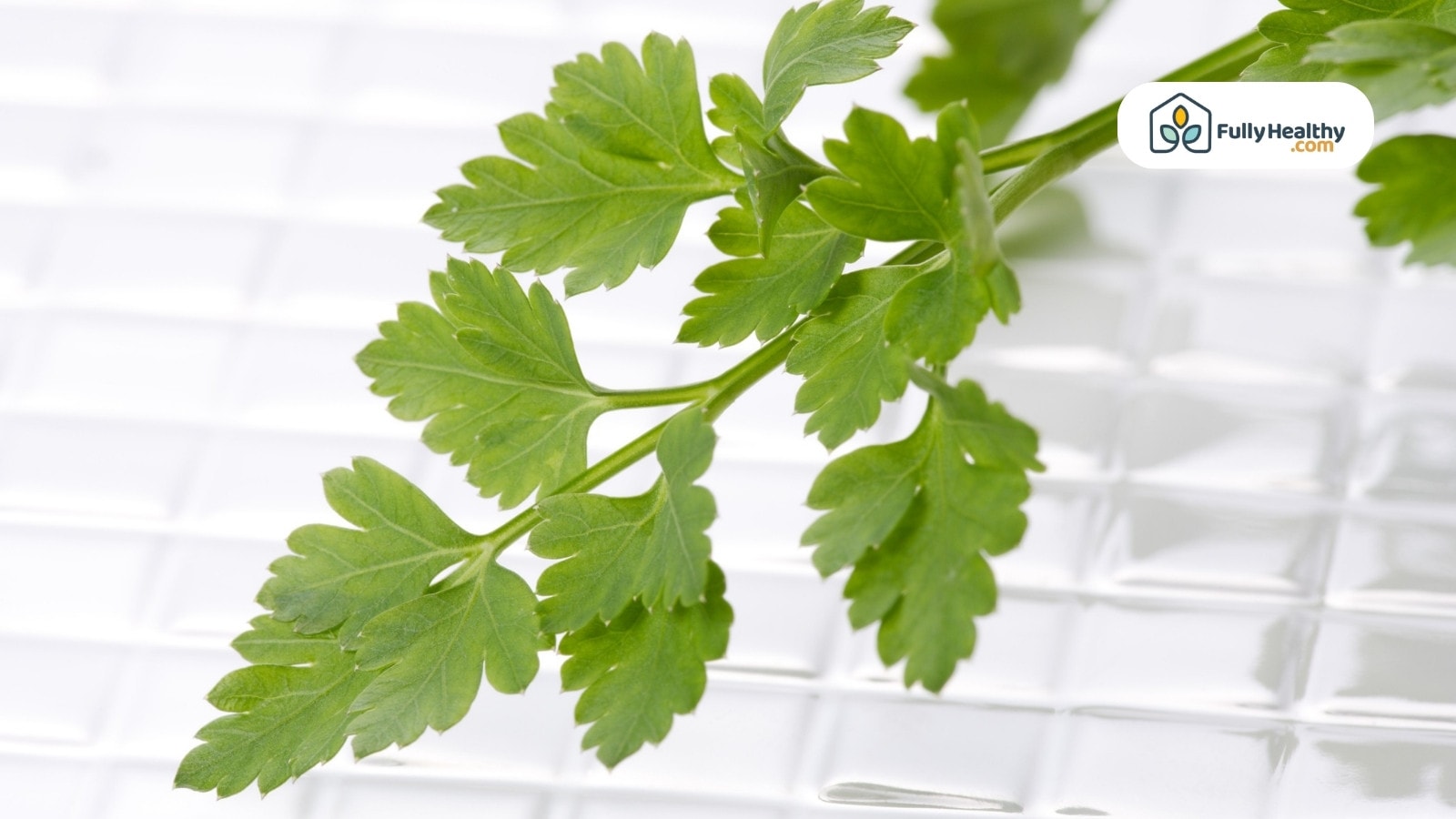 Photo Credit: Canva Pro
To get the best results, plant your cilantro at the right time. You can pick a lot of fresh cilantro leaves or let it flower so that seeds can grow. Timing is important if you want to keep plants from bolting and grow them longer in growing season.
Sow in Early Spring or Late Summer for Best Results
It's great when it's cool outside for cilantro. The plant stops making leaves and grows flower stalks quickly if it's too hot.
-
Best seasons: Plant in early spring or again in late summer for a fall harvest.
-
Avoid midsummer: Hot temperatures make the plant bolt too soon.
-
Succession planting: Sow seeds every 2–3 weeks to keep a fresh leaves supply of cilantro coming.
-
Seed production tip: For coriander, allow the plant to flower and dry naturally.
Pay Attention to Frost Dates and Soil Temperature
Cilantro is a tough plant that can grow in cool temperatures. You can plant at the right time if you know when the frost dates are.
-
Soil temperature: Ideal range is 55°F to 68°F for quick germination.
-
Frost timing: Sow seeds about 60 days before your last spring frost or before the first fall frost.
-
Seed packets: Always check them for region-specific tips.
-
Fall planting: Works great in warmer zones for early spring growth.
Is Cilantro Easy to Grow at Home?
 Photo Credit: Canva Pro
It is easy to grow cilantro as long as you don't fight the hot weather. Because it grows quickly and doesn't need much room, it's great for small gardens or pots.
Yes, But Timing and Temperature Matter Most
When it's hot, cilantro bolts and goes to seed. To get the most out of your cilantro plants, plant them when it's cooler outside.
-
Cool temps: Slows down flowering and gives more leaf growth.
-
Short daylight: Delays cilantro flowers and seed setting.
-
Indoor growing: Works well if you use a cool spot with bright light.
-
Fast cycle: Expect full growth in 45–60 days.
Use Succession Planting to Extend Your Harvest
Do not plant all of your seeds at the same time. If you plant cilantro in succession, you can get a steady cilantro harvest for weeks. Cut back some more, and if you want seeds, let a few plants flower.
-
Pruning cilantro: Regular trimming boosts leaf production and delays bolting.
-
Harvest tips: Pick the outer leaves first to keep the plant growing.
-
Attract insects: Cilantro flowers bring in beneficial insects like bees and ladybugs.
-
Seed saving: Let seed heads dry and collect them in a paper bag for future planting.
Do I Have to Soak Cilantro Seeds Before Planting?
 Photo Credit: Canva Pro
If you're starting cilantro from seeds, you might be wondering if you need to soak them first. Soaking or lightly crushing coriander seeds can improve germination by helping break the seed husk, but it’s optional and not always necessary for successful sowing.
Soaking Helps Break the Husk and Boost Germination
There are two seeds inside each husk of a cilantro plant. The outer layer gets softer after soaking, which makes it easier for the seeds to grow. This works well when it's cooler outside or when you need results quickly.
-
Break the husk: Lightly crush the seed to split the husk and expose the two inner seeds.
-
Soak time: Place seeds in water for 24–48 hours before planting.
-
Dry before sowing: Let the soaked seeds air dry on a paper towel to prevent clumping.
-
Faster sprouting: Soaking helps seeds germinate several days sooner.
Direct Planting Works Fine Without Soaking
If you don't want to soak the cilantro starts, you can still grow strong plants by planting them right away in moist, rich soil. This method works well in late spring and is easy for beginners.
-
Plant depth: Sow seeds ¼ inch deep in nutrient-rich soil.
-
Water regularly: Keep the soil moist but not soggy until sprouts appear.
-
Thin for airflow: Once seedlings grow, thin them to avoid overcrowding and promote healthy leaves.
-
Avoid root damage: Direct seeding helps you minimize root disturbance and keeps plants happy.
Cilantro Products From FullyHealthy Worth Trying
FullHealthy has great products that make things easy if you can't get cilantro leaves all year or if you want to use the same plant in other ways besides eating the leaves. When you can't grow cilantro, these are great alternatives.
Try Dried Cilantro or Seasoning Blends for Everyday Use
A lot of recipes work well with dried cilantro. It stays fresh longer and still adds flavor to foods that don't need fresh herbs.
-
Simply Organic Cilantro: A trusted dried herb that’s perfect for soups, stews, and sauces.
-
Primal Palate Ginger Cilantro Blend: A bold spice mix that pairs well with meats, grains, and veggies.
-
Shelf-stable: Easy to store, no refrigeration needed.
-
Flavor helper: Great when you’re between harvests or just starting to grow cilantro indoors.
Heat-and-Eat Meals With Cilantro Flavor
Want something quick and good for you? Meals on FullyHealthy that taste like cilantro are easy to make and great for warm weather or lunches you can take with you.
-
Wild Zora Baja Citrus Quinoa Meal: Made with tomato, lime, and cilantro; ready in minutes.
-
Clean ingredients: Gluten-free and suitable for sensitive diets.
-
Long shelf life: Keep them stocked for busy days.
-
Tastes fresh: Perfect for enjoying cilantro’s unique flavor any time.
Final Thoughts
When you follow the right steps, cilantro is an easy-to-grow herb from the Apiaceae family. It's important to know when and how to start cilantro if you want more leaves for cooking or more seeds for spice. It does best in cool weather, can handle some shade, and doesn't like being moved, so planting it directly is best.
Use succession planting and pick varieties that is long standing if you want a steady supply. For both new and experienced gardeners, growing cilantro can be a rewarding experience, whether you're planting it in a crowded area or using it instead of parsley. Remember to buy cilantro seeds early so that you can grow a lot of plants.
FAQs
Can I buy cilantro seeds online easily?
Yes, you can buy cilantro seeds online or at most garden centers.
Should I grow cilantro in partial shade or full sun?
Cilantro grows in both but prefers partial shade in hot climates to avoid bolting.
Can I start cilantro seeds indoors and transplant later?
You can, but transplanting is tricky—cilantro doesn’t like being moved once started indoors.
Why is cilantro a popular herb in the apiaceae family?
It’s a popular herb because it’s part of the apiaceae family, grows fast, and tastes like parsley.
How do I get more seeds and more leaves from my cilantro?
Use crowded conditions early for more leaves, then let some plants bolt for more seeds and a continuous supply.
Leave a comment