

How Is Olive Oil Made? The Real Process Explained
 Photo Credit: Canva Pro
Ever wondered how is olive oil made? The process starts with picking ripe olives from old trees. The olives are then crushed, mixed, and gently pressed to get pure golden oil out. From cold extraction to careful bottling, every step keeps the flavor and nutrients that are already in the fruit.
This guide breaks down one of the world's most trusted and classic oils' production process, how pure it is, and what it does for your health.
Featured Pantry Pick
Graza // Sizzle Extra Virgin Olive Oil - 750ml
Loading...
How Is Olive Oil Made Step by Step?
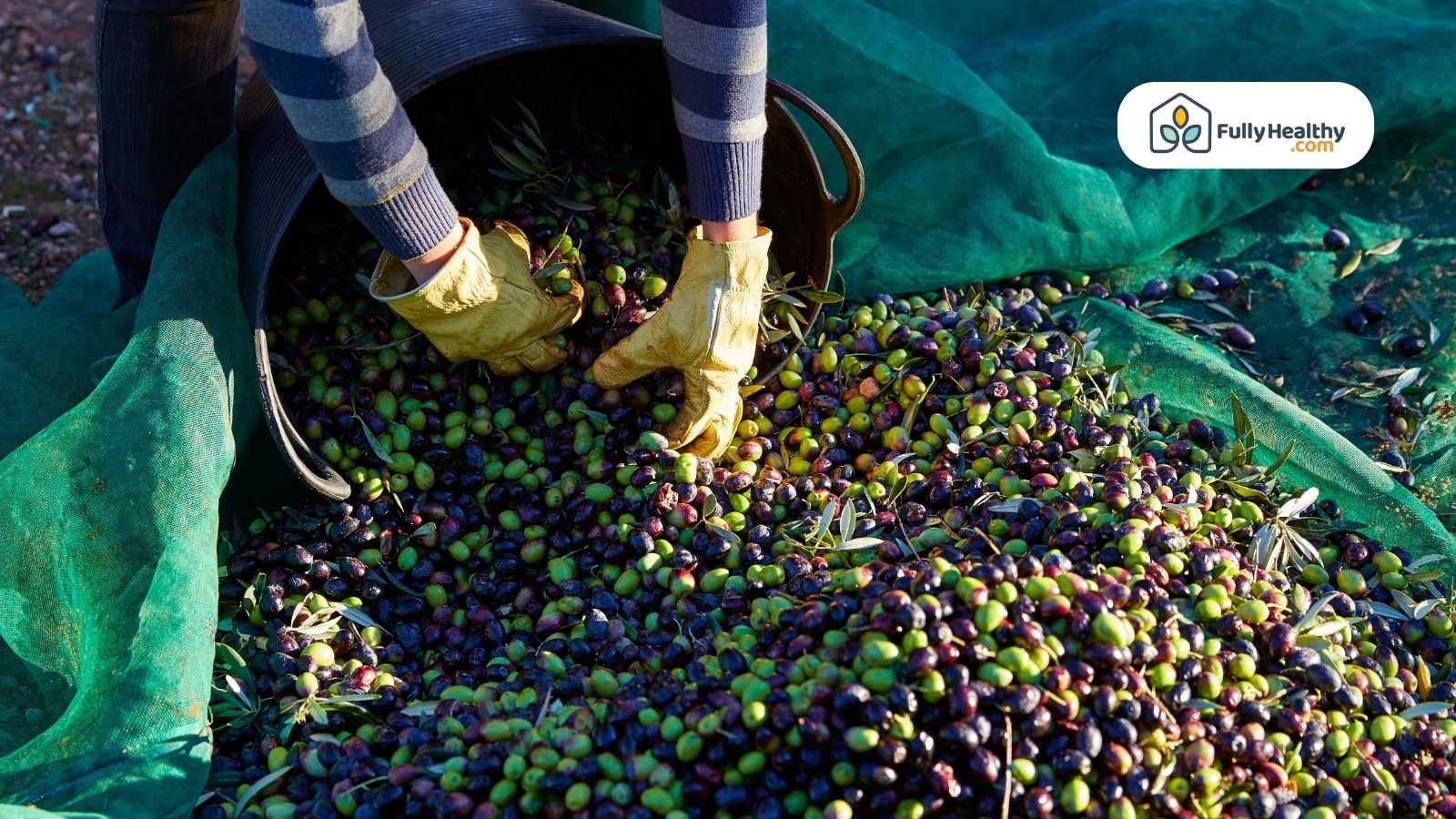 Photo Credit: Canva Pro
Harvest, Transport, and Prep
The process of making olive oil starts in the grove, with the olive tree, which is usually in the ground from September to January. Farmers pick olives when they are at their brightest color and get them to the mill quickly so they don't go bad.
The olives are washed, smashed, and then turned into olive paste, which is made of olive pulp, olive stones, and olive skin. For cold extraction, the paste is slowly mixed below 27 °C, joining oil droplets to make oil with a rich flavor and high quality.
-
Step 1 – Harvesting: Collect ripe olive fruit by hand or mechanical shakers.
-
Step 2 – Transport: Move to the mill within 48 hours to avoid fermentation.
-
Step 3 – Washing: Remove dust, leaves, and stems before processing.
-
Step 4 – Crushing: Olives are ground into smooth olive paste for the next stage.
-
Step 5 – Malaxation: The paste is mixed slowly under low temperature to form a consistent emulsion.
-
Step 6 – Modern method: Traditional stone pressing and woven mats are now replaced by a continuous process using stainless-steel mills for cleaner results.
Extraction, Separation, and Finishing
Once the olive paste is ready, a continuous method is used to start the extraction process. It is spun in centrifuges to separate the oil, vegetable water, and solid pomace without adding heat. The oil extraction process keeps going through vertical separators, which make extra virgin olive oil and virgin olive oil.
Some makers leave it cloudy as Olio Nuovo to get the strong, raw flavor they want, while others filter and store it to keep the quality stable.
-
Step 7 – Separation: Centrifuges rapidly divide oil from solids and water.
-
Step 8 – Filtration: Clear oils last longer; unfiltered ones offer bold, fresh taste.
-
Step 9 – Storage: Keep olive oil in stainless tanks at 15–18 °C away from light and air.
-
Step 10 – Bottling: The clean oil is filled in dark bottles to preserve freshness.
-
Step 11 – Reuse: Remaining pomace and stones are recycled into animal feed or fuel, completing a sustainable production process.
Is Olive Oil Made from 100% Olives?
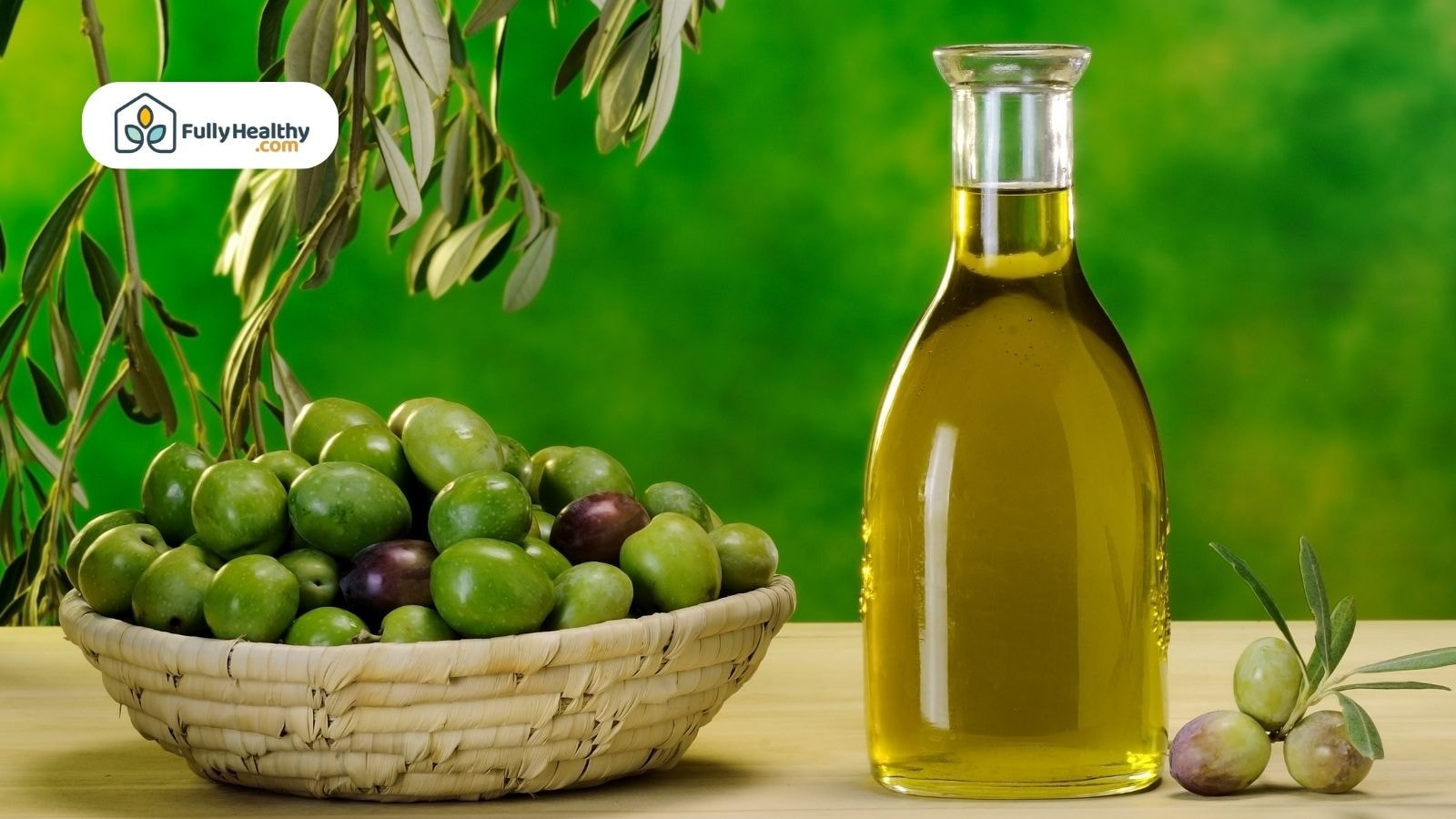 Photo Credit: Canva Pro
What “Extra Virgin” Really Means
Real extra virgin olive oil comes only from olives that have been squeezed out mechanically at 27 °C without using any chemicals or heat. The oil must have an acidity level of 0.8% or less and pass a taste test for balance and smell.
Due to this, fine Italian olive oil and other certified olive oils stay 100% pure and made naturally. T hey are never blended or refined.
-
Grade Standards: Extra Virgin ≤ 0.8 %; Virgin ≤ 2 %; Refined ≤ 0.3 %.
-
Mechanical Purity: Cold-pressed only, no solvents, no additives, just fruit.
-
Sensory Proof: Peppery bite and grassy aroma confirm true extraction.
-
Origin Integrity: Italy, Spain, and Greece enforce strict certification laws.
How to Spot Authentic Bottles
Real olive oils tell their story before you open them. Check for the year of harvest, dark glass packaging, and quality seals such as DOP, COOC, or NAOOA. A real extra virgin has a bright green-gold color, a fruity beginning, and a clean finish. The smell of flat or waxy means that it has been refined or diluted.
-
Color Signal: Fresh, green-gold tones hint at early harvest olive fruit.
-
Seal of Trust: Official stamps confirm 100 % olive oil origin.
-
Protective Bottle: Dark glass shields delicate polyphenols from light.
-
Smart Storage: Keep sealed, cool, and upright to preserve flavor and nutrients.
Is Olive Oil Unhealthy or Healthy?
 Photo Credit: Canva Pro
Evidence-Based Health Benefits
Extra virgin olive oil is always shown to be good for your heart and brain by science. The polyphenols and vitamin E in it protect against oxidation, and the monounsaturated fats lower bad cholesterol and raise good cholesterol.
This oil keeps its nutrients and rich flavor when cooked at low temperatures, making it a great choice for healthy diets.
-
Natural Strengths: Loaded with antioxidants, vitamin E, and healthy fats.
-
Cardio Support: Regular use lowers LDL and stabilizes blood pressure.
-
Cultural Proof: Foundation of the Mediterranean diet’s longevity link.
-
Kitchen Benefit: Retains nutrients up to typical sauté temperatures.
Balanced Viewpoints
Even though olive oil is high in nutrients, it is also high in calories, so it is important to watch how much you eat. Extra virgin olive oil has more antioxidants than regular olive oil. Refined oils are better for frying at high temperatures. Olive oil is better for you in the long run than butter or shortening without losing taste.
-
Energy Density: Roughly 120 calories per tablespoon, use modestly.
-
Smarter Choice: Replace animal fats to improve daily nutrition.
-
Refinement Impact: Virgin types hold more natural compounds.
-
Bottom Line: Quality oil, sensible use, and variety ensure the best results.
Which Country Produces 70% of the World’s Olive Oil?
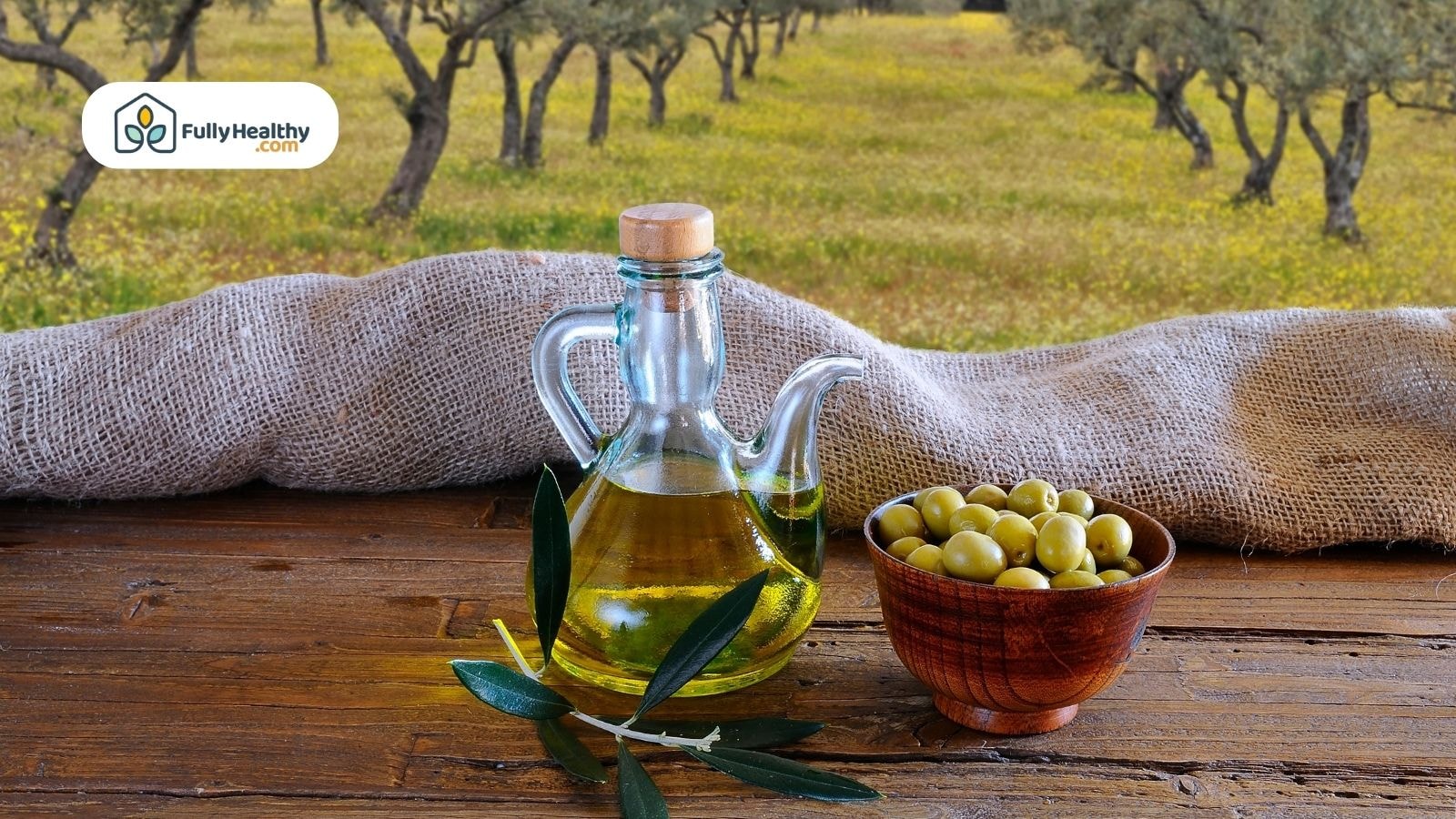 Photo Credit: Canva Pro
The Real Numbers
No country makes 70% of the world's olive oil. Spain makes about 40–45% of it, but that depends on the harvest year. Based on the weather and harvest times, these areas, along with Italy, Greece, and Tunisia, make up about 80% of the world's olive oil. Their combined expertise defines worldwide oil quality and consistency.
-
Top Producer: Spain supplies about 45–50 % of total output.
-
European Core: Italy and Greece focus on premium grades and blends.
-
Seasonal Shifts: Weather and rainfall change annual yields.
-
Global Share: Mediterranean nations dominate modern olive oil extraction.
Why Spain Dominates
Millions of olive trees grow in the fertile valleys of Andalusia. These trees help Spain become the world leader in oil production. To extract high-quality extra virgin olive oil quickly, large co-ops use advanced mills and a continuous method. Sustainable farming and new ideas from the EU make Spanish oils clean, reliable, and consistent around the world.
-
Ideal Climate: Dry summers and mild winters favor the olive tree.
-
Modern Technology: Centrifuge-based extraction process improves yield.
-
Sustainability Effort: Pomace recycled as animal feed and fuel.
-
Export Power: Spain remains the benchmark for global olive oil trade.
FullyHealthy: Pure Oils, Real Ingredients, Honest Sourcing
Our Marketplace in Brief
Through clean sourcing and openness, FullyHealthy chooses products that help people live healthy lives. Everything on the list, from pantry staples to extra virgin olive oils, is made with responsible production and clear labeling in mind, so customers can make choices that are good for them.
-
Health Focus: AIP, gluten-free, vegan, and low-FODMAP selections.
-
Ingredient Integrity: No hidden additives or refined fillers.
-
Transparency: Clear sourcing details for every product.
-
Community Support: Works directly with ethical producers.
Featured Olive-Oil Products
Premium extra virgin olive oils and healthy pantry staples made with care are both sold by FullyHealthy. Responsible sourcing, clean oil production, and a focus on keeping natural flavor, nutrients, and freshness from the grove to the table are all shown in every item.
-
Graza Sizzle Extra Virgin Olive Oil: Smooth mid-harvest oil ideal for sautéing, roasting, and everyday meals.
-
Graza Drizzle Extra Virgin Olive Oil: Early-harvest oil with grassy intensity for finishing dishes.
-
Wild Planet Yellowtail Fillets in Organic Extra Virgin Olive Oil: Sustainably caught fish packed in organic EVOO for clean protein.
-
Wild Planet Mackerel Fillets in Extra Virgin Olive Oil: Omega-3-rich fillets sealed in pure olive oil for balanced nutrition.
Final Thoughts
Olive oil is one of the purest foods ever created, squeezed straight from the olive fruit that grows on Mediterranean land. In the traditional way, it's made with care so that the freshness, nutrients, and taste are all just right. It takes time and quality to make each drop, from early-pressed bitter oil to smooth golden blends.
If you want everyday goodness, choose pure olive oil that has been handled with care.
FAQs
What Does a Spoonful of Olive Oil Before Bed Do?
A spoonful of extra virgin olive oil may aid digestion and support heart health, though claims about sleep improvement require more evidence.
Is 10 Year Old Olive Oil Still Good?
No, even traditionally made olive oil turns stale after a few years because its bitter oil compounds and aroma fade over time.
Which Is Healthier, Green or Black Olives?
Both come from the same land, but green olives have stronger antioxidants while black ones offer a milder flavor and softer texture.
Is Olive Oil Just Crushed Olives?
Yes, it’s simply squeezed and crushed olives—no additives, just fruit created into natural liquid gold through pure oil extraction.
What Is Olive Oil Production and How Is It Traditionally Done?
Olive oil production is traditionally done by grinding olives on stone mills to create natural bitter oil from fruit grown on Mediterranean land.
Leave a comment