

How Long Do Lemons Last? Shelf Life and Storage Hacks
Photo Credit: Canva Pro
How long do lemons last? It depends on how you store them. Although whole lemons can last for weeks, lemon juice and cut lemons go bad much more quickly. Flavor, juice, and zest last longer if you store them in the right way.
If you want to make sure that nothing goes to waste, this guide tells you how to store lemons correctly and how long they will last in the fridge and freezer.
🍋 First Crunch, Fresh Burst – Try Lemony Lemon Sprouted Crisps!
How Long Do Lemons Last?
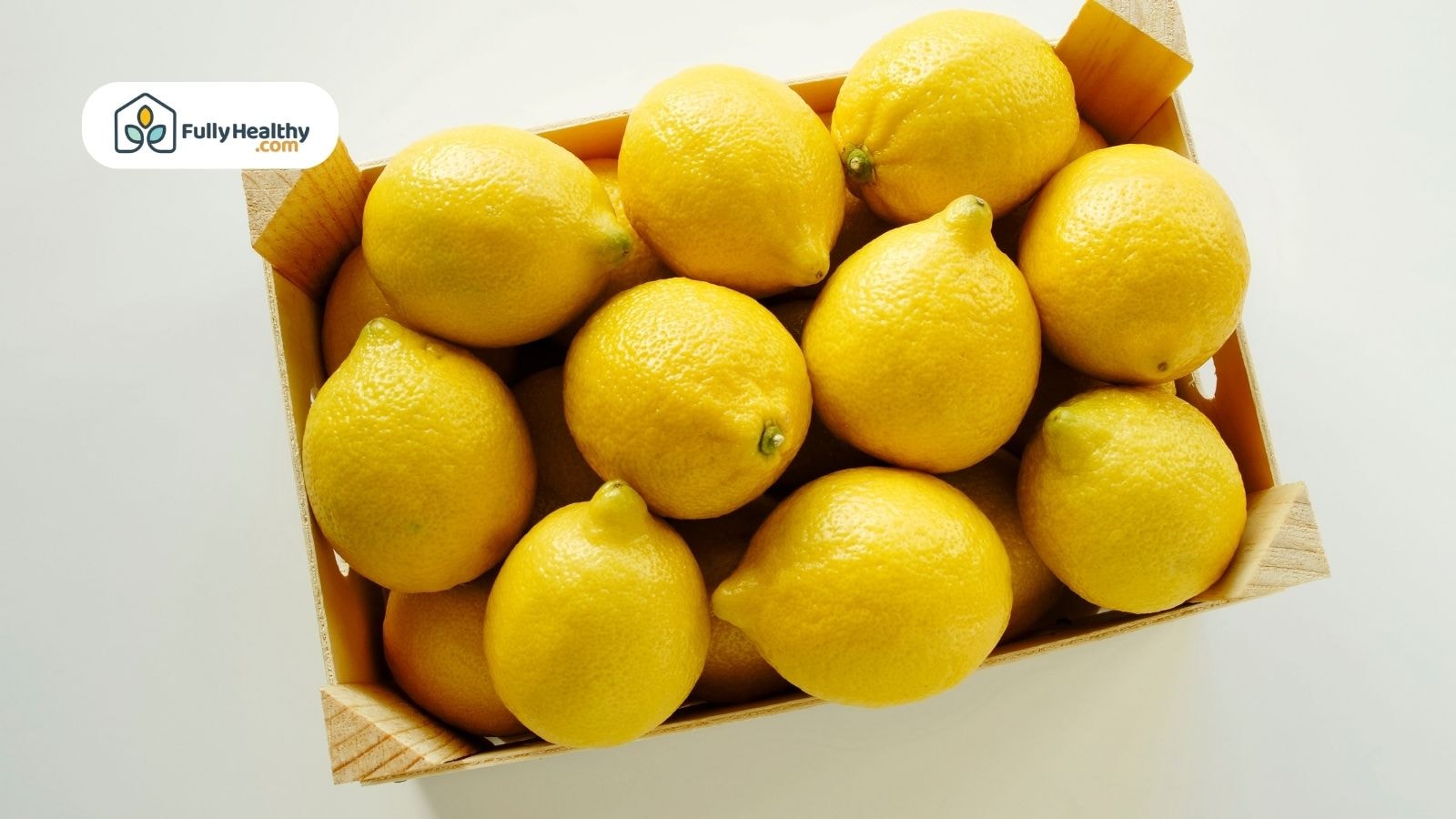
Photo Credit: Canva Pro
Whole Lemons by Storage Method
How and where whole lemons are stored has a big effect on how long they will last. Storing things correctly keeps the juice content and slows down the loss of water.
-
Room temperature: Uncut lemons last up to one week when left on the counter, especially in cool, dry climates.
-
Pantry: Whole lemons stored in a dark, ventilated pantry can stay fresh for two to three weeks.
-
Refrigerator (loose): If you put whole lemons in the crisper drawer without a bag, they will last for three to four weeks.
-
Airtight container or zip top bag: Sealing lemons with minimal excess air keeps them fresh for four to six weeks in the fridge.
-
Freezer: You can freeze lemons whole using a freezer bag for up to four months, though the lemon rind may toughen after thawing.
Cut Lemons, Juice, and Zest Lifespans
As soon as you cut a lemon, air starts to dry out the pulp, which makes the lemon taste less good. Also, juice and zest need to be handled correctly so they don't go bad.
-
Cut lemons: Store cut lemons or lemon wedges in an airtight container or wrapped tightly in plastic wrap. Refrigerated, they stay fresh for up to four days.
-
Half a lemon: Place cut-side down on a small plate or in a zip top bag; use within three to five days.
-
Freshly squeezed lemon juice: Typically lasts only 3–5 days under refrigeration before microbial activity begins to degrade flavor and safety
-
Frozen lemon juice: Pour into ice cube trays, freeze, then transfer to a freezer bag. Frozen lemon juice lasts up to four months.
-
Lemon zest: Should be used within 3 days for peak aroma. Freeze in a sealed container to preserve quality for up to 3 months.
-
To store cut lemons, juice, or zest: Always minimize air exposure and refrigerate or freeze immediately after preparation.
How Can You Tell If Lemons Have Gone Bad?
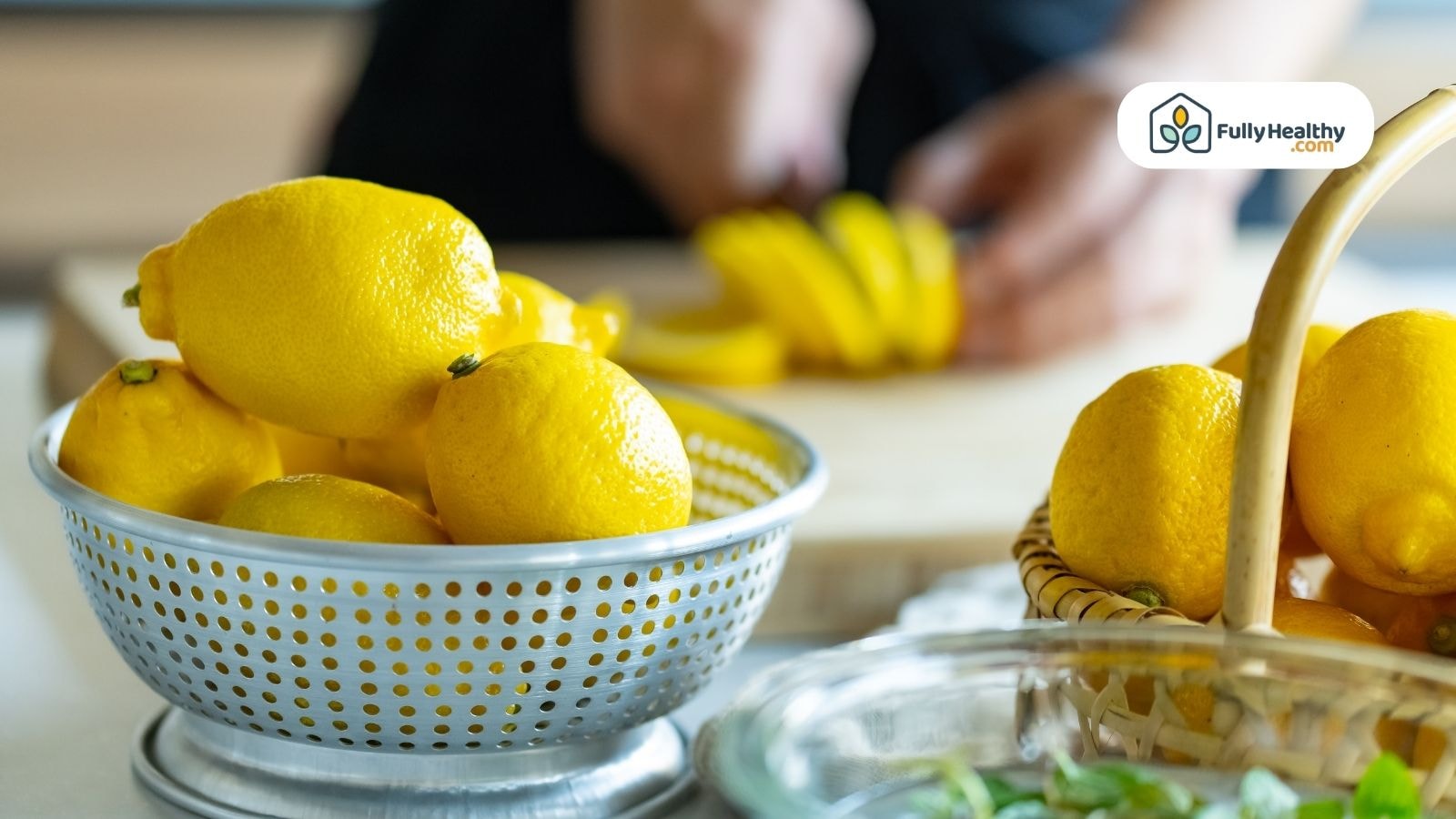
Photo Credit: Canva Pro
Visual and Physical Signs of Spoilage
Spoiled lemons often show clear physical changes. If they look off, they usually are.
-
Wrinkled peel: A dry, shriveled skin means the lemon is past its peak but may still be usable for zest.
-
Soft or mushy texture: If a lemon gives too easily when squeezed, the pulp inside is likely breaking down.
-
Discoloration or browning: Brown patches on the lemon rind or flesh can signal decay.
-
Mold: If it has white, green, or gray mold on it, especially near the stem or on the lemon slices, you should throw it away right away.
Smell and Weight Indicators
Your senses are reliable tools to detect spoilage before you use lemons in food or drinks.
-
Off-smell: A fermented, sour, or chemical-like odor suggests that lemon juice inside has gone bad.
-
Weight loss: A lemon that feels lighter than expected has likely dried out inside and may yield little juice.
-
Sticky skin: If the surface feels sticky without being cut, bacteria or yeast may be present.
-
No aroma: Fresh lemon gives off a bright citrus scent. A lack of smell usually means it's no longer fresh.
How to Keep Lemons Fresh for a Long Time?
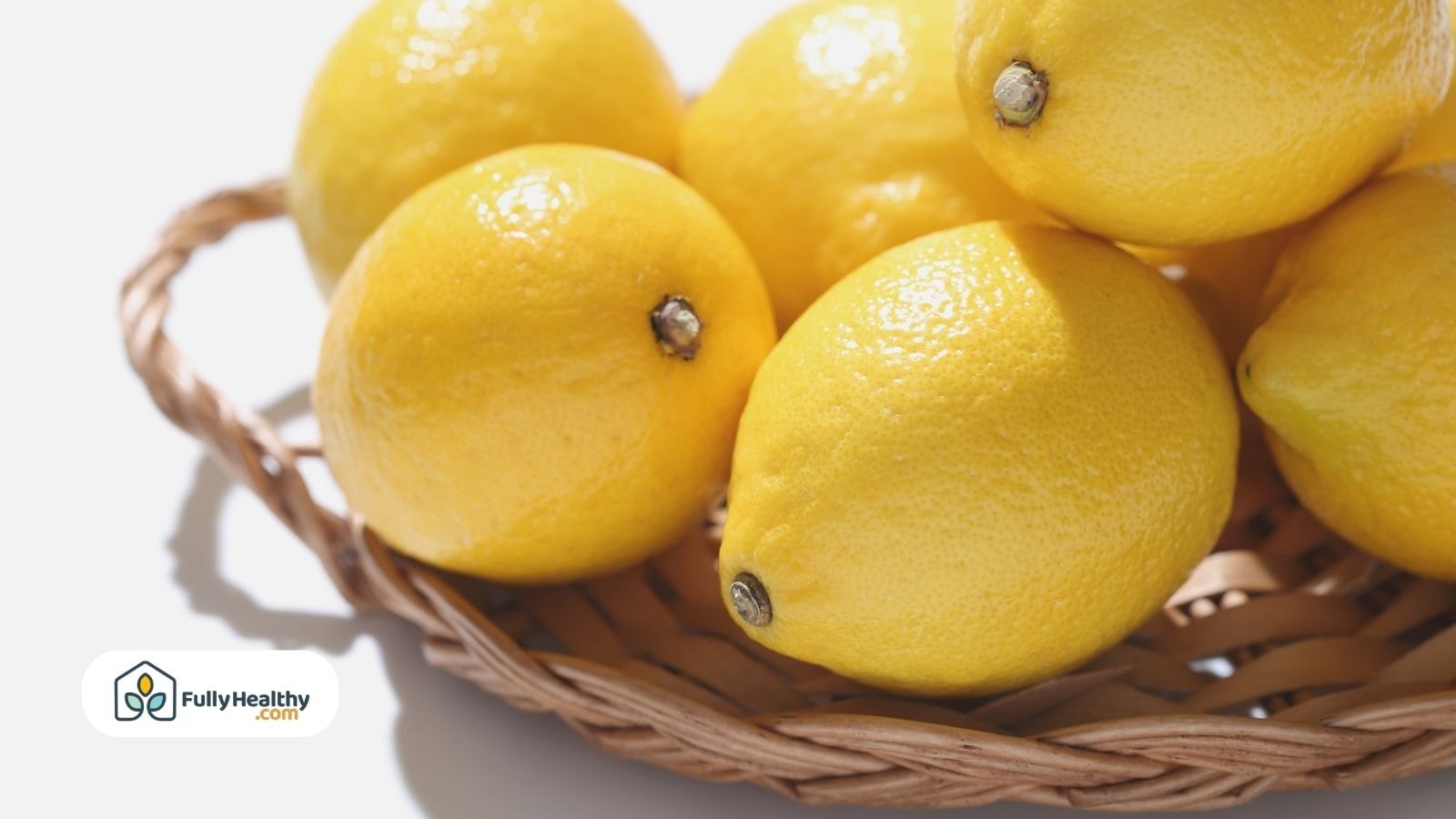
Photo Credit: Canva Pro
Best Storage Practices (Short & Long-Term)
When you store lemons, make sure they don't get wet or exposed to air. This will help them last longer.
-
Use an airtight container or zip top bag: These reduce contact with air and moisture, two factors that shorten freshness.
-
Place in the crisper drawer: Lemons stored here are shielded from temperature swings and moisture loss.
-
Wash lemons before storage: This removes surface debris and wax that can harbor mold spores.
-
Dry thoroughly: Any leftover water can encourage mold or bacteria on the lemon peel.
-
Refrigerate uncut lemons: The refrigerator is the best way to store lemons for everyday use and cooking.
Fermenting for 1-Year Lemon Storage
Fermenting lemons is an old way to keep food fresh that gives it a unique flavor and makes it last up to a year longer.
-
Quarter or halve lemons: Leave some space for liquid between slices and pack into a glass jar.
-
Add salt and room temperature water: Use a ratio of 1 tablespoon sea salt per cup of water to create a natural brine.
-
Weigh down and seal: Hold the lemons under water with a fermentation weight or a tray lined with parchment paper. Then, seal the jar loosely to let the gas escape.
-
Store in a cool place: Let sit for 3–4 weeks at room temperature, then refrigerate or place in a cellar.
-
Use in dishes: Fermented lemons are great in savory dishes, salad dressings, and baked goods needing a tangy boost.
Do Lemons Last Longer in the Fridge or Out on the Counter?
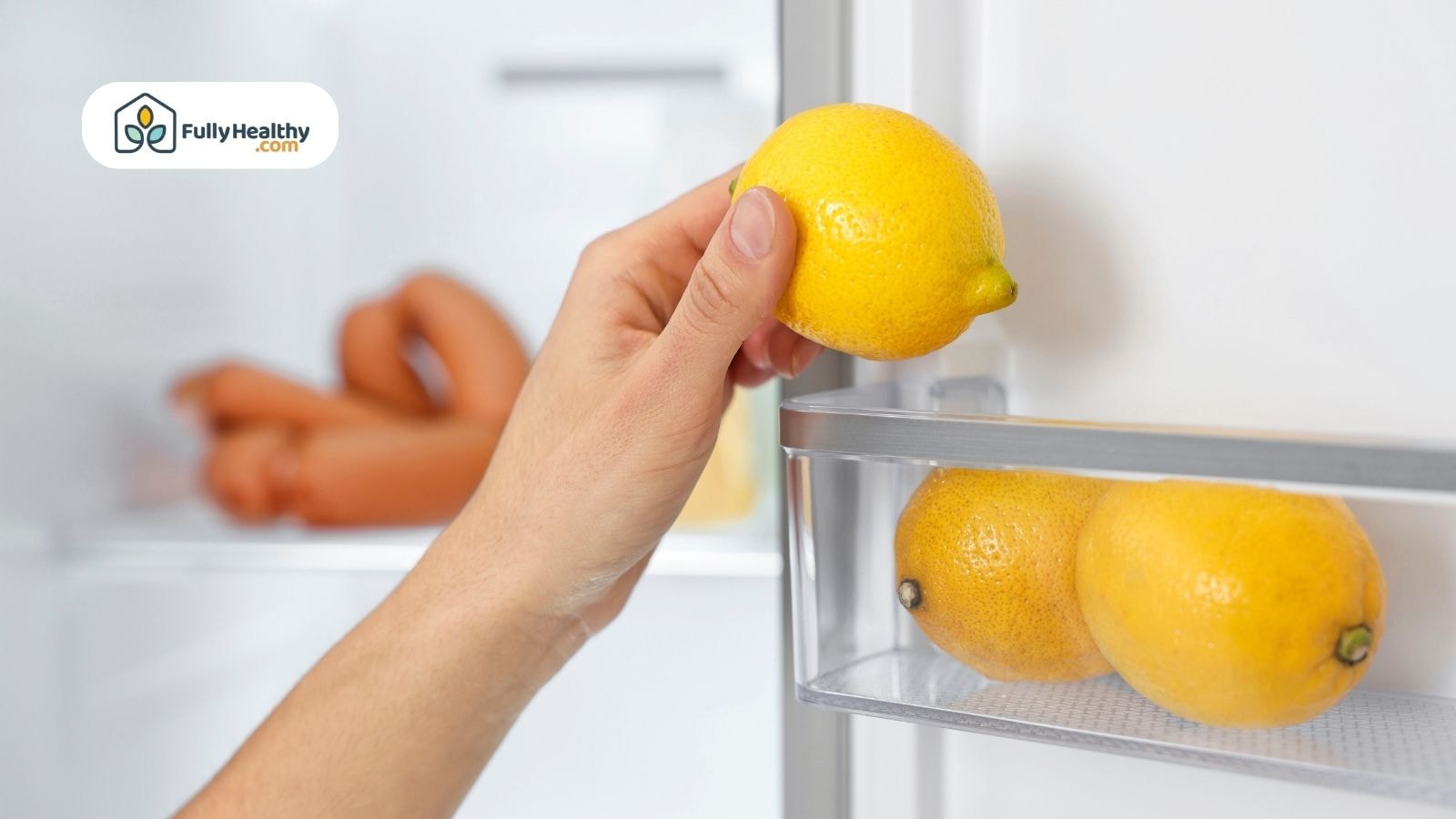
Photo Credit: Canva Pro
Storage Comparisons with Temperature Impact
Where you store lemons drastically affects how long they stay fresh. Cold storage significantly slows spoilage.
-
Room temperature: Lemons kept on the counter last about one week, especially in dry climates. Heat and moisture speed up softening.
-
Refrigerator (loose): Whole lemons stored in the crisper drawer last up to four weeks.
-
Refrigerator (sealed): Placing lemons in a zip top bag or airtight container extends shelf life to five or six weeks.
-
Freezer: You can freeze lemons whole, or freeze lemon slices or wedges on a parchment lined tray, then transfer to a freezer bag. These last up to four months.
Ethylene Exposure and Cross-Ripening
Ethylene gas, a natural plant hormone, affects how fast fruits age. Lemons are sensitive to it, even though they don't produce much themselves.
-
Avoid storing with fruits: Keep lemons away from apples, bananas, and other citrus fruits that emit ethylene.
-
Use separate storage: A sealed container or dedicated produce bowl helps minimize ethylene exposure.
-
Fridge = better control: Cold, enclosed spaces like a crisper drawer slow gas interaction and reduce early ripening.
About FullyHealthy: Nutrition Without the Guesswork
What Makes FullyHealthy Different
FullyHealthy is a reliable online store that sells clean-label snacks, pantry staples, and specialty items that are made to fit special diets. We make grocery shopping easier for homes that care about their health, if they follow the autoimmune protocol (AIP), the paleo diet, or a gluten-free diet.
-
Focused mission: We help people shop confidently by offering only products free of harmful additives.
-
Curated food selection: Everything we carry meets our rigorous standards for quality and ingredient transparency.
-
Support for dietary needs: If you're avoiding allergens, going grain-free, or following Whole30, our site simplifies your search.
Popular Lemon Products in Our Shop
We have many snacks and drinks that are made with real lemon. Perfect for lemon lovers who want a zesty, refreshing taste in every bite or sip. You can enjoy the sour taste of lemon anywhere and at any time while protecting your digestive health.
-
Foods Alive Lemony Lemon Sprouted Crisps: These crunchy flaxseed crisps are infused with lemon zest for a bold, citrus twist. Great as a snack, salad topper, or clean alternative to crackers.
-
Lakewood Pure Organic Lemon Juice: Pressed from 12–14 fresh lemons per bottle, this is your go-to option for freshly squeezed lemon juice without the mess. Perfect for lemon water, marinades, baking, and sauces.
-
Traditional Medicinals Organic Ginger Tea: Not lemon-based, but pairs well with lemon juice in warm wellness drinks. A great option for soothing digestion and boosting flavor naturally.
Final Thoughts
In the kitchen, lemons are one of the most useful citrus fruits. If you store them right, they can stay fresh for up to two weeks at room temperature and even longer in the fridge. For everything from whole lemons to zest and juice, keeping air and moisture out is key to making it last longer.
Cutting up lemons and putting the juice in ice cube trays to freeze. For long-term use, you can also store lemon zest in a freezer bag and seal it up. If you follow these smart storage tips, all of your drinks, dishes, and lemonade will keep their flavor and last longer. Keep squeezing!
FAQs
Do lemons go bad unrefrigerated?
Yes, whole lemons stored at room temperature with air exposure will go bad fast and reduce shelf life even before you use them for lemonade or food.
How do you store lemons for 6 months?
To keep lemons fresh for six months, freeze lemons whole or freeze lemon slices on a parchment lined tray, then store in a sealed container or freezer bag with no excess air.
Do lemons last longer in the fridge or out on the counter?
Lemons last way longer in the refrigerator, especially when you store lemons in a zip top bag or airtight container in the crisper drawer instead of on the counter.
Do lemons go rancid?
Yes, lemon juice or lemon wedges can go rancid when exposed to air or moisture, especially if you don’t store cut lemons properly or refrigerate fresh lemon in a container.
Are slightly soft lemons ok?
Slightly soft lemons may still contain juice but once the lemon rind wrinkles or the inside dries, they're better used for lemon zest than for fresh drinks like lemonade or food dishes.
Leave a comment