

How Long Does Cabbage Last in the Fridge? Storage, Spoilage, and Tips
 Photo Credit: Canva Pro
How long does cabbage last in the fridge? If you put whole green cabbage in the fridge, it will last for 3–6 weeks. But if you cut it up or shred it, it will go bad pretty quickly. Savoy and Napa cabbage don’t stay fresh as long. This guide will tell you the exact times to store cabbage, how to store it correctly, how to tell when it's gone bad, and how to bring wilted leaves back to life before throwing them away.
Featured Pantry Pick
Lil Kim Chee // Organic Raw Sauerkraut - 16 oz
Loading...
How Long Is Raw Cabbage Good for in the Fridge?
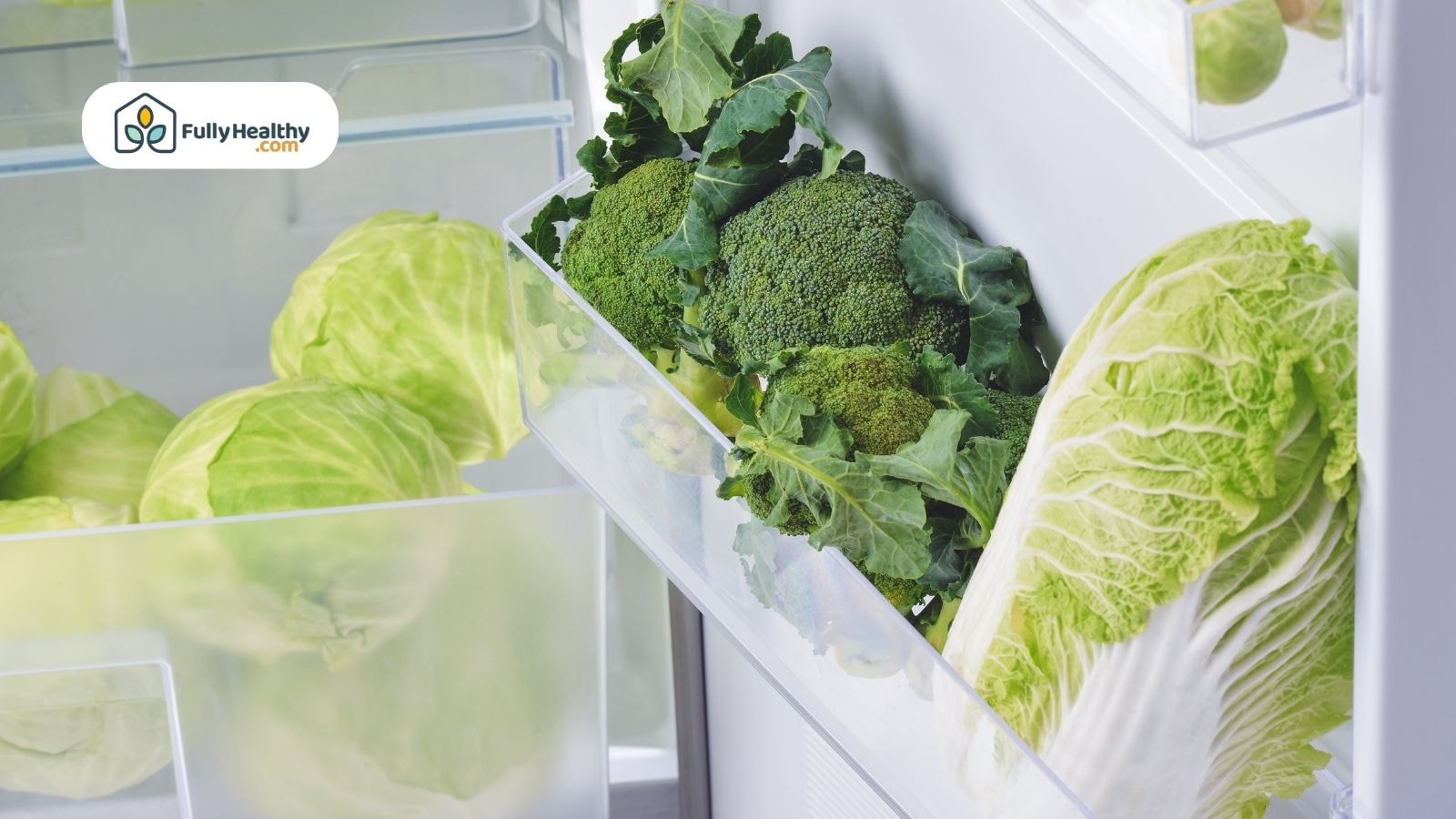 Photo Credit: Canva Pro
Whole Cabbage Lifespan
If you store cabbage the right way, a whole head can last up to two months in the fridge. Some types of cabbage, like Napa and Savoy, go bad faster and last less time.
-
Green cabbage: Can stay fresh in the fridge for 3-6 weeks, and up to 2 months if kept at the right temperature, which is close to 32°F.
-
Napa cabbage: Also called Chinese cabbage, usually lasts 1–2 weeks in the fridge.
-
Savoy cabbage: Ideally be used within 1–2 weeks due to softer texture.
-
Temperature range: Best kept at 32–40°F for optimal freshness.
-
Handling tip: Avoid bruising the head when unpacking or storing.
Shelf Life for Cut, Shredded, and Bagged Cabbage
Both chopped and shred cabbage go bad quickly if they are not stored properly. Any cabbage or coleslaw mix that comes in a bag should be eaten within three days of being opened.
-
Cut cabbage: Lasts 2 to 5 days in a sealed container.
-
Shredded cabbage: Best used within three days for flavor and texture.
-
Pre bagged cabbage: Should be consumed by the printed use-by date.
-
Vitamin C loss: Shortly after the cabbage is cut, the nutrients start to break down.
-
Cut edge care: Cover exposed surfaces with plastic wrap.
-
Coleslaw mixes: Often contain dressing, which shortens shelf life.
How Do You Know If Cabbage Has Gone Bad?
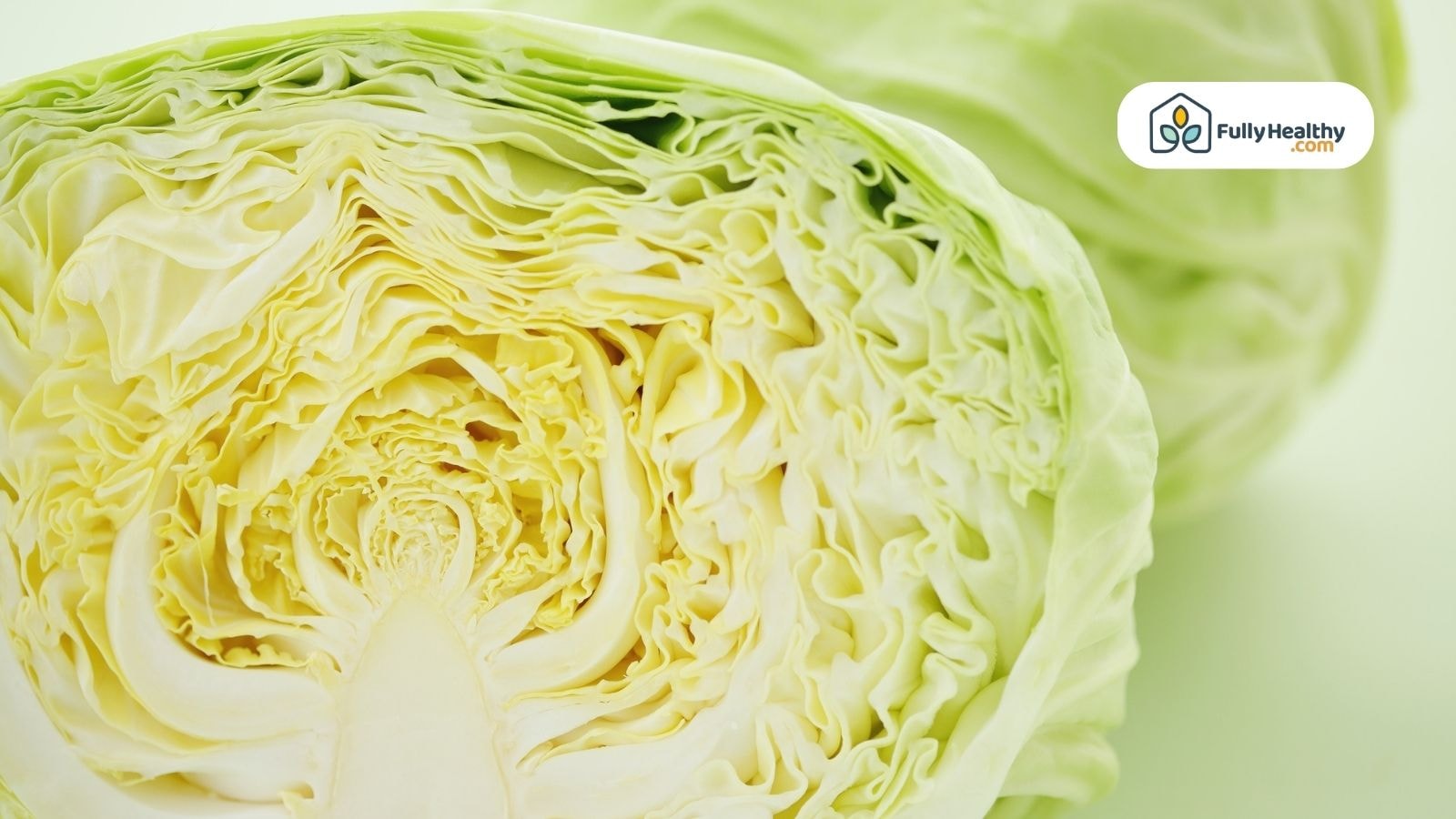 Photo Credit: Canva Pro
Visual and Sensory Signs of Spoilage
Cabbage gives off a strong smell naturally, but a sour, rotten odor means it's spoiled. Leaves that are turning brown, a mushy texture, and mold near the stem or outer layers are all signs that the food is going bad. You should throw away the cabbage if it's soft or smells bad.
-
Discolored leaves: Gray, brown, or black spots signal spoilage.
-
Slimy surface: A soft or wet feel means it is no longer edible.
-
Rotten smell: Sour or ammonia-like odor indicates bad cabbage.
-
Mold growth: Any mold on the head or cut side is a red flag.
What Parts Can Be Salvaged vs. Tossed
Not all cabbage that has gone bad needs to be thrown away right away. You can peel off the outer layers to get to the fresh center if they are only wilting or turning a little brown. But you should throw away the whole head if it is soft, smells bad, or feels slimy.
-
Outer layers: Can be removed if inner leaves are still firm.
-
Partial head: May be used if cut edge is fresh and not slimy.
-
Soft core: A mushy or foul-smelling center means it must be tossed.
-
Mild browning: Cosmetic discoloration does not always mean spoilage.
How Do You Keep Cabbage Fresh in the Fridge?
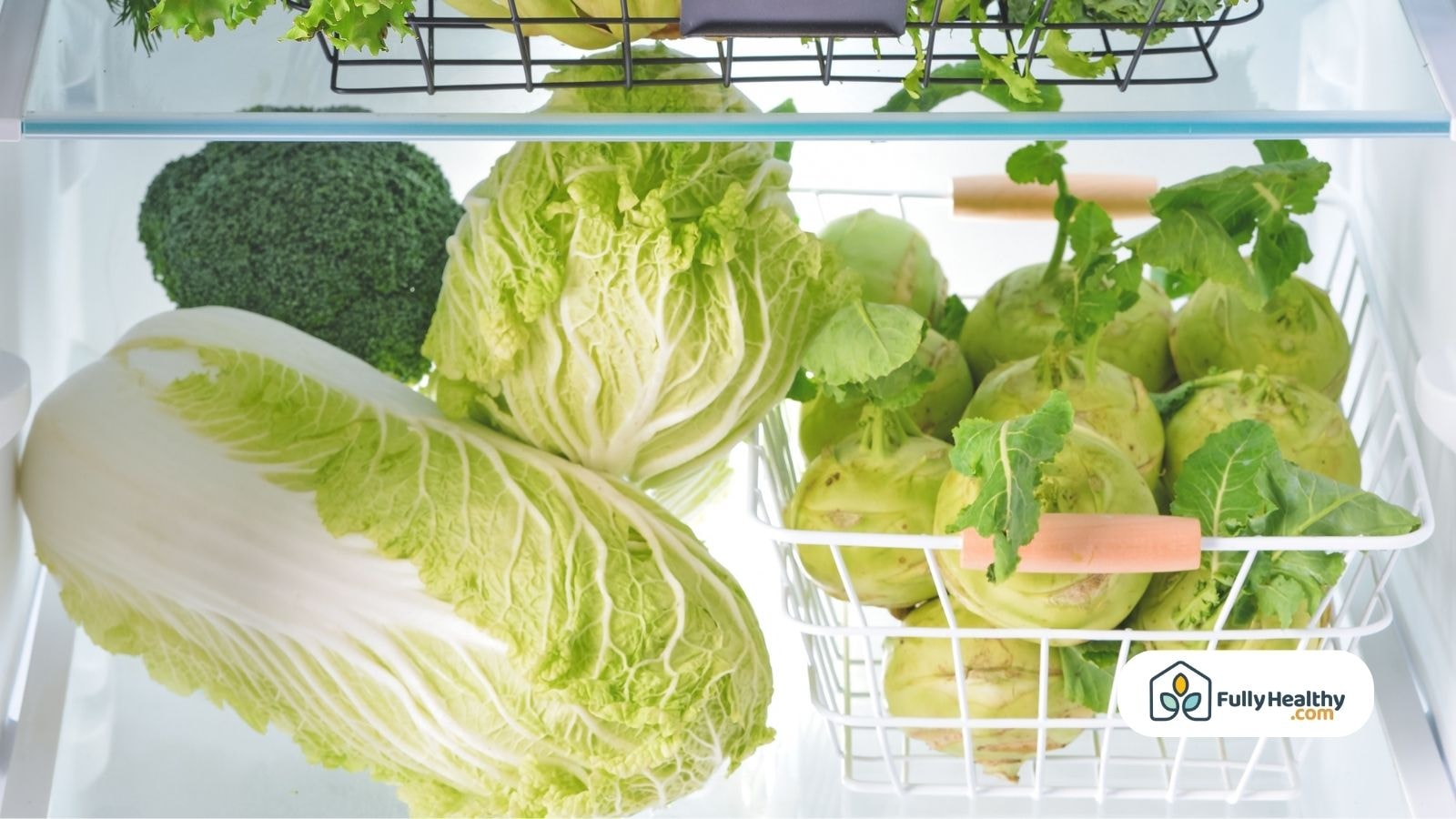 Photo Credit: Canva Pro
Best Storage Practices for Whole and Cut Cabbage
To keep cabbage fresh, don't wash it before putting it in the fridge, and put it in the crisper drawer. No matter if it's whole or cut, use a large plastic bag or an airtight container. Put the cut side down to keep air out.
-
Whole cabbage: Store unwashed in a plastic bag in the fridge.
-
Cut cabbage: Wrap tightly in plastic wrap or use an airtight container.
-
Coldest spot: Keep in the coldest part of the fridge, the back or bottom of the fridge.
-
Reduce airflow: Plastic bags help prevent excess moisture loss.
-
Freshness tip: Store cut veggies with minimal air contact.
Moisture Control and Ethylene Gas Precautions
High humidity keeps cabbage crisp, but excess moisture leads to mold. Apples and bananas, which make ethylene, should not be close to cabbage because they make it wilt faster. A good balance of moisture is important to keep food from going bad.
-
Humidity balance: Retain moisture without sealing in condensation.
-
Excess moisture: Avoid washing before storage to prevent rot.
-
Other fruits: Do not store cabbage near bananas, apples, or avocados.
-
Spoilage speed: Ethylene gas causes faster wilting and browning.
-
Storage tip: Use perforated bags to allow minimal airflow.
How Do You Revive Wilted Cabbage?
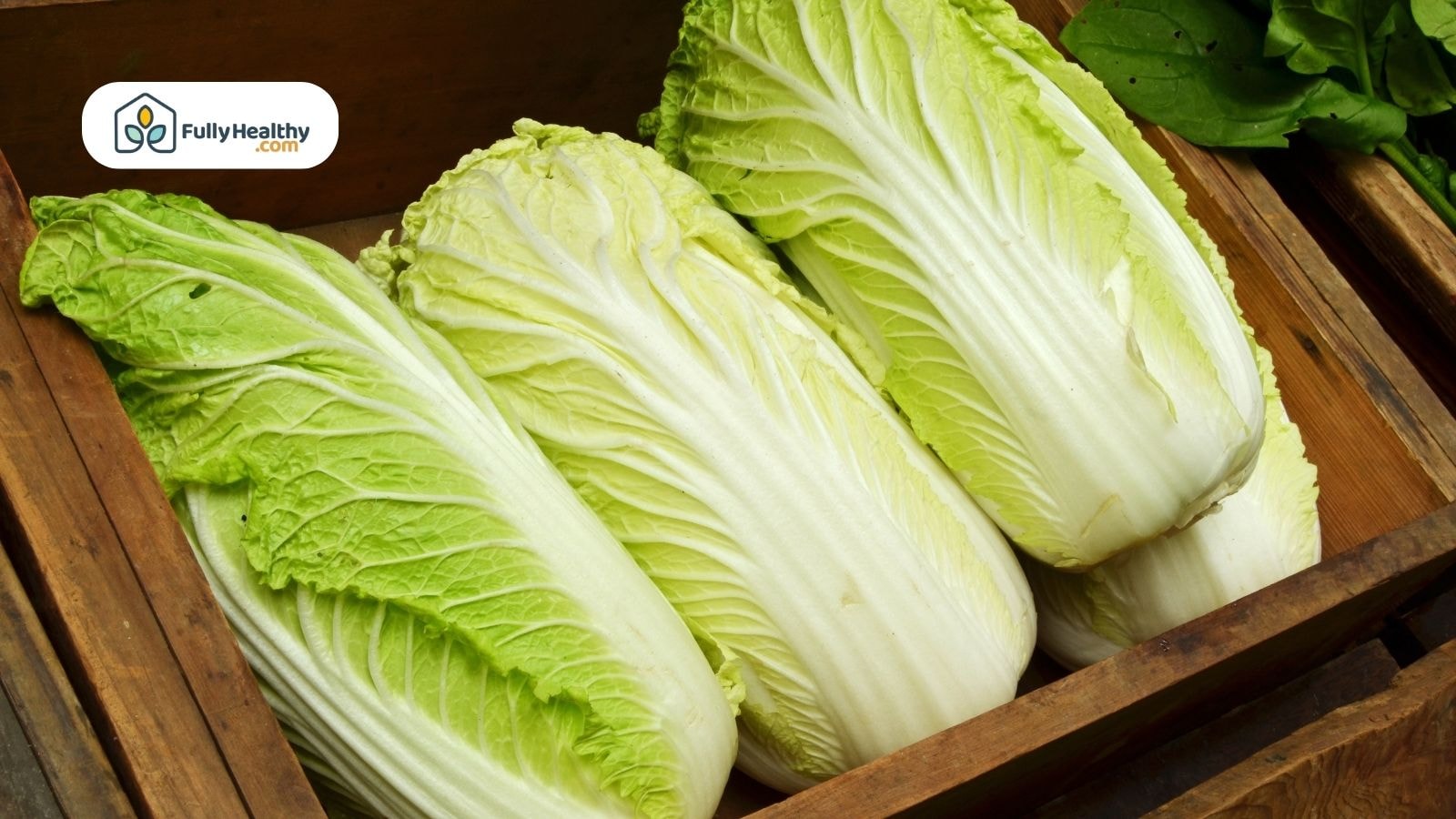 Photo Credit: Canva Pro
Ice Water Soak Method for Leafy Revival
An ice bath can bring back the texture of cabbage that is starting to wilt but hasn't gone bad yet. This method works best for soft-leafed cabbages like Napa, Savoy, and others that have been in the fridge for too long.
-
Ice bath time: Soak the cabbage in cold water for 20 to 30 minutes.
-
Texture boost: Leaves become firmer and more crisp after soaking.
-
Leafy varieties: Ideal for Napa, Savoy, and other softer cabbage types.
-
Usage tip: Perfect before making salad, slaw, or a cold dish.
-
Discard if slimy: Do not soak cabbage that is already soft or smells bad.
Stem-Trim & Hydration Method for Dense Cabbage Types
Dense heads like green cabbage or red cabbage benefit from a stem-trimming soak. It helps to rehydrate from the inside out by cutting the stem on a diagonal and putting it in cold water.
-
Trim technique: Slice the stem diagonally to expose fresh surface.
-
Refrigeration tip: Stand the head in a bowl of water inside the fridge.
-
Hydration time: Leave in water for 1 to 2 hours to refresh.
-
Best for: Whole cabbage or partial head that looks dry but not spoiled.
-
Avoid sogginess: Pat dry before returning to storage or cooking.
What You’ll Love About Fully Healthy
Our Mission for Special-Diet Support
FullyHealthy has carefully chosen foods for people on special diets. Our products help people who follow AIP or gluten-free diets stay away from ingredients that might affect people with allergies or sensitivities.
-
Product focus: Includes AIP, low-FODMAP, paleo, and gluten-free options.
-
Trusted source: Carefully vetted for clean ingredients and label transparency.
-
Community impact: Supports small brands and health-conscious customers.
-
Educational support: Helps users shop smarter for their food restrictions.
-
Easy access: Available online for flexible grocery shopping.
Cabbage-Based Favorites in Our Shop
The has fermented and ready-to-eat cabbage for people who love it. From sauerkraut to savory soups, these products bring both nutrition and convenience to your fridge.
-
Wild Zora soup: Made with beef, beets, cabbage, and carrots.
-
Lil Kim Chee: A raw sauerkraut with a bold, fermented kick.
-
Great Plain kraut: Classic-style raw sauerkraut with probiotics.
-
Beat Kraut shots: Fermented cabbage drinks for gut health.
-
Perfect for: Adding to stews, slaws, or serving with peanut sauce or butter.
Final Thoughts
If you store it right, cabbage lasts longer than most vegetables. A whole head from the market or grocery store can stay fresh for at least two weeks. Before putting cabbage in freezer bags to freeze, you should blanch it.
You can make soup with the leftovers, or you can boil them with salt for a simple recipe. You can also freeze and thaw cabbage. Keep it fresh, safe, and always delicious in your fridge.
FAQs
Can you eat 2 week old cabbage?
Yes, if stored properly, a whole head of cabbage can still be good after about two weeks.
What are signs of mold on cabbage?
Look for black spots, fuzzy patches, or any slimy texture on vegetables or leftovers.
Does cabbage need to breathe in the fridge?
Cabbage keeps best in perforated plastic bags or loosely wrapped to balance moisture retention and airflow.
Can cooked cabbage be frozen after boiling?
Yes, you can freeze cabbage after you boil it, just blanch first and pack in freezer bags.
How do you store shredded cabbage after grocery store?
Store shredded cabbage in an airtight container after buying from the grocery store or farmer's market.
Leave a comment