

How Long to Broil Salmon and Know It’s Done
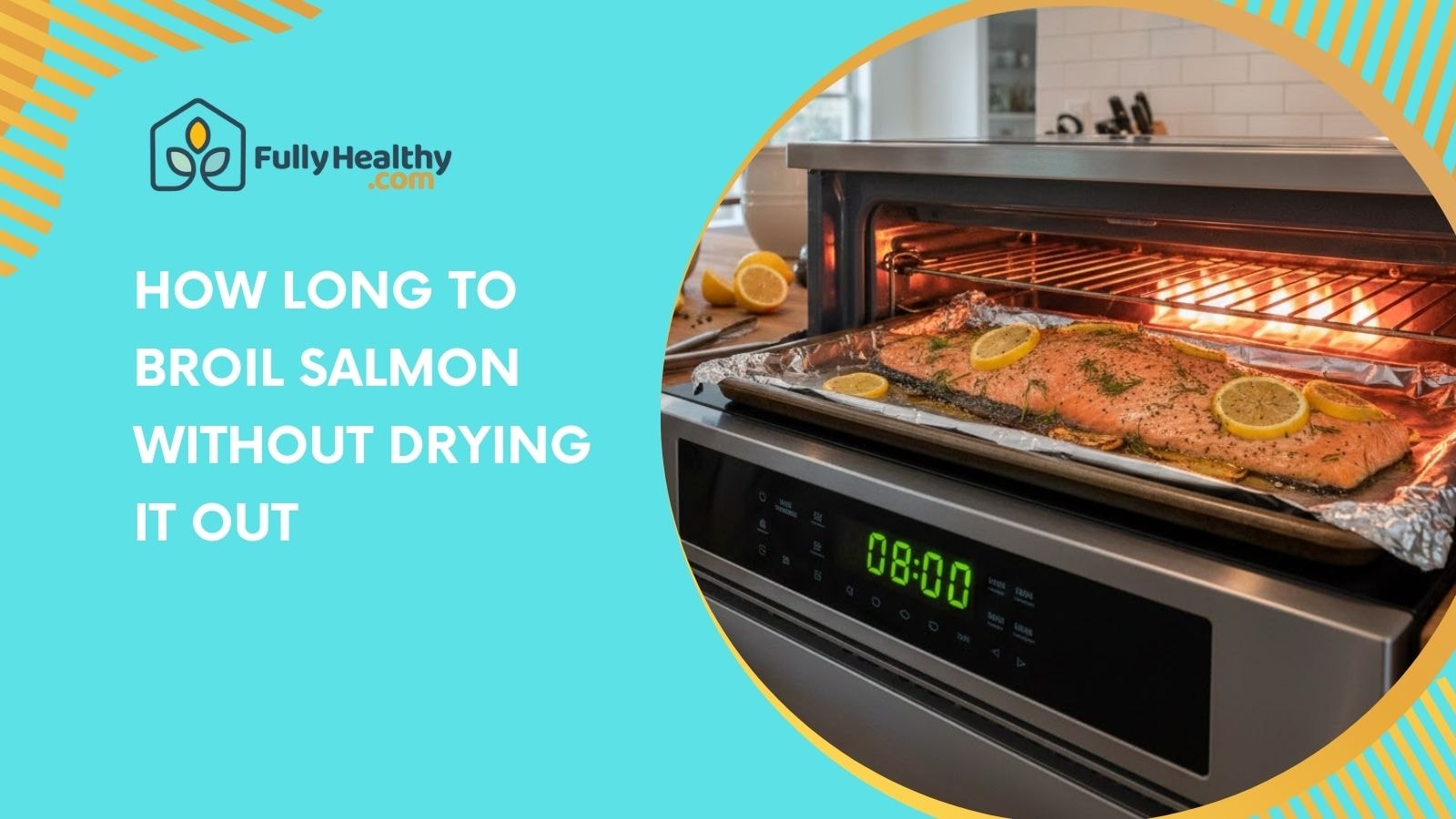
Broiling salmon is quick and easy, but timing can vary. How long to broil salmon really depends on how thick the fillet is, how hot the oven is, and where the rack is in the oven. In general, it takes 6 to 10 minutes. If you want flaky and juicy salmon, this article tells you exactly when to broil it, how to tell when it's done, and common mistakes to avoid.
Featured Snack Pick
Epic // Salmon Maple Coconut Oil Bites - 2.5 oz
Loading...
How Long Do You Broil Salmon?
Broiling Time by Salmon Thickness
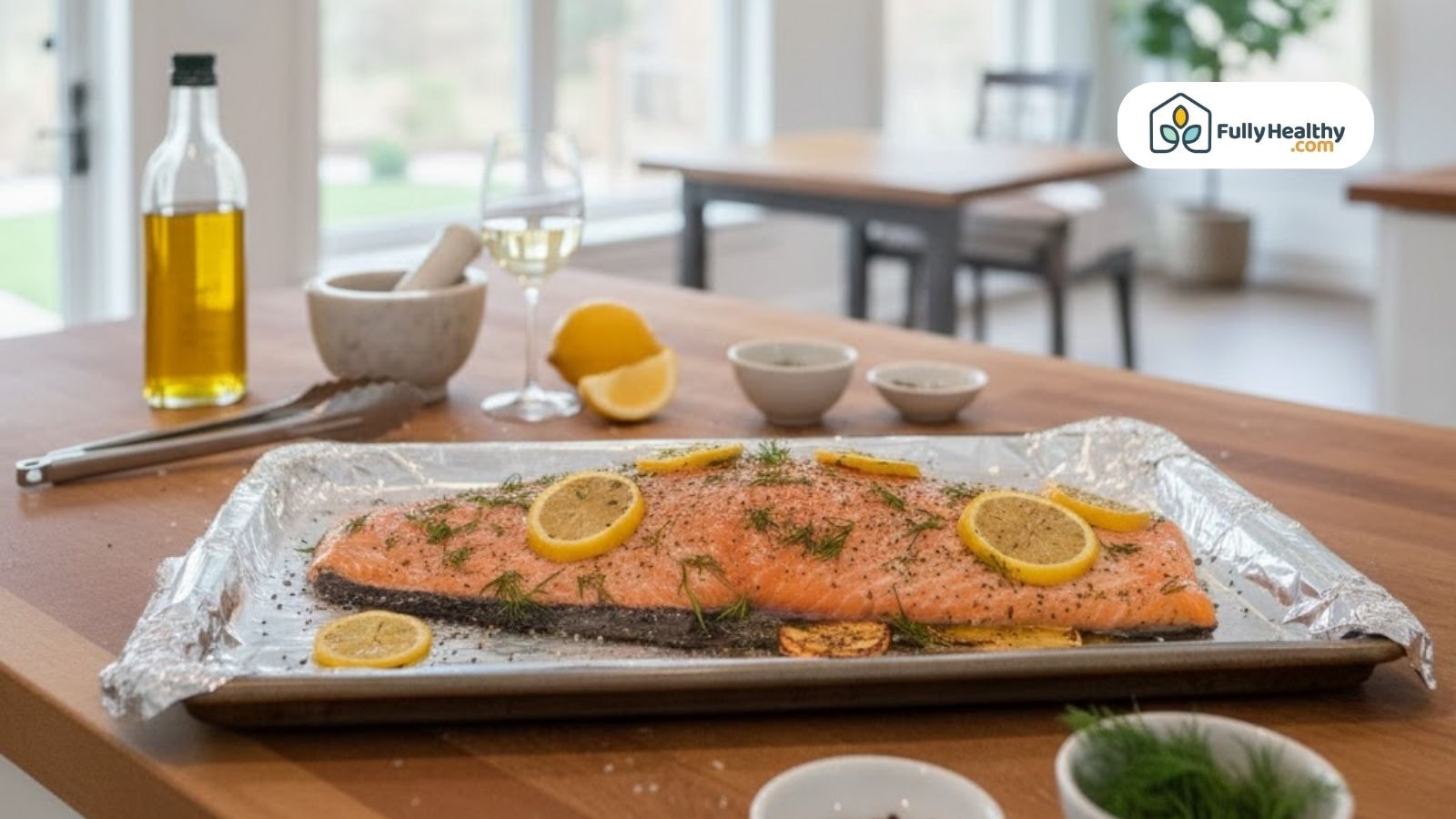
Since the broiler cooks from above with intense heat and the middle cooks more slowly, how long salmon should be broiled mostly depends on how thick it is. Thin salmon fillets cook quickly, but thicker salmon steaks and king salmon need a more controlled cooking time so the surface doesn't burn.
-
½-inch thick salmon fillets: Broil salmon for 4 to 6 minutes on a foil lined baking sheet placed under the broiler element.
-
¾-inch thick salmon filets: Cook salmon for 6 to 8 minutes until the salmon flakes easily at the center.
-
1-inch thick salmon steaks: Broiling time ranges from 8 to 10 minutes, depending on oven temperature and broiler temperature.
-
Frozen salmon: Add 2 to 3 minutes if you broil frozen salmon, or thaw first for more even cooking.
Broiling Time Based on Oven and Rack Position
The oven rack position changes how quickly the recipe results for broiled salmon are made because the heating element gives direct radiant heat. When you put the oven rack 4 to 6 inches away from the broiler, most salmon cooks better.
-
High broil setting: Salmon cooks faster and browns quickly, which is ideal for quick cooking but requires close monitoring.
-
Low broil setting: Allows more controlled cooking time and works well for thicker salmon fillets or skin on salmon.
-
Rack distance: Placing salmon too close to the heating element increases burning risk before the internal temperature rises.
-
Equipment choice: Use a rimmed baking sheet or broiler pan lined with aluminum foil and lightly coated with cooking spray.
How to Know When Broiled Salmon Is Done?
Visual and Texture Signs of Doneness
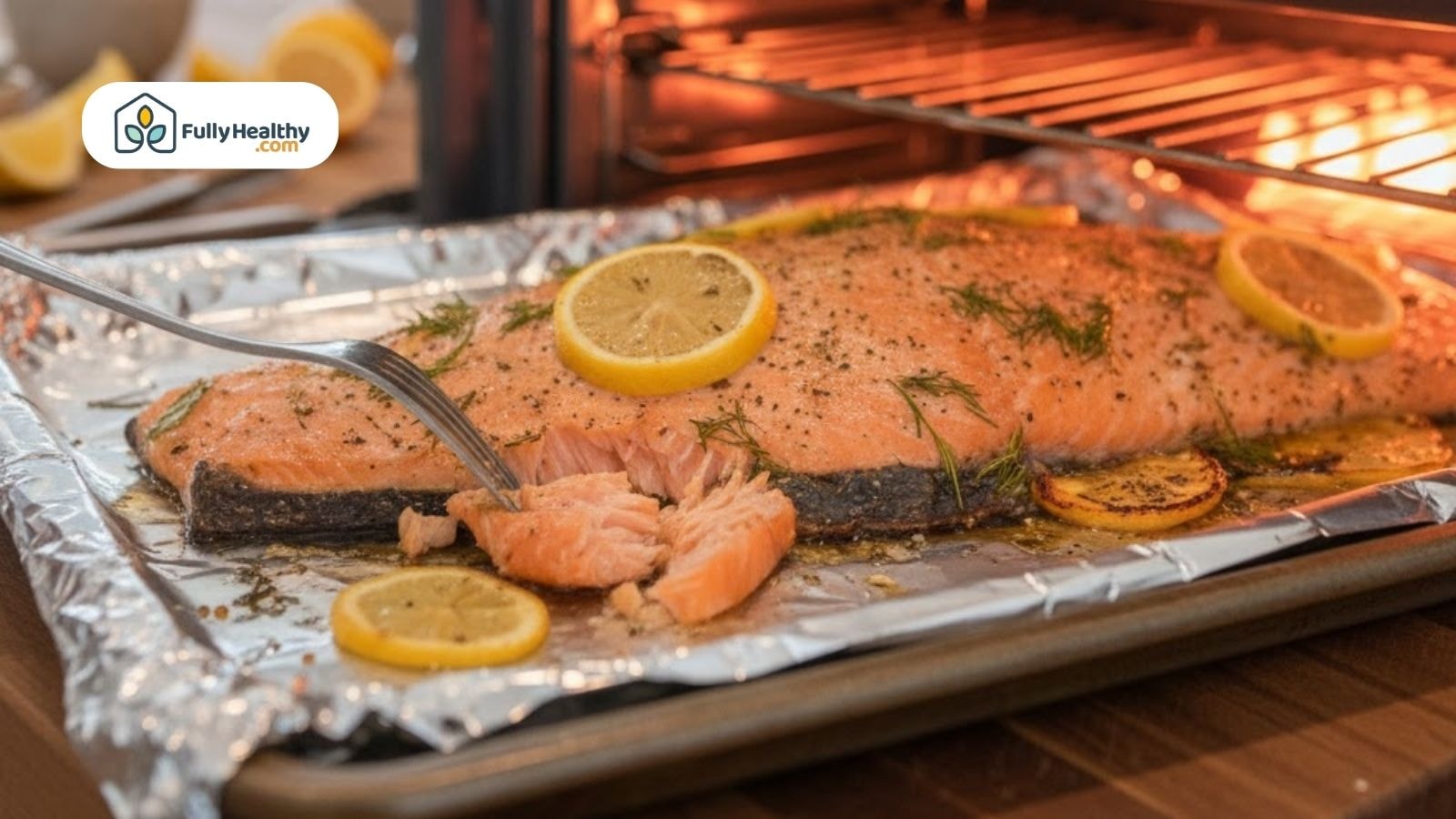
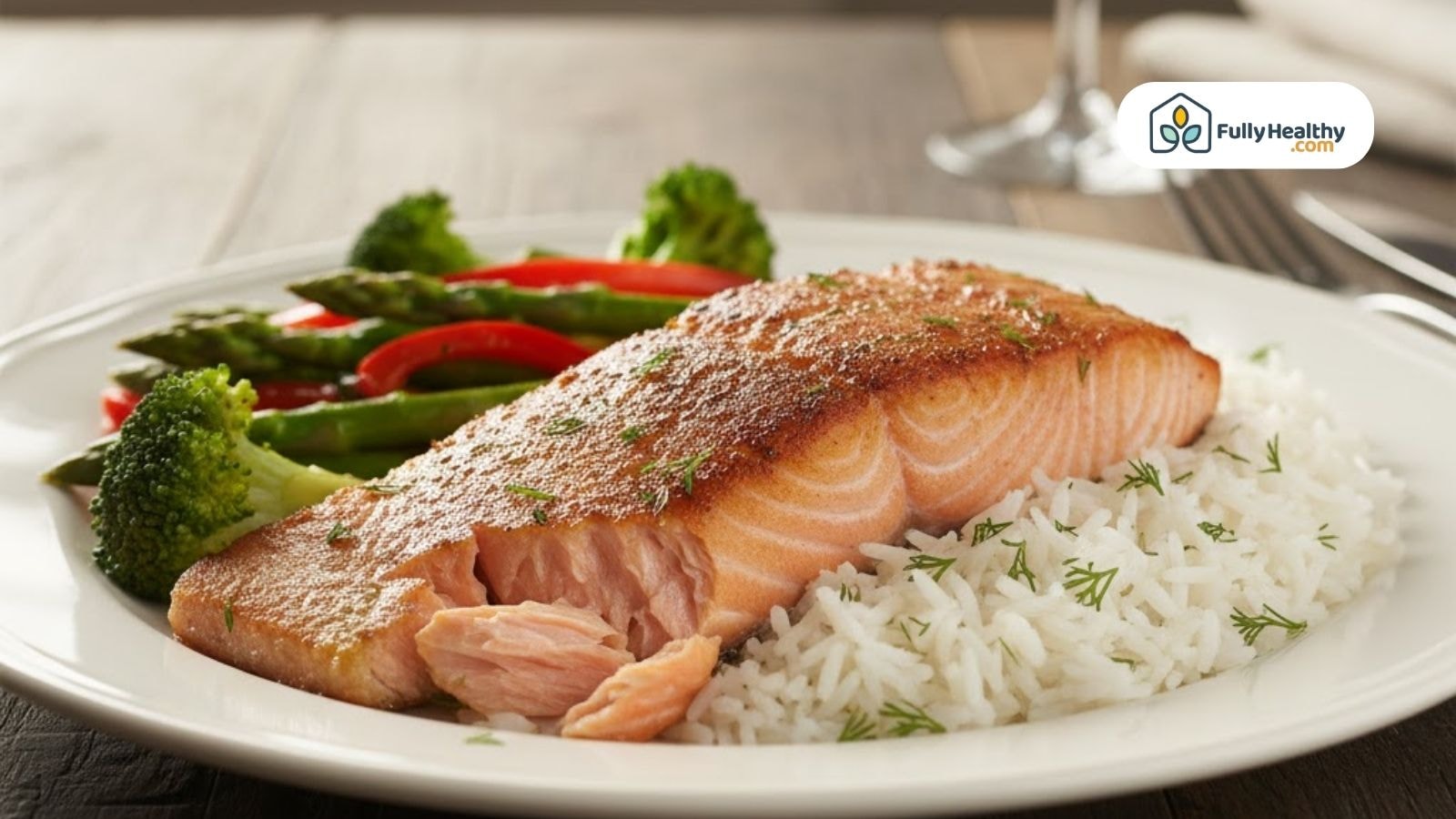
The salmon is done when the flesh changes from see-through to solid, and it flakes off easily when pushed with a fork. If you brush the salmon with olive oil or melted butter, the top should brown a little while still being moist.
-
Color change: Salmon turns opaque pink from edge to center as it cooks.
-
Texture test: Flaky salmon separates easily without falling apart completely.
-
Surface cues: Light caramelization forms when soy sauce, brown sugar, or lemon juice is used.
-
Skin behavior: Salmon skin tightens and releases from the baking sheet when fully cooked.
Internal Temperature and Food Safety Guidelines
For thicker salmon filets, the best way to know if the salmon is cooked is by checking its internal temperature. A food or meat thermometer keeps food safe and doesn't dry out the fish.
-
Chef-preferred range: Remove salmon at 130 to 135°F and allow carryover heat to finish cooking.
-
USDA guidance: Salmon is considered safe at an internal temperature of 145°F.
-
Carryover cooking: Salmon cooks for several minutes after removal due to retained heat.
-
Tool choice: Insert the food thermometer into the thickest part, avoiding contact with the baking dish.
What Are Some Common Mistakes When Broiling Salmon?
Timing, Distance, and Heat Control Errors
One of the most common mistakes when broiling salmon is using a set amount of cooking time instead of how thick the salmon is and how much heat it is exposed to. Results can be affected by broiler temperature, where the rack is put, and not preheating the broiler.
-
Skipping preheating: The oven’s broiler must be hot before cooking begins.
-
Incorrect rack position: Placing salmon too close to the heating element causes burning.
-
Over broiling: Leaving salmon unattended leads to dryness within minutes.
-
Flipping the salmon: Flipping is unnecessary and often damages salmon skin side structure.
Preparation and Seasoning Mistakes That Affect Results
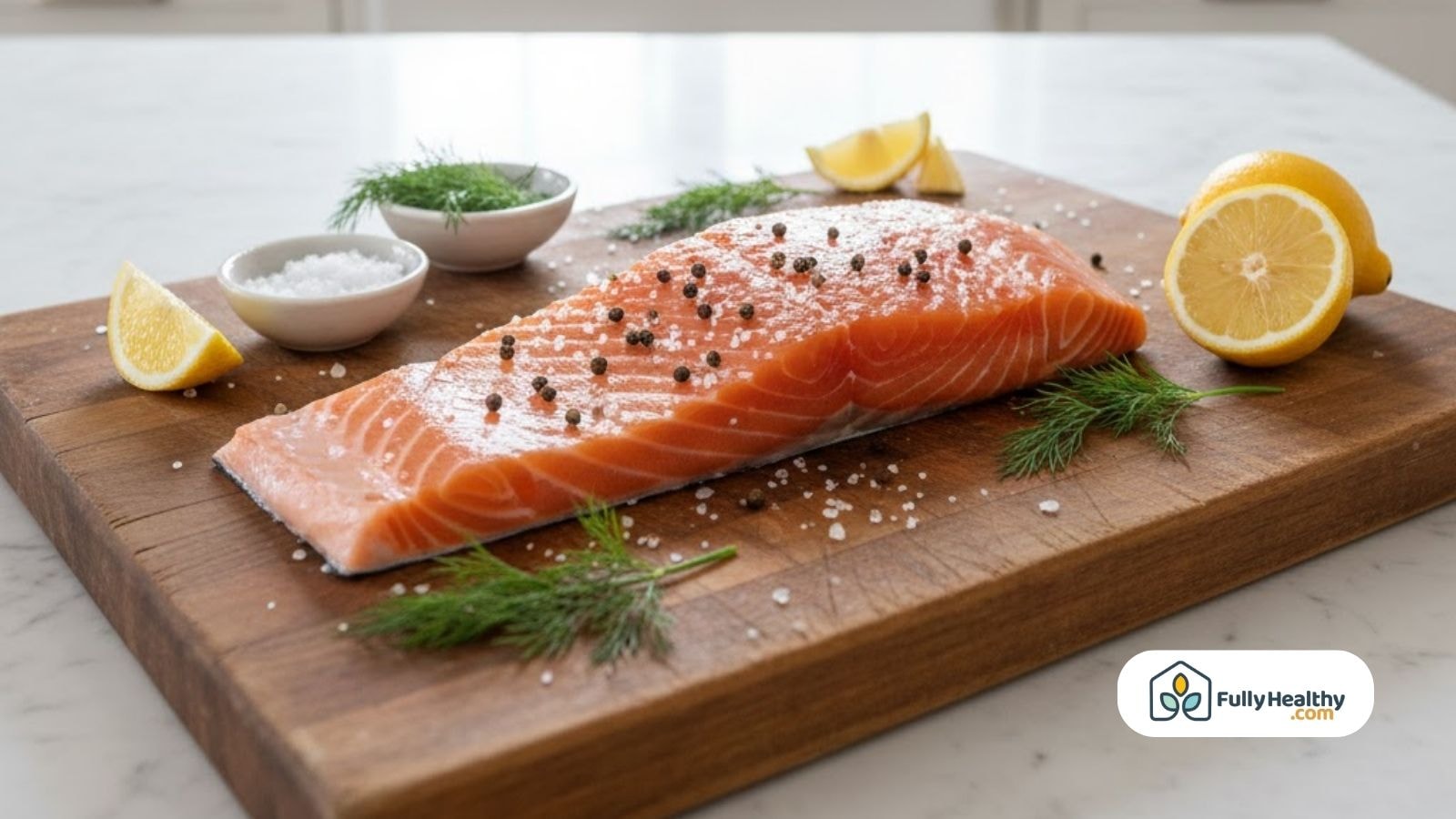
If you don't get the salmon ready the right way, it will steam instead of broil, which will stop it from turning brown and getting a crisp texture. When salmon is cooked at a high temperature, too much moisture and uneven seasoning can mess up the cooking process.
-
Wet surface: Pat salmon dry before brushing with extra virgin olive oil.
-
Too much sugar: Brown sugar burns quickly under high heat.
-
No fat layer: Olive oil or melted butter protects the top of the salmon.
-
Uneven seasoning: Use garlic powder, black pepper, fresh herbs, or a homemade seasoning evenly.
What Is the Best Cooking Method for Salmon?
Broiling vs Baking, Pan-Searing, and Grilling
Broiling uses intense heat from the oven’s broiler to cook salmon quickly, while bake salmon relies on steady oven temperature for gentler cooking. Pan-searing and grilling introduce a hot pan or open flame, which adds flavor but increases the risk of uneven doneness.
-
Broiling: Fast cooking time, crisp top of the salmon, and minimal equipment using salmon in the oven.
-
Baking: Slower and more forgiving, ideal for thicker salmon fillets or frozen salmon.
-
Pan-searing: Uses a hot pan and olive oil for strong browning but requires flipping the salmon.
-
Grilling: Adds smoky flavor but increases moisture loss if not monitored closely.
When Broiling Is the Best Choice
If you want to cook something quickly and brown it a little without drying it out completely, broiling is the best method. Broiling is best for thin salmon filets, simple salmon recipes, and meals on busy weeknights.
-
Thin cuts: Salmon fillets under one inch thick cook salmon evenly under high heat.
-
Speed: Broiler cooks faster than most cooking methods, ideal for busy schedules.
-
Minimal cleanup: A foil lined baking sheet reduces mess and sticking.
-
Crisp finish: Broiling creates flaky salmon with a lightly caramelized surface.
FullyHealthy and Our Salmon Selection
Our Commitment to Clean, Simple Ingredients
FullyHealthy offers a variety of salmon meals and snacks that are simple and clear about what ingredients are used. They focus on clean-label foods that are made for people with dietary restrictions. The products are chosen to help you feel good about cooking fish at home, and they don't have any extra chemicals or secret ingredients.
-
Ingredient standards: Products avoid common allergens and unnecessary fillers.
-
Label clarity: Each item is clearly labeled to support informed cooking techniques.
-
Everyday use: Shelf-stable options make it easier to cook salmon without frequent grocery trips.
-
Trust focus: The site review recipe process emphasizes reliability and quality.
Salmon Products Available at FullyHealthy
FullyHealthy has a hand-picked selection of salmon products that are good for quick cooking, broiling, and easy prep. When beginners and experienced home cooks make salmon in the oven, options work for them both.
-
Wild Planet Alaska Pink Salmon No Salt 6 oz: Mild flavor with full control over seasoning.
-
Wild Planet Wild Alaskan Pink Salmon 6 oz: Versatile option for simple salmon recipes and leftovers.
-
Wild Planet Wild Sockeye Salmon 6 oz: Firm texture that holds during broiler cooks.
-
EPIC Smoked Maple Salmon Strip 8 oz: Lightly seasoned with a savory flavor.
-
EPIC Salmon Maple Coconut Oil Bites 2.5 oz: Bite-sized pieces for quick meals.
Final Thoughts
If you are careful with the cooking time and preparation, broiling salmon is easy. Put the salmon in the right place, and cook Atlantic salmon or wild-caught cuts carefully. Serve the salmon with roasted vegetables, green onions, and lemon wedges to make it balanced.
Leftover salmon that has been cooked and leftover salmon both keep well for quick meals later. Try a toaster oven too, then cook confidently and enjoy tonight.
FAQs
What Is a Simple Broiled Salmon Recipe?
A broiled salmon recipe works best when you place the salmon on a tray, control cooking time, and serve salmon hot.
Is It Better to Bake or Broil a Piece of Salmon?
Bake salmon for slower cooking time, but broil for faster results and easier leftover salmon meals.
How Long Does It Take to Broil Fish?
Broiling fish usually takes minutes, and leftover broiled salmon depends on thickness and heat.
Should I Broil Fish on High or Low?
High heat shortens cooking time, works for atlantic salmon, and pairs well with roasted vegetables.
Can I Broil at 350 Degrees?
You can broil at 350 degrees in a toaster oven, though cooking time increases and results vary.
Leave a comment