

How Long to Cook Penne Pasta? Get It Right Every Time
Cooking penne pasta is simple when you watch the time and check the texture. Most penne cooks in about 10 to 12 minutes, but the package directions matter most. For al dente pasta, start tasting early. Drain sooner if you plan to finish the penne in hot sauce.
How Long to Cook Penne Pasta?
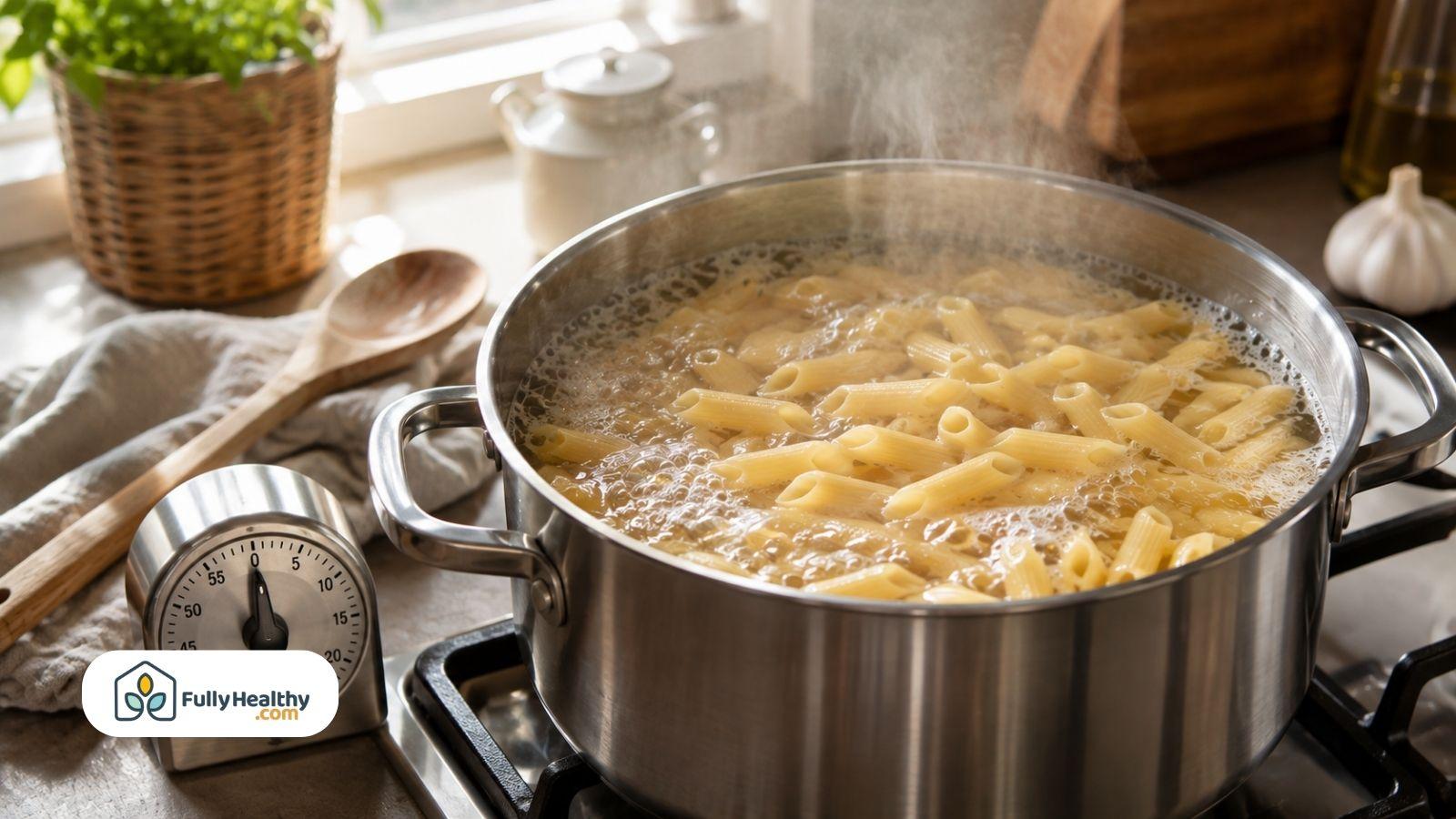
Knowing how long to cook penne pasta starts with checking the pasta package. Many dried penne products cook in roughly 10–12 minutes, but optimal cooking time varies by product, so follow the package instructions and test the texture near the end.
Fresh pasta generally cooks faster than dried pasta, while smaller or thinner pasta shapes may also require less time depending on their formulation and thickness.
How Long Should You Cook Penne Pasta for Al Dente Results?
To cook pasta al dente, fill a large pot with enough hot water to let the noodles move freely. Bring it to a boil over high heat, then add salt such as kosher salt or sea salt. Once the water reaches a strong boil, add the pasta and stir well.
-
Check the box: Follow the cooking directions on the pasta package, then start testing the penne about a minute before the suggested cooking time ends.
-
Use your bite: Al dente means “to the tooth.” Proper al dente pasta should feel tender but still have a slightly firm bite.
-
Skip the oil: Adding oil to the cooking water is generally unnecessary for preventing sticking; stirring during the first minutes is more effective. Avoid coating drained pasta with excess oil if it will be served with sauce.
-
Stir regularly: Stir the penne during cooking to prevent pieces from sticking together or settling on the bottom of the pot.
Should You Cook Penne for Less Time If It Will Finish in Sauce?
If you plan to add sauce and finish the pasta in a pan, drain the pasta slightly early. Penne can continue absorbing water and softening while heated in a sufficiently moist sauce, so draining it slightly early can help prevent overcooking.
Before draining, save some pasta water because starch-containing pasta water can help thicken or stabilize some sauces and improve coating, depending on the sauce composition and the amount used.
-
Drain a little early: Stop cooking the penne about one to two minutes before your preferred texture if it will continue cooking in the sauce.
-
Save pasta water: Reserve some cooking liquid before you drain the pot. Add a small amount to the sauce if it becomes too thick.
-
Build more flavor: Toss the penne with your favorite sauce, then add Parmesan cheese, basil, butter, or a light drizzle of olive oil if the recipe calls for them.
-
Serve right away: Once the pasta and sauce combine well, transfer the finished dish to a bowl or plate while it is still warm.
How Do You Know When Your Penne Pasta Is Done?
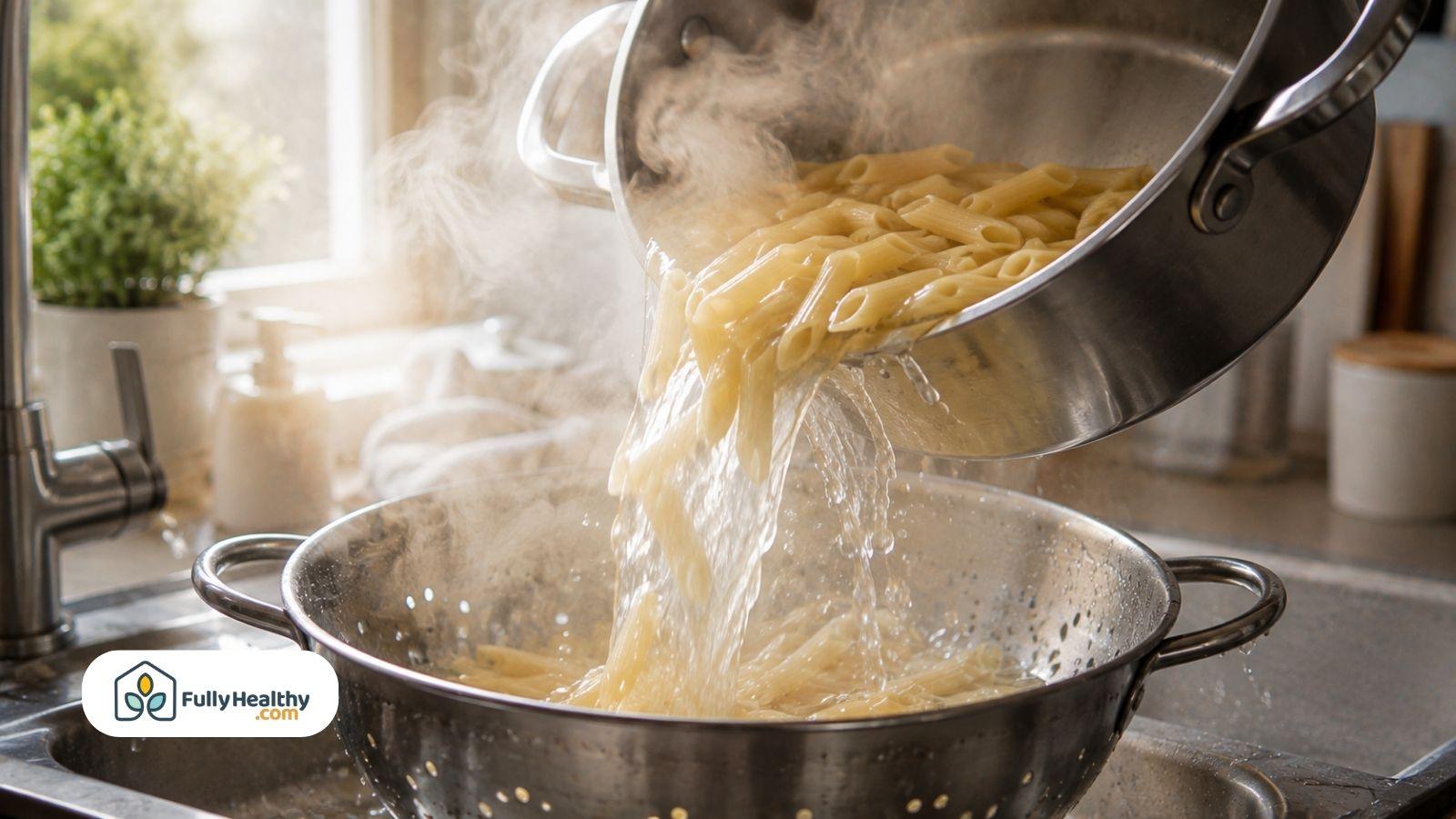
A timer can guide you, but taste is the best way to tell whether penne pasta is fully cooked. Properly cooked penne should hold its shape and have a firm but tender texture. Checking it near the end of the cooking time can help you avoid undercooked or mushy pasta.
What Should Perfectly Cooked Penne Feel Like When You Bite It?
Remove one piece of penne from the boiling water, let it cool for a few seconds, and taste it. Al dente penne should feel firm when you bite it but should not have a hard or crunchy center.
-
Check the center: If the middle feels hard or chalky, the pasta needs more cooking time.
-
Taste before draining: Test the penne a few minutes before the packet instructions end, then check again at short intervals.
-
Look for firmness: The noodles should keep their shape without feeling stiff, raw, or overly soft.
-
Drain carefully: Pour the pasta into a colander in the sink, but save some starchy pasta water first if you plan to make a sauce.
What Are the Signs That Penne Is Undercooked or Overcooked?
Undercooked penne can taste hard, chewy, or crunchy. Overcooked pasta becomes soft and limp and may start to break apart. If the penne pasta will be baked in a baking dish, remember that it will keep cooking in the oven.
-
Watch the texture: Firm and tender pasta is ideal, while mushy noodles usually mean the pasta has cooked for too long.
-
Plan for baked dishes: Drain penne slightly early before you combine it with Ragu or another sauce and bake it according to the recipe.
-
Add richness carefully: Melt butter or add Parmesan after draining if it suits the dish, but avoid adding too much fat that could overpower the sauce.
-
Taste before serving: A final taste helps you check the salt, texture, and flavor before bringing the dish to the table.
How Can Fully Healthy Make Specialty-Diet Shopping Easier?
Fully Healthy can help people find specialty pantry products in one place. This can be useful for shoppers with specific dietary needs or anyone looking for harder-to-find ingredients. Because product availability can change, always check the current listing and label before buying.
How Can Fully Healthy Help You Shop for Specialty-Diet Foods More Easily?
Fully Healthy organizes products for different dietary preferences and needs. This can make meal planning simpler because shoppers can browse specialty ingredients without searching through several stores.
-
Check product labels: Always read the ingredient list and dietary information to make sure a product matches your needs.
-
Plan meals more easily: Use verified pantry products as part of breakfast, baking, snacks, or other recipes that fit your eating preferences.
-
Compare options: Review current products, ingredients, and serving information before deciding what works best for your household.
-
Shop with confidence: Choose products based on confirmed information instead of assuming every item fits every diet.
What Verified Products Can You Find on FullyHealthy?
Examples previously verified on FullyHealthy include Big Tree Farms Organic Brown Coconut Sugar, Bob’s Red Mill Organic Coconut Sugar, Coombs Family Farms Organic Maple Sugar, Coombs Family Farms Organic Maple Syrup, Date Lady Date Sugar, and EAT G.A.N.G.S.T.E.R. baking mixes.
-
Choose verified products: Mention only items that are currently confirmed on FullyHealthy to keep the information accurate.
-
Use products as intended: These pantry items may support baking or meal preparation, but they do not affect how long penne should boil.
-
Check availability: Product stock and listings may change, so readers should review the FullyHealthy website before purchasing.
-
Keep meals practical: Pair specialty pantry products with suitable recipes rather than forcing them into dishes where they do not naturally belong.
Final Thoughts
For the best penne, follow the package time and start tasting a few minutes early. Use enough water to keep the pasta submerged and allow effective stirring; very large volumes of water are not scientifically required. A quick bite test is the easiest way to reach the perfect consistency.
FAQs
Can You Cook Pasta for 20 Minutes?
Yes, but most dried penne will become too soft if you boil pasta for 20 minutes unless the package specifically calls for it.
Why Is My Penne Taking So Long to Cook?
Lower cooking temperatures can lengthen cooking time or affect texture, but pasta does not require a vigorous rolling boil throughout the entire cooking period.
How Do You Perfectly Cook Penne?
Bring a large pot of salted water to a boil, add the penne, stir often, and taste near the end of the recommended cooking time.
Can You Boil Pasta Too Long?
Yes, overcooking can make pasta soft, mushy, and less able to hold sauce, instead of giving it the firm texture common in Italian cooking.
Do You Boil Pasta on High or Low Heat?
Bring the water to a boil, then use enough heat to maintain an adequately high cooking temperature without excessive boiling; vigorous boiling is not required throughout cooking.
Leave a comment