

How Long to Let Steak Rest? Juicy Slices, No Waste
Wondering how long to let steak rest before slicing? Resting the meat finishes cooking the juices that have been left in it. This is how long you should wait for most thin steaks.
Give cuts 10 to 20 minutes to rest. Cover the steak with foil in a loose tent if you want it to stay warmer. Place it on a board. Take out the thermometer a little early.
Featured Snack Pick
Epic // Pink Himalayan Sea Salt Oven Baked Pork Rinds - 2.5 oz
Loading...
How Long To Let Steak Rest?
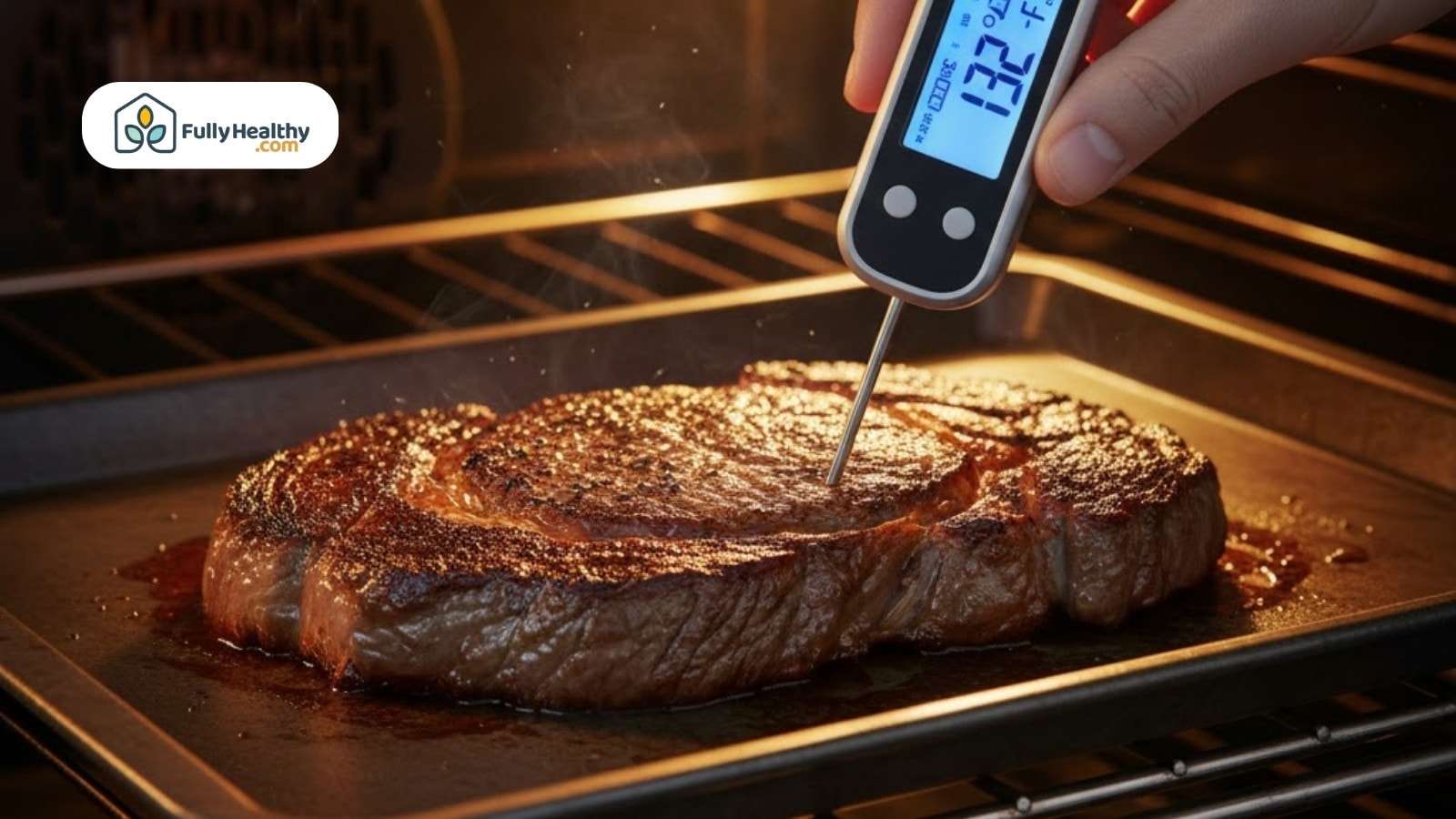
It's not an extra step to let steak rest after cooking it. After cooking in a hot pan, oven, or grill, meat needs time to rest so it can cool down and the temperature inside can settle. Instead of a wet plate, this is how you get a steak that is just right. Some cuts of beef, like steak, need to rest in order to stay juicy.
How Long To Let Steak Rest: Quick Answer
For the best steak, let it rest right away after taking it off the heat. It takes a short break to help the muscle fibers relax. This lets more of the juices escape when you cut. Use time plus thickness, and make sure the temperature stays the same before cutting.
-
Thin Steaks: Rest meat for 5–7 minutes; five minutes is often enough.
-
Thick Steaks: Rest 10–20 minutes, based on inch of thickness and how hot the heat was.
-
Best Surface: Rest on a cutting board, not in a pan, so heat does not keep cooking it.
-
Goal Check: If juices escape and flood the plate, it likely needed to rest longer.
Resting Time Rules That Make It Easy to Rest Meat
Follow these simple rules for meat rest. You can cook with them in a pan, the oven, or on the grill. When you smoke meat, they also help because the longer cooks hold more heat and can keep heating up.
-
Thickness Rule: Plan about 5 minutes per inch of thickness for resting time.
-
Time Rule: Rest for half the time you cooked, or half the total cooking time for thicker cuts.
-
Temperature Rule: Let the internal temperature level out before slicing for a perfectly cooked steak.
-
Why It Works: During the resting period, muscle fibers loosen and juices stay in the meat.
How Long Does Gordon Ramsay Let Steak Rest?
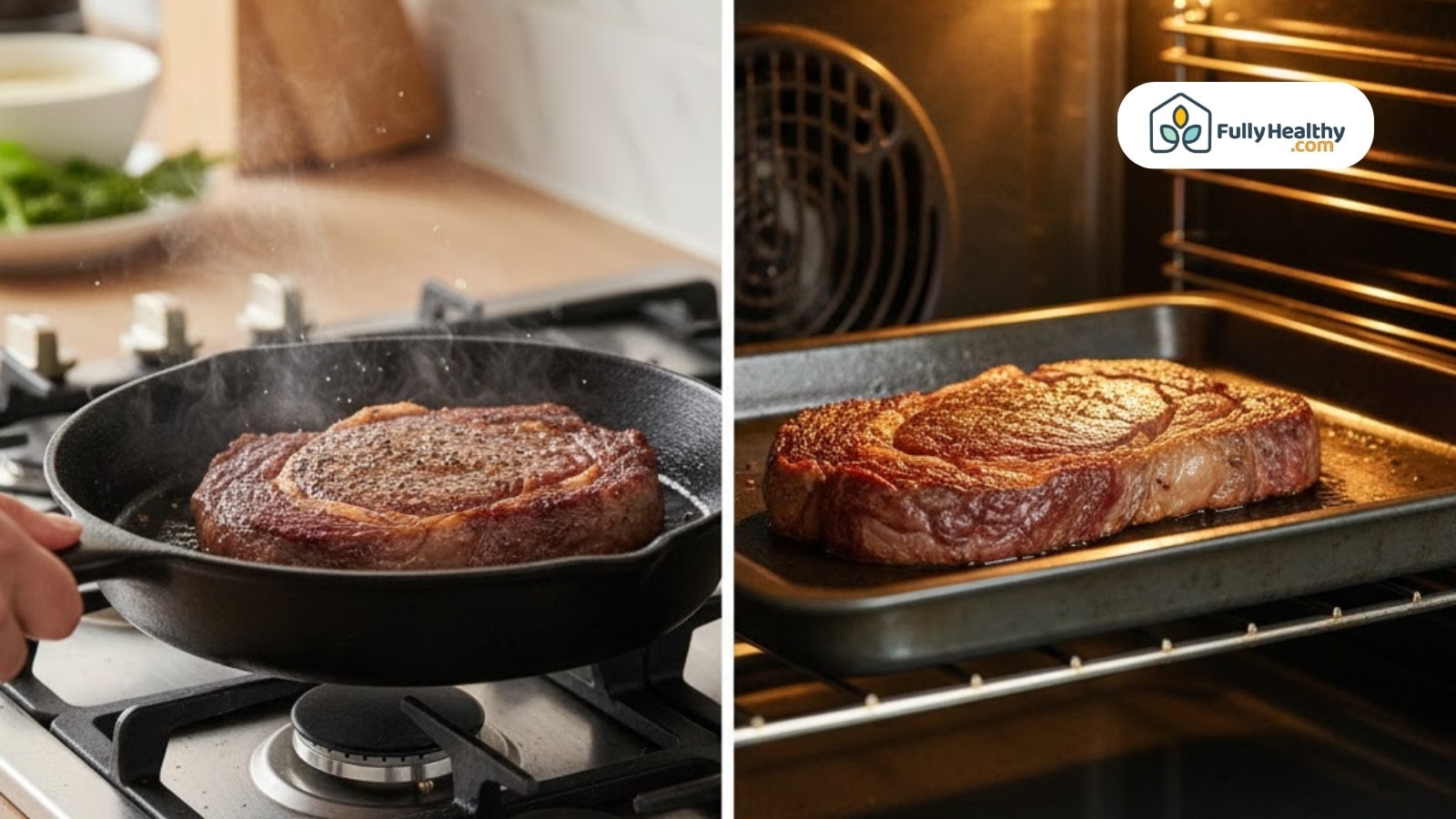
A source with a Ramsay theme says to let your steak rest for five minutes, or even five to ten minutes. Use that as a starting point, and then change it based on the temperature and thickness. Serious Eats also says that it's important to let the meat rest because heat still moves through it after it's been cooked.
What The Source Claims Ramsay Does
It's simple: let the steak sit for a few minutes before serving. Even after a hot pan sear, that window for resting the steak can help it stay just right. It also keeps the juices inside when you cut.
-
Claimed Resting Time: About five minutes, with a 5–10 minute range mentioned.
-
Best Use Case: Works well for average steaks cooked in a pan or on a grill.
-
Bigger Cuts: Thick beef usually needs more than five minutes to properly rest.
-
Reader Tip: Focus on results on the plate, not just the clock.
How To Apply It Without Overcooking
When the steak is taken away from the heat source, carryover heat can raise the temperature inside. Don't leave it in a hot pan for too long. If you want it medium-rare, take it out of the oven a little early and let it rest for a while.
-
Pull Early: Remove the steak a few degrees under your target temperature, then rest meat until it reaches the final internal temperature.
-
Move Off Heat: Take it off the pan or grill right away so heat does not push it past medium rare.
-
Resting Spot: Use a cutting board, then transfer to a warm plate or serving platter right before eating.
-
Quick Proof: If the steak perfectly holds juice when sliced, you did it right.
Should Steak Rest Covered Or Uncovered?
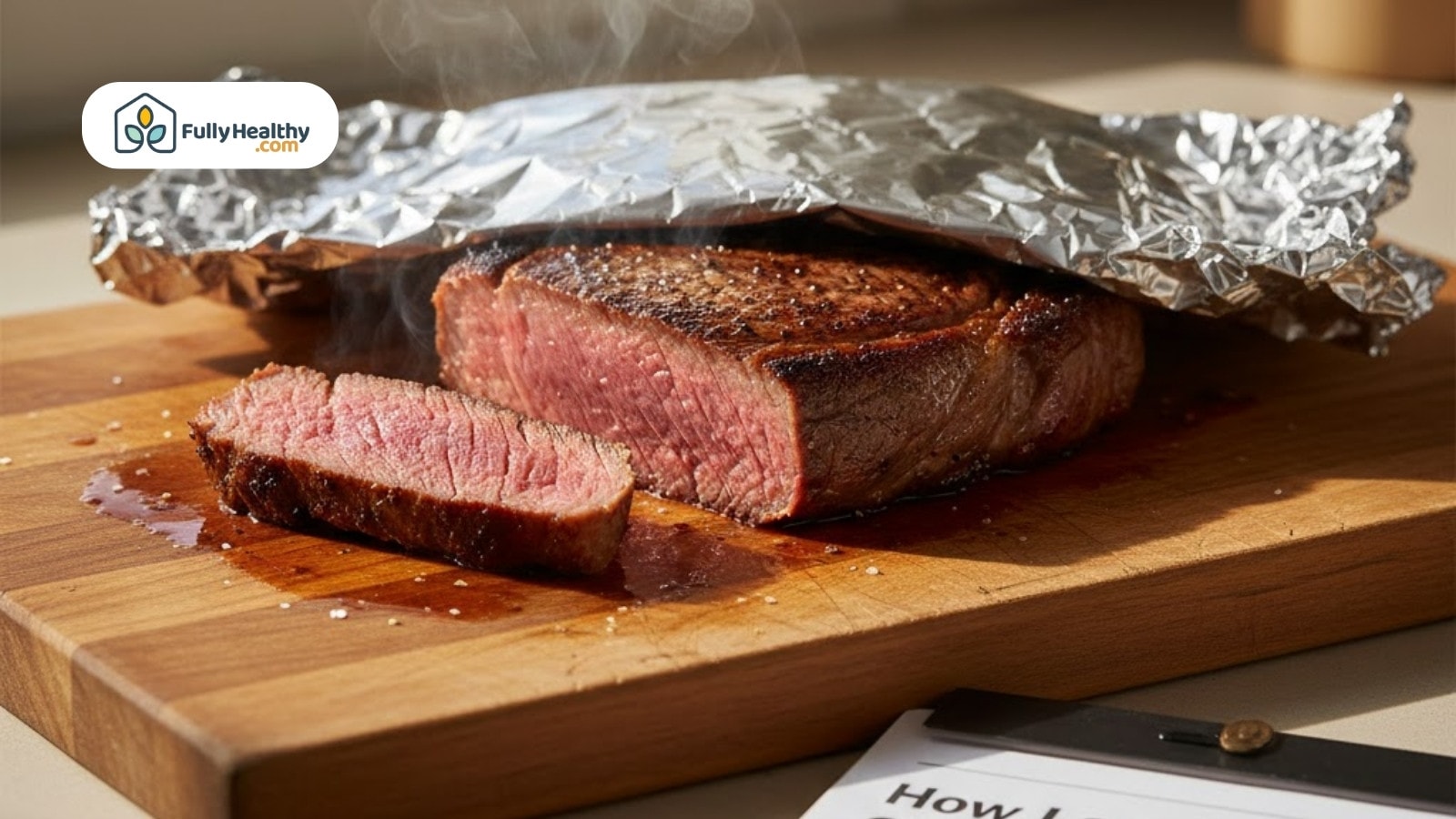
How fast meat cools down and how it feels on the outside change when you cover it. Steel foil can keep the steak warm, but if it traps steam, it can make the crust soft. When steak is resting, leaving the lid off helps keep the surface dry, but it can cool down faster, especially if the cut is thin.
Loose Foil Tent Vs Tightly Covered
That's not the same as a loose foil tent. Putting the lid on tightly can keep the heat in and keep the center cooking. That can raise the temperature too much and ruin a steak that was just right.
-
Loose Tent: Place aluminum foil over the top with space for air, so heat stays gentle.
-
No Tight Wrap: Avoid sealing the steak, since steam can soften the crust and change texture.
-
Same Resting Time: Foil changes warmth, not the resting time you should follow.
-
Best For Serving: Tent lightly, then slice and serve on a warm plate.
Small Steaks Vs Large Roasts: The Foil Difference on Meat Rest
Small steaks and big roasts behave differently because of heat storage. Big cuts keep heat for longer and keep getting warmer, while small cuts lose heat quickly. This also works for chicken breasts, since lean meat dries out quickly when its juices leak out.
-
Small Steaks: Rest uncovered first, then tent with aluminum foil for the last few minutes if needed.
-
Large Cuts: Tent sooner so they rest meat evenly while the internal temperature stabilizes.
-
Easy Visual Cue: If the plate gets watery fast, the meat likely did not rest long enough.
-
Simple Goal: Properly rest so you keep a perfect steak texture from first bite to last.
How To Tell If A Steak Is Rested Enough?
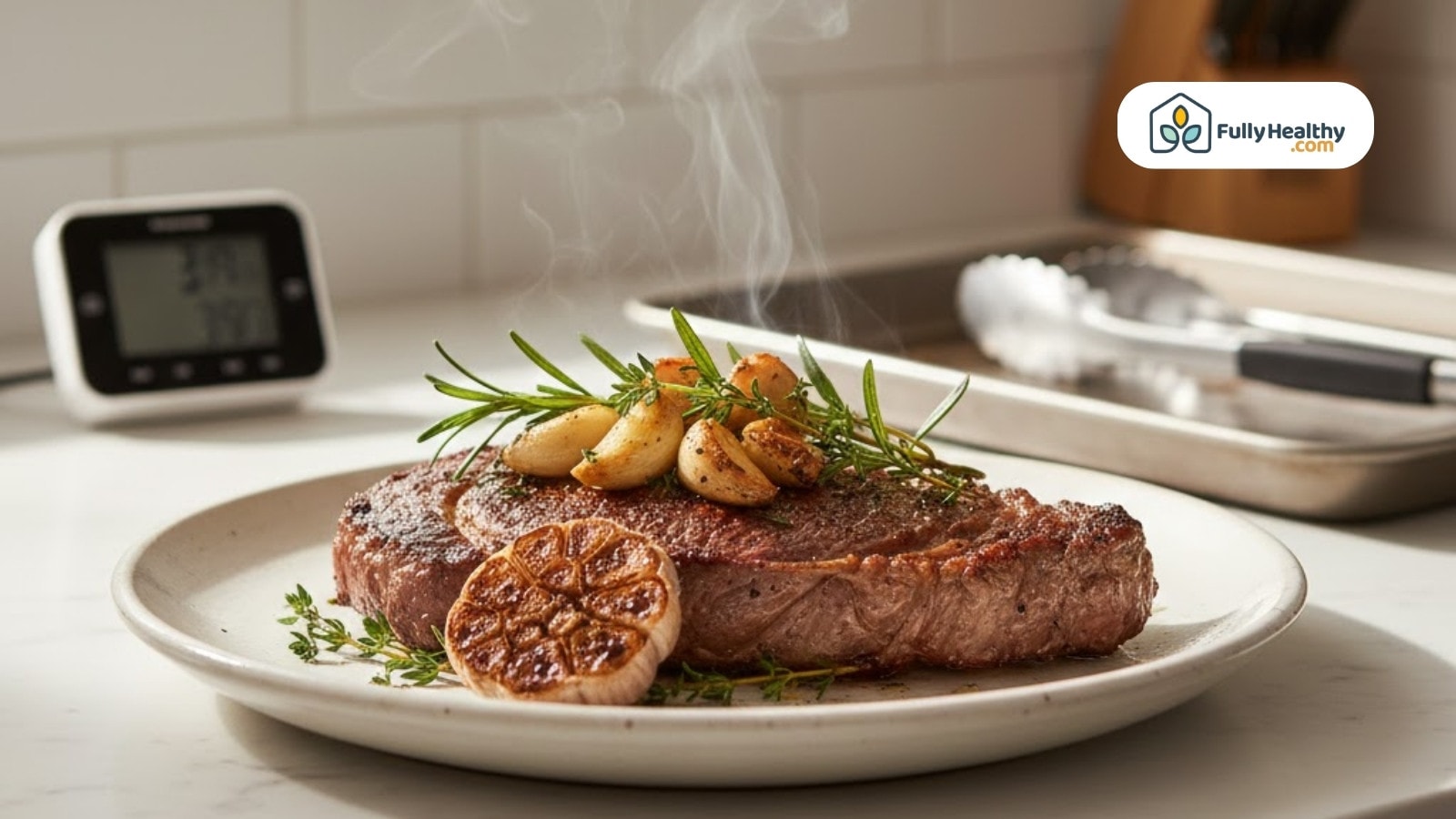
A good amount of time to rest keeps the meat moist and the flavor strong. If you rest steak the right way, the slices will be cleaner and there will be less liquid on the plate. It's important to use simple checks you can trust to keep your food tempting and tasty.
The “Juice On The Plate” Test
Make a small cut and wait a second or two to see what happens. The steak still needs to rest if the juices run out quickly. You are almost done cooking the steak if you only see a light sheen.
-
What You Want To See: A small gloss of liquid, not a wide puddle on the plate.
-
What To Do If It’s Runny: Give it a few minutes more, then test again.
-
How To Slice: Use a sharp knife and cut against the grain for tenderness.
-
Why It Works: Resting helps muscle fibers hold liquid instead of dumping it out.
The Temperature-Stability Test
Make a small cut and wait a second or two to see what happens. The steak still needs to rest if the juices run out quickly. You are almost done cooking the steak if you only see a light sheen.
-
Steady Reading: Wait until temperature holds steady for 1–2 minutes.
-
Thick Steak Tip: The thicker it is, the longer it can keep rising after heat.
-
Serving Move: Move it to a warm plate or serving platter right before eating.
-
Cold Warning: If you wait too long, the outside can turn cold, even if the center stays warm.
FullyHealthy: Easy Snacks For Special Diet Needs
FullyHealthy is designed to help people who have to follow certain diets, and the menu makes it easy to find what you need. This is useful for when you need quick snacks that still taste great. It also helps you make plans, so you don't spend hours looking for food.
What FullyHealthy Can Do For You
You can shop with more confidence when you can sort by diet style. That helps if you can't eat certain things and don't want random beef or pork snacks that don't meet your needs.
-
Shop By Diet: Use filters to find products that match your food rules.
-
Save Time: Stock up once, so snacks are ready for days, not hours.
-
Pack Smart: Keep items sealed so moisture stays in and no liquid leaks out.
-
Stay Consistent: Build a small snack routine that supports your plan.
Products To Keep On Hand
It is simple to pack and measure these foods. When you buy this, you don't have to worry about planning because you get a set size. Also, they taste great when you need something quick.
-
EPIC Wagyu Beef Steak Strip: A small strip with a rich, savory flavor.
-
Nick’s Sticks Beef Sticks: A simple, portable stick for quick bites.
-
EPIC Venison Steak Bites: Small bites with a clean taste and firm texture.
-
Serving Tip: Slice any strip pieces with a knife if you want smaller portions.
Final Thoughts
For a perfectly cooked steak that stays juicy and tender, rest it on a cutting board after taking it out of the cooking process from the hot pan, oven, or grill; if necessary, cover it with aluminum foil and keep an eye on the internal temperature.
The important thing is to give it a few minutes or five minutes, and make sure the muscle fibers relax so that less juices leak onto the plate, warm plate, or serving platter.
This resting period and resting time can be half of the total cooking time, and it matters for beef, pork, chicken breasts, and even smoking meat. It's important for every inch of thickness, pound, grain, knife, moisture, flavor, liquid, cold, hours, menu, serious eats, and a perfect steak that looks appealing and tastes great.
FAQs
How long to let steak rest for medium rare?
Five minutes to a few minutes more, rest meat on a cutting board, check internal temperature and temperature after heat source pan oven grill hot pan, half the time.
Why need to rest and why is it important to rest?
Muscle fibers hold moisture and flavor so juices escape less liquid on plate, properly rest your steak during resting period and resting steak makes perfect steak.
Should resting steak use aluminum foil or not?
Use aluminum foil as a loose tent on serving platter or warm plate so meat cool slower, but keep resting time short so it’s not cold.
Does resting time change by inch of thickness or pound?
Yes, inch of thickness and pound affect total cooking time and half rules, so meat rest longer after smoking meat or high heat.
What if I slice wrong with a knife and against the grain?
Cut against the grain with a knife after resting steak so steak perfectly stays tender, tempting, delicious, and the menu plate looks clean without liquid.
Leave a comment