

How Many Calories in 1 Tablespoon of Olive Oil? Is Daily Use Too Much?
 Photo Credit: Canva Pro
Do you want to know how many calories are in a tablespoon of olive oil? We know the answer is 119 calories. A lot of people cook with olive oil because it has healthy fats in it and is also good for you. Is it too much if you use it every day, though?
This guide explains everything, from how much to eat to how it affects blood sugar. If you're interested or trying to keep track of calories, this is what you need to know. It's short, clear, and to the point.
🐟 Taste the Ocean, Preserved in Organic Extra Virgin Olive Oil – Wild Planet Yellowtail!
How Many Calories in 1 Tablespoon of Olive Oil?
 Photo Credit: Canva Pro
There are 119 calories in a tablespoon of olive oil. It may look like a lot of calories, but most of them are from healthy fats. The extra virgin kind of olive oil is more than just an ingredient in food; it gives your body nutrients it needs every day.
Nutritional Breakdown of 1 Tablespoon of Olive Oil
There are lots of good monounsaturated fats in olive oil. These fats can help your heart stay healthy and your body absorb vitamins. It also has antioxidants that keep your cells healthy. Olive oil is different from animal fats or trans fats. It offers vegetable fats that support a balanced diet and promote better health.
-
Calories: 119 per tablespoon.
-
Fat content: 14g total fat (1.9g saturated, 9.8g monounsaturated).
-
Nutrients: Contains small amounts of vitamin E and polyphenols.
-
Cholesterol & sugar: 0g cholesterol and 0g sugar.
Olive Oil vs. Other Common Cooking Oils Nutrition Facts
Choosing the right oil for your meals and health objectives is easier when you know how olive oil compares to others.
-
Olive oil vs. canola oil: Both have similar calorie counts, but olive oil contains more polyphenols and antioxidant properties.
-
Compared to butter: Olive oil has no cholesterol and provides healthier fats than butter, which is high in saturated fat.
-
Compared to trans fats: Trans fats are harmful and raise bad cholesterol, while olive oil may reduce the risk of heart disease.
-
Usage tips: Best for salad dressings, low-heat cooking, and adding flavor to warm foods.
Is 2 Tablespoons of Olive Oil a Day Too Much?
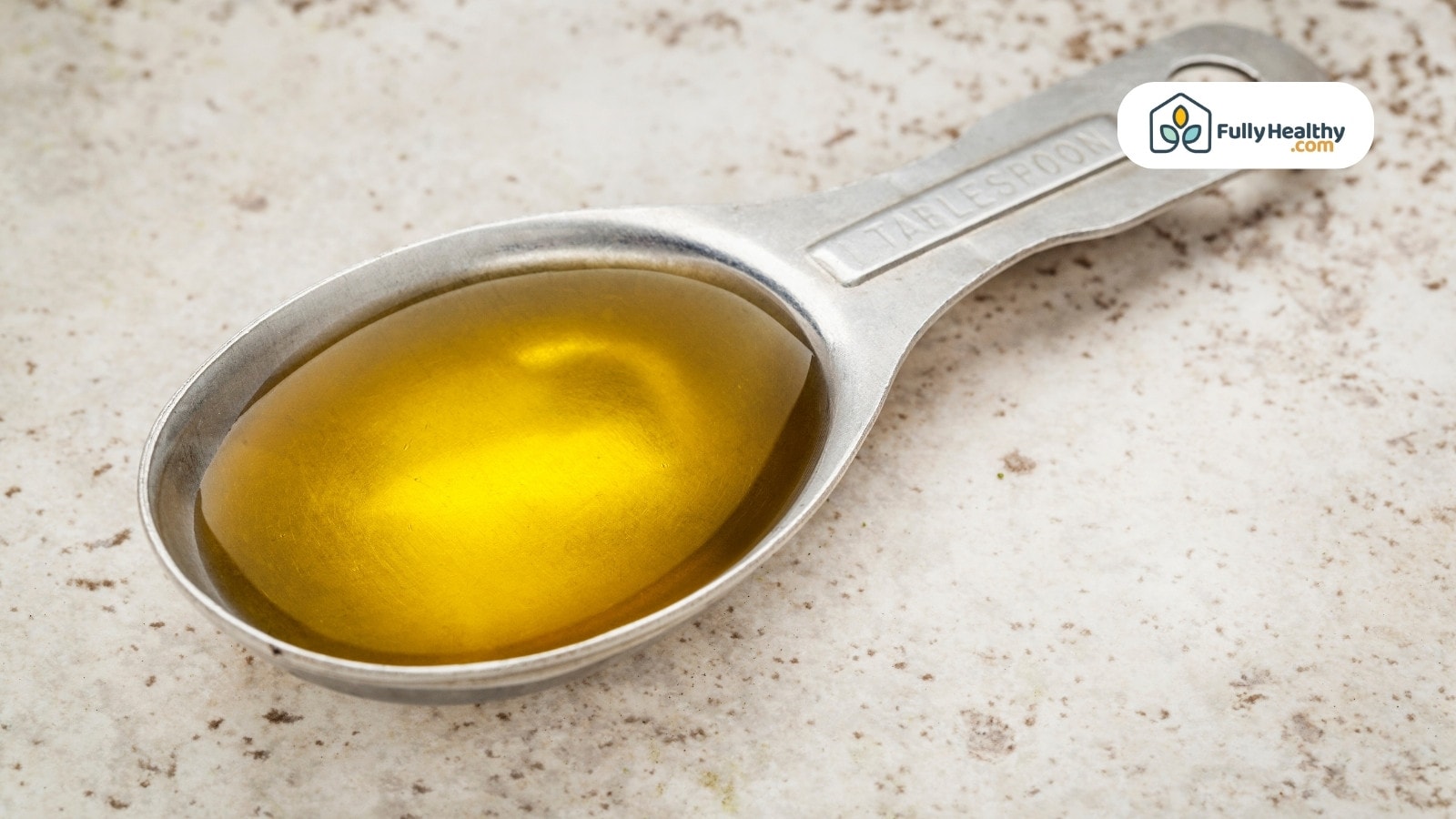 Photo Credit: Canva Pro
Up to 2 tablespoons per day of extra virgin olive oil may be beneficial as part of a calorie-balanced, Mediterranean-style diet. Individual tolerance and needs should be considered. It adds calories, but it also adds good things for you. As part of a healthy diet, the American Heart Association says to use oils with healthy fats.
Recommended Daily Intake of Olive Oil
When it comes to how much olive oil you should eat every day, there is no hard and fast rule. If you're trying to control your weight, you should think about how much food you eat overall, moderation and your goals.
-
Ideal amount: 1–2 tablespoons per day is considered a healthy range.
-
Calorie impact: Olive oil is calorie-dense, so overuse can lead to weight gain.
-
Better choice: Use it instead of animal fats or processed trans fats.
-
Serving awareness: Be mindful of common serving sizes when cooking or eating out.
Health Benefits of Moderate Olive Oil Consumption
Olive oil is good for you in many ways, even though it has a lot of calories. The choice is good for cooking and for your health.
-
Antioxidants: Contains polyphenols and vitamin E that help fight inflammation.
-
Weight management: Supports weight loss when it replaces unhealthy fats.
-
Heart health: Linked to lower cholesterol levels and reduced risk of heart disease.
-
Nutrient absorption: Helps the body absorb vitamins from food.
Why Do Italians Take a Spoonful of Olive Oil Daily?
 Photo Credit: Canva Pro
Plenty of people in the Mediterranean, mainly in Italy, start their day with a small amount of olive oil. It's an old habit that's becoming popular all over the world, and it's good for your health.
Mediterranean Tradition Meets Modern Wellness Trends
People have been taking olive oil by the spoonful for a very long time. More and more people are now using this natural method to improve their health.
-
Digestive support: Olive oil may help reduce bloating and support smoother digestion.
-
Natural energy: Fats like those in olive oil provide sustained energy release, which may help reduce post-meal glycemic fluctuations when combined with balanced meals.
-
Daily habit: A spoon of extra virgin olive oil is easy to add to your morning routine.
-
Cultural roots: Common in diets from regions with lower heart disease rates.
Science-Backed Benefits of Morning EVOO Ritual
There is evidence that taking olive oil on an empty stomach is good for your health thru research. Over time, just one tablespoon a day can make a difference.
-
Blood sugar: May reduce sugar spikes when taken before eating.
-
Better nutrient use: Helps the body absorb vitamins and minerals from foods.
-
Cholesterol levels: Can raise good cholesterol (HDL) and lower bad cholesterol (LDL).
-
Anti-inflammatory: Polyphenols may reduce long-term inflammation and its negative effects.
Does Olive Oil Spike Blood Sugar?
 Photo Credit: Canva Pro
Blood sugar levels don't go up when you eat olive oil. In fact, mixing them with other foods may help keep them stable. It helps the body absorb sugars more slowly because it slows down digestion. This is especially helpful for people with diabetes or who feel tired after a meal.
Impact of Olive Oil on Post-Meal Glucose Levels
Blood sugar swings are less likely to happen when you eat olive oil with carbs and protein. It slows down the rate at which sugars enter your bloodstream.
-
Slower absorption: Fats like polyunsaturated fat delay how quickly sugars are digested.
-
Better glucose control: A study showed replacing butter with olive oil can reduce post-meal blood sugar spikes.
-
Diabetes-friendly: It’s safe for people with diabetes when used in the right amounts.
-
Serving size: About one tbsp of olive oil per meal is enough for benefits without overloading on calories.
Olive Oil and Diabetes-Friendly Eating
The USDA says that fats from animals are not as healthy as fats from plants. And because of this, olive oil is a good choice for everyday meals, especially when you need to watch your blood sugar.
-
Good food pairing: Works well with fiber-rich veggies, beans, and lean fish.
-
Liquid advantage: Being a liquid oil, it’s easy to pour, measure, and cook with.
-
Fits all diets: Safe for most adults at any age, as part of a balanced plate.
-
Supported by studies: Multiple studies link olive oil to better insulin sensitivity and long-term blood sugar control.
What Can FullyHealthy Do for You?
Our online store called FullyHealthy that helps people find healthy, clean foods that fit their specific diets. With carefully chosen products, we make shopping easier, whether you have autoimmune diseases, allergies, or just want to eat better.
FullyHealthy’s Mission and Dietary Marketplace
The intention is to provide real food options that are allowed on strict diets, so customers don't have to spend hours reading each label.
-
Verified products: All items follow strict ingredient guidelines.
-
Allergy-friendly: Perfect for people who avoid gluten, nightshades, or additives.
-
No subscription needed: Buy only what you need, when you need it.
-
Enjoying food again: FullyHealthy makes eating clean feel normal and stress-free.
Olive Oil Products Available at FullyHealthy
Also, we have foods made with olive oil that are labeled with accurate nutrition facts and are high in healthy fats and important nutrients.
-
Graza Sizzle Extra Virgin Olive Oil: 750ml bottle made from mid-harvest Spanish olives, ideal for cooking.
-
Wild Planet Yellowtail Fillets: 4.4 oz of wild-caught fish in organic EVOO, with 20g protein and 552mg Omega-3s per 3 oz serving.
-
Transparent labeling: All products include complete nutritional information in grams, mg, and serving size to support mindful consuming.
Final Thoughts
Olive oil is high in nutrients but high in calories. A tablespoon of olive oil has 119 calories. It's an important part of many healthy diets and has many health benefits, such as helping the heart, protecting cells from damage, and making digestion better.
Your health goals will determine what role it plays in your routine, whether you eat it for taste, function, or fitness. For the most impact, choose extra virgin olive oil, and always watch the portion size to keep things in balance.
FAQs
How many calories are in one tablespoon of olive oil and what does it contain?
One tablespoon has 119 calories and contains polyunsaturated fat, protein, and essential nutrients.
Is olive oil a staple for adults trying to follow a healthy diet?
Yes, it’s a staple in Mediterranean and heart-friendly diets for adults of any age.
Does the benefit of olive oil depend on how you consume it?
Yes, it depends on the amount you consume, what foods you pair it with, and your overall diet.
Can I enjoy olive oil in liquid or solid meals?
Olive oil is a liquid, best used in cooking, drizzling, or salad dressings, and can enhance many food types.
Why is olive oil better than animal fats and butter?
Olive oil has no trans fats, unlike butter and some animal fats, and is rich in vitamin e, polyphenols, and monounsaturated fat.
Leave a comment