
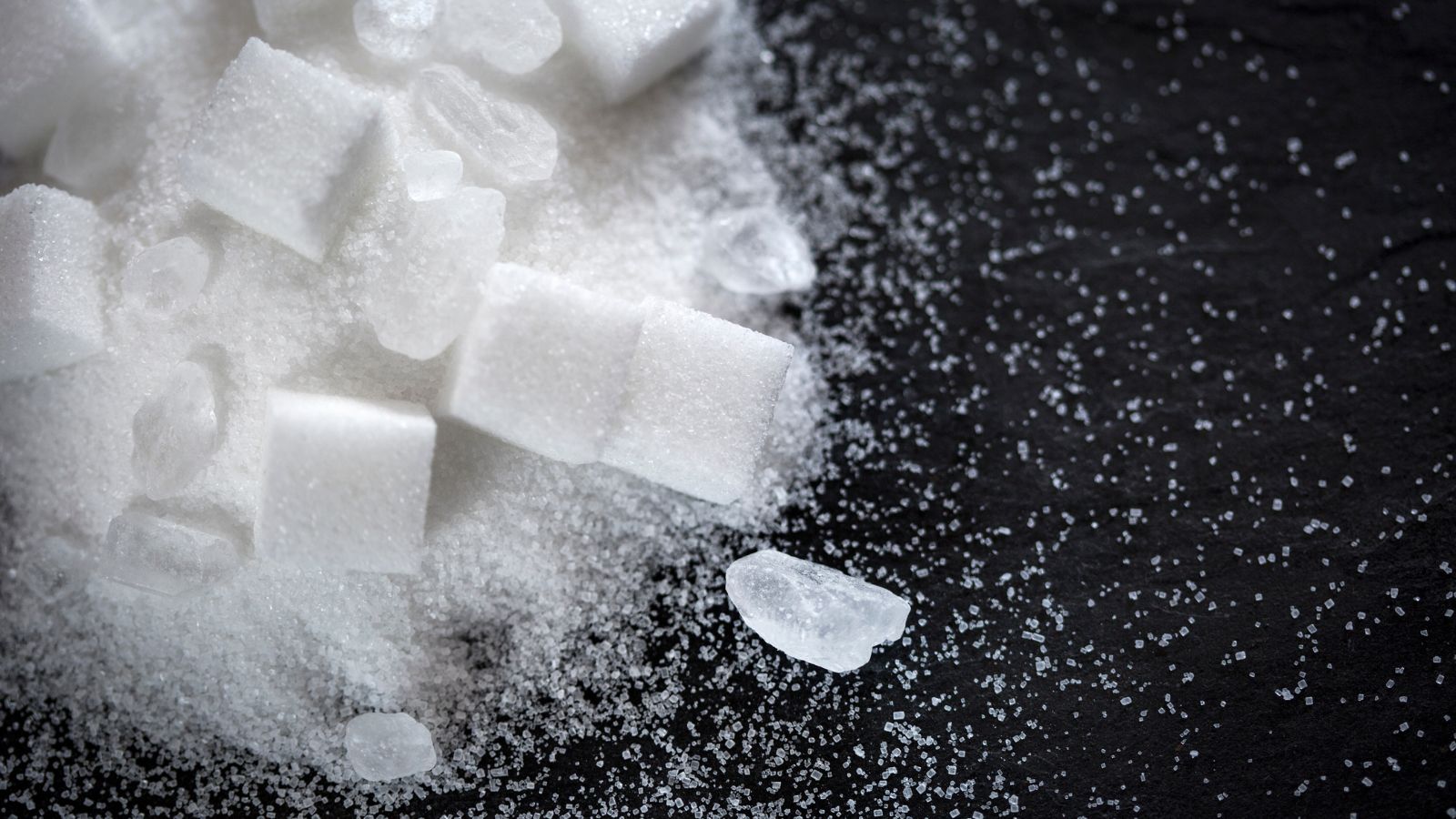
How Many Calories in a Tablespoon of Sugar? The Diet-Smart Truth

Ever wondered how many calories in a tablespoon of sugar? The answer is 49. Yet, that little scoop can have a bigger impact on your food, health, and weight than you may think. Sweets and drinks are full of sugar that you can't even see. You can read this article to learn more about sugar types, food labels, and smart swaps. That way, you can always know what you're eating.
How Many Calories In A Tablespoon Of White Sugar?

Nutritional Facts You Should Know
There are 49 calories in a tablespoon of white granulated sugar. It has 12-13 grams of extra sugar and zero protein, fat, fiber, or other important nutrients. It only gives you energy and no essential nutrients or vitamins. Sugar calories can affect your diet and weight if you don't keep an eye on them.
Table sugar, brown sugar, and powdered sugar are all sources of sugar calories. Always read food labels to find out how much sugar is in each dose.
-
Calories in one tablespoon of sugar: 49 calories
-
Form: All from carbohydrates—12-13 grams of sugar
-
Protein and fat: 0 grams
-
Nutrients: No fiber, vitamins, or minerals.
-
Types: Includes table sugar, granulated sugar, powdered sugar.
-
Label placement: Listed as “sugar” or “added sugar” on most food labels.
How One Tablespoon Of Sugar Impacts Your Daily Diet
Many people don't know how quickly sugar calories can add up in their diet. Even one tablespoon of sugar in coffee or sauce can change how many calories you eat each day.
-
Example: One can of cola = over 3 tablespoons of sugar.
-
Drinks and meals: Found in sodas, tea, pastries, pasta sauce, and cereal.
-
Contribution: 49 calories = ~2.5% of a 2,000-calorie diet.
-
Usage: Common in sweetened recipes and pre-packed foods.
-
Pantry insight: Many recipes call for more than a single tablespoon.
-
Daily reality: Most people consume multiple hidden teaspoons daily.
Is A Tablespoon Of Sugar A Day Bad For You?

Daily Limits From Major Health Organizations
The global health rules say that one tablespoon of sugar is usually more than the daily limit for added sugar. Knowing what you're eating is important for long-term health and food management.
-
AHA recommendation: Women - max 25g/day (≈2 tablespoons), Men - max 36g/day (≈3 tablespoons)
-
WHO & NHS guideline: Limit free sugars to 5–10% of daily calories
-
One tablespoon of sugar: 12g = Makes up ~50% of the AHA daily limit for women and ~36% for men.
-
Sugar form: Applies to table sugar, brown sugar, powdered sugar, and sweetened drinks
-
Importance of control: Sugar intake should be monitored using food labels
Long-Term Health Risks Of Regular Sugar Consumption
Consuming too much sugar not only affects your weight, but it also poses serious health risks over time, especially if you don't watch your portions every day.
-
Diabetes risk: Higher glucose levels increase insulin resistance.
-
Heart disease: Elevated blood sugar contributes to cardiovascular strain.
-
Obesity: Regular intake of added sugar leads to unwanted weight gain.
-
Dental issues: Contributes to cavities and tooth decay.
-
Blood sugar spikes: Fast absorption of glucose causes energy crashes.
-
Inflammation: Chronic intake of sugar contributes to systemic inflammation.
How Many Calories In A Tablespoon Of Honey Vs Sugar?

Calorie And Sugar Content Comparison
Honey has more calories and weighs more than sugar in a spoonful. Even though the nutrients are different, the number of calories still matters for people who are trying to lose weight.
-
Calories in honey: 64 calories per tablespoon
-
Calories in sugar: Approximately 48-49 calories per tablespoon
-
Density: 1 tablespoon of honey = ~21 grams vs 13 grams of table sugar.
-
Sugar form: Honey is higher in fructose, sugar is pure sucrose.
-
Label comparison: Check food labels to compare honey, table sugar, and brown sugar.
Which Is The Better Choice?
People often think of honey as being more natural, but in small amounts, it doesn't offer many health benefits. For overall health, both should be consumed in balance.
-
Pros of honey: Contains trace nutrients and antioxidants.
-
Less processed: Especially true for raw honey in its natural form.
-
Cons of honey: Still spikes blood glucose, contributes to weight gain.
-
Risk for infants: Children under 12 months should not consume honey.
-
Verdict: Use both honey and sugar sparingly, not as health foods.
FullyHealthy: Supporting Smart Sugar Choices
Who We Are And What We Stand For
FullyHealthy is an online store that sells clean, diet-specific foods to help people stay healthy. It's great for people who want to limit their intake of added sugar and stay away from common food triggers.
-
Product focus: AIP-compliant, gluten-free, and allergen-free foods.
-
Clean-label standard: Supports low-ingredient, minimally processed foods.
-
Health support: Helps consumers manage sugar intake and reduce dietary risk.
-
Diet-conscious: Serves people aiming to maintain weight, manage inflammation, or limit sugar calories.
Popular Sugar Alternatives We Offer
Offering pantry alternatives that fit health goals and label-conscious eating, FullyHealthy helps people cut down on table sugar and added sugar in meals.
-
Coconut sugar: May have a slightly lower glycemic index than table sugar, though evidence varies.
-
Maple sugar: Natural, mineral-rich option with mild sweetness
-
Date sugar: Whole food–based sweetener that retains fiber and nutrients
-
Available brands: Bob’s Red Mill, Coombs Family Farms, Big Tree Farms
Final Thoughts
Most people don't realize how important it is to know how many calories are in a tablespoon of sugar. One tablespoon of sugar can make you gain weight, change your diet, and affect your health in the long run. It makes a difference to read food labels, limit added sugar, and choose better choices like coconut sugar. When it comes to granulated sugar, powdered sugar, or even brown sugar, the choices you make every day are very important. What's your next sweet treat?
FAQs
How Many Calories In A Tablespoon Of Sugar?
The answer is 49 calories from pure table sugar, equal to 13g of added sugar.
What’s The Difference Between Granulated Sugar And Powdered Sugar?
Granulated sugar is coarse, powdered sugar is fine but both have same sugar calories and pack zero nutrition.
Does One Tablespoon Of Sugar Cause Weight Gain?
Yes, one tablespoon can cause weight gain if repeated daily without checking food labels or portion values.
Is One Teaspoon Healthier Than One Tablespoon Of Sugar?
Yes, one teaspoon has fewer calories, but still counts as added sugar in your daily nutrition.
Can Brown Sugar Or Table Sugar Affect Nutrition The Same Way?
Yes, both affect nutrition, values, and cause the same calories, regardless of pack or instance.
Leave a comment