

How Many Carbs In Cucumbers? Nutrition And Keto Facts
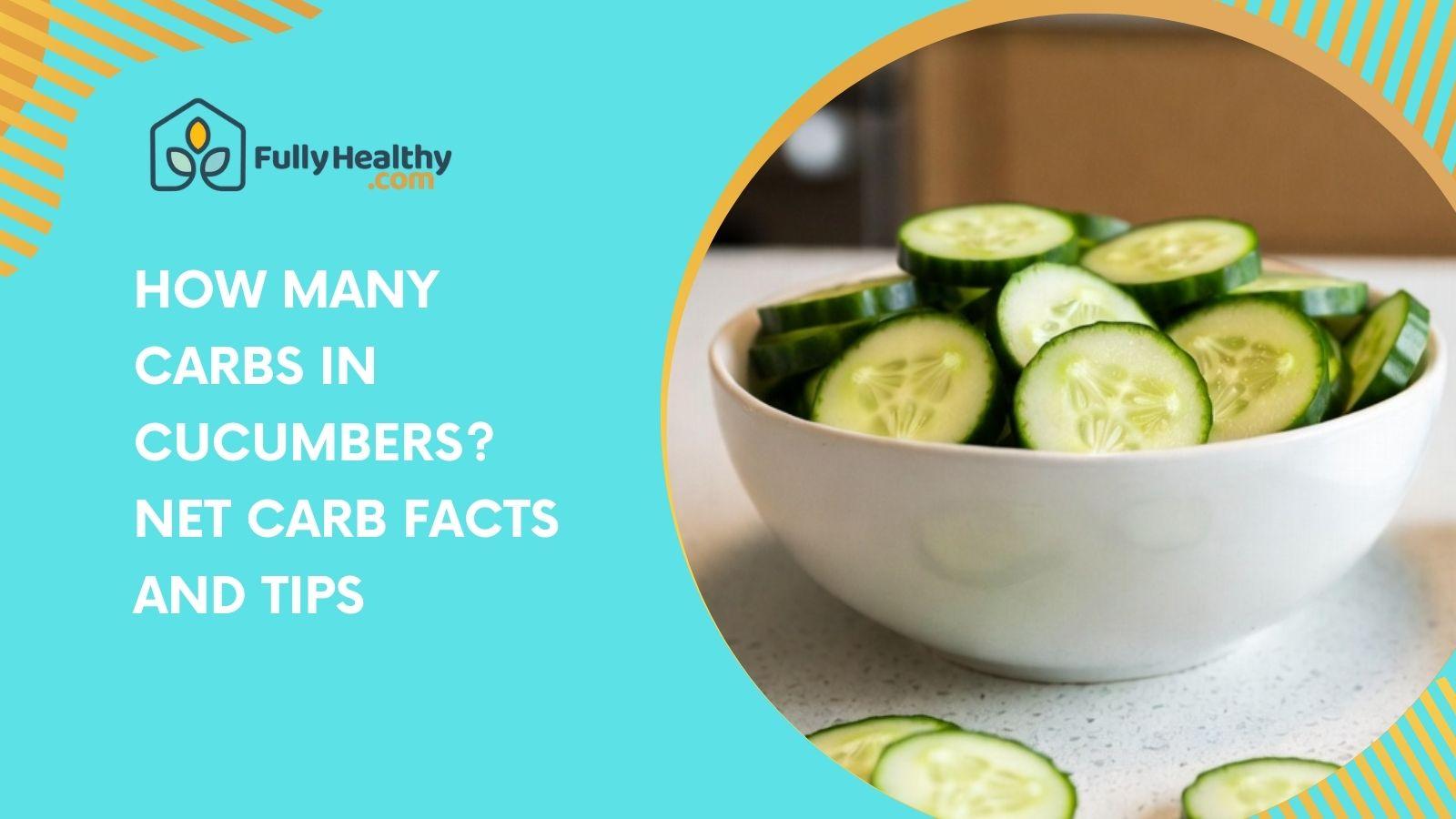
Does a cucumber have a lot of carbs? There are about 3 to 4 grams of total carbohydrates and about 2 to 3 grams of net carbohydrates in a cup of sliced, raw cucumber with the peel. Cucumbers are a low-calorie fruit that is high in water and good for you because they have vitamin K, vitamin C, and potassium.
This article talks about the health benefits of cucumbers, how many carbs are in a serving, and how eating cucumbers fits into a low-carb diet.
Featured Snack Pick
Bubbies // Kosher Dill Pickle Snacking Chips - 3.5 oz
Loading...
How Many Carbs In Cucumbers?

Many people eat cucumbers as part of a healthy diet because they are low in calories and carbs. Cucumbers have a certain amount of carbs that can help people who are on a low-carb diet, making keto-friendly meals, or trying to get a balanced daily intake of fruits and vegetables.
Carb Content Per Serving Size
The nutrition facts for cucumbers show that they don't have many carbohydrates compared to other fruits and vegetables. The sugars and fiber in raw cucumber slices and peel make up most of the carbs.
-
One cup serving: One cup of sliced cucumber contains about 3 to 4 grams of carbohydrates and only about 16 calories.
-
Half cup portion: Half cup sliced cucumber provides roughly 1.5 to 2 grams of carbs and minimal fat.
-
100 gram serving: A 100 gram portion of raw cucumber contains around 3.6 grams of carbohydrates according to FoodData Central nutrition information.
-
Whole cucumber: A whole cucumber (~301 g) contains about 10.9 g carbohydrates and about 45 calories
-
Pickling cucumbers: Smaller pickling cucumbers have similar carb counts but slightly higher fiber because they are often eaten with the skin.
Net Carbs And Fiber In Cucumbers
A lot of people who are on keto diets want to know how many carbs are in cucumbers. Fiber is taken out of total carbohydrates to get net carbs, since fiber doesn't raise blood sugar levels much.
-
Fiber content: Raw cucumber provides small amounts of fiber which helps add fiber to the diet and supports digestion.
-
Peel benefits: The peel contains fiber, beta carotene, and certain vitamins that reduce net carb impact.
-
Net carbs estimate: One cup sliced cucumber usually provides about 2 to 3 grams of net carbs.
-
Nutrition contribution: Cucumber contains vitamin K, vitamin C, potassium, and small amounts of vitamin A and vitamin B.
-
Daily value context: These nutrients support overall health even though cucumbers provide small amounts of protein and minerals.
Can I Eat Cucumbers On A Low Carb Diet?
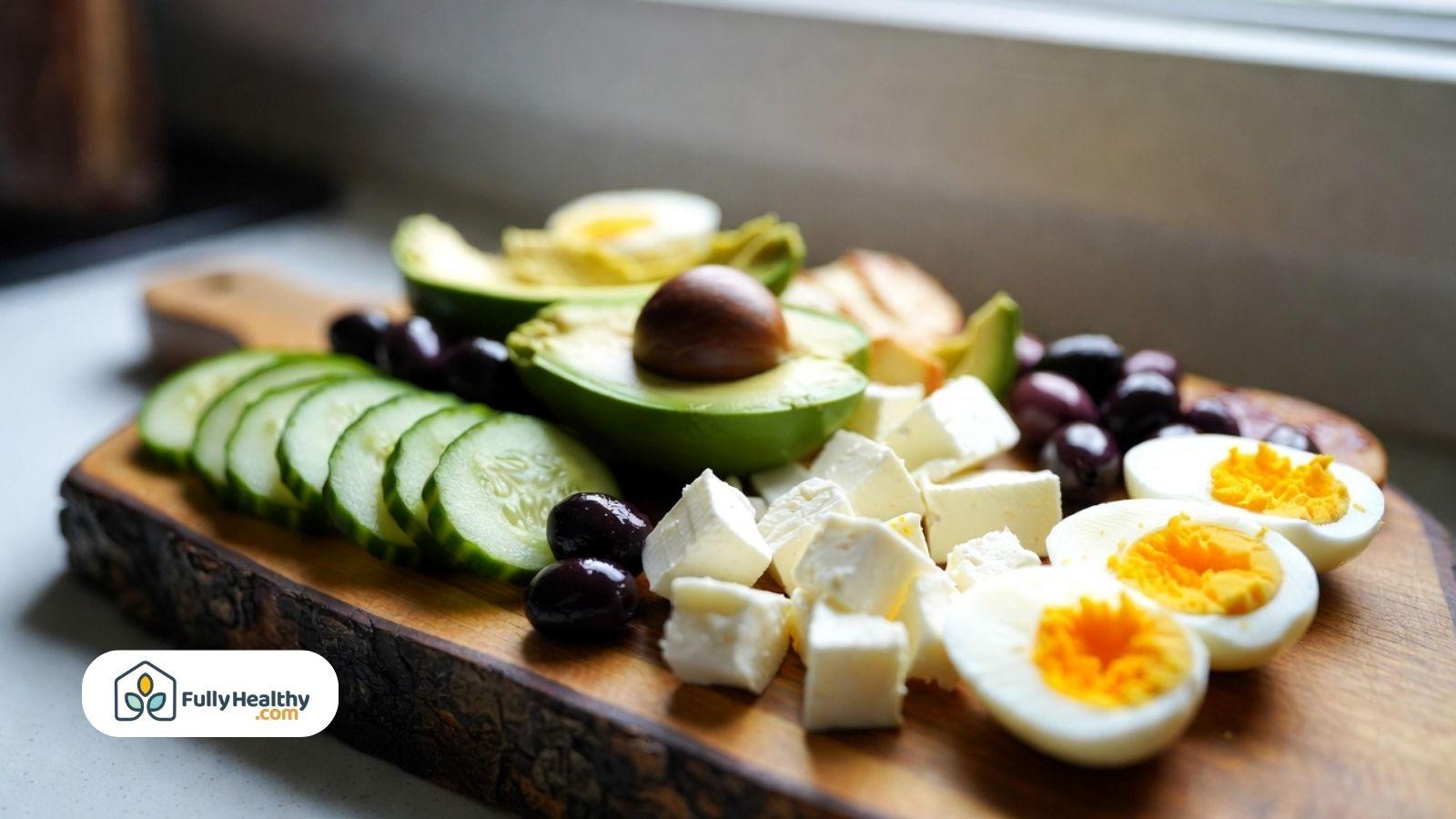
Nutritionists and groups like the Cleveland Clinic often tell people who are trying to cut back on carbs to eat cucumbers. Because they are mostly water and not very high in calories, they are an easy fruit to add to a healthy diet.
Why Cucumbers Fit Keto And Low-Carb Plans
People following keto friendly eating patterns often track carbs carefully. Because cucumbers contain very few carbohydrates, they are frequently included in low carb diet meal plans.
-
Low carb density: One cup sliced cucumber provides only a few grams of carbs compared with vegetables like squash or green beans.
-
High water content: Cucumbers contain about 95 to 96 percent water which helps hydration and weight management.
-
Blood sugar control: Low carbohydrate fruit help maintain steady blood sugar and blood sugar levels.
-
Keto friendly choice: Many keto meal plans include cucumbers keto snacks like cucumber slices with protein foods.
-
Weight management: Low calorie fruit can help people lose weight while maintaining adequate nutrition.
Simple Low-Carb Ways To Eat Cucumbers
Eating cucumbers can be simple and refreshing. Many recipes include raw cucumber slices because they provide crisp texture and mild flavor.
-
Fresh salads: Cucumber slices work well in salads with other vegetables and fruits.
-
Low carb snacks: Raw cucumber with hummus or yogurt dip creates a healthy snack with minimal carbs.
-
Lettuce wraps: Thin cucumber slices add crunch to wraps made with protein foods.
-
Pickled options: Pickled cucumbers are popular but people should check food safety and sodium levels.
-
Smoothie additions: Some recipes add cucumber to green smoothies for hydration and nutrition.
Does Cucumber Help With Bloating?
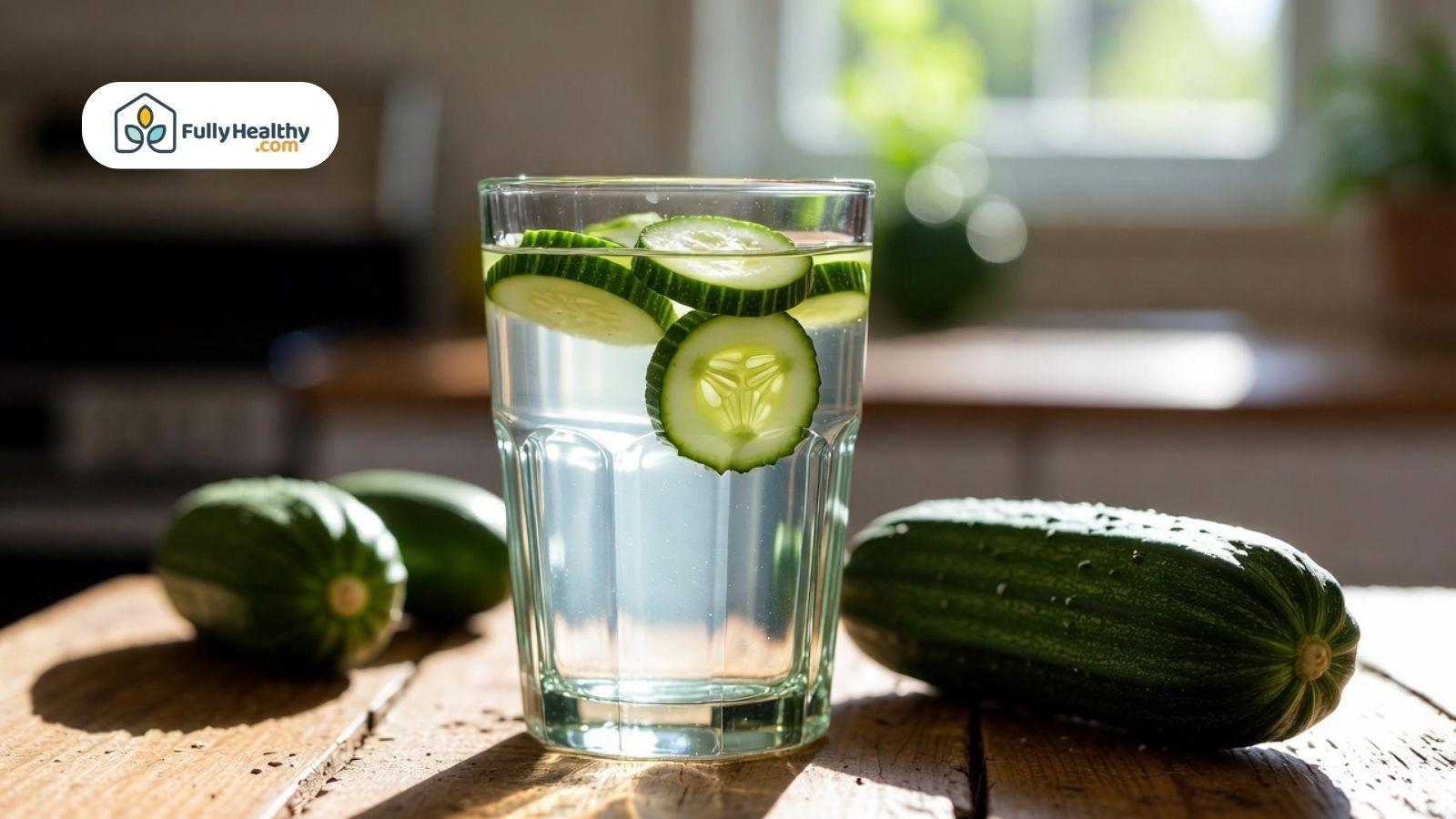
Cucumbers are a refreshing fruit that is high in water. They are often recommended as a healthy food that can help with digestion, staying hydrated, and overall health.
How Eating Cucumbers Reduce Bloating
Cucumbers are high in water, which helps keep you hydrated and supports gentle digestion. Eating them may help reduce mild bloating. Raw cucumber slices are a light food that helps your body move food through your digestive tract without adding extra fat or carbs.
-
Hydration support: Cucumbers contain about 95 percent water which helps the body stay hydrated and supports digestion.
-
Fiber support: Small amounts of fiber in raw cucumber help move food through the digestive system.
-
Low calorie food: Cucumbers contain very few calories which makes them easy to eat when the stomach feels uncomfortable.
-
Nutrient contribution: Cucumber contains vitamin C, vitamin K, potassium, and folate that support normal body functions.
-
Daily consumption: Regular daily consumption of fruits and vegetables like cucumbers supports digestive balance.
Compounds That Support Gut Comfort
Plant foods contain antioxidants and nutrients that are good for your digestive health and overall nutrition. There are many nutrients in cucumbers that may help keep the body balanced and lower oxidative stress.
-
Antioxidant nutrients: Cucumbers contain vitamin C and beta carotene which help protect cells from damage caused by unpaired electrons.
-
Mineral support: Potassium and magnesium support fluid balance and digestive function.
-
Health research: Studies referenced by the National Institutes of Health discuss the therapeutic potential of plant nutrients.
-
Cancer research interest: Antioxidants in fruits and vegetables are studied for possible roles in reducing cancer risk including breast cancer.
-
Balanced diet importance: Eating a variety of fruits and vegetables supports overall health and balanced nutrition.
What Should Not Be Mixed With Cucumber?
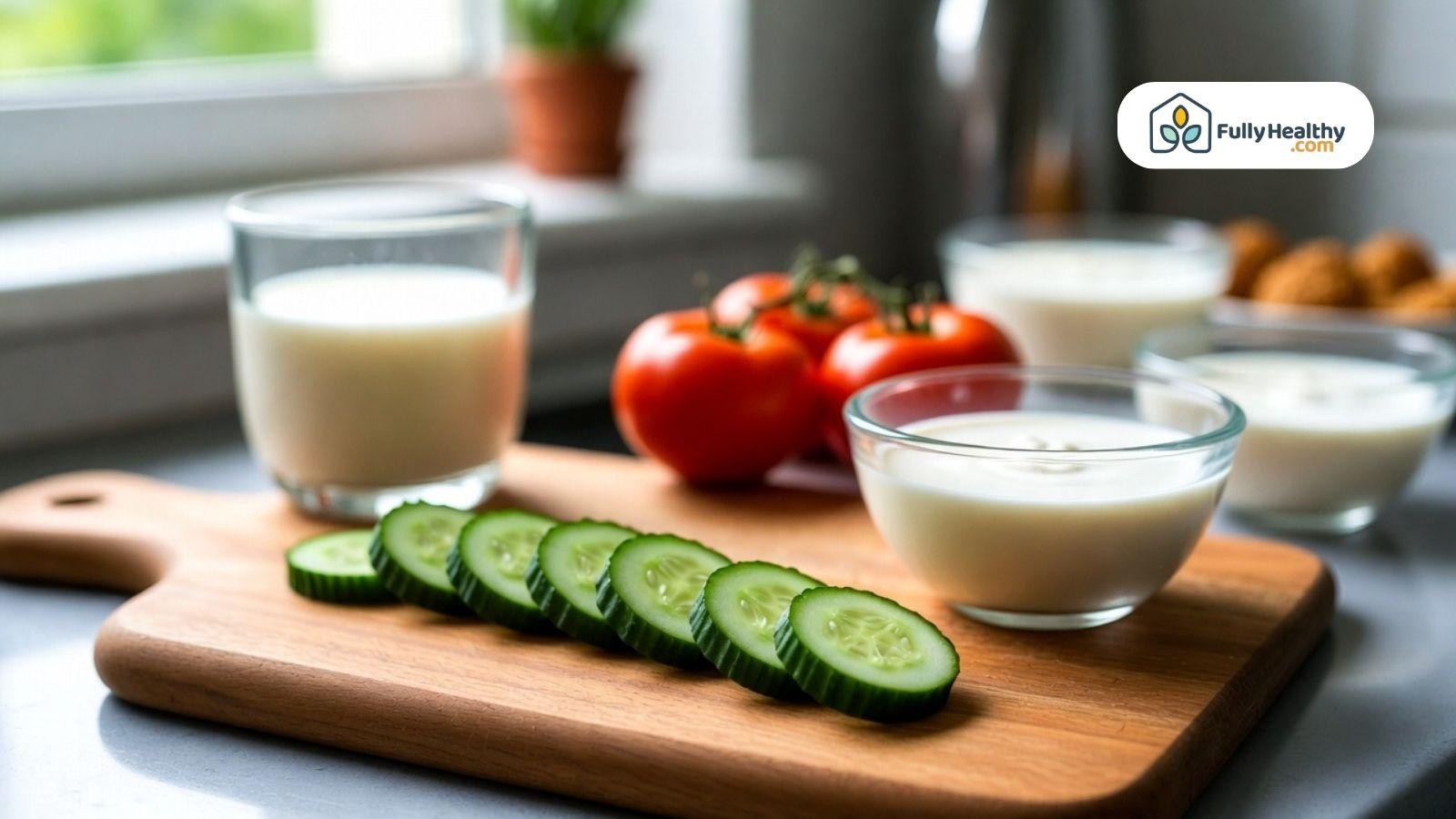
Certain food traditions suggest avoiding some combinations with cucumber. These claims are usually based on digestion patterns or cultural beliefs rather than strict nutrition science.
Food Pairings That May Cause Digestive Discomfort
Some people experience mild digestive discomfort when combining certain foods. This can depend on personal tolerance and the type of meal.
-
Milk combinations: Some traditions suggest avoiding cucumber with milk because the combination may cause stomach upset.
-
Heavy dairy foods: Rich dairy meals may slow digestion when combined with watery vegetables and fruits.
-
Very spicy food: Strong spices with cucumber may irritate sensitive stomachs.
-
Large mixed meals: Overeating several types of food together can affect digestion regardless of ingredients.
-
Individual tolerance: Each body responds differently to food combinations.
Understanding Digestive Myths Vs Evidence
A lot of the warnings about pairing cucumbers with other foods come from cultural beliefs rather than solid medical evidence. Instead, nutritionists usually focus on eating in a balanced way.
-
Scientific evidence: Most research does not show harmful interactions between cucumbers and other foods.
-
Health guidance: Nutrition guidance from health offices focuses on balanced fruits and vegetables intake.
-
Diet diversity: Eating a wide variety of foods supports nutrient balance.
-
Food safety awareness: Proper washing and handling of raw fruits and vegetables remains important.
-
Moderation principle: Reasonable portion sizes help avoid digestive discomfort.
FullyHealthy: Clean Foods For Everyday Nutrition
FullyHealthy is an online store that focuses on clean label foods, simple ingredients, and allergen friendly products. The platform offers snacks and pantry items designed to support healthier eating habits.
About FullyHealthy
FullyHealthy provides shoppers with specialty food brands that prioritize natural ingredients and simple nutrition. Many products emphasize clean labels, minimal additives, and transparency in nutrition facts.
-
Clean ingredient focus: Products highlight simple ingredients and minimal processing.
-
Allergen friendly options: Many foods avoid common allergens and artificial additives.
-
Healthy snack selection: The store features fruit bars, spreads, and plant based snacks.
-
Nutrition awareness: Shoppers can review nutrition information before purchasing.
-
Balanced eating: Products help support balanced daily consumption of healthy foods.
Popular Products Available At FullyHealthy
Several snack products available on the platform provide convenient options for healthy eating. These foods often emphasize simple ingredients and natural fruit sources.
-
That's It Apple Pear Fruit Bar: Made from real fruit ingredients and designed as a quick snack option with simple nutrition.
-
That's It Blueberry Probiotics Fruit Bar: Combines blueberry fruit ingredients with probiotics that support digestive balance.
-
St. Dalfour Four Fruits Fruit Spread: A fruit spread made from blended fruit varieties without artificial sweeteners.
-
Solely Banana With Cacao: A dried fruit snack combining banana with cacao for a naturally sweet flavor.
-
Solely Pineapple: A dried pineapple snack made from a single fruit ingredient for simple, natural snacking.
Final Thoughts
Cucumbers are a simple fruit that is high in water, low in carbs, and full of nutrients that are good for you. People who want to stick to a low-carb diet, eat a variety of fruits and vegetables, and stay at a healthy weight can plan their meals better if they know how many carbs are in cucumbers. You can eat them raw, put them in salads, or buy them fresh at the store.
In addition, cucumbers have nutrients that may help keep you from getting heart disease and provide small amounts of important vitamins that your body needs every day.
FAQs
What Health Benefits Do Cucumbers Provide?
Cucumbers offer health benefits because they provide hydration, fiber, vitamin K, potassium, and antioxidants that support digestion, weight management, and overall body nutrition.
What Are The Key Cucumber Nutrition Facts?
Cucumber nutrition facts show that one cup of sliced cucumber contains about 3 to 4 grams of carbohydrates, small fiber amounts, minimal fat, and nutrients that support the recommended daily value for certain vitamins.
What Vegetables Have No Carbs In Them?
Most vegetables contain small amounts of carbohydrates, but very low carb options include cucumbers, leafy greens, and some vegetables often used in low carb diets.
Can Cucumber Lower Cholesterol?
Cucumbers may support heart health and lower cholesterol indirectly because fiber rich fruits and balanced diets are linked with lower heart disease risk.
Does Cucumber Spike Blood Sugar?
Cucumbers do not usually spike blood sugar because they contain very small amounts of carbohydrates and are commonly recommended in low carb diets and balanced nutrition plans.
Leave a comment