

How Many Cups of Flour in a 5-Pound Bag? Cup Count Tips
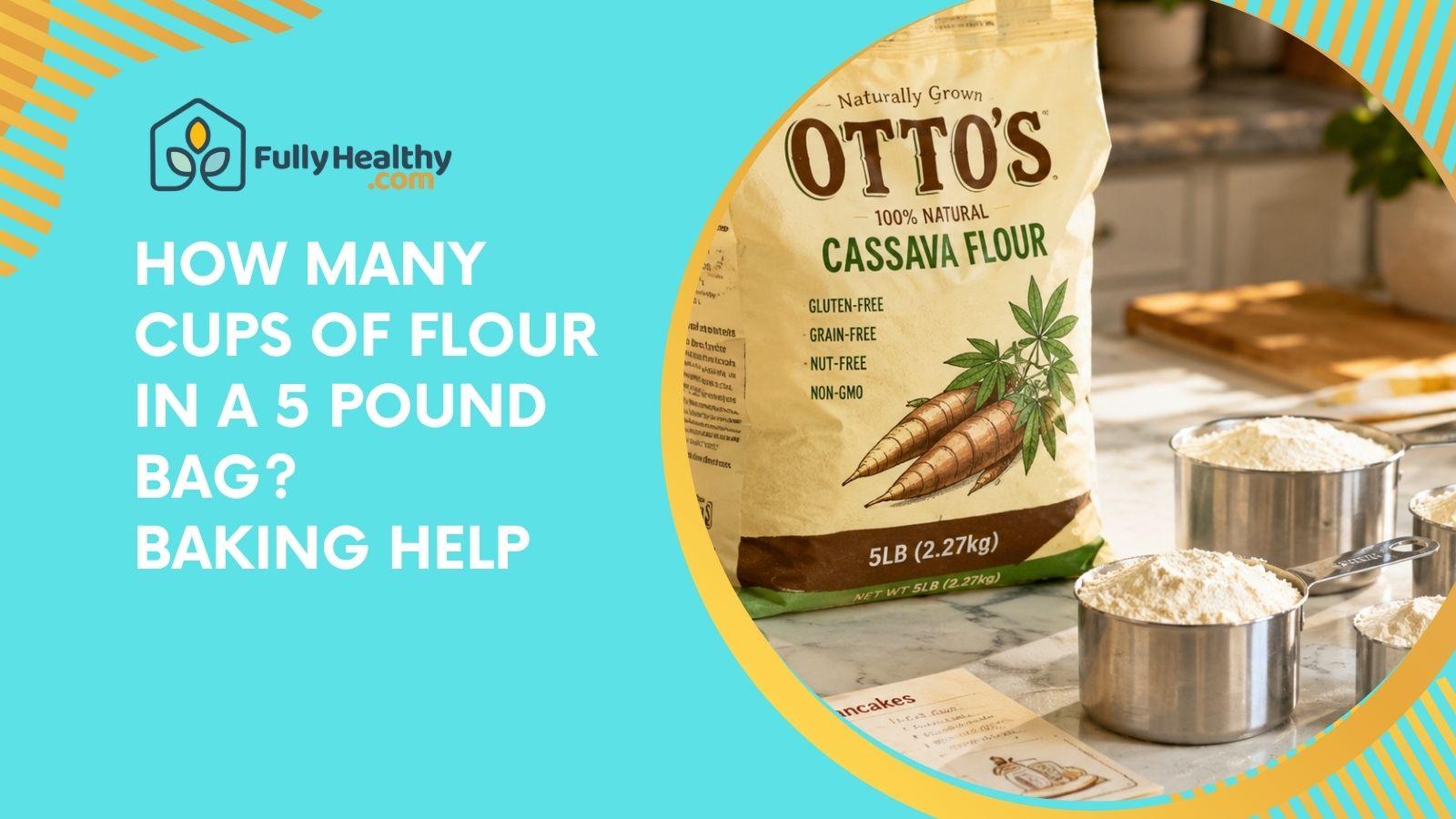
Whatever way you measure it, a 5-pound bag of all-purpose flour usually contains about 18 to 19 cups when measured by standard spoon-and-level weights of about 120–125 g per cup; very light or sifted measurements may yield more.
About 18 to 19 cups is a better estimate for standard all-purpose flour; 20 cups is a rough kitchen estimate when using lighter 4-ounce cup assumptions. A cup of flour can be packed, scooped, or spooned into it, so the exact number changes. This article shows how to change 5 pounds of flour to cups and what size container is best.
Featured Baking Pick
Bob's Red Mill // Gluten Free 1-to-1 Baking Flour - 44 oz
Loading...
How Many Cups Of Flour In A 5 Pound Bag?
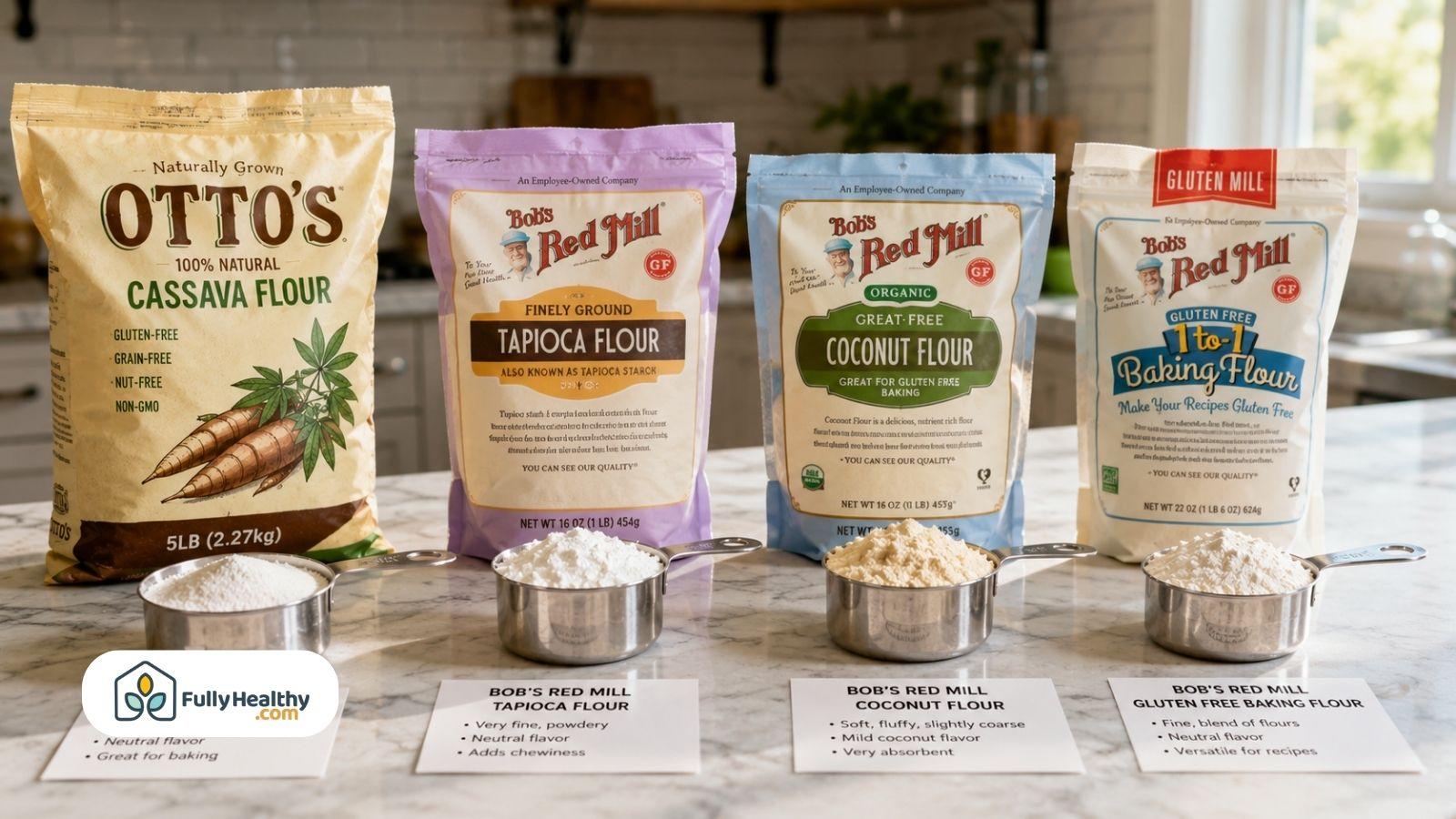
A 5-pound bag of all-purpose flour usually has about 18 to 19 cups; the count can be higher only with very light, sifted, or loosely measured cups. The exact number can change based on the type of flour and how you measure it.
Since scooped flour is heavier per cup than spooned flour, the same 5-pound bag yields fewer measured cups. Twenty cups is a good rough guess for most home baking recipes.
Why The Answer Is Usually A Range, Not One Fixed Number?
It's not always the same way that flour fills up a cup. A cup with less flour in it weighs less than one with more flour in it. You can also change the number of cups by using whole wheat flour, bread flour, cake flour, almond flour, or self-rising flour.
-
Typical Range: A 5-pound bag of flour usually gives about 18 to 22.5 cups.
-
Flour Type: Whole wheat flour weighs more than some lighter flours, so it may give fewer cups.
-
Measuring Style: Scooping directly from the flour bag can pack in too much flour.
How To Get The Most Accurate Cup Count At Home?
It is best not to dip the measuring cup straight into the bag of flour. Instead, use the spooning method that comes with the recipe. Put some flour in the cup and then level it. To get the most accurate reading, use a digital scale to measure the flour.
-
Best Method: Spoon flour into measuring cups and level the top.
-
Most Accurate Tool: A digital scale gives better results than volume measurements.
-
Baking Tip: Accurate flour measurements help improve baking success.
Is 4 Cups Of Flour A Pound?
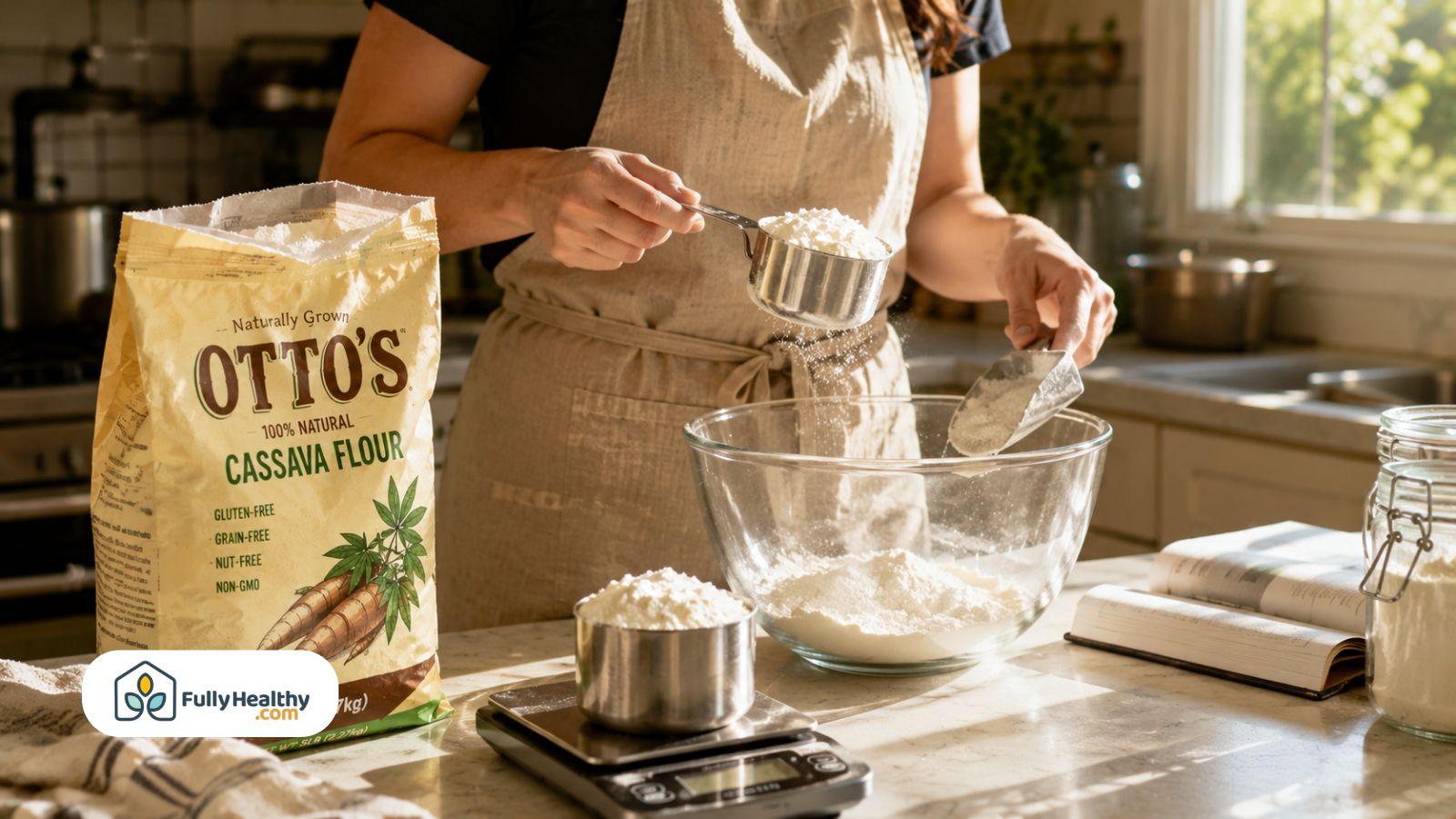
One pound of all-purpose flour is about 3.6 to 3.8 cups, using 120–125 g per cup, though some kitchen charts round it to 4 cups. For this to work, one cup of flour needs to weigh about 4 ounces. Different flour cups have different weights because of how they are packed.
When 4 Cups Can Equal About 1 Pound?
If each cup is assumed to weigh 4 ounces, then 4 cups equal 16 ounces, or 1 pound; with standard all-purpose flour weights, 4 cups may weigh slightly more than 1 pound. This is an easy way to do math quickly in the kitchen.
-
Simple Math: 4 cups × 4 ounces equals one pound.
-
Useful Estimate: This works well for many American recipes.
-
Best Use: Use it for rough planning, not exact baking.
Why Some Baking Charts Use 4.5 Cups Per Pound?
Some charts may show higher cup counts for sifted or very lightly measured flour, but standard all-purpose flour is closer to 3.6–3.8 cups per pound. Spoon-and-level all-purpose flour is commonly about 120–125 g per cup, giving about 3.6–3.8 cups per pound. More cups are needed to get to one pound.
-
Lighter Cup: Spooning flour can create a lighter cup.
-
Heavier Cup: Scooping can add more flour than needed.
-
Recipe Risk: Too much flour can make baked goods dry or dense.
How Big Of A Jar Do I Need For A 5-Pound Bag Of Flour?
A 5-pound bag of flour needs a container big enough to hold it and a scoop. A 6-quart container that doesn't let air in is a good choice because it gives you more space and keeps the flour fresh.
Why A 6-Quart Container Gives Plenty Of Room?
As a general rule, a 6-quart container is big enough to hold a 5-pound bag. It also has room at the top so that you can add flour without spilling it.
-
Good Fit: A 6-quart container gives enough room for a 5-pound bag.
-
Easy Scooping: Extra space helps prevent mess.
-
Trusted Option: King Arthur Flour storage containers are often used by bakers.
What Features Matter In A Flour Storage Jar?
Pick a container that can seal well and keep smells, air, and water out. For the longest shelf life, keep it in a cool, dark pantry.
-
Airtight Lid: Keeps flour fresh and helps prevent clumps.
-
Dark Pantry: Protects flour from heat and light.
-
Freshness Check: Throw away flour with an off or musty odor.
-
Shelf Life: Most flour is best used within six to eight months.
How Many Pounds Of Flour Is 20 Cups?
Some ways of measuring flour make it look like twenty cups is about five pounds. The type, texture, and packing of flour can be different. If you can, use weight measurements when you bake, especially when you are making a lot of things at once.
Why 20 Cups Is Often Estimated As 5 Pounds?
Some recipes use 4 ounces per cup, while many reliable baking references use about 120–125 g, or about 4.25–4.4 ounces, per cup of all-purpose flour. Under a 4-ounce-per-cup assumption, 20 cups equal 5 pounds; under 120–125 g per cup, 5 pounds is closer to 18–19 cups.
-
Simple Conversion: Use 4 ounces per cup to convert cups into pounds.
-
Best For Planning: This estimate helps when checking if you have enough cups for a recipe.
-
More Accurate Option: A digital scale gives better results than cup measurements.
-
Helpful Reminder: All-purpose flour typically works well with this estimate.
Why 20 Cups May Not Always Weigh Exactly 5 Pounds?
Whether the flour is sifted, packed, or measured wrong can change the weight. With flour, a lighter consistency doesn't always give the same results as a packed cup.
-
Measuring Method: Spoon flour into the cup instead of scooping directly from the bag.
-
Flour Type: Different flours vary, so the flour range can change.
-
Texture Check: Remove clumps or resolve clumps before measuring.
-
Recipe Impact: Too much flour makes baked goods dry or dense.
What Does Fully Healthy Offer For Readers Measuring A 5-Pound Bag Of Flour?
People who bake often need more than a flour conversion. They also need the right flour type, smart pantry staples, and simple tools for accurate measurement. Fully Healthy offers flour options and baking mixes that can help readers plan recipes after they know how much flour they need.
How Can Fully Healthy Help Readers Choose The Right Flour For Baking?
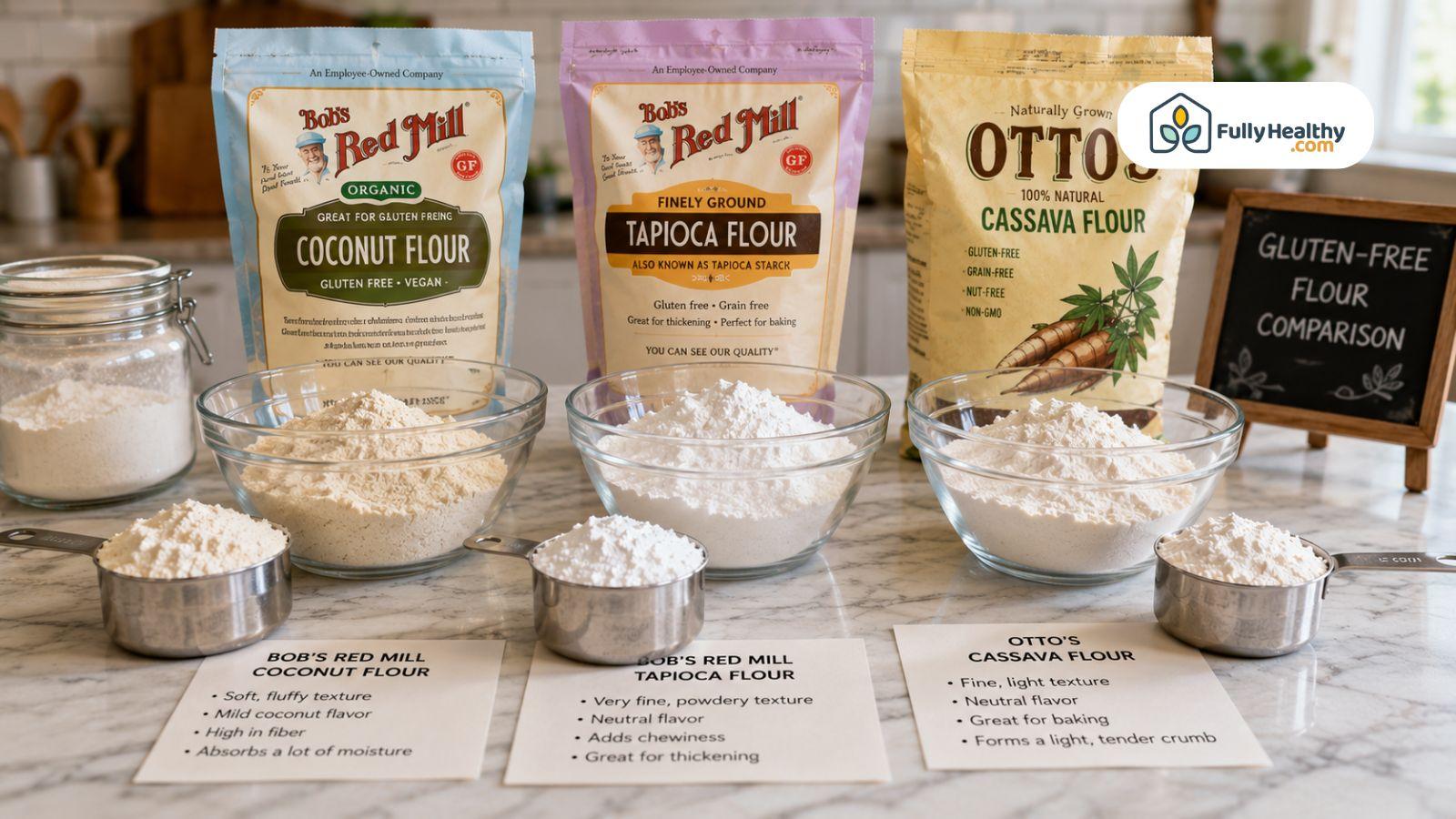
The best flour choice can vary depending on the recipe. An avid baker may use cassava flour, tapioca flour, coconut flour, or a gluten-free blend for different results. For better texture, avoid scooping with a measuring cup directly from the bag because it can create a densely packed cup.
-
Cassava Flour Option: Otto’s Naturals Cassava Flour is useful for grain-free baking and comes in 1-pound and 2-pound sizes.
-
Tapioca Flour Choice: Bob’s Red Mill Tapioca Flour works well when a recipe needs thickening or a lighter texture.
-
Coconut Flour Alternative: Bob’s Red Mill Organic Coconut Flour absorbs more liquid, so measure carefully.
-
Measuring Tip: Use the recommended spooning measurement technique, then weigh flour with a King Arthur Scale or similar digital scale for the most accurate measurement.
Which Fully Healthy Products Are Most Relevant To Flour Measurements?
Once readers know how much flour a recipe needs, they can choose products that match their baking goals. Fully Healthy lists flour-based products that support gluten-free, grain-free, and alternative baking.
-
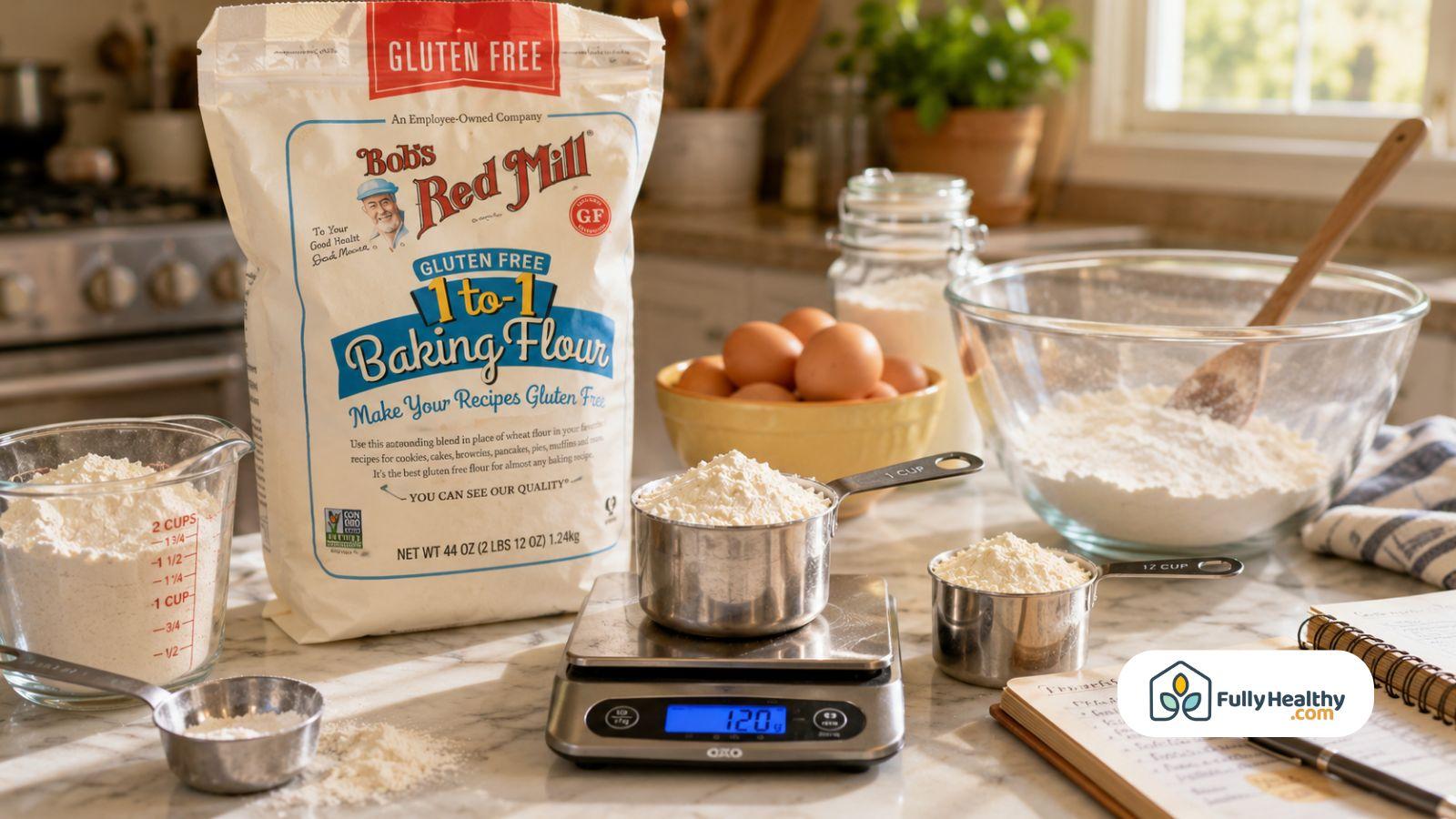
Gluten-Free Baking Flour: Bob’s Red Mill Gluten Free 1-to-1 Baking Flour is helpful when replacing regular flour in many recipes.
-
Almond Flour Mixes: Simple Mills Almond Flour Mixes include artisan bread, pizza dough, pancakes, waffles, banana muffins, and pumpkin muffins.
-
Tigernut Flour Mix: AiPeazy Pizza Crust Mix with Tigernut Flour gives readers another option for specialty baking.
-
Pantry Planning: Store your favorite flour in an airtight container with the appropriate volume, check if flour older smells off, and restock pantry staples like baking powder before starting all those batches.
Final Thoughts
To find out exactly how many cups of flour are in a 5-pound bag, you need to know the type of flour and how you measure it. For all-purpose flour, the total is usually about 18 to 19 cups, with broader ranges possible depending on flour type, sifting, and measuring method.
Sifting before measuring makes flour lighter per cup and can increase the cup count; measuring first and then sifting does not change the measured amount.
Weighing the ingredients is the best way to make sure you don't make any mistakes. Accurate measuring helps you get the same baking results every time, whether you're using all the cups in a bag or a recipe from a food stylist.
FAQs
How Many Cups Is 1 Pound Of Flour?
One pound of flour is usually about 4 to 4.5 cups, depending on the flour type and whether it is unsifted flour.
Is 4 Cups 1 Pound Of Flour?
It can be, but flour density can alter cup measurements, so the exact amount may vary.
How Many Cups Of Flour Are In A 5-Pound Bag?
A 5-pound bag typically contains about 18 to 20 cups of all-purpose flour.
How Big Is A 5-Pound Bag Of Flour?
A 5-pound bag is compact enough for most pantry shelves and is often transferred to an airtight storage container.
How Many Cups Of Food Are In A 5-Pound Bag?
The answer depends on the product, but some 5-pound bags contain around 20 cups; always check the label rather than assuming all the cups are the same.
Leave a comment