

How Many Grams In A Cup Of Flour? What Bakers Should Know
Wondering how many grams in a cup of flour? The way you measure it changes the answer. A common standard for all-purpose flour is about 120–125 g per cup when spooned and leveled; higher weights can occur if flour is scooped, packed, or measured by a different standard.
The weight can change if you scoop, pack, or sift the flour. This blog shows you how to convert common amounts of flour, like 150g, 250g, and 500g, so you can bake more accurately.
Featured Baking Pick
Bob's Red Mill // Gluten Free 1-to-1 Baking Flour - 44 oz
Loading...
How Many Grams In A Cup Of Flour?
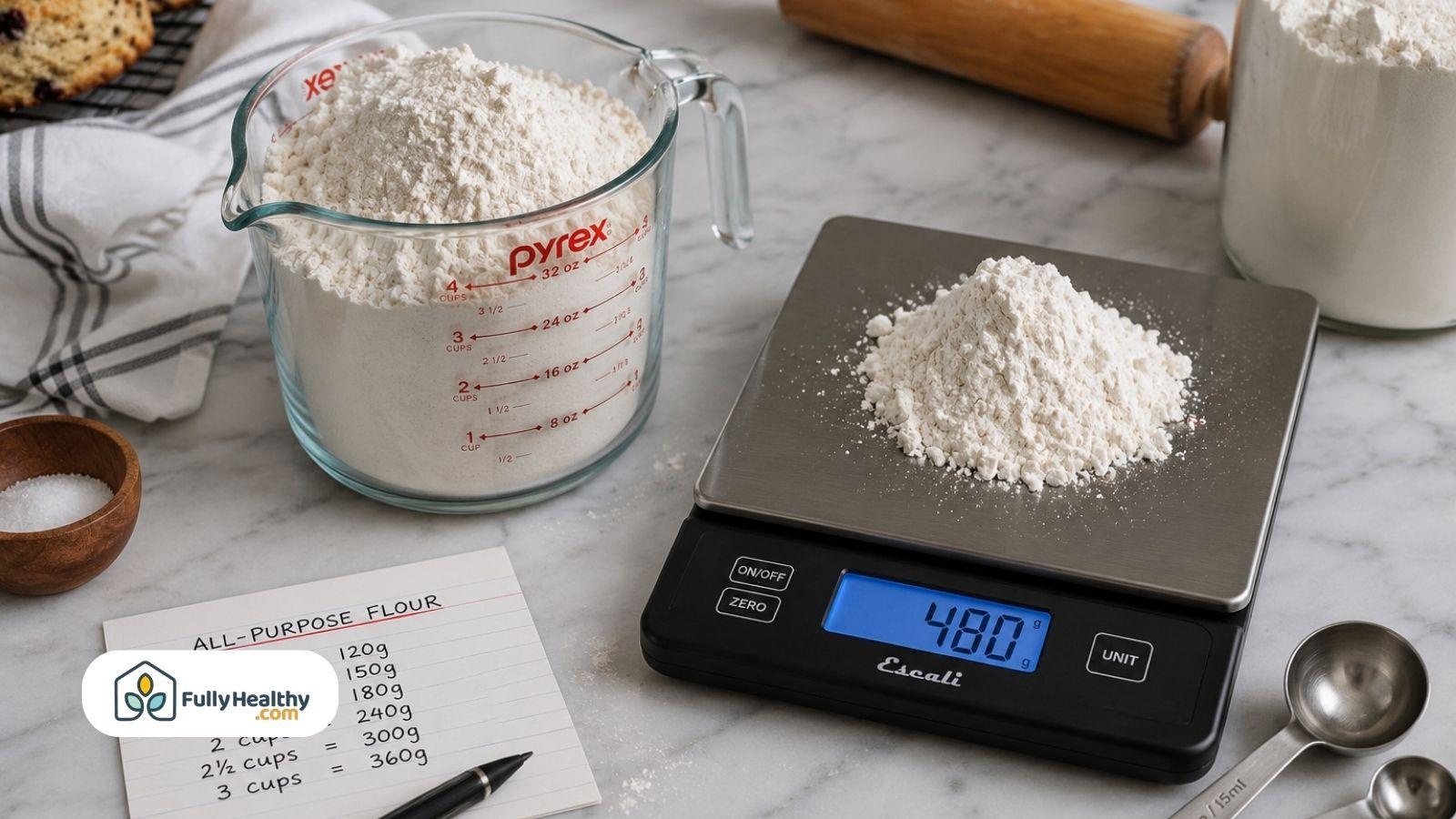
In recipes that use both cups and grams, a lot of people want to know how many grams are in a cup of flour. The answer depends on how the flour is measured, the type of flour, and the brand. To find out how much flour weighs, use a kitchen scale; a measuring cup only measures volume.
The best way to get accurate measurements and consistent results when making cakes, cookies, and pastries is to measure flour in grams.
Why Flour Cups Vary By Method?
Flour's weight can change depending on how you measure it. While scooping, dipping the measuring cup into the bag might make the flour settle down. A cup usually weighs less when flour is spooned into the cup and leveled than when the cup is dipped directly into the flour bag.
-
Measuring Method: Scooping, spooning, sifting, fluffing, and packing can all create different weights.
-
Cup Difference: A 1 cup measurement is based on volume, not weight, so it is not always exact.
-
Common Mistake: An overflowing cup can add too much flour and make baked goods dry.
-
Baking Tip: Use the same method each time to help ensure better results.
How Many Grams In A Cup Of Flour For Better Baking Accuracy?
Using a scale when you can will help you bake better. Grams are more precise than cups because they take the guesswork out of it. Different charts use different numbers, but some sources may list higher cup weights; standard baking references commonly use about 120–125 g per cup for all-purpose flour.
-
Best Choice: Weigh flour in grams for the most accurate measurement.
-
Helpful Tool: A kitchen scale makes it easier to follow a recipe correctly.
-
Brand Note: Different brands may use slightly different conversion figures.
-
Simple Answer: The exact number depends on the flour type, brand, and measuring method.
Is 250g The Same As 1 Cup Of Flour?
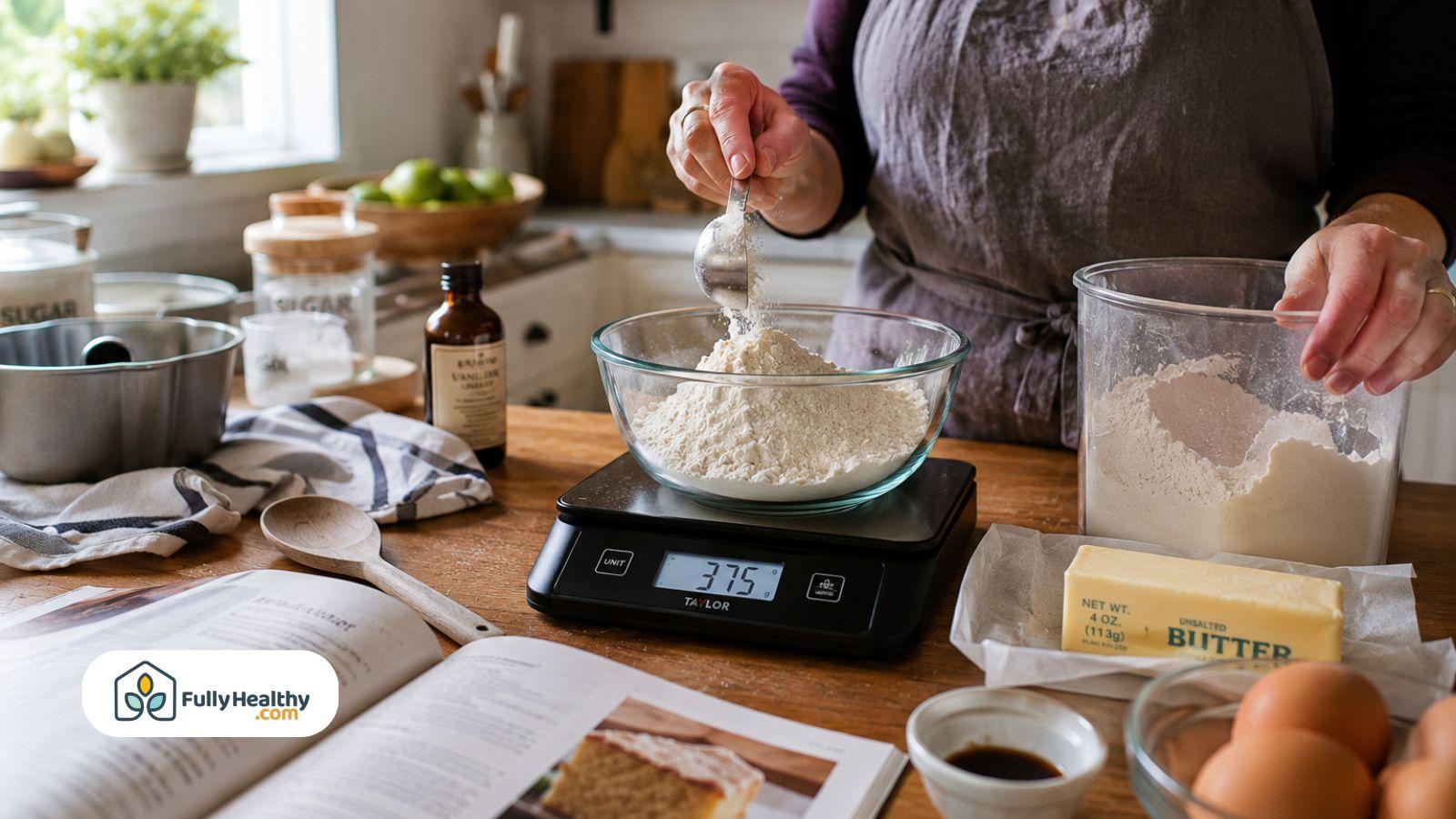
Most of the time, 250g is not the same as 1 cup of flour. Liquid things don't weigh the same as flour. Using common 120–125 g/cup standards, 250 g of all-purpose flour is about 2 cups to 2 cups plus 1 tablespoon.
Why 250g Is More Than One Cup?
This confusion often comes from water: 250 mL of water weighs about 250 g, but flour has a much lower bulk density. However, flour is dry, so its weight and volume don't match up the same way.
-
Conversion Guide: 250 grams of flour is usually more than 1 cup.
-
Useful Figure: 250 g of all-purpose flour is about 2 cups using a 125 g/cup standard, or about 2 cups plus 1 tablespoon using a 120 g/cup standard.
-
Why It Matters: Too much flour can make cakes, cookies, and pastries dense or dry.
Why Liquid Cup Logic Does Not Work For Flour?
It's not the same weight for water and flour. This happens since the ingredients don't all have the same density. The flour inside the cup can also settle, pack down, or fluff up.
-
Simple Fact: A cup measures volume, while grams measure weight.
-
Dry Ingredients: Flour, granulated sugar, and chopped ingredients can all weigh differently in the same cup.
-
Best Practice: Check a conversion chart or use a scale for accurate results.
Is 1 Cup Of Flour 150g?
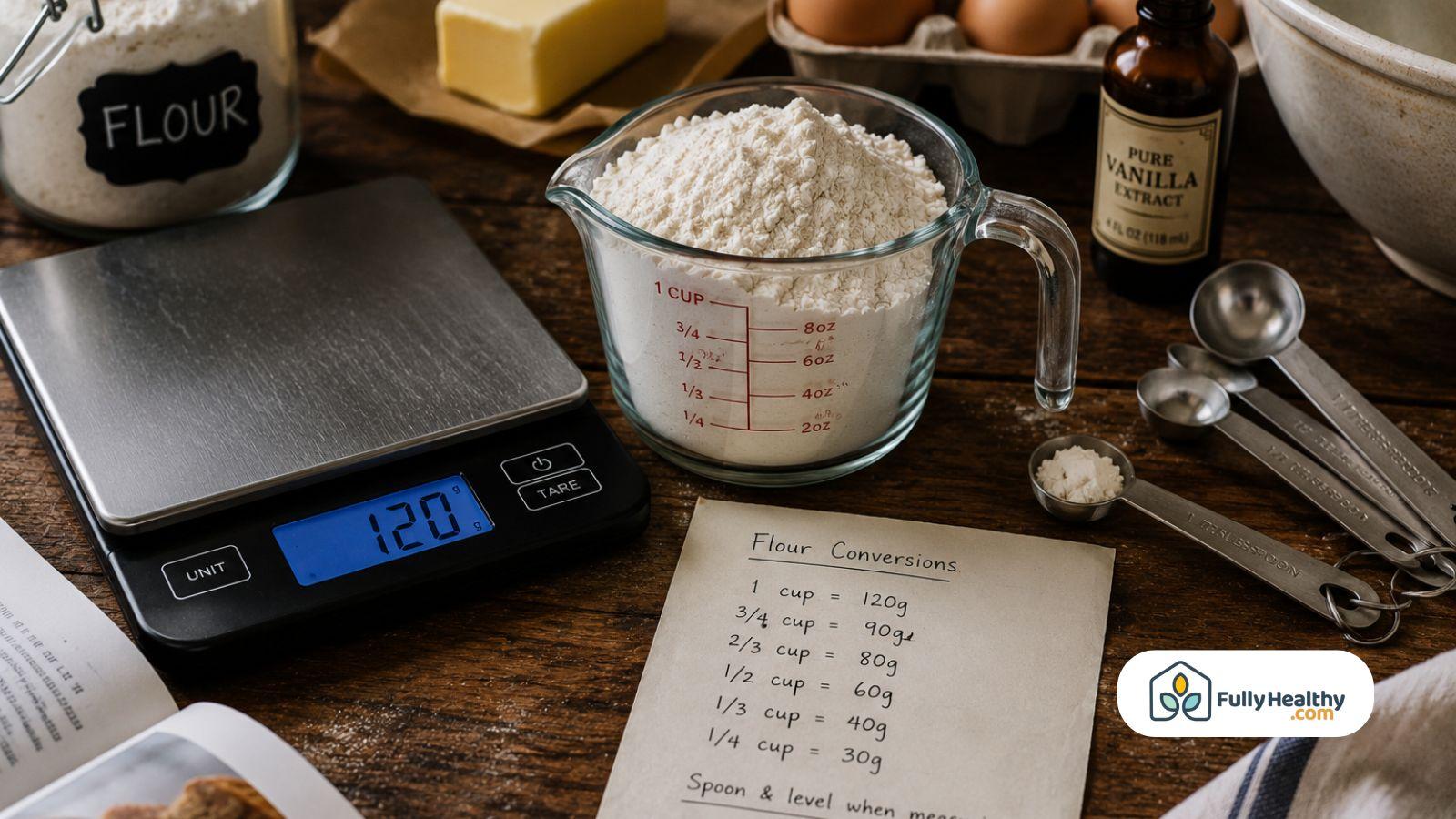
One cup of flour is sometimes treated as 150 g when using a scoop-and-level or denser-cup standard, but it should not be used as a universal conversion. The real answer relies on how the cup is filled, whether the flour is sifted, and the type or brand of flour used.
When 150g Can Be A Reasonable Estimate?
It might make sense to use 150g of flour in some recipes, especially if that's what the recipe author says. Still, you shouldn't use it for every recipe without first making sure.
-
Recipe First: Follow the measurements given by the recipe whenever possible.
-
Main Factors: Flour type, brand, freshness, and measuring method can affect the final weight.
-
Important Note: All-purpose flour brands and bleached/unbleached versions may vary slightly, but the measuring method usually causes the largest difference.
How To Use A Recipe’s Own Flour Standard?
For safety's sake, follow the recipe's measurements. You should use grams if the recipe directs you to. You should use ounces if it says so. As a result, you won't use too much flour.
-
Best Approach: Use the recipe’s listed measurements instead of guessing.
-
Helpful Habit: Keep a simple flour conversion table in your kitchen.
-
Final Tip: Weigh flour when accuracy is important, especially for baking.
Is 2 Cups Of Flour 500g?
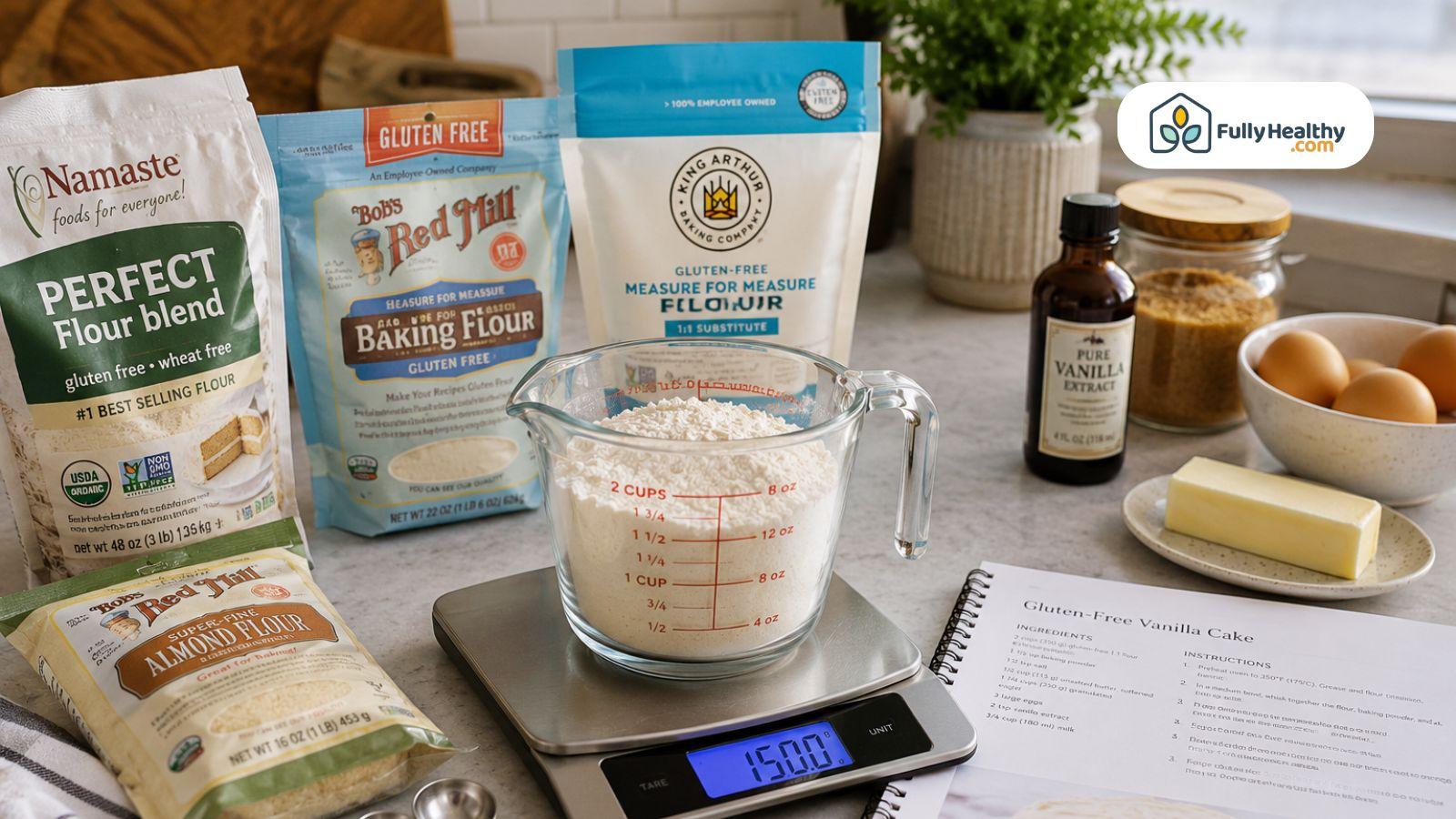
Many people think that 2 cups of flour is the same as 500g, but this isn't always the case. You can get a real idea of how much flour there is by using a conversion chart.
Seeing the difference between cups and grams can help you figure out how much flour you need. Since the weight of flour can change, it is best to use a scale.
Why 2 Cups Usually Falls Short Of 500g?
Usually, 2 cups of flour don't add up to 500g on baking charts. 1 cup of white flour weighs 161 grams, according to a source that was looked at. From that, we can see that 2 cups is about 322g, not 500g.
-
Key Fact: Two cups of flour are usually far below 500g.
-
Simple Math: 120–125 g/cup standards, 2 cups of all-purpose flour are about 240–250 g; even denser scooped cups are still usually well below 500 g.
-
Why It Matters: Too much flour can make baked goods heavy, dry, or dense.
-
Helpful Tip: Check the recipe’s conversion notes before measuring.
How To Convert 500g Flour More Safely?
Check the amount of flour in the recipe. If it says 500g, use a digital kitchen scale. This is the simplest way to get a good measurement. It also lets you know the exact amount you need without having to guess based on cups.
-
Best Method: Weigh the flour instead of using only cups.
-
Easy Practice: Place the bowl on the scale, set it to zero, then add flour.
-
Quick Check: Use a trusted conversion chart only when a scale is not available.
-
Better Results: Accurate measuring helps improve consistency, texture, and repeatability.
How Can FullyHealthy Help When Measuring Flour For Special Diet Baking?
Fully Healthy is an online store that sells foods that are AIP-friendly, gluten-free, allergen-free, and other special diets. It's not a site that converts flour, but it can help people find baking ingredients that might need to be exact. It is important to know this because specialty mixes don't always work like plain wheat flour.
How FullyHealthy Connects To Specialty Baking Measurements?
Blends with different ingredients are often used in special diet baking. These mixes might not absorb liquid the same way and might not convert to flour the same way regular flour does. Do what it says on the package first for the best results.
-
Special Diet Focus: Fully Healthy offers foods for people with specific diet needs.
-
Measurement Reminder: Alternative baking mixes may not weigh the same as regular flour.
-
Reader Benefit: Package directions can help you find the right amount more easily.
-
Smart Habit: Read labels before baking so you understand what the product needs.
Products That May Require Careful Measuring
Some FullyHealthy products are meant to be baked with, so follow the directions on the package for how much to use. This keeps problems with texture at bay and makes things better.
-
Cookie Mix: EAT G.A.N.G.S.T.E.R Cut-Out Sugar Cookie Mix can be useful for special diet baking.
-
Banana Bread Mix: This product gives home bakers a prepared mix that still needs accurate measuring.
-
Brownie Mix: EAT G.A.N.G.S.T.E.R Chewy Choconot Brownie Mix is another baking option on the site.
-
Final Note: Always follow the product label for the exact liquid, flour, or add-ins needed.
Final Thoughts
It's easier to bake when you know how many grams are in a cup of flour. The exact answer depends on how the flour is measured, the type of flour used, and the conversion method. A common spoon-and-level baking standard for all-purpose flour is about 120 g per cup, but some sources say it can be more. Follow what the recipe calls for and use a kitchen scale to avoid the wrong amount.
FAQs
Is 1 Cup The Same As 250g?
No, 1 cup is not usually the same as 250g because the weight depends on the ingredient being measured.
Is 1 Cup Of Flour 100 Grams?
Most baking references place 1 cup of flour above 100 grams, so 100g is generally considered low for a full cup.
How Much Is 1 Cup Of Flour Now?
The weight of 1 cup of flour varies, but many conversion charts place it between about 120g and 160g depending on the method used.
How Much Is 250 Grams Of All-Purpose Flour?
250 g of all-purpose flour is about 2 cups using a 125 g/cup standard, about 2 cups plus 1 tablespoon using a 120 g/cup standard, or less than 2 cups only under denser measuring standards.
Is 1 Cup Of Flour In Grams?
Yes, flour can be converted to grams, and using grams is one of the best things you can do for accurate baking measurements.
Leave a comment