
NEW PRODUCT:
Wily Foods Chicken Bone Broth AIP, Paleo →

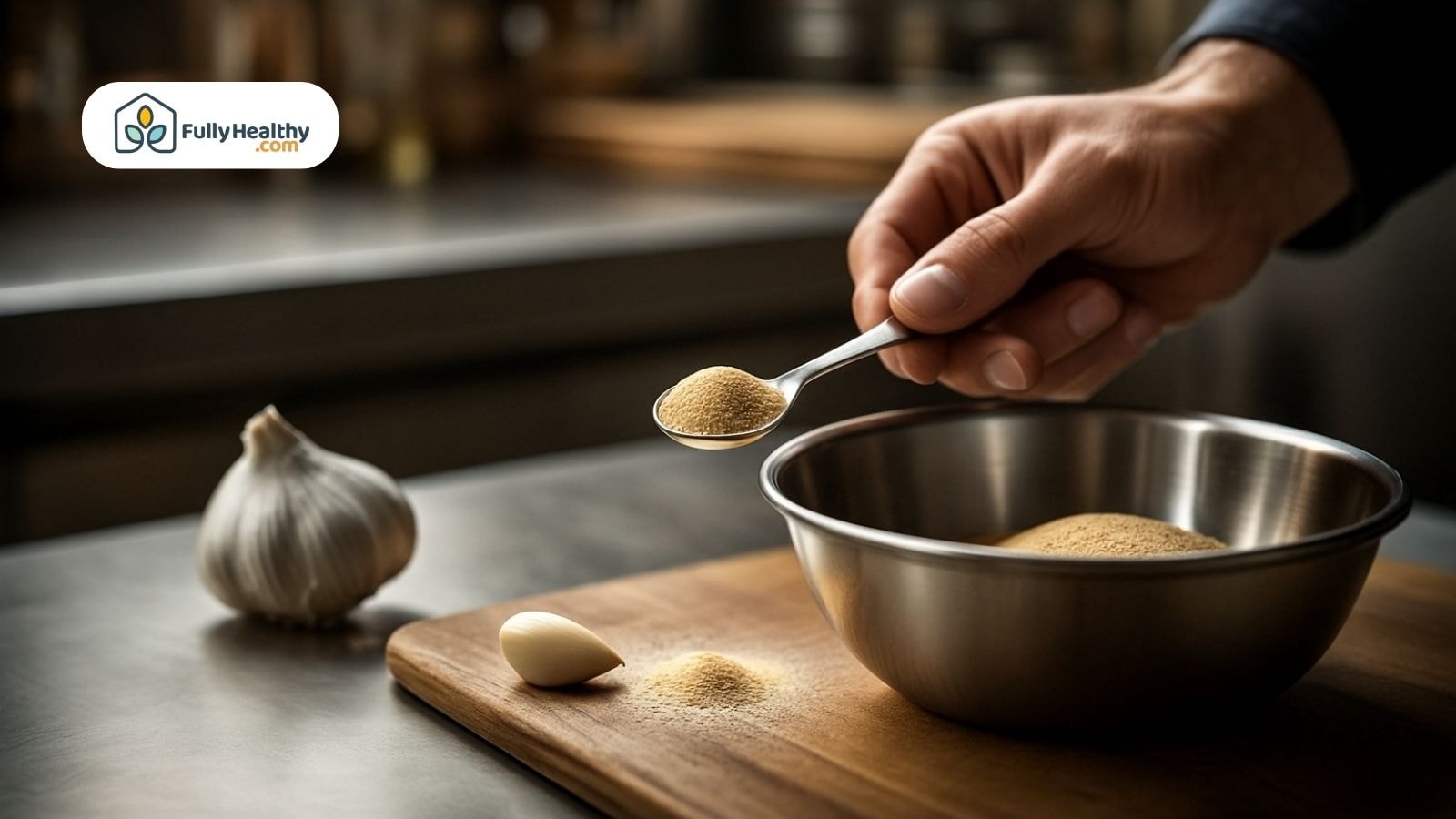
How much garlic powder equals 1 clove? One clove of garlic is equivalent to roughly ¼ teaspoon of garlic powder. Without peeling or chopping, this easy substitution maintains the same garlic flavor in any dish. Cooks who want the flavor of fresh garlic with fewer effort will love garlic powder because it's simple, clean, and ideal.
Featured Pantry Pick
Loading...
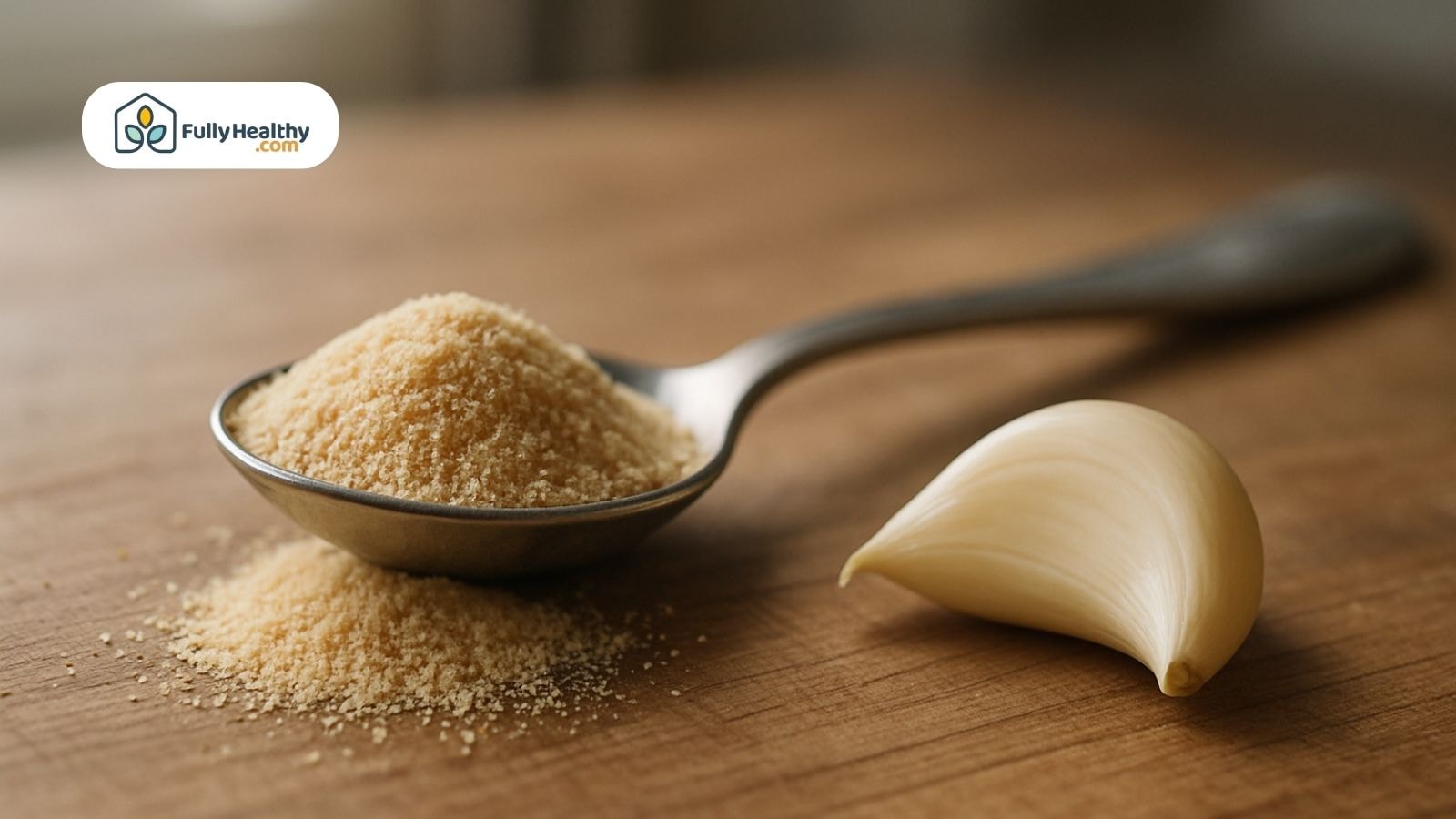
People who cook at home often wonder how much garlic powder is equal to 1 clove. The short answer is that about ¼ teaspoon of garlic powder works like one clove of garlic. When ultra-fine ground or dried garlic is used in industrial blends, the garlic may be twice as concentrated, which means that ⅛ teaspoon can be the same as one clove.
Conversion ratio: 1 clove ≈ ¼ teaspoon garlic powder or ⅛ teaspoon for finely ground varieties.
Granulated vs. powdered: Granulated garlic has a coarser texture like sand. It’s less concentrated, so use a little more to match the intensity of fresh garlic.
Consistency matters: Grinding, moisture, and grain size change flavor strength, so always start small and adjust.
Typical cooking use: Sprinkle a teaspoon garlic powder across soups, stews, or bread rubs to evenly distribute flavor without chopping or peeling.
Not every jar of garlic powder equals the same potency. Moisture content, drying temperature, and even the garlic’s origin.
Moisture loss: Dehydrated garlic loses 70–80% of its weight. The more moisture removed, the more concentrated the powder.
Texture differences: Coarse granulated forms absorb more oil and cook slower, while fine powder blends instantly into warm water or sauces.
Flavor variation: Some cooks prefer a milder flavor, others want stronger flavor. Always taste and adjust the ratio by personal preference.
Tip: If a recipe calls for one clove of garlic, begin with ¼ teaspoon garlic powder, taste mid-cook, and add a pinch more if the dish feels flat.
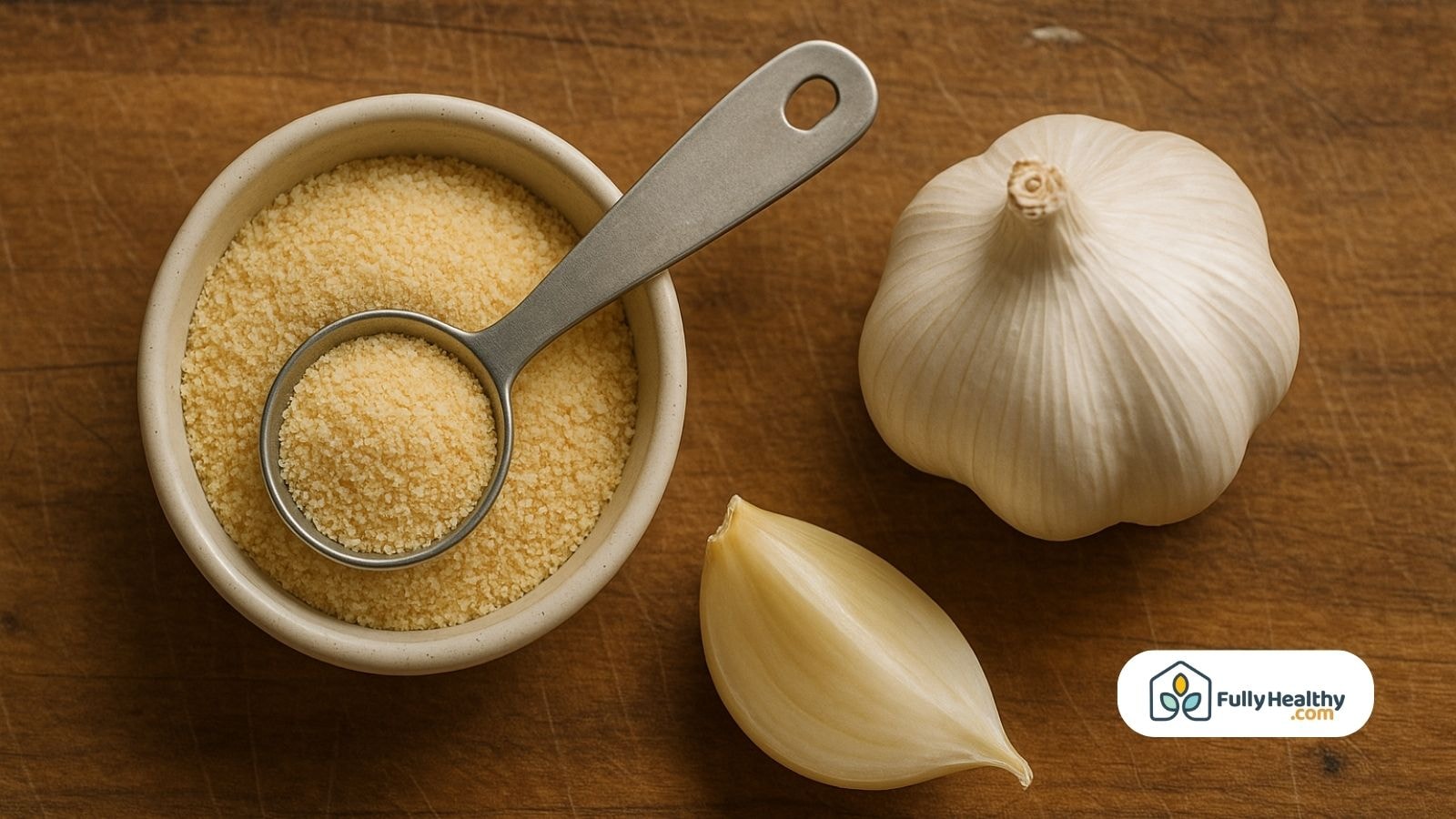
You can definitely use garlic powder instead of fresh garlic, especially if you want to save time and make sure the flavor is spread out evenly. Warm liquids melt it, oils smell better, and it doesn't taste bitter like raw garlic that has been browned too much.
Quick use: Perfect for dry rubs, marinades, soups, salad dressings, and garlic bread toppings.
Ease of cooking: No need to peel or chop, powder dissolves instantly in oil or butter.
Bloom technique: To release flavor, stir a pinch into warm oil before adding other ingredients.
Shelf life: Powder lasts months longer than whole cloves, making it ideal for weekly meal prep.
Practical ratio: ¼ teaspoon garlic powder for each clove of garlic a recipe calls for.
Sometimes the pantry offers more than one garlic option. If you run out of powder, these substitutes balance convenience and taste.
Minced garlic: ½ teaspoon minced garlic = 1 clove, offers similar texture to freshly chopped.
Garlic flakes: ½ teaspoon flakes soaked in warm water replaces one clove, giving subtle bite.
Garlic salt: Use ½ teaspoon garlic salt per clove but reduce other salt in the recipe.
Roasted or fried garlic: Adds a deeper, slightly sweet flavor perfect for spreads or stews.
Granulated garlic: Slightly coarser than powder. Use ¼–½ teaspoon per clove for mellow flavor.
Onion powder pairing: Combine with onion powder for layered seasoning in soups and sauces.
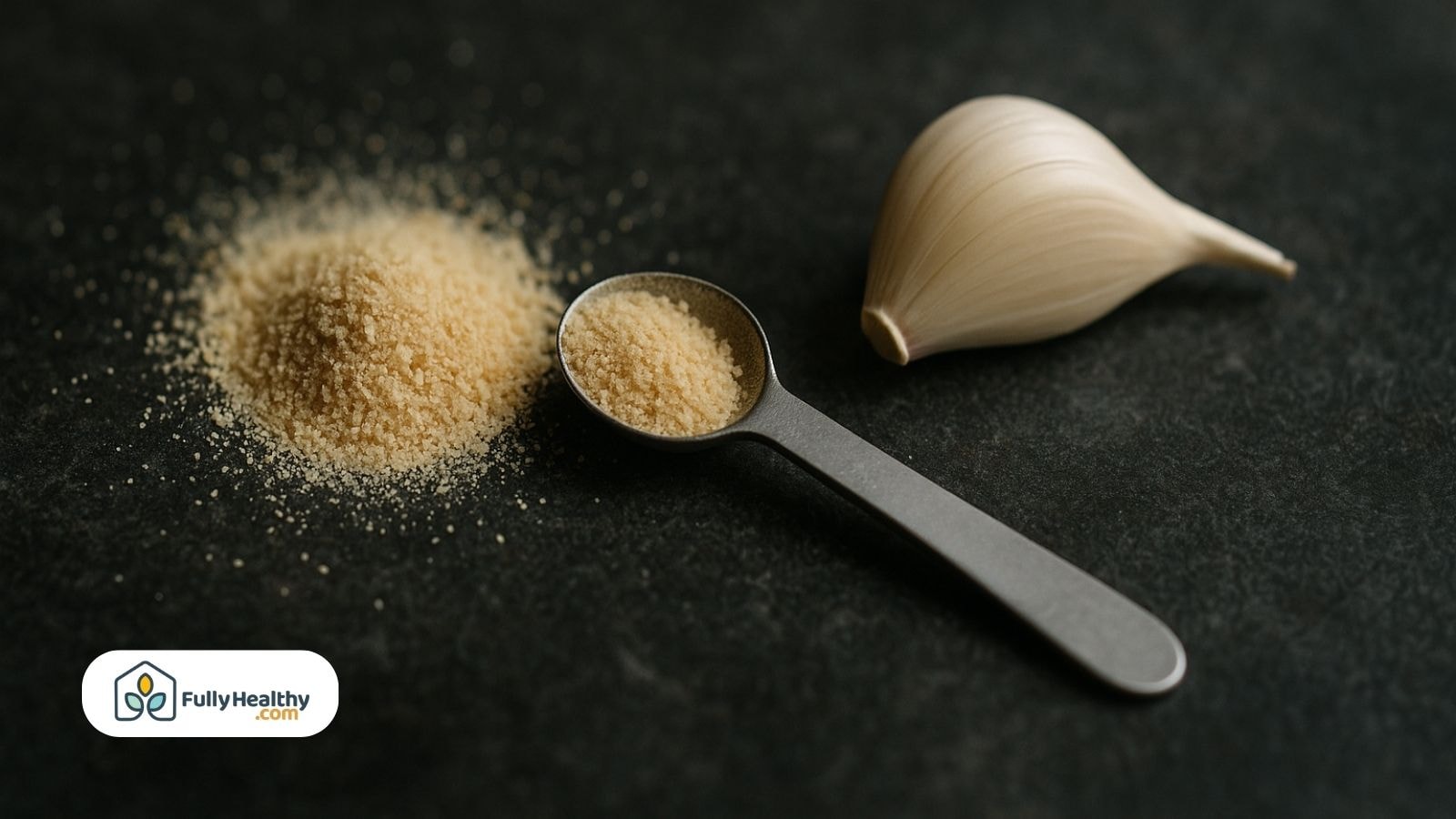
In terms of taste, garlic powder is not stronger than fresh garlic. When cloves are crushed, active sulfur compounds like allicin are made. These give fresh garlic a stronger, more pungent flavor. Because drying garlic often lowers the amount of allicin it contains, garlic powder has a milder, more uniform taste.
Cooking effect: In soups or stews, powder blends seamlessly without affecting texture.
Culinary use: Chefs often pair both, fresh for aroma at the start, powder for depth at the end.
Moisture role: Powder doesn’t add water to dishes, making it ideal for spice rubs and dry mixes.
Example recipe: A teaspoon garlic powder mixed with oil and salt transforms plain bread into quick garlic bread.
Garlic powder is made from garlic bulbs that have been sliced, dried in the oven, and ground very finely. Removing water concentrates its allicin, the compound responsible for garlic’s strong aroma and health benefits.
Weight comparison: A teaspoon of garlic powder may equal 3–4 cloves by weight, depending on powder density and clove size.
Flavor strength: Powder gives a controlled, consistent flavor, while raw garlic’s bite varies per bulb.
Cooking convenience: It won’t burn or turn bitter like minced fresh garlic can in hot oil.
Storage benefit: Powder keeps its potent aroma for months if sealed tightly away from moisture.
Practical takeaway: For most recipes, powder delivers a milder flavor but higher concentration, so use sparingly.
Raw or powdered garlic is more than just a seasoning, it has been used as medicine for hundreds of years. New studies show that its sulfur compounds, especially allicin, help keep the heart and immune system healthy.
Heart health: Regular intake may lower cholesterol and blood pressure.
Immunity boost: Antioxidant properties protect cells and fight minor infections.
Detox aid: Garlic assists liver function by enhancing natural cleansing enzymes.
Circulation: Improves blood flow, reducing risk of clot formation.
Scientific roots: Originally cultivated in Central Asia, garlic has been used medicinally for thousands of years in many cuisines.
Balance is key. While garlic’s health benefits are impressive, too much garlic powder or raw garlic can cause digestive discomfort.
Daily amount: 1–2 cloves or ¼ teaspoon garlic powder provides measurable effects.
Digestive tips: Mix powder with oil or warm water before consuming to reduce sharpness.
Medication caution: Those on blood-thinning drugs should consult a doctor before heavy garlic intake.
Cooking method: Baking or roasting whole cloves mellows harshness while retaining beneficial compounds.
Practical reminder: Taste varies by personal preference; adjust the ratio to your weekly cooking habits.
FullyHealthy promotes a clean-eating philosophy that supports simple ingredients and better cooking. For cooks to feel confident using real spices to flavor food, the store offers products that don't have any additives
Transparency: Each product lists clear sourcing and ingredient origins.
Sustainability: Partners with small farms using eco-friendly drying and grinding methods.
Community: Encourages cooks to experiment with seasoning without losing nutritional value.
Education: Shares recipes and substitution tips to help readers understand how much garlic powder equals 1 clove across cuisines.
If you love garlic, FullyHealthy offers several ways to elevate everyday dishes.
Simply Organic Garlic Powder (3.64 oz): Pure dehydrated garlic for reliable strength in soups or bread spreads.
Pluck Zesty Garlic Organ Blend: Nutrient-dense mix delivering potent, earthy flavor to meats and stews.
Urban AIP Rosemary Garlic Crackers: Crunchy paleo crackers with subtle seasoning for snacking.
Basil Garlic Organic Raw Sauerkraut: Fermented vegetables with tangy garlic flavor and gut-friendly probiotics.
SweetPotato Awesome Dill Garlic Fries: Light, baked snack seasoned with dill, salt, and garlic powder.
Garlic connects cooks from Central Asia to every kitchen shelf, from raw garlic to granulated garlic and garlic powder. It's easy to remember that 1 clove of garlic is equal to about ¼ teaspoon of garlic powder. This makes garlic powder a great alternative for busy cooks.
Most recipes call for adding half a teaspoon to this amount when coarse grind is used. Keep a head of garlic handy, and remember the perfect ratio week after week.
People use garlic powder because it’s easier to cook with one hand while holding the head of garlic and avoids sticky fingers when a recipe calls for fresh garlic.
The 10 minute rule means letting chopped garlic rest for about ten minutes so allicin forms before you substitute garlic powder or cook the powder equals mixture for better flavor.
Chefs avoid pre-minced garlic because its dehydrated texture changes the flavor and smell, losing that fresh garlic taste and concentrated strength equivalent to minced cloves.
Garlic powder may help support heart health and blood pressure due to its allicin compound, which stays potent even when the garlic clove is dried, chopped, and ground.
Yes, garlic powder is known for anti-inflammatory properties that help your body week after week; cooks typically use half a teaspoon garlic powder as a flavorful seasoning.
Leave a comment