

How Much Minced Garlic Equals a Clove? Learn the Smart Kitchen Math
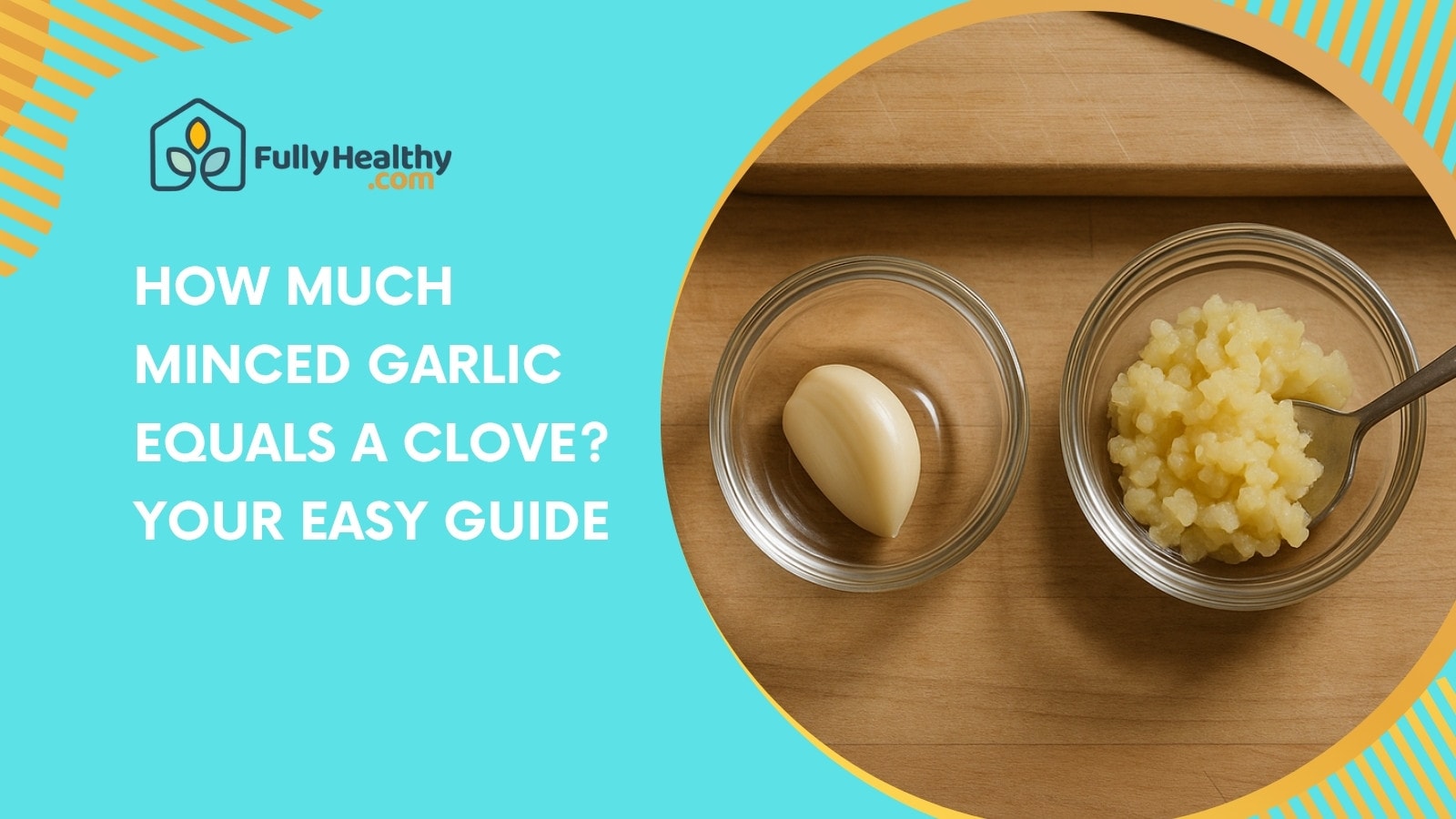
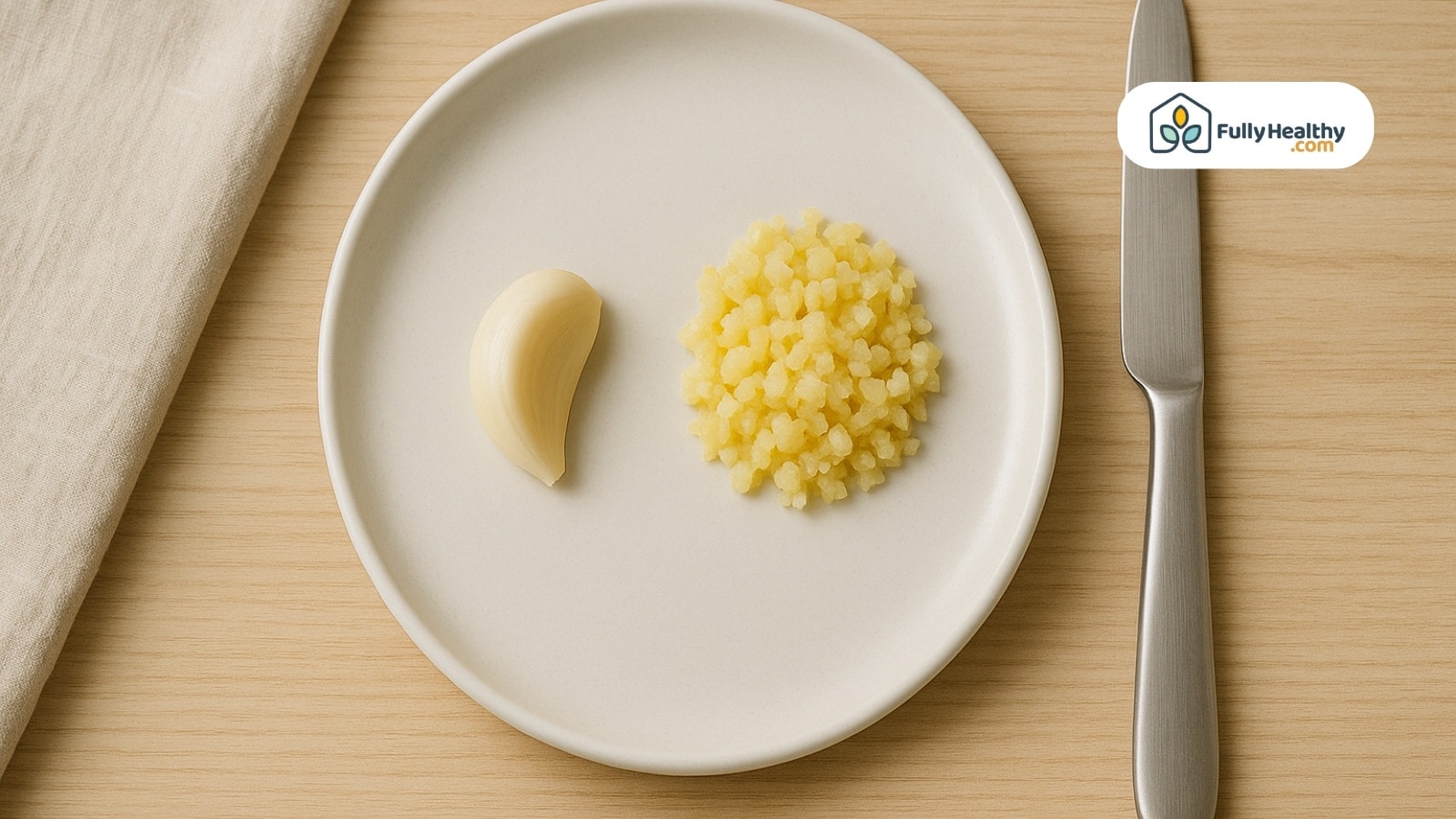
Have you ever thought about how much minced garlic equals a clove? People often ask this question about cooking, and the answer is easy: One medium-sized garlic clove is approximately equal to one teaspoon of jarred minced garlic, though actual clove size may vary.
If you don't have any fresh cloves on hand or just want to save time, this quick swap will still make your dish taste great. We'll break down conversions, storage tips, and garlic substitutes in this guide so that you can always get the right taste.
Featured Pantry Pick
Simply Organic // Garlic Powder - 3.64 oz
Loading...
How Much Minced Garlic Equals a Clove?
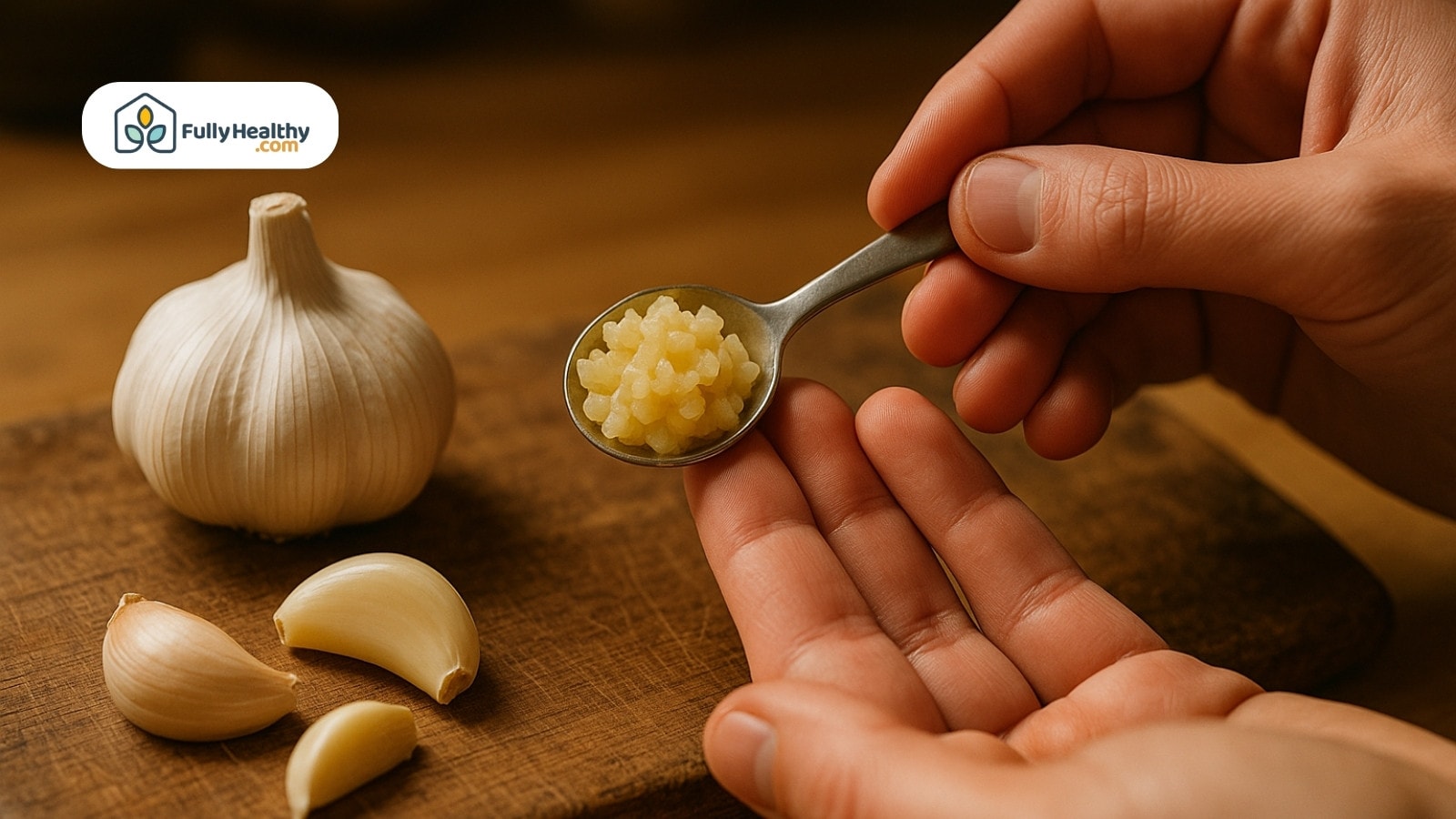
If the recipe calls for a clove of garlic but you only have garlic that has already been minced, don't worry. It's easy to switch. To get the same garlic flavor without making the dish taste too strong, you need to know how much garlic to use.
Understand the Basic Conversion Ratio
Most people who cook want to know how much minced garlic is in one clove. This is the easy answer that works for most recipes.
-
Standard swap: Use 1 teaspoon of minced garlic for 1 fresh garlic clove.
-
For more cloves: 2 cloves = 2 teaspoons, 4 cloves = 1 tablespoon + 1 teaspoon.
-
Garlic powder alternative: Use 1/8 teaspoon of garlic powder for each clove.
-
Garlic salt tip: Use 1/2 teaspoon, but adjust salt in your recipe to avoid over-seasoning.
Why Clove Size Still Matters
Cloves of garlic can vary widely. A small clove might be half the size of a big clove. To get the best garlic results, make changes based on the size of the cloves and your personal taste.
-
Small clove: Equals about ½ teaspoon of minced garlic.
-
Large clove: Equals 1 to 1½ teaspoons.
-
Clove size impacts taste: Stronger flavor if the clove is large or fresh.
-
Add gradually: Start small and increase if you want more flavor.
Can I Substitute Garlic Cloves With Minced Garlic?
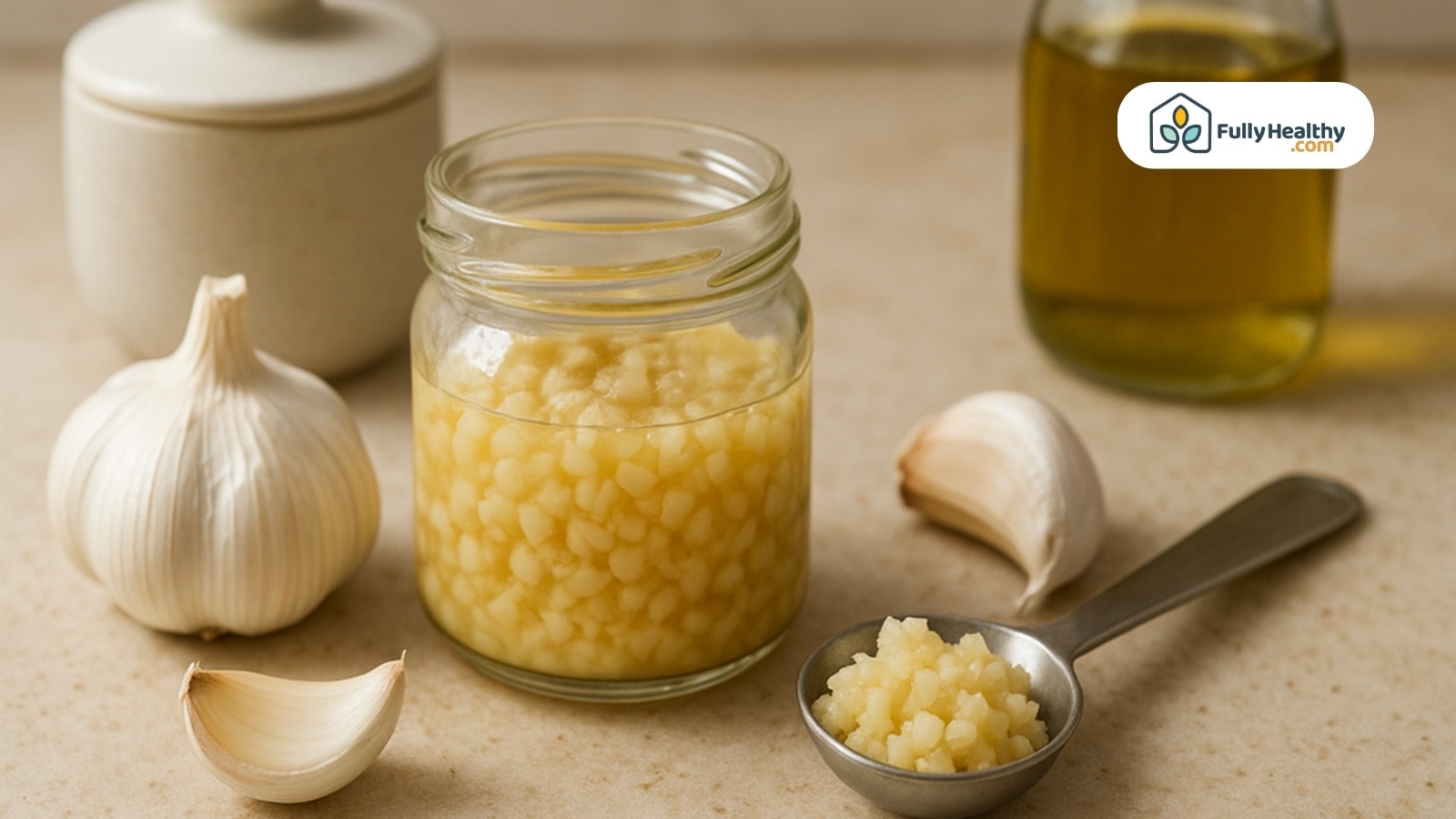
You can, of course! A lot of people who cook at home buy garlic that is pre-minced garlic at their local grocery store. For times when you don't want to peel or chop a garlic bulb, this works great.
When to Use Minced Garlic Instead of Fresh Cloves
Minced garlic is a helpful shortcut, especially for busy cooks. It works in most cooked foods that don't need raw garlic.
-
Easy to use: No need to peel or chop garlic pieces.
-
Time-saver: Ready to use right out of the jar.
-
Great in cooking: Works well in sauces, soups, and marinades.
-
Longer shelf life: Lasts longer than fresh garlic bulbs in your fridge.
What About Garlic Powder or Other Alternatives?
If you don't have minced garlic, you can use garlic flakes, garlic juice, or garlic paste instead. Just know how much garlic each choice gives you.
-
Garlic powder: Use 1/8 teaspoon per clove of garlic.
-
Garlic flakes: Rehydrate before using to avoid harsh texture.
-
Garlic paste: Use ½ teaspoon for 1 clove, great in spreads or sauces.
-
Garlic oil: Good for salad dressings but not ideal for exact measurements.
How Many Tablespoons Are 4 Cloves of Minced Garlic?
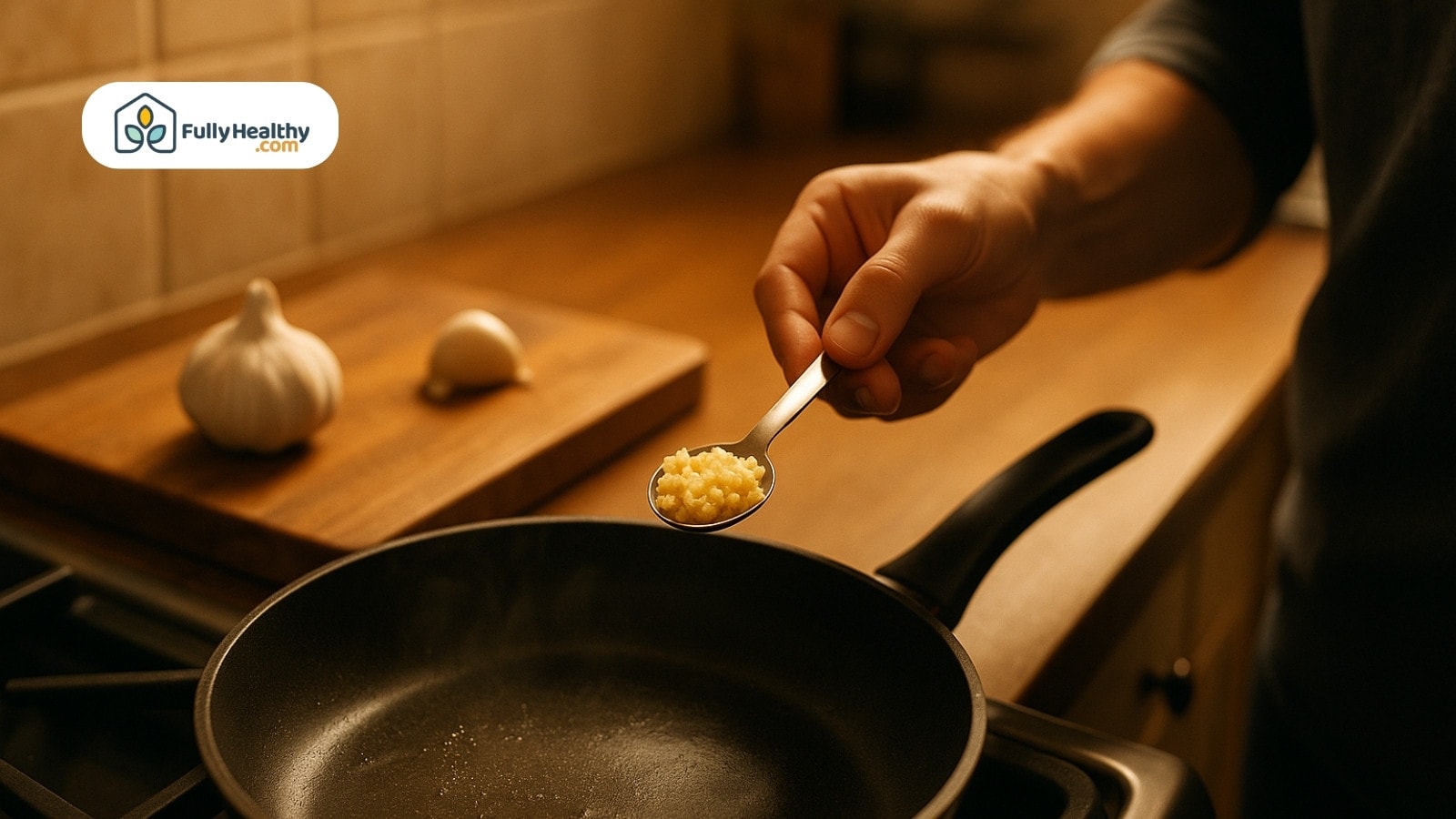
There may be a recipe that calls for a lot of garlic cloves. For easy measuring, it helps to know how many teaspoons or tablespoons that is equal to.
Convert Garlic Cloves to Tablespoons With Confidence
If you know how to do simple math, it's easy to convert garlic. This keeps you from adding too much or too little.
-
4 cloves: Equals 4 teaspoons of minced garlic.
-
In tablespoons: That’s 1 tablespoon plus 1 teaspoon.
-
Use measuring tools: Especially helpful for sauces or baking.
-
Stay consistent: Use the same garlic form throughout the dish.
Adjust for Recipe Type and Serving Size
For some dishes, garlic needs to be strong, while for others, it needs to be in the background. How much garlic you use depends on how garlic-y you want the dish to be.
-
Bold recipes: Use a little extra if you love stronger garlic flavor.
-
Light recipes: Stick to standard amounts for balance.
-
Chopped garlic: Gives more texture and bite than minced garlic.
-
Dried garlic: Use for longer cooking times, like roasts or soups.
Should You Refrigerate Minced Garlic After Opening?
When garlic is whole, it stays fresh for a long time. But when it's chopped or minced, it goes bad quick. When you store garlic, whether it's in a jar or freshly minced, the right way keeps it safe to eat and helps you avoid waste.
Store Minced Garlic the Right Way
It's important to store minced garlic the right way because it's more likely to get air and water damage than a whole bulb of garlic. Whether you minced it yourself or bought it in the produce section, keeping it cold helps keep its taste and safety.
-
Refrigerate after opening: Always store minced garlic in the fridge to prevent bacteria growth.
-
Use quickly: Freshly minced garlic stored in an airtight container in the refrigerator typically lasts up to 3 days, but quality may decline sooner.
-
Freeze in portions: Freeze in tsp-sized cubes for longer use in recipes.
-
Avoid garlic in oil at room temp: Homemade garlic oil mixtures can foster Clostridium botulinum if stored at room temperature; always refrigerate and use within one week.
Watch Out for Spoilage Signs
Check the garlic before you use it, even if it looks fine in the jar. If the garlic is bad, it can change the taste and safety of your food.
-
Check for color changes: Throw it out if it turns yellow, brown, or has dark spots.
-
Smell for sourness: A strong or sour odor means it’s no longer safe to use.
-
Look at texture: Slimy or mushy garlic means it has spoiled.
-
Use smaller cuts: Larger pieces go bad faster than finely minced garlic.
What Can FullyHealthy Do for Garlic Lovers?
You can trust FullyHealthy to sell clean, allergen-free foods online. This site makes it easy to find garlic-based products that don't have any harsh ingredients added to them.
Garlic Products That Fit Special Diets
FullyHealthy has safe, high-quality garlic products that are good for many diets, like AIP, paleo, or staying away from allergens.
-
Urban AIP Rosemary Garlic Paleo Crackers: Crisp, flavorful crackers made with rosemary and garlic.
-
Pickled Planet Basil Garlic Raw Sauerkraut: A gut-friendly food packed with garlic and herbs.
-
Simply Organic Garlic Powder: A shelf-stable ground spice made from organic garlic.
More Than Just Garlic
For many recipes, the site also has seasoning blends and aromatics like onions, chives, and shallots that can make them taste better.
-
Dehydrated garlic and onions: Great for bulk cooking and long storage.
-
Granulated and ground spices: Easy to measure by tsp and add strong flavor.
-
Recommend leaving reviews: Share your experience to help other shoppers.
-
Clear garlic conversions: Some labels show how many cloves equal a serving.
Final Thoughts
It's easier to cook when you know how to substitute something for garlic in a recipe. To avoid using the wrong amount of garlic, it's helpful to know how to convert between 1 clove and 2 cloves.
You can use garlic powder, fresh cloves, or dried garlic. There is no one right answer; you should use what works best for your dish. If you're not sure, taste it and make changes as you go. Also, don't forget to comment something if this helped.
FAQs
How do I measure two cloves if I only have garlic powder?
As a general guide, use 1/4 teaspoon of garlic powder to substitute two medium cloves, adjusting based on potency and preference.
Is 1 clove of garlic equal to 1 tsp of minced garlic?
Yes, 1 clove of garlic usually equals 1 tsp of minced garlic in most recipes.
Can I use garlic powder in place of fresh garlic for any course?
Garlic powder can substitute fresh garlic in many cooked dishes, but may not deliver the same flavor profile, especially in raw applications.
What if I use the wrong garlic form in my recipe?
It’s okay if you use the wrong garlic form—just adjust the amount for stronger or milder taste.
What’s the difference between pungent garlic and mild garlic in cooking?
Pungent garlic gives a sharper kick, while mild types like roasted or powdered work better across any course.
Leave a comment