

How Much Protein in an Spinach? A Practical Guide for Everyday Eating
How much protein in an spinach? Raw spinach contains about 2.9 grams of protein per 100 grams, making it a surprisingly nutritious leafy green vegetable. While spinach is not the highest-protein vegetable, it also provides vitamin K, vitamin A, iron, folate, and magnesium.
Let's look at spinach protein, nutrition, food pairings, and how it compares to other vegetables.
How Much Protein is in a Spinach?
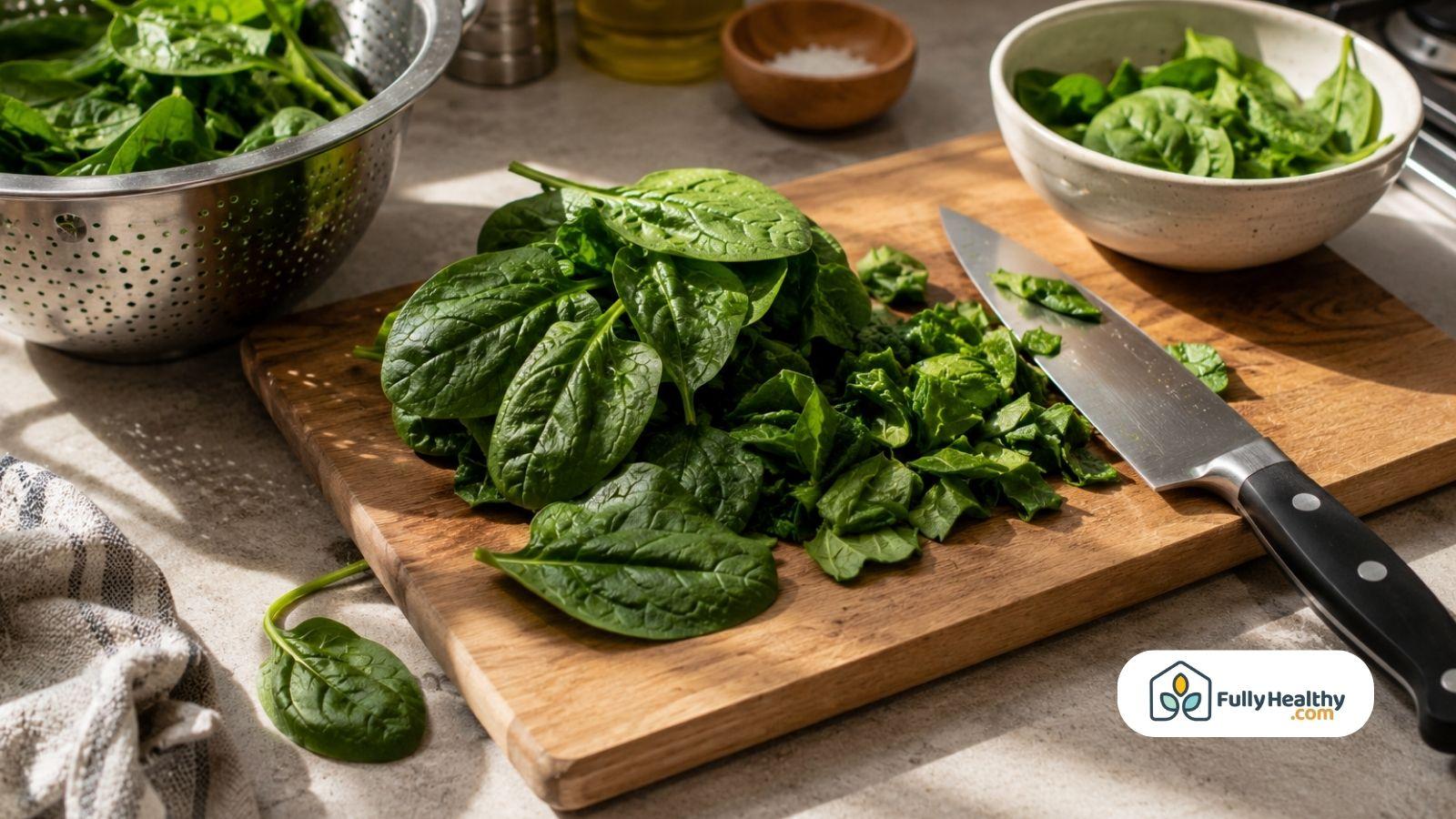
Spinach contains protein along with vitamins, minerals, fiber, and plant compounds. Its combination of nutrition and low calories makes spinach a popular food for healthy meals and snacks.
Protein Content in Raw and Cooked Spinach
Raw spinach contains about 2.9 grams of protein per 100 grams. The amount appears higher in cooked spinach because cooking spinach removes water and reduces volume, allowing more spinach to fit into one serving.
-
100 Grams: Provides about 2.9 grams of protein.
-
One Cup: Contains approximately 0.7 grams of protein.
-
Two Cups: Provides roughly 1.7 grams of protein.
-
Cooked Spinach: Appears more protein-dense because the leaves shrink during cooking.
-
Low Calories: Delivers protein while remaining low in calories.
Is Spinach a Good Protein Source?
Spinach provides some protein for a leafy green vegetable, but it should not be considered a primary protein source. Most people still need protein from other foods to meet the daily recommended value for protein.
-
Protein Density: Offers more protein than many leafy greens.
-
Compared to Legumes: Contains less protein than peas and beans.
-
Compared to Meat: Provides far less protein than poultry, fish, or eggs.
-
Added Benefits: Supplies vitamin K, vitamin A, folate, magnesium, and iron.
-
Balanced Diet: Works best alongside other protein sources.
Which Vegetable is Highest in Protein?
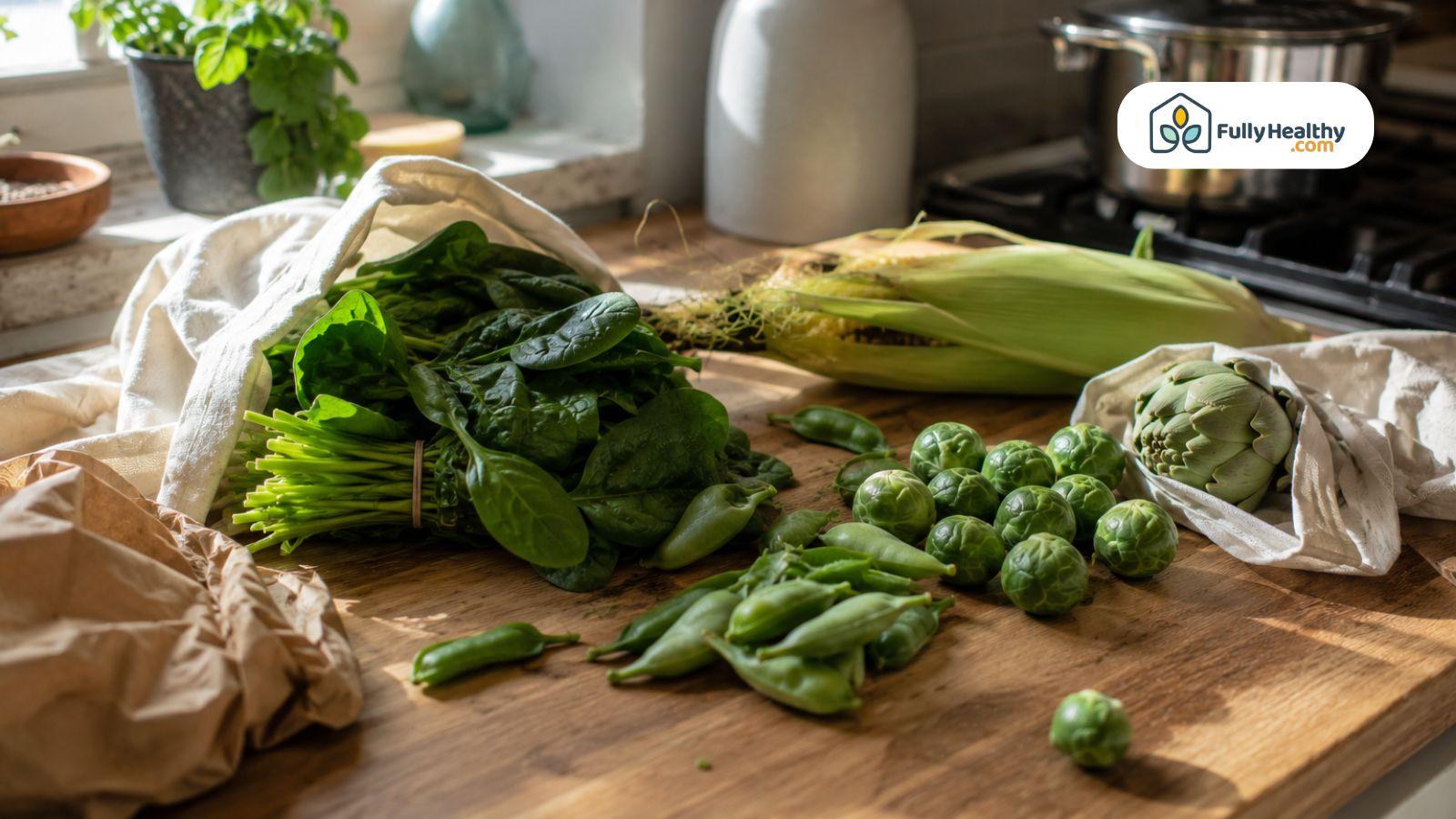
Edamame, peas, Brussels sprouts, artichokes, corn, and spinach provide protein along with fiber, vitamins, minerals, and other nutrients that support overall health.
The Highest-Protein Vegetables Ranked
Edamame is often listed among the highest-protein plant foods, followed by green peas and several other vegetables. These foods provide protein along with fiber, vitamins, minerals, and antioxidants that support overall health.
-
Edamame: One of the richest plant-based protein sources among vegetables.
-
Green Peas: Provide substantial protein and fiber in each serving.
-
Artichokes: Offer protein along with digestive-supporting fiber.
-
Brussels Sprouts: Supply protein, vitamin C, and other nutrients.
-
Sweet Corn: Contains more protein than many people expect.
Where Spinach Ranks Among Protein-Rich Vegetables
Spinach performs well compared to many leafy greens, but it does not contain as much protein as edamame or peas. Still, spinach nutrition remains impressive because spinach contains protein, vitamins, minerals, and powerful antioxidant compounds with very few calories.
-
Leafy Greens: Spinach ranks among the better protein options in this category.
-
Protein Content: Provides about 2.9 grams of protein per 100 grams.
-
Low Calories: Delivers nutrients without adding many calories.
-
Versatile Vegetable: Works in salads, soups, and stir fries.
-
Added Benefits: Supports immune function, bone health, and healthy skin.
Which is Better for You, Avocado or Spinach?
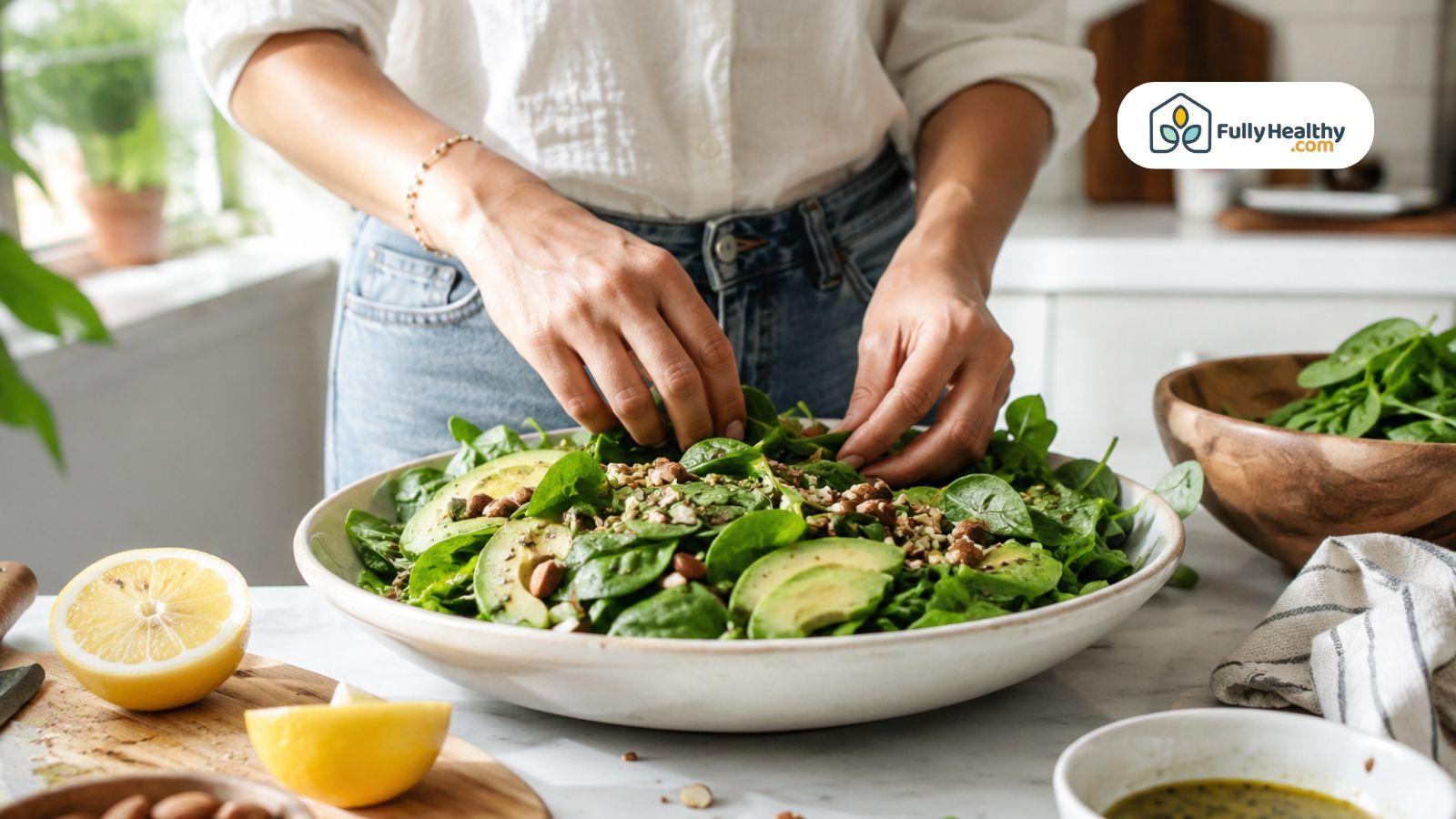
Both foods offer many health benefits, but they serve different purposes in a healthy diet. Spinach provides more vitamins and minerals, while avocado supplies healthy fats and additional fiber.
Spinach vs Avocado for Protein and Nutrients
Spinach contains more protein and significantly higher amounts of vitamin K, vitamin A, iron, folate, magnesium, and calcium. Avocado provides more fiber, vitamin E, healthy fats, and vitamin B5.
-
Protein: Spinach provides about 2.9g of protein, while avocado contains about 2.0g.
-
Vitamin K: Spinach is an excellent source for bone health.
-
Iron And Folate: Spinach provides higher levels than avocado.
-
Fiber: Avocado contains more fiber than spinach.
-
Healthy Fats: Avocado delivers heart-friendly monounsaturated fats.
When to Choose Spinach or Avocado
The better choice depends on your nutritional goals and the type of meal you are preparing. Many people include both foods because their nutrients complement each other.
-
Weight Management: Spinach provides volume with very few calories.
-
Healthy Fats: Avocado helps increase satiety after meals.
-
Muscle Support: Spinach contributes protein and magnesium.
-
Heart Health: Spinach provides potassium and nitrates, while avocado provides unsaturated fats and potassium.
-
Meal Variety: Pair baby spinach with avocado in salads for balanced nutrition.
What Should Not Be Eaten With Spinach?
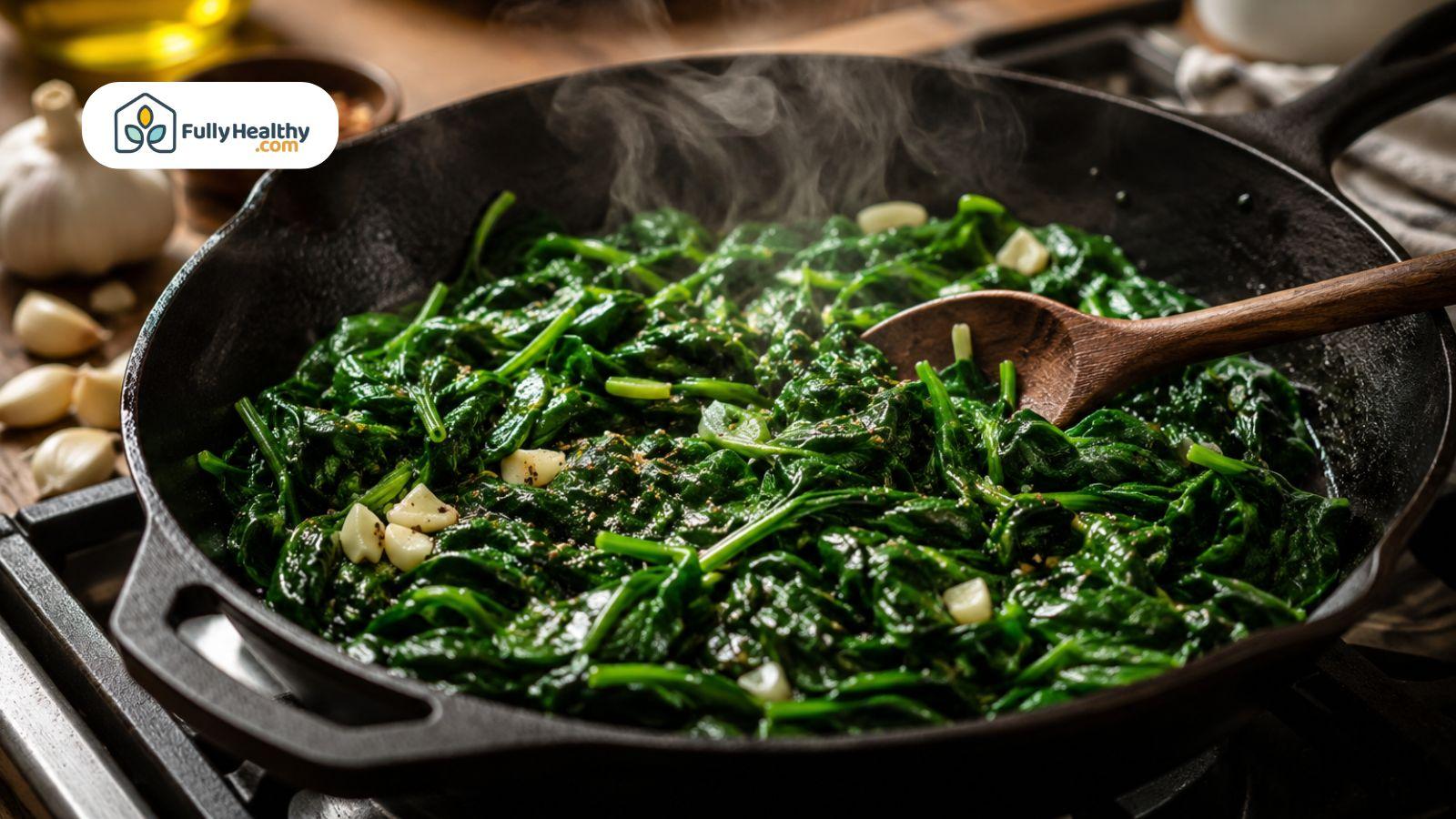
Spinach is highly nutritious, but certain combinations may affect nutrient absorption or interact with medications.
Foods and Medications That May Interact With Spinach
Spinach contains oxalic acid, which can bind with calcium and reduce absorption in some situations. People taking blood thinners should also monitor large amounts of spinach because vitamin K can affect medication performance.
-
Blood Thinners: Vitamin K can affect warfarin, so people taking it should keep vitamin K intake consistent.
-
Oxalic Acid: Spinach oxalates can reduce calcium absorption from spinach itself, but calcium-rich foods may help reduce oxalate absorption.
-
Kidney Stones: Some people prone to developing kidney stones may need moderation.
-
Large Amounts: Excessive intake may not be suitable for everyone.
-
Medical Conditions: Consult a healthcare professional when necessary.
What Foods Pair Well With Spinach?
Spinach pairs well with ingredients that improve flavor and support nutrient absorption. Combining spinach with healthy fats and vitamin C-rich foods can enhance the overall nutritional value of a dish.
-
Olive Oil: Helps absorb fat-soluble vitamins.
-
Lemon Juice: Provides vitamin C and bright flavor.
-
Garlic And Onions: Add savory depth to meals.
-
Nuts And Seeds: Increase protein and healthy fats.
-
Protein Sources: Chicken, eggs, lentils, and fish complement spinach well.
FullyHealthy Makes Special Diet Shopping Easier
People following specialty diets often need convenient access to carefully selected foods. FullyHealthy offers products designed for different dietary preferences and ingredient requirements.
About FullyHealthy
FullyHealthy is an online marketplace focused on specialty foods that support a variety of dietary needs. The platform emphasizes ingredient transparency, convenience, and products that fit different health goals.
-
Specialty Foods: Curated for diverse dietary preferences.
-
Ingredient Transparency: Makes product selection easier.
-
Convenient Shopping: Multiple categories in one place.
-
Diet Support: Options for various eating plans.
-
Trusted Selection: Products chosen with quality in mind.
Spinach Products and Pantry Essentials
Several FullyHealthy products include spinach as part of balanced meal options. Complementary herbs such as cilantro and parsley can also add flavor to fresh and cooked dishes.
-
Wild Zora Quick Quinoa Meal Herb Roasted Chicken With Spinach, Carrots & Herbs: A convenient meal that combines chicken, spinach, carrots, and herbs for a balanced source of protein and nutrients.
-
Wild Zora Quick Quinoa Meal Greek Garden Lentil With Tomato, Spinach & Green Olives: A plant-based option featuring lentils, spinach, tomatoes, and olives for added fiber, protein, and flavor.
-
Simply Organic Cilantro: Adds a fresh, bright flavor that pairs well with spinach salads, soups, and vegetable dishes.
-
Simply Organic Parsley Flakes Cut & Sifted: A versatile herb that complements spinach-based meals while adding color and savory flavor.
-
Meal Flexibility: These pantry-friendly products make it easier to prepare nutritious meals featuring spinach during busy weekdays.
Final Thoughts
Spinach provides protein along with vitamins, minerals, fiber, and antioxidants that support overall health. While it is not the highest-protein vegetable, it offers an impressive combination of nutrients in very few calories. Fresh, cooked, or frozen, spinach can fit easily into salads, soups, smoothies, and other meals.
Adding spinach to your routine is a simple way to increase nutrient intake and make everyday meals a little more nutritious.
FAQs
Does Spinach Help With Swelling?
Yes, spinach contains antioxidants, vitamin C, and plant compounds that may help support the body's natural response to inflammation and swelling.
What are the Health Benefits of a Raw Spinach?
Raw spinach provides protein, fiber, vitamin K, vitamin A, folate, magnesium, iron, calcium, antioxidants, and other nutrients that support overall health.
Is Fresh Spinach Good for Diabetics?
Yes, fresh spinach is low in calories and carbohydrates while providing fiber and nutrients that can fit well into a diabetes-friendly diet.
Is Baby Spinach Better Than Mature Spinach?
Baby spinach is softer and milder, while mature spinach is sturdier and better for cooking.
Is Eating Spinach Every Day Healthy?
Eating spinach every day can support heart health, bone health, and overall nutrient intake.
Leave a comment