

How Much Protein in Salmon? A Secret to Healthy Aging
Salmon is a very good source of protein. Depending on the type, a 3-ounce serving has about 22 grams. Wild salmon may have slightly more protein than farmed varieties, though differences are typically small and depend on species and diet.
This blog talks about salmon's protein content, how it compares to tuna and other fish, and how much salmon it is safe to eat in terms of protein. Also, you'll learn what harms the protein and which foods help keep a protein-rich diet.
Featured Snack Pick
Epic // Salmon Maple Coconut Oil Bites - 2.5 oz
Loading...
How Much Protein in Salmon?
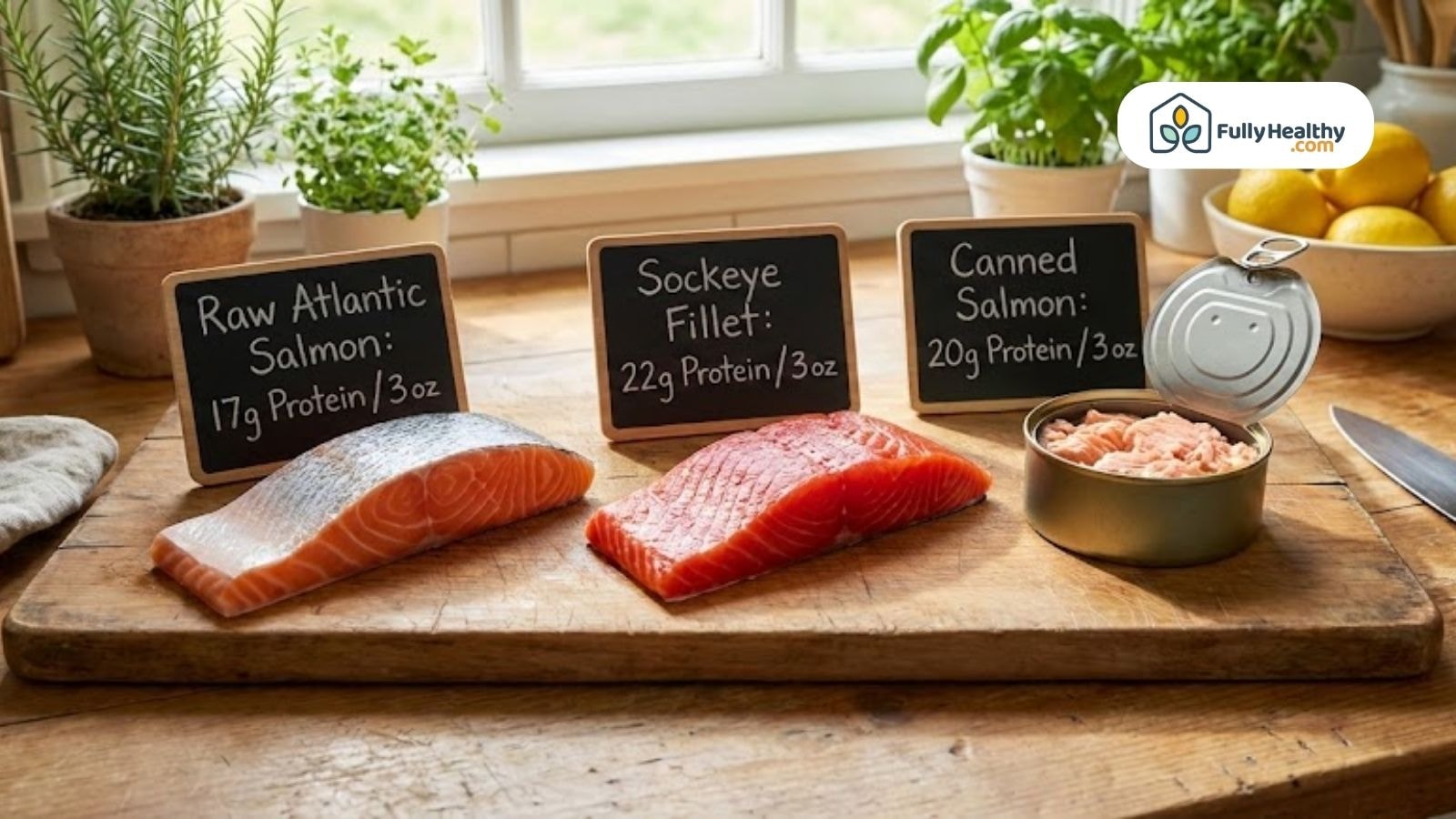
Salmon is a great source of nutrition and a great way to get more protein. A cooked 3-ounce piece of salmon has about 22 grams of protein. This can vary slightly depending on the type and whether it was caught in the wild or farmed. Salmon is good for you because it is high in protein, healthy fats, and other essential nutrient that help you stay healthy.
Protein Content by Type and Serving Size
Salmon is a good source of protein because it has all of the essential amino acids. The amount of protein in each serving varies by salmon type. Salmon that is caught in the wild usually has more protein and fewer calories than farmed salmon.
-
Sockeye salmon (wild caught): About 22.5 grams of protein per 3 oz.
-
Atlantic salmon (wild caught): About 21.6 grams of protein per 3 oz.
-
Pink salmon: Every 3 ounces has about 20.9 grams of protein.
-
Farmed Atlantic salmon: About 18.8 grams of protein per 3 oz.
-
Canned salmon (pink): About 19.6 grams of protein per 3 oz.
-
Grilled salmon (6 oz): One serving has up to 43 grams of protein.
Cooking Methods That Preserve Protein Quality
How you cook it can change the quality of the protein, but the amount of protein stays the same. Methods that use low heat keep the protein structure and other nutrients that help muscles heal and maintaining muscle mass.
-
Best cooking methods: Salmon that is baked, steamed, or grilled.
-
Methods to avoid: Deep frying or high-heat searing, which may reduce the quality of some nutrients and add unhealthy fats.
-
Extra benefits: Cooking food gently helps keep B vitamins and omega-3 fatty acids.
What Is Healthier, Tuna or Salmon?

Tuna and salmon are both popular protein sources, but they each have their own benefits. Tuna has more protein per ounce, but salmon is better for your heart and brain health, skin health, and aging. How often you plan on consuming salmon or tuna, your health goals, and your budget all play a role in deciding which one to choose.
Omega 3s, Mercury, and Vitamin D
If you want to eat fish a lot, salmon is a better choice. It has more omega-3 fatty acids and vitamin D and less mercury. Vitamin D is good for your bones, your immune function, and preventing cognitive decline.
-
Omega-3s in salmon: 0.7–1.2 g per 3 oz, especially in sockeye.
-
Omega-3s in tuna: 0.2–1.0 g per 3 oz., depending on the species.
-
Mercury levels: Salmon is a low mercury fish than tuna, especially albacore.
-
Vitamin D: Salmon has up to 447 IU per serving, and tuna has about 231 IU.
-
Bonus benefit: Astaxanthin is an antioxidant in salmon that might improve skin elasticity and protect the brain.
Protein and Calorie Breakdown
Salmon offers a broader range of brain-supporting nutrients like omega-3s and vitamin D, while tuna is higher in protein per ounce.
-
Tuna: 22–24 grams of protein per 3 oz, great for weight loss goals.
-
Salmon: 17–22 grams of protein per 3 oz., full of healthy fats.
-
Salmon's edge: It's better for older people, good for the heart, and fights inflammation.
-
Tuna’s edge: Great for hitting your daily protein goals without adding a lot of calories or saturated fat.
Which Fish Are Highest in Protein?
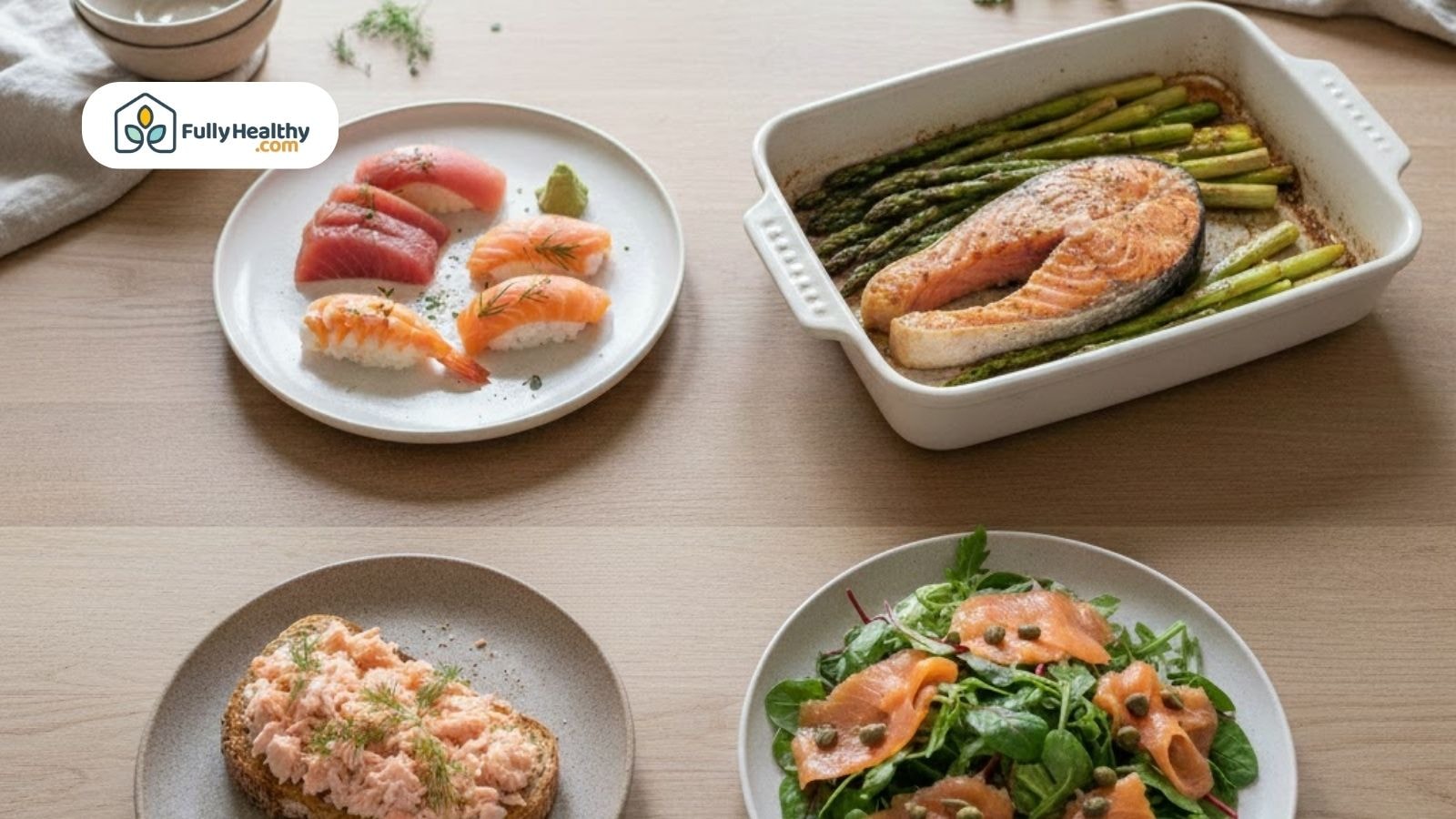
Many kinds of fish are high in protein, but some are better than others. Salmon is a fatty fish that is a little lower in protein per serving than tuna, but it is much better for you and has more nutritional value. Eating other fatty fish is also good for you and protects against heart disease.
Top High-Protein Fish Compared to Salmon
Tuna, cod, and sardines are all fish that have a lot of protein in a 3-ounce serving. Salmon is still a good choice because it has a better overall profile and a lot of important nutrients.
-
Tuna: 22–25 grams of protein per 3 oz, depending on the species.
-
Cod: About 23 grams of protein per 3 oz.
-
Sardines: About 23.4 grams of protein per 3 oz.
-
Salmon: About 22 grams of protein per 3 oz—still one of the best.
Why High-Protein Fish Supports a Healthy Lifestyle
Eating fish that is high in protein on a regular basis can help you keep your muscle mass, protect your brain, and help body calcium absorption for bone strength. It's also a good idea for people who want to lose weight or lower their blood pressure.
-
Supports older adults: Helps keep your muscles from getting smaller and your brain from working less well.
-
Ideal for athletes: Helps muscles heal and keeps energy levels balanced.
-
Fits in balanced meals: Works well with grains, vegetables, or low-carb diets.
Is 2 Salmon Fillets Too Much?
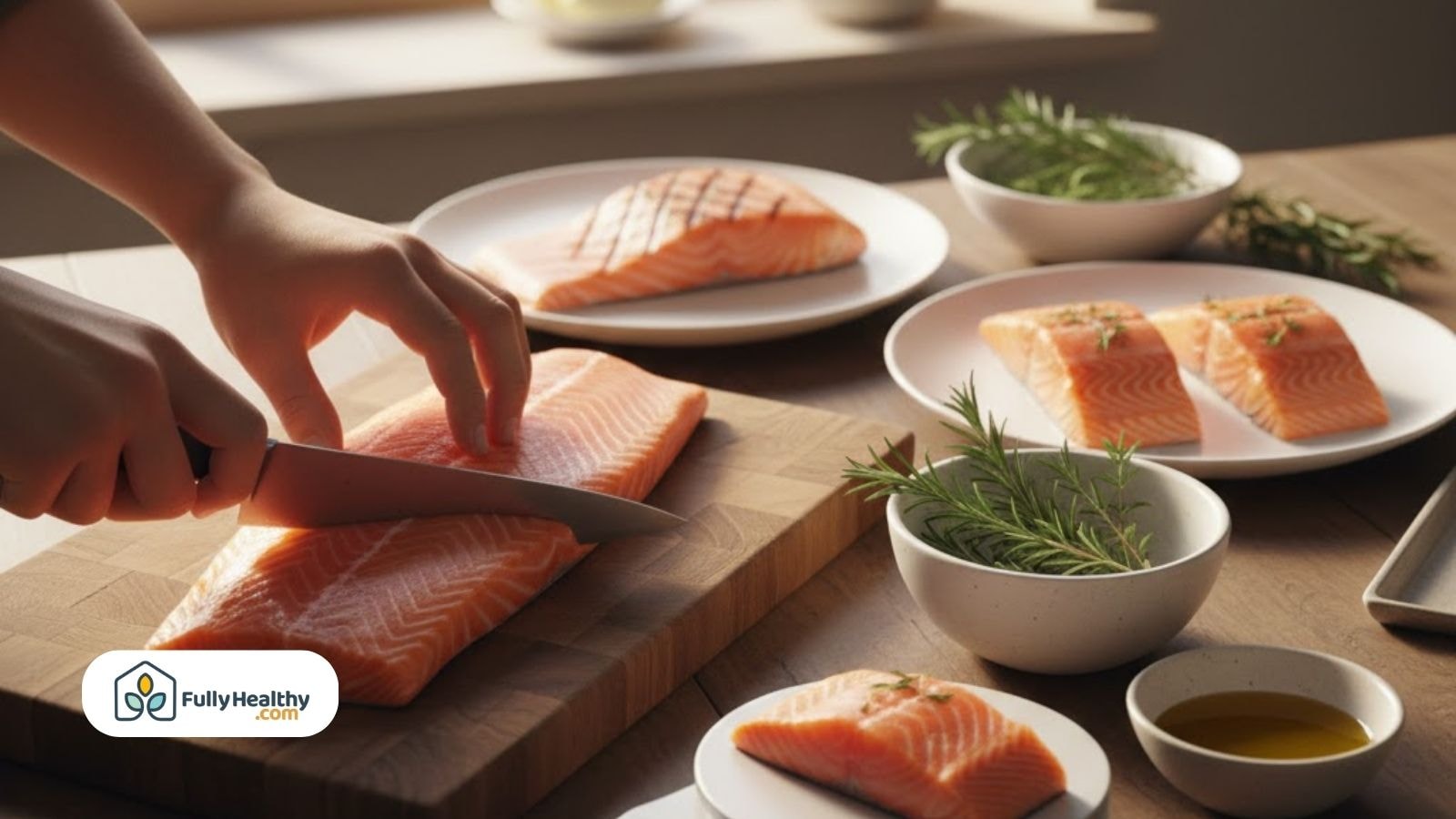
Salmon is a great way to get protein and important nutrients like vitamin D and omega-3s. It is great for a healthy diet, but balance is still important. Eating a lot of anything, even healthy food, can cause problems, especially if you eat fish often. Knowing how much salmon to eat can help you get used to its health benefits without going too far.
Recommended Servings by Age and Health Needs
Salmon and other fatty fish should be eaten twice a week, according to experts. It helps the brain, lowers inflammation, and provides important nutrients such as vitamin D and good fats.
-
Adults: Try to eat about two cooked salmon fillets each week, which would be about 8 to 12 ounces.
-
Pregnant or nursing women: It's safe to eat two servings a week, but to lower the risk of bacteria, stay away from raw and smoked salmon.
-
Children: Start with 1 ounce for toddlers and raise it to 4 ounces by the age of 11 or older.
-
Older adults: Regular salmon consumption may support brain health and is associated with a lower risk of cognitive decline.
Preparation and Type Make a Difference
The place your salmon comes from and how it is cooked can change how healthy it is. If you want to eat a clean and balanced diet, you should choose fresh salmon or salmon that was caught in the wild.
-
Farmed salmon: Has a higher calorie and saturated fat count. When you buy things, pick sources you can trust.
-
Smoked salmon: Contains a lot of sodium, so don't eat it too often.
-
Raw salmon: To stay healthy, only eat sushi-grade.
-
Fresh salmon: Best for important nutrients, taste, and quality.
-
Other research: Some research indicates that consuming large amounts of fatty fish like salmon daily could increase exposure to persistent organic pollutants such as PCBs, especially from farmed sources.
What Does Fully Healthy Offer for Protein-Rich Diets?
Fully Healthy is an online store that focuses on selling healthy foods for people with dietary restrictions. This website can help you eat healthy, whether you follow AIP, avoid allergens, or just want to eat cleaner. It offers pantry staples and snacks that will help you reach your goals if you enjoy high-protein foods like salmon.
Pantry Picks That Pair Well With Salmon
You can cook healthy food without giving up flavor. FullyHealthy makes clean-label products that are good for a protein-focused, anti-inflammatory lifestyle and taste great with salmon dishes.
-
AIP-compliant seasonings: Doesn't have nightshades or additives, so it's great for salmon on the grill or in the oven.
-
EAT G.A.N.G.S.T.E.R. baking mixes: A good way to get healthy snacks that don't have grains in them after your main meal.
-
Natural sweeteners: Maple sugar and date are good in glazes for fresh salmon.
-
Fish deserves flavor: These sauces and seasonings make your food taste better without adding anything that is bad for you.
Smart Shopping for Clean Eating and Long-Term Health
Fully Healthy makes it easier to eat clean without any trouble. It helps people with chronic inflammation or food sensitivities, or people who just want to make better habits, do better every day.
-
No subscription required: There are no extra fees for shopping at any time.
-
AIP stage labeling: Guides your product choices at every stage.
-
Focus on brain and heart health: Many foods help people age healthily, stay mentally sharp, and lower inflammation.
Final Thoughts
Salmon is a great source of healthy fats, high-quality protein, and important nutrients that help you stay healthy and eat a balanced diet. Any type of salmon—wild caught, farmed, canned, or fresh—is good for your heart, brain, and muscles. It is high in vitamin D, omega-3 fatty acids, and essential amino acids, all of which help you meet your daily needs.
Eating salmon as part of a regular fish consumption can help with brain function, reduce inflammation, and support healthy aging. This fatty fish should be part of your meals every week, whether you bake it, grill it, or eat it as smoked salmon.
FAQs
Is salmon a good source of protein?
Yes, salmon is an excellent source of protein with essential amino acids, healthy fats, and omega 3 fatty acids that support muscle recovery and daily value goals.
Is 200g of salmon too much?
200g of fresh salmon or farmed salmon is safe for most people but can be too much if eating smoked salmon or raw salmon daily due to sodium and fish consumption limits.
Can I eat 4oz of salmon every day?
Eating 4oz of wild caught salmon or canned salmon daily supports heart health, brain health, and may reduce inflammation, but other research advises variety in fish consumption.
Is salmon higher in protein than chicken?
No, chicken has slightly more protein per serving, but salmon is a nutritional powerhouse with more omega 3 fatty acids, vitamin D, and key nutrients for a healthy diet.
Is salmon ok to have every day?
Salmon can be eaten frequently in moderation, such as two to three times per week, depending on preparation and source.
Leave a comment