

How to Store Basil Leaves for Maximum Freshness and Flavor
 Photo Credit: Canva Pro
Don't store fresh basil the wrong way, because it goes bad quickly. Putting basil leaves in a glass of water and leaving them at room temperature is the best way to keep them fresh.
Basil will last longer if you freeze it in olive oil or dry it out. This guide will teach you the right way to store basil leaves so they don't wilt, turn brown, or lose their flavor.
Featured Pantry Pick
Simply Organic // Basil - .54 oz
Loading...
How to Store Basil Leaves?
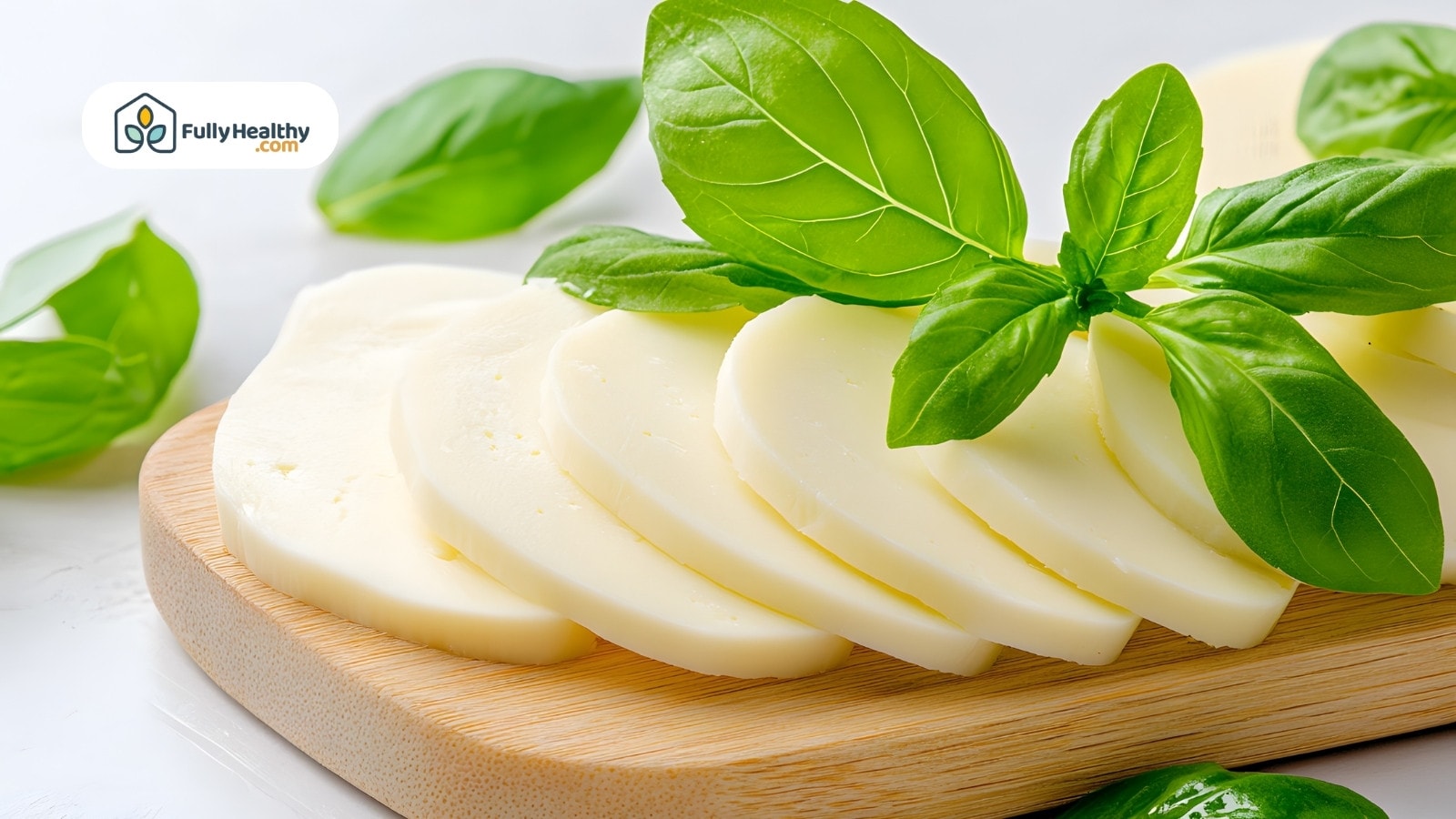 Photo Credit: Canva Pro
It can be hard to keep fresh basil leaves in good shape. Basil doesn't like cold weather or too much water like most fresh herbs do. When you put it in the fridge, the basil will often wilt or the leaves will turn dark and slimy. How you store something best depends on when you want to use it.
Use the Countertop Jar Method
For short-term use, the best place to keep basil is on your kitchen counter. For about a week, take care of it like a flower bouquet to keep it green and fresh.
-
Trim the stems: Cut the ends and remove any fresh leaves near the bottom.
-
Add a little water: Put the bunch of basil into a jar with 1–2 inches of cold water.
-
Keep out of direct sunlight: Store the jar in a cool spot away from heat or windows.
-
Cover with a plastic bag: Loosely place a plastic bag over the top to lock in moisture.
Freeze Fresh Basil for Long-Term Use
Freezing basil is a good idea if you have more than you can use quickly. Frozen basil is great in cooked meals, but it won't look good when used for food styling.
-
Make a thick paste: Blend unwashed basil with a little olive oil until smooth.
-
Use a zip top bag: Spread the paste flat inside a zip top bag or freezer bags.
-
Skip ice cube trays: These expose more air and can cause the basil to turn brown.
-
Break off pieces as needed: Add frozen chunks to soups, sauces, or pesto anytime.
Is It Better to Freeze or Dry Basil?
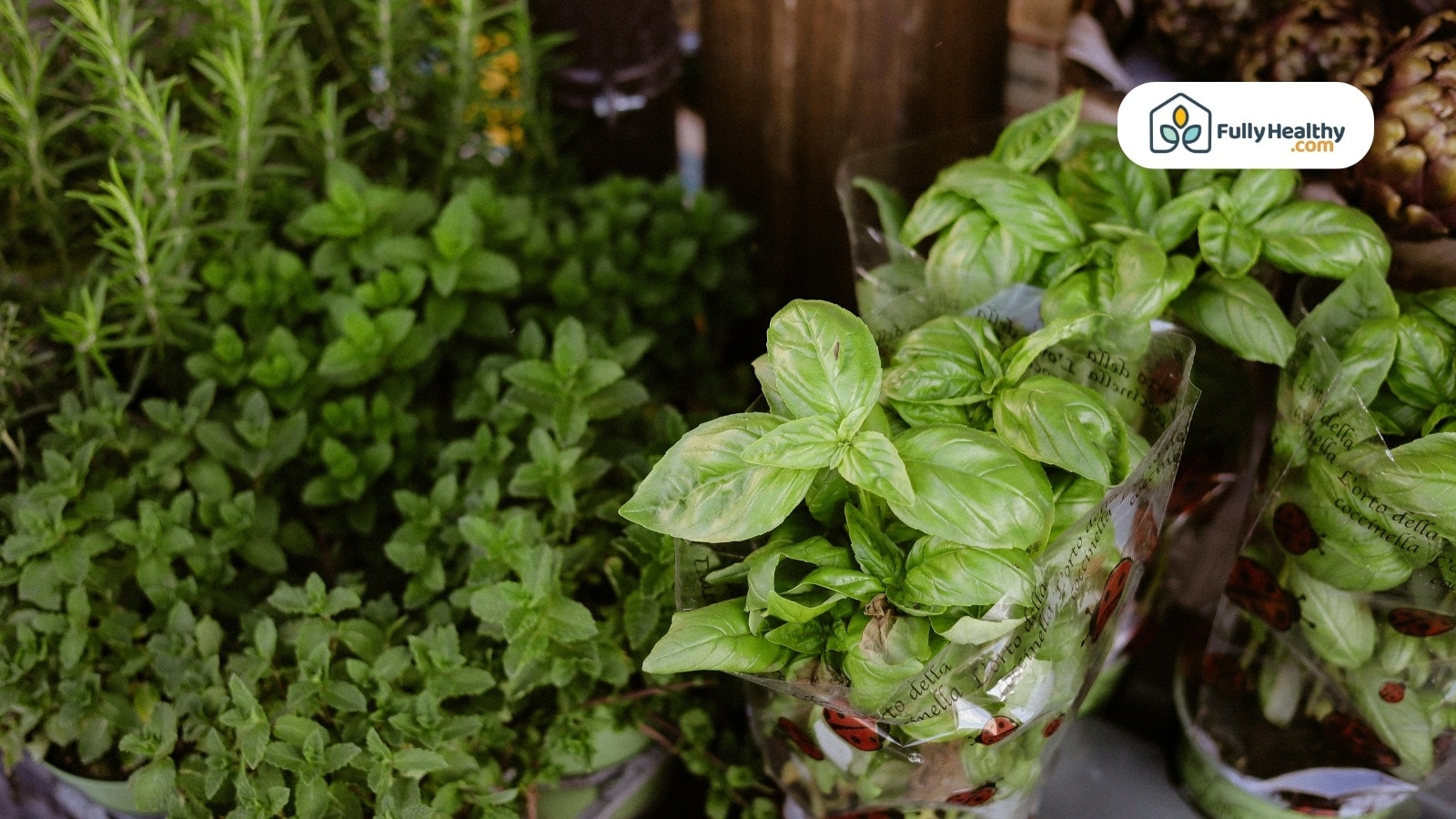 Photo Credit: Canva Pro
Maybe you want to know if drying is better than freezing. They can both be useful, but they work best in different situations. Freezing keeps more of the flavor, but drying saves space and makes food last longer.
Freezing Preserves Flavor and Color
It tastes and smells better when basil is frozen. This makes it a good choice if you want to use it later to cook.
-
Keeps herbs flavorful: Freezing stops basil from losing its aroma.
-
Avoids freezer burn: Store it in a quart container or tightly sealed zip top bag.
-
Works for other herbs: Try this with cilantro, parsley, or even thai basil.
-
Use a little water: You can blend basil with water instead of oil if needed.
Drying Is Best for Spice Racks
It's easier to clean up if you dry basil, but the flavor isn't as good. When you mix spices or bake with it, it works great.
-
Great for dry rubs: Dried basil adds mild taste to meat or veggie dishes.
-
Hang to air dry: Bundle and hang upside-down in a dry, dark place.
-
Pat dry leaves: Use paper towels to gently remove surface moisture from fresh herbs.
-
Store when crispy: Once dry, crumble and keep in airtight containers.
How to Keep Basil Alive for Longer?
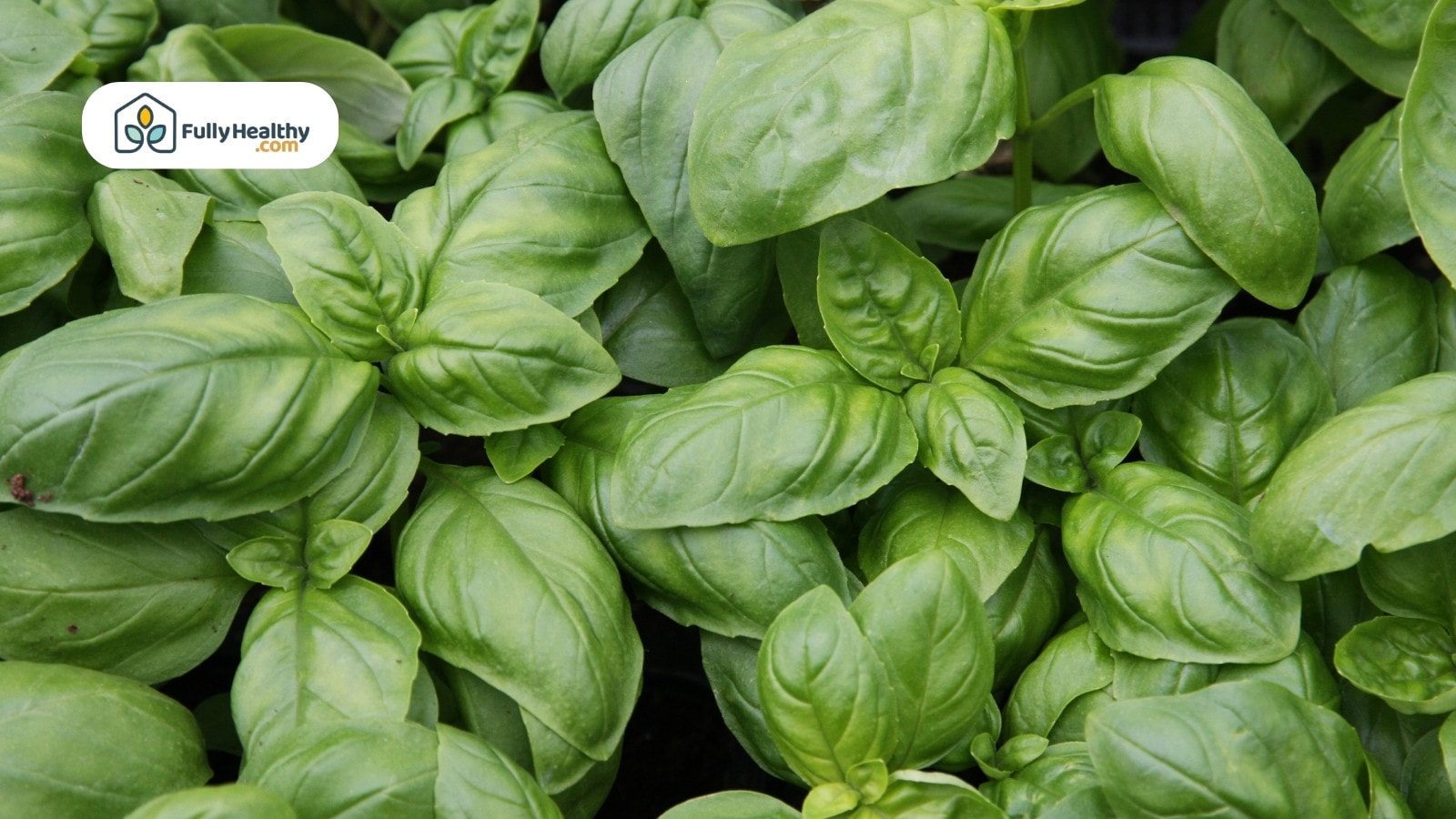 Photo Credit: Canva Pro
With a few simple steps, you can keep your basil plant alive and healthy. If you grow basil inside or have a store-bought plant in a pot, this section will help you.
Water and Soil Tips
Basil likes water, but too much can make it rot. It's important to keep the soil moist, not soaked.
-
Water once a week: Deep watering encourages strong roots.
-
Use well-drained soil: This prevents soggy roots and wilting basil.
-
Keep away from heat: Don’t place basil in direct sunlight during hot afternoons.
-
Choose the right pot: Use a container with drainage holes and fresh soil.
Pruning and Harvesting Tips
Cutting back your basil plant keeps it full and productive. You should trim basil even if you don't need it right away to keep it healthy.
-
Pinch the tops: Take leaves from the top to encourage more growth.
-
Prune every few days: Regular cuts stop the plant from flowering too early.
-
Harvest in small amounts: Use a little basil regularly instead of all at once.
-
Learn from recipe developers: Many recipe developer pros do this to keep herbs fresh for photos and meals.
What Are Common Basil Storage Mistakes?
 Photo Credit: Canva Pro
Basil is delicate and needs extra care, but a lot of people treat it like other herbs. You might see the leaves turn completely black, get black spots, or lose their flavor quickly if you store it wrong. If you want your basil to stay fresh and usable for longer, don't do these common things.
Storing Basil in the Refrigerator
Basil doesn't do well in the fridge like rosemary or dill, which are more hardy herbs. The leaves get hurt by the cold air and rot.
-
Cold is the enemy: Temperatures below 50°F can make the leaves turn completely black.
-
Moisture causes decay: Water trapped on leaves inside the fridge is a fast way to ruin them.
-
Room temperature is best: Basil prefers a warm spot, stored in water on the counter.
-
Check for damage: Black spots or a soggy texture are a clear sign of spoilage.
Skipping Key Prep Steps
Not preparing basil before putting it away is one of the biggest mistakes people make. A little extra work goes a long way toward keeping it fresh.
-
Wash and dry properly: Rinse gently and pat dry with paper towels to remove moisture.
-
Don’t pack too tight: A handful of leaves crammed together holds in moisture and spoils faster.
-
Explore other methods: If you're not using basil soon, freezing or drying are better choices.
What Can FullyHealthy Do for Basil Lovers?
When fresh basil leaves aren't in season, FullyHealthy makes it easy to enjoy basil in other ways. These choices save time in the kitchen and give you new ways to use this go to herb in your everyday cooking.
Use Organic Basil Seasoning
Dried basil from FullyHealthy is a pantry must-have. Everyday foods like pasta, soups, and marinades taste better with it. It stays put on shelves and is simple to use.
-
Simply Organic Basil: Great for seasoning and baking without needing fresh leaves.
-
Pairs well with nuts: Ideal for making pesto with pine nuts or walnuts.
-
Perfect year-round: A reliable choice during winter when fresh herbs are limited.
Try Fermented Basil Products
Want to do something different? Their fermented foods made with basil add flavor and health benefits without any work on your part.
-
Basil Garlic Kraut: Crunchy, tangy, and rich in probiotics, great as a side or topping.
-
Kraut Shots: A small, ready-to-drink blend with basil and garlic that supports digestion.
-
No need to blanch: These options are prep-free and ready to enjoy right out of the jar.
Final Thoughts
The best way to keep fresh basil leaves green, tasty, and ready to use is to store them the right way. These easy steps make a big difference, whether you put some basil in a jar and set it on the counter or blend it with oil and freeze it.
Basil needs the right amount of air, water, and temperature more than other tender herbs. Instead of putting it in the fridge, take care of your basil. It will make the rest of your food taste better.
FAQs
Can I freeze tender herbs like basil in a blender?
Yes, you can freeze tender herbs like basil by blending them with oil and storing the paste in bags.
Should basil be wrapped before freezing or just left in a bag?
It’s better to keep it wrapped in parchment before placing in a freezer bag to prevent sticking.
Can I use a bit of basil instead of a whole bunch in recipes?
Yes, even a bit of basil adds flavor to sauces, soups, and dressings.
Do I need to let basil rest before using after harvest?
Letting basil rest on the counter in water for a few hours helps refresh limp leaves.
Can I blend wrapped basil with other herbs in the blender?
Yes, wrapped basil and other herbs can be pulsed in a blender to make sauces or pastes.
Leave a comment