

How to Store Onions? Best Ways to Keep Them from Rotting
 Photo Credit: Canva Pro
Want your onions to stay fresh and last longer? The best way to store onions is in a cool, dry, dark place with good air flow. Never put them in plastic or next to potatoes.
Don't put whole onions in the fridge; instead, put cut onions in containers with lids and put them in the fridge. These easy tips will help you store sweet, red, or yellow onions more efficiently and keep your kitchen full of tasty foods.
Featured Pantry Pick
Simply Organic // Onion Powder - 3 oz
Loading...
How to Store Onions?
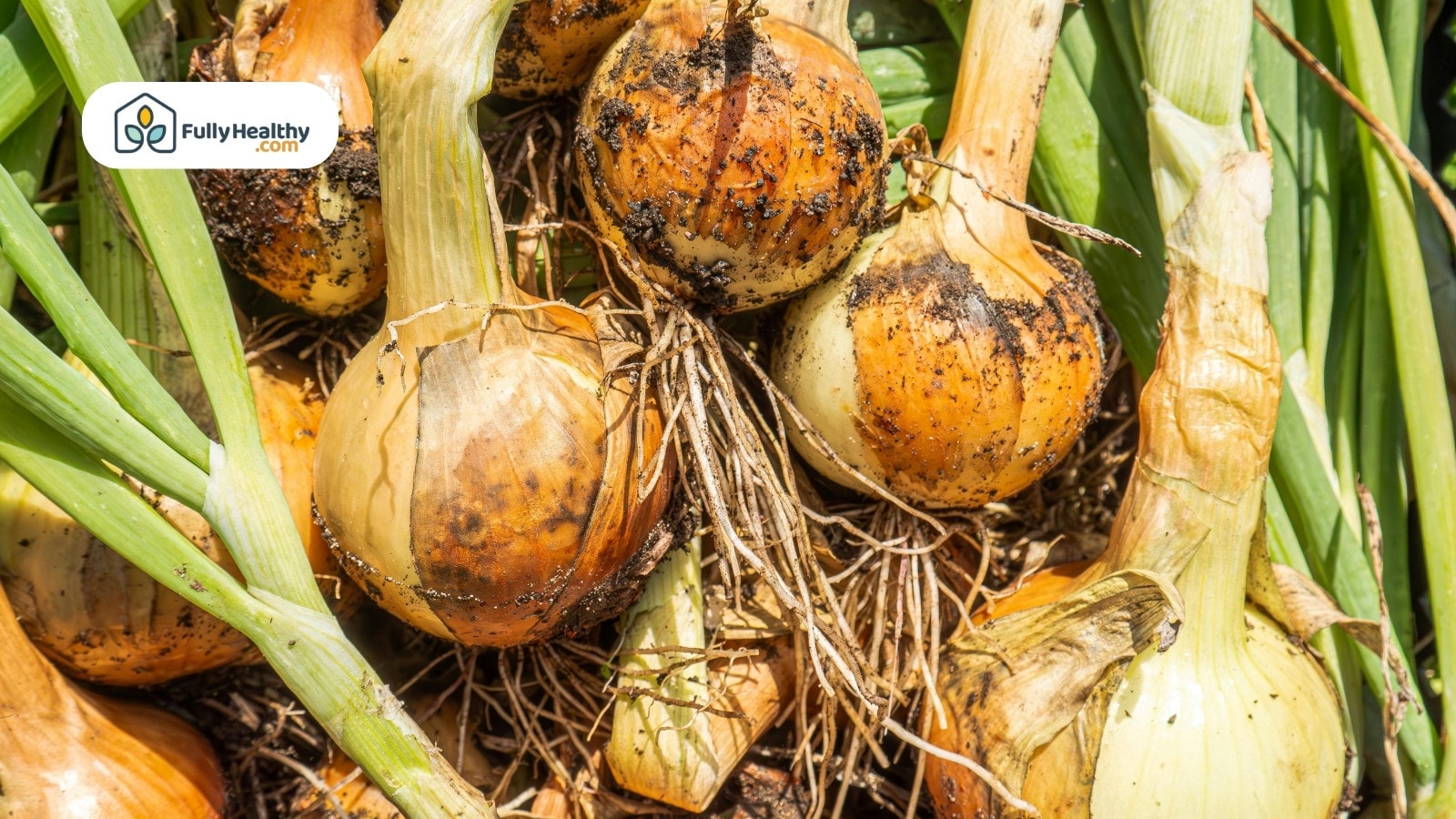
Photo Credit: Canva Pro
When you store onions the right way, they stay fresh longer. If you don't store onions properly, it can lead to sprouting and rotting onions, whether you grow them yourself or buy them in bulk. It's important to know what not to do and what to do.
Basic Storage Guidelines for Whole Onions with Plastic Bags
Yellow onions and other whole onions need a cool, dry place with good air flow. Don't use plastic bags or leave out in direct sunlight.
-
Best location: Store in a well ventilated area like a pantry, basement, or cellar.
-
Use breathable materials: Mesh bags, paper bags, or pantyhose work better than plastic wrap or plastic containers.
-
Keep them separate: Avoid storing onions next to garlic or potatoes, which release moisture and gases.
-
Avoid sunlight: Direct light or heat can cause onions to sprout faster.
How to Handle and Inspect Onions for Storage
Check your onions every time before you put them away. Even in the best conditions, onions that are broken or soft will go bad quickly.
-
Check for firmness: Pick onions that feel firm, dry, and heavy for their size.
-
Watch for signs of spoilage: Toss any with visible mold, soft spots, or green sprouts.
-
Don’t stack too high: Storing onions in small layers improves air circulation and helps avoid moisture buildup.
Do Onions Last Longer in the Fridge or on the Counter?
 Photo Credit: Canva Pro
Putting whole onions in the fridge is a mistake that many people make. The fridge does more harm than good for most types, though. Still, some onions belong there, like left-overs or cut onions.
Why the Fridge Shortens the Life of Whole Onions
You shouldn't put whole onions in the fridge until you've cut them up. They go bad faster in cold and humidity places.
-
Too much moisture: The refrigerator traps moisture, making onions soft and mushy.
-
Wrong packaging: Plastic bags seal in moisture and encourage rotting.
-
Better alternative: Use a dry place with air flow instead of the fridge for whole onions.
When Refrigeration Is Necessary (Cut, Cooked, Pickled)
To keep bacteria and smells from spreading, it's best to keep onions cold after cutting them.
-
Use proper containers: Store cut onions in sealed glass or plastic containers in the refrigerator.
-
Wrap tightly: If storing half an onion, wrap it in plastic wrap before chilling.
-
Know the timeline: Cut onions last 7–10 days in the fridge, cooked onions about 3–5 days.
-
Freeze for later: You can freeze chopped onions for long term storage and use them in cooked recipes like soups or stews.
Should Onions Be Stored in the Dark or Light?
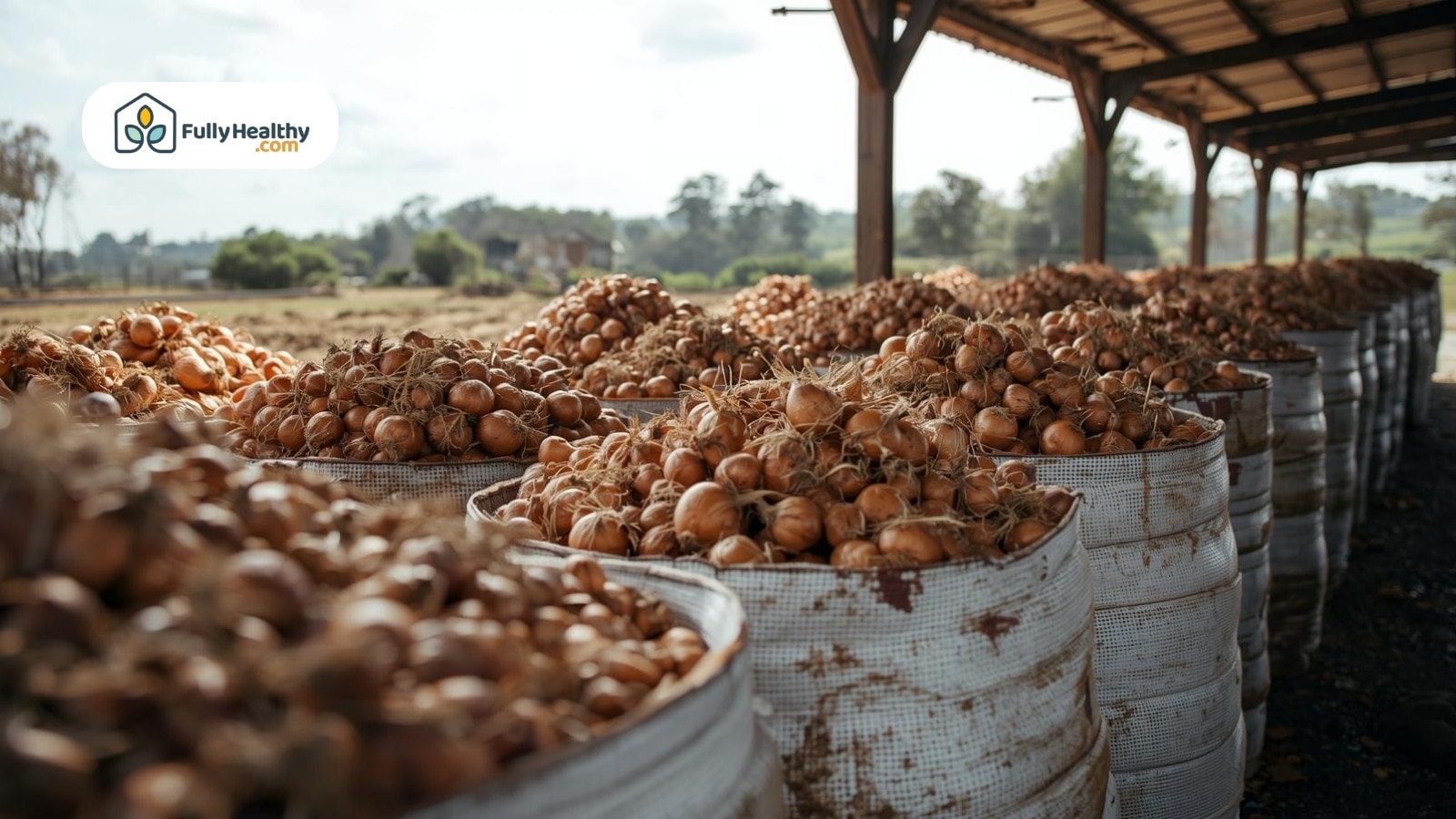 Photo Credit: Canva Pro
Onions sprout in light, which makes them go bad faster. Onions stay firm and fresh if you store them somewhere dark. Once exposed, onions will start to show changes and will sprout if you leave it as it is.
Avoid Storing Onions in Light Exposure
Onions will start to sprout if you leave them somewhere bright. That's a clear sign of bad storage.
-
Keep out of direct light: Store onions in dark cabinets or drawers, not on countertops.
-
Avoid see-through containers: Use baskets or bins that block light.
-
Control heat and light: Don’t keep onions near ovens or windows.
Choosing the Right Dark Storage Spaces at Home
There must be a cool, dark spot in your house. Slowing down the rotting process helps the onions stay crisp for longer.
-
Ideal storage spots: Pantry corners, basements, or shaded cupboards.
-
Don’t mix with fruit: Avoid placing onions near apples or bananas, they release gases that speed up spoilage.
-
Maintain air flow: Good circulation keeps moisture low and onions dry.
Should I Store Onions in a Brown Paper Bag?
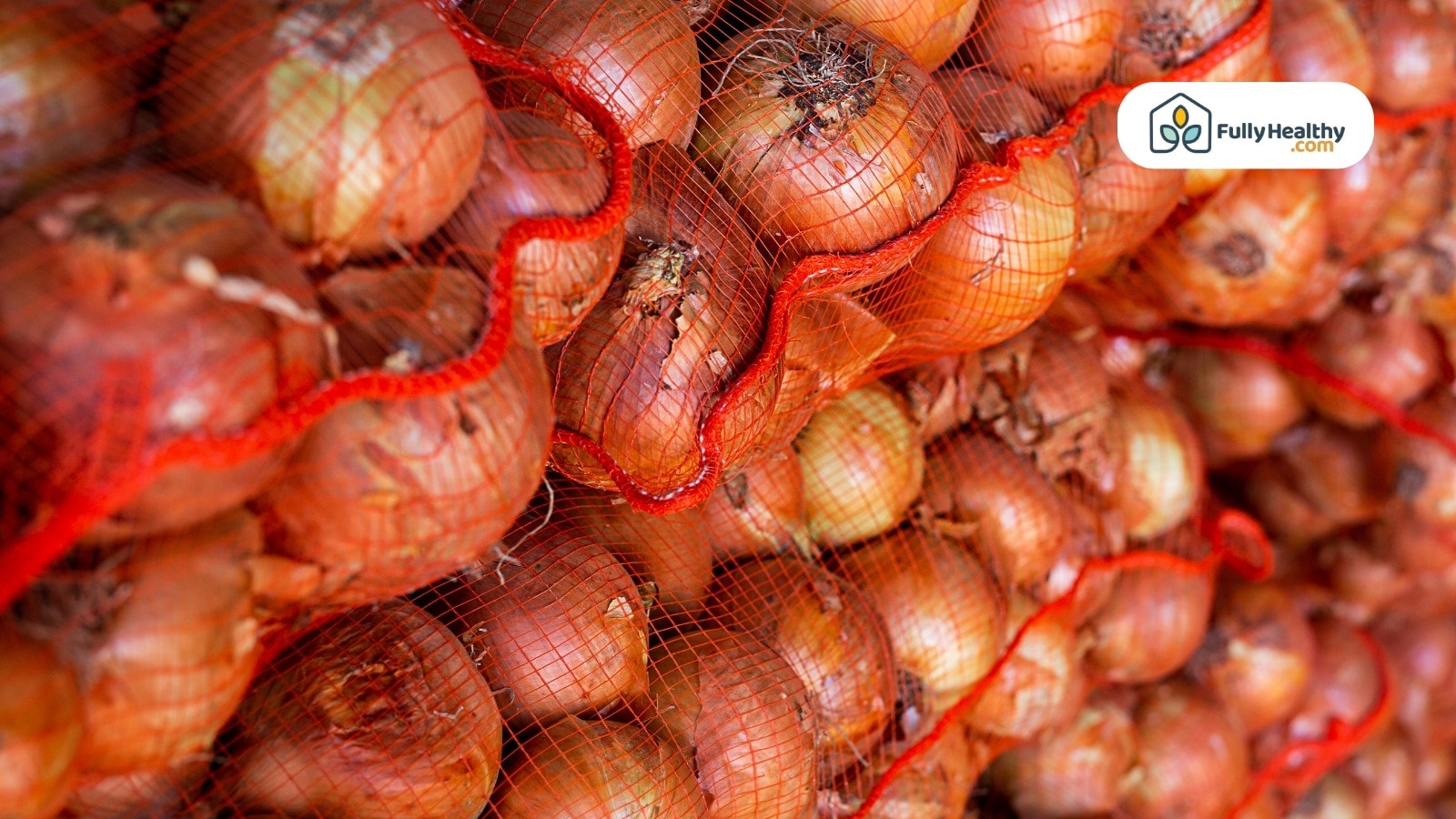 Photo Credit: Canva Pro
For easy and quick storage, brown paper bags work great for onions that you only need to keep for a short time. This method lets air flow but blocks light, which keeps soft spots and sprouting from happening.
The Brown Bag Method for Short-Term Storage
For onions that will only be kept for a week or two, brown paper bags work well. They work great for onions that you don't want to waste or smaller harvests.
-
Wrap individually: Place each onion bulb in a paper towel before putting it in the bag to reduce moisture.
-
Store in a flat position: Lay the bags flat in a dry, cool spot like a pantry, shelf, or inside the garage.
-
Best for sweet onions: Since sweet onions spoil faster, this method keeps them fresh longer.
-
Great for everyday use: Easy to grab onions when you need one for a salad or quick recipe.
Pantyhose and Hanging Methods for Long-Term Storage
The hanging method is best for longer storage, especially after you pick your own onions. It keeps onions dry and spread out so mold doesn't grow on them.
-
Tie between bulbs: Put onions into clean pantyhose, tying a knot between each bulb to create space.
-
Hang in cool areas: Choose a dry, well-ventilated place like a garage, shed, or storage room, never a damp space.
-
Leave skins and roots on: After harvesting, let onions dry for a few days, then store them with skins and roots still attached.
-
Avoid sealed boxes: Don’t use plastic containers or closed boxes; they trap moisture and can lead to rotting.
What FullyHealthy Offers for Onion Lovers
You can use shelf-stable options from FullyHealthy whenever you want onion flavor without having to peel and chop them. These items are simple to keep and quick to use. They taste just like real onions.
Simply Organic Onion Pantry Staples
There are organic dried onion products at FullyHealthy that are great for cooking. They help many recipes work well and save time.
-
Minced onion: Use in soups, stews, sauces, and homemade salad dressings.
-
Onion powder: Great for seasoning meats, veggies, and salad bowls without the mess.
-
No need to refrigerate: Long shelf life means you don’t need a freezer or fridge space.
-
Quick to use: Just grab, shake, and eat—no chopping or tears involved.
Onion Snacks That Are AIP-Friendly
Want a crunchy snack that tastes like real onions? Foods Alive Onion & Garlic Sprouted Crips are clean, tasty, and simple to keep on hand.
-
Made with onion and garlic: Adds bold, savory flavor in every bite.
-
Perfect for winter snacks: A good grab-and-go option when you don’t feel like cooking.
-
Plant-based and organic: Safe for special diets and free from processed junk.
-
No prep required: Just open the bag and enjoy—great with dips or on their own.
Final Thoughts
If you know how to store onions correctly, you can get better food, save money, and throw away less. Whether you hang them inside, put them in paper bags, or freeze extra onions to use later, the right way to store them keeps them fresh longer.
Pick a dry place that has good air flow, the right temperature, and no direct light. Do not put onions in holes that are not marked or stack them more than an inch high. They need space to breathe.
FAQs
Can I store onions at room temperature in the house?
Yes, storing onions at room temperature works well if it’s a cool, dark, dry place in the house with airflow.
What’s the best way to throw leftover onions into the freezer?
Chop them, place in a sealed bag, squeeze out air, and freeze—don’t just throw them in without prep.
How deep should the holes be when I plant onions after fall harvest?
Each bulb should sit in a hole about 1 inch deep, then rest the soil lightly over the top.
Why does produce lose quality if the temperature is wrong?
If the temperature is too cold or too warm, onions can sprout, rot, or lose flavor fast—ideal temp is around 45–55°F.
Where can I find more info on onion storage on this page?
Scroll back up this page to read step-by-step tips on long-term storage, freezing, and keeping onions fresh after harvest.
Leave a comment