

Is a Carrot a Fruit? A Clear Botanical Answer
Is a carrot a fruit? No, and the reason is simple plant science. The roots of carrots grow from the ground, not from flowers that make seeds. That makes them plant foods, not fruit. Many foods are grouped by taste or how they are used in cooking instead of by their biology, which can lead to confusion.
In this article, the difference is made clear, along with why carrots are labelled the way they are and how plant structure affects food labels.
Featured Pantry Pick
KC Natural // Carrot Marinara Paleo Pasta Sauce - 16 oz
Loading...
Is A Carrot A Fruit?
Botanical Definition And Carrot Classification
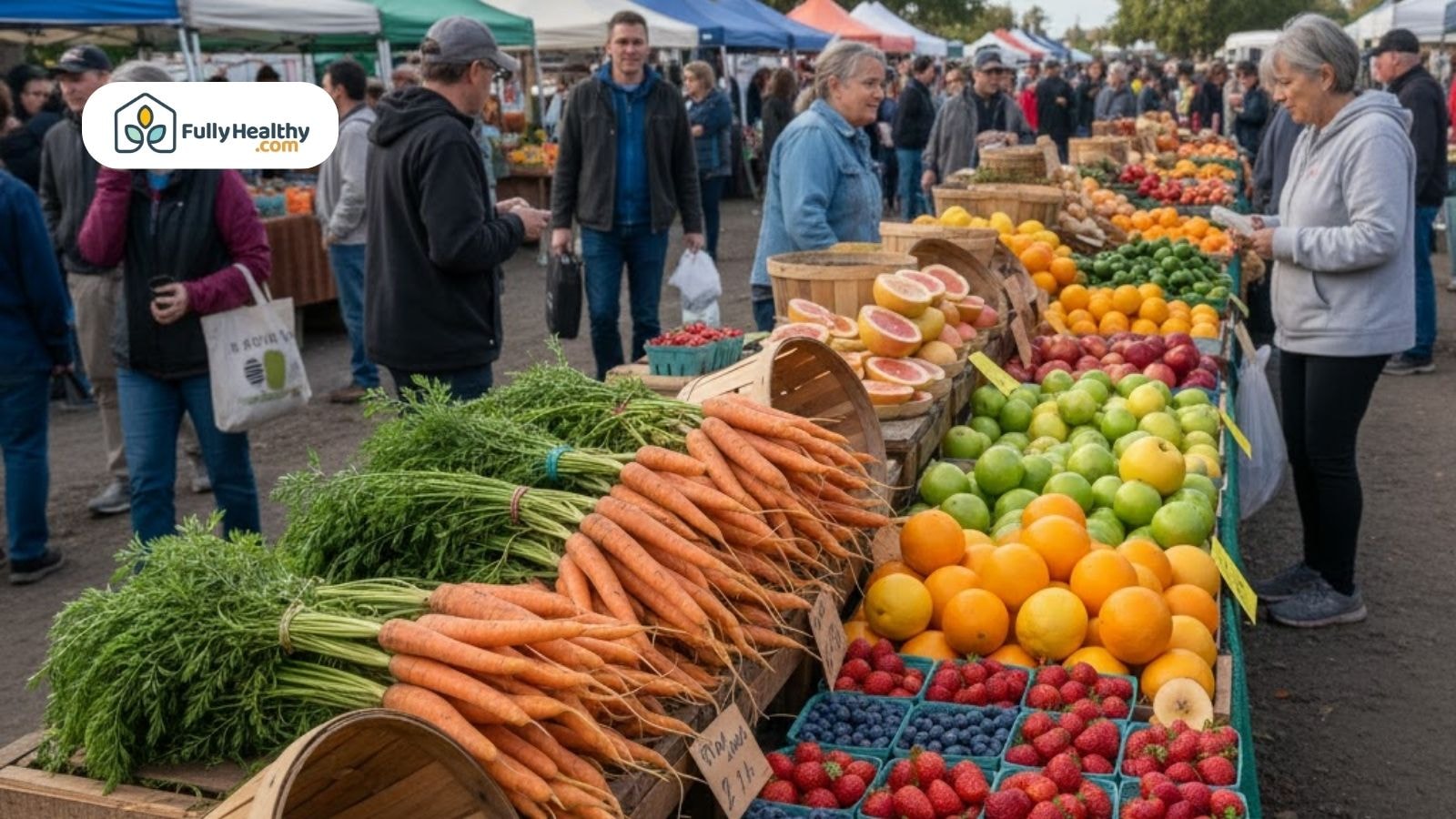
A carrot is not a fruit from a botanical point of view. Botanically speaking, fruits develop from the mature ovary of a flower on flowering plants and contain seeds, while the carrot plant grows as an edible root.
-
Botanical definition: A fruit forms from the mature ovary of a flower and contains a seed bearing structure.
-
Carrot plant structure: Carrot, scientifically named daucus carota, grows as a taproot growing underneath the ground.
-
Edible portion: The part of the plant people eat is the edible root, not the flowering part.
-
Seed presence: The carrot root does not contain a single seed.
-
Classification outcome: Carrot fits the vegetable category, not the fruit category.
Culinary Vs Botanical Meaning
In the world of cooking, foods are grouped by how they are cooked and eaten, not by how they grow. Even though many vegetables are actually fruits, foods like carrots are called vegetables because they are used in savoury dishes.
-
Culinary definition: Vegetables are foods used in cooking rather than eaten sweet.
-
Botanical contrast: Botanical classification focuses on plant reproduction, not flavor.
-
Common usage: Raw carrots, roasted carrots, and cooked carrots appear in savory dishes.
-
Comparison example: Tomatoes grow on a tomato plant from a flower and are botanically considered fruit.
-
Consistency: Carrot remains a vegetable in both culinary and scientific systems.
What Are The 14 Vegetables That Are Actually Fruit?
Examples People Commonly Get Wrong
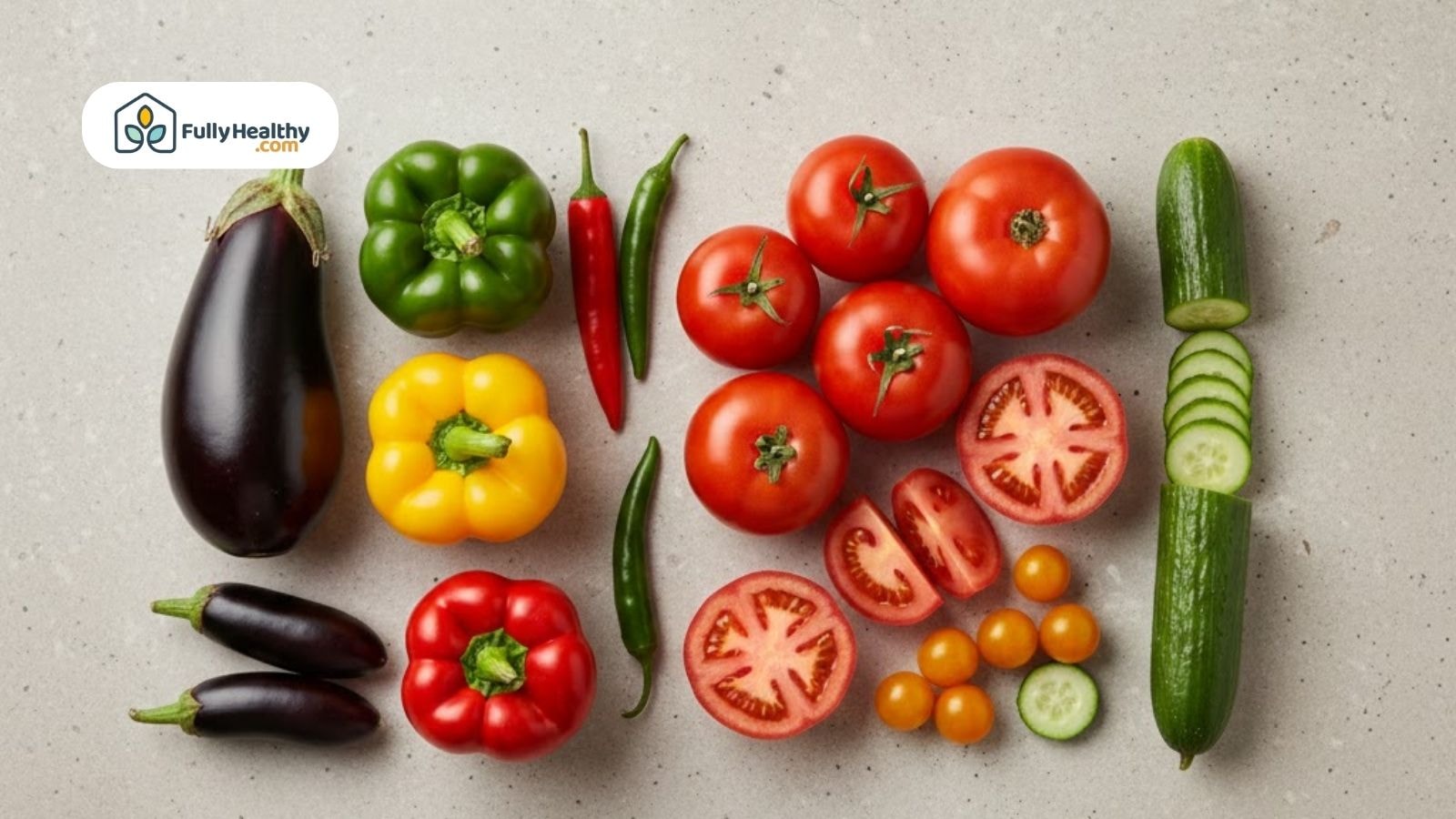
Several foods called vegetables are technically fruits because they form from flowers and contain seeds. They are usually used in savory dishes, which causes confusion in culinary terms.
-
Tomatoes: Develop from flowers on the tomato plant and contain multiple seeds.
-
Avocados: Grow from the flowering part of the plant and contain a single large seed.
-
Bell peppers: Form from a flower and contain seeds inside the edible portion.
-
Chili peppers: Develop from flowers and hold seeds, meeting the botanical fruit definition.
-
Cucumbers: Grow from the flowering part of the plant and contain seeds.
-
Eggplant: Botanically classified as a berry because it forms from a single flower with seeds.
-
Zucchini: A type of squash that develops from the mature ovary of a flower.
-
Pumpkin: Forms from a flowering vine and contains many seeds inside.
-
Corn kernels: Each kernel represents a seed produced from the plant’s flower.
-
Green beans: Seed pods that develop from flowers after fertilization.
-
Chickpeas: Grow in pods formed from flowers, qualifying them as fruits botanically.
-
Peas: Develop from the flowering part of the plant and contain seeds inside pods.
-
Okra: A seed pod that forms from a flower and contains multiple seeds.
-
Olives: Develop from flowers and contain a pit, which is the seed.
What Makes A Vegetable A Botanical Fruit
In the botanical world, many vegetables are fruits because they come from flowers and have seeds. From a scientific definition, any produce formed from a mature ovary qualifies for the fruit category.
-
Seed bearing structure: Fruits contain seeds formed after fertilization.
-
Flowering origin: These foods grow from the flowering part of the plant.
-
Botanical perspective: Classification depends on plant reproduction, not taste.
-
Everyday confusion: Many vegetables people eat meet the fruit definition.
-
Clear boundary: Roots, stems, and leaves are not fruits botanically.
Which Fruit Is Often Mistaken For A Vegetable?
The Most Commonly Misidentified Fruits
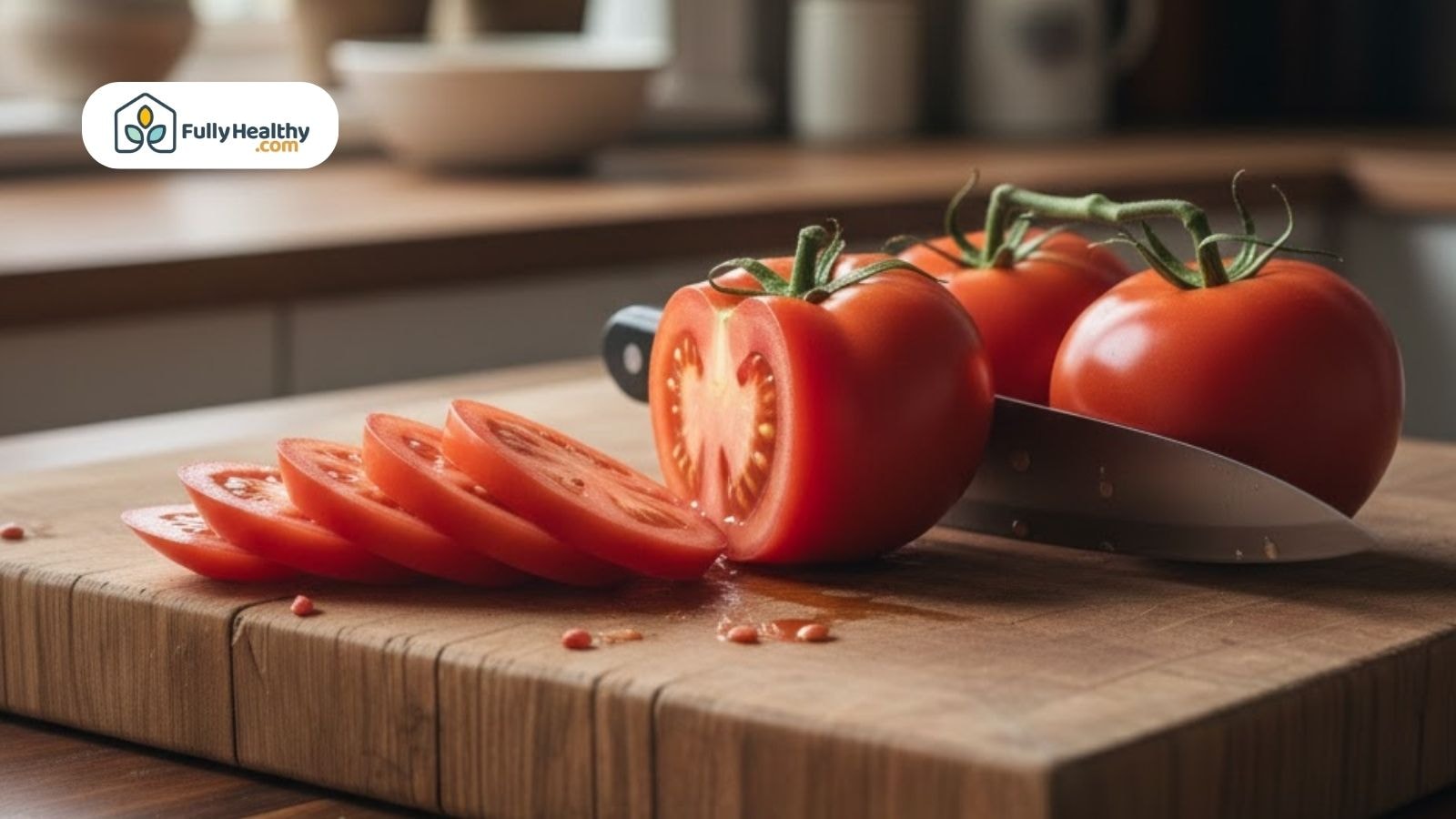
Because of how they are cooked and eaten, tomatoes are the fruit that people most often mistake for a vegetable. Although tomatoes develop from flowers and contain seeds, they are grouped with veggies in everyday cooking.
-
Primary example: Tomatoes grow from flowers on the tomato plant.
-
Culinary role: Tomatoes are used in savory foods rather than sweet dishes.
-
Related examples: Cucumbers, peppers, and eggplant share the same confusion.
-
Botanical status: These foods are technically fruits.
-
Public habit: Taste shapes classification more than science.
Why These Foods Are Misclassified
Misclassification happens because the way foods are labelled is affected by how people cook. For most people, flavour, cooking method, and cultural language are more important than botanical definitions.
-
Taste assumption: Sweet foods are assumed to be fruits.
-
Cooking style: Savory preparation leads to vegetable labeling.
-
Cultural norms: Culinary terms dominate everyday language.
-
Visual cues: Seeds are not always obvious or visible.
-
Usage focus: Foods are grouped by how people eat them.
What Is The #1 Healthiest Vegetable?
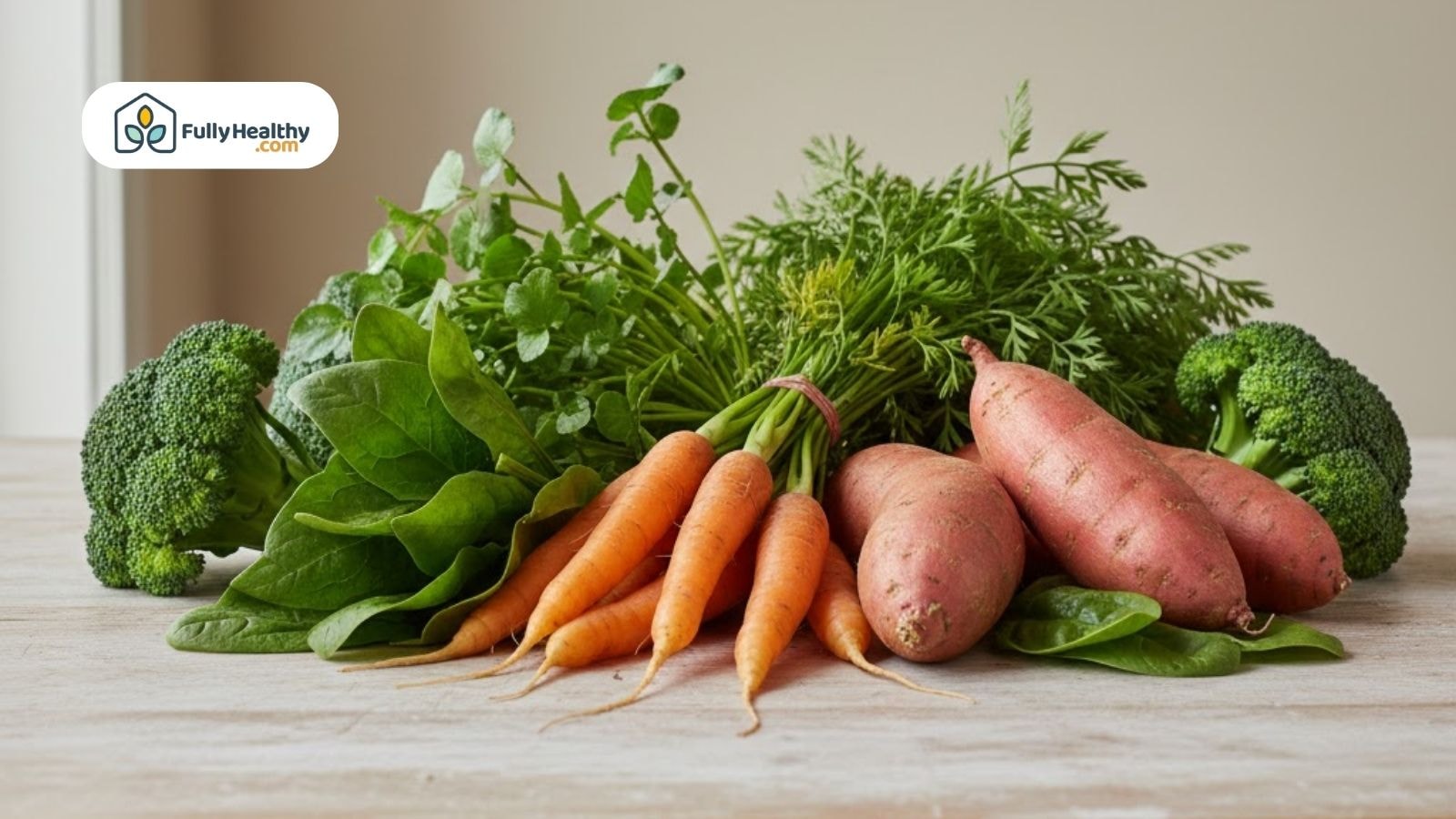
Vegetables That Consistently Rank Highest
There are a lot of nutrients in leafy greens and some root vegetables, so they are always at the top of nutrition lists. Because they are high in vitamins and antioxidants, spinach, carrots, broccoli, and watercress get a lot of attention.
-
Carrots: Known for beta carotene and vitamin A content.
-
Watercress: Scores high for nutrient density and vitamin concentration.
-
Spinach: Provides vitamins A, C, and K along with minerals.
-
Broccoli: Contains fiber, vitamin C, and plant compounds.
-
Sweet potatoes: Offer fiber and antioxidants despite their high sugar content.
How “Healthiest” Is Defined By Experts
There isn't just one vegetable that is the healthiest because vitamins, minerals, antioxidants, and fiber all work together to make food healthy. From a scientific point of view, experts rank vegetables by their nutrient density, which is the number of nutrients they offer per unit of calories.
-
Nutrient density: Measures vitamins, minerals, and antioxidants per calorie.
-
Vitamin content: Focuses on vitamins A, C, K, and folate.
-
Antioxidants: Compounds that support cell protection and overall health.
-
Fiber levels: Important for digestion and gut health.
-
Comparison method: Rankings compare many vegetables rather than one winner.
About FullyHealthy
What FullyHealthy Is And Who It Serves
FullyHealthy is an online store that only offers foods that meet certain nutritional standards and goals. The store helps people find products that are compliant and don't have any additives that aren't wanted. It works with clean ingredient priorities.
-
Marketplace focus: Designed for people seeking vegetable-forward and clean foods.
-
Ingredient standards: Emphasizes transparency and compliant sourcing.
-
Audience served: Supports individuals with food sensitivities or health goals.
-
Nutrition alignment: Offers products that tie back to produce and wholesome foods.
-
Shopping ease: Centralizes hard-to-find quality foods in one place.
Carrot Products On FullyHealthy
FullyHealthy features multiple carrot-centric products that make it easier to include carrots in meals, snacks, and breakfasts. These options highlight carrot as a key ingredient and fit within health-focused eating patterns.
-
KC Natural carrot marinara pasta sauce: A savory carrot-based sauce for pasta and cooking.
-
Wild Zora quick quinoa meal – herb roasted chicken with spinach, carrots & herbs 3 oz: A quinoa bowl featuring carrots and spinach.
-
Wild Zora instant grain-free hot cereal carrot cake 1.6 oz: Grain-free carrot cake-flavored hot cereal.
-
Wild Zora instant soup French lentil with carrot, onion & celery 0.5 oz: Ready-to-prepare lentil soup with carrot and vegetables.
Final Thoughts
Is a carrot a fruit? Not at all. People eat the root of a wild carrot, not the part of the flower that makes seeds. This is why carrots are called vegetables. This is because of how foods are used in cooking, not how plants grow.
Knowing how plants are put together at a basic level helps you tell the difference between fruits and vegetables and explains why carrots are placed where they are.
Are raw carrots eaten raw?
Raw carrots are commonly eaten raw because the edible root is crisp and mild compared with sweet potatoes or other cooked roots.
Are sweet potatoes fruits or vegetables?
Sweet potatoes are a root vegetable and not only fruits, unlike apples or strawberries that form differently.
What is a seed bearing structure?
A seed bearing structure develops from a flowering part of plants, which separates fruits and vegetables from roots like a domestic carrot.
Is a cucumber a fruit?
Yes. Jalapeños are a fruit because they develop from the flowering part of the plant and contain seeds, even though they are used in savory cooking.
Are jalapenos a fruit?
Yes, jalapeños are a fruit because they develop from the flowering part of the pepper plant and contain seeds, which fits the botanical definition of fruit even though they are used in savory dishes.
Leave a comment