

Is Basil a Perennial? Find Out How to Grow Fresh Basil Year-Round
 Photo Credit: Canva Pro
Is basil a perennial? The answer changes based on where you live. Basil can grow as a short-lived perennial in warm places, but it's usually thought of as an annual in cooler places.
We will talk about basil's growth cycle and how to take care of it. This guide will answer your questions about whether basil will come back every year and how to keep it healthy all winter.
Featured Pantry Pick
Simply Organic // Basil - .54 oz
Loading...
Is Basil a Perennial?
 Photo Credit: Canva Pro
Basil is often considered a tender perennial in warmer climates but is commonly grown as an annual in cooler regions. Basil can grow all year in warm places, but it's usually thought of as an annual in cooler places. It is very important to know how to take care of basil whether you are growing it inside or outside. This is what you need to know about how basil grows.
How Basil Grows as a Perennial
As a perennial plant, basil does best in warm weather and can survive more than one season.
-
Growing Basil Indoors: If you live in a colder area, you can grow basil indoors to keep it alive during the winter months. A sunny windowsill works best for this.
-
Growing Season: In tropical or Mediterranean climates, basil can grow as a perennial when planted in well-drained soil and kept away from frost.
-
Sweet Basil: The most common basil variety, sweet basil, can survive as a short-lived perennial in USDA zones 10-11.
When Basil is an Annual Plant
Where there is frost, basil is usually grown as an annual, meaning that it only needs one growing season to complete its life cycle.
-
Basil Seeds: Start basil seeds indoors in early spring to give them the best chance for successful growth. This ensures fresh basil during the growing season.
-
Full Sun: Basil needs at least 6-8 hours of direct sunlight each day for optimal growth, whether planted outdoors in your garden or in pots.
-
Water Regularly: Basil is somewhat drought-tolerant, but it grows best with regular watering in well-drained soil, ensuring the soil doesn't remain soggy.
Does Basil Come Back Every Year?
 Photo Credit: Canva Pro
Basil typically does not regrow on its own after frost, but with proper care, such as indoor cultivation during winter, it can survive and potentially regrow. It doesn't usually last long as a perennial, but there are ways to make it grow every year.
Keeping Basil Alive in Winter
Basil can't handle frost, but if you handle it carefully, it can make it through the winter, especially if you bring it inside.
-
Growing Basil Indoors: To keep basil alive during winter, move it indoors to a sunny windowsill. This helps basil thrive when outdoor temperatures drop.
-
Night Time Temperatures: Basil needs consistent warmth, so avoid placing it in drafty areas. Keep the room temperature between 65-75°F (18-24°C).
-
Regular Watering: Basil still needs water during the winter months. Ensure the soil stays moist but not soggy by watering basil regularly.
Self-Seeding and Regrowth
Basil can produce seeds at the end of the growing season, which may lead to new plants if collected and planted in early spring, though regrowth from seeds is not guaranteed in all climates.
-
Basil Flowers: Let basil flower towards the end of the growing season. The flowers will produce seeds, which can be collected for the following year.
-
New Plants: Gather the seeds and plant basil in early spring. You can also plant new basil seeds or nursery plants after the last frost.
-
Well-Drained Soil: Ensure that your garden or pots have well-drained soil to promote healthy growth for new basil plants.
What Is the Lifespan of a Basil Plant?
 Photo Credit: Canva Pro
Basil doesn't live very long, but if you take good care of it, it can live longer. It usually finishes its life cycle in one growing season, but there are times when you can make it last longer.
Lifespan of Basil in Ideal Conditions
Ideally, basil can last a little longer, especially if it is grown inside or in a mild climate.
-
Herb Garden: Basil grows best in an herb garden, where it has plenty of space. It can grow up to 3 feet tall in ideal conditions.
-
Tender Perennial: In warmer climates, basil is a tender perennial, meaning it can survive multiple seasons if frost doesn’t hit.
-
Growing Tips: Regular harvesting can help basil stay productive longer. Prune the plant to encourage new growth and prevent it from flowering too early.
The Growing Cycle of Basil
When the weather is warm, basil grows quickly. But when it gets cooler, it grows more slowly or not at all.
-
Late Summer: Towards the end of the growing season, basil will begin to slow down, and leaves will die off as the plant focuses on producing seeds.
-
Early Summer: Plant basil seeds in early summer for the best chance at a full growing season. This ensures plenty of fresh basil before the first frost.
-
Harvesting: Regularly harvest basil to encourage the plant to grow more leaves and prevent it from flowering, which can slow down leaf production.
Will Basil Regrow If You Cut It Back?
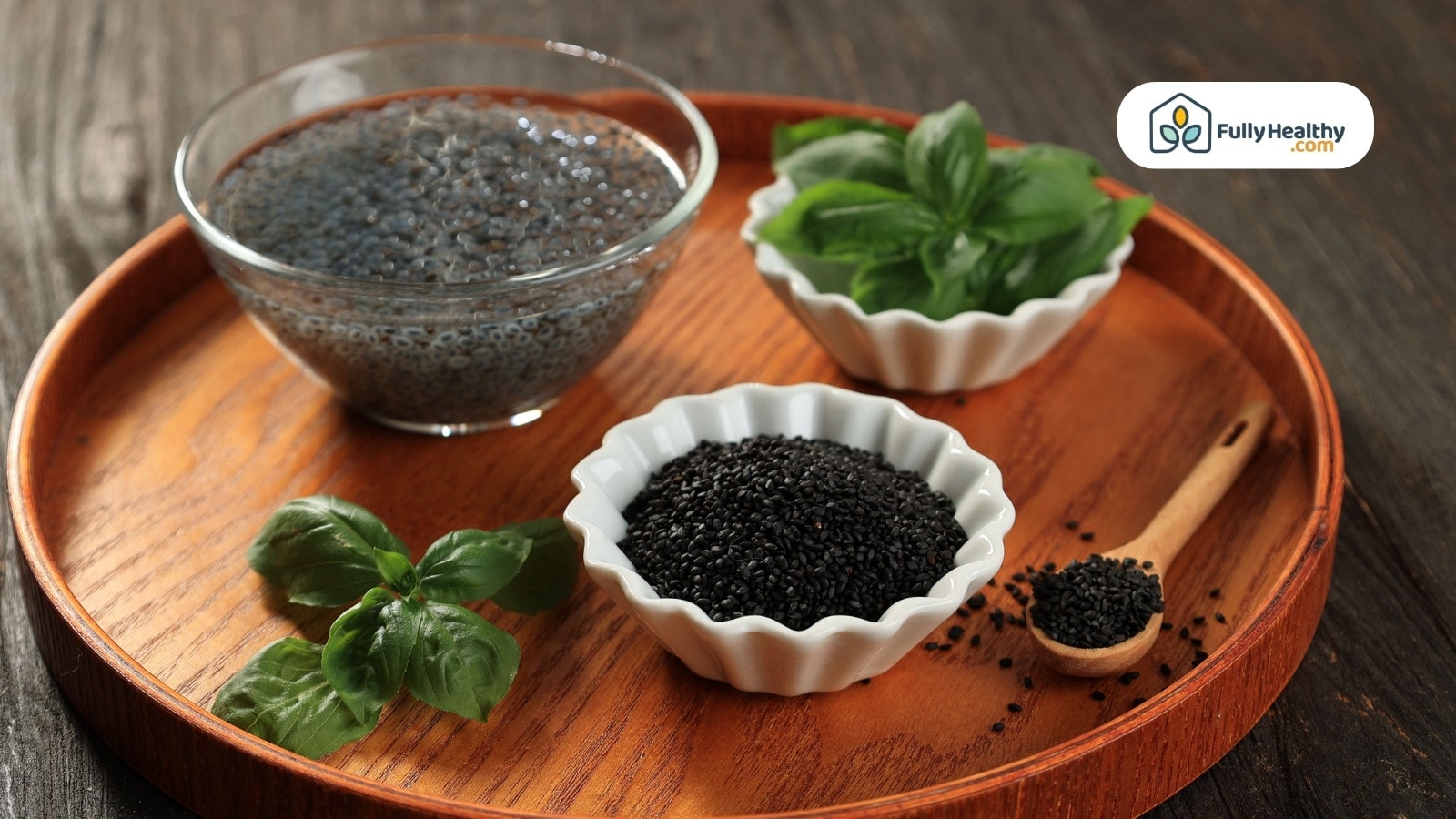 Photo Credit: Canva Pro
Basil grows very quickly and can grow back quickly if you cut it off the right way. Cutting back basil plants regularly helps them grow more fresh leaves, but there is a right way to do it to make sure it stays healthy and grows more. Basil plants can live longer and do better if you know how and when to cut them back.
Cutting Basil for Healthy Regrowth
Keeping basil trimmed helps it keep its full shape and grow more leaves. If you cut basil the right way, it will grow well and not get too tall.
-
Pick Leaves: Always harvest basil leaves above the node, which is where new growth will sprout. This promotes a fuller, bushier plant.
-
Cut Back to Prevent Flowering: Basil flowers slow down leaf production. By cutting off flowers or flowering stems, you can keep the plant producing fresh basil.
-
Growing Conditions: For optimal regrowth, basil needs full sun and well-drained soil. Regular watering also helps keep the plant healthy and encourages robust root growth.
Pruning and Harvesting Tips
Basil stays productive and healthy as long as it is pruned regularly. You can extend the growing season of your basil by picking it at the right time.
-
Hardy Plant: Although basil is sensitive to cold, it can live longer in good growing conditions, especially if kept in containers where you can control the environment.
-
Thai Basil: Known for its unique flavor, Thai basil benefits from regular pruning to maintain its shape and prevent it from becoming too woody.
-
Companion Plants: Basil grows well with companion plants like oregano, tomatoes, and peppers. These plants support each other by attracting pollinators, which help with pollination and pest control.
What Is the Lifespan of a Basil Plant?
Most herbs don't last long, but basil can make it through a whole growing season or even longer if you take good care of it. The length of time that basil lasts depends on how it's grown and what kind of basil it is.
Factors Affecting Basil’s Lifespan
Providing the right conditions, such as soil, water, and sunlight, is important for a basil plant to live a long time.
-
Wild Basil (Clinopodium Vulgare): This hardier plant variety, unlike sweet basil, can thrive in various climates and may last longer than typical basil.
-
Growing Conditions: Basil prefers well-drained soil and plenty of sunlight. These conditions help develop healthy roots and allow the plant to grow strong.
-
Containers: Growing basil in containers offers greater flexibility, especially when moving the plant indoors during cold weather. This helps extend its lifespan.
How to Extend Basil’s Lifespan
If you want to enjoy fresh basil for a longer time, you need to take care of it regularly and control its growing conditions.
-
Regular Watering: While basil is drought-tolerant, it grows best when watered regularly. Ensure the soil dries slightly between waterings to prevent overwatering.
-
Companion Plants: Growing basil with other herbs, like oregano or peppers, can boost its growth. These companion plants attract bees and other pollinators that help with the plant’s health and productivity.
-
Compost: Adding compost to the soil provides basil with essential nutrients, supporting its growth and extending its growing season.
What FullyHealthy Can Do for You
FullyHealthyis the best place to find high-quality foods that are free of allergens and are approved by the AIP. FullyHealthy has many products that can help you eat healthier, whether you're trying to stick to a clean diet or need products that are specific to your health needs. Their carefully chosen selection includes fresh, healthy foods, so it's easy to stock up on things you need to stay healthy.
FullyHealthy’s Basil-Related Products
There are a few products on FullyHealthy that contain basil, which is great for people who like fresh, organic flavors.
-
Basil Garlic Sauerkraut: A unique blend of basil and garlic, perfect for adding flavor to meals while supporting gut health.
-
Simply Organic Basil: High-quality basil leaves, ideal for adding flavor to dishes like pasta, salads, and pizzas.
-
Basil Garlic Shots: A convenient way to enjoy the benefits of basil and garlic in a quick, nutrient-packed shot.
Benefits of Shopping at FullyHealthy
FullyHealthy sells more than just products made with basil. You'll also find a lot of other herbs and healthy, nutrient-dense foods that work with your way of life.
-
Variety: FullyHealthy offers many other herbs and spices to elevate your cooking.
-
Convenience: Shopping for several plants and ingredients in one place makes meal prep easier.
-
Quality: Their products are free from allergens, preservatives, and artificial ingredients, offering pure, healthy options.
Final Thoughts
To sum up, basil is a flexible herb that can be grown in a number of ways, depending on the conditions. It can be grown as a perennial or an annual. Basil does well in gardens, pots, or even inside with the right care.
For the best flavor and growth, pick your basil often, give it the right amount of water, and grow it next to oregano, sage, and parsley. Basil is simple to grow and can be made from seeds or seedlings. Gardeners can enjoy fresh basil all year long.
FAQs
Can I grow basil from seedlings?
Yes, basil can be grown from seedlings or basil seeds, making it easy for gardeners to start new plants.
Is basil a good companion plant for sage?
Yes, basil grows well with sage, and both plants benefit from each other by attracting beneficial insects.
How do I protect basil from insects?
Regularly check your basil plants for insects and use natural repellents to protect them, especially if growing in the garden.
Can I grow parsley with basil?
Yes, parsley and basil can grow well together in the same garden or container, providing flavor and attracting helpful insects.
How can I grow basil indoors with seedlings?
To grow indoors, basil plant seedlings in containers with well-drained soil, place them in a sunny spot, and water regularly.
Leave a comment