

Is Cream Cheese Gluten Free? Your Guide to Safer Choices
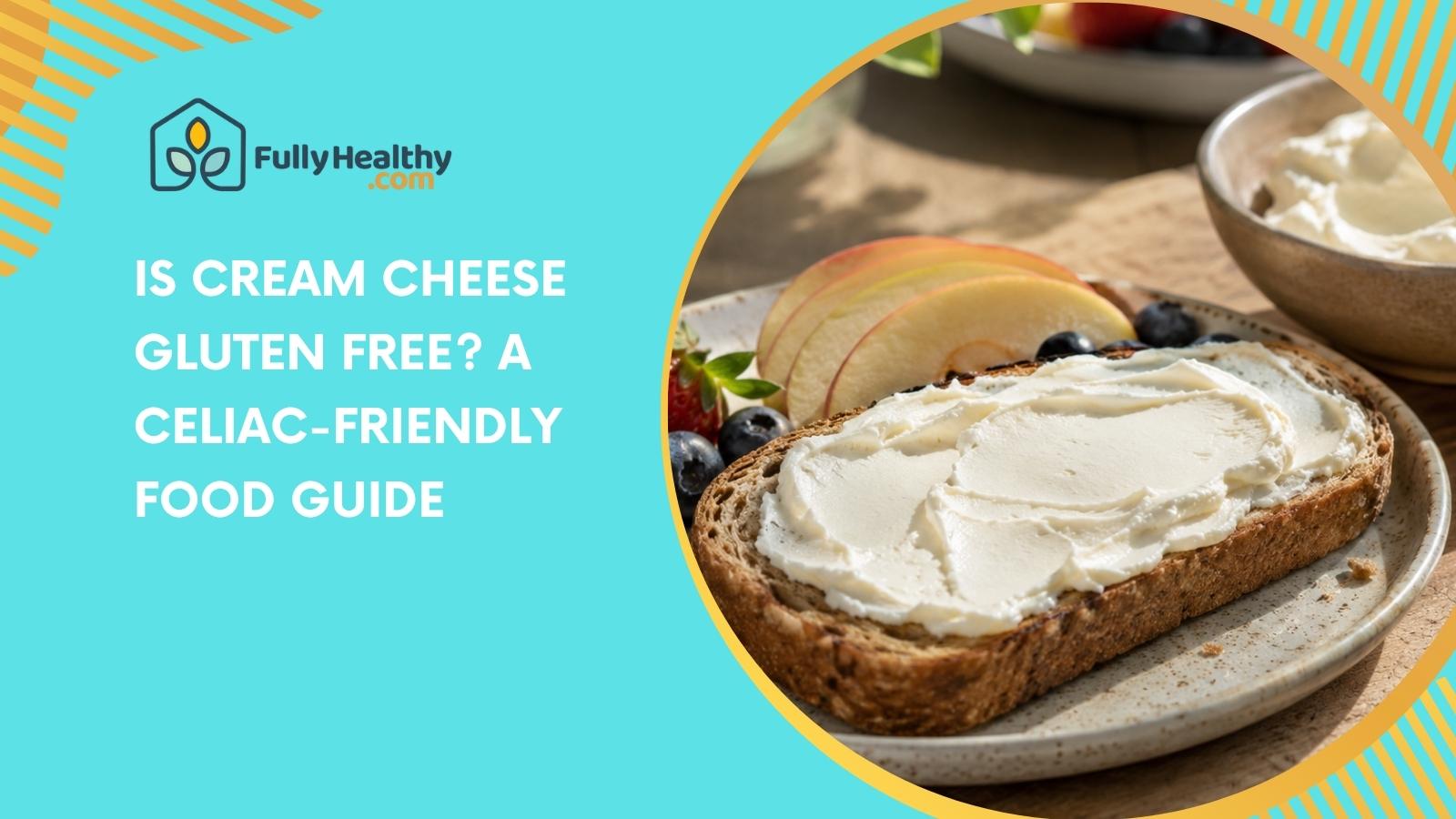
Is cream cheese gluten free? In most cases, yes. Plain cream cheese is usually made from milk, cream, cultures, and salt, which do not contain gluten. Still, flavored or specialty versions may include extra ingredients, so checking the label matters.
People with celiac disease should be especially careful about cross-contact and product changes. This guide explains what to look for, which cheeses are usually gluten-free, whether mayonnaise contains gluten, and how to shop more safely, with clear, practical tips included.
Is Cream Cheese Gluten Free?

The quick answer is yes. Plain cream cheese is usually naturally gluten free because its main dairy ingredients do not contain wheat, rye, or barley. However, flavored cream cheese, whipped cream cheese, and low fat varieties may have added ingredients, so always check the ingredients list if you follow gluten free diets.
Why Is Most Plain Cream Cheese Naturally Gluten-Free?
Cream cheese is a dairy product usually made with pasteurized milk, cream, cheese culture, salt, and stabilizers. Carob bean gum may be added for texture, and it is not a gluten grain. This simple ingredient list is why many plain varieties are considered gluten free.
-
Basic formula: Traditional cream cheese is usually made without gluten containing ingredients.
-
Brand check: Philadelphia cream cheese from the Philadelphia brand is made by Kraft, but shoppers should still read the current package before buying.
-
Label meaning: A gluten free label or certified gluten free label gives more product-specific information. Not every product without gluten ingredients is certified gluten free.
-
Common uses: Cream cheese is often used in dips, frosting, baked goods, and many recipes.
When Can Cream Cheese Contain or Come Into Contact With Gluten?
The risk can change when extra flavors, mix-ins, or shared utensils are involved. Dairy free cream cheese, such as Kite Hill, may use a different formula, and a store brand may also change its ingredients over time.
-
Added flavors: Check flavored products for wheat, rye, barley, oats, and other added ingredients.
-
Shared utensils: Cross contamination can happen when a knife touches regular bread or crackers and then goes back into the cream cheese container.
-
Different varieties: Whipped cream cheese and specialty versions should be checked separately because their ingredients may be different.
-
Dairy alternatives: Dairy free does not automatically mean certified gluten free, so read the product label carefully.
Can Celiac Patients Eat Cream Cheese?
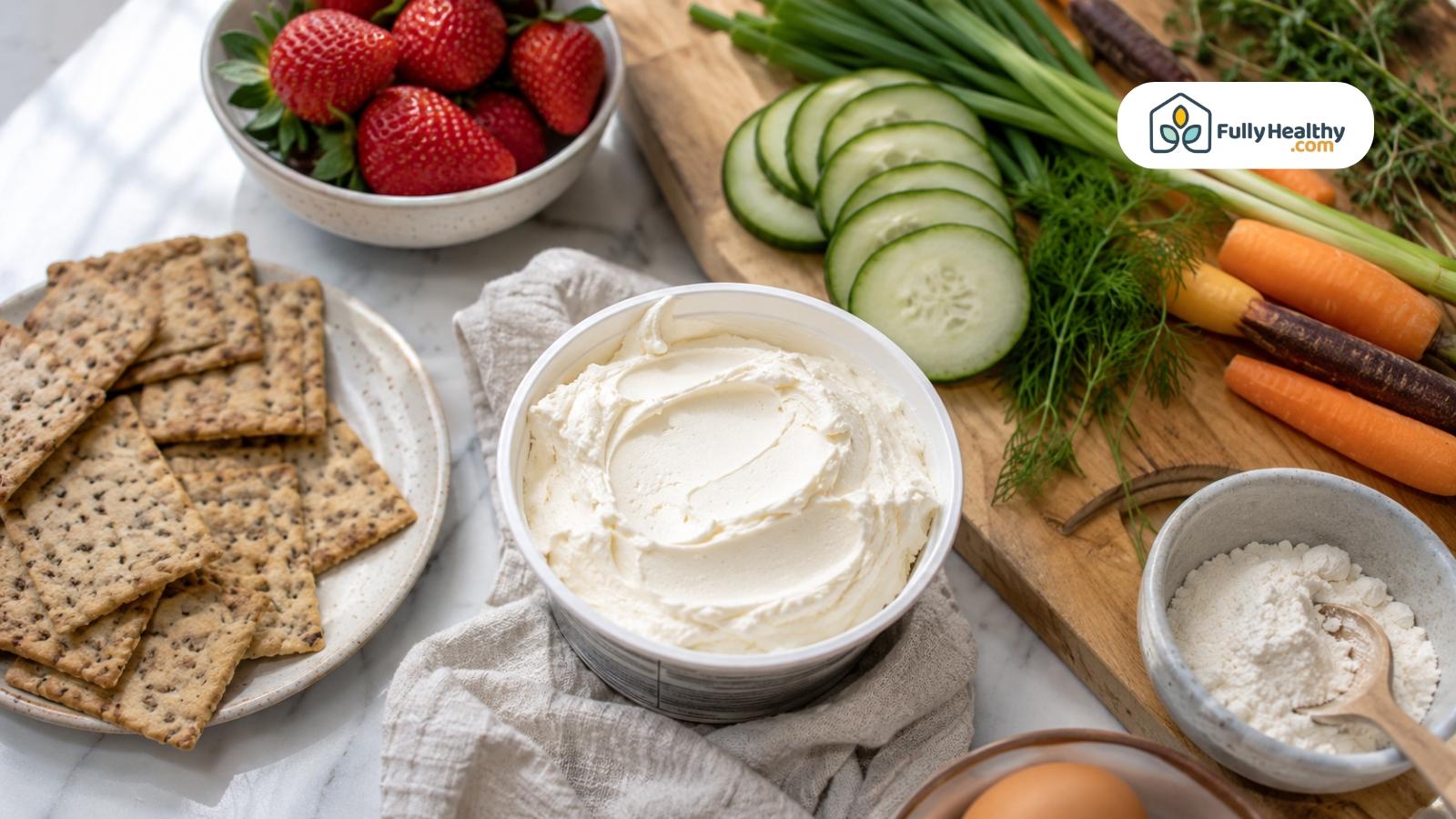
Many plain cream cheeses can fit into gluten free diets when the specific product is safe. Celiac disease requires strict gluten avoidance, while people with gluten sensitivity may also need to be careful. Dairy free is a separate claim, so it should not be confused with gluten-free status.
What Should People With Celiac Disease Check Before Eating Cream Cheese?
Start with the current package instead of relying on an old brand list. Look for products that are labeled gluten free and check manufacturer information if the package does not give a clear answer.
-
Ingredients first: Read the full ingredients list and look for wheat, rye, barley, or other gluten sources.
-
Certification: A certified gluten free label can provide an extra level of product verification.
-
Serving safety: Reduce cross contamination from bread crumbs, shared knives, cutting boards, or serving trays.
-
Separate concern: Too much cream may affect calorie or fat intake, but it does not determine whether the product contains gluten.
Does “No Gluten Ingredients” Mean Certified Gluten-Free?
No. A product may have no obvious gluten containing ingredients without being certified gluten free. These terms should not be treated as the same, especially for people with celiac disease who need stricter gluten control.
-
No-gluten ingredients: This means the listed ingredients do not appear to include common gluten sources.
-
Certified status: Certified gluten free products must meet the rules of the organization that provides the certification.
-
Best practice: Check both the ingredients list and the gluten free label when strict gluten avoidance is important.
Which Cheese Has No Gluten?

Many traditional cheeses are made from milk, cultures, enzymes, and salt instead of gluten grains. Cottage cheese and blue cheese may be considered gluten free when their specific ingredients are suitable. Processed cheeses need a closer label check because they may contain more ingredients.
Which Types of Plain Cheese Are Typically Gluten-Free?
Simple cheeses often have short ingredient lists, but the package is still the best product-specific guide. The same rule applies whether you eat cheese on its own or use it in an Instant Pot meal.
-
Plain varieties: Choose simple cheeses made mainly from milk, cultures, enzymes, and salt.
-
Current labels: Check each product because recipes and manufacturing practices can change.
-
Specialty cheeses: Review cottage cheese and blue cheese labels instead of assuming every brand uses the same formula.
Why Should Flavored and Processed Cheese Labels Be Checked?
Processing can add seasonings, coatings, starches, or other ingredients that are not found in plain cheese. This is why flavored and processed cheeses should be checked carefully before buying.
-
Extra ingredients: Longer formulas mean there are more ingredients to review for possible gluten.
-
Flavoring differences: Seasonings and coatings can vary by brand, so check each product separately.
-
Label check: Choose products labeled gluten free when needed, especially if you have celiac disease or strong gluten sensitivity.
-
Safer choice: When unsure, choose a simpler cheese with a clear ingredients list and reliable gluten information.
Does Mayonnaise Have Gluten?
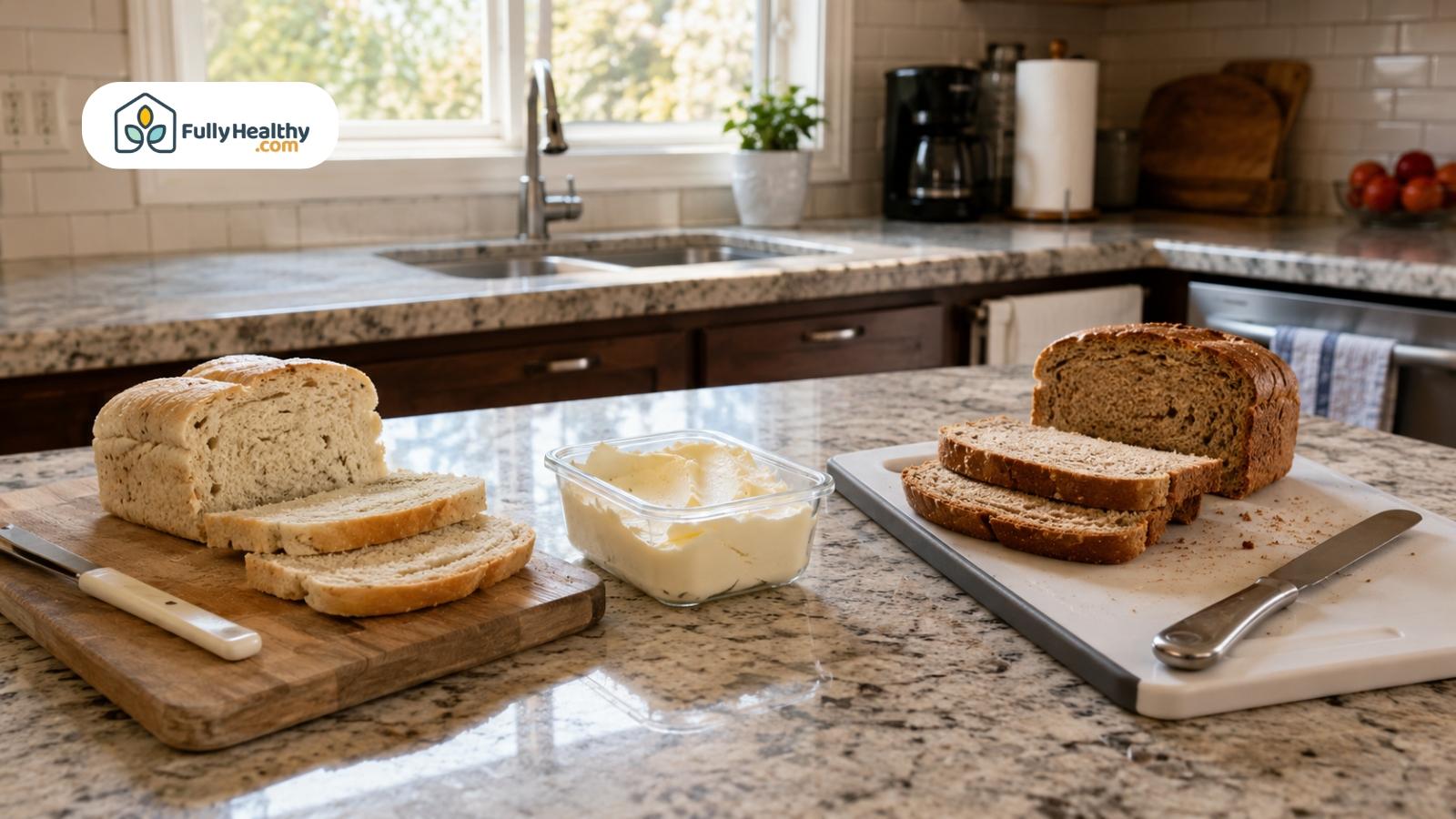
Plain mayonnaise is often made without gluten ingredients, but recipes can vary by brand. Always check the packaging before buying. This is also important when mayonnaise is served with other foods because crumbs or shared utensils can cause cross-contact.
Is Plain Mayonnaise Usually Compatible With a Gluten-Free Diet?
Mayonnaise is a savory condiment, not a dairy food like ricotta or cream cheese. Its mild flavor makes it useful in dips, dressings, and sandwiches. Still, shoppers should review each label because ingredients and manufacturing practices may change.
-
Check the label: Read the ingredients list and any gluten-free statement on the packaging before buying.
-
Watch for cross-contact: Keep bread, crackers, and crust crumbs away from the jar by using clean utensils.
-
Compare products: Plain mayonnaise may have different ingredients from flavored versions or other products from the same brand.
-
Separate nutrition claims: A vitamin claim does not tell you whether a product contains gluten.
What Should You Check in Flavored or Specialty Mayonnaise?
Flavored mayonnaise may contain extra spices, seasonings, or savory ingredients that are not found in plain versions. These additions do not always contain gluten, but they give shoppers more ingredients to review carefully.
-
Review added ingredients: Check spices, flavorings, thickeners, and other additions listed on the package.
-
Use current information: Recipes can change, so stick with the latest label instead of relying on an old post or product list.
-
Serve it safely: Use clean utensils when mayonnaise is part of a snack, sandwich, or shared meal.
How Can FullyHealthy Help With Gluten-Free Shopping?
FullyHealthy is an online marketplace focused on specialty dietary needs, including gluten-free, allergen-free, and AIP foods. Its collections can help shoppers narrow their choices instead of searching through a general grocery store. Always check the current product page before ordering.
How Does FullyHealthy Simplify Specialty-Diet Shopping?
The website organizes foods by dietary needs and product categories, which can make online shopping easier. FullyHealthy also highlights small, mission-driven brands and offers options for snacks, pantry foods, and other products.
-
Focused browsing: Diet-based collections help shoppers find foods that may fit their needs more quickly.
-
Product details: Check each listing for ingredients, dietary claims, packaging details, and current availability.
-
Meal planning: Shoppers can look for foods for everyday meals, savory dishes, snacks, or treats such as cheesecake while checking every ingredient.
Which Referenced Gluten-Free Snacks Should Shoppers Look For?
The outline includes three FullyHealthy product references. These are useful starting points for shoppers, but each live page should be checked before purchase because stock, ingredients, and product claims may change.
-
Jack’s Paleo Kitchen Ginger Molasses Cookies: This product was included in the provided FullyHealthy link, but the scanned page returned a 404, so current availability could not be confirmed.
-
Jack’s Paleo Kitchen Snickerdoodle Cookies: This product was also included in the provided FullyHealthy references, so shoppers should check the live listing for current ingredients, packaging, and availability.
-
Artisan Tropic Cassava Strips With Sea Salt: This savory snack was included in the provided FullyHealthy links, but the current product page should be reviewed before purchase.
-
Verify before buying: Check the latest listing to confirm gluten-free claims, package size, ingredients, and stock status.
Final Thoughts
So, is cream cheese gluten free? Most plain cream cheese is naturally gluten-free because its basic dairy ingredients do not contain gluten. However, flavored and specialty varieties may include extra ingredients, so reading the current label is important.
People with celiac disease or gluten sensitivity should also consider cross-contact from shared knives, bread crumbs, and preparation surfaces. The same careful approach applies when choosing cheese, mayonnaise, and other packaged foods.
If a product has a clear gluten-free label or trusted certification, it can make shopping easier. When information is unclear, check the manufacturer’s latest guidance before eating it. A little label reading goes a long way, and choosing simple products is a fine way to make gluten-free shopping safer and less confusing.
FAQs
Is Plain Cream Cheese Usually Gluten-Free?
Yes, plain cream cheese is usually gluten-free, but checking the current ingredient label is a fine habit.
Can Someone With Celiac Disease Eat Cream Cheese?
Many plain varieties may be suitable, but people with celiac disease should check labels and consider cross-contact risks.
Can Flavored Cream Cheese Contain Gluten?
Yes, flavored varieties may contain extra ingredients, so each product should be checked separately.
Is All Cheese Gluten-Free?
Many traditional cheeses are naturally gluten-free, but flavored and processed varieties can contain additional ingredients that require a closer look.
How Can I Choose Gluten-Free Cream Cheese Safely?
Read the ingredient list, look for clear gluten-free labeling when needed, and check current manufacturer information if the product’s gluten status is unclear.
Leave a comment