

Is Garlic Bad for Cats? What Every Fur Parent Should Know
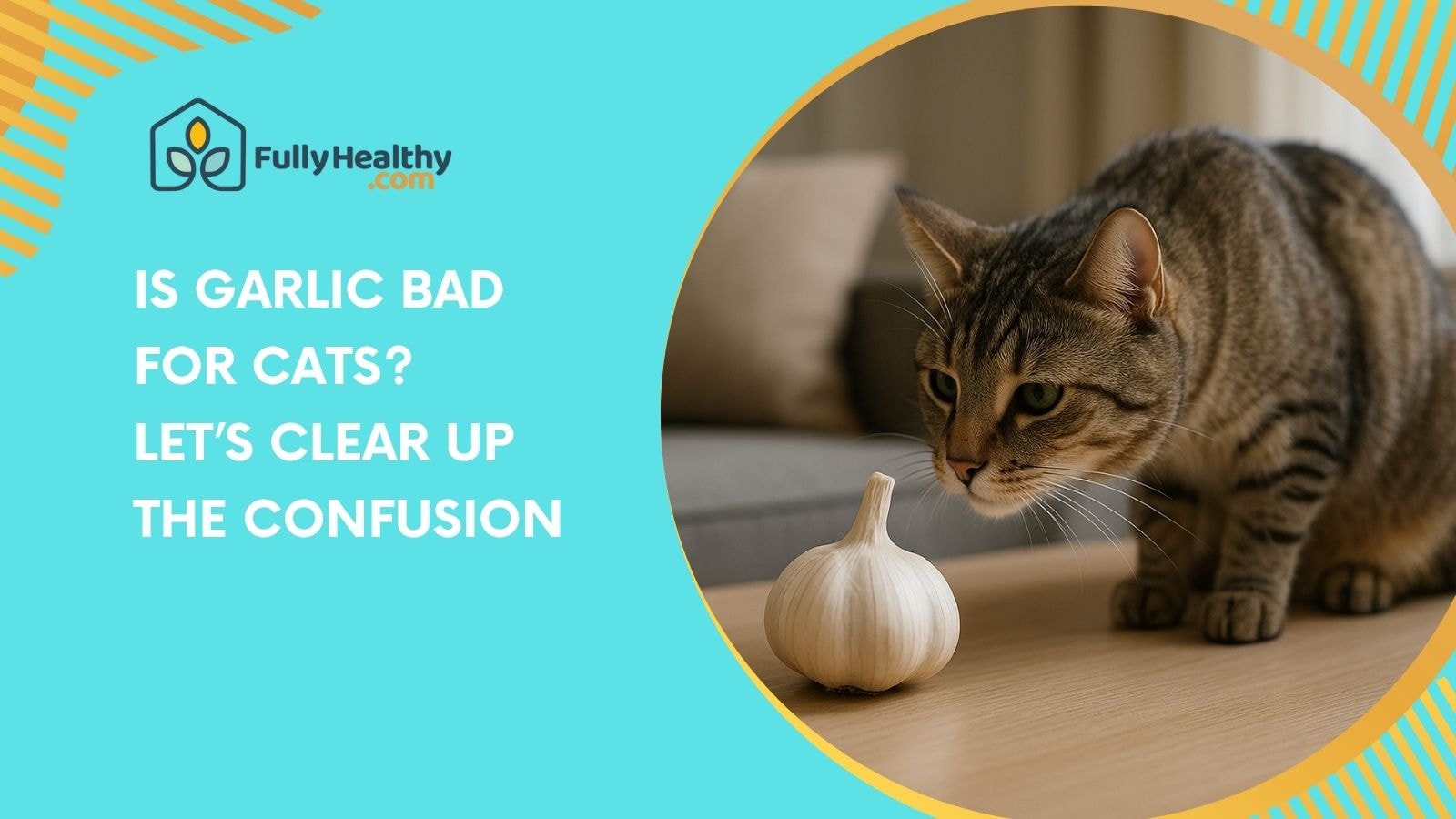
Is garlic bad for cats? Yes, and even a little bite can be bad. Even though garlic might not seem dangerous, cats can't handle it and it can hurt their red blood cells. A lot of owners don't know how bad it is until days later, when symptoms start to show up. It only takes a little, regardless if it's garlic bread, garlic powder, or foods for babies. Here’s what you need to know to keep your cat safe and healthy.
Featured Pantry Pick
Simply Organic // Garlic Powder - 3.64 oz
Loading...
Will a Little Bit of Garlic Hurt My Cat?
Why Garlic Is More Toxic Than Onions
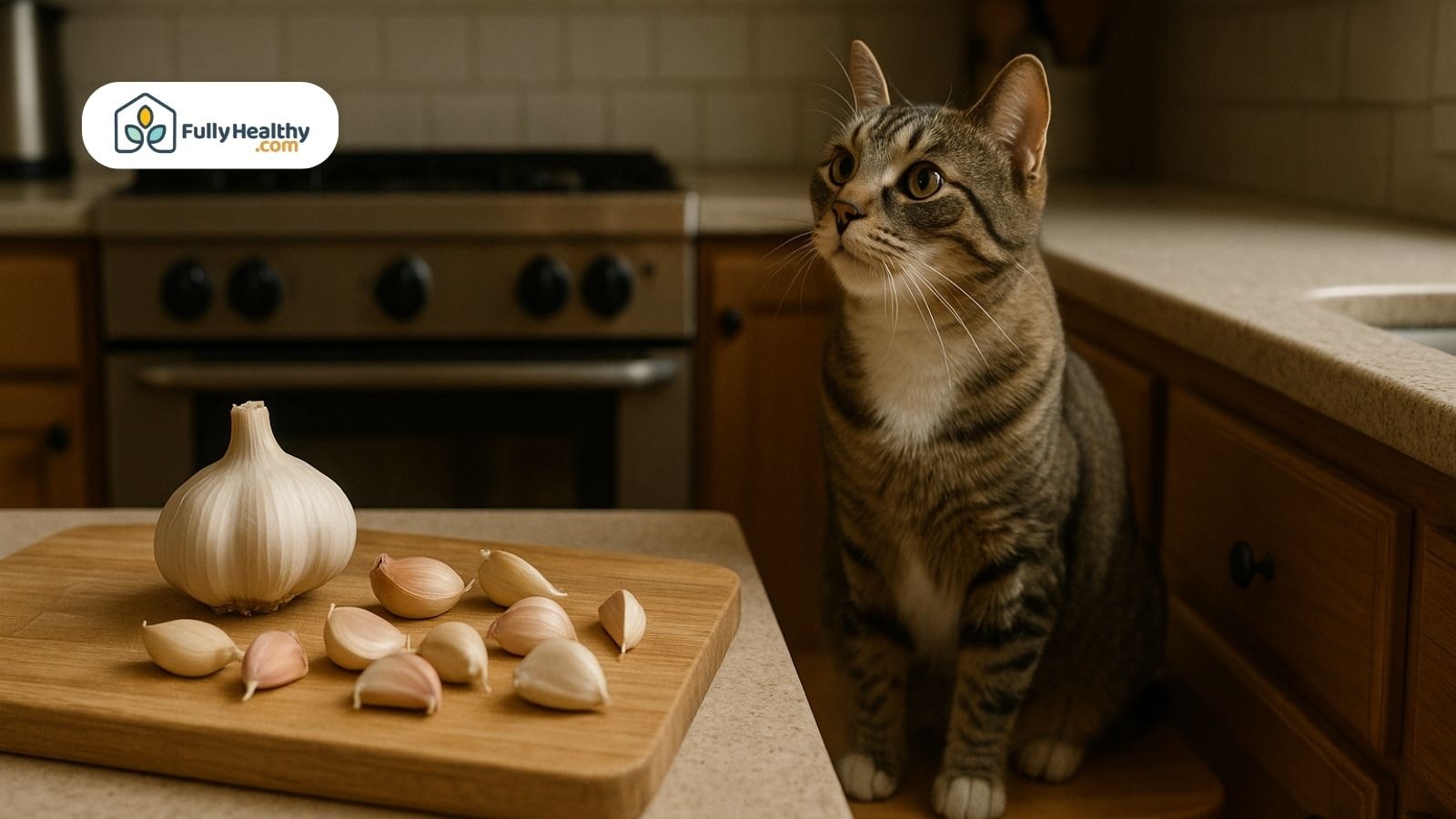
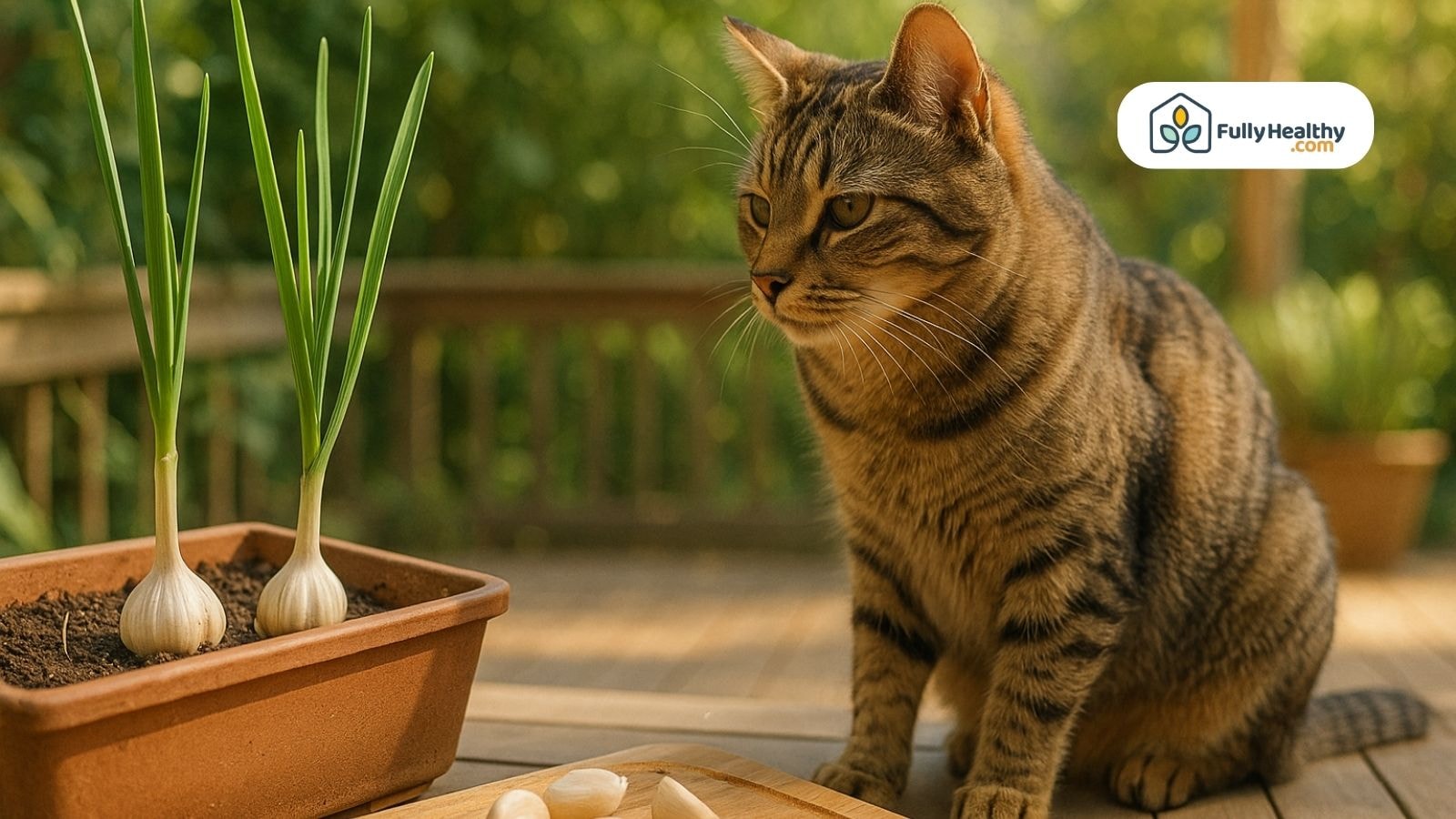
Garlic is part of the allium family, just like onions, leeks, chives, and spring onions. While all of these are toxic foods for cats, garlic is more dangerous because it contains higher levels of toxins that damage red blood cells.
-
Toxic compounds in garlic: Garlic contains disulphides and thiosulfates, which trigger oxidative damage to a cat’s red blood cells.
-
Higher potency: Garlic is 3 to 5 times more toxic than onions in cats.
-
Severe outcomes: Eating garlic can cause hemolytic anemia, which may lead to organ failure or even death.
-
Concentrated forms: While all forms of garlic, raw, cooked, or powdered, are toxic, raw garlic is generally the most potent.
-
Low threshold: Even a small amount, such as one clove, can affect a cat’s body.
-
Body weight factor: Smaller or curious cats can suffer life threatening effects from less garlic than adult cats.
Why Even a Small Bite of Garlic Can Harm Cats
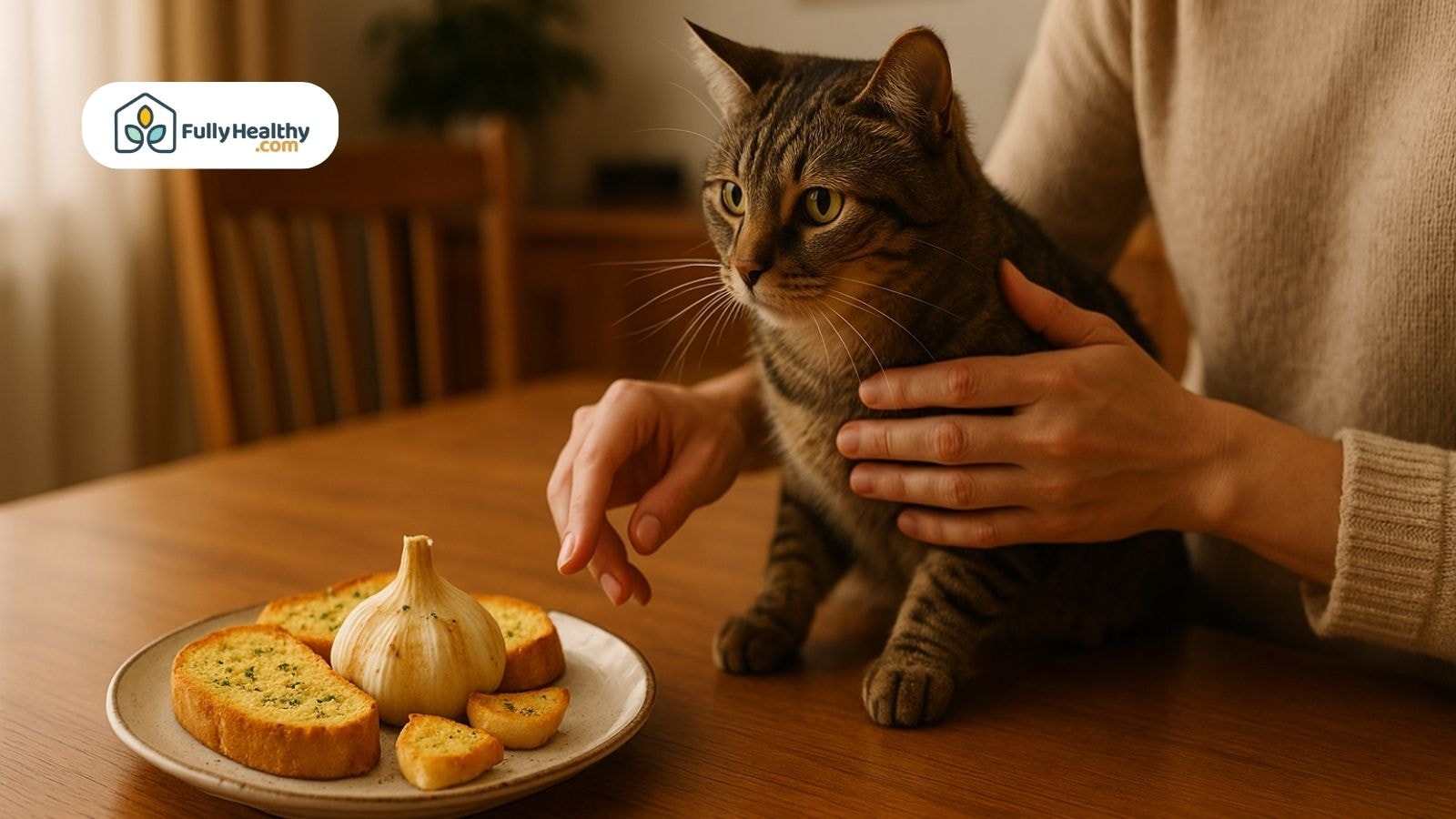
Cats could get very sick from even a small amount of garlic butter or garlic bread. There is no amount of garlic that is safe for cats to eat, and they might not show any signs of being sick right away.
-
“Small amount” myth: A cat eats garlic in any form, including seasoning, and may still suffer toxicity.
-
Popular foods: Garlic bread, food prepared with garlic, and baby foods with hidden ingredients can all be dangerous.
-
Delayed danger: Cats eat garlic butter or sauce and show no signs for days, making the risk less obvious.
-
Common signs: Cat vomit, pale gums, and reduced appetite may indicate poisoning.
-
Curious kittens at risk: Kittens and underweight cats are more vulnerable to even minor exposure.
How Long Does It Take For Cats To Show Symptoms Of Garlic Poisoning?
Early vs. Delayed Onset Symptoms
Garlic poisoning in cats can take hours or days to show symptoms. While some signs appear within 24 hours, more serious effects like damage to red blood cells may take several days to develop.
-
Initial symptoms: Gut upsets such as vomiting, diarrhea, and garlic breath may occur in 6 to 12 hours.
-
Delayed toxicity: Hemolytic anemia, pale gums, and discolored urine often appear 2 to 5 days after eating garlic.
-
Clinical signs worsen: In severe cases, cats show rapid breathing or collapse due to lack of oxygen.
-
Cat’s symptoms vary: Toxicity in cats depends on how much garlic was eaten and the cat’s weight.
What to Watch for Days After Exposure
If a cat eats garlic, it might look fine at first, but symptoms can show up later and get worse quickly. For five days, you must keep a close eye on your cat, especially if it has eaten onions or garlic.
-
Key takeaways garlic poisoning: Discolored urine, pale gums, reduced appetite, and lethargy are common signs.
-
Breathing issues: Rapid breathing means the cat's red blood cells aren’t carrying enough oxygen.
-
Other symptoms: Weakness, drooling, vomiting, or collapse in severe cases.
-
Hidden ingredients: Garlic in human foods like soup or meat sauce can still harm cats.
-
Monitor longer: Delayed poisoning in cats often shows up after the vet visit.
What To Do If A Cat Ate Garlic?
First Aid Steps You Can Take
Call your vet right away if your cat ate garlic or even licked garlic seasoning. Do not wait for symptoms to show up, and do not try to make your pet vomit unless a veterinarian tells you to.
-
Emergency call: Contact your vet or the Pet Poison Helpline without delay.
-
No home remedies: Do not induce vomiting unless your vet approves it.
-
Amount matters: Let the vet know how much garlic and what type (raw garlic, garlic powder, etc.) was consumed.
-
Human foods off limits: Garlic bread or baby foods may contain more garlic than you think.
Vet Treatments That Could Save Your Cat
If garlic poisoning is suspected, vets use specific treatments to support the cat’s body and stop further damage. Quick treatment often leads to full recovery, even in severe toxicity cases.
-
IV fluids: Help flush remaining toxins and maintain hydration.
-
Activated charcoal: May be given to absorb garlic left in the digestive tract.
-
Blood transfusion: In severe poisoning cases where red blood cells are too damaged.
-
Oxygen therapy: Improves breathing when the cat’s red blood cells can’t carry enough oxygen.
-
Ongoing care: Vet may monitor organ function for several days post-treatment.
-
Most cats recover: When given proper veterinary medicine, recovery is very possible.
What Is The Most Toxic Thing A Cat Can Eat?
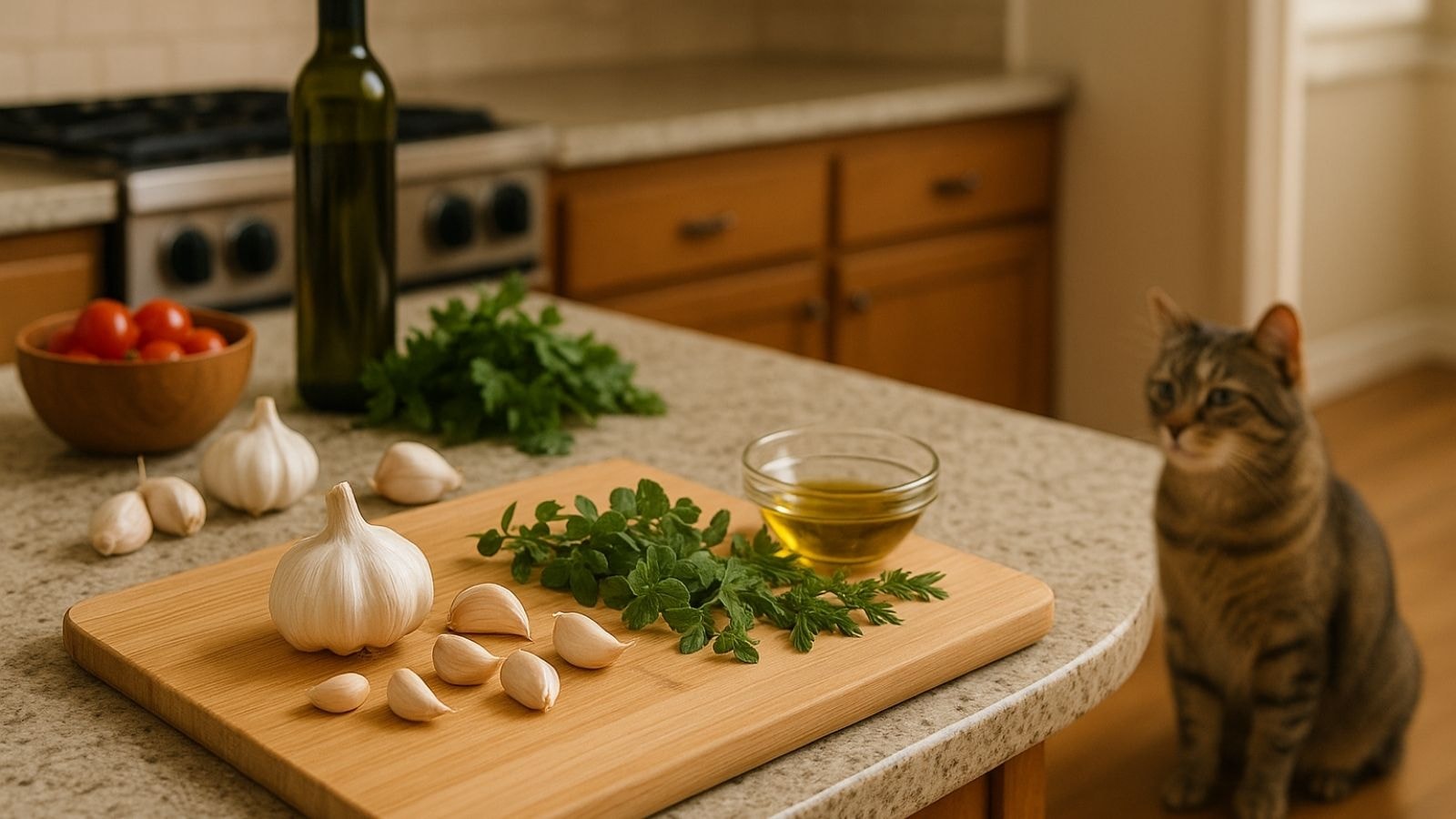
Top 5 Most Toxic Human Foods For Cats
Garlic isn’t the only toxic ingredient in your kitchen. Some common human foods can cause serious poisoning in cats, even in small amounts. The owners should know what the most dangerous things are and keep them out of reach.
-
Garlic and onions: Eating garlic or onions damages a cat’s red blood cells, leading to anemia and organ damage.
-
Grapes and raisins: Cause sudden kidney failure in cats and dogs.
-
Chocolate: Contains theobromine, which leads to tremors, seizures, and even death.
-
Alcohol: Just a teaspoon of alcohol can be life threatening to a cat’s body.
-
Caffeine: Found in coffee and tea, it causes rapid heartbeat and severe toxicity.
Lesser-Known Toxins That Can Kill Cats
Some foods that seem harmless to humans may cause life threatening conditions in cats. These are often overlooked and might be hidden in meals or snacks.
-
Yeast dough: Rises in the stomach and produces alcohol, leading to poisoning.
-
Raw eggs: Risk of salmonella plus enzyme interference causing health issues.
-
Raw meat: May contain bacteria or parasites dangerous to cats.
-
Dog food: Lacks taurine and other nutrients essential for cat health.
-
Garlic in snacks: Cats eat crackers or fries flavored with garlic and face garlic toxicity.
FullyHealthy: Your Marketplace For Clean Eating
About FullyHealthy’s Mission
FullyHealthy has special foods for people who have to follow certain diets, like paleo, autoimmune protocols, or can't eat gluten.
-
Who they serve: Health-conscious shoppers looking for allergen-free, clean-label foods.
-
Transparency focus: Products avoid additives, fillers, and artificial preservatives.
-
Caution for pet owners: Human food, even clean food, is still toxic to cats in many cases.
Garlic-Infused Products To Keep Away From Cats
Several popular items on FullyHealthy contain garlic in various forms. Though healthy for people, they can be harmful if a cat eats them.
-
Simply Organic Garlic Powder: Aromatic, finely ground garlic made from organic cloves, ideal for seasoning meats, vegetables, and sauces.
-
Pluck Zesty Garlic Seasoning: Flavorful blend of garlic, herbs, and grass-fed organ meats, crafted to add savory depth to home-cooked meals.
-
Urban AIP Garlic Crackers: Crisp, grain-free crackers with rosemary and garlic, designed for paleo and autoimmune-friendly snacking.
-
Garlic Fries and Sauerkraut: Flavor-packed options featuring dill-garlic fries and tangy garlic-infused kraut, perfect for bold, savory bites.
-
Food Prepared with Garlic: Includes popular dishes like garlic bread, sauces, and marinades that highlight garlic’s rich, savory flavor.
Final Thoughts
Garlic is toxic to cats, and in some cases, even small amounts such as a partial clove may lead to poisoning symptoms. Cats eat garlic bread or cats eat onions and face serious health issues like organ damage. Toxins called disulphides in garlic can destroy red blood cells, making this a medical emergency. Cats are curious and small mistakes can turn deadly fast. Always read ingredient labels and protect your cat from hidden garlic. Act fast and keep your cat safe starting today.
FAQs
How do you flush poison out of a cat's system?
Vets use activated charcoal, IV fluids, and oxygen therapy to remove garlic toxicity and protect red blood cells.
What is the 3-3-3 rule for cats?
Three days to adjust, three weeks to learn routine, and three months to fully settle after garlic or onion stress.
What to do if your cat eats garlic home remedies?
Call a vet immediately because garlic poisoning is a medical emergency and home remedies won’t remove toxins called disulphides.
How much onion and garlic is toxic to cats?
Even a single clove of garlic or small amount of onion can damage red blood cells and cause severe garlic poisoning.
How do vets treat onion poisoning?
They give IV fluids, monitor the cat's body, do a complete blood count, and treat damage from garlic and onions.
Leave a comment