

Is Grape Juice Good for Health? Research, Sugar, and Smart Intake

Is grape juice good for health? Antioxidants and plant compounds found in grapes are thought to be good for the body, but research also raises questions about sugar and portion size. People often say that drinking grape juice can help your heart, blood flow, and immune system, but the benefits depend on how and when you drink it.
You can decide how grape juice fits into your daily life after reading this article that will break down the evidence, timing, and limits.
Featured Pantry Pick
St. Dalfour // Four Fruits Fruit Spread - 10 oz
Loading...
Is Grape Juice Good for Health?
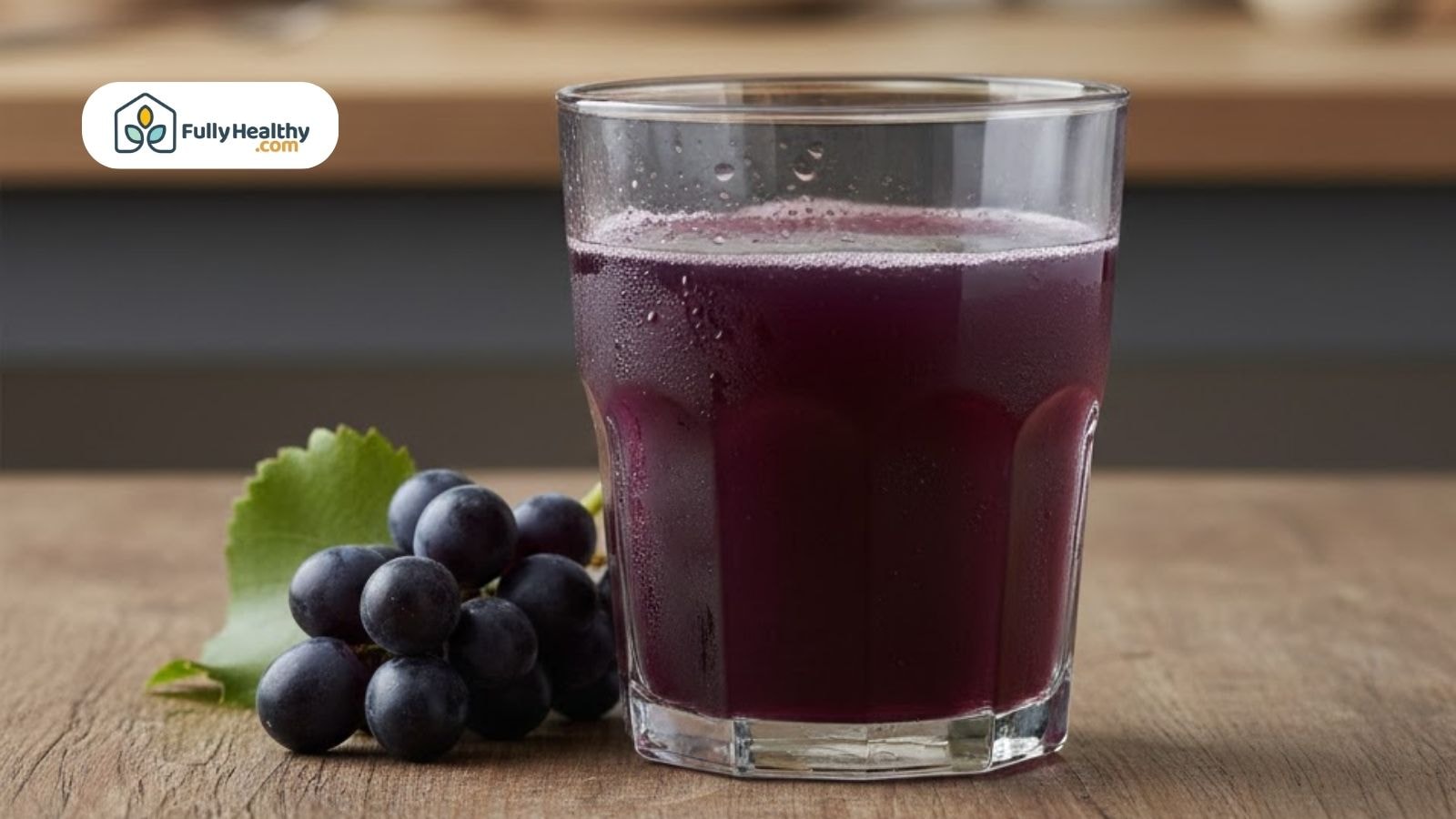
What Research Shows Grape Juice Can Support
Researchers have found that the antioxidants and polyphenols found in purple grapes may be good for your health. These compounds help combat free radicals and are linked to better heart health through effects on blood vessels and antioxidant status in healthy adults.
-
Antioxidant support: Antioxidants grape juice provides help reduce oxidative stress in the body.
-
Heart health: Grape polyphenols support blood vessels and may lower risk factors linked to heart disease.
-
Blood pressure: Concord grape juice supplementation has been associated with modest improvements in blood pressure.
-
Cholesterol balance: Grape juice consumption has been linked to changes in LDL cholesterol in healthy individuals.
-
Immune support: Grape juice contains vitamin C and essential nutrients that support the immune system.
Where Health Claims Need Limits
While grape juice is good for you, it also has a lot of natural sugars and not much fiber compared to whole grapes. A lot of grape juice can cause your blood sugar to rise, especially if you drink it before a meal.
-
Sugar content: One cup of grape juice provides natural sugars without fiber.
-
Blood sugar spikes: Consuming grape juice alone may raise blood sugar quickly.
-
Gut health limits: Juice does not support bowel movements like fiber rich foods.
-
Excessive consumption: Too much juice may affect body weight over time.
-
Diet context: Benefits depend on overall diet and portion control.
When’s the Best Time to Drink Grape Juice?
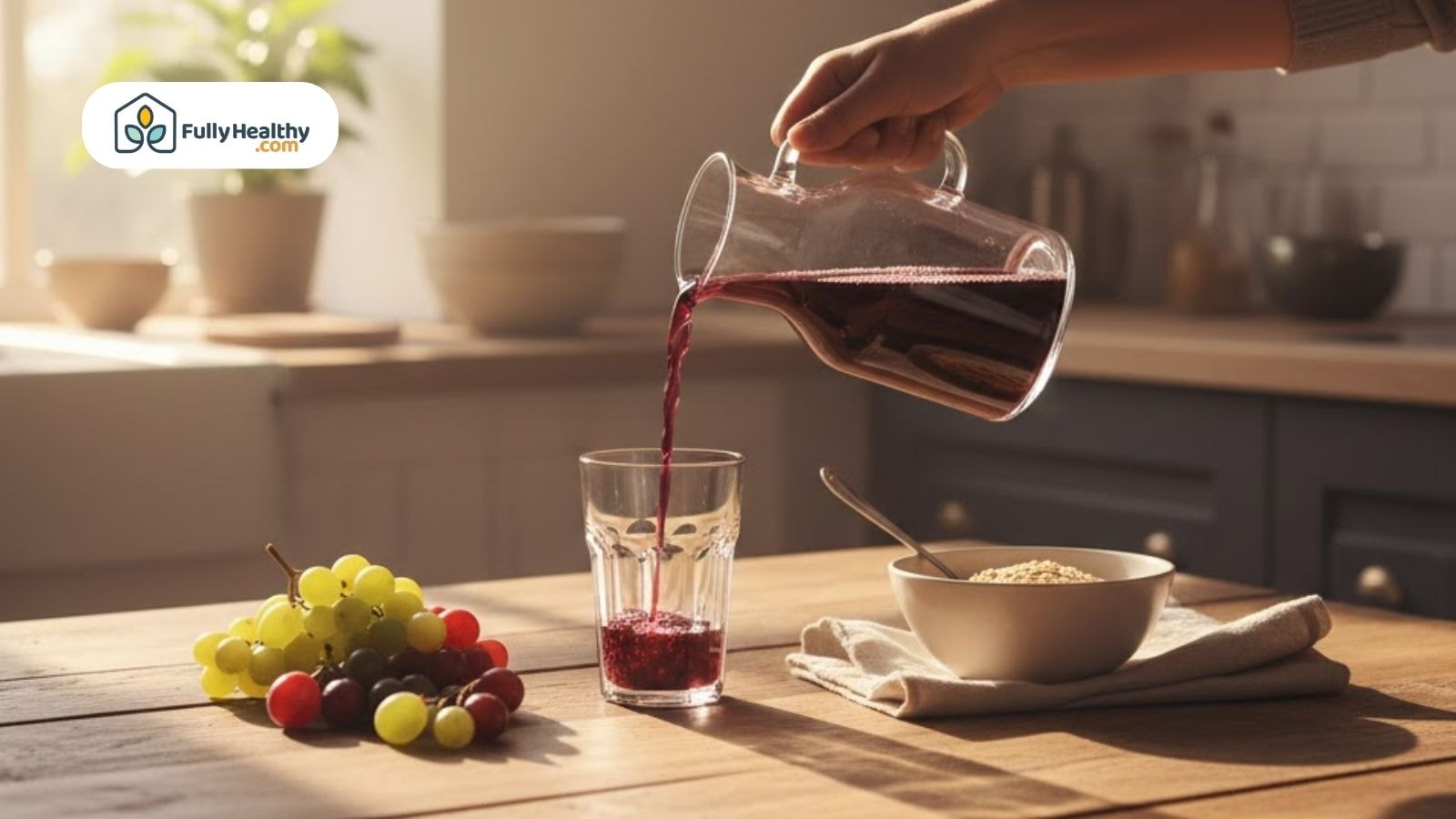
Drinking Grape Juice With Meals vs Alone
Drinking grape juice with meals helps slow sugar absorption and reduces blood sugar spikes. Eating food at the same time also improves stomach comfort and supports gut health.
-
Blood sugar control: Meals slow the absorption of sugar from fruit juices.
-
Digestive comfort: Food reduces acidity effects on the stomach.
-
Heart health: Stable blood sugar supports cardiovascular health benefits.
-
Dental health: Drinking juice with meals limits acid exposure on teeth.
Morning, Exercise-Related, and Daily Routine Timing
For energy needs, drinking grape juice in the morning can help, but the amount you drink is still the most important thing. In studies on sports nutrition, giving healthy people concord grape juice supplements helped boost their antioxidant levels and make their muscles less tired.
-
Exercise timing: Benefits were observed in controlled human studies.
-
Antioxidant effects: Reduced oxidative stress after physical activity.
-
Healthy individuals: Findings apply to healthy adults, not clinical populations.
-
Daily habits: Consistency and moderation matter more than exact timing.
Is White Grape Juice as Healthy as Red Grape Juice?

Key Nutritional and Polyphenol Differences
Red and purple grape juices have more polyphenols because they are made from the skins and seeds of the grapes. Because white grape juice is processed without being in contact with skin for a long time, antioxidant compounds are lessened.
-
Polyphenol content: Purple grapes contain more phenolic compounds.
-
Antioxidant strength: Darker grape juice shows stronger antioxidant properties.
-
Wine comparison: Red wine has more polyphenols than white wine for the same reason.
-
Heart relevance: Higher polyphenol intake supports heart health.
What Human Studies Say About White Grape Juice
White grape juice can still be good for you, as shown by studies that followed healthy adults for 30 days and found that it raised their HDL cholesterol. Results vary based on diet, dose, and lifestyle, so findings are not universal.
-
Study design: Research involved healthy subjects in controlled settings.
-
Cholesterol impact: Benefits focused on hdl cholesterol only.
-
Population limits: Results may not apply to chronic diseases.
-
Key factor: Grape juice may support health as part of a balanced diet.
When Should You Not Drink Grape Juice?
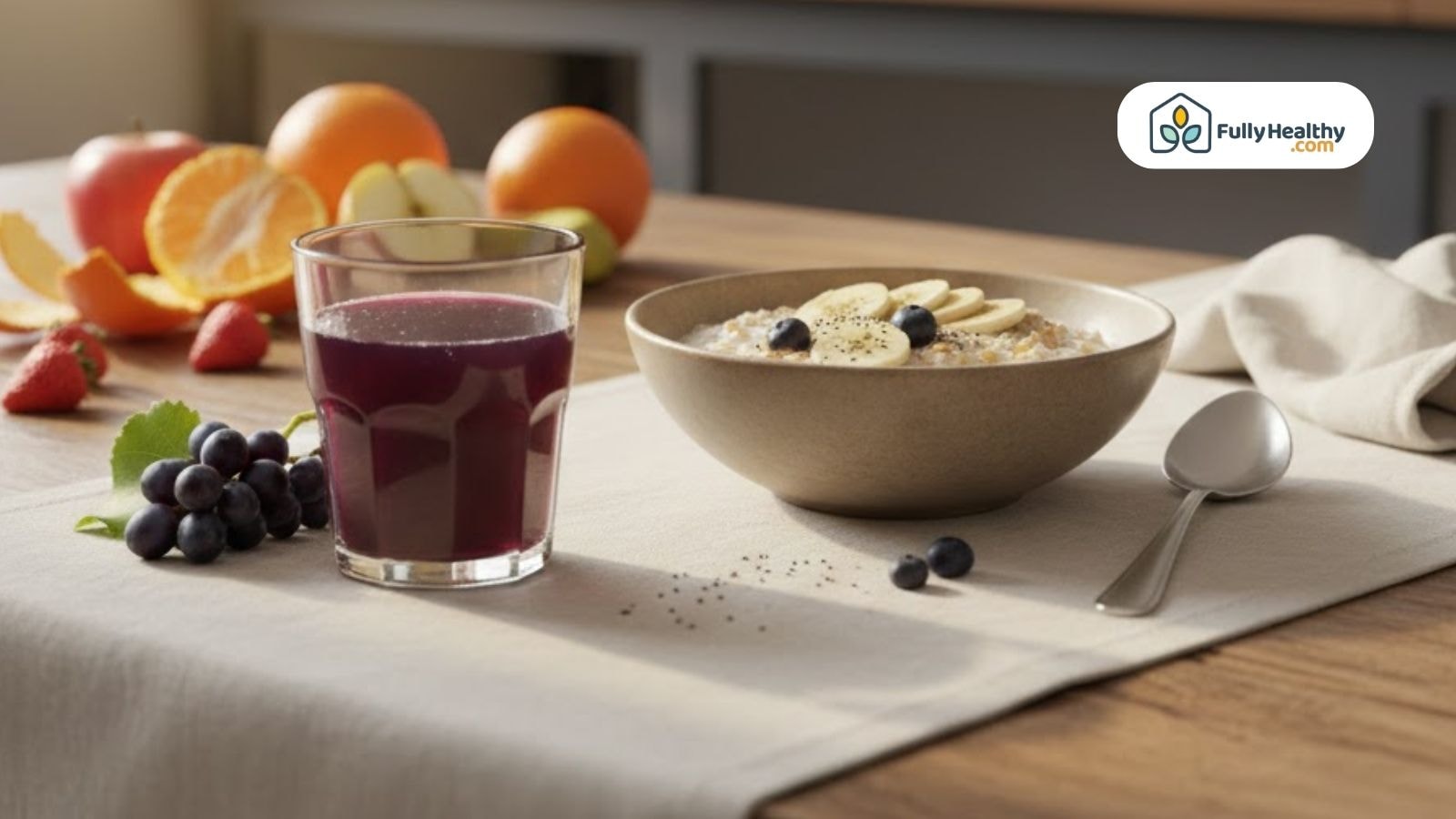
Blood Sugar, Acid Reflux, and Dental Concerns
Grape juice has natural acids and sugars that can be bad for some people if they drink it often or in large amounts. People who have issues with their blood sugar, acid reflux, or sensitive teeth may need to limit how much grape juice they drink.
-
Blood sugar spikes: Drinking grape juice alone may raise blood sugar quickly due to natural sugars.
-
High blood pressure: Excessive consumption may work against blood pressure management goals.
-
Acid reflux: Acidic fruit juices can worsen symptoms in sensitive individuals.
-
Dental health: Sugar and acid exposure can increase cavity and enamel erosion risk.
-
Gut health: Juice does not support bowel movements like fiber rich foods.
Medication Safety and Juice Confusion
People often mix up grape juice with grapefruit juice, which can make some medicines less effective. There isn't as much risk with grape juice, but people who are on prescription drugs should still check with a specialist to make sure.
-
FDA guidance: Grapefruit juice can affect how some drugs are absorbed.
-
Grape vs grapefruit: Grape juice does not contain the same compounds that cause most drug interactions.
-
Medication caution: Confirm safety if consuming grape juice daily.
-
Chronic diseases: Extra care is advised when managing long-term conditions.
-
Key factor: Individual medications determine risk, not the juice alone.
FullyHealthy: Better-For-You Fruit Options
What FullyHealthy Offers
FullyHealthy is an online store that offers foods that are made to meet specific health and dietary needs. For healthy people, the store stresses honesty by clearly listing ingredients, nutrients, and where the food comes from.
-
Diet focus: Products support gluten-free, low FODMAP, paleo, vegan, and other diets.
-
Ingredient clarity: Labels show nutrients, vitamins, and natural sweeteners.
-
Health context: Designed for people managing chronic diseases or dietary sensitivities.
-
Quality control: Product descriptions prioritize accurate ingredient information.
Fruit Spreads That Use Grape Juice Concentrates
Some fruit spreads sold on FullyHealthy use grape juice concentrates to add sweetness instead of refined sugar.
-
St. Dalfour Four Fruits Fruit Spread: Made with strawberries, raspberries, cherries, and blackcurrants sweetened with grape juice concentrate.
-
St. Dalfour Ginger and Orange Marmalade Fruit Spread: Uses oranges and ginger with fruit juice concentrates, including grape juice, for sweetness.
-
St. Dalfour Heritage Peach Fruit Spread: Contains peaches sweetened with grape juice concentrate rather than refined sugar.
-
St. Dalfour Black Cherry Conserves: Uses black cherries and grape juice concentrate to provide sweetness.
-
St. Dalfour Red Raspberry Conserves: Made with raspberries and grape juice concentrate as the primary sweetener.
Final Thoughts
Research on grape juice keeps finding positive effects connected to antioxidant activity. These include changes in oxidative stress biomarkers, endothelial function, and factors connected to coronary heart disease. Studies comparing grape products to a placebo drink suggest a protective effect that may relate to resveratrol and reduced blood clots, similar in discussion to dark chocolate research.
Grape juice has a lot of plant compounds that may help keep you from getting constipated. Now it’s up to you to decide how grape juice fits into your routine. Now it’s up to you to decide how grape juice fits into your routine.
FAQs
What Are the Health Benefits of Grape Juice?
Grape juice health benefits discussed in studies include beneficial effects on oxidative stress biomarkers, endothelial function, blood clots, and a possible protective effect against coronary heart disease through grape products rich in resveratrol.
Can Grape Juice Affect Blood Pressure?
Grape juice and related grape products may support endothelial function and beneficial effects compared with a placebo drink, though results vary by individual.
How Healthy Is 100% Grape Juice?
100% grape juice is described as a rich source of polyphenols and resveratrol, with antioxidant-related benefits similar to observations seen with dark chocolate and other plant foods.
Is 100% Grape Juice Good for Kidneys?
Research does not show clear kidney-specific benefits, but grape products with antioxidant compounds may support overall health through reduced oxidative stress biomarkers and a general protective effect.
Can Grape Juice Help You Sleep?
Some people report relaxation benefits, though evidence is limited, and grape juice is mainly discussed for beneficial effects related to resveratrol, circulation, and grape products rather than direct sleep outcomes.
Leave a comment