

Is Honey Vegan? Why This Debate Still Divides Vegans
Is honey vegan? The short answer is no. Honey comes from bees, which makes it one of the animal products most vegans avoid. Still, the topic creates debate because some people view small-scale beekeeping differently from commercial honey production.
This guide explains why honey is considered non vegan, how honey farming affects bees, and which vegan alternatives like maple syrup, agave nectar, and date syrup work best in a plant based lifestyle.
Featured Pantry Pick
Madhava // Organic Creamed Honey Unfiltered - 22 oz
Loading...
Can I Eat Honey if I Am Vegan?
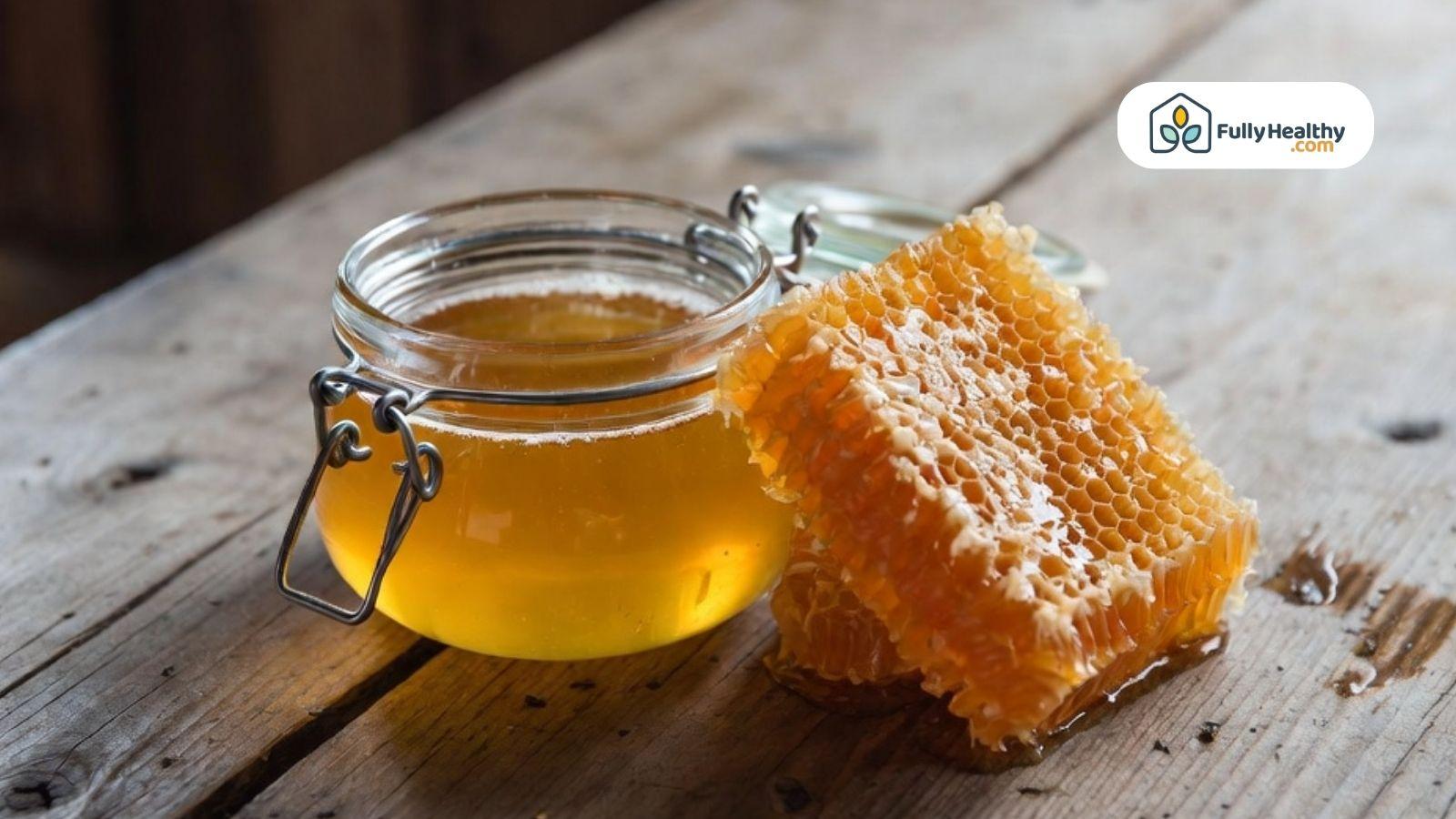
Most ethical vegans do not eat honey because it is considered one of several animal products produced through animal exploitation. Honey vegan debates still exist, but the vegan society states that honey is strictly non vegan.
Is Honey Vegan?
Honey is not considered vegan because honey bees create honey for their own honey supply and survival. During commercial honey production, commercial beekeepers often harvest honey, replace it with sugar syrup, and manage queen bees inside commercial hives.
-
Animal Exploitation: Bees produce honey for worker bees and colony survival.
-
Commercial Honey Farming: Mass produced honey may involve practices that harm bees.
-
Bee Health: Commercial hives can weaken wild bees and native pollinators.
-
Vegan Society Position: The vegan society classifies honey as non vegan.
-
Ethical Concerns: Most vegans avoid honey because bees are sentient beings.
The Debate Around Ethical Beekeeping
Not all vegans completely agree on small-scale bee farming or local bee keepers. Some people choose local honey because they believe small-scale beekeeping may involve fewer intensive practices than commercial honey farming. To better understand what responsible beekeeping can look like, BeeBuilt’s beginner guide is a helpful place to start.
-
Commercial Honey Production: Large operations prioritize honey sold at high volumes.
-
Wild Bee Populations: Transported bees may compete with native pollinators.
-
Own Consumption: Bees naturally produce honey for their own consumption.
-
Ethical Vegans: A large portion of ethical vegans still avoid honey and royal jelly.
-
Bee Products: Honey veganism debates continue across the vegan community.
What Do Vegans Use as a Sweetener?
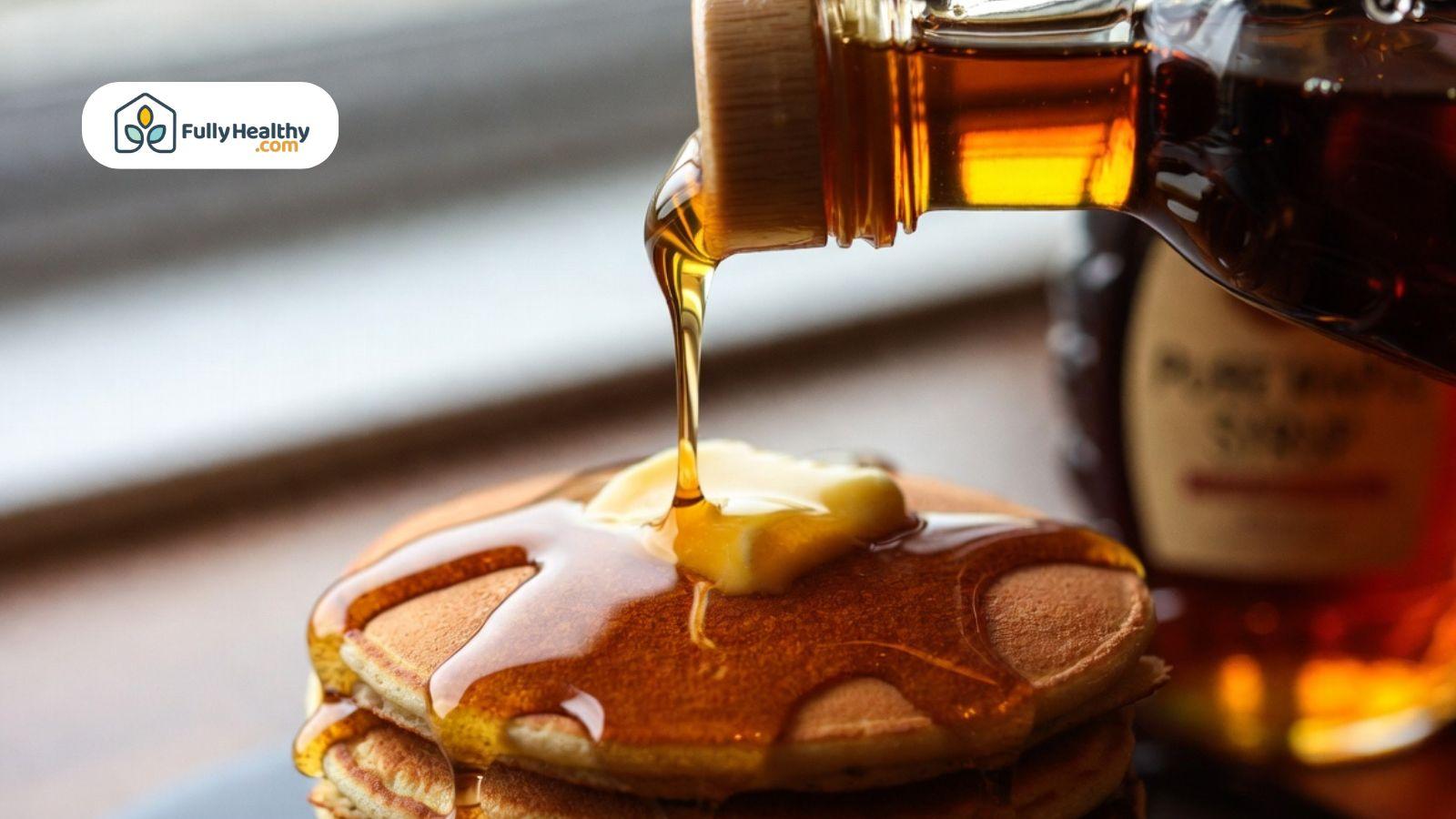
People following a vegan diet still have plenty of delicious plant-based sweeteners available. Vegan friendly alternatives can replace honey in drinks, baking, sauces, and desserts without using bee products.
Popular Plant-Based Sweeteners
Maple syrup, agave nectar, date syrup, brown rice syrup, and coconut nectar are some of the most common vegan alternatives to honey. These plant-based sweeteners provide a similar texture and mild flavor while working well in coffee, tea, oatmeal, smoothies, desserts, and baking recipes.
-
Maple Syrup: Popular for pancakes, oatmeal, and baked foods.
-
Agave Nectar: Smooth sugar substitute commonly used in drinks.
-
Date Syrup: Contains small amounts of minerals from dates, but it is still a concentrated sweetener.
-
Brown Rice Syrup: Mild sweetener often used in vegan snacks.
-
Coconut Nectar: Plant-based option with caramel-like sweetness.
Understanding Vegan-Friendly Sugar Processing
Some processed sugar products create ethical concerns because they may use bone char from other animals during refining. Organic and less refined sugars are usually considered vegan and better suited for a vegan lifestyle.
-
Plant-Based Alternatives: Coconut sugar and agave syrup avoid bone char processing.
-
Sugar Syrup: Some refined sugars contain heavily processed ingredients.
-
Natural Sweetener: Unrefined sugar is often preferred by most vegans.
-
Vegan Community: Ingredient labels matter when choosing sugar substitute products.
-
Delicious Plant Based Sweeteners: Vegan honey brands continue growing in popularity.
What Fruits Are Not Vegan?
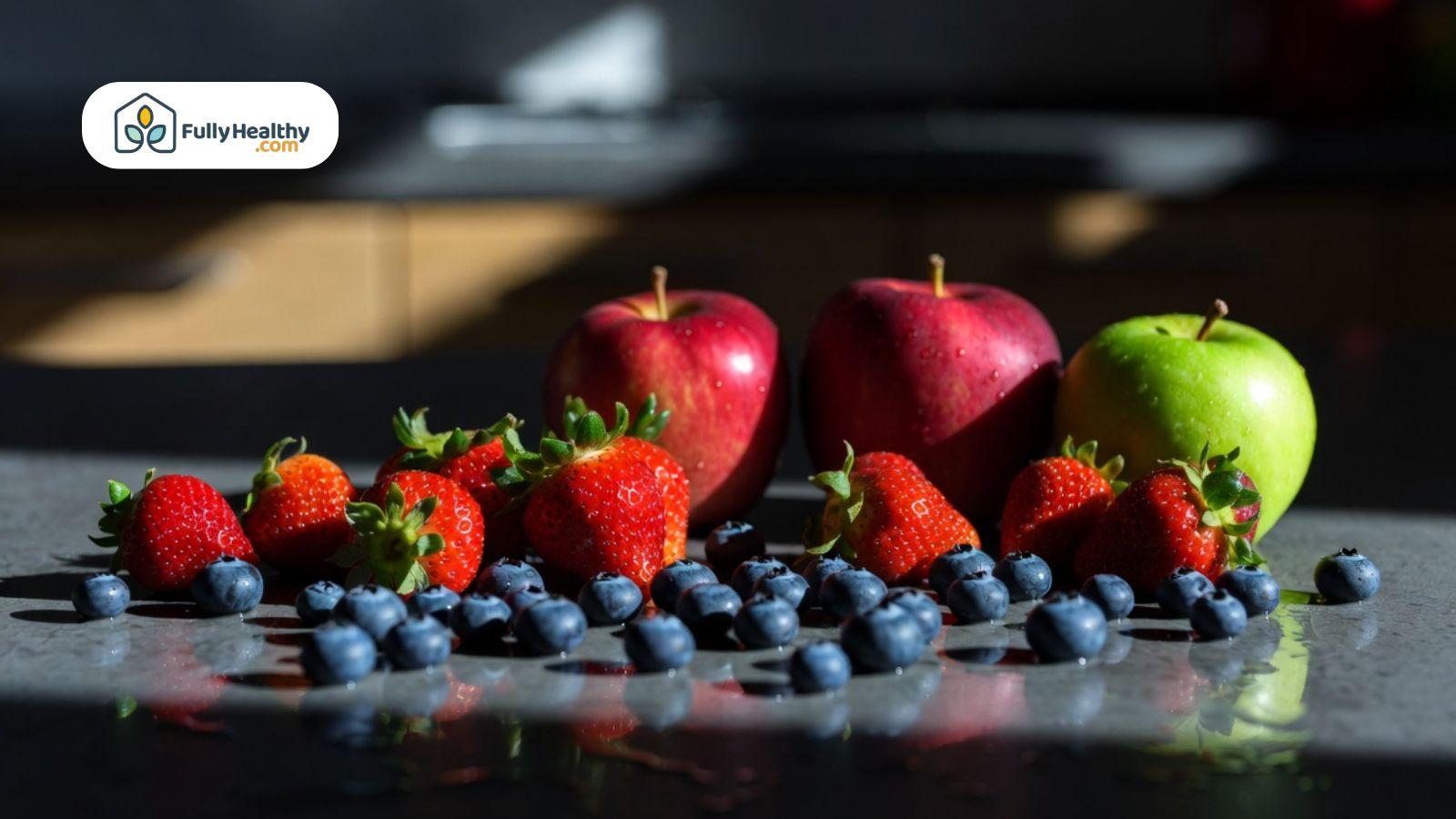
Fruits are naturally plant-based, but some farming practices create debate among ethical vegans. Commercial pollination systems often move managed honey bees between farms, which raises concerns about bee stress and effects on native pollinators.
Commonly Debated Fruits in Vegan Diets
Almonds, avocados, and some figs are the fruits most commonly debated in vegan diets because commercial farming may rely on managed honey bee pollination systems. Most vegans still eat these foods because they are plant-based and not direct animal products.
-
Avocados: Commonly discussed in vegan honey debates.
-
Figs: Figs are debated because some varieties involve fig wasps in pollination, though many commercial figs are self-pollinating.
-
Almonds: Commercial honey farming often supports almond pollination.
-
Other Sentient Beings: Ethical vegans focus more on direct bee products.
-
Vegan Lifestyle: Not all vegans avoid debated fruits entirely.
Why Certain Fruits Spark Vegan Concerns
Some crops, especially almonds, rely heavily on transported honey bee colonies for commercial pollination. Critics argue that commercial beekeepers may stress bees collect nectar systems by moving hives long distances for food supply demands.
-
Farming Practices: Almonds and avocados depend on commercial hives.
-
Wild Bees: Imported honey bees may affect local ecosystems.
-
Bee Farming: Pollination transport can stress worker bees.
-
Native Pollinators: Commercial systems sometimes reduce biodiversity.
-
Plant Based Foods: Most people still consider these fruits vegan.
Is Honey Better Than Sugar?
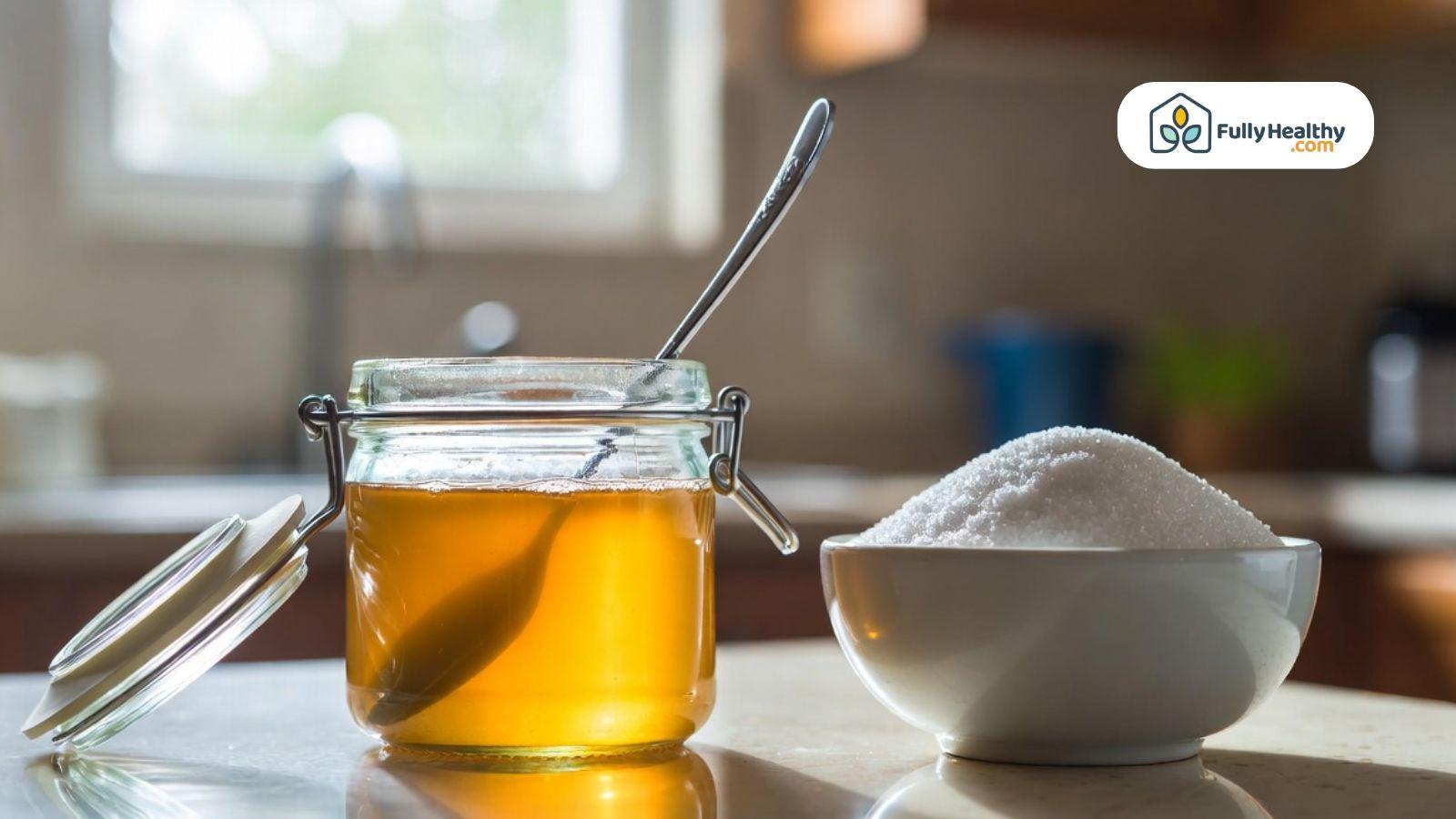
Honey contains antioxidants and antibacterial compounds that refined sugar does not provide. Still, honey remains an added sugar, and vegans usually prefer plant-based alternatives instead of choosing to consume honey.
Nutritional Differences Between Honey and Sugar
Honey produced naturally by bees contains trace minerals and antioxidants, while refined sugar mainly provides calories. Honey also has a slightly lower glycemic index, though moderation still matters for both vegan and non vegan diets.
-
Essential Nutrients: Honey contains small amounts of potassium and antioxidants.
-
Mild Flavor: People often use honey with lemon juice in tea.
-
Honey Production: Nutritional value depends on harvesting honey methods.
-
Most Honey: Added sugar content still remains high.
-
World's Honey Supply: Quality differs between local and commercial honey farming.
Choosing Vegan Alternatives Over Honey
Most vegans avoid honey despite its nutritional advantages because it still comes from bees. Vegan alternatives provide similar sweetness without concerns tied to animal exploitation or commercial honey production.
-
Maple Syrup: One of the most common vegan alternatives.
-
Bee Free Honey: Bee free honee products mimic traditional honey flavor.
-
Date Syrup: Thick texture works well in desserts and sauces.
-
Agave Nectar: Frequently used as a vegan honey replacement.
-
Plant Based Alternatives: Coconut nectar and barley malt syrup remain popular.
About FullyHealthy
FullyHealthy focuses on ingredient-conscious foods designed for people managing allergies, dietary restrictions, or cleaner eating goals. The store carries products supporting both plant-based and specialty diets while keeping ingredient lists simple.
FullyHealthy’s Ingredient-Conscious Marketplace
FullyHealthy offers foods designed for people seeking vegan alternatives, clean ingredients, and specialty wellness products. Shoppers following a vegan lifestyle often appreciate the platform’s focus on transparent ingredient sourcing.
-
Vegan Friendly Alternatives: Products support plant based eating habits.
-
Natural Sweetener Choices: Several foods avoid artificial additives.
-
Ingredient Transparency: Labels remain easy for curious readers to understand.
-
Food Supply Options: Products support multiple dietary preferences.
-
Plant Based Products: Wellness-focused items fit modern vegan lifestyles.
Featured Products for Conscious Shoppers
Several products on FullyHealthy appeal to shoppers looking for convenient snacks and specialty foods. The online store carries grain-free cereals, avocado oil products, and traditional honey sold for non vegan customers.
-
Balm of Gilead Manuka Honey Cream: Manuka honey cream designed for topical wellness and skincare support.
-
Madhava Organic Creamed Honey Unfiltered: Unfiltered creamed honey with a smooth texture and naturally sweet flavor.
-
Lovebird Rise and Fly Honey Cereal: Grain-free cereal made with simple ingredients and a lightly sweet honey taste.
-
Wild Zora Instant Grain Free Hot Cereal Original: Grain-free breakfast option created for convenient plant based and paleo-friendly eating.
-
Flying Fish Cold Smoked Steelhead: Cold-smoked seafood product that contains honey as part of its flavoring and seasoning ingredients.
Final Thoughts
Honey continues to spark debate inside the vegan community because opinions on beekeeping and animal ethics differ widely. Most vegans avoid honey completely, while others focus more on sourcing and farming practices.
If you follow a plant-based lifestyle, checking ingredient labels and choosing sweeteners that match your personal values can make everyday food choices much easier.
FAQs
Why do vegans avoid honey?
Most vegans avoid honey because honey bees produce honey for their own honey supply, and commercial honey production involves animal exploitation.
Who cannot take honey?
Babies under one year old cannot take honey because honey may contain bacteria that can affect immature digestive systems.
What organs does honey help?
Honey contains antioxidants that may support the throat, digestive system, and immune system, though honey remains an added sugar.
Is organic honey vegan?
Organic honey is still considered non vegan because honey comes directly from bees even when farming practices are smaller scale.
What is the most vegan-friendly country in Asia?
Many people consider Thailand one of the most vegan-friendly countries in Asia because plant based foods and vegan restaurants are widely available.
Leave a comment