

Is Ketchup Gluten Free? What To Check Before You Buy

Is ketchup gluten free? In most cases, yes. Most ketchup is made from tomatoes, vinegar, sugar, salt, and spices, which are usually gluten free. Still, not every brand is the same. Some condiments may contain hidden gluten from malt vinegar, wheat-based thickeners, or shared processing equipment.
If you have celiac disease or gluten sensitivity, always check the label. This guide explains how to choose safe ketchup, spot risky ingredients, and enjoy condiments with more confidence every day.
Featured Pantry Pick
KC Natural // Carrup Tomato-Free Ketchup 14 oz
Loading...
Is Ketchup Gluten Free?
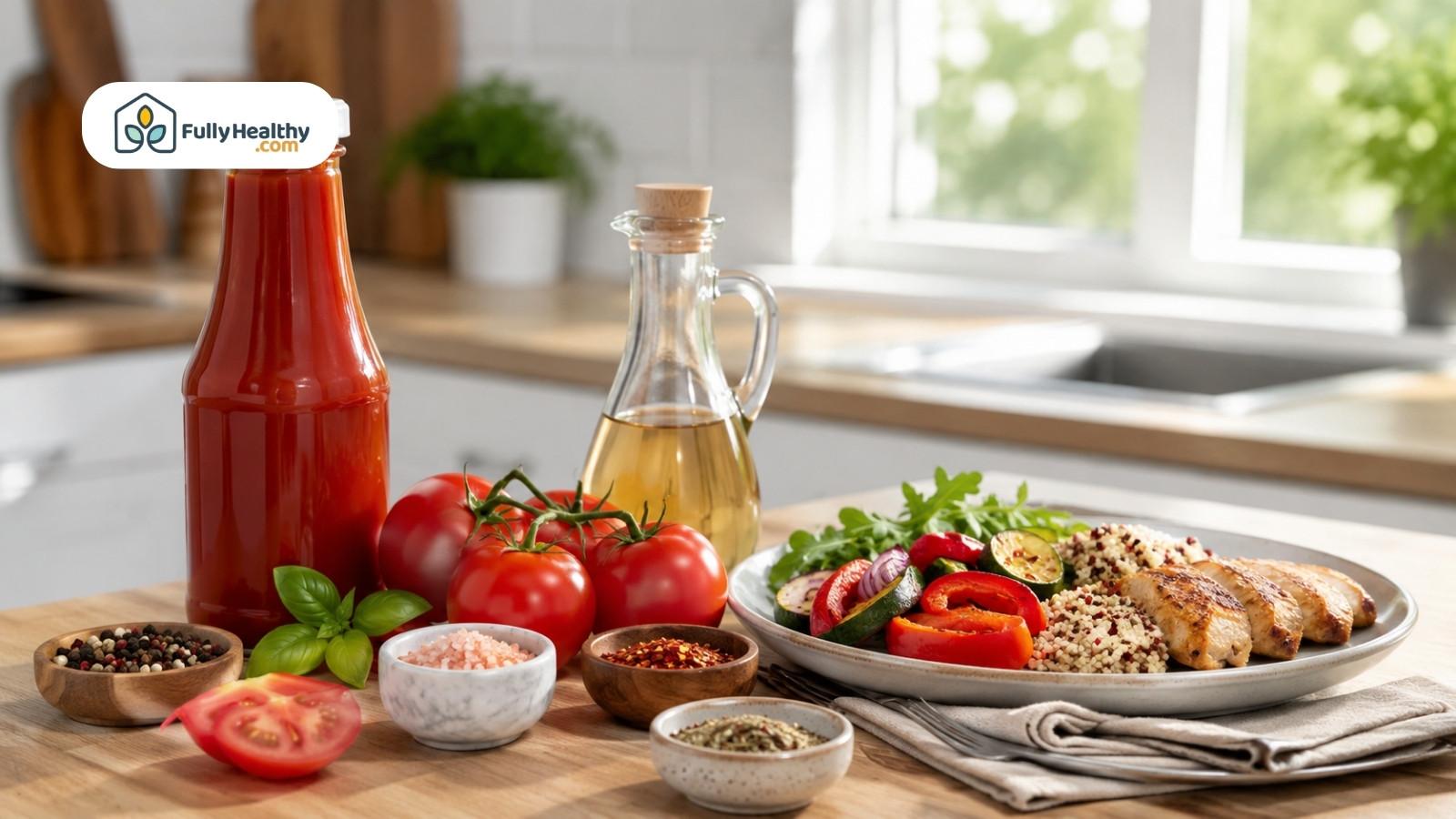
Is ketchup gluten free? Ketchup is gluten free when it uses naturally gluten free ingredients like red ripe tomatoes, vinegar, sugar, salt, and spices. Still, labels matter. Some bottles are labeled gluten free, while others are not tested. For celiac disease, choose ketchup labeled gluten-free or verified to contain <20 ppm gluten.
Quick Answer: Is Ketchup Gluten Free?
Most ketchup starts with tomato concentrate, distilled vinegar or distilled white vinegar, sweetener, onion powder, and natural flavors. These are gluten free ingredients, so regular ketchup is often considered gluten free.
-
Label Check: Choose gluten free ketchup if you follow a gluten free diet or gluten free lifestyle.
-
Vinegar Type: Distilled vinegar is considered gluten-free even when made from gluten grains; malt vinegar is not gluten-free unless specifically processed and verified.
-
Serving Tip: Use a clean squeeze bottle when serving ketchup with fries, buns, or chicken nuggets.
How To Check A Ketchup Label For Gluten
A safer bottle has simple ingredients and no gluten containing ingredients. A certified gluten free seal gives extra confidence. If there is no seal, scan for wheat, barley, rye, malt, and soy sauce.
-
Safe Base: Tomato concentrate, cane sugar, apple cider vinegar, apple cider, salt, and spices are naturally gluten free.
-
Sweeteners: Corn syrup and high fructose corn syrup are typically gluten free, though some shoppers prefer corn syrup free ketchup.
-
Risky Terms: Malt, wheat starch, barley malt, and unclear natural flavors may point to gluten containing products.
What Condiments Have Gluten In Them?

Ketchup is not the only condiment to check on a gluten free diet. Many sauces may hide wheat thickeners, malt, or soy sauce. Reading labels helps you choose safe gluten free food with more confidence.
Condiments That May Contain Hidden Gluten
Some condiments are riskier than ketchup. Gravy, marinades, barbecue sauce, salad dressing, and creamy sauces may use flour, malt, or soy sauce. These can be risky when served near gluten containing foods.
-
Soy Sauce: Traditional soy sauce often contains wheat, so choose tamari marked gluten free.
-
Gravy: Many gravies use wheat flour as a thickener, which makes them unsafe for gluten-free eaters.
-
Barbecue Sauce: Some sauces include malt vinegar, soy sauce, or natural flavors that need checking.
Gluten Ingredients To Watch For In Sauces
Check sauces for wheat, barley, rye, and malt. Gluten grains can appear in flavorings, vinegar, starches, and thickeners. If a label is vague, choose a labeled gluten free option instead.
-
Malt: Malt vinegar and malt flavoring usually come from barley, which contains gluten.
-
Wheat: Wheat flour and hydrolyzed wheat protein are not gluten-free, wheat starch may be gluten-free only if processed and tested to meet the legal gluten-free threshold.
-
Vinegar: Distilled white vinegar and balsamic vinegar are usually safe, but always check the full ingredient list.
Can Celiacs Eat Ketchup?
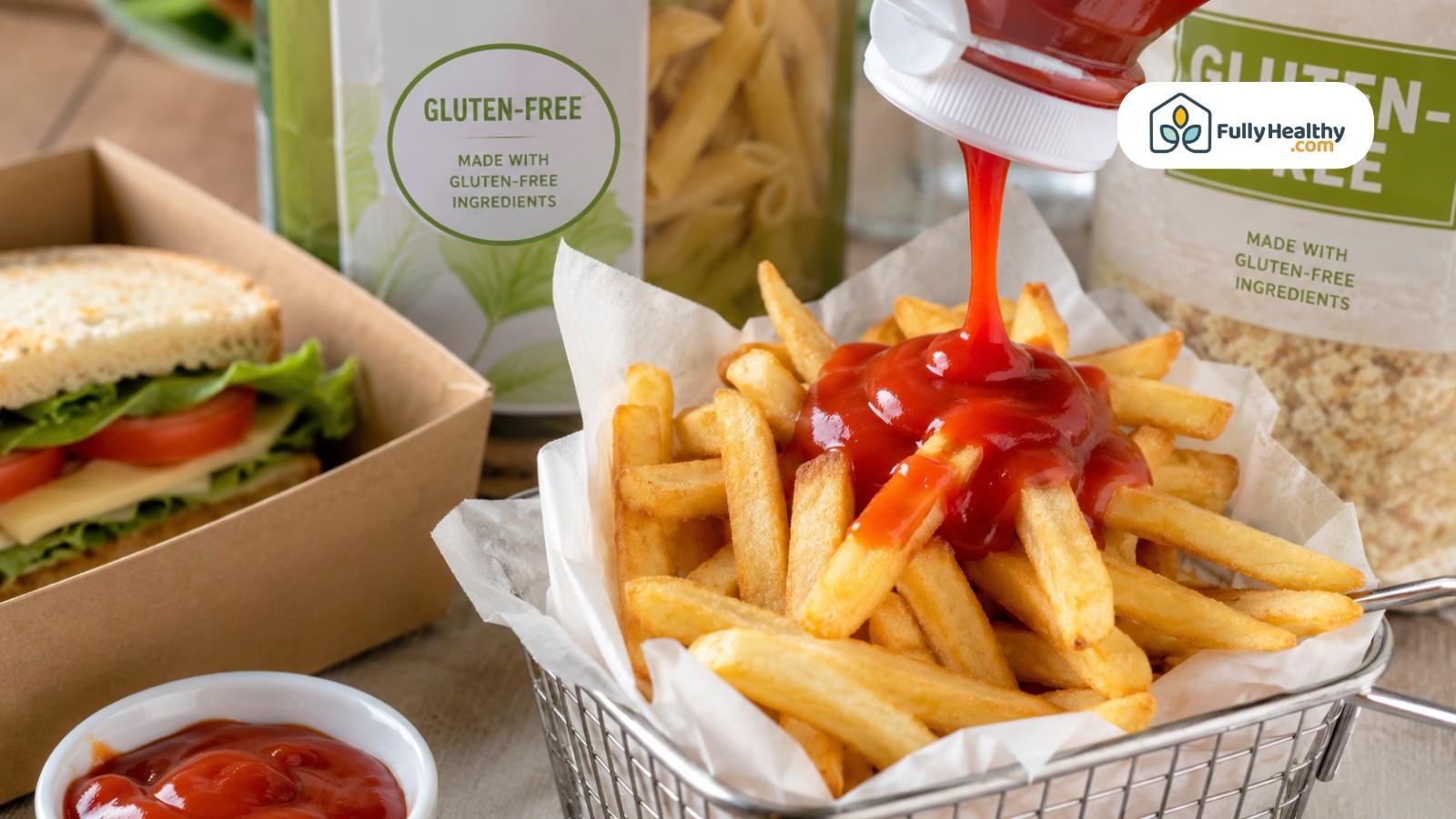
People with celiac disease can eat ketchup when it is verified safe. Many recipes use naturally gluten free ingredients, but cross-contact can happen during production or serving. Celiac shoppers should look for trusted gluten free ketchup brands.
When Ketchup Is Safe For People With Celiac Disease
Ketchup is safest when it is labeled gluten free or certified gluten free. This means the brand has steps to keep gluten levels low. A simple ingredient list helps, but testing gives better peace of mind.
-
Safe Choice: Pick products with a clear gluten free label when possible.
-
Simple Ingredients: Red ripe tomatoes, vinegar, salt, cane sugar, and onion powder are usually safe.
-
Shared Use: Avoid shared ketchup containers that may touch bread, buns, or fried foods with gluten.
Gluten-Free Ketchup Brands To Check First
Several popular ketchup brands are listed by gluten-free resources, but labels should still be checked. Recipes can change over time. Good options usually have simple ingredients and clear allergen statements.
-
Heinz Ketchup: Many guides consider heinz ketchup gluten free, but check the current label before buying.
-
French’s Ketchup: french's ketchup is often listed as gluten free and uses tomato concentrate.
-
Annie’s Organic Ketchup: annie's organic ketchup may suit shoppers who want a simple, organic-style option.
What Are Some Cool Facts About Ketchup?

Ketchup is one of the most popular condiments. People use it on hot dogs, fries, burgers, and quick meals. Still, ketchup has a bigger story than most people think. Many brands now offer cleaner options for different diet needs.
Ketchup Was Not Always Made With Tomatoes
Ketchup did not start as the sweet red sauce people know today. Early versions used fermented fish, mushrooms, walnuts, and other ingredients. Tomato paste became the main base much later.
-
Old Recipes: Early ketchup did not always include tomatoes, sugar, or vinegar.
-
Modern Base: Most brands of ketchup now use tomato paste as the main ingredient.
-
Cleaner Options: Some organic products avoid artificial flavors, artificial colors, and unnecessary additives.
Tomato Ketchup Has A Surprising American History
Tomato ketchup became a big part of American food culture because it was easy to serve with many meals. It is now common beside sandwiches, fries, grilled foods, and hot dogs. The nutrition label can show sugar, sodium, vinegar type, and calories.
-
Brand Growth: Many brands now sell non gmo and certified organic ketchup options.
-
Sweeteners: Some bottles use either corn syrup or cane sugar for sweetness.
-
Popular Picks: Heinz, Organicville ketchup, and Walden Farms are often discussed by shoppers. Check the heinz website for current product details.
How FullyHealthy Helps With Gluten-Free Pantry Swaps
Shopping for gluten-free sauces can feel time consuming when every label looks different. FullyHealthy gathers special-diet foods in one place. This makes pantry swaps easier for shoppers avoiding gluten, grains, or common allergens.
FullyHealthy Makes Special-Diet Shopping Easier
FullyHealthy focuses on foods for special diet needs. Its filters include gluten-free, AIP, Paleo, Keto, Vegan, and other diet choices. This helps shoppers browse products that match their food goals without checking every shelf.
-
Simple Browsing: Filters help shoppers find sauces, snacks, pantry items, and condiments faster.
-
Diet Support: Product details can help people avoid items from a facility that processes wheat.
-
Cross-Contact Check: Product pages may make cross contamination details easier to review before buying.
FullyHealthy Products To Consider For Sauce And Pantry Swaps
Only mention products found on FullyHealthy. These include KC Natural Carrup Tomato-Free Ketchup, Love Kraut Organic Raw Sauerkraut, and KC Natural Garden Cherry Tomato-Free Salsa. These options help shoppers find simple swaps for sauces and sides.
-
Tomato-Free Ketchup: KC Natural Carrup gives shoppers a ketchup-style option without tomatoes.
-
Raw Sauerkraut: Love Kraut adds a tangy side that can support meals without relying on regular condiments.
-
Tomato-Free Salsa: KC Natural Garden Cherry Salsa works as a sauce-style pantry swap for tomato-free diets.
Final Thoughts
So, is ketchup gluten free? Most ketchup is considered gluten free because it uses naturally gluten free ingredients like tomato concentrate, red ripe tomatoes, distilled vinegar, distilled white vinegar, apple cider vinegar, cane sugar, corn syrup, high fructose corn syrup, onion powder, and natural flavors.
Still, anyone on a gluten free diet or gluten free lifestyle should check the gluten free label before buying gluten free ketchup. Choose labeled gluten free or certified gluten free bottles when possible, especially if you have celiac disease.
Watch for gluten containing ingredients, gluten grains, soy sauce, malt, or brands that process wheat. Brand gluten-free status can change; cite current manufacturer labeling and avoid implying safety without current verification.
FAQs
What Ketchup Ingredients Are Usually Safe?
Most gluten free ketchup uses tomato paste, tomato concentrate, red ripe tomatoes, distilled vinegar, apple cider vinegar, cane sugar, corn syrup, onion powder, and natural flavors.
What Should I Check Before Buying Ketchup?
Check the nutrition label, gluten free label, certified gluten free seal, artificial flavors, artificial colors, non gmo claims, and any “processes wheat” warning.
Can Ketchup Have Gluten From Cross-Contact?
Yes, cross contamination can happen if ketchup touches gluten containing foods like hot dogs with buns, chicken nuggets, or breaded fried foods.
What Brands Of Ketchup Are Commonly Checked?
Many shoppers check heinz ketchup gluten free details, French’s, annie's organic ketchup, Organicville ketchup, Walden Farms, and other popular ketchup brands.
Why Is Label Checking Important?
Label checking helps you avoid gluten containing ingredients, gluten grains, soy sauce, and unclear sauces while buying gluten free ketchup.
Leave a comment