

Is Lamb Red Meat? Key Facts for Smarter Food Choices
Is lamb red meat? Yes, it is classified as red meat because it comes from a mammal and contains more myoglobin than poultry or fish. Lamb is also packed with protein, iron, vitamin B12, and other important nutrients.
In this article, you'll learn how lamb compares to chicken, its potential effects on inflammation, who may need to limit it, and how it can fit into a balanced diet.
Is Lamb Red Meat?
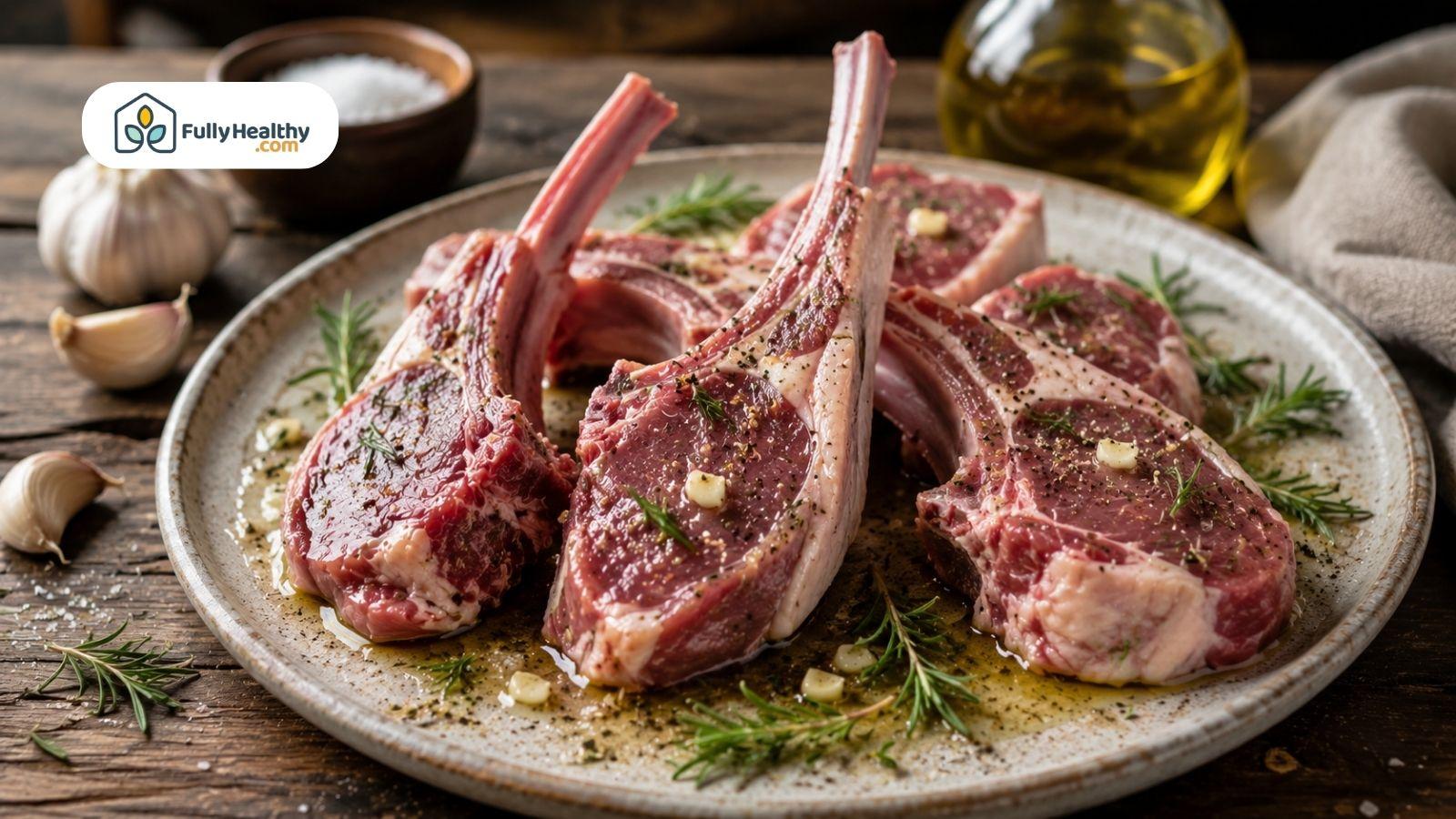
Lamb is often compared with beef, chicken, and pork because of its nutritional value and flavor. Understanding how lamb is classified helps explain its role in a balanced diet.
Lamb's Classification as a Red Meat
Yes, lamb is red meat. Lamb comes from young sheep, and the amount of myoglobin in animal muscles determines how meat is categorized. Since lamb contains more myoglobin than white meat such as chicken, it belongs to the red meat category alongside beef and pork.
-
Myoglobin Content: Animal muscles contain myoglobin, a protein that stores oxygen and gives meat its darker color.
-
Red Meat Classification: Lamb, beef, pork, and venison are nutritionally considered red meat because they come from mammals and contain more myoglobin than poultry.”
-
Same Animal: Lamb and yearling mutton come from the same animal but at different stages of growth.
-
Common Cuts: Popular cuts include lamb chops, ground lamb, shoulder roast, lamb roasts, and stew meat.
-
White Meat Comparison: Chicken and fish contain less myoglobin and are classified as white meat.
Nutritional Benefits of Lamb
Lamb meat delivers essential nutrients that support daily health and wellness. It provides complete protein, healthy fats, and minerals that contribute to muscle growth, brain function, and optimal immune health.
-
Complete Protein: Lamb contains all essential amino acids needed for protein synthesis and maintaining muscle mass.
-
Heme Iron: The heme iron in lamb is absorbed more efficiently than non heme iron found in plant foods.
-
Immune Boosting Zinc: Zinc supports optimal immune health and normal body functions.
-
Vitamin B12: This nutrient helps support brain function and energy production.
-
Conjugated Linoleic Acid: Grass fed lamb meat naturally contains conjugated linoleic acid cla, a fatty acid studied for possible health effects and also found in grass fed beef.
What is Healthier, Chicken or Lamb?
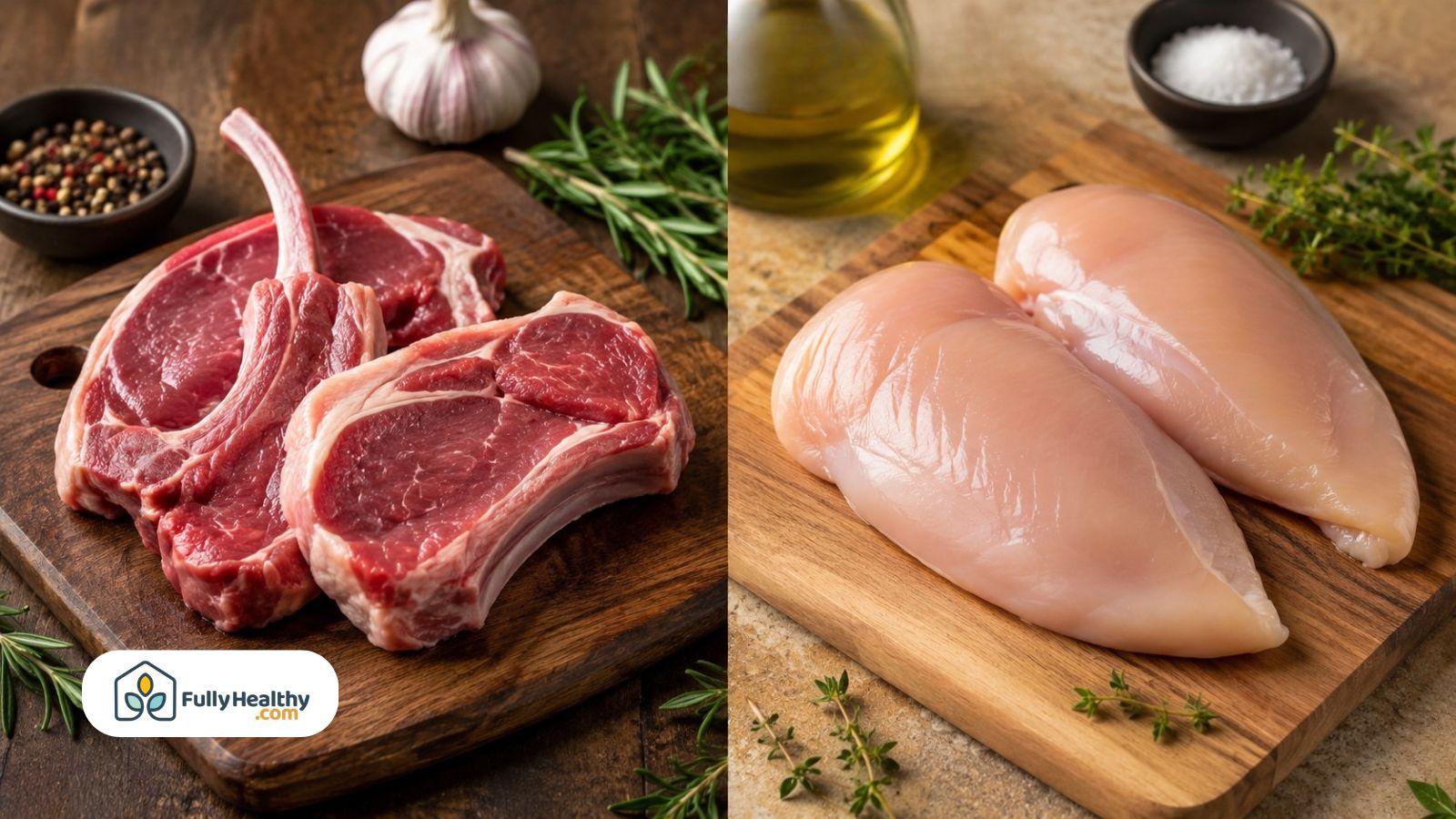
Chicken and lamb are both nutritious protein sources. The healthier option depends on individual nutrition goals, preferred cooking methods, and overall dietary habits.
Key Nutritional Differences Between Chicken and Lamb
Chicken is generally lower in calories, cholesterol, and saturated fat, while lamb provides higher amounts of iron, zinc, and vitamin B12. Both meats offer high quality protein and important health benefits.
-
Protein Sources: Both chicken and lamb supply complete protein for muscle growth and recovery.
-
Fat Content: Chicken breast usually contains less saturated fat than many lamb cuts.
-
Iron Levels: Lamb contains more heme iron, which may help prevent iron deficiency.
-
Vitamin Content: Lamb is a rich source of vitamin B12 and zinc.
-
Nutritional Value: Both options contribute valuable vitamins and minerals to a healthy diet.
Choosing the Right Protein for Your Health Goals
Protein needs vary based on lifestyle, activity level, and health priorities. Lamb may offer advantages for nutrient density, while chicken is often preferred for lower calorie intake.
-
Weight Management: Lean chicken cuts are often lower in calories and fat.
-
Iron Support: Eating lamb may benefit those looking to prevent iron deficiency.
-
Muscle Maintenance: Both meats provide essential amino acids needed for protein synthesis.
-
Heart Health: Lean cuts and appropriate portion sizes can support cardiovascular health.
-
Balanced Diet: Including different protein sources helps provide a broader range of essential nutrients.
Is Lamb Inflammatory?
Research suggests that frequent consumption of fatty red meats, including beef, pork, and lamb, may be associated with increased levels of low-grade inflammation.
The Relationship Between Lamb and Inflammation
Lamb can contribute to inflammation if consumed frequently in high-fat portions as part of a diet high in saturated fat and low in whole foods. At the same time, fresh lamb differs from processed meat products, which are more consistently linked to negative health outcomes.
-
Fatty Meat Intake: Higher consumption of fatty red meat may be associated with increased markers of low-grade inflammation.
-
Fresh vs Processed Meat: Fresh lamb differs nutritionally from processed lamb products such as sausages and cured meats.
-
Saturated Fat Content: Some lamb cuts contain higher levels of saturated fat, which may be a concern when consumed excessively.
-
Overall Diet Quality: Dietary patterns rich in vegetables, fruits, and fiber can strongly influence inflammation and may help balance the effects of higher-fat foods.
-
Long-Term Health: High consumption of processed meat is more strongly associated with cardiovascular disease and colon cancer risk than moderate intake of fresh lamb.
Building an Anti-Inflammatory Meal With Lamb
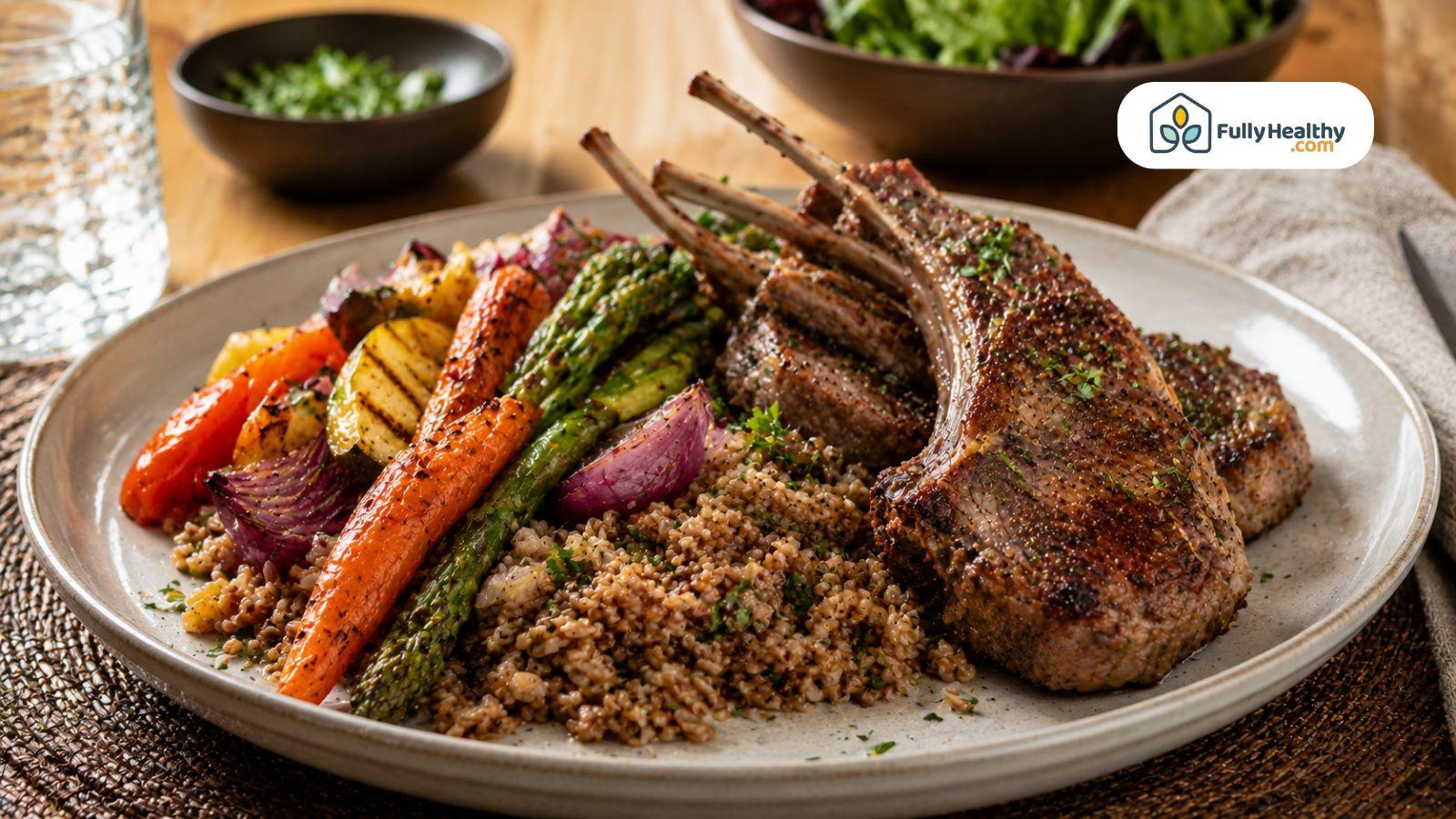
Lamb can still fit into a balanced diet when paired with nutrient-dense foods and prepared using healthier cooking methods. Combining lamb with vegetables, herbs, legumes, and healthy fats may help create a more balanced meal.
-
Extra Virgin Olive Oil: This source of monounsaturated fat may support heart health and cardiovascular health.
-
Fresh Rosemary: Fresh rosemary can enhance flavor while reducing the need for excessive salt or sauces.
-
Lean Cuts: Choosing lean cuts can help reduce overall saturated fat intake.
-
Cooking Methods: Roasting, baking, and slow cooking are often preferable to cooking at excessively high temperatures.
-
Whole Foods: Serving cooked lamb with vegetables, legumes, and whole grains can support metabolic health and a healthy diet.
Who Should Not Eat Lamb?
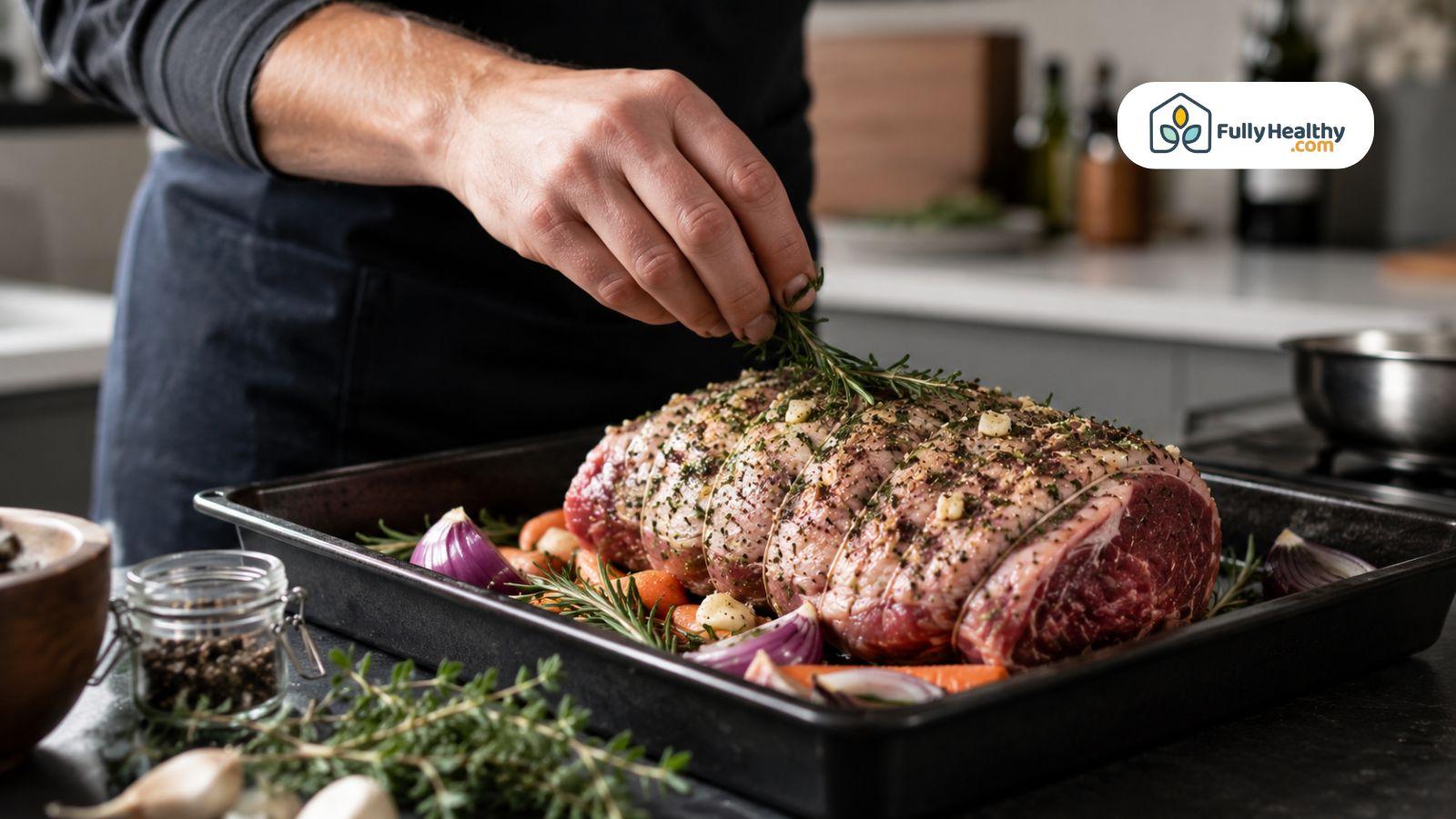
Lamb provides high quality protein, essential nutrients, and important health benefits, but it may not be the best choice for everyone. Certain health conditions, dietary preferences, and personal beliefs can influence how often lamb should be included in a healthy diet.
Health Conditions That May Require Limiting Lamb
Some lamb cuts contain higher amounts of saturated fat, which may be a concern for individuals managing specific health conditions. Choosing lean cuts and monitoring portion sizes can help reduce potential risks associated with excessive red meat consumption.
-
Heart Disease Concerns: Individuals with heart disease may need to limit foods high in saturated fat.
-
Cardiovascular Disease Risk: High consumption of fatty red meat may contribute to cardiovascular health concerns over time.
-
Cholesterol Management: Certain lamb cuts contain more fat than lean poultry or fish.
-
Weight Management Goals: Lower-fat protein sources may better support calorie-controlled diets.
-
Medical Guidance: Dietary recommendations should follow guidance from a healthcare professional when managing chronic conditions.
Dietary and Ethical Considerations Around Lamb
Not everyone chooses to eat lamb for nutritional reasons alone. Religious practices, ethical beliefs, food preferences, and allergies can also influence decisions about eating meat.
-
Vegetarian Diets: Vegetarians avoid lamb and other forms of meat.
-
Vegan Lifestyles: Vegans exclude all animal-derived foods, including lamb meat.
-
Religious Practices: Certain faith traditions may have specific guidelines regarding meat consumption.
-
Animal Welfare Concerns: Some consumers consider farming and production practices when selecting foods.
-
Food Allergies: Although uncommon, meat allergies can affect the ability to consume lamb safely.
Why Choose FullyHealthy
Access to carefully selected ingredients and specialty products can make meal planning easier and support a variety of dietary needs.
FullyHealthy's Approach to Specialty Nutrition
FullyHealthy specializes in products designed for gluten-free, allergen-conscious, and ingredient-focused lifestyles. The platform offers options that help support healthy eating habits without sacrificing convenience or flavor.
-
Specialty Foods: Products are selected to meet a variety of dietary preferences and restrictions.
-
Ingredient Transparency: Shoppers can easily review ingredients before purchasing.
-
Dietary Support: Options are available for gluten-free and allergen-conscious lifestyles.
-
Convenient Shopping: A wide selection of pantry staples is available in one location.
-
Balanced Living: Products can complement a healthy diet built around whole foods and quality protein sources.
Featured FullyHealthy Products for Balanced Eating
FullyHealthy offers several products that pair well with nutrient-dense meals. These items can help enhance flavor, simplify meal preparation, and support a balanced approach to nutrition.
-
Wild Zora Meat + Veggie Bar Mediterranean Lamb: A convenient snack made with lamb and vegetables, providing a portable source of protein for busy days.
-
Wild Zora Meat + Veggie Bar BBQ Beef: Combines beef, vegetables, and smoky barbecue flavor in a protein-rich snack option.
-
KC Natural Meat & Veggie All Purpose Seasoning: A versatile seasoning blend designed to enhance the flavor of meat, vegetables, and everyday recipes.
-
Wild Zora Meat + Veggie Bar Apple Pork: Features pork paired with apples and vegetables for a balanced sweet-and-savory snack.
-
Pluck Spicy Mild Organ Meat Blend Seasoning: A seasoning blend that incorporates organ meats and spices to add nutrient density and flavor to meals.
-
Pluck Zesty Garlic Organ Meat Blend Seasoning: Combines garlic, seasonings, and organ meat ingredients to enhance savory dishes with additional nutrients.
-
Wild Zora Meat + Veggie Bar Curry Turkey: A turkey-based snack bar seasoned with curry and blended with vegetables for a flavorful protein option.
Final Thoughts
Lamb is classified as red meat and offers high quality protein, heme iron, vitamin B12, zinc, and other essential nutrients that support overall health. While excessive red meat consumption may be a risk factor for certain conditions, moderate portions of fresh meat can fit into a balanced diet.
Choose lean cuts, follow food safety practices, and enjoy lamb as part of a nutritious eating plan.
Is Lamb Good for Heart Patients?
Lamb can be included in a heart-healthy diet when lean cuts are chosen and consumed in moderation, although saturated fat intake should be monitored.
Which is the Healthiest Red Meat?
Lean cuts of lamb, beef, and other fresh meat options are generally considered healthier choices than processed meat products.
What Meat Helps Burn Belly Fat?
No meat directly burns belly fat, but protein-rich foods such as lamb, chicken, and fish may support weight management by promoting fullness.
What is the Best Meat for Diabetics to Eat?
Lean protein sources such as lamb, chicken, turkey, and fish can fit into a diabetes-friendly eating plan when prepared using healthy cooking methods.
What Meat is a Superfood?
Although "superfood" is a marketing term rather than a scientific classification, organ meats such as beef liver and grass-fed red meats like beef and venison are often considered among the most nutrient-dense meat options.
Leave a comment