

Is Milk Gluten Free? A Simple Guide to Safe Milk Choices
Is milk gluten free? Yes, plain milk is naturally gluten-free. That includes whole, 2%, 1%, and skim milk. The main risk comes from flavored or processed milk products, which may contain added ingredients such as malt.
People with celiac disease can usually drink plain milk, though some also have lactose intolerance. Plant-based milks may be gluten-free too, but labels still matter. This guide explains what to check, what to avoid, and which milk options are safest on a gluten-free diet.
Is Milk Gluten-Free?
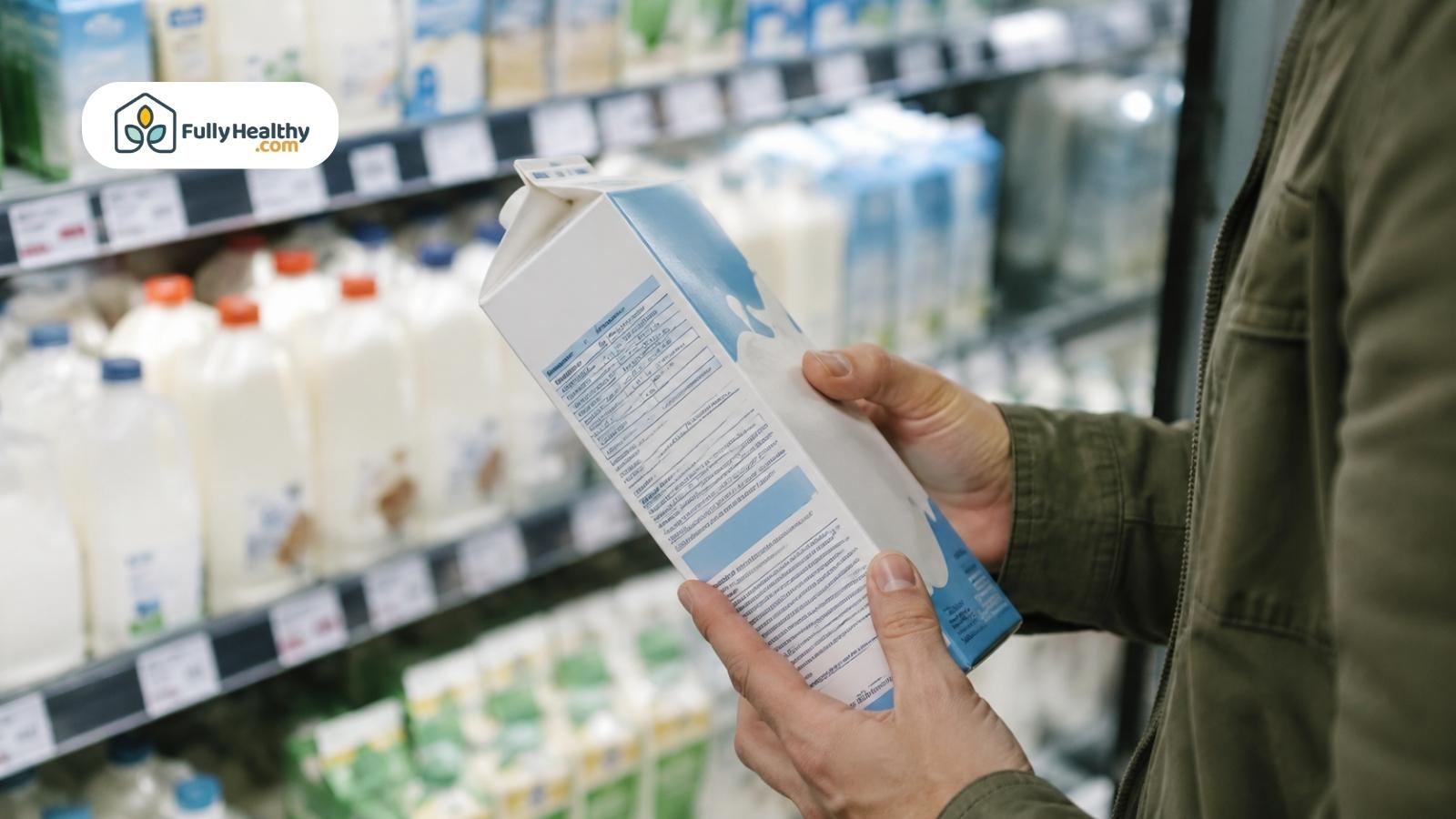
Plain milk is naturally gluten free because it does not come from gluten containing grains. Milk comes from mammary glands and contains dairy protein, not the gluten protein found in wheat, barley, and rye. For most people with celiac disease or coeliac disease, plain regular milk can fit into a gluten free diet without a problem.
Why Is Plain Milk Naturally Gluten-Free?
Fresh milk does not normally contain gluten because gluten comes from certain grains, not dairy. Casein and whey are proteins found in milk products, and neither is gluten. Knowing this difference can help readers avoid confusing milk protein with gluten.
-
Natural composition: Plain dairy products do not need wheat or other gluten grains to be made.
-
Simple choices: Whole, skim, 1%, and 2% milk are naturally gluten-free when they are plain and unflavored.
-
Separate concerns: Lactose intolerance affects how the body digests milk sugar, while celiac disease is an immune reaction to gluten.
Can Added Ingredients Introduce Gluten Into Milk?
Flavored milks and other processed foods may contain extra ingredients, so checking the label is important. Barley malt can introduce gluten, while ingredients such as modified food starch should be checked carefully instead of automatically assumed to contain gluten.
-
Check for malt: Malted milk drinks may contain gluten containing ingredients, especially when the malt comes from barley.
-
Read the label: Ingredient labels can help you spot possible sources of hidden gluten before buying.
-
Reduce exposure: Clean utensils and storage containers can help lower the risk of cross contact or cross contamination that may leave trace amounts of gluten.
Does 2% Milk Have Gluten in It?
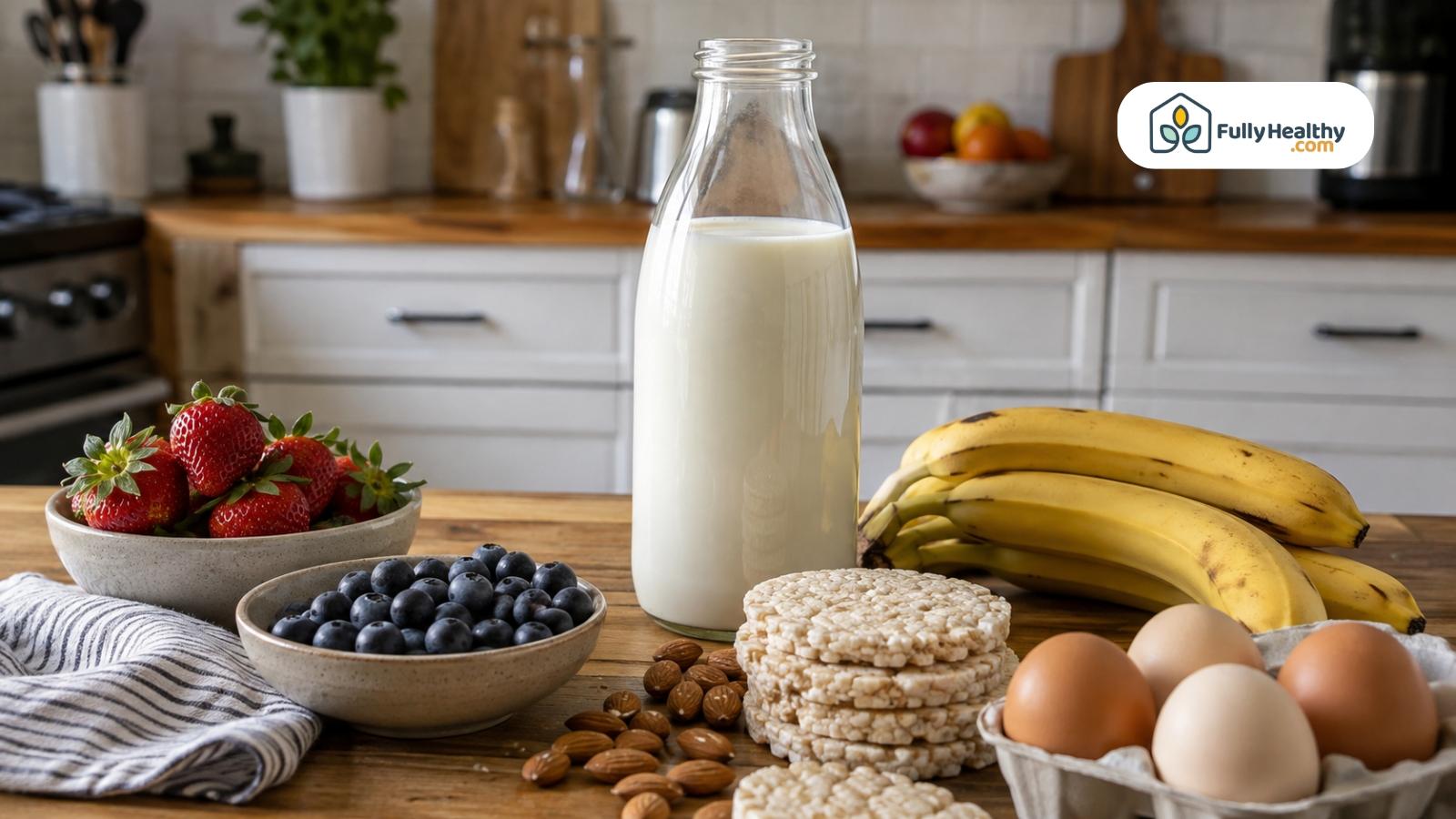
Plain 2% milk does not contain gluten simply because some of its fat has been removed. The “2%” refers to the amount of milk fat, not gluten content. Like regular milk, plain 2% milk can fit into a gluten free diet. Added flavors and ingredients are the main reasons to check the package.
Does Reducing Milk to 2% Fat Change Its Gluten Status?
Changing the fat level of milk does not add wheat, grains, or gluten. The Gluten Free Bar identifies plain 2% milk as gluten-free and gives similar guidance for other plain milk varieties. In simple terms, milk fat and gluten are two completely different things.
-
Fat is different from gluten: Reducing the amount of dairy fat does not add gluten grains to milk.
-
Plain milk is simpler: Unflavored milk usually has fewer ingredients, making it easier to check.
-
Labels still matter: Read ingredient labels when buying flavored or specialty 2% milk products.
When Should You Check the Label on 2% Milk?
Always check the label when 2% milk contains added flavors, thickeners, or other ingredients. Hidden gluten is more likely to be a concern in processed or flavored products than in plain milk. Choosing products labelled gluten free may provide extra confidence for people who need strict gluten avoidance.
-
Review flavored milk: Chocolate and other flavored milks usually contain more ingredients that need to be checked.
-
Avoid quick assumptions: An unfamiliar ingredient does not automatically mean the product contains gluten.
-
Shop carefully: Health food stores may offer gluten free alternatives, but each product should still be checked individually.
What Kind of Milk Can Celiacs Drink?
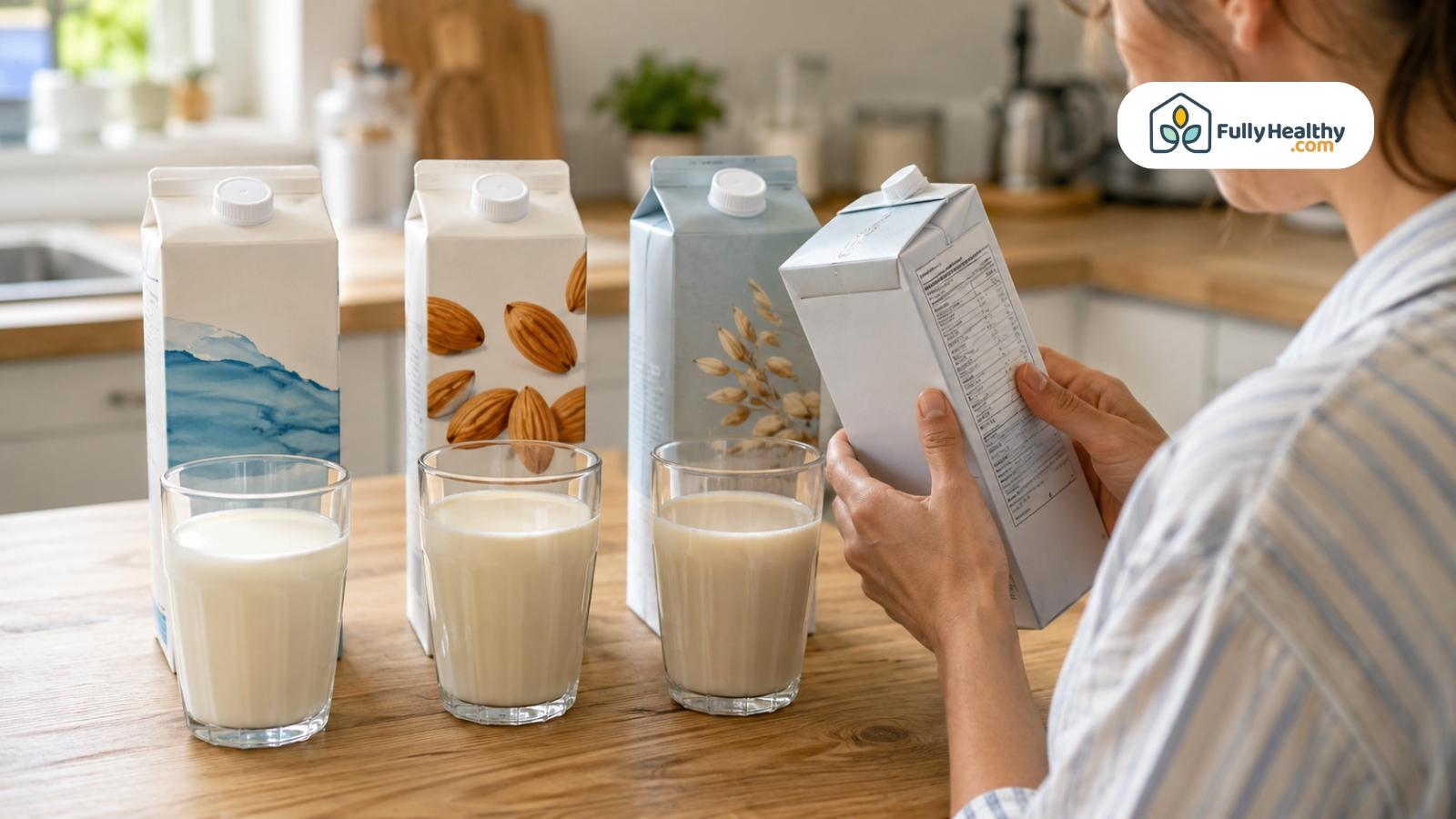
People with celiac disease can generally drink plain dairy milk because milk is naturally gluten free. However, some people with celiac disease may also have trouble digesting lactose, especially around the time of diagnosis. Lactose intolerance is different from gluten intolerance. Lactose free milk and some plant-based beverages can be useful options when dairy causes discomfort.
Can People With Celiac Disease Drink Regular or Lactose-Free Milk?
Regular milk can be part of a gluten free diet when it is plain and the person does not have a separate dairy intolerance. Lactose free milk is another option because removing or breaking down lactose does not turn milk into a source of gluten.
-
Know the difference: Gluten is a protein found in certain grains, while lactose is the natural sugar found in milk.
-
Consider digestion: Intestinal damage linked to celiac disease can lower lactase activity in some people and make lactose harder to digest.
-
Build a balanced diet: A gluten-free eating plan can include dairy, vegetables, fruits, safe grains, and other protein-rich foods.
Which Plant-Based Milk Alternatives Can People With Celiac Disease Consider?
Almond, soy, coconut, cashew, rice, and oat beverages may be useful gluten free alternatives, but packaged products should always be checked. Oats are naturally gluten-free, but they may come into contact with wheat during processing, which can create a cross contact concern.
-
Check oat milk carefully: Choose products labelled gluten free when strict gluten avoidance is necessary.
-
Review added ingredients: Flavors, sweeteners, and other additions can make plant-based drinks more complicated.
-
Choose simple foods: Vegetables and plain fruits are naturally gluten-free, and frozen fruits can also be good choices when they do not contain added ingredients.
What Are the Worst Foods for Gluten Intolerance?
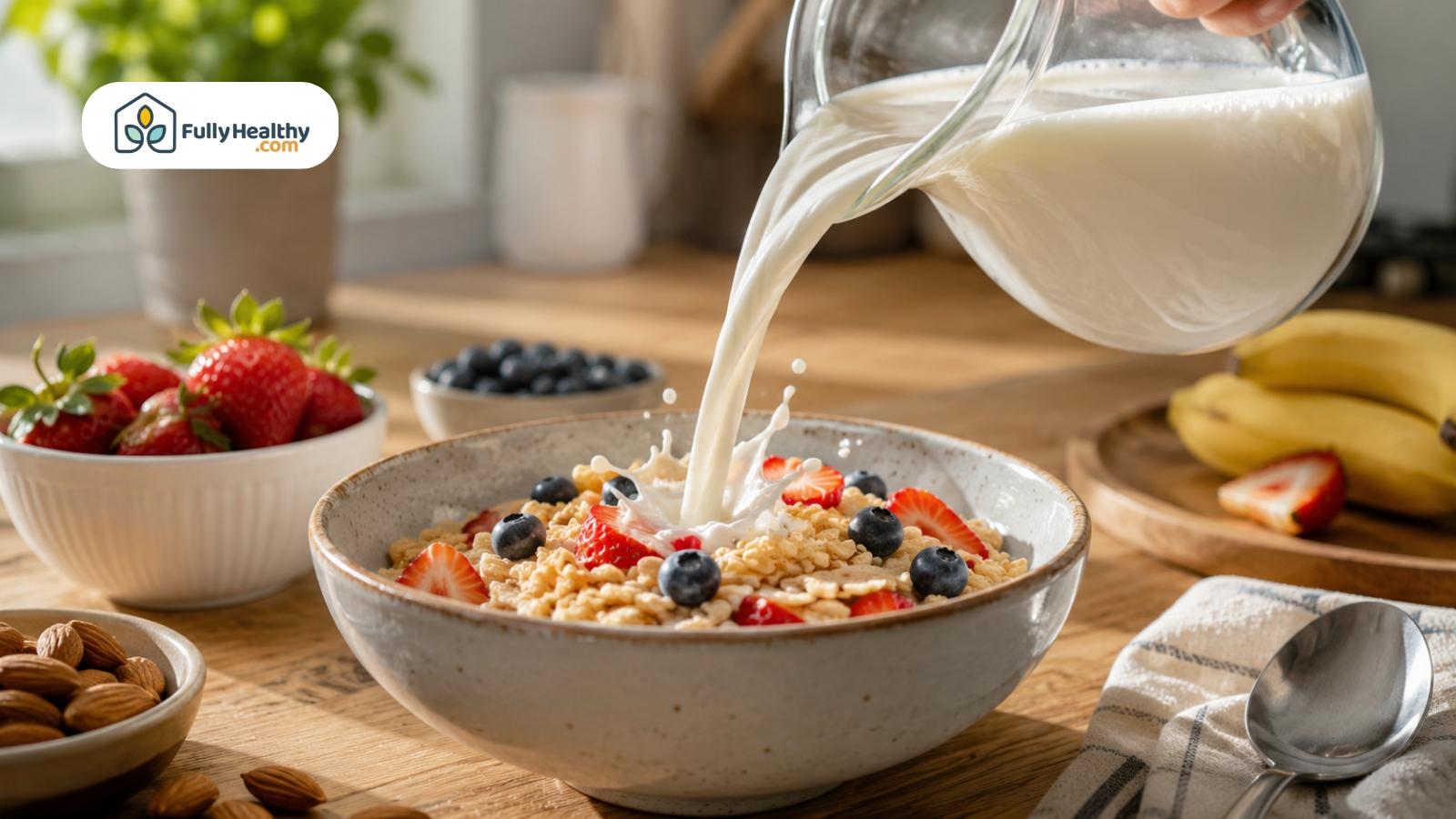
People with gluten intolerance should focus first on foods made with wheat, barley, or rye. Common sources include bread, pasta, cereals, crackers, and baked dough. Some sauces, flavorings, and additives can also contain gluten. If certain foods cause ongoing symptoms, it is best to speak with a healthcare professional before cutting out major food groups that provide calcium and other important nutrients.
Which Everyday Foods Are the Biggest Sources of Gluten?
Traditional bread, pasta, crackers, pastries, and many cereals are common sources of gluten because they are often made with wheat. Foods made with barley or rye also need careful checking. Naturally gluten-free foods such as potatoes, corn, tapioca, eggs, fish, and plain meat can be suitable options in a balanced diet.
-
Main gluten sources: Bread, pasta, cereals, and baked dough often contain wheat, barley, or rye and should be checked carefully.
-
Naturally gluten-free staples: Plain potatoes, corn, and tapioca do not naturally contain gluten and can work well as alternatives.
-
Simple protein choices: Plain eggs, fish, and meat are naturally gluten-free, but breading, sauces, or marinades may add gluten.
Which Unexpected Foods Can Hide Gluten or Create Cross-Contact Risk?
Gluten can also appear in foods that may not seem obvious at first. Some sauces, processed cheese, flavored yogurt, vanilla-flavored products, and foods with added flavorings or additives may need a closer look. Cross-contact during cooking or food preparation can also make an otherwise gluten-free food less suitable.
-
Check processed foods: Read labels on sauces, cheese products, yogurt, and other foods with added ingredients.
-
Watch food preparation: Foods cooked near bread, flour, or shared dough surfaces may come into contact with gluten.
-
Choose simple foods: Nuts, seeds, vegetables, plain eggs, and fish are easier to check and can provide useful nutrients.
How Can FullyHealthy Help With Specialty-Diet Shopping?
FullyHealthy is an online marketplace that focuses on AIP, gluten-free, allergen-free, and other specialty dietary needs. The site organizes products into helpful collections, which can make it easier to find foods that match specific diet goals. However, shoppers should still review each product page instead of assuming every item is gluten-free.
How Can FullyHealthy Make Specialty-Diet Shopping Easier?
FullyHealthy groups products into collections such as AIP Elimination, AIP Reintroduction, snacks, breakfast foods, seasonings, and sweets. This setup can save time for shoppers who want more focused options without searching through unrelated products.
-
Shop by dietary need: Organized collections make it easier to narrow down foods that fit specific eating plans.
-
Check product details: Review labels and ingredient lists because dietary needs can differ from one product to another.
-
Consider nutrition needs: Look for foods that also provide useful nutrients, including calcium, protein, and healthy fats.
Which FullyHealthy Products From These References Are Worth Knowing About?
The referenced FullyHealthy pages include three specific products that can fit different specialty-diet needs. Each one has its own ingredients and dietary claims, so shoppers should rely on the details shown on the individual product page.
-
Native Forest Organic Coconut Milk Unsweetened Simple: This 13.5-ounce coconut milk contains organic coconut and filtered water and is listed as AIP Elimination, Paleo and Whole30 compliant.
-
Enjoy Life Ricemilk Chocolate Morsels: This 9-ounce product is described on FullyHealthy as gluten-free, dairy-free, vegan-friendly, and free from 14 common allergens.
-
Sip Herbals Pumpkin Spice Coffee Substitute: This 4-ounce drink mix contains chicory, carob, dandelion, cinnamon, cloves, ginger, and mace, and FullyHealthy suggests serving it with warm milk.
-
Dairy reminder: Plain butter, cheese, and yogurt can be gluten-free, but flavored or processed versions should still be checked for added ingredients.
Final Thoughts
So, is milk gluten free? Plain milk from cows is naturally gluten-free and can generally be included in a gluten-free diet. Whole, 2%, 1%, and skim milk do not naturally contain gluten. The main concern is flavored or processed milk because added ingredients may introduce gluten.
People with celiac disease should check labels carefully, especially on malted or specialty drinks. Lactose intolerance is a separate issue, so some people may prefer lactose-free milk even though ordinary milk itself is gluten-free.
Plant-based options can also work, but each product should be checked individually for ingredients and possible cross-contact. When choosing milk, keep it simple: start with plain varieties, read labels on products with added ingredients, and seek medical advice if dairy causes persistent digestive symptoms.
FAQs
Is Milk From Cows Gluten-Free?
Yes, plain milk from cows is naturally gluten-free.
Can People With Celiac Disease Drink Cow's Milk?
Yes, plain cow's milk is generally suitable for people with celiac disease unless they also have a separate dairy or lactose intolerance.
Does 2% Milk Contain Gluten?
No, plain 2% milk does not naturally contain gluten, because the percentage refers to milk fat.
Can Flavored Milk Contain Gluten?
Yes, some flavored milk may contain gluten through added ingredients, so always check the product label.
Is Lactose-Free Milk Also Gluten-Free?
Plain lactose-free cow's milk is generally gluten-free because removing or breaking down lactose does not introduce gluten.
Leave a comment