

Is Pasta Healthy? A Practical Guide to Better Pasta Choices
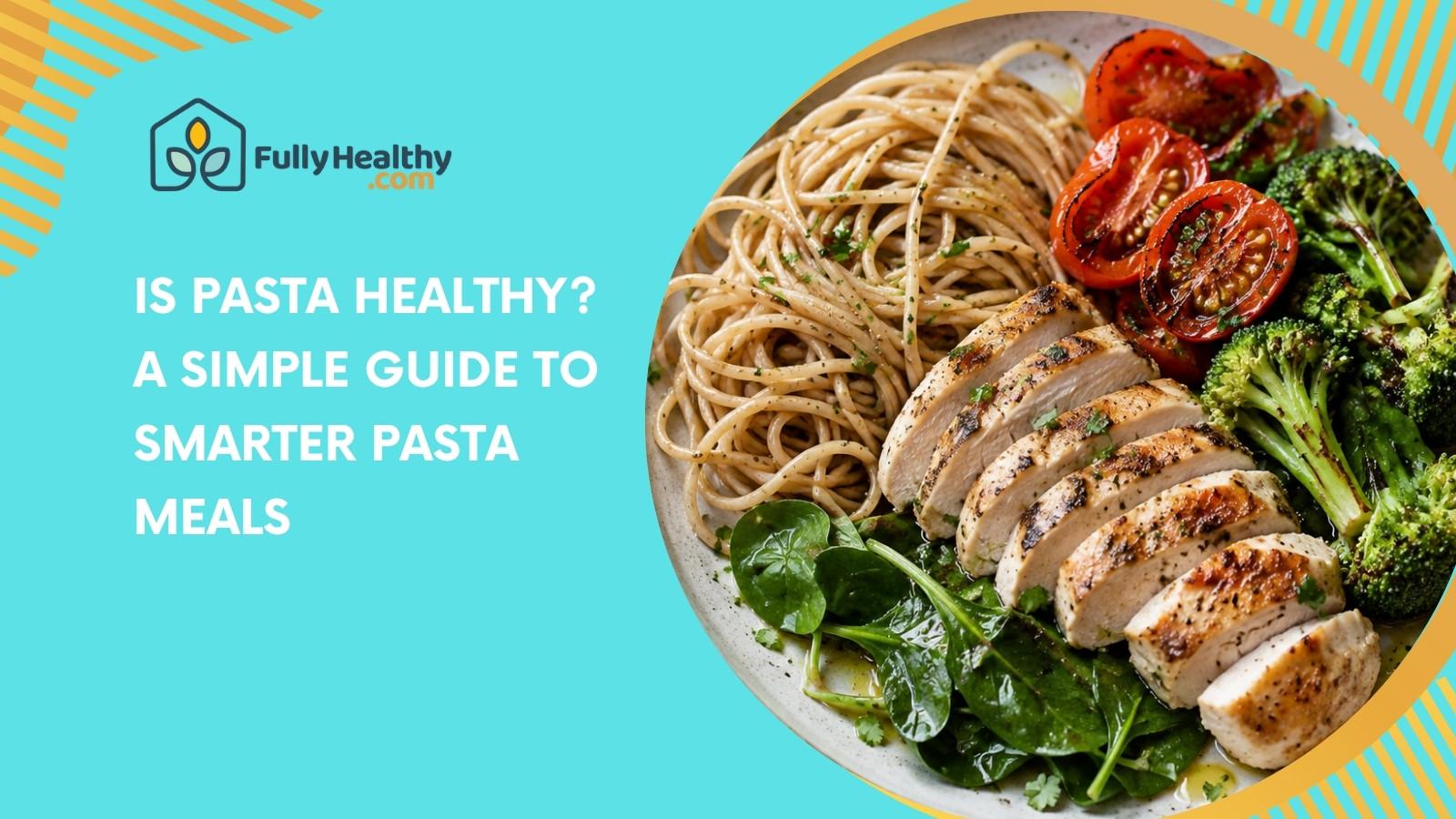
Is pasta healthy? Yes, it can be when you choose the right type, watch your portion, and build a balanced meal. Whole-grain pasta offers more fiber, while refined pasta can still fit into a healthy diet.
What matters most is what you add, such as vegetables, lean protein, beans, or olive oil. This article explains daily pasta eating, Italian habits, pasta versus rice, and gluten-free choices, so you can enjoy pasta with more confidence and less confusion at every meal.
Is Pasta Healthy?
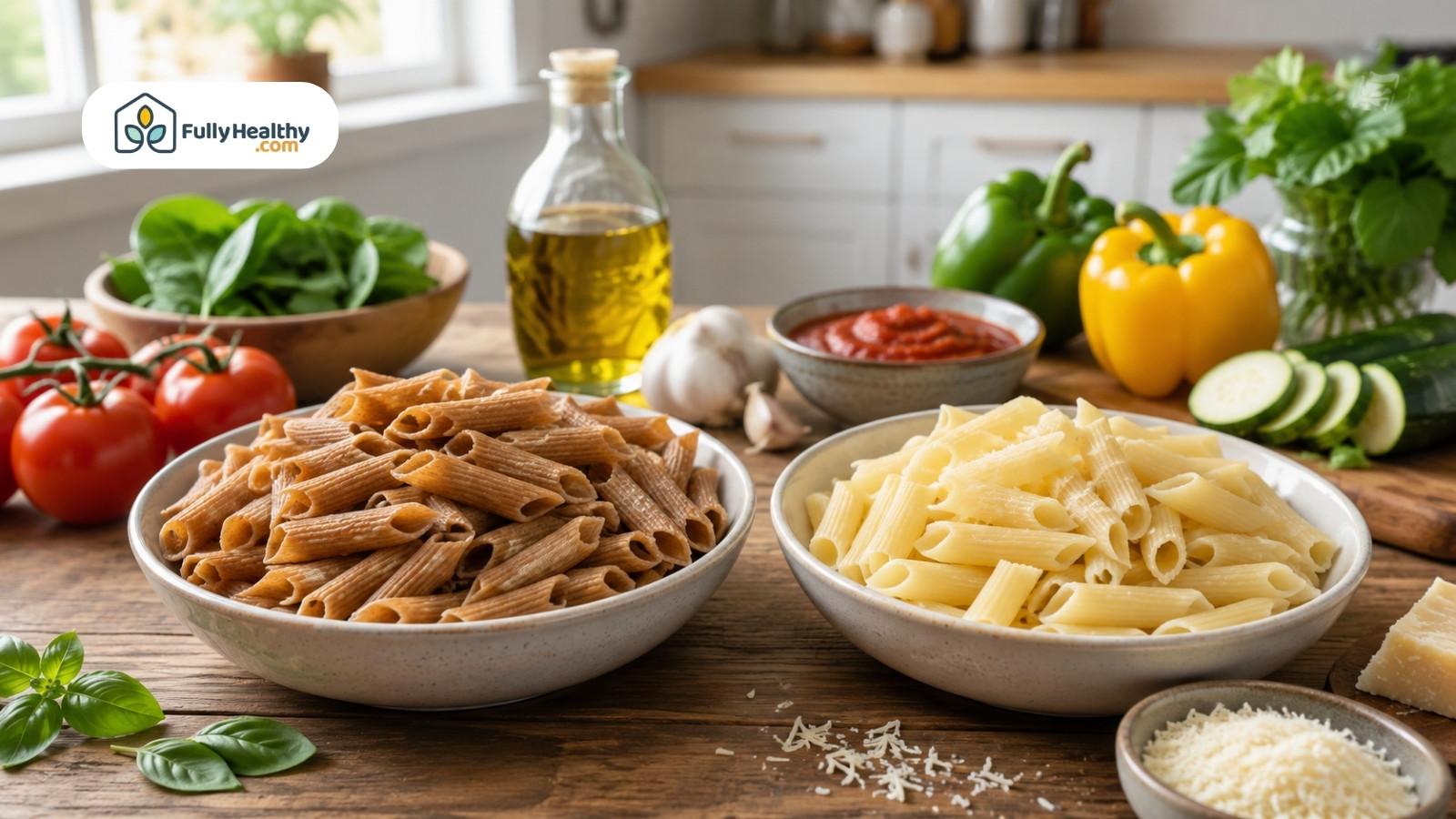
Pasta can fit into a balanced diet, though it often gets a bad rap. Traditional pasta made from durum wheat provides complex carbohydrates for energy. Its nutritional value depends on the type, portion, and added ingredients. A registered dietitian can help people choose portions that match their health needs, activity level, and goals.
Is Pasta Healthy for Most People When Served as Part of a Balanced Meal?
For most people, pasta is healthy in sensible portions. Cooked pasta becomes more nutritious with vegetables, lean protein, and a lighter sauce. The goal is to create healthy pasta dishes without excess saturated fat.
-
Add vegetables: Mix in roasted vegetables, bell peppers, frozen veggies, or fresh herbs for fiber and flavor.
-
Choose lighter sauces: Tomato sauce and tomato based sauces are often lighter than creamy options.
-
Include protein: Add beans, fish, chicken, or lentils instead of fatty meats.
Does Whole-Grain Pasta Offer More Nutrition Than Refined Pasta?
Whole wheat pasta has more fiber than regular pasta or white pasta. Fiber supports digestion, improves fullness, and may help steady blood sugar. Enriched wheat pasta can still provide iron and b vitamins.
-
Choose whole wheat: It offers more fiber and may have a lower glycemic index.
-
Limit refined carbs: White pasta has less fiber and digests faster.
-
Check labels: Compare fiber, protein, and ingredients.
Is It Okay to Eat Pasta Every Day?
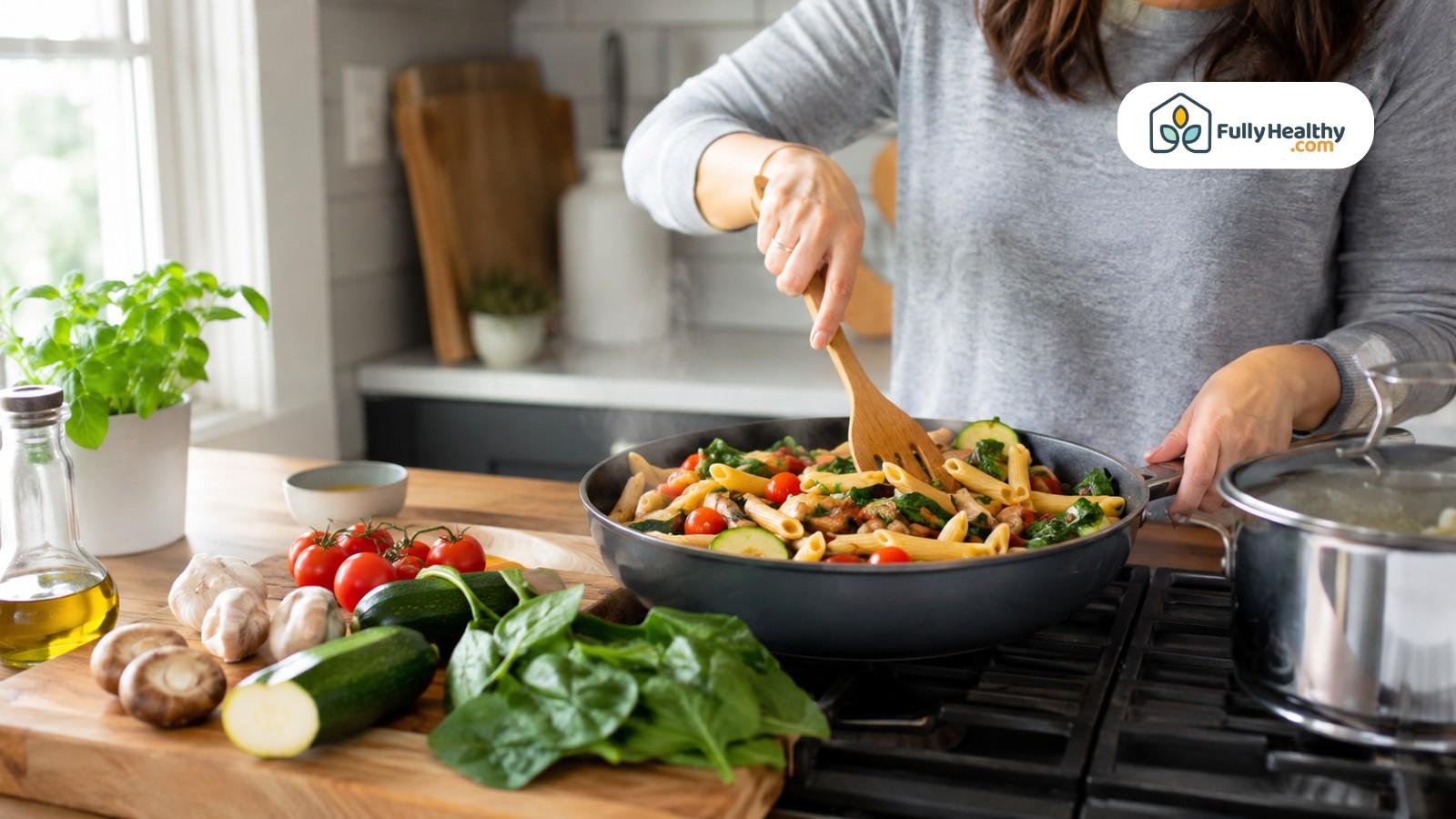
Eating pasta daily can work within a healthy lifestyle. The mediterranean diet includes pasta with vegetables, olive oil, beans, and seafood. Daily pasta dishes are better when portions stay reasonable.
Can Eating Pasta Every Day Still Support a Healthy Diet?
Yes, pasta can appear in a daily meal plan if ingredients vary and servings stay moderate. People trying to lose weight do not always need to avoid pasta. Portion control and total calories matter more than one food.
-
Measure portions: Start with a reasonable serving of pasta.
-
Add healthy fats: Use olive oil, nuts, or seeds in modest amounts.
-
Limit rich toppings: Too much cheese, fatty meats, or creamy sauce adds calories quickly.
What Types of Pasta Meals Make Healthy Pasta More Nutritious?
Simple additions can turn regular pasta into a filling meal. Tomato sauce counts as a vegetable-based ingredient when it contains tomatoes and little added sugar. Add protein, vegetables, and herbs for balance.
-
Make it colorful: Add spinach, mushrooms, bell peppers, or sun dried tomatoes.
-
Choose fiber: Use whole wheat pasta or add vegetables.
-
Add protein: Include chickpeas, lentils, chicken, fish, or tofu.
How Do Italians Eat So Much Pasta and Not Get Fat?
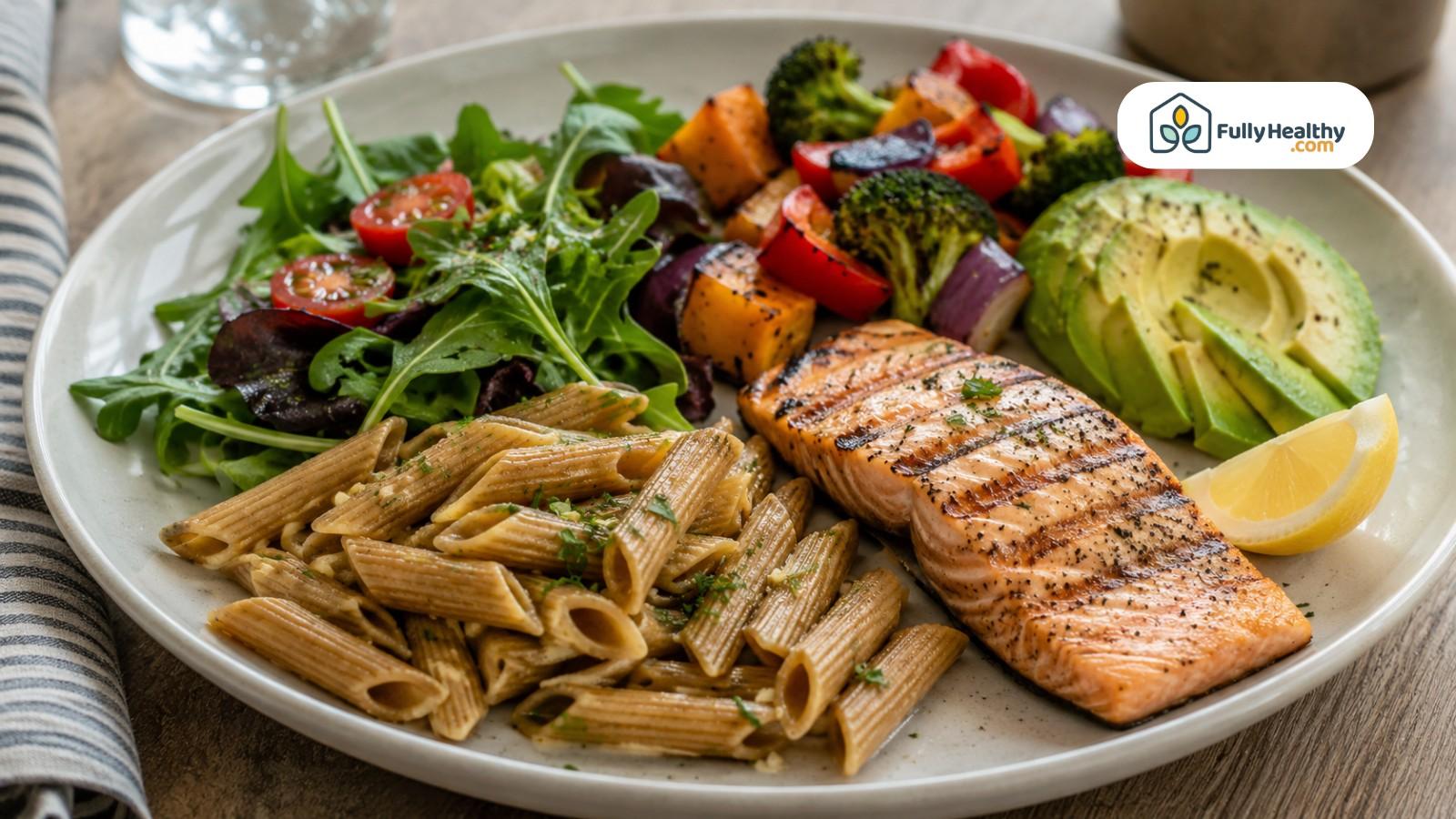
Italian eating habits often center on smaller portions, simple ingredients, and regular movement. Pasta is usually one part of a meal, not the whole part of their plate. They have more different options of food but to them, pasta dishes are part of their day.
Why Do Traditional Italian Pasta Portions Differ From Many Restaurant Servings?
Italian portions are often smaller than restaurant meals. Pasta may come before vegetables or protein instead of serving as a huge main course. It is also commonly cooked al dente.
-
Serve less: Smaller portions make calorie control easier.
-
Cook al dente: Firmer pasta may cause a gentler blood sugar response.
-
Use simple ingredients: Olive oil, vegetables, and fresh herbs add flavor.
Do Lifestyle Habits Matter More Than Pasta Itself?
Body weight depends on eating habits, movement, sleep, and total calories. Pasta alone does not cause weight gain. Walking, balanced meals, and moderate portions matter more than choosing pasta, white rice, other grains, or other complex carbohydrates.
-
Stay active: Walking after meals may support digestion and blood sugar control.
-
Eat slowly: A slower pace can help you notice fullness.
-
Choose quality foods: Favor vegetables, lean protein, and healthy fats.
Is Pasta Better Than Rice?
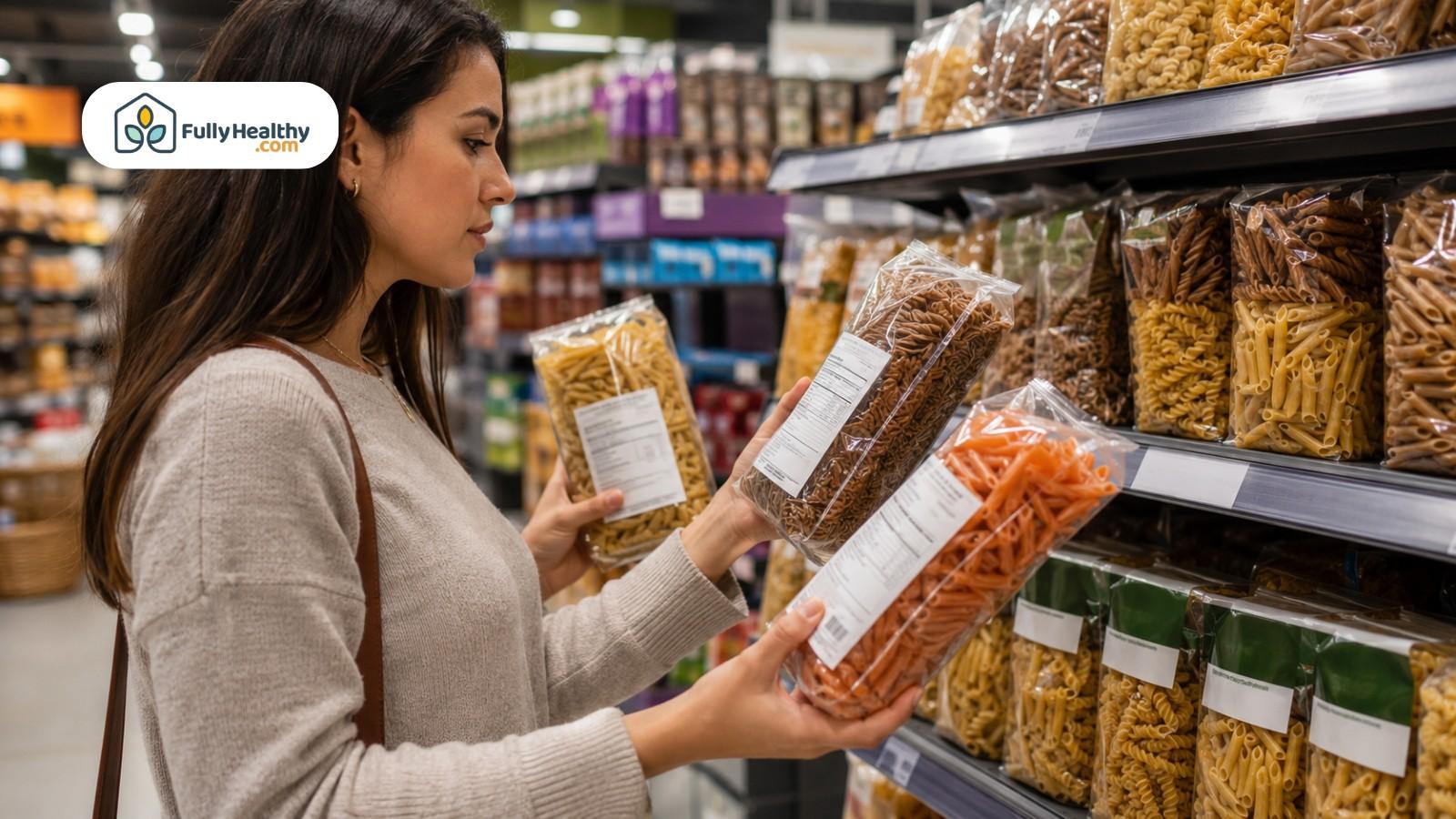
Pasta and rice are both healthy carbohydrate choices, and neither is always better than the other. The better option depends on your nutrition goals, activity level, and the rest of your meal. Instead of avoiding one food, focus on portion sizes and balanced eating to get the most nutrients from every meal.
Which Provides More Protein, Fiber, and Energy?
Pasta usually contains more protein than white rice, while rice may contain fewer calories per serving. One cup of enriched pasta also provides important nutrients, including iron and B vitamins. Whole-grain pasta adds more fiber, which can help you feel full longer and support healthy digestion.
-
Compare protein: Pasta generally provides more protein than white rice, making meals more satisfying.
-
Look at fiber: Whole-grain pasta contains more fiber, while refined options contain less.
-
Check nutrients: Enriched pasta supplies important nutrients that contribute to the daily value of several vitamins and minerals.
-
Choose wisely: Pick the option that best fits your overall eating plan instead of focusing on one food alone.
Should You Choose Pasta or Rice Based on Your Health Goals?
Your choice should match your lifestyle and nutrition needs. If you want more protein and fiber, pasta may be a better fit. If you prefer fewer calories in a side dish, rice can also be a good option. The Harvard T.H. Chan School of Public Health encourages choosing whole grains more often as part of a balanced diet.
-
Build balanced meals: Pair pasta or rice with vegetables, lean protein, and healthy fats.
-
Watch portion sizes: Eating the right amount is more important than choosing one carbohydrate over another.
-
Limit added salt: Too much salt from sauces and processed foods may increase the risk of heart disease over time.
How Can FullyHealthy Help You Find Specialty Pasta Options?
Finding specialty noodles can be challenging if you follow a gluten-free or grain-free diet. FullyHealthy brings these products together in one place, making shopping easier for people with different dietary needs. The store focuses on specialty foods without making unsupported nutrition or medical claims.
Which Jovial Cassava Pasta Products Are Available at FullyHealthy?
FullyHealthy offers three verified Jovial cassava pasta products made with organic cassava flour and water. These options are certified gluten-free, grain-free, and suitable for shoppers looking for alternative pasta choices.
-
Jovial Cassava Spaghetti: A great choice for traditional spaghetti recipes and simple tomato-based sauces.
-
Jovial Cassava Elbow Pasta: Works well for pasta salads, baked dishes, and family-friendly meals.
-
Jovial Cassava Fusilli: The spiral shape holds sauce well, making it ideal for vegetable-rich recipes.
Which Jovial Cassava Pasta Shape Fits Different Recipes?
Choosing the right pasta shape can improve both texture and flavor. Matching the pasta to the recipe helps every bite hold more sauce and ingredients while creating a more enjoyable meal.
-
For classic meals: Choose spaghetti for lighter tomato sauces or olive oil recipes.
-
For comfort foods: Use elbow noodles in pasta salads, baked casseroles, or macaroni-style dishes.
-
For hearty sauces: Pick fusilli for chunky vegetable sauces because the spiral shape holds ingredients well.
-
For balanced meals: Add vegetables, lean protein, and sensible portions to support public health recommendations and lower the risk of heart disease as part of an overall healthy lifestyle.
Final Thoughts
So, is pasta healthy? For most people, the answer is yes when it is enjoyed as part of a balanced diet. The type of pasta, the portion size, and the ingredients you add all make a difference.
Choosing whole-grain or other nutrient-rich options, adding vegetables and lean protein, and keeping rich sauces in moderation can help create satisfying meals. While pasta contains simple carbs, it also provides energy and can fit into many healthy eating patterns when paired with wholesome foods.
Rather than avoiding pasta completely, focus on balance, variety, and mindful portions. With smart choices, you can enjoy pasta while supporting your overall health and nutrition goals.
FAQs
Can pasta fit into a healthy diet?
Yes. Pasta can be part of a healthy diet when you eat reasonable portions and pair it with vegetables, lean protein, and healthy fats.
Is whole-grain pasta better than regular pasta?
Whole-grain pasta usually provides more fiber, while regular pasta can still fit into a balanced eating plan.
Does eating pasta every day cause weight gain?
Not necessarily. Total calorie intake, portion size, physical activity, and your overall diet matter more than eating pasta alone.
Is pasta or rice the healthier choice?
Neither is always healthier. The better option depends on your nutrition goals, serving size, and the rest of your meal.
What is the healthiest way to serve pasta?
Choose moderate portions and pair pasta with vegetables, lean protein, tomato-based sauces, and healthy fats instead of heavy cream sauces.
Leave a comment