

Is Peanut Butter Dairy Free? What Every Buyer Should Know
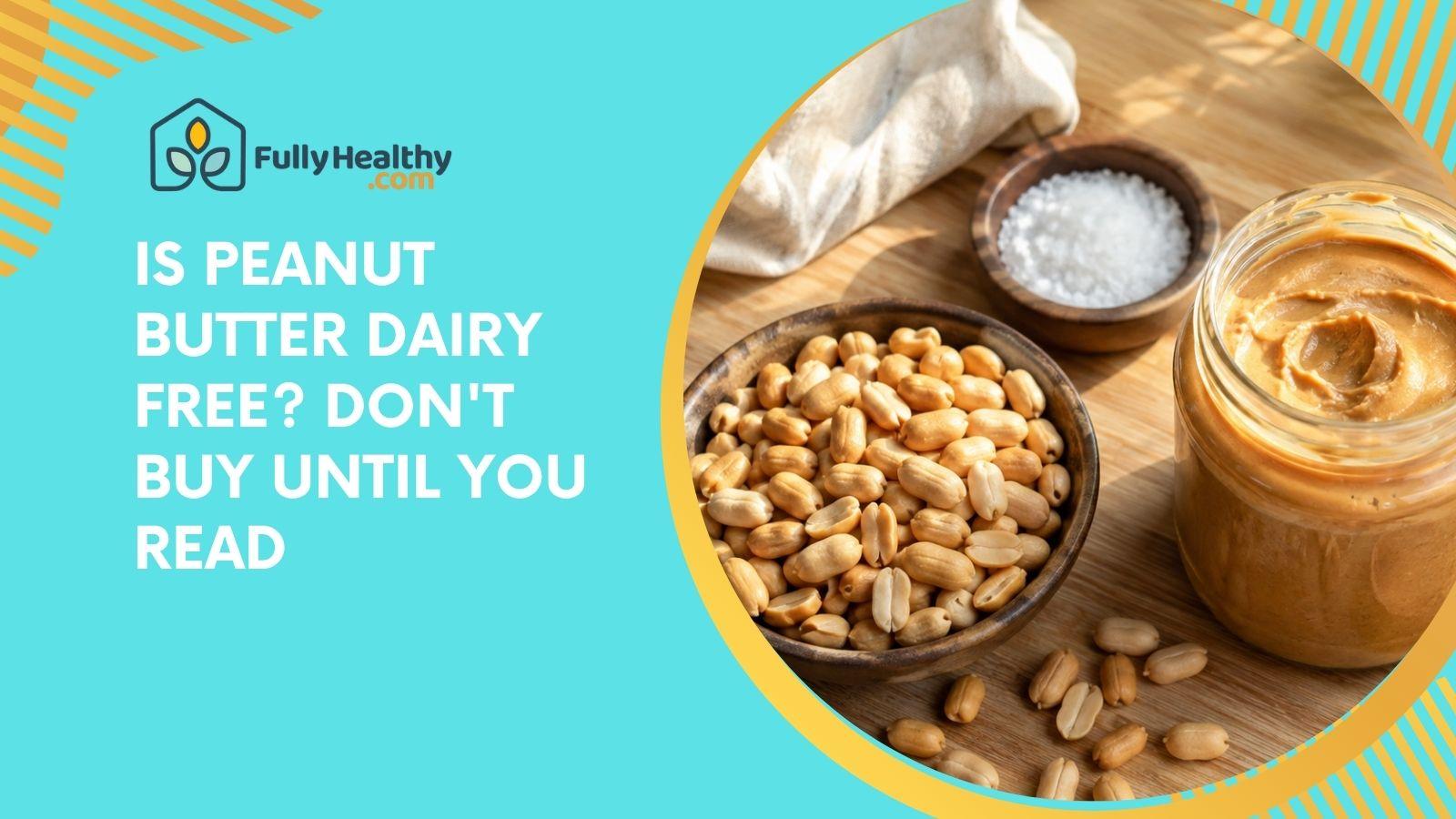
Peanut butter is usually dairy-free because it is made from peanuts, oil, salt, and sometimes sugar. However, flavored kinds might have milk in them, so it's important to read the label.
People who have GERD may also be affected by peanut butter because the fat in it can sometimes cause reflux. Large portions may cause fullness or digestive discomfort in some people, and peanut butter may trigger heartburn in susceptible individuals. Regularly consuming excess calories over time—not a single large serving—can contribute to weight gain.
This blog tells you what to think about, what to stay away from, and how to make smart decisions.
Is Peanut Butter Dairy Free?
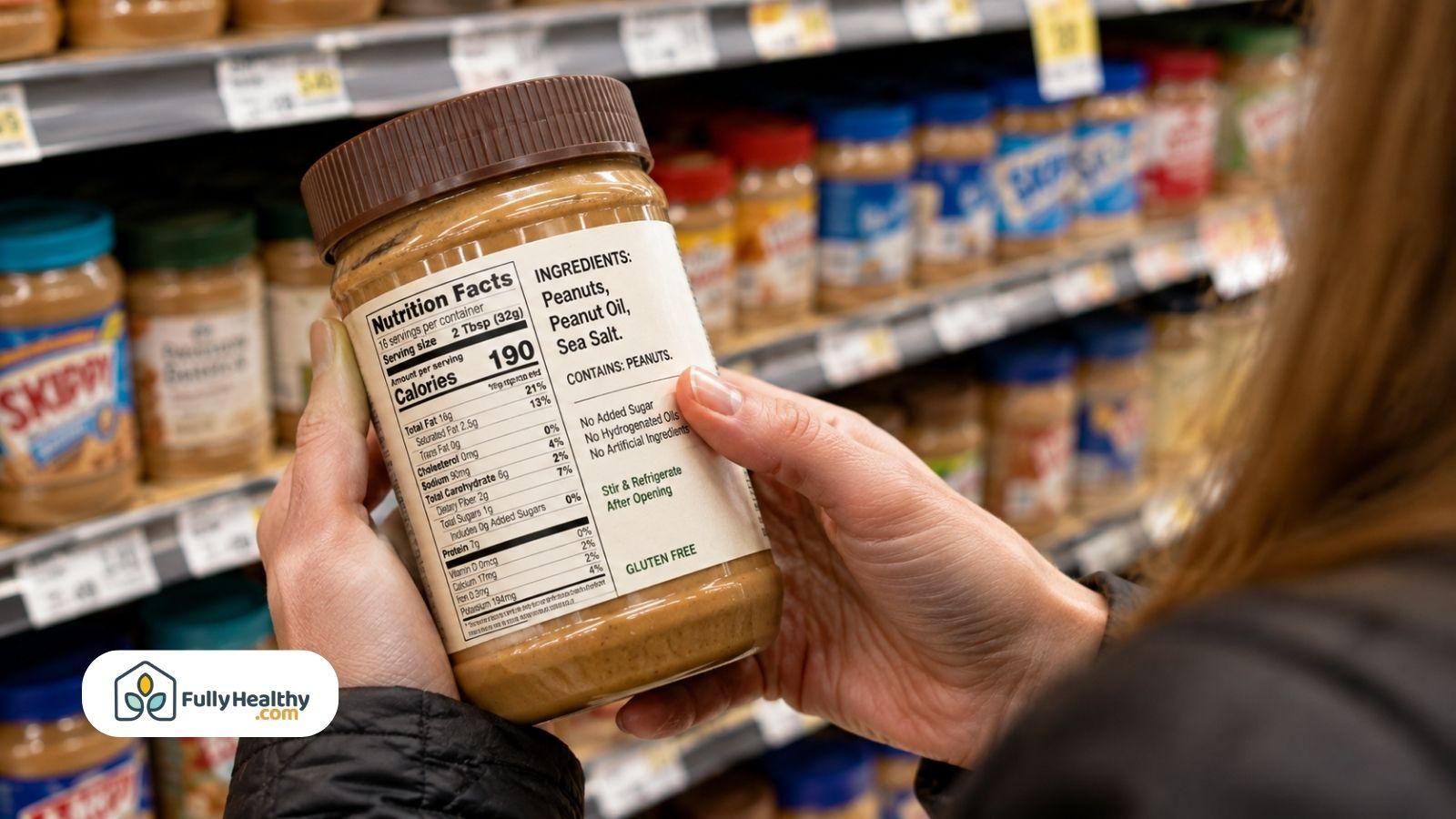
If you are wondering is peanut butter is dairy-free, the simple answer is usually yes. Traditional peanut butter is made from ground peanuts, oil, and salt, so it is often dairy-free and naturally vegan.
However, some flavored products may contain milk powder or other dairy ingredients. The best way to determine if a product is suitable is to check the ingredient list and product packaging before you buy it.
How Can You Tell If Peanut Butter Is Dairy Free?
Thoroughly reading the label is the best way to tell if peanut butter is dairy-free. A lot of brands only use simple things like oil, salt, roasted peanuts, or roasted salted peanuts.
Some products may contain dairy ingredients such as milk, milk powder, whey, butter, or milk-containing chocolate. Sugar and honey are not dairy ingredients, and chocolate or butter flavoring does not necessarily contain milk.
-
Check the Ingredient List: Look for milk, milk powder, butter, whey, or other dairy ingredients.
-
Read The Allergen Label: Packaging often lists common allergens such as milk, peanuts, or cashews.
-
Watch For Cross Contamination: For people with a milk allergy, shared equipment may create a risk of unintended milk exposure. This is primarily an allergy-safety issue rather than evidence that milk is an intentional ingredient.
-
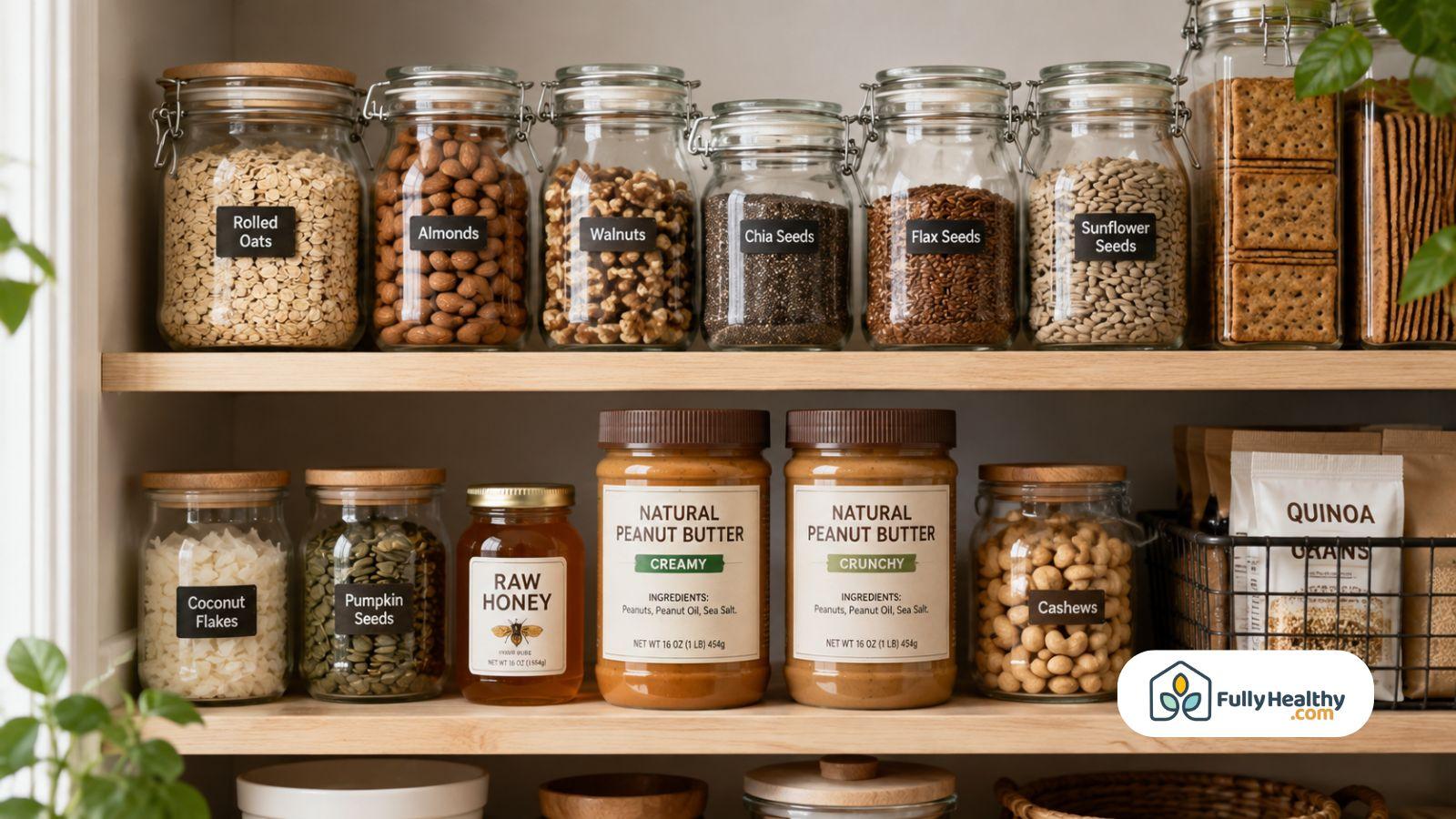
Choose Simple Products: Natural peanut butter often contains only peanuts, oil, and salt.
-
Know Your Sensitivity: People who are highly sensitive to milk should contact manufacturers if the label is unclear.
Is Peanut Butter Dairy Free If It Is Flavored Or Processed?
Usually, plain peanut butter is the easiest to use, but flavored kinds need more care. If a sweet spread has chocolate, honey, apple flavorings, or ingredients that make it taste like dessert, it may contain dairy. Recipes can also change, so comments or posts from the past might not work with the new product.
-
Check Flavored Varieties: Chocolate or sweet flavors may include milk or other dairy ingredients.
-
Review Current Packaging: Manufacturers can change ingredients, recipes, and production processes.
-
Do Not Rely On Brand Names Alone: One product may be dairy free while another from the same brand is not.
-
Contact The Manufacturer: Ask the company if you cannot determine whether the product is safe.
-
Choose Plain Options: Creamy natural peanut butter is often easier to check because it usually has fewer ingredients.
Is Peanut Butter Bad For GERD?
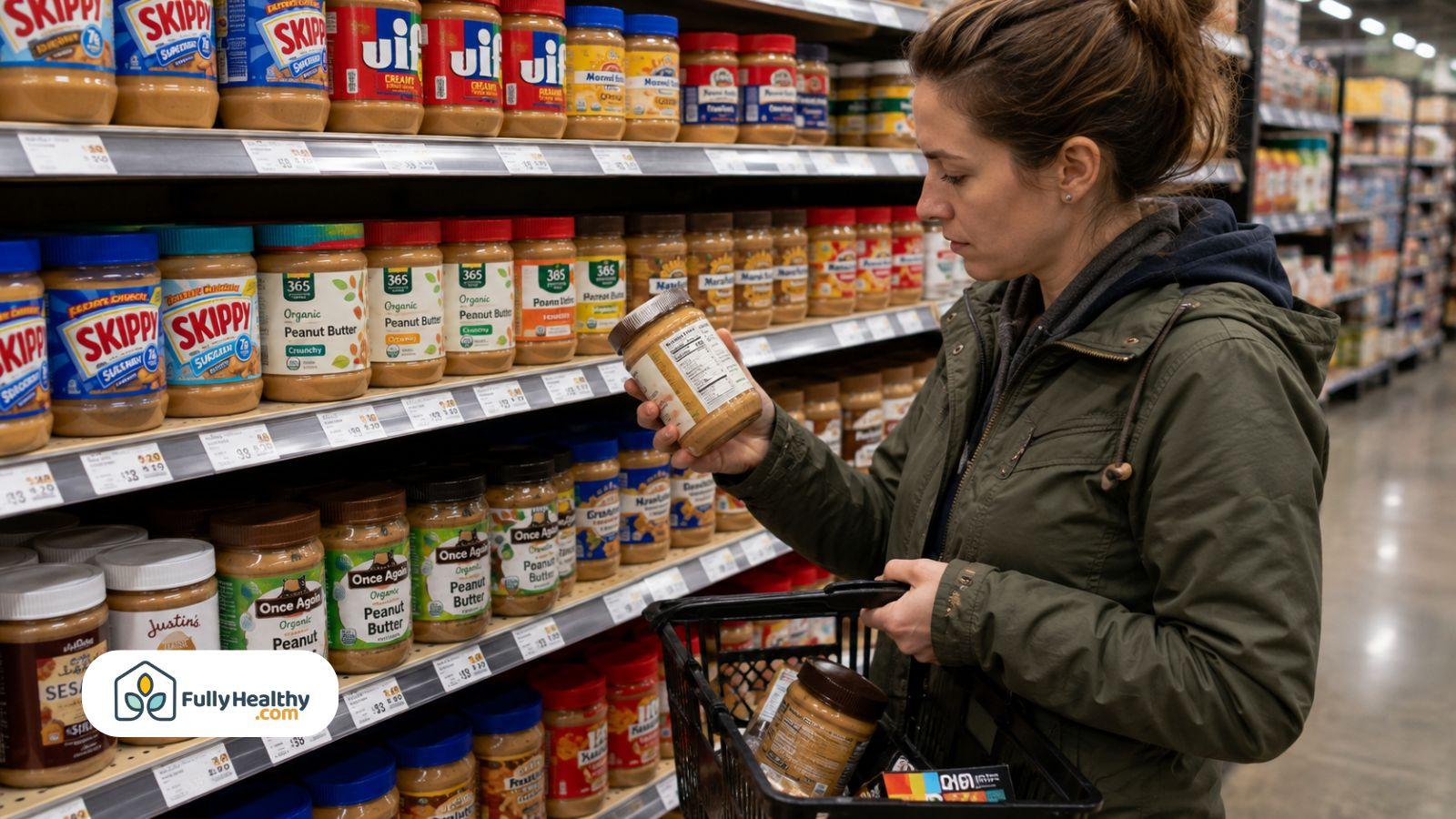
Peanut butter is not always bad for GERD, but it can affect people in different ways. It contains protein and healthy fats, yet its fat content may trigger reflux in some people.
How you react may depend on how much food you eat, what you eat, and how well you can handle high-fat foods. Talk to a doctor if your symptoms happen a lot.
Can Peanut Butter Make GERD Symptoms Worse?
High-fat meals may worsen reflux symptoms in some people and can influence transient lower-esophageal-sphincter relaxations, but evidence does not establish that peanut butter consistently ‘relaxes’ the sphincter or worsens GERD in everyone.
This does not mean everyone with GERD must avoid peanut butter. The effect can vary from one person to another.
-
Fat Can Be A Trigger: High levels of fat may increase reflux symptoms in some people.
-
Portion Size Matters: A large serving may be harder to tolerate than a small one.
-
Watch Your Symptoms: Notice whether heartburn happens after eating peanut butter.
-
Consider Your Whole Meal: Other foods eaten with peanut butter may also trigger reflux.
How Can You Eat Peanut Butter If You Have GERD?
You might still be able to eat small amounts of peanut butter if it doesn't make your sickness worse. If you have GERD, it may be easier to eat natural peanut butter that doesn't have as many added ingredients.
-
Start With A Small Serving: Try a small amount and see how your body responds.
-
Choose A Simple Product: Look for natural peanut butter with minimal ingredients.
-
Avoid Heavy Pairings: Skip large, greasy, or very sweet meals that may worsen reflux.
-
Talk To A Doctor: Get medical advice if reflux is frequent, painful, or getting worse.
What Are The 5 Worst Foods To Eat If You Have Acid Reflux?
Some foods are more likely to trigger acid reflux because they may relax the lower esophageal muscle or irritate the digestive system. However, triggers are not the same for everyone. The best approach is to identify which foods cause symptoms for you and reduce them when needed.
Which Five Types Of Foods Commonly Trigger Acid Reflux?
Certain types of food make acid reflux worse for a lot of people.
-
Fried Foods: High-fat fried meals can increase reflux and heartburn.
-
Fatty Meats: Bacon, sausage, and similar foods may be harder to digest.
-
Spicy Foods: Hot peppers and strong spices can irritate some people.
-
Tomato And Citrus Foods: Acidic foods may worsen burning or discomfort.
-
Chocolate And Peppermint: These foods may relax the muscle that helps prevent acid reflux.
What Foods Can You Eat Instead When You Have Acid Reflux?
If you want to eat healthier and more comfortably, pick foods that are easier on your stomach.
-
Choose High-Fiber Foods: Oatmeal, vegetables, and whole grains may support digestion.
-
Try Less Acidic Foods: Bananas and melons are often suitable choices.
-
Add Water-Rich Foods: Cucumber and lettuce can be included if individually tolerated, but there is insufficient evidence that their water content specifically reduces GERD symptoms.
-
Eat Smaller Meals: Smaller portions may reduce pressure on the stomach and help control reflux.
What Are The Symptoms Of Eating Too Much Peanut Butter?
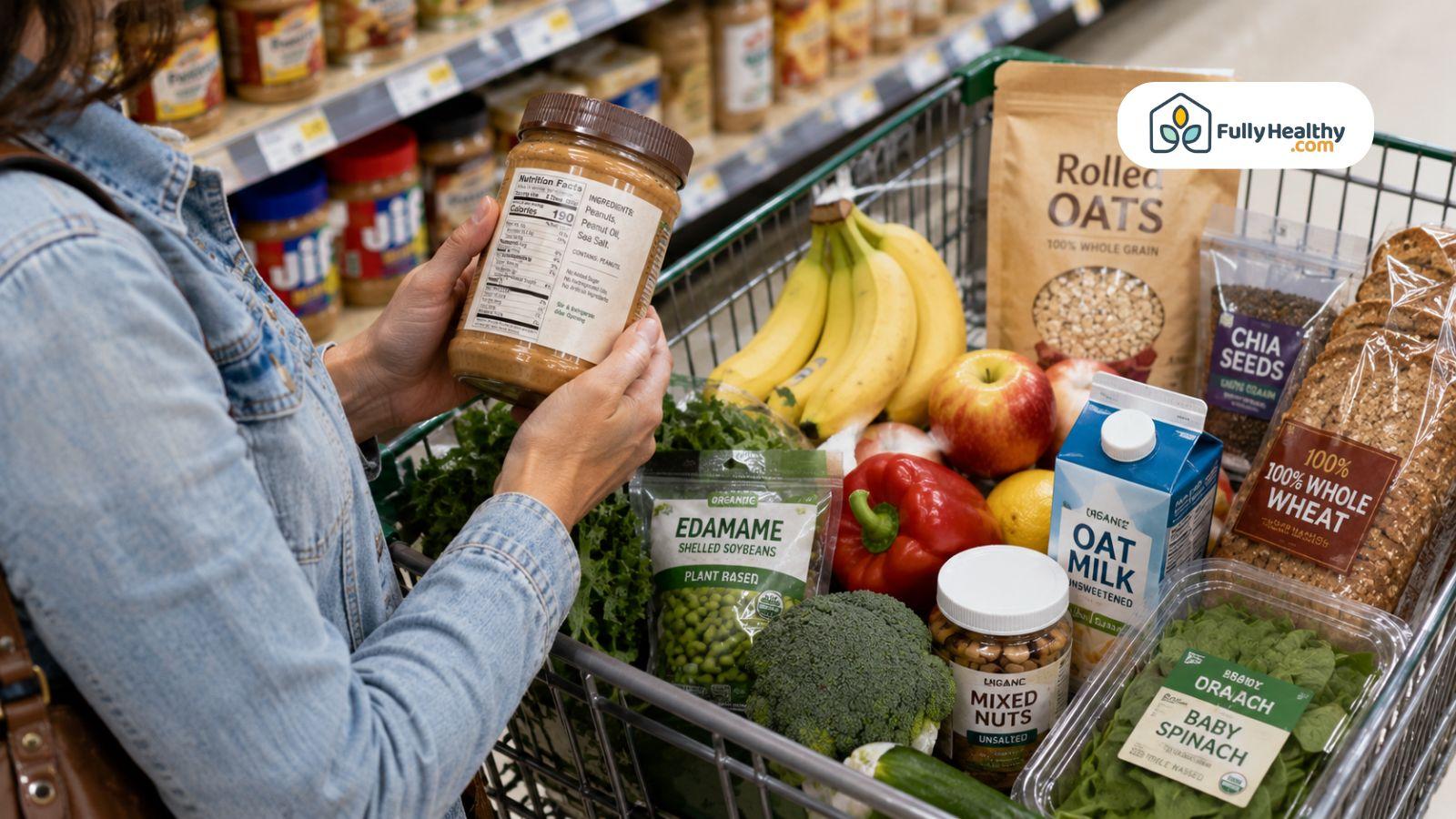
Peanut butter is a healthy food, but eating too much can cause unwanted side effects. Since it is high in calories and healthy fats, large portions may lead to digestive discomfort or make it harder to maintain a balanced diet.
It is also important to know the difference between eating too much peanut butter and having a peanut allergy because the symptoms and treatment are not the same.
What Digestive Symptoms Can Too Much Peanut Butter Cause?
Eating a large amount of peanut butter at one time may make you feel overly full or uncomfortable. Dietary fat can slow gastric emptying under some conditions, but there is insufficient evidence that peanut butter’s ‘rich texture’ itself slows digestion or that this reliably causes symptoms.
Enjoying it in moderation makes it easier to include this nutritious paste in your daily meals without discomfort.
-
Watch Your Portion: Large servings may cause bloating, stomach discomfort, or heartburn.
-
Pay Attention To Your Body: Notice how you feel after eating peanut butter, especially if digestive symptoms happen often.
-
Understand The Difference: Feeling overly full is not the same as having a food allergy or intolerance.
-
Pair It With Healthy Foods: Enjoy peanut butter with fruit, whole-grain toast, or other nutritious foods for a more balanced meal.
-
Choose Simple Ingredients: A peanut butter paste with fewer added ingredients is often easier to fit into a healthy eating plan.
When Are Peanut Butter Symptoms Actually Signs Of An Allergy?
A peanut allergy is much more serious than simply eating too much peanut butter. Even a small bit can trigger an allergic reaction in sensitive people. If symptoms appear quickly or become severe, seek medical care immediately instead of waiting for them to improve.
-
Know The Warning Signs: Hives, swelling, trouble breathing, and throat tightness require immediate medical attention.
-
Do Not Ignore Symptoms: Speak with a healthcare professional if you think you may have a peanut allergy.
-
Read Food Labels Carefully: Checking ingredients helps reduce the risk of accidental exposure.
-
Follow Your Doctor's Advice: Carry emergency medication if it has been prescribed for your allergy.
-
Protect Your Health: Quick action can help ensure your safety during a severe allergic reaction.
How Can Fully Healthy Support Your Special Dietary Needs?
Sometimes it's hard to find specialty foods, but Fully Healthy makes it a lot easier. People with different eating habits can find what they need on the website, so they don't have to go to multiple stores to find what they need. Its well-organized collections also make it easy to find new favorites and feel safe while shopping.
How Can Fully Healthy Make Shopping Easier?
Fully Healthy groups products into easy-to-browse collections, making it simple to find foods that match your dietary preferences. This unique shopping experience saves time and helps you make informed choices.
-
Browse By Collection: Explore AIP Elimination, AIP Reintros, Snacks, Breakfast, Seasonings, Bundles, Personal Care, Sweets, and New Products.
-
Save Time: Organized categories help you quickly find products that match your needs.
-
Shop With Confidence: Clear product organization makes it easier to choose suitable foods.
-
Discover New Favorites: Explore a range of specialty products from trusted brands in one place.
-
Enjoy A Better Experience: The simple layout helps make online shopping easy and stress-free.
Which Products Can You Find On FullyHealthy?
FullyHealthy offers carefully selected pantry staples and baking mixes from specialty brands. Product availability may change, so always review the latest product details before placing an order.
-
Pantry Staples: Big Tree Farms Organic Brown Coconut Sugar, Bob's Red Mill Organic Coconut Sugar, Date Lady Date Sugar, Coombs Family Farm Organic Maple Sugar, and Organic Maple Syrup.
-
Baking Mixes: EAT G.A.N.G.S.T.E.R. Cut-Out Sugar Cookie Mix, Banana Bread Mix, and Chewy Choconot Brownie Mix.
-
Check Product Details: Review ingredients and product information to make sure each item fits your dietary needs.
-
Read Customer Reviews: Feedback from other shoppers can help you choose the right product.
-
Leave A Review: Share your experience to help other customers make informed buying decisions.
Final Thoughts
For most people, peanut butter is not a dairy product and can be part of a healthy diet when enjoyed in moderation. Reading the label is important because the ingredients can change, especially in flavored foods. It is easier to shop and avoid dairy by picking products with a simple mix of ingredients.
The right choice of peanut butter can help your diet, whether you eat it for breakfast, as a snack, or in a recipe. This guide should have helped you understand your concerns and feel safe while shopping anywhere in the world. Learn as much as you can, make smart choices, and enjoy your favorites with peace of mind.
FAQs
Is peanut butter a dairy product?
No. Traditional peanut butter is not a dairy product because it is usually made from peanuts, oil, and salt, but always check the label for added milk ingredients.
Does peanut butter cause inflammation?
Peanut butter has not been shown to cause systemic inflammation in the general population. Nut and peanut consumption is generally neutral or favorable with respect to inflammatory and cardiometabolic markers. Peanut allergy is a separate immune-mediated condition.
Which fruits should I avoid if I have acid reflux?
Some people find that citrus fruits may worsen acid reflux, while bananas and melons are often a better form of fruit for sensitive stomachs.
What is the best snack for acid reflux?
There is no single ‘best’ snack for acid reflux. A small snack based on individually tolerated foods may be appropriate; peanut butter may trigger symptoms in some people because of its relatively high fat content.
Which is more unhealthy, peanut butter or Nutella?
It depends on the ingredients, but natural peanut butter typically contains more protein and substantially less added sugar than chocolate-hazelnut spreads, but overall healthfulness depends on the specific product, portion size, and overall diet.
Leave a comment