

Is Peanut Butter Keto? A Complete Guide to Smart Keto Choices
Is peanut butter keto? Yes, natural peanut butter can fit into a keto diet when it contains simple ingredients and is eaten in the right serving size. However, not every jar is keto friendly because some contain added sugars and highly processed ingredients.
Learn how to choose the best peanut butter, how much you can eat, which nuts work best for keto, and the foods that help maintain ketosis with confidence.
Is Peanut Butter Keto?
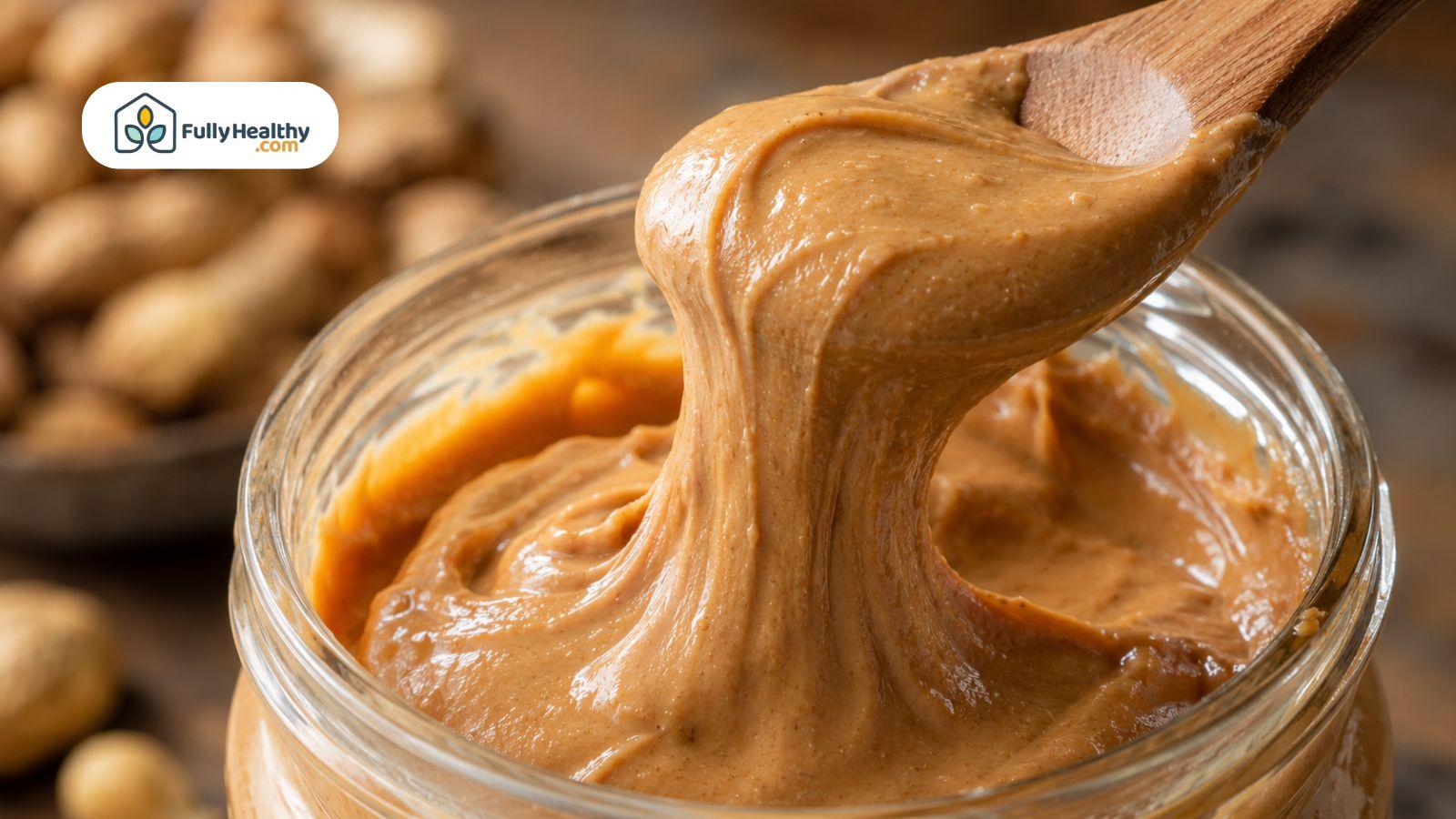
Yes, peanut butter is keto-friendly when you choose a natural variety without added sugar and enjoy the right serving size. Most natural peanut butter contains healthy fats and relatively low net carbs that fit well into a ketogenic diet.
Understanding Why Peanut Butter Fits a Keto Diet
Peanut butter supports a ketogenic diet because it is naturally high in fat and relatively low in carbohydrates, making it suitable for many ketogenic diets. Its combination of healthy fats, protein, and fiber makes it a satisfying choice that can help maintain ketosis while adding flavor to meals and snacks.
-
Healthy Fats: Peanut butter is naturally rich in healthy fats that become the body's primary fuel source during ketosis.
-
Net Carbs: A typical 2-tablespoon (32 g) serving contains about 5 grams of net carbs (about 7 grams total carbs minus 2 grams of fiber), although this varies slightly by brand.
-
Protein: A 2-tablespoon (32 g) serving provides about 7 to 8 grams of protein, making it a satisfying addition to keto meals and snacks.
-
Peanuts: Natural peanuts provide nutrition, vitamins, minerals, and fiber with very few added ingredients.
-
Good Option: Smooth and crunchy peanut butter are both a good option when they contain only peanuts and salt.
Choosing the Right Peanut Butter for Keto
Reading the ingredient label helps separate keto friendly products from processed options loaded with unnecessary additives. A shorter ingredient list usually means fewer added sugars, preservatives, and hydrogenated oils that can increase carbs.
-
Ingredients: Choose peanut butter made mainly from peanuts with little or no added ingredients.
-
Added Sugars: Avoid products containing sugar, syrups, or other sweeteners that increase carb count.
-
Hydrogenated Oils: Skip peanut butter made with hydrogenated oils because they add highly processed fat.
-
Nutrition Label: Compare serving size, calories, protein, total carbs, and net carbs before buying.
-
Alternative Choices: Almond butter and other nut butter options can also fit a keto diet, but avoid sugar added almond butter whenever possible.
How Much Peanut Butter Is Allowed on Keto?
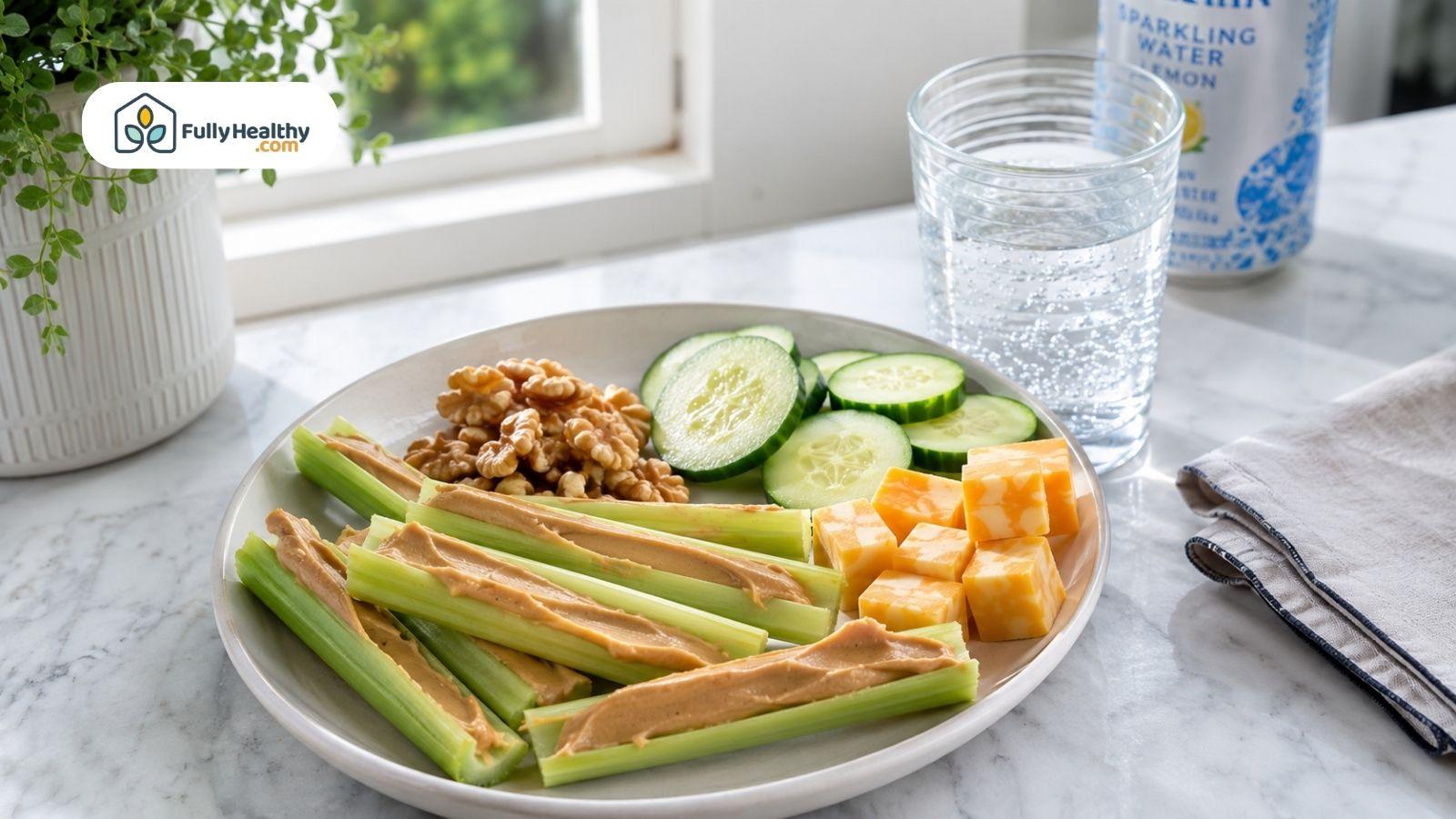
One to two tablespoons is the recommended serving for most keto diets. This amount supplies healthy fats while helping keep calories and carbs within your daily limit.
Recommended Serving Sizes for Daily Keto Macros
A measured serving makes it easier to balance fat, protein, and carbs throughout the day. Using a spoon instead of eating directly from the jar helps you stay mindful of your nutrition goals and weight management.
-
Serving: A standard serving is 2 tablespoons (32 g).
-
Calories: One 2-tablespoon (32 g) serving contains about 190 calories.
-
Carb Count: A 2-tablespoon (32 g) serving provides about 7 g total carbs and 5 g net carbs.
-
Mindful Habit: Measuring 2 tablespoons (32 g) helps you avoid eating multiple servings from the jar.
-
Easy Routine: Sticking to 1 serving (2 tablespoons) makes it easier to stay within your daily carb and calorie goals.
Balancing Peanut Butter With Your Daily Carb Intake
Peanut butter works best as part of a balanced keto meal plan instead of your only source of fat. Pairing it with other low carb foods creates tasty meals while helping you maintain your daily carb target.
-
Snacks: Pair peanut butter with celery, cucumber, or other low carb vegetables.
-
Smoothies: Add a spoonful to keto smoothies for extra fat, protein, and flavor.
-
Recipes: Use peanut butter in sauces, dressings, or simple keto friendly recipes.
-
Daily Balance: Include eggs, cheese, avocado, and meat alongside peanut butter for better nutrition.
-
Maintain: Staying mindful of your total carbs each day supports long-term ketosis.
What Nuts Should I Avoid on Keto?
Cashews, chestnuts, and sugar-coated nuts are best limited on a keto diet because they contain more carbs. Lower-carb choices like macadamias, pecans, walnuts, and almonds are better options for maintaining ketosis.
Best Low-Carb Nuts and Seeds for Keto
Low carb nuts and seeds make excellent keto snacks because they provide healthy fats, fiber, and important nutrients without significantly increasing your carb intake. They also add variety to meals, recipes, and smoothies while supporting overall health.
-
Macadamia Nuts: About 2 g net carbs per 1-ounce (28 g) serving.
-
Pecans: About 1 g net carb per 1-ounce (28 g) serving.
-
Walnuts: About 2 g net carbs per 1-ounce (28 g) serving.
-
Almonds: About 3 g net carbs per 1-ounce (28 g) serving.
-
Seeds: Chia, flax, hemp, and pumpkin seeds are generally 1 to 4 g net carbs per 1-ounce (28 g) serving.
High-Carb Nuts and Common Pitfalls to Avoid
Some nuts contain significantly more carbs than others, making portion control even more important. Sweet coatings, flavored seasonings, and processed mixes can also increase sugar and total carbs without adding much nutritional value.
-
Cashews: About 9 g net carbs per 1-ounce (28 g) serving.
-
Chestnuts: About 29 g net carbs per 1-ounce (28 g) serving.
-
Flavored Nuts: Often contain added sugars that increase total and net carbs.
-
Nutrition Facts: Compare serving size, total carbs, fiber, and ingredients.
-
Better Choice: Macadamias (~2 g), pecans (~1 g), walnuts (~2 g), and almonds (~3 g) net carbs per 1-ounce (28 g) serving.
What Foods Won't Break Ketosis?
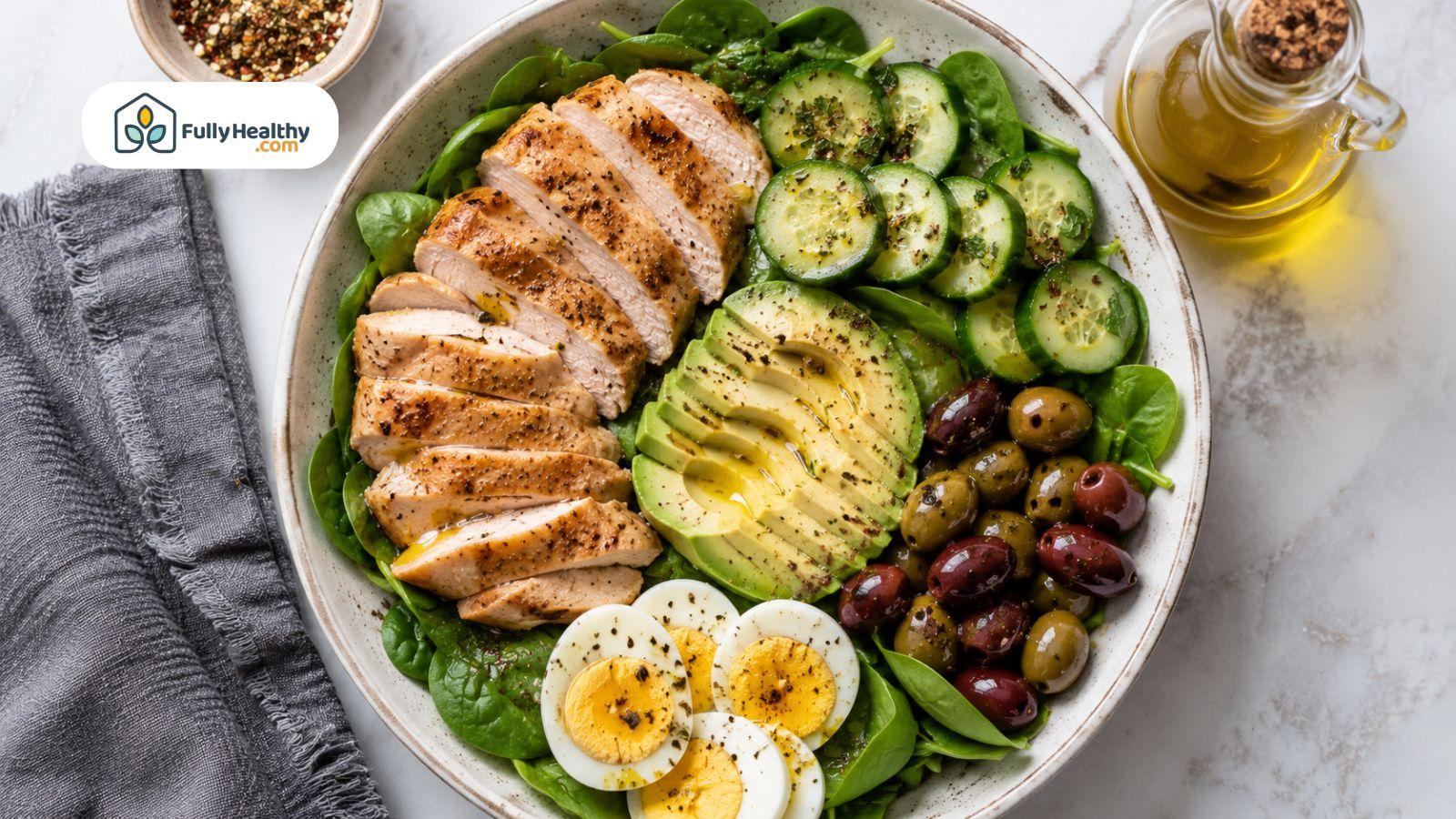
Foods that are naturally low in carbs and high in healthy fats or protein are less likely to interrupt ketosis. Building meals around whole, minimally processed foods makes it easier to stay within your daily carb limit.
Foods That Help Maintain Ketosis
A keto diet focuses on foods that provide healthy fats, quality protein, and minimal carbs. Filling your plate with these choices supports steady energy while giving your body the nutrients it needs throughout the day.
-
Protein: Beef, chicken, turkey, pork, seafood, and eggs are excellent sources of protein with very few carbs.
-
Healthy Fats: Avocados, olive oil, butter, coconut oil, and cheese help supply the fat needed for a ketogenic diet.
-
Low Carb Vegetables: Spinach, broccoli, cauliflower, zucchini, asparagus, and leafy greens add fiber with a low carb content.
-
Dairy: Plain Greek yogurt, heavy cream, and full-fat cheese can fit a keto diet when enjoyed in appropriate serving sizes.
-
Beverages: Water, black coffee, and unsweetened tea are free of added sugar and support hydration during ketosis.
Everyday Foods That Can Interrupt Ketosis
Foods high in sugar or refined carbohydrates can quickly increase your carb count and make it harder to maintain ketosis. Reading nutrition labels helps you spot hidden ingredients before adding them to your meals or snacks.
-
Sugary Foods: Candy, cakes, cookies, and ice cream contain large amounts of sugar and carbs.
-
Grains: Bread, rice, pasta, cereal, and crackers contribute significant carbohydrates.
-
Starchy Vegetables: Potatoes, corn, and sweet potatoes contain more carbs than most non-starchy vegetables.
-
Sweet Drinks: Regular soda, fruit juice, sports drinks, and sweetened coffee beverages can quickly exceed your daily carb limit.
-
Processed Foods: Flavored sauces, ketchup, barbecue sauce, and packaged foods often contain added sugars and preservatives.
Shop Specialty Diet Foods at FullyHealthy
Choosing convenient keto snacks is easier when products clearly list their ingredients and nutrition facts. FullyHealthy offers a selection of specialty foods that support different dietary preferences, including many options suitable for low carb lifestyles.
About FullyHealthy
FullyHealthy specializes in curated foods for people following specialty diets, making shopping more convenient in one place. The store offers products for keto, gluten-free, grain-free, paleo, and other eating plans while emphasizing transparent ingredients and nutrition information.
-
Specialty Diets: Products are grouped to support different dietary preferences and health goals.
-
Simple Ingredients: Many products focus on straightforward ingredient lists with fewer unnecessary additives.
-
Convenient Shopping: Categories make it easy to compare products based on your diet.
-
Trusted Brands: FullyHealthy carries brands that emphasize quality ingredients and clear nutrition labeling.
-
Better Choices: Reviewing nutrition facts before purchasing helps you choose products that match your keto goals.
Keto-Friendly Pantry Essentials
Choosing keto products is easier when you focus on simple ingredients and clear nutrition facts. These pantry essentials can help you prepare meals, add healthy fats, and enjoy more variety while supporting your keto diet.
-
Off The Farm Peanut Butter Banana Meal Bar: Delivers 20 grams of protein in a convenient meal bar for busy days or on-the-go snacks.
-
Bulletproof MCT Oil, Unflavored: Adds a concentrated source of MCTs to coffee, smoothies, or recipes to increase healthy fat intake without changing the flavor.
-
Hearty Sauces AIP Taco Seasoning: Makes it easy to season meat and vegetables with simple ingredients while avoiding unnecessary additives.
-
Bare Bones Instant Beef Bone Broth: Provides a warm, protein-rich option that is convenient for busy schedules and simple meal preparation.
-
Hearty Sauces AIP Ranch Mix: Creates homemade ranch dressing or dip with straightforward ingredients for vegetables, salads, and keto-friendly meals.
Final Thoughts
Is peanut butter keto? Yes, natural peanut butter can be a smart addition to a keto diet when you choose simple ingredients and control your serving size. Check the nutrition label, barcode, and ingredient list carefully because small differences can affect your carb count.
Additionally, every state offers a lot of product choices, so keep this guide in mind and use it to make more informed decisions the next time you shop.
FAQs
What Knocks You Out of Ketosis?
Foods high in sugar and carbs, oversized portions, and frequent processed meals are the biggest sign that your body may leave ketosis.
What Nuts Should I Avoid on Keto?
Avoid cashews, chestnuts, candied nuts, and heavily sweetened nut mixes because they contain more carbs than most keto-friendly choices.
Is Peanut Butter High in Carbs?
No, peanut butter is not high in carbs. A standard 2-tablespoon (32-gram) serving contains about 7 grams of total carbs, making it suitable for many keto diets when eaten in moderation.
What is Dirty Keto?
Dirty keto is a version of the keto diet that focuses mainly on keeping carbs low instead of the overall quality of the foods you eat.
Who Should Avoid Peanut Butter?
People with peanut allergies, certain medical conditions, or children with specific dietary needs should avoid peanut butter unless advised otherwise by a healthcare professional.
Leave a comment