

Is Quinoa Keto? Why It May Not Fit Your Keto Goals
Is quinoa keto? Generally, no. Cooked quinoa is too high in net carbs to fit most strict keto diets, so it is not considered a keto-friendly grain. However, small portions may fit some low carb eating plans if they stay within the daily carb allowance.
Below, you'll learn why quinoa is high in carbs, how much you can eat, the best keto substitutes, and smarter choices to help you stay in ketosis.
Is Quinoa Keto-Friendly?
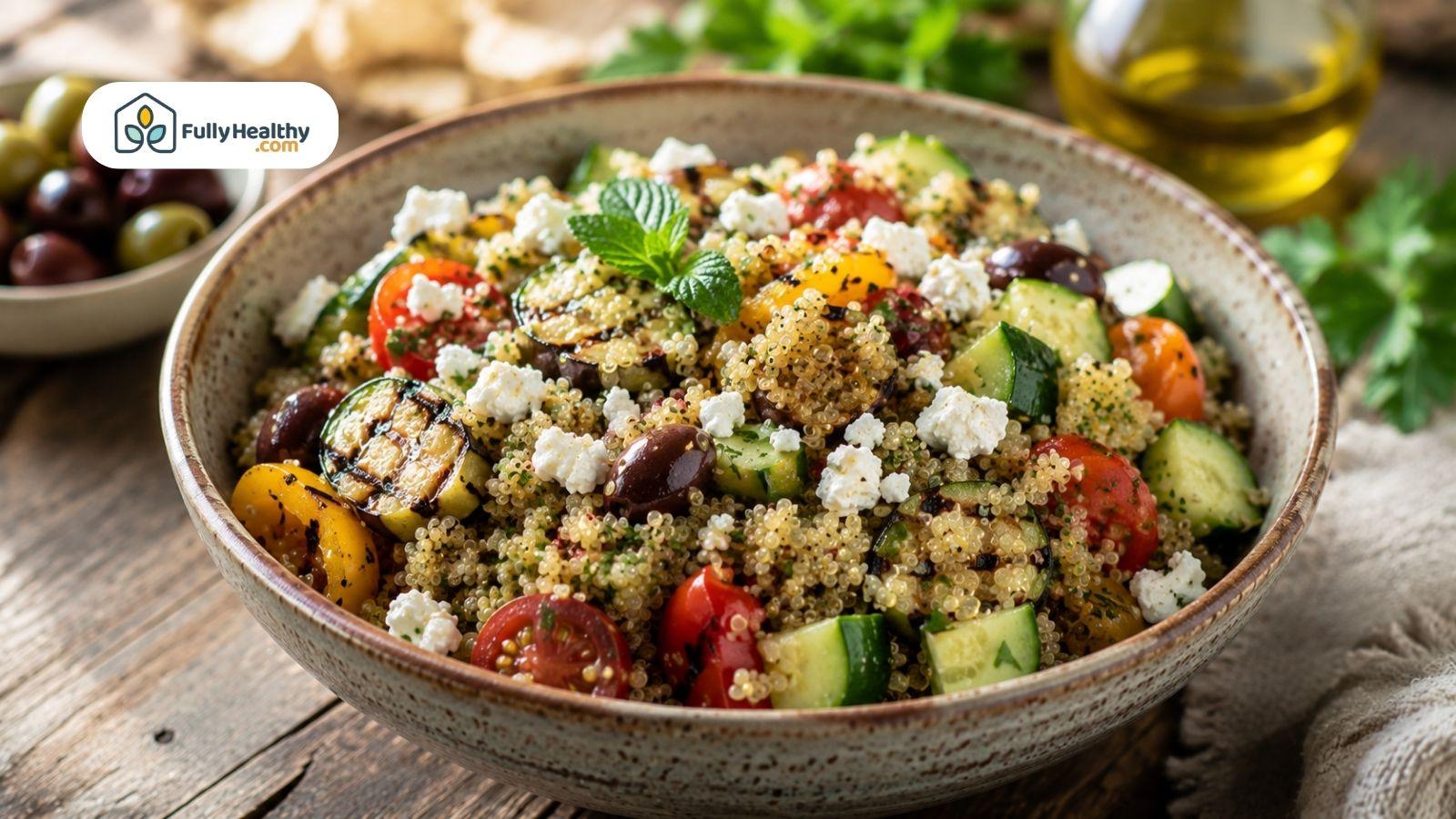
Quinoa is not considered keto friendly because it is high in net carbs, with about 34 g per cup of cooked quinoa, making it difficult to fit into a strict keto diet.
Quinoa Nutrition and Net Carb Content
No. Cooked quinoa is not considered keto because it contains too many net carbs for most ketogenic diets. Although it is a whole grain rich in complete protein, dietary fiber, vitamins, and minerals, one serving can quickly exceed your daily carb allowance and make it harder to stay in ketosis.
-
Total Carbs: One cup of cooked quinoa contains about 39 g of total carbs, making it one of the higher carb foods compared with low carb veggies.
-
Net Carbs: After subtracting dietary fiber, one cup still provides about 34 g of net carbs, which is too many carbs for most people on a strict keto diet.
-
Daily Carb Allowance: Most keto diet plans limit carb intake to around 20 to 50 g of net carbs each day, so one serving of plain quinoa can use most of that amount.
-
Complete Protein: Quinoa is one of the few plant foods that contains all nine essential amino acids, giving it more protein than several other grains.
-
Health Benefits: Quinoa is naturally gluten free, nutrient dense, and a good source of magnesium, potassium, fiber, and other nutrients, making it considered healthy even though it is not usually keto friendly.
Portion Size and Eating Quinoa on a Keto Diet
Eating quinoa is possible in smaller portions, but portion sizes are important if your goal is maintaining ketosis. A spoonful mixed into salads or another dish may fit some low carb meal plans, while a full cup of quinoa can easily push your carb count beyond the limit for a keto diet.
-
Smaller Portions: One or two tablespoons of cooked quinoa contain fewer carbs than a full serving and are easier to fit into a low carb diet.
-
Meal Balance: Mix quinoa with leafy greens, healthy fat, protein, and low carb veggies instead of serving it as the main side dish.
-
Flexible Eating: People following a moderate low carb diet may be able to incorporate quinoa more often than someone following a strict keto diet.
-
Better Choices: Replace part of the quinoa with cauliflower rice or broccoli rice to reduce total carbohydrates while keeping a similar texture.
-
Track Carbs: Count every serving as part of your daily carb allowance to avoid eating too many carbs during the day.
What is a Keto Substitute for Quinoa?
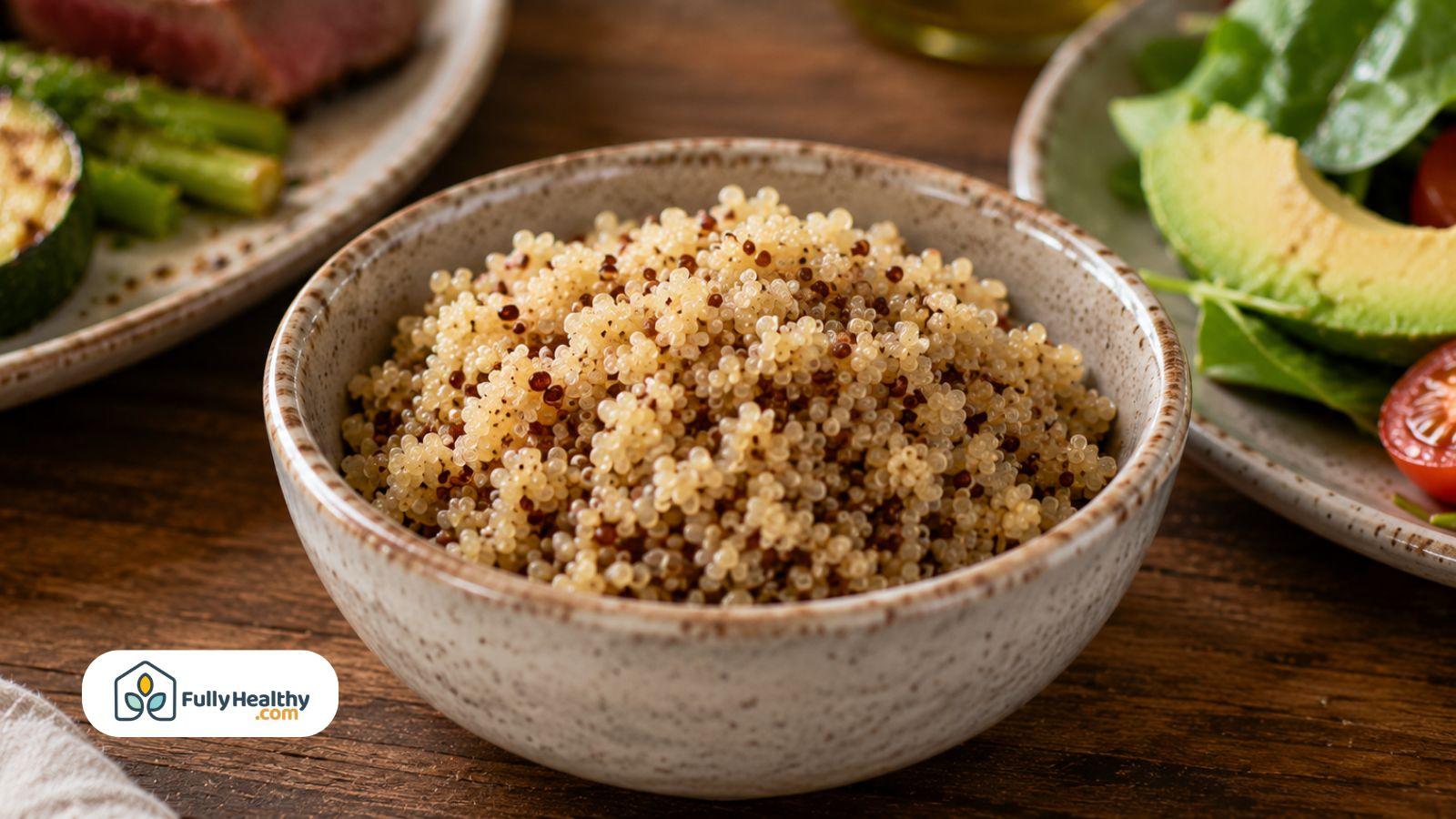
The best keto substitute for quinoa is cauliflower rice because it provides a similar texture with far fewer net carbs.
The Best Low-Carb Alternatives to Quinoa
The best quinoa alternatives are foods with very few carbs that still provide texture, flavor, and nutrients. Most options are vegetables or seeds that support a keto lifestyle better than traditional grains.
-
Cauliflower Rice: A versatile substitute with a mild flavor that works well in bowls, casseroles, and stir fries.
-
Broccoli Rice: Adds fiber, vitamins, and a slightly richer taste while remaining low carb.
-
Hemp Hearts: Provide healthy fat, complete protein, and very few carbs for salads and breakfast cereal alternatives.
-
Konjac Rice: Extremely low in calories and carbohydrates, making it one of the most keto friendly grain replacements.
-
Chopped Cabbage: An inexpensive option that works well in soups, skillet meals, and cooked side dishes.
Choosing the Right Substitute for Different Recipes
Different recipes benefit from different substitutes, so choosing the right ingredient improves both texture and flavor. Matching the replacement to the meal also helps you enjoy familiar dishes while reducing carbohydrates.
-
Salads: Hemp hearts add protein and healthy fat without changing the fresh texture.
-
Grain Bowls: Cauliflower rice creates a filling base with a much lower carb count than quinoa or brown rice.
-
Soups: Broccoli rice and cabbage stay firm during cooking and absorb flavor well.
-
Side Dishes: Konjac rice pairs well with meat, seafood, and roasted vegetables while adding almost no net carbs.
-
Meal Prep: Cauliflower rice cooks quickly, stores well, and can replace quinoa in most recipes.
What Can I Eat Instead of Rice on Keto?
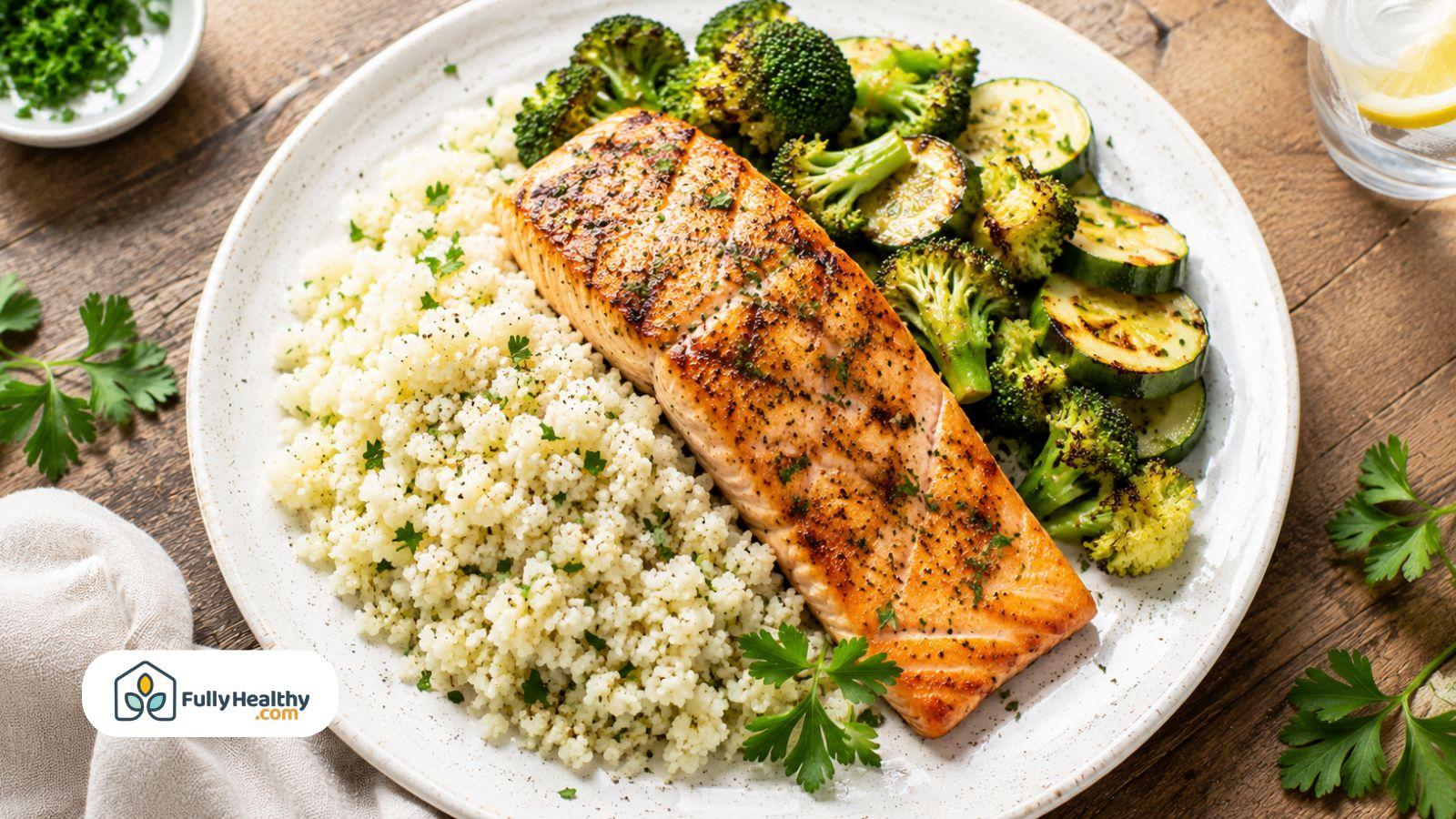
The best rice substitutes for a keto diet include cauliflower rice, broccoli rice, hearts of palm rice, shirataki rice, and cabbage rice. These alternatives are much lower in carbohydrates than traditional rice, making them better choices for supporting ketosis and a low carb lifestyle.
Popular Keto Rice Alternatives
White rice and brown rice contain far more carbohydrates than most vegetables, making them off limits for many people following keto. Vegetable-based alternatives provide fewer calories, fewer carbs, and more flexibility for everyday meals.
-
Cauliflower Rice: One of the most popular keto friendly replacements because it works in almost any dish.
-
Broccoli Rice: Adds fiber, vitamins, and extra nutrients while keeping carbohydrates low.
-
Hearts of Palm Rice: Has a mild taste and firm texture that pairs well with protein and vegetables.
-
Shirataki Rice: Made from konjac root and contains very few carbs and very few total calories.
-
Cabbage Rice: A simple substitute that works well in stir fries and other cooked meals.
Comparing Rice Alternatives for Nutrition and Flavor
Each rice substitute offers different benefits, so the best option depends on your meal and personal preference. Choosing nutrient dense ingredients instead of refined grains can also support weight management and a healthier diet over time.
-
Lowest Carbs: Shirataki rice is one of the lowest carbohydrate options available.
-
Best Texture: Cauliflower rice closely resembles cooked rice in many recipes.
-
Highest Fiber: Broccoli rice and cabbage provide extra fiber to help you feel satisfied.
-
Most Versatile: Hearts of palm rice works well in salads, warm meals, and side dishes.
-
Best Everyday Choice: Cauliflower rice combines low carbs, easy preparation, and excellent cooking performance for a keto lifestyle.
What Puts You in Ketosis Fastest?

Reaching ketosis takes consistency rather than shortcuts. The fastest approach is reducing carb intake while following healthy habits that help your body switch from using sugar to using fat for energy.
Proven Strategies That Support Ketosis
The quickest way to enter ketosis is by limiting carbohydrates and staying consistent with your keto diet. Ketosis is a natural metabolic state where your body burns fat for energy instead of carbohydrates after glucose stores become low.
-
Reduce Carb Intake: Keep your daily carb allowance low enough to support ketosis, usually around 20 to 50 g of net carbs.
-
Prioritize Healthy Fat: Include foods such as avocado, olive oil, nuts, seeds, and MCT oil to support a high fat ketogenic diet.
-
Choose Moderate Protein: Eat enough protein to maintain muscle without consuming excessive amounts that may affect ketosis.
-
Stay Active: Walking, strength training, and regular exercise help your body use stored carbohydrates more quickly.
-
Stay Hydrated: Drink enough water and maintain magnesium, potassium, and sodium intake to support your body during the transition.
Common Habits That Slow Down Ketosis
Small mistakes can delay ketosis even when you think you are following a keto lifestyle. Paying attention to hidden sources of carbohydrates and tracking your meals helps you stay on course.
-
Hidden Carbohydrates: Sauces, sugary drinks, processed snacks, and some fruits can increase your carb count without you noticing.
-
Large Portion Sizes: Eating too much of foods like quinoa, brown rice, or other grains can quickly exceed your carb intake.
-
Inconsistent Tracking: Guessing portion sizes instead of measuring food makes it difficult to stay within your daily carb allowance.
-
Too Much Protein: Very large amounts of protein may reduce the benefits of a strict keto diet for some people.
-
Unrealistic Expectations: Some people reach ketosis within a few days, while others need more time depending on their diet, activity level, and body.
Why Choose FullyHealthy for Specialty Diets?
Following a specialty diet is easier when you have access to foods that match your nutritional goals. FullyHealthy offers products for people following keto, gluten free, paleo, autoimmune protocol, and other lifestyle plans.
About FullyHealthy
FullyHealthy is an online marketplace focused on specialty foods that support different dietary needs. The store carefully selects products that help people enjoy convenient meals and snacks without compromising their eating goals.
-
Specialty Diet Focus: Products support keto, gluten free, grain free, paleo, autoimmune protocol, and other eating plans.
-
Quality Selection: The catalog features trusted brands that prioritize high-quality ingredients.
-
Convenient Shopping: Customers can purchase pantry staples, baking ingredients, snacks, and beverages in one place.
-
Inclusive Choices: Many products are suitable for people with celiac disease or gluten sensitivities.
-
Educational Resources: FullyHealthy also shares helpful information to support healthier food choices.
Keto-Friendly Products Available at FullyHealthy
FullyHealthy offers several products that can help support a keto lifestyle:
-
Base Culture Original Gluten Free Keto Bread: A low carb bread option for sandwiches, toast, and everyday meals.
-
Bulletproof MCT Oil Unflavored: Adds healthy fat to coffee, smoothies, and recipes that support a ketogenic diet.
If you enjoy quinoa as part of a balanced low carb diet, these ready-to-make meals are also available:
-
Wild Zora Quick Quinoa Meal Greek Garden Lentil with Tomato, Spinach & Green Olives: A Mediterranean-inspired quinoa meal with vegetables and lentils.
-
Wild Zora Quick Quinoa Meal Baja Citrus with Tomato, Lime & Cilantro: A light quinoa meal with fresh citrus flavor.
-
Wild Zora Quick Quinoa Meal Harvest Beef with Mushrooms, Garlic & Oregano: A hearty quinoa meal made with beef, mushrooms, and herbs.
-
Wild Zora Quick Quinoa Meal Fiesta Beef with Tomato, Bell Peppers & Sweet Potato: A s
Final Thoughts
Quinoa is a nutritional powerhouse, but it is not the best choice for a strict keto diet because of its high net carbs. If staying in ketosis is your goal, pay attention to how many carbs you eat, compare foods by more than just their glycemic index, and choose lower carb alternatives more often. Small portions may fit some low carb eating plans, but keto-friendly substitutes make it easier to stick with your goals. Choose the foods that best support your lifestyle and health goals.
FAQs
Is Quinoa or Rice Better for Keto?
Neither. Quinoa and rice are both high in carbohydrates, but cauliflower rice and other low carb alternatives are better for a keto diet.
What is the Lowest Carb Starch?
Cauliflower is one of the lowest carb alternatives to starchy foods. It has about 3 g of net carbs per cup and works well as cauliflower rice or mashed cauliflower.
What Foods Won't Break Ketosis?
Foods high in healthy fat and protein with very low carbohydrates, such as eggs, meat, fish, cheese, avocado, leafy greens, and low carb vegetables, are least likely to break ketosis.
Can Quinoa Spike Blood Sugar?
No. Quinoa has a low glycemic index of about 53, so it raises blood sugar more slowly than foods like white rice. However, it is still high in carbohydrates, so eating large portions can increase blood sugar.
What is Better Than Quinoa?
For a keto diet, cauliflower rice, broccoli rice, hemp hearts, and konjac rice are better than quinoa because they contain fewer net carbs and make it easier to stick to ketosis.
Leave a comment