

Is Ranch Gluten-Free? How to Choose the Safest Option
Is ranch gluten-free? Yes, most ranch dressing is gluten-free, but not every variety is. Some bottled dressings, seasoning mixes, and restaurant recipes may contain gluten or be exposed to cross-contact during preparation.
Below, you'll learn how to tell if ranch is gluten-free, which ingredients to watch for, how to make a homemade gluten-free ranch mix, and which other salad dressings are commonly safe for a gluten-free diet.
Is Ranch Gluten-Free?
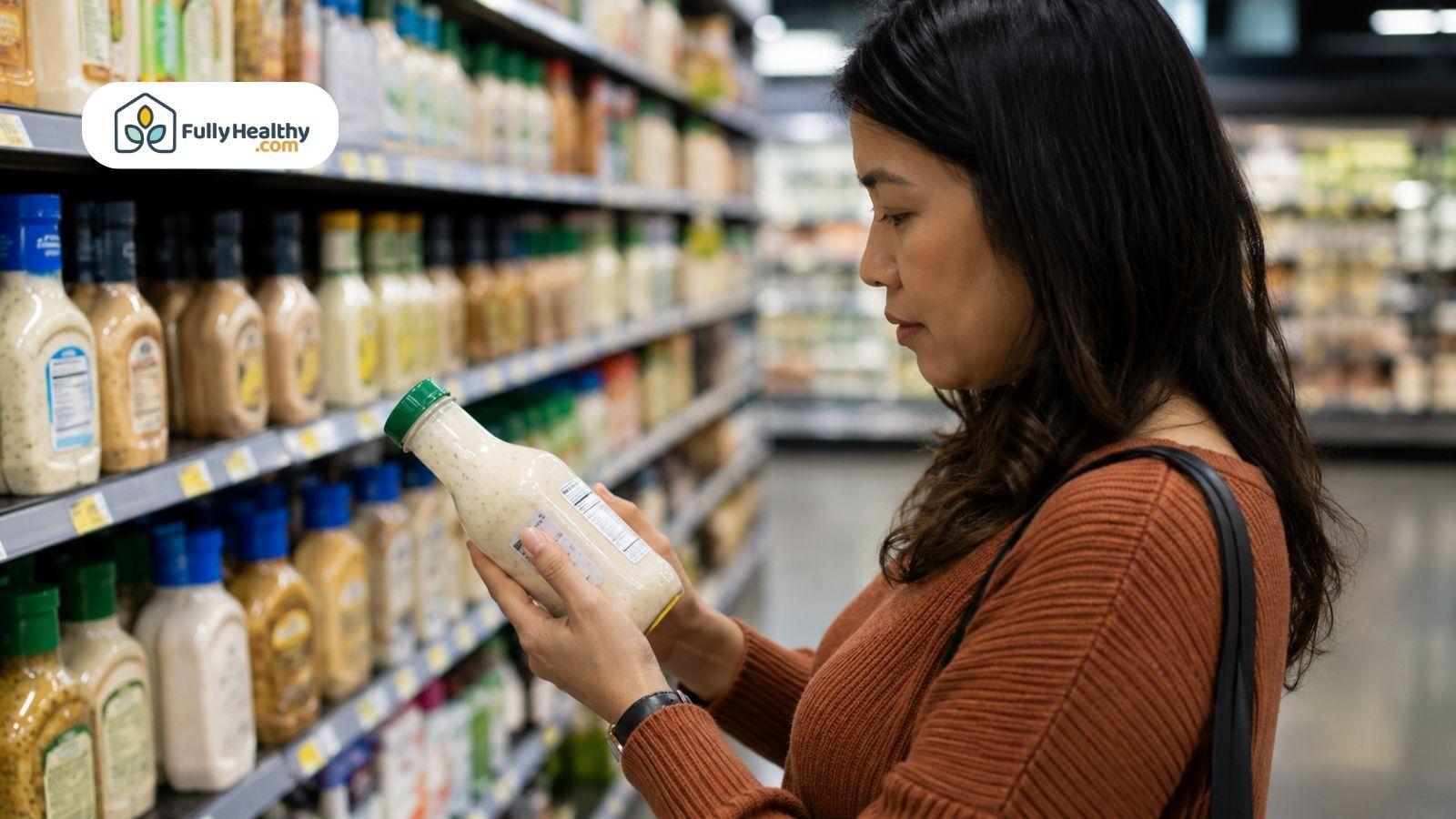
Yes, most ranch dressing is gluten-free, but not every variety is. Always check the ingredient list and gluten-free label because recipes and manufacturing practices can vary.
Quick Answer and What to Know First
Traditional ranch dressing is usually gluten-free because its main ingredients naturally do not contain gluten. Bottled dressings, seasoning packets, and restaurant recipes can differ, making it important to understand what makes one product safer than another.
-
Traditional Ingredients: Classic ranch is commonly made with mayonnaise, buttermilk, garlic, onion, parsley, dill, chives, and seasonings that are naturally gluten-free.
-
Gluten-Free Label: Products labeled gluten-free must meet the U.S. Food and Drug Administration standard of containing less than 20 parts per million of gluten.
-
Manufacturing Practices: Different brands use different recipes, ingredients, and production methods that can affect gluten content.
-
Restaurant Recipes: Homemade and restaurant ranch may not follow the same recipe as bottled products.
Common Sources of Gluten in Ranch Dressing
The classic ranch recipe does not contain gluten, but some products may include gluten-containing ingredients or have cross-contact with it during production. Knowing the most common sources of gluten helps you make better choices when shopping or dining out.
-
Wheat Thickeners: Some manufacturers use wheat-based ingredients to improve the texture of ranch dressing.
-
Seasoning Mixes: Dry ranch packets may contain additives, anti-caking agents, or flavorings that are not always gluten-free.
-
Cross-Contact: Shared equipment in manufacturing facilities or restaurant kitchens can expose ranch dressing to gluten.
-
Modified Food Starch: Modified food starch is usually gluten-free in North America. If it comes from wheat, wheat must be declared on the label.
-
Flavored Varieties: Bacon, spicy, or other specialty ranch flavors may include extra ingredients that require careful label reading.
How to Make Gluten-Free Ranch Dressing Mix?
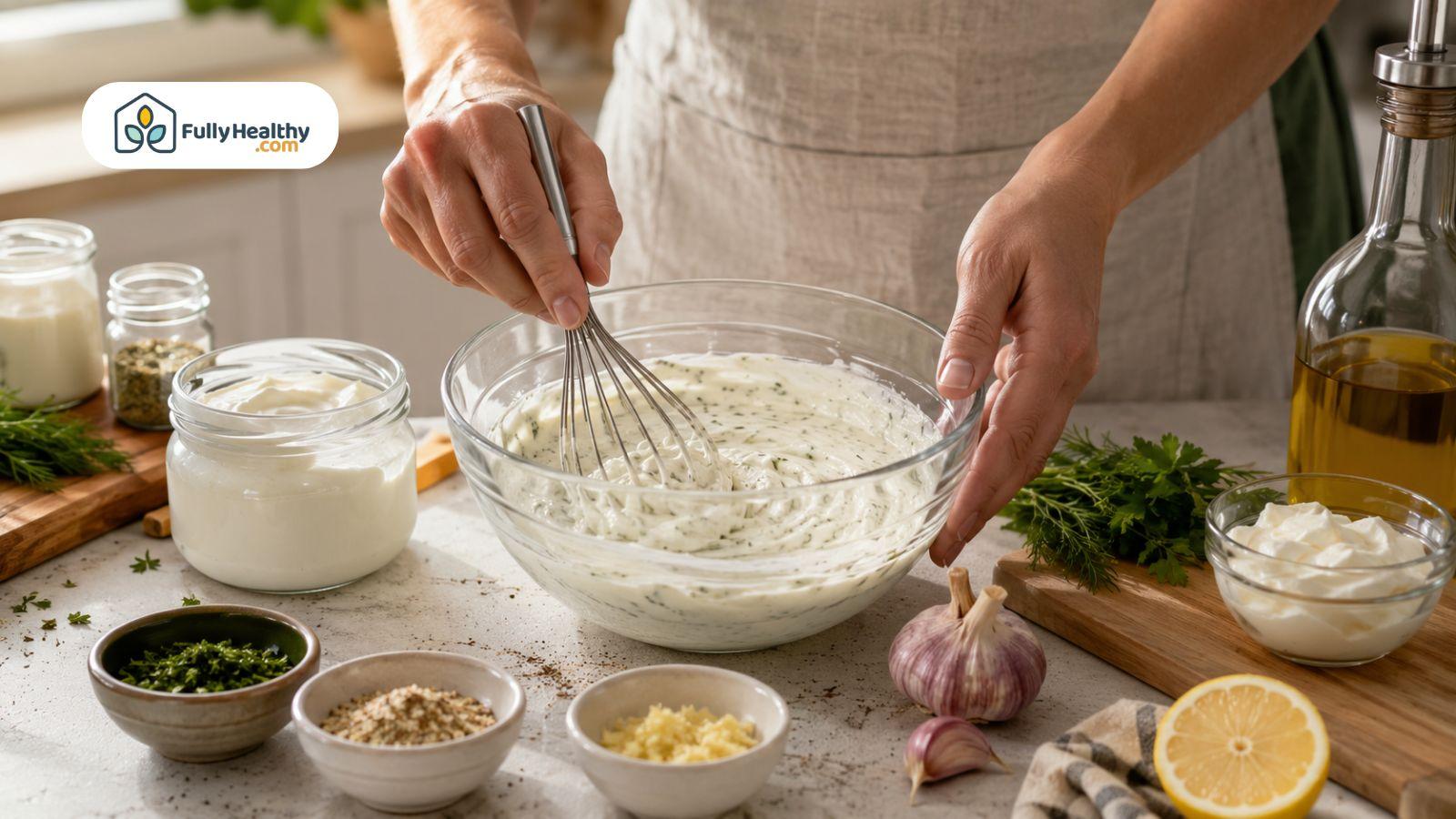
Making gluten-free ranch dressing mix at home is simple and gives you complete control over the ingredients. Using naturally gluten-free herbs and seasonings helps you avoid unnecessary additives and makes it easier to fit your dietary needs.
Step 1: Mix the Dry Seasonings
A gluten-free ranch dressing mix starts with dried parsley, dried dill, garlic powder, onion powder, dried chives, salt, and black pepper. Stir everything together until the herbs and spices are evenly combined.
-
Dried Parsley: Adds a fresh, mild herbal flavor that forms the base of the seasoning blend.
-
Dried Dill: Gives ranch its signature tangy and slightly earthy taste.
-
Garlic Powder: Brings savory depth and complements the herbs.
-
Onion Powder: Adds mild sweetness and balances the overall flavor.
-
Dried Chives: Provide a subtle onion flavor that completes the traditional ranch seasoning profile.
Step 2: Store and Use the Mix Safely
Transfer the ranch mix to a clean jar with a tight lid and keep it in a cool, dry place. To make dressing or dip, stir the mix into mayonnaise, sour cream, Greek yogurt, or a dairy-free alternative.
-
Clean Jar: Helps prevent cross-contact with gluten.
-
Gluten-Free Labels: Confirm every spice is safe before mixing.
-
Airtight Storage: Keeps the seasoning fresh longer.
-
Dressing Base: Use mayonnaise or yogurt for a smooth ranch dressing.
-
Dip Base: Use sour cream or dairy-free cream for a thicker dip.
What Salad Dressing Has No Gluten?
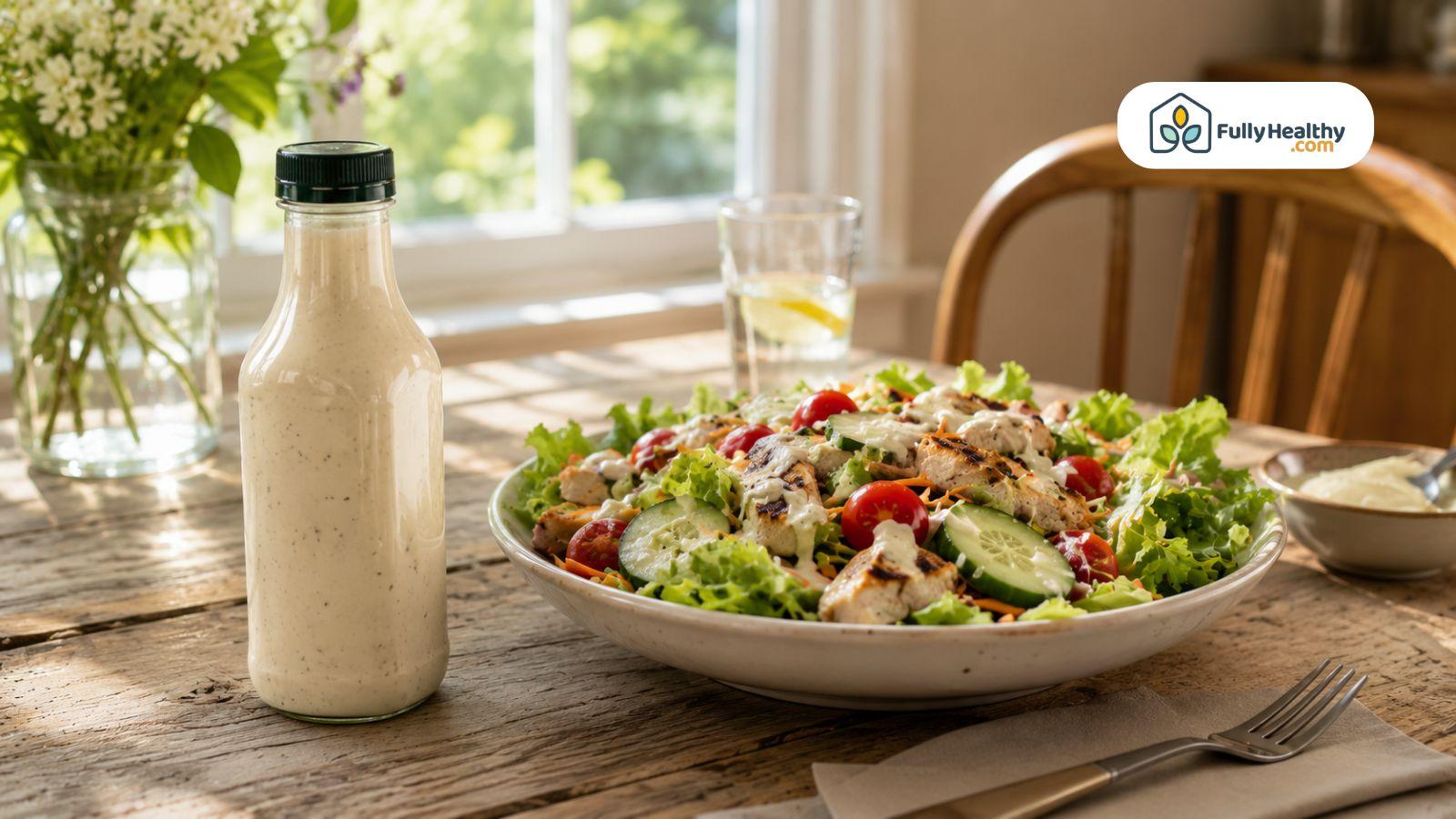
Vinaigrettes, oil and vinegar, ranch, Italian, Greek, and Green Goddess dressings are often gluten-free when made with naturally gluten-free ingredients.
Naturally Gluten-Free Salad Dressing Types
Several types of salad dressing are naturally gluten-free because they rely on simple ingredients instead of wheat-based thickeners. Homemade dressings also make it easier to control every ingredient and adjust the flavor to your preference.
-
Vinaigrettes: Usually made with oil, vinegar, herbs, and seasonings that are naturally gluten-free.
-
Oil and Vinegar: A simple combination that works well for salads and marinades.
-
Ranch: Traditional ranch can be gluten-free when prepared with gluten-free ingredients.
-
Italian Dressing: Often made with oil, vinegar, garlic, herbs, and spices without gluten-containing ingredients.
-
Green Goddess: Green Goddess can be gluten-free when made with gluten-free mayonnaise, yogurt, herbs, vinegar, and seasonings, but recipes vary.
Ingredients That May Contain Hidden Gluten
Some salad dressings include ingredients that introduce gluten even when the base recipe appears safe. Reading the ingredient list carefully helps you avoid products that may not fit a gluten-free diet.
-
Wheat-Based Thickeners: Some creamy dressings use wheat flour or modified wheat starch to improve texture.
-
Malt Vinegar: Made from barley and not considered gluten-free.
-
Soy Sauce: Traditional soy sauce usually contains wheat unless it is specifically labeled gluten-free.
-
Flavorings: Natural and artificial flavor blends can vary, making label checks important.
-
Cross-Contact: Shared manufacturing equipment may expose dressings to gluten during production.
Is Mayonnaise Gluten-Free?
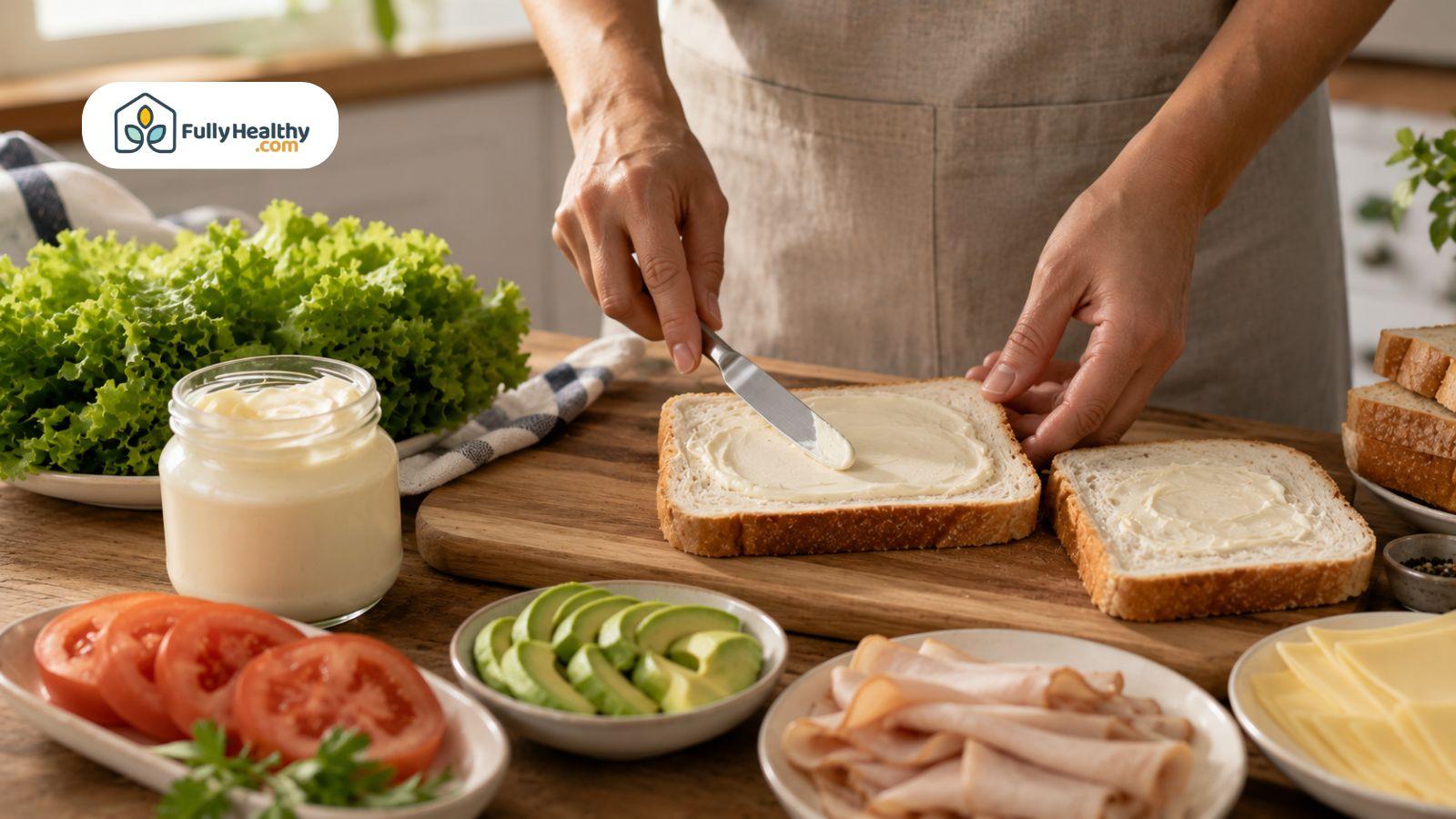
Yes, traditional mayonnaise is generally gluten-free because it is made with ingredients that naturally do not contain gluten. Flavored varieties and specialty products should still be checked since recipes and manufacturing practices can differ.
Traditional Mayonnaise Ingredients Explained
Classic mayonnaise is made with eggs, oil, vinegar or lemon juice, and seasonings, making it naturally gluten-free. Most plain mayonnaise products fit a gluten-free diet, but reviewing the ingredient list is still recommended because formulations can change.
-
Eggs: Create the creamy texture and act as the main emulsifier.
-
Oil: Vegetable, avocado, or olive oil forms the base of mayonnaise.
-
Acid: Vinegar or lemon juice provides tanginess and helps preserve freshness.
-
Seasonings: Salt and simple spices add flavor without introducing gluten.
-
Simple Recipe: Traditional ingredients naturally do not contain gluten.
When to Check Mayonnaise Labels Carefully
Plain mayonnaise is usually safe, but flavored varieties may contain additional ingredients that require closer attention. Looking for a gluten-free label provides extra confidence, especially for people with celiac disease.
-
Flavored Mayonnaise: Chipotle, garlic, truffle, and other varieties may contain additional ingredients.
-
Cross-Contact: Shared equipment during manufacturing can introduce gluten.
-
Imported Products: Labeling requirements may differ outside the United States.
-
Recipe Changes: Manufacturers can update ingredients without notice.
-
Gluten-Free Label: Choosing labeled products helps reduce uncertainty.
Why Choose FullyHealthy for Gluten-Free Living?
Living gluten-free becomes easier when shopping from a retailer that focuses on specialty diets. FullyHealthy offers a wide selection of products designed for gluten-free, AIP, Paleo, and other allergen-friendly lifestyles.
About FullyHealthy
FullyHealthy is an online marketplace that specializes in gluten-free and specialty diet products from trusted brands. Its carefully selected products help people with dietary restrictions shop with greater confidence and convenience.
-
Gluten-Free Selection: Offers foods made for gluten-free lifestyles.
-
Specialty Diets: Includes AIP, Paleo, allergen-friendly, and other dietary options.
-
Curated Products: Focuses on products designed to meet specific dietary needs.
-
Convenient Shopping: Brings specialty foods together in one place.
-
Educational Resources: Provides information that supports healthier food choices.
Featured Gluten-Free Ranch and Pantry Mixes
FullyHealthy offers pantry staples that make preparing gluten-free meals more convenient without sacrificing flavor. These products are designed for gluten-free and AIP-friendly cooking, making it easier to create flavorful dressings, dips, and everyday meals.
-
Truly AIP Ranch Mix (10 oz): A larger-size ranch seasoning made with simple herbs and spices, ideal for preparing gluten-free dressings, dips, and family-sized recipes.
-
Truly AIP Ranch Mix (4.4 oz): A convenient everyday option for making homemade ranch while supporting gluten-free and AIP eating plans.
-
Hearty Sauces AIP Pesto Mix: A versatile pesto seasoning blend that adds fresh, herb-forward flavor to sauces, marinades, vegetables, and other gluten-free meals.
Final Thoughts
If you're still asking is ranch gluten-free, the answer is usually yes, but always check the ingredient list and gluten-free label before buying. Homemade ranch dressing gives you more control over every recipe mix, while bottled ranch dressing offers convenience when it is clearly labeled gluten-free.
Knowing what goes into every serving helps you enjoy your favorite dressing with confidence. Keep reading labels and choose products that fit your dietary needs.
FAQs
What's Surprisingly Not Gluten-Free?
Common foods that may contain gluten include soy sauce, flavored chips, imitation crab, canned soups, licorice, and some restaurant french fries.
Does Ranch or Mayonnaise Have Gluten?
Traditional ranch and mayonnaise are usually gluten-free, but homemade ranch dressing, bottled ranch dressing, or products sold in a jar can vary, so review the ingredients before every serving.
Is Ranch Safe for Celiacs?
Ranch is safe for people with celiac disease only when it is labeled gluten-free or made with verified gluten-free ingredients and no cross-contact.
Does Ketchup Have Gluten?
Most ketchup is gluten-free, but some recipes contain added ingredients, so if you're wondering, always check the label, especially when pairing it with pork chops or another course.
How Can You Tell if Food Has Gluten?
Read the ingredient list, look for a gluten-free label, and check for wheat, barley, or rye because fat content or a delicious flavor does not determine if a food contains gluten.
Leave a comment