

Is Salami Pork? Here’s What You’re Actually Eating
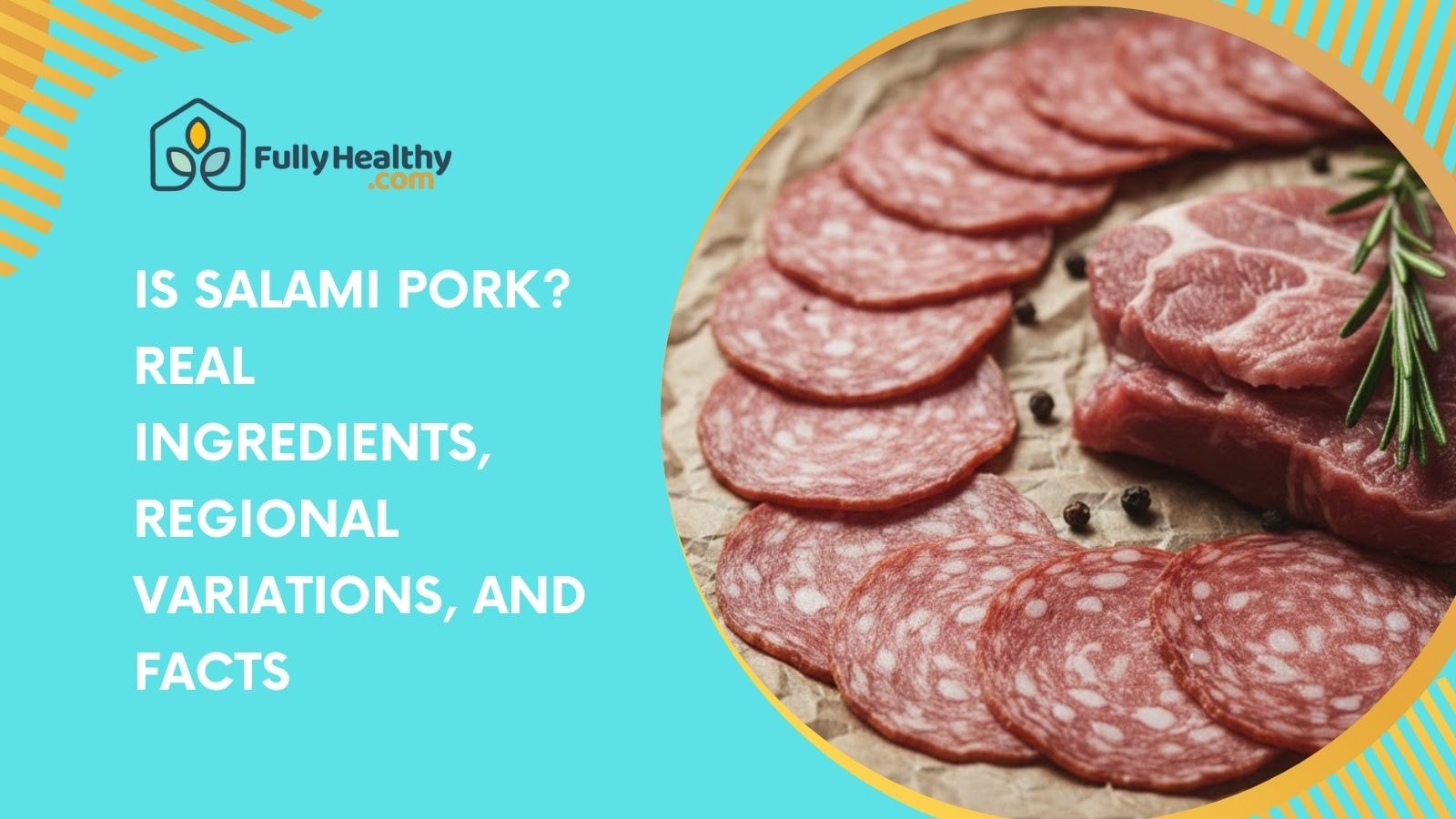
Is salami pork? Salami is usually made from pork, pork fat, and spices. But all salami is different. Some are made with duck, beef, or other meats. This guide tells you what it is made of, what kinds there are, how it's cured, and what to look for on labels. If you eat salami, you will want to know what is in it.
Featured Snack Pick
Epic // Smoked Maple Bacon Bar - 1.5 oz
Loading...
Is Salami Considered Pork?
Why Pork Is the Traditional Base of Salami
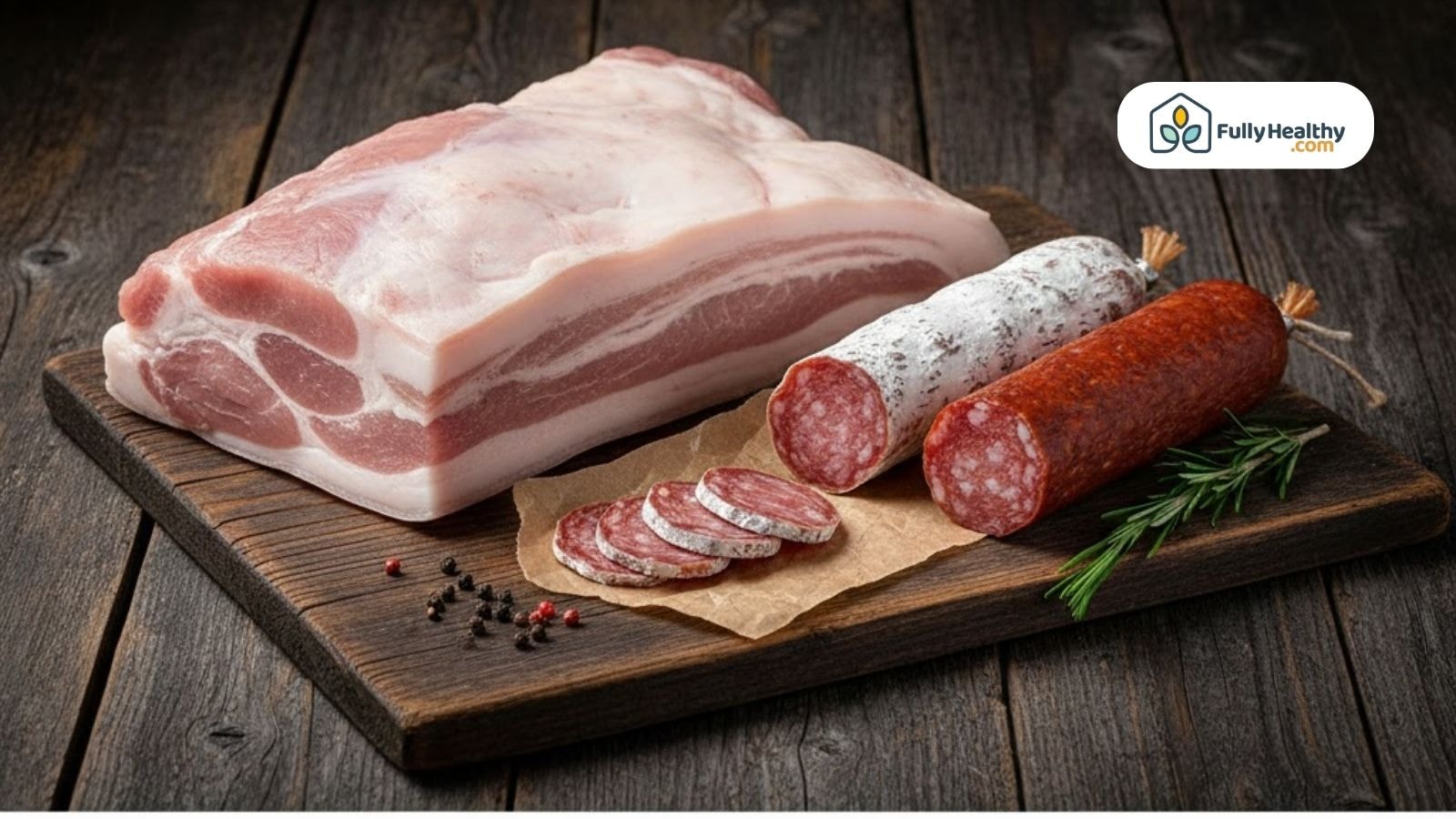
Salami is considered pork in most traditional cases because pork meat offers the right balance of fat and muscle for aging and flavor. The fat from pork helps preserve meat and contributes to the marbled appearance found in dry cured salami.
-
Pork meat: Typically comes from shoulder, thigh, and loin cuts for the ideal fat ratio.
-
Pork fat: Maintains texture and moisture, essential for shelf stable products.
-
Ground meat mixed: Combined with garlic, salt, and black pepper for traditional seasoning.
-
Salami casings: Filled using natural or synthetic casings to hold the cured sausage together.
-
Curing process: Removes moisture to prevent harmful bacteria and enhance flavor.
How Salami Fits into the Salumi Family
Salami is a type of salumi, which is an Italian word for a group of different cured meats. Salami is made by mixing ground meat and then stuffing, fermenting, and aging it. Salumi, on the other hand, includes whole cuts of meat, such as prosciutto and pancetta.
-
Salumi: A collection of various types of salted meat, both whole and ground.
-
Salami: A cured sausage typically made from finely ground pork and pork fat.
-
Salame: The singular form of salami in Italian, used to describe small salami like salame nostrano.
-
Preserve meat: Originally created to extend the life of fresh meat in regions with inconsistent supply.
-
Pane e salame: A simple Italian pairing of bread and salami, often served with olive oil.
Which Salami Is Not Pork?
Beef, Poultry, and Game Salami Varieties
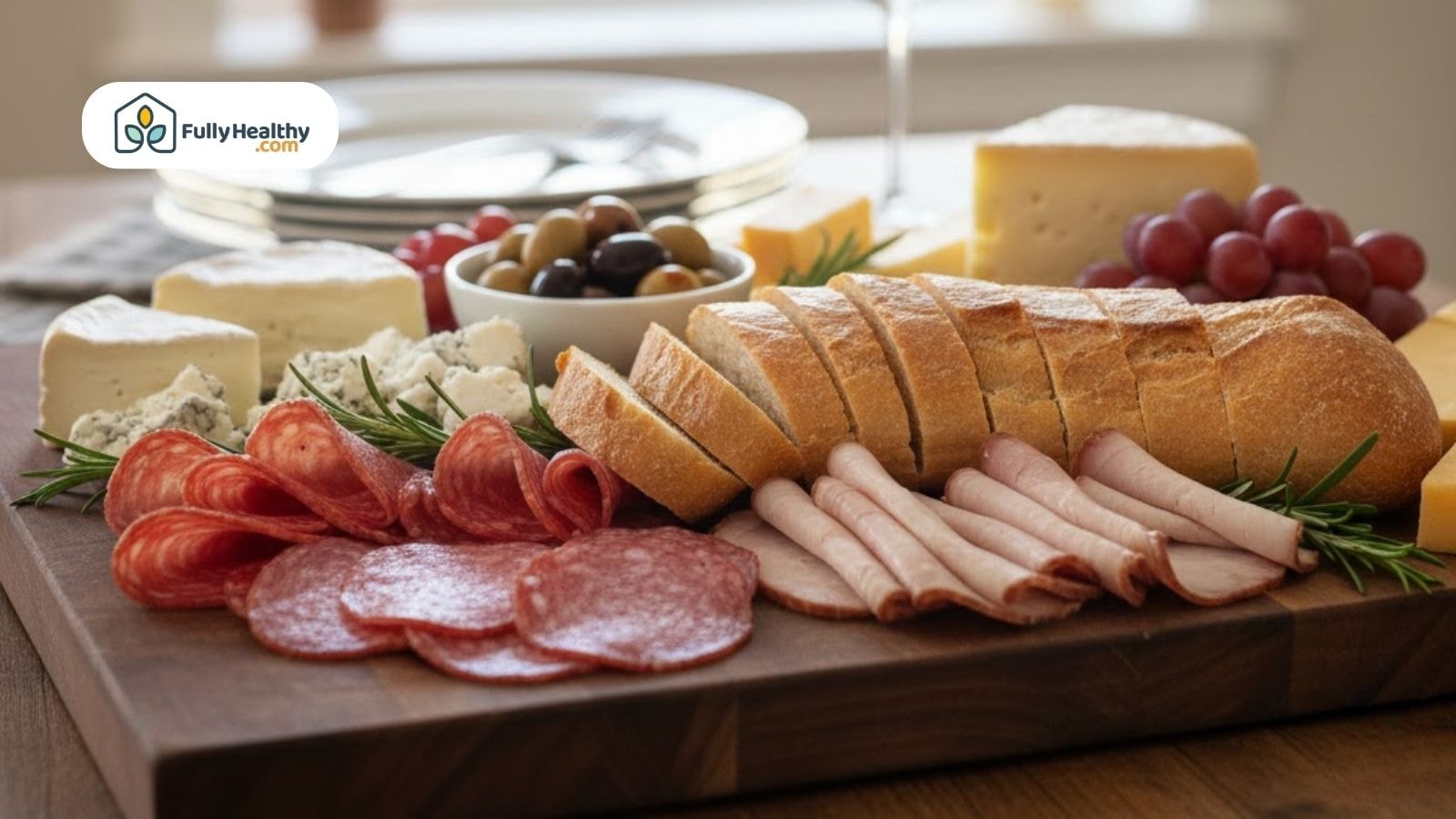
Some salami isn't made from pork. Many kinds of food use beef, duck, or other meats to fit certain diets or tastes. They are still cured in the traditional way, but they use different meats as a base.
-
Beef: Used for dietary or religious needs, common in halal or kosher salami.
-
Duck: Adds rich flavor and darker tone to the final product.
-
Other meats: Wild boar, turkey, and venison are used in specialty cured meats.
-
Ground meat: Still mixed with salt, garlic, and black pepper for preservation.
-
Spicy salami: Often made from beef or lamb with bold seasonings.
Regional Variants That Skip the Pig
Because of cultural and agricultural differences, salami was made in some places without pork. These kinds use meat that is easy to get and often have herbs or spices from the area.
-
Saucisson sec: A French dried salami that may include beef or lamb instead of pork.
-
Genoa salami: In some areas, made from beef or a blend of other meats.
-
Northern Italy: Produces goose and duck-based small salami varieties.
-
Provence region: Known for using herbs and other ingredients with beef or lamb.
-
Flavors: Maintained using spices, olive oil, and wine, even without pork fat.
Can Salami Be Halal?
Halal-Certified Ingredients and Preparation
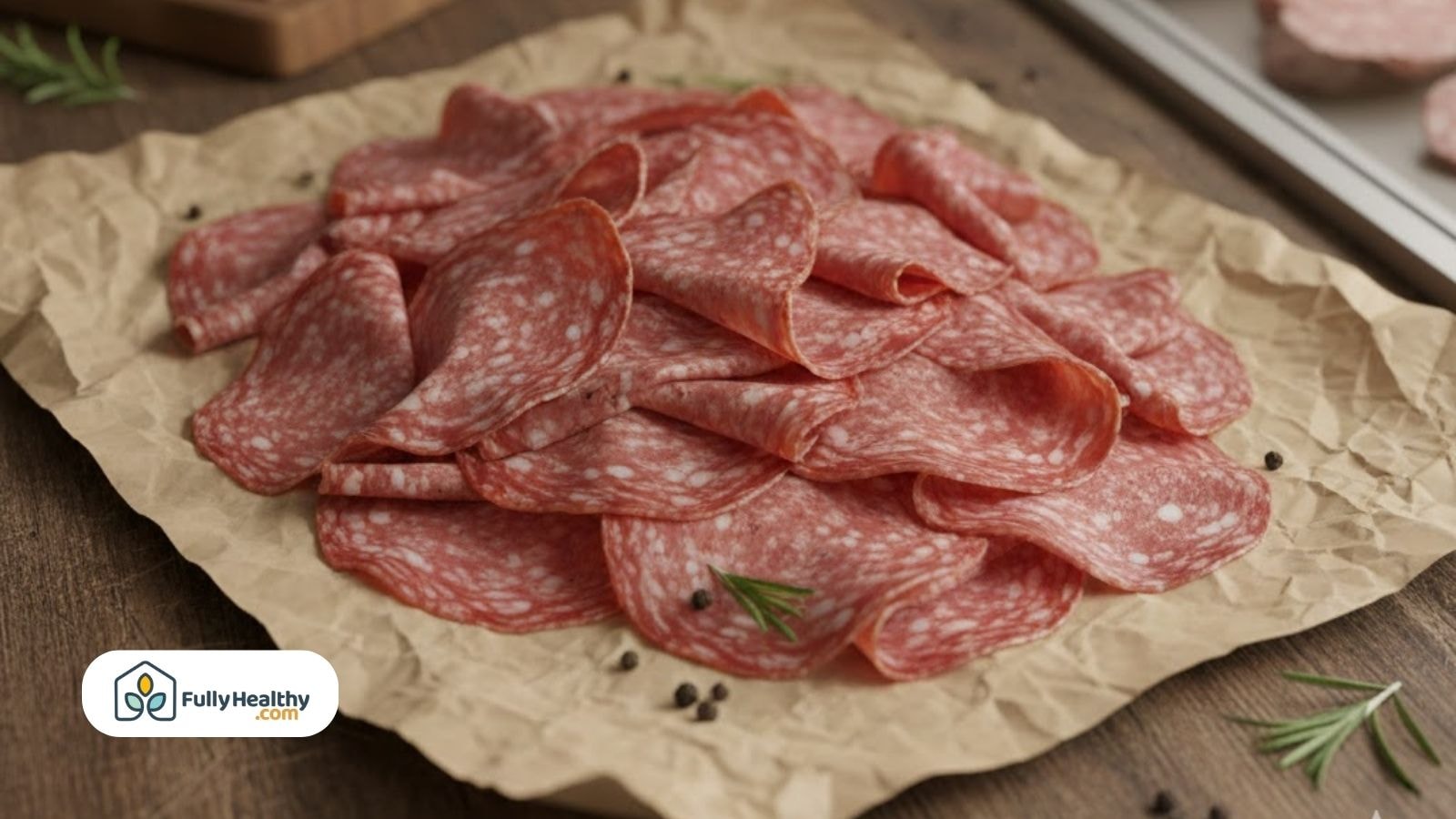
Islamic dietary laws say that halal salami must be made from beef or chicken. It doesn't use wine, pork, or additives that don't meet the standards, but it still makes dried salami using a curing process.
-
Halal beef salami: Made from beef using certified halal production techniques.
-
No pork fat: Only beef or chicken fat used to preserve texture.
-
Synthetic casings: Used when natural casings may not meet halal standards.
-
Salted meat: Prepared without alcohol or forbidden seasonings.
-
Seasonings: Garlic, black pepper, and vinegar-free spice blends.
Brands and Products That Meet Halal Standards
There are now many halal salami products that are similar to traditional ones made with pork in taste, texture, and seasoning. These items are used in sandwiches or included in charcuterie boards.
-
Halal brands: Commonly offer beef or poultry-based cured sausage products.
-
No wine or pork: Ensures compliance with dietary laws.
-
Shelf stable: Vacuum-packed and ready to eat for convenience.
-
Other ingredients: Include fennel seeds, olive oil, and garlic for depth of flavor.
-
Uses: Served with cheese, crackers, or added to sandwiches.
Is Salami Basically Pepperoni?
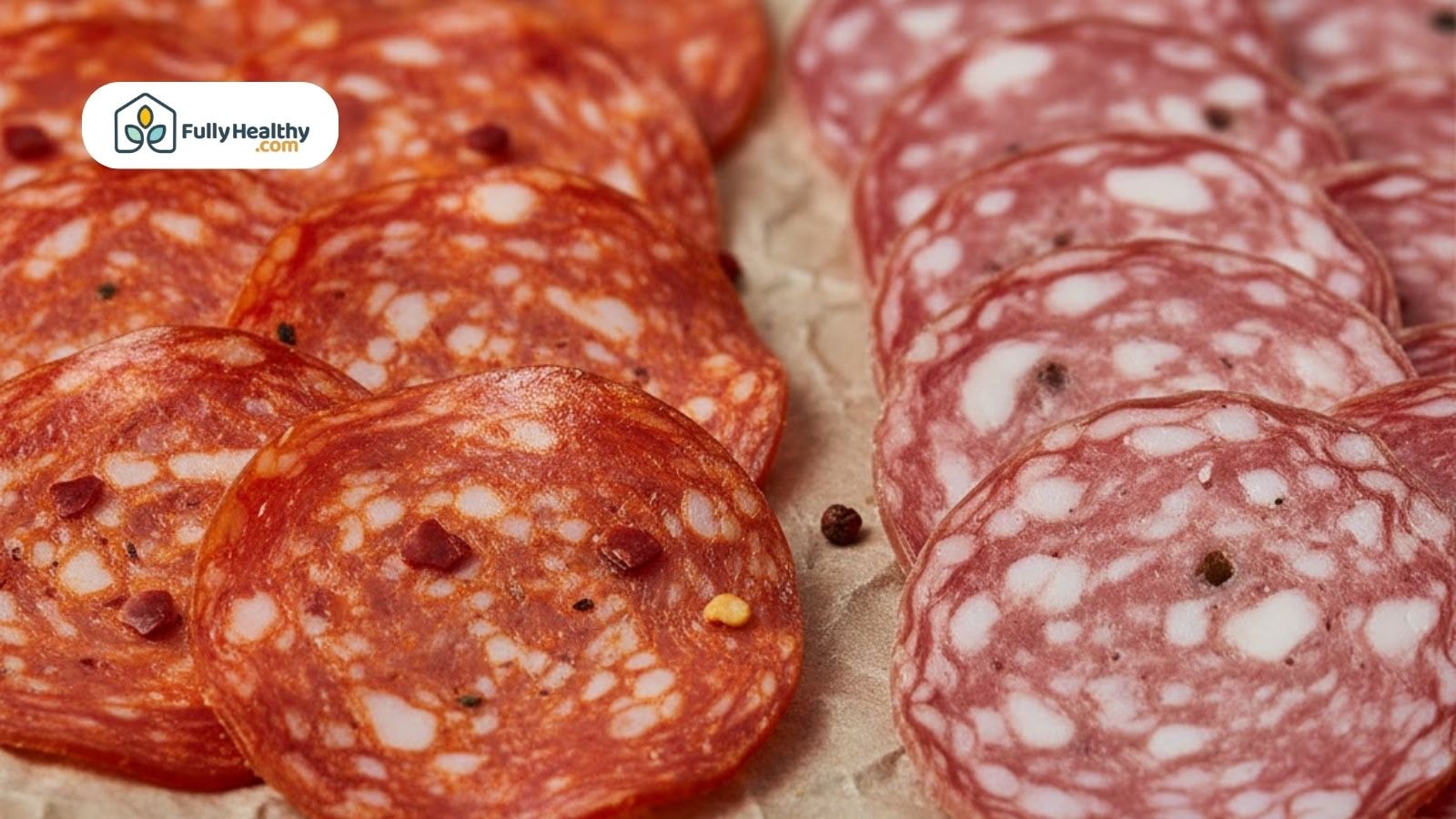
What They Have in Common
Salami and pepperoni are both made from ground meat that is mixed with salt, garlic, and spices and then cured. They both use the same method to cure the meat and use casings to keep it in place while it ferments and dries.
-
Ground meat: Both use pork or beef, sometimes in a mixture, for flavor and texture.
-
Curing process: Both undergo aging in humid conditions to become shelf stable.
-
Spices: Garlic, black pepper, and paprika are used in both for color and flavor.
-
Salted meat: Salt is essential in preventing harmful bacteria during drying.
-
Salami casings: Natural or synthetic casings are used in both products.
How They’re Fundamentally Different
Even though they're similar, pepperoni is an American food that's spicier, while salami originated in Italy and has many different kinds depending on where it's made. Seasonings like paprika make pepperoni softer and redder.
-
Taste: Pepperoni is spicier and less complex than traditional salami.
-
Firm texture: Salami typically has a firmer texture due to longer aging.
-
Production techniques: Salami uses older, artisanal methods rooted in ancient Rome.
-
Different types: Salami includes varieties like genoa salami and salame nostrano.
-
Flavors: Salami offers a wider range, from mild to spicy salami, with herbs like fennel seeds.
FullyHealthy: Smarter Snacks with Real Ingredients
What Is FullyHealthy?
FullyHealthy is an online store that focuses on clean-label snacks and groceries for people with special dietary needs. It has a lot of shelf-stable foods, including snacks that are compliant with AIP, Paleo, or low-inflammation diets.
-
Mission: To support healthy lifestyles with trusted, allergen-conscious foods.
-
Clean ingredients: Avoids artificial additives, seed oils, and added sugars.
-
Charcuterie: Offers pork-free and traditional cured meats.
-
Various types: Includes small salami, snack bars, and protein-rich items.
-
Customers: Ideal for those avoiding pork meat or looking for fresh meat alternatives.
Top Pork Products to Try
FullyHealthy offers a hand-picked selection of clean-label pork products for people who like pork but want healthier ingredients. These foods are made with high-quality pork and are great for snacking, cooking, or adding to charcuterie boards.
-
Wild Zora Meat & Veggie Bar (Apple Pork): A savory blend of pork, apple, and veggies in a shelf stable snack bar.
-
Epic Smoked Maple Bacon Bar: Made with uncured pork bacon and natural seasonings, ideal for a quick protein bite.
-
Epic Pink Himalayan Sea Salt Pork Rinds: Oven-baked pork skins seasoned simply with sea salt for a crunchy snack.
-
Epic Uncured Hickory Smoked Bacon Bits: Real pork bacon bits, great for topping salads or eggs.
-
Epic Maple Bacon Cracklings: Crunchy pork cracklings with sweet and smoky flavor from maple and black pepper.
Final Thoughts
Salami is a cultural food that uses seasoning and different ways of keeping the meat fresh. A lot of salami is made with beef or other meats, but most of it is made with pork. The word "salami" has changed as it has moved through Italy's street markets and homes, from the Genoa region to the Veneto region.
Salami lies in its variety, taste, and history. Understand what salami is made from before you eat it. You now know what matters, share it.
FAQs
Is salami made from pork meat?
Yes, most salami is made from pork meat and seasoned using traditional varieties.
What are salami casings made from?
Salami casings are usually natural or synthetic casings used to stuff ground meat.
How is salami made?
Salami made by curing finely ground meat with salt, fat, and spices then aging it.
What are the types of salami?
Types of salami include dry cured salami, spicy salami, and small salami from region of Italy.
What is the plural form of the word salami?
The plural form of the word salami is salami, but salami lies in how it’s used in different regions.
Leave a comment