

Is Salt a Spice? A Simple Answer Every Cook Should Know
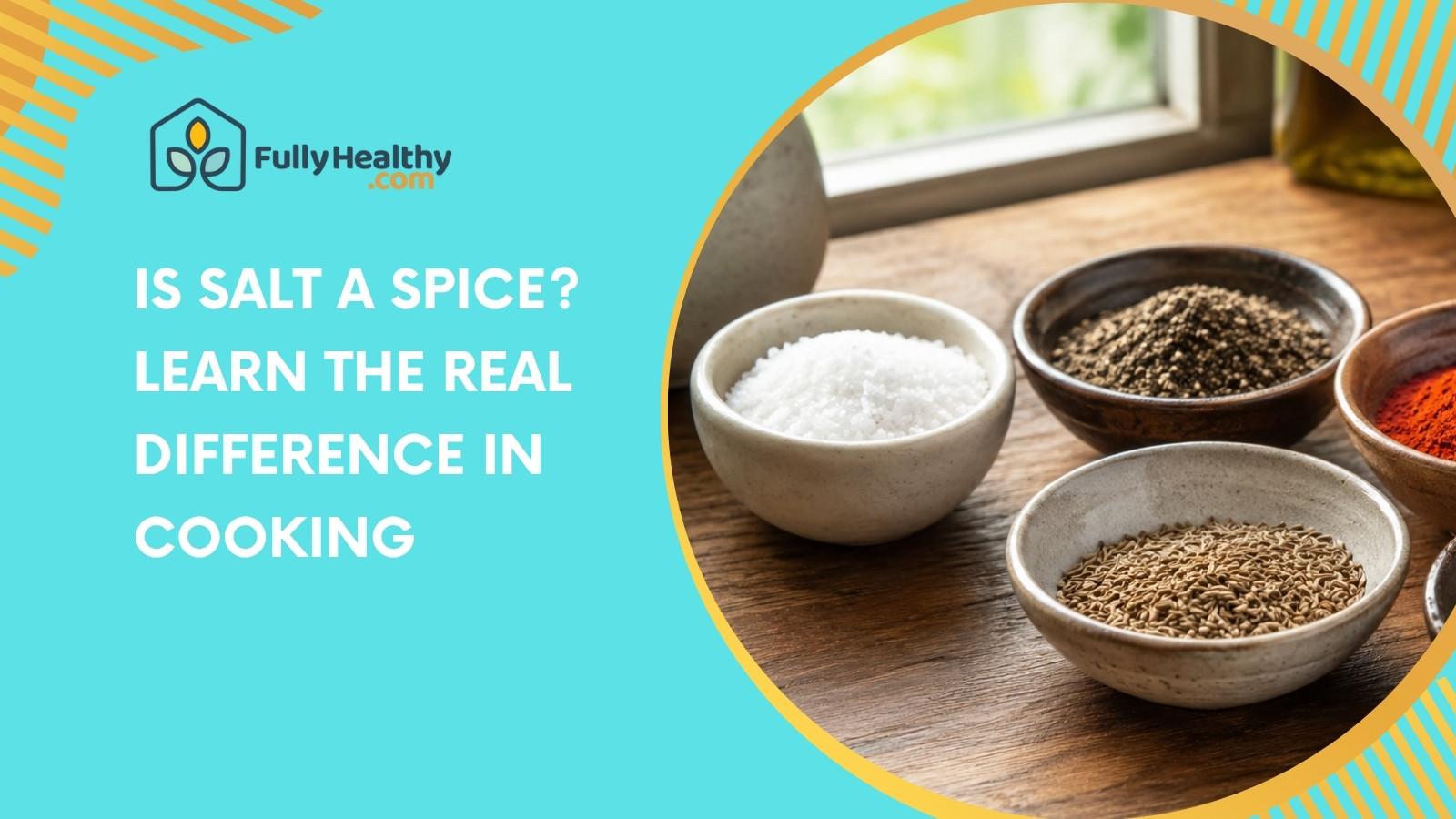
Is salt a spice? No. Salt is a mineral seasoning made mostly of sodium chloride, while spices come from plants. People often group them together because both add flavor, but they work in different ways. Salt can sharpen taste, reduce bitterness, improve texture, and help preserve food.
It has also been used for thousands of years in cooking and trade. This article explains how salt is classified, when people began using it, and how it compares with black pepper today.
Is Salt a Spice?

Is salt a spice? The answer is no. Salt is not a spice because it is a mineral, while spices come from plants. Spices come from seeds, bark, roots, or fruits. Herbs come from the green leafy parts of plants. Salt belongs to seasonings because it improves foods without being plant-based. This distinction helps readers choose ingredients with greater confidence.
Is Salt a Spice or a Seasoning?
Salt helps foods taste salty and brings out flavors, but that does not make it a spice. Unlike cinnamon, cumin, paprika, or chili, salt does not come from a plant. Cooks add it in small amounts to balance sweetness, reduce bitterness, and improve a dish.
-
Definition: Salt is not a spice because it is a mineral made mainly of sodium chloride.
-
Plant sources: Spices come from seeds, bark, roots, or fruits used for flavoring.
-
Common examples: Table salt, garlic salt, seasoned salt, and celery salt are seasonings, although some blends contain herbs and spices.
-
Cooking role: Salt can season all kinds of dishes, including vegetables, potatoes, chicken, and meat.
Why Do People Confuse Salt With Spices?
People often keep both salt and spices nearby, so the difference is easy to miss. Salt strengthens taste, while spices add a unique flavor.
-
Flavor boost: Salt can make sweet foods taste brighter and reduce bitter notes.
-
Spice examples: Cinnamon, cumin, chili, and paprika each add a distinct taste.
-
Other seasonings: Fish sauce and monosodium glutamate improve flavor without being spices.
When Did Salt Become a Seasoning?
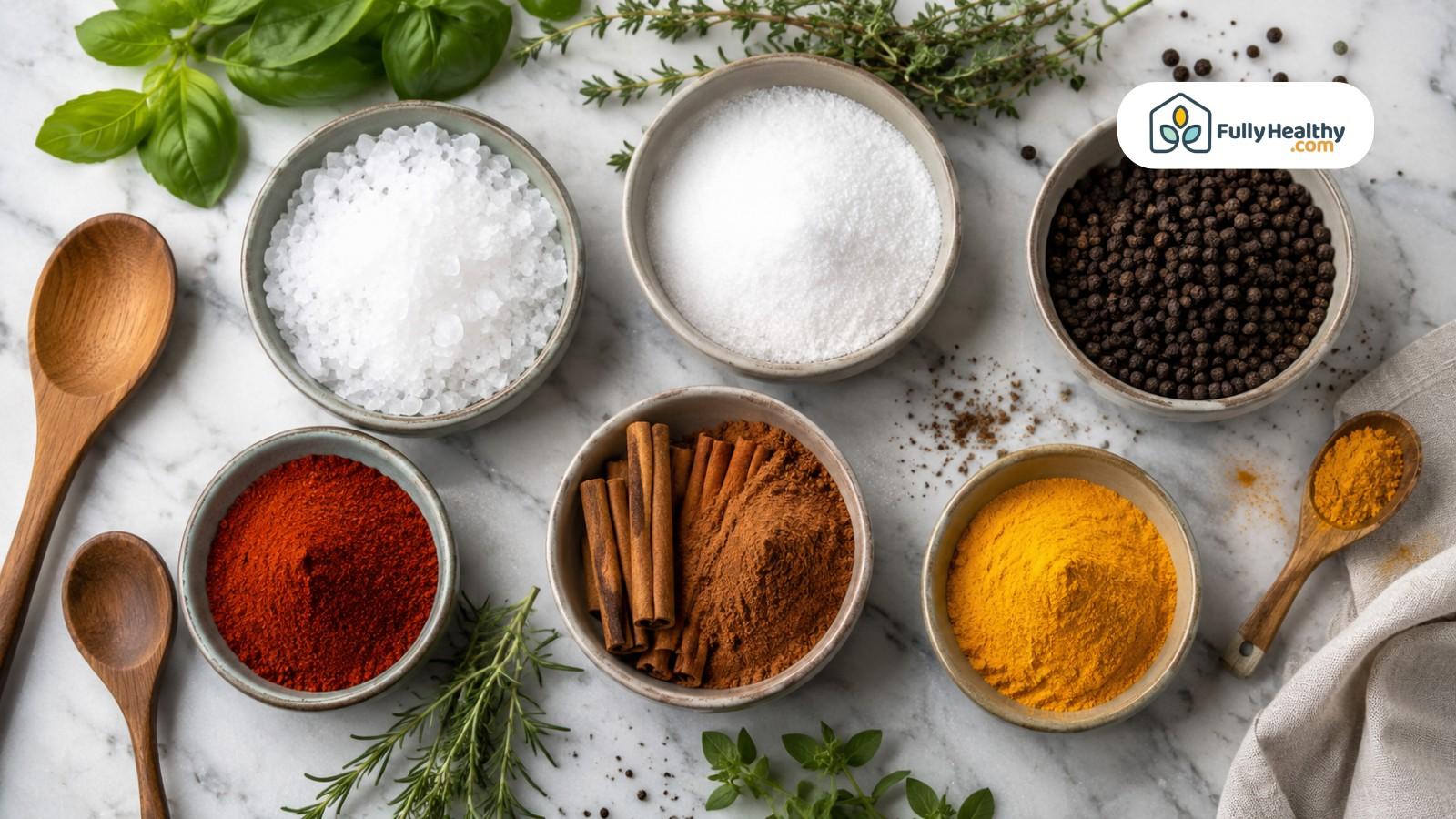
Salt has been used since ancient times. People valued it because it added flavor and preserved food before refrigeration. Ancient records show that salt became important in trade and cooking thousands of years ago.
How Long Have Humans Used Salt in Cooking?
People used salt long before modern kitchens. Ancient cultures relied on it to preserve meat, fish, and vegetables while making meals more enjoyable.
-
Early history: Salt use goes back thousands of years in ancient China and Egypt.
-
Food preservation: Salt helped foods last longer by slowing spoilage.
-
Daily cooking: It became useful for preparing meat, vegetables, and basic dishes.
Why Did Salt Become So Valuable?
Salt was more than a cooking ingredient. It supported trade, preserved food during travel, and became an important resource for civilizations. It remains one of the world’s most widely used seasonings.
-
Trade value: Salt routes connected communities and supported commerce.
-
Preservation use: Salted foods lasted longer before refrigeration.
-
Lasting role: Salt still matters in kitchens.
What Is Salt Categorized As?
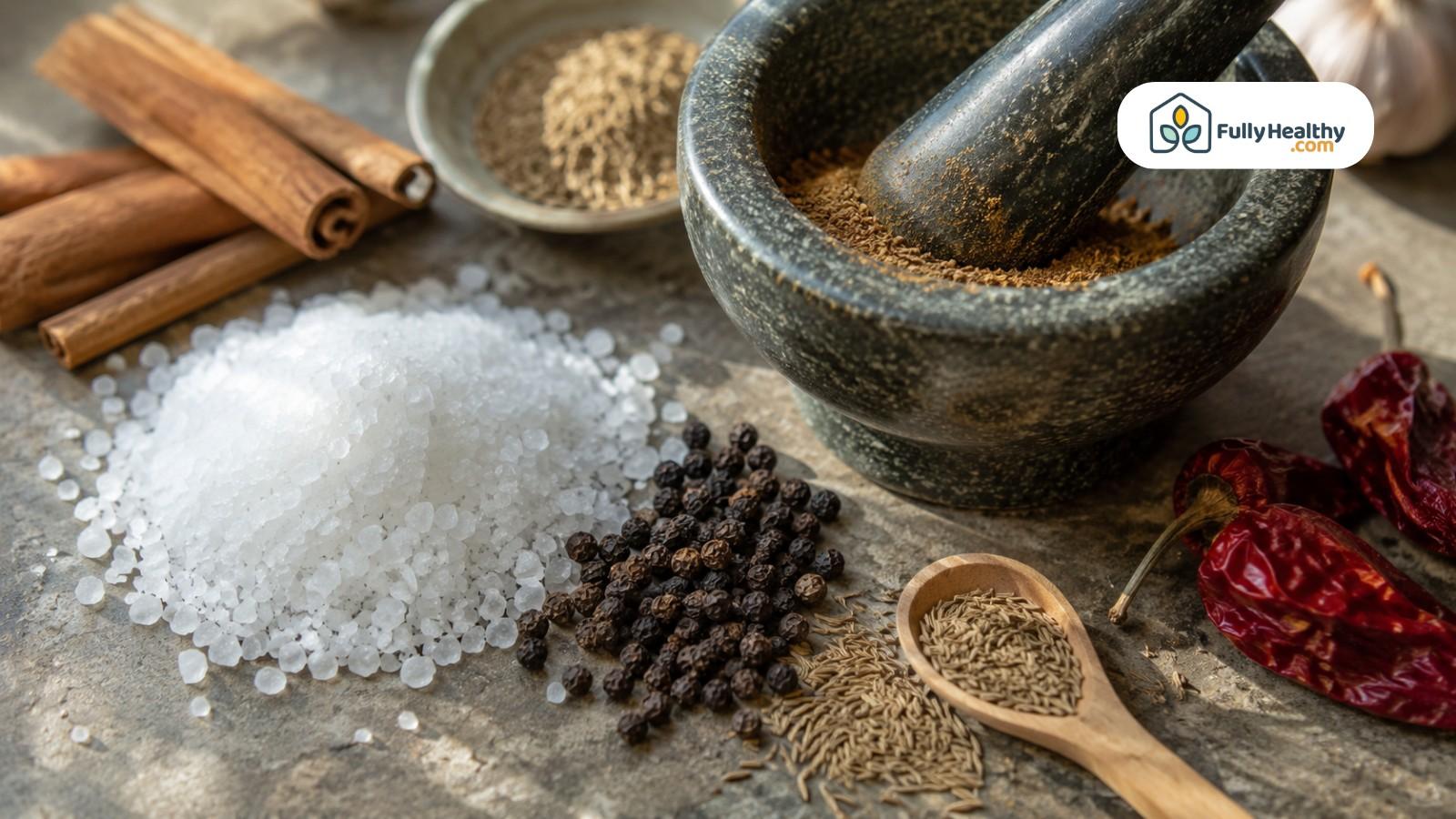
Salt is scientifically a mineral and, in cooking, a seasoning. One term explains what salt is; the other explains how people use it. This difference shows why salt belongs with seasonings, not herbs or spices.
Is Salt a Mineral, Condiment, or Seasoning?
Salt is a mineral made mainly of sodium chloride and used as a seasoning. At the table, it may be called a condiment, but its main purpose is to season food.
-
Scientific view: Salt is a mineral.
-
Culinary view: It is one of the most common seasonings in cooking.
-
Health note: Too much sodium may raise blood pressure, so moderation is important.
How Do Different Types of Salt Compare?
Salt varieties differ, but they serve the same purpose. Whether using table salt or another type, each one improves flavor rather than acting as a spice.
-
Common choice: Table salt is common at home.
-
Main purpose: Every type helps foods taste better without changing the fact that salt is not a spice.
-
Smart use: Add salt in small amounts so it supports flavors instead of overpowering the dish.
Which Is Healthier, Salt or Black Pepper?
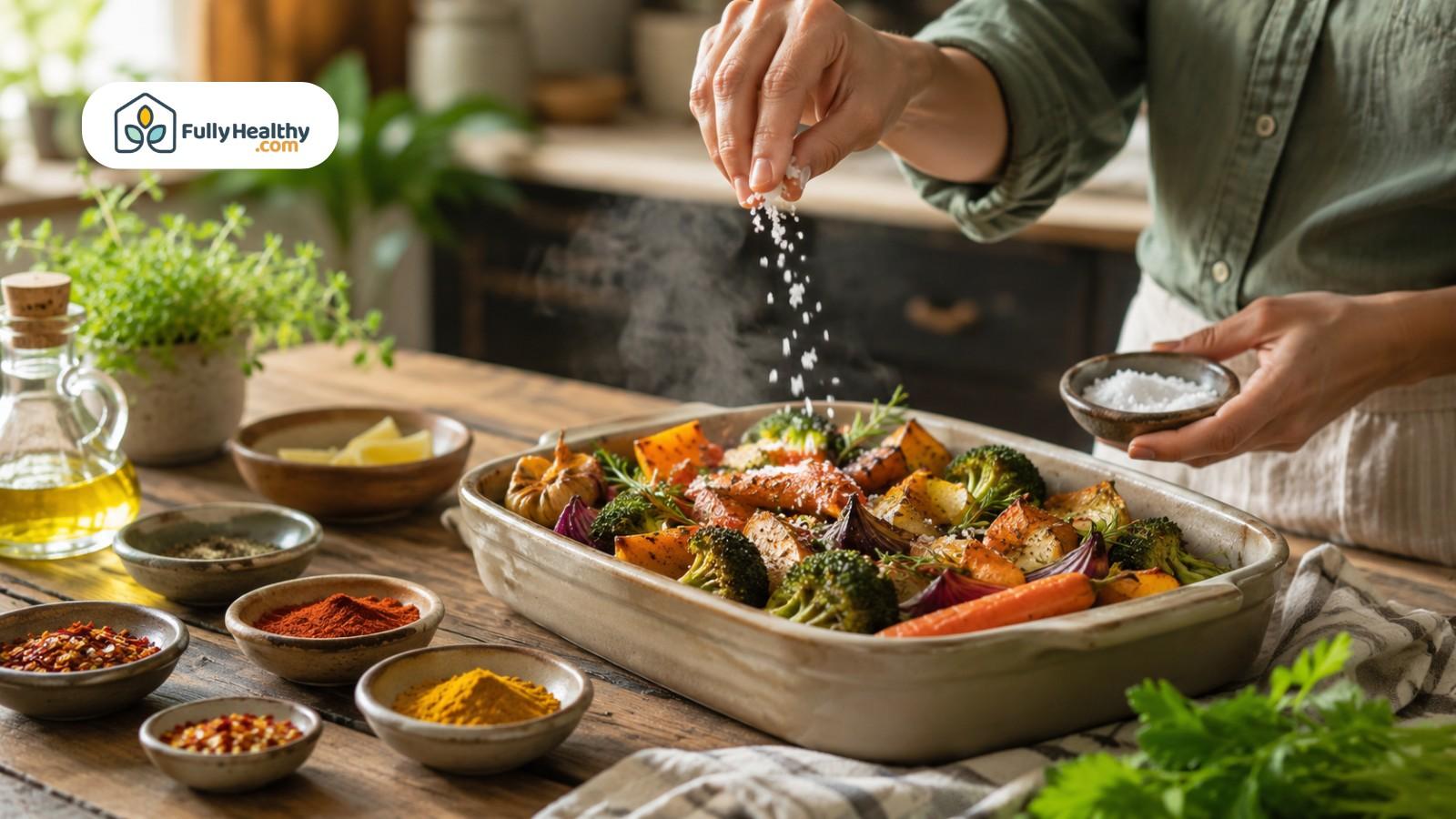
Salt and black pepper are often used together, but they have different roles in cooking and nutrition. Salt provides sodium, which the body needs in small amounts, while black pepper adds flavor without sodium. The better choice depends on how much you use. Using less salt and more herbs or spices can make meals tasty while helping control sodium intake.
Can Black Pepper Replace Salt Without Losing Flavor?
Black pepper can add depth, warmth, and a spicy finish to many foods. However, it cannot fully replace salt because the two ingredients affect taste in different ways. Salt strengthens natural flavors, while pepper adds heat, aroma, and a sharper finish.
-
Flavor difference: Salt improves the overall balance of a recipe, while black pepper adds a spicy taste and stronger aromas.
-
Cooking uses: Pepper works well with meat, vegetables, sauces, sausage, soups, and roasted fruit.
-
Balanced approach: Use both in smaller amounts, then add thyme, basil, turmeric, mustard, or cloves for more variety.
-
Practical tip: Taste food before adding more salt, especially when a dish already contains brine, pickles, or salty sauces.
What Does Research Say About Salt and Black Pepper?
Black pepper contains piperine, a natural plant compound with antioxidant activity. Food science research has explored its possible benefits, but black pepper is not proven to prevent disease. Salt remains useful because sodium supports nerves and muscles, yet too much can raise blood pressure.
-
Essential role: Sodium helps control fluids and supports normal nerve and muscle function.
-
Health limit: A balanced diet should include moderate salt intake rather than heavy use.
-
Pepper benefit: Piperine may offer antioxidant effects, but stronger human research is still needed.
-
Flavor strategy: Herbs, spices, tea-based marinades, and other flavorings can reduce the need for extra salt.
Which Specialty Salt Products Can You Find at FullyHealthy?
FullyHealthy is an online store that focuses on AIP, gluten-free, and allergen-friendly foods. It offers simple pantry items for people who want specialty options. Its salt range includes plain ancient sea salt and a seasoned blend, giving shoppers choices for cooking, baking, and meal preparation for many common recipes and cooking methods.
Which FullyHealthy Salt Products Are Available?
FullyHealthy offers three salt products from the links provided in the outline. Two are plain ancient sea salts in different sizes, while the third is a seasoned blend for cooks who want more flavor in one container.
-
Redmond Real Salt Ancient Fine Sea Salt, 26 oz: This larger size contains only ancient sea salt and suits frequent cooking, baking, sauces, and desserts.
-
KC Natural Seasoned Sea Salt, 3.2 oz: This blend contains sea salt, pink Himalayan sea salt, alderwood smoked sea salt, turmeric, onion, garlic, cinnamon, and ginger.
-
Redmond Real Salt Ancient Fine Sea Salt, 10 oz: This smaller size has the same single ingredient and works well for everyday use.
-
Diet labels: The Real Salt products are listed as AIP Elimination Stage, Paleo, Whole30, Low-FODMAP, and coconut-free.
How Can You Choose the Right FullyHealthy Salt?
Choose based on how often you cook and the flavor you need. Plain salt gives you more control in a recipe, while seasoned salt adds built-in herbs and spices. The blend can work well on vegetables, chicken, meat, potatoes, and savory dishes.
-
For daily use: Pick the 10-ounce Real Salt for a smaller pantry option.
-
For frequent cooking: Choose the 26-ounce size when you use salt often.
-
For added flavor: Use KC Natural Seasoned Sea Salt when you want garlic, turmeric, cinnamon, and smoky notes.
-
For results: Start with a small amount, taste, and adjust so the seasoning does not overpower the food.
Final Thoughts
Salt may be found beside spices in the kitchen, but it is not a spice. Instead, it is a mineral seasoning that improves flavor, balances sweetness, and supports many cooking methods. Understanding this simple difference helps you choose the right ingredients for every meal.
You can also experiment with herbs and spices to build flavor while using salt in moderation. Whether you prefer plain salt or seasoned blends, always match the seasoning to your recipe and dietary needs. Even small changes can make everyday cooking more enjoyable.
If you are looking for specialty salt products, FullyHealthy offers convenient options that fit different cooking styles and food preferences. A pinch of sugar, herb blends, or spice buds can also add variety to your meals.
FAQs
Can I cook without using salt?
Yes, you can, but using herbs, spices, sugar, or an herb blend with flower buds may help improve flavor.
Does sea salt work the same as table salt?
Yes, both season food, although texture and processing may differ depending on the product.
Can herbs replace spices in recipes?
Sometimes, but an herb adds a different flavor than spices made from seeds, bark, or buds.
Is seasoned salt better than plain salt?
It depends on your recipe because seasoned salt adds extra herbs and spices, while plain salt gives you more control.
Why do people confuse salt with spices?
People often store them together, but salt is a mineral seasoning, while spices and herb ingredients come from plants, including seeds, bark, roots, fruits, and buds.
Leave a comment