

Is Soy Gluten Free? Hidden Gluten You Should Know About
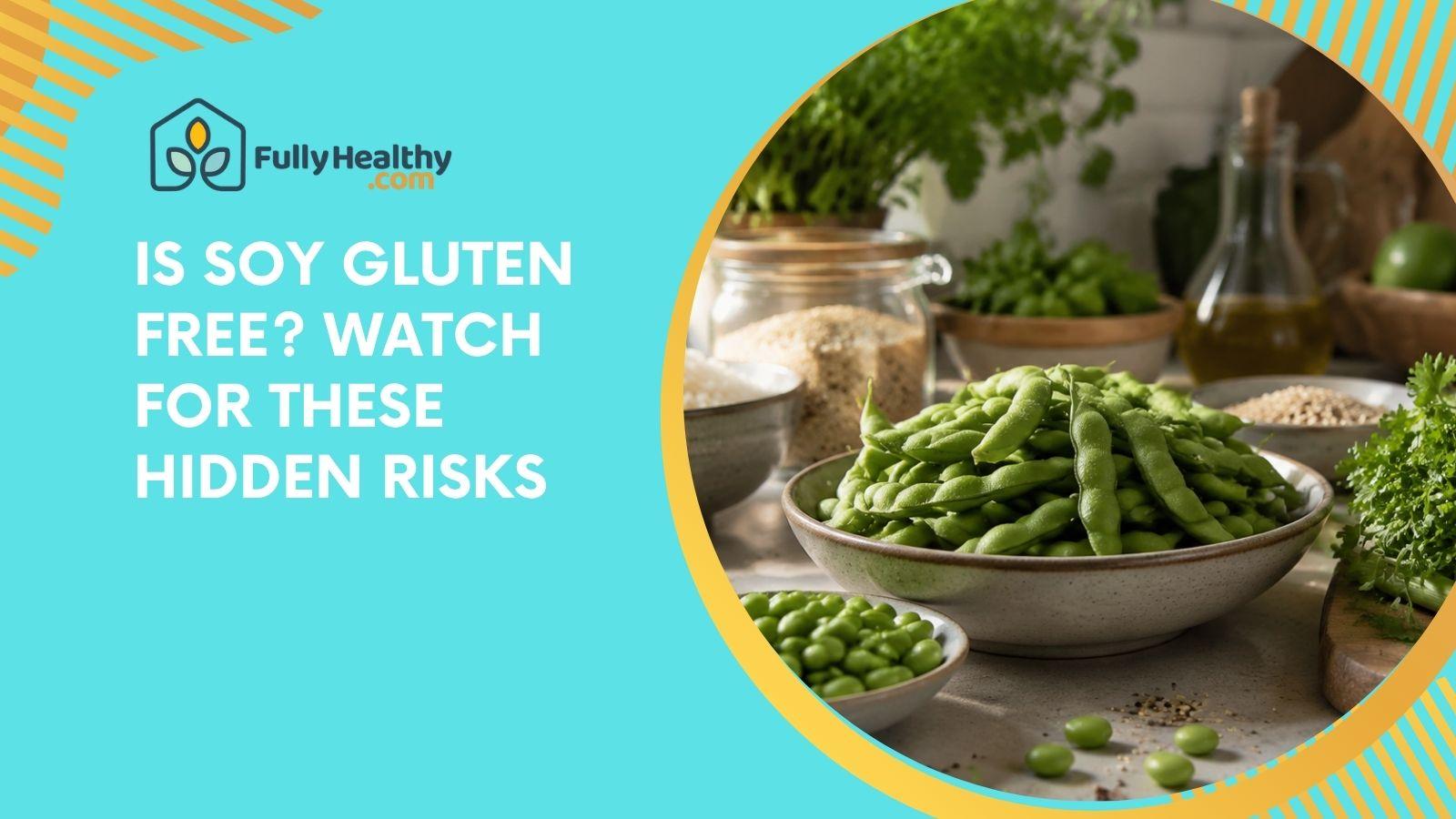
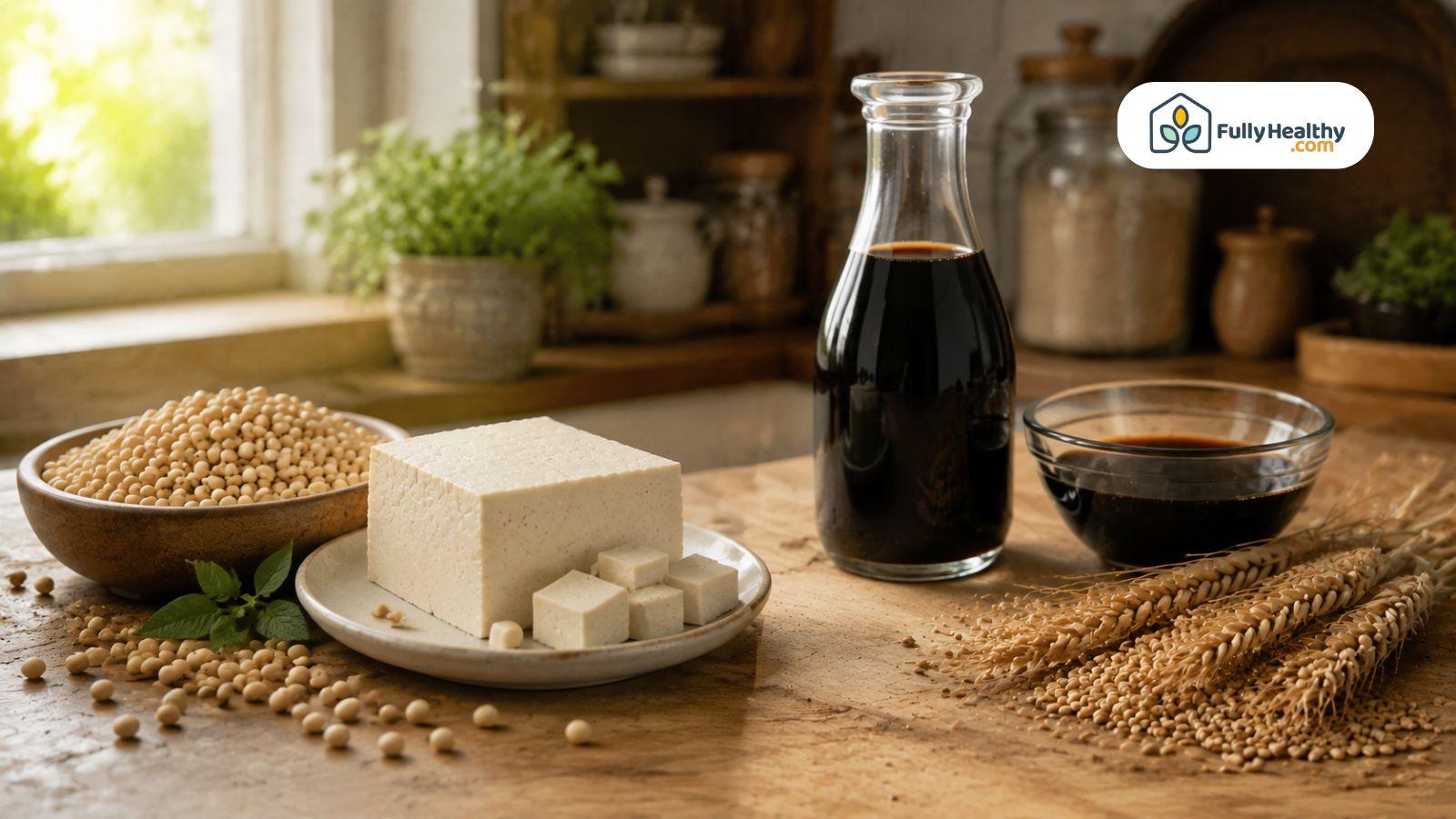
Is soy gluten-free? Yes, plain soybeans are naturally gluten-free. However, some soy products can contain wheat or other gluten ingredients. To give you an example, traditional soy sauce. Most tofu, soy milk, soy flour, and soy oil don't have gluten in them, but check the labels to be sure.
This blog talks about hidden gluten, foods that are naturally gluten-free, eggs, and how to safely and confidently shop for specialty items. Additionally, it dispels common gluten myths.
Is Soy Gluten Free?
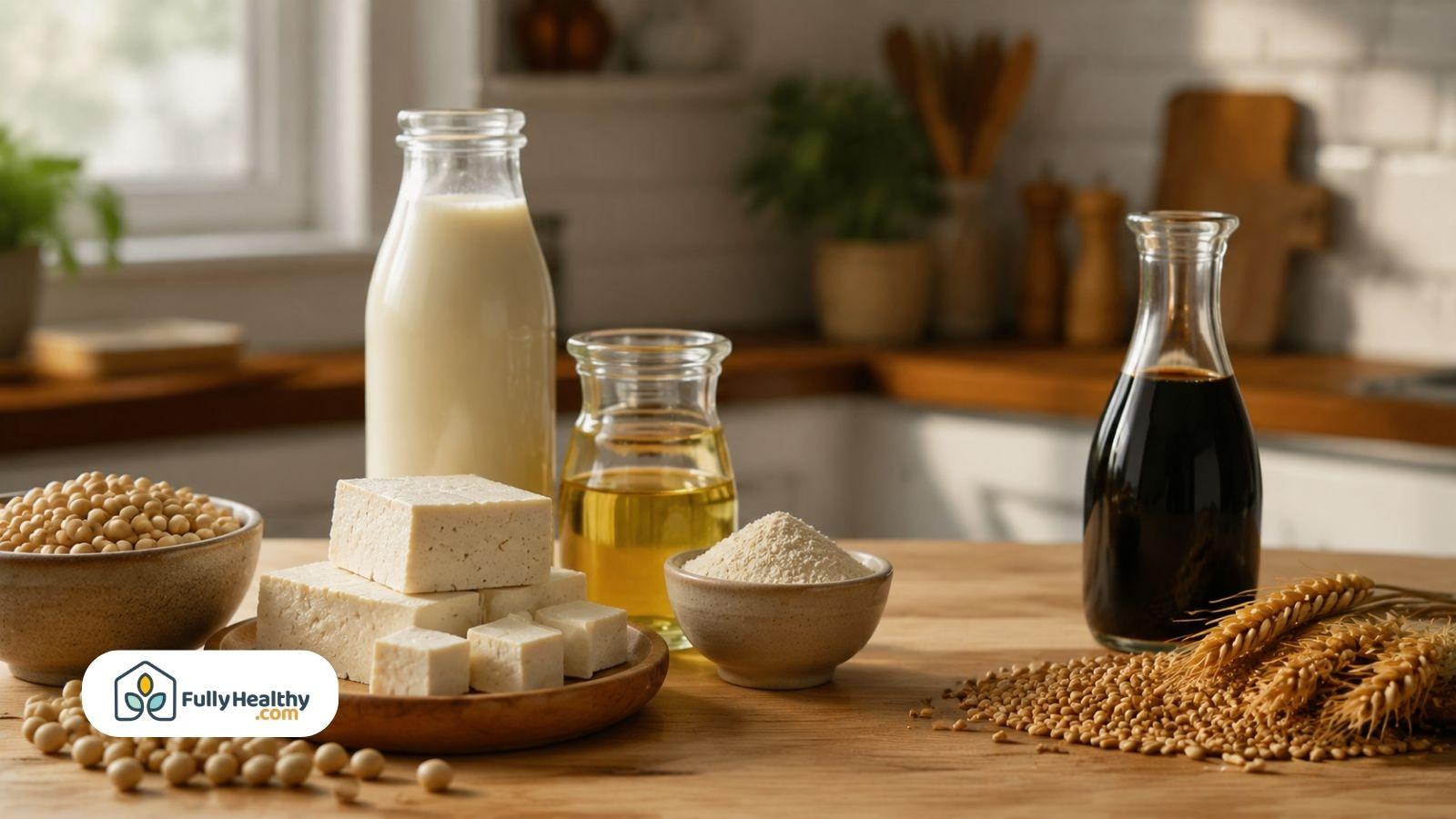
Yes. Soybeans are naturally gluten-free and fit a gluten-free diet. Plain soybeans and foods made only from soy are naturally gluten-free; however, processed soy protein, soy flour, tofu, and other packaged soy products should be checked for gluten-containing ingredients and cross-contact when strict gluten avoidance is required. The concern is added gluten.
People with celiac disease must avoid wheat, barley, and rye; people with wheat allergy must avoid wheat specifically, while management of non-celiac gluten/wheat sensitivity should be individualized because these are distinct conditions.
Is Soy Naturally Gluten Free?
Soy doesn't naturally have gluten in it. It is possible to eat soy while following a strict gluten-free diet. Soy foods that have been processed may have sauces or flavorings that change their status.
-
Safe basics: Soybeans themselves contain no wheat, barley, or rye gluten. Pure soy flour, soy protein, and soybean oil are therefore gluten-free by composition, but processed products may require verification for added gluten or cross-contact.
-
Other conditions: Celiac disease, wheat allergy, non-celiac gluten/wheat sensitivity, eosinophilic esophagitis, and other gastrointestinal disorders are distinct conditions requiring different diagnostic approaches.
Which Soy Products Should You Check for Gluten?
Traditional soy sauces often have wheat in them, which means that soy sauce might have gluten in it. In stir-fries and marinades, this is important. Cross-contact with gluten-containing grains can occur during agricultural handling, storage, transport, processing, or preparation; the practical risk varies by product and manufacturing system.
-
Check labels: Compare food labels within the same product category.
-
Get advice: Symptomatic patients, pediatric patients, and genetically susceptible individuals should discuss other symptoms with clinicians.
What Is Surprisingly Not Gluten-Free?
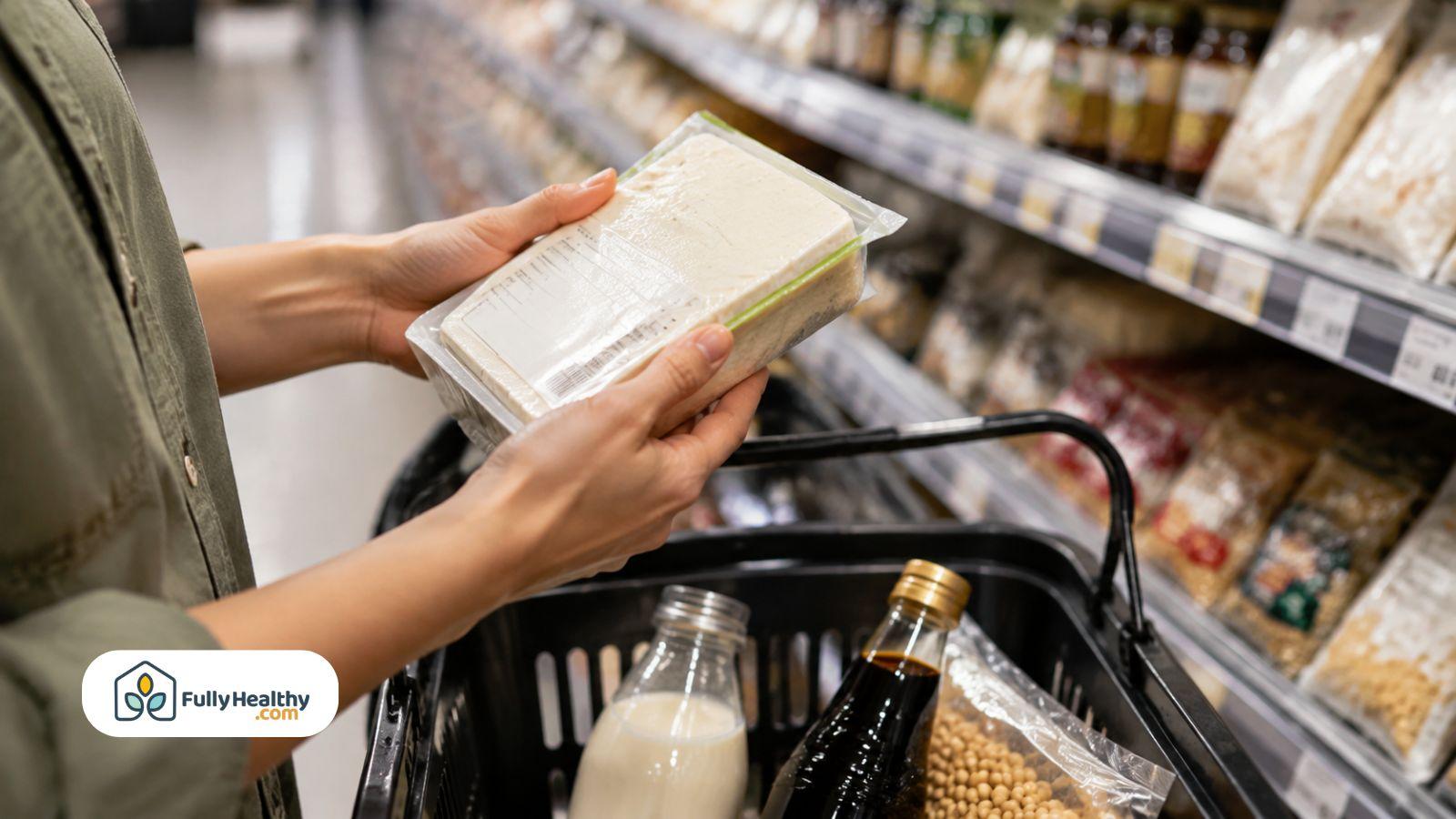
Many foods may contain dietary gluten through coatings, malt, seasonings, or wheat. Good Food lists soy sauce, sausages, stock cubes, couscous, some corn flakes, chips, and spice mixes.
In celiac disease, dietary gluten triggers an immune-mediated enteropathy, and inadvertent gluten exposure from processed foods or cross-contact is a recognized concern in maintaining a gluten-free diet.
Which Everyday Foods Can Unexpectedly Contain Gluten?
A good example is traditional soy sauce. Soy itself is gluten-free, but many traditionally brewed soy sauces are made with wheat; therefore, people requiring a strict gluten-free diet should use products specifically formulated and labeled gluten-free.”
Fermentation can extensively hydrolyze gluten, making analytical assessment more complex. Flavored foods are harder to spot than baked goods.
-
Hidden additions: Wheat flour is commonly present in coatings, binders, thickeners, or seasonings.
How Can Naturally Gluten-Free Foods Become Unsafe?
Oats do not contain wheat, barley, or rye gluten, but conventional oats are frequently at risk of cross-contact with those grains. Most people with celiac disease tolerate uncontaminated gluten-free oats, although a small subset may react to oat avenins.
-
Reduce risk: Choose products labeled gluten-free.
-
Use evidence carefully: Claims that soy may adversely influence recovery, that CD patients responded poorly, or that a soy-inclusive elimination diet is a viable treatment strategy need clinical evidence.
-
Track reactions: Dietary analysis can separate dietary gluten exposure from other reactions.
What Are 9 Foods That Are Gluten-Free?
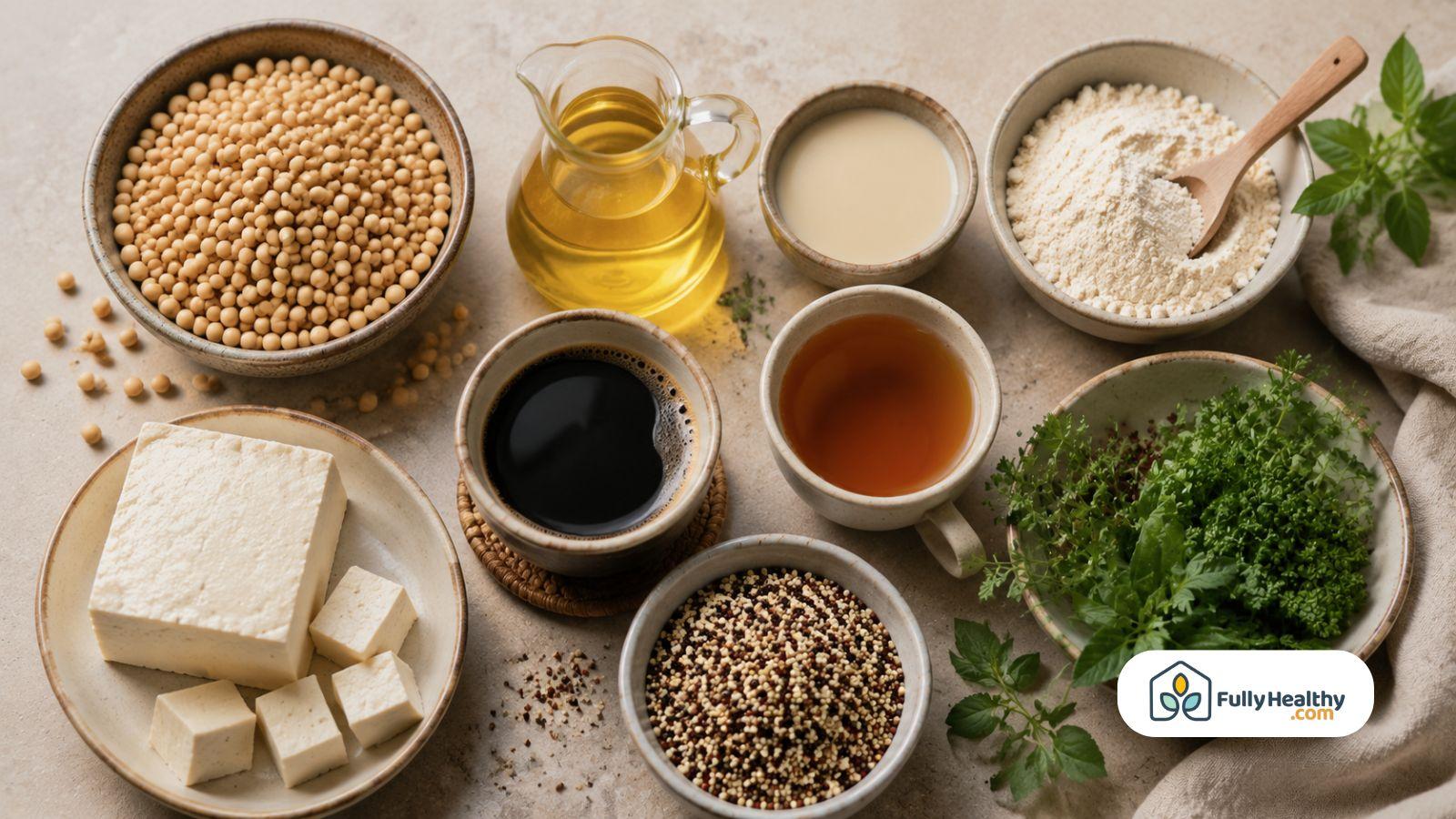
Nine naturally gluten-free choices are soybeans, soybean oil, soy lecithin, soy flour, plain tofu, plain coffee, plain tea, quinoa, and pure herbs or spices. They are considered gluten-free plain, but processing can change them.
Which 9 Foods and Ingredients Are Naturally Gluten-Free?
This list of foods can make a gluten-free diet easier. Packaged versions should be checked by people who have celiac disease.
-
Soy choices: Soybeans, soybean oil, soy lecithin, soy flour, and plain tofu.
-
Other choices: Plain coffee, plain tea, quinoa, and pure herbs or spices.
How Can You Tell Whether a Gluten-Free Food Is Still Safe After Processing?
Check labels for wheat, barley, rye, malt derived from barley, and gluten-containing coatings, sauces, or seasonings.
-
Know the difference: Autoimmune enteropathy, wheat allergy, and non-celiac gluten sensitivity differ.
-
Bottom line: Avoid gluten when required and confirm processed-food ingredients. This habit helps readers make safer choices without avoiding naturally gluten-free foods.
Why Are Eggs Not Gluten-Free?
No matter how this question is written, plain shelled eggs are naturally gluten-free. According to the Gluten Intolerance Group, chickens can eat wheat and other grains that contain gluten and still lay gluten-free eggs.
The chicken food is not the most important thing. Gluten-containing ingredients can be introduced when egg dishes are processed or prepared—for example, through breading, sauces, seasonings, or cross-contact with gluten-containing foods.
Are Eggs Actually Gluten-Free?
Yes. Plain eggs do not naturally contain gluten. This means people with celiac disease or gluten sensitivity usually do not need to avoid eggs because of what the chicken ate. The focus should be on how the eggs are prepared and what ingredients are added.
-
Natural Status: Plain shelled eggs are naturally gluten-free, even when chickens are fed wheat or other grains.
-
Diet Concerns: Avoiding eggs only because chickens eat grain is generally considered unnecessary for a gluten-free diet.
-
Safer Choice: Choose plain eggs and check any sauces, seasonings, or side dishes served with them.
When Can Eggs or Animal Foods Come Into Contact With Gluten?
When gluten-containing ingredients are added to eggs, they might not be safe for a gluten-free diet. Foods with bread crumbs, sauces, marinades, seasoning mixes, and cooking areas that are shared can all raise the risk. This is also true for processed meats and other ready-to-eat animal foods.
-
Added Ingredients: Check breading, marinades, sauces, and seasoning blends for wheat or other gluten sources.
-
Restaurant Meals: Ask how egg dishes are cooked when strict gluten avoidance is medically necessary.
-
Label Checks: Read ingredient lists on processed animal foods and choose reliable gluten-free labeling when extra assurance is needed.
How Fully Healthy Can Help With Specialty-Diet Shopping
Fully Healthy is an online store for people who have special dietary needs. It has collections for AIP, gluten-free, allergen-free, and other similar needs on its website. Putting a lot of specialty items in one place, this can make shopping easier. Still, shoppers should check each item’s ingredients and dietary details before consuming soy products or other packaged foods.
How Can FullyHealthy Make Specialty-Diet Shopping Easier?
Fully Healthy sorts its products into clear groups, such as Snacks, Breakfast, Personal Care, Seasonings, New Products, AIP Elimination, and AIP Reintros. These categories can help people find what they need faster and compare different options without having to go to a lot of stores.
-
Easy Browsing: Organized dietary collections can help shoppers quickly narrow down products that may fit their eating plan.
-
Product Checks: A product appearing in a specialty collection does not mean it meets every dietary need.
-
Better Decisions: Check ingredients, allergen information, and current dietary labels before buying any packaged food.
Which Products Can You Find on FullyHealthy?
The scanned FullyHealthy homepage showed several pantry and baking products. Product availability can change, so shoppers should confirm current listings before ordering.
-
Sweeteners: Verified products included Big Tree Farms Organic Brown Coconut Sugar, Bob’s Red Mill Organic Coconut Sugar, and Coombs Family Farms Organic Maple Sugar.
-
Maple Syrup: Fully Healthy listed Coombs Family Farms Organic Maple Syrup in both 12-ounce and 32-ounce sizes.
-
Baking Mixes: Verified options included EAT G.A.N.G.S.T.E.R “Cut-Out” Sugar Cookie Mix, Banana Bread Mix, and Chewy Choconot Brownie Mix.
-
Shop Carefully: Do not assume a product is gluten-free or soy-free without checking its current product page, ingredient list, and dietary labels.
Final Thoughts
So, is soy gluten-free? Plain soybeans are naturally gluten-free, but some soy products may contain wheat or face cross-contact during processing. One common food that needs to be carefully checked is soy sauce.
If you have celiac disease or are sensitive to gluten, you should eat simple foods, read the labels, and when you need to, choose gluten-free products that are clearly marked. Knowing what's on the label can make picking out food every day much easier and safer.
FAQs
What Are the Worst Foods for Gluten Intolerance?
Foods made with wheat, barley, or rye, such as regular bread, pasta, baked goods, many cereals, and traditional soy sauce, are among the main foods to avoid if you have gluten intolerance.
What Organ Is Most Affected by Celiac Disease?
Celiac disease mainly affects the small intestine, where gluten triggers an immune reaction that can damage the intestinal lining and reduce nutrient absorption.
What Food Is Really High in Gluten?
Foods made mainly from wheat, such as bread, pasta, pizza dough, cakes, and many baked goods, are typically high in gluten.
What Are the First Signs of Being Gluten Intolerant?
Symptoms attributed to non-celiac gluten/wheat sensitivity can include abdominal pain, bloating, altered bowel habits, fatigue, and headache, but these symptoms are nonspecific. Celiac disease and wheat allergy should be excluded before diagnosing non-celiac gluten/wheat sensitivity.
What Is the Most Popular Gluten-Free Food?
Common naturally gluten-free foods include rice, potatoes, eggs, fruits, vegetables, legumes, and unprocessed meats.
Leave a comment