

Is There Caffeine in Chocolate? Truth About Caffeine Levels

Is there caffeine in chocolate? Yes, but the amount is small and depends on the type. Dark chocolate has the most, milk chocolate has less, and white chocolate has none. Compared to coffee, chocolate delivers a much lower dose, so it usually won’t keep you awake.
In this guide, you’ll learn how much caffeine is in chocolate, how it affects your body, and what to expect from your favorite treats.
Featured Baking Pick
Enjoy Life // Semi-Sweet Mini Chocolate Chips - 9 oz
Loading...
Is There Caffeine in Chocolate?
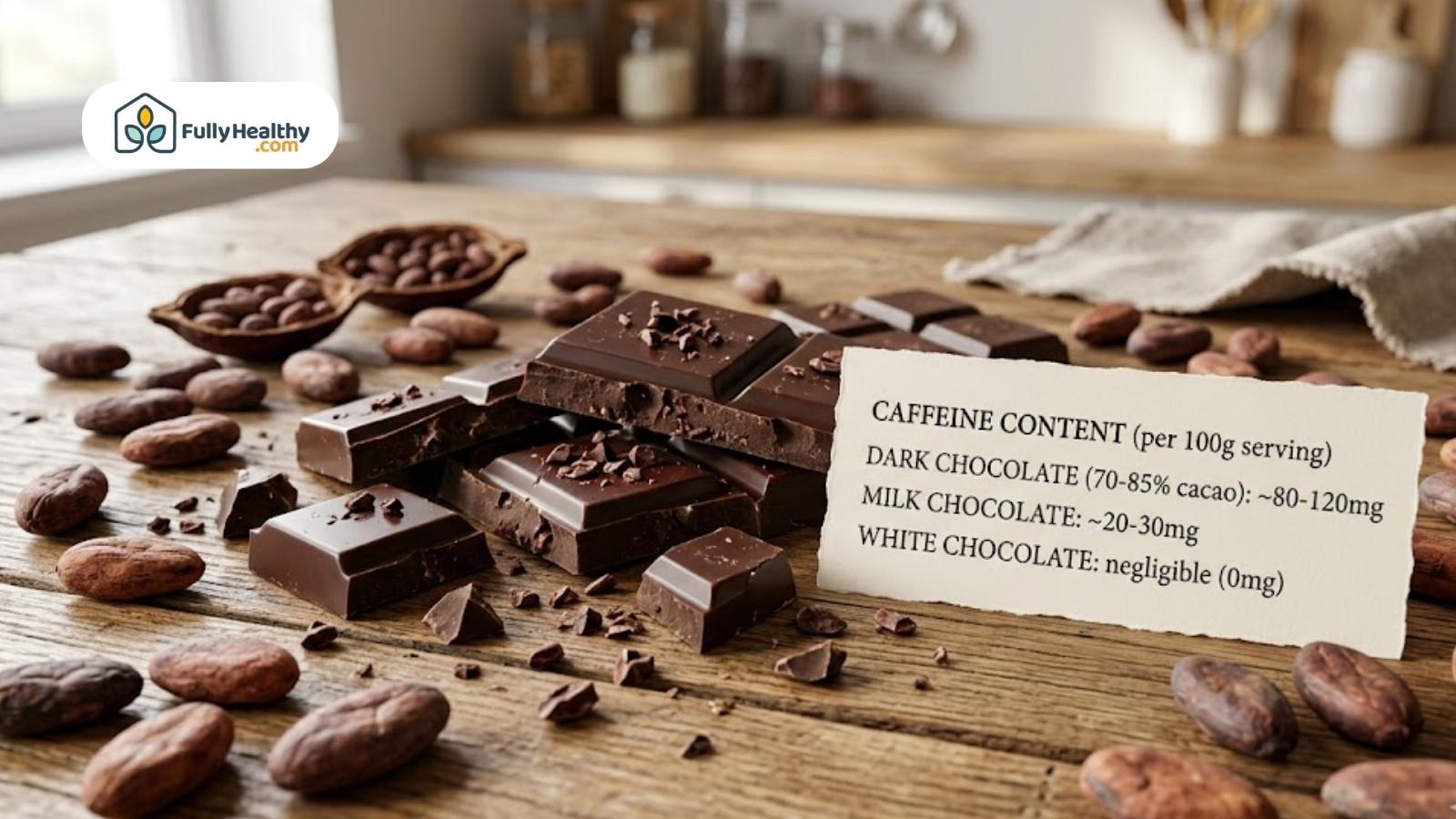
Chocolate contains small amounts of caffeine because it comes from cacao beans grown on cacao trees. During the chocolate making process, cocoa beans are turned into cocoa solids and cocoa butter, which affect chocolate's caffeine content. So yes, chocolate have caffeine, but the amount depends on the type and ingredients used.
Does Chocolate Contain Caffeine? A Direct Answer for Readers
Chocolate contains caffeine because cocoa solids naturally carry this stimulant. The more cocoa solids used, the higher the caffeine content in chocolate, especially in baking chocolate and chocolate bars.
-
Source of caffeine: Cocoa solids from cacao beans contain caffeine, while cocoa butter does not.
-
White chocolate: Made with cocoa butter and milk powder, so it is naturally caffeine free.
-
Common products: Chocolate bars, hot chocolate, and hot cocoa usually contain small caffeine amounts unless labeled otherwise.
How Caffeine Levels Change by Chocolate Type
Caffeine levels depend on how much cocoa is present. The darker the chocolate, the more cocoa solids it has, which increases chocolate caffeine levels.
-
Dark chocolate: Particularly dark chocolate has the highest caffeine content because it contains more cocoa solids.
-
Milk chocolate: Contains milk powder, which lowers the overall caffeine levels.
-
White chocolate: Contains no cocoa solids, making it caffeine free with a super indulgent creamy taste.
Which Has More Caffeine Chocolate or Coffee?

Chocolate and coffee both come from plant sources, but their caffeine levels are very different. Coffee beans are brewed into drinks like brewed coffee, while chocolate is eaten as a sweet treat. This difference changes how much caffeine you actually consume.
Chocolate vs Coffee Caffeine Levels Compared Side by Side
When comparing caffeine content, coffee clearly contains more. Even dark chocolate has much less caffeine than a typical cup of brewed coffee.
-
Brewed coffee: A standard cup has about 95 mg of caffeine, which is much higher than chocolate.
-
Chocolate bars: Dark chocolate can contain ~10–50 mg per 40–50 g serving, while milk chocolate is typically ~5–10 mg.
-
Hot chocolate: Made with cocoa powder, it often has only 5–25 mg of caffeine.
Why Coffee Delivers a Stronger Energy Boost Than Chocolate
caffeine is rapidly absorbed regardless of form; stronger effect from coffee is mainly due to higher caffeine dose, not physical state. Chocolate may slightly alter absorption due to fat/sugar matrix, but caffeine is still efficiently absorbed and timing differences are modest.
-
Absorption speed: Liquid coffee enters the bloodstream faster than eating chocolate.
-
Caffeine strength: Coffee beans contain more caffeine than cacao beans.
-
Serving size: Drinks like coffee and energy drinks increase caffeine intake more quickly.
Does Chocolate Have Enough Caffeine to Keep You Awake?

For most people, eating chocolate will not strongly affect sleep. Chocolate contains less caffeine than coffee, so moderate chocolate intake is unlikely to cause problems, even dark chocolate in normal portions.
Can Eating Chocolate at Night Disrupt Your Sleep?
Chocolate contains caffeine, but the amount is usually too low to cause strong stimulation. Most people can enjoy a sweet treat without sleep issues.
-
Typical serving: The caffeine content in chocolate is much lower than in coffee.
-
Individual sensitivity: Some people are more sensitive to caffeine consumption than others.
-
Timing matters: Eating chocolate late at night may affect sleep for sensitive individuals.
The Role of Theobromine in Chocolate’s Mild Stimulation
Chocolate also contains theobromine, a mild stimulant found in cocoa powder. It works differently from caffeine and gives a softer effect.
-
Milder stimulant: Theobromine provides a gentler effect than a strong caffeine boost.
-
Combined effect: Chocolate's caffeine content and theobromine create light stimulation.
-
Overall impact: Usually does not exceed the recommended daily caffeine intake unless chocolate intake is very high.
How Does Caffeine in Chocolate Affect Sleep?

Caffeine in chocolate affects the central nervous system, which controls how alert or sleepy you feel. Since chocolate depends on cocoa content, different chocolate varieties can impact sleep in different ways. While it is a delightful treat, eating it at the wrong time may affect your rest.
Why Caffeine From Cocoa Can Delay Falling Asleep
Cocoa contains naturally occurring stimulants like caffeine and theobromine. These can increase alertness and make it harder to fall asleep, especially at night.
-
Stimulation effect: Caffeine activates the central nervous system, which can delay your ability to relax and sleep.
-
Amount matters: The more caffeine in chocolate products, the stronger the effect on your body.
-
Comparison: Even though it has less caffeine than a cup of coffee or green tea, it can still affect sensitive people.
Best Time to Eat Chocolate Without Affecting Sleep
You can still enjoy your favorite sweet treat by choosing the right time to eat it. Eating chocolate earlier in the day helps your body process the caffeine before bedtime.
-
Timing tip: Avoid chocolate a few hours before bed to reduce sleep problems.
-
Portion control: Smaller amounts lower the chance of sleep disruption, especially with darker chocolate varieties.
-
Daily balance: Consider your total caffeine intake from sources like an average cup of coffee or green tea.
FullyHealthy Chocolate Options for Special Diets
FullyHealthy offers chocolate products made for people with special dietary needs. Whether you want fewer allergens or less added sugar, these options help you enjoy chocolate in a better way. Chocolate plays an important role in many diets, but choosing the right products makes a difference.
Better-For-You Chocolate Snacks Available at FullyHealthy
FullyHealthy provides chocolate products made with simple ingredients. These options let you enjoy a delightful treat while still focusing on your health goals.
-
Chocolate chip cookies: Made with alternative flours and lower added sugar, making them a more balanced snack choice.
-
Chocolate chip brookie: A mix of brownie and cookie with cleaner ingredients for a satisfying treat.
-
Enjoy Life chocolate chips: Free from common allergens and simple to use in your recipes.
-
Diet-friendly options: Many products support gluten-free, paleo, and allergen-conscious lifestyles.
Chocolate Chips and Ingredients That Still Contain Caffeine
Even healthier chocolate products still contain caffeine because they use cocoa-based ingredients. Knowing this helps you manage how much you consume.
-
Ingredient source: Cocoa-based ingredients keep caffeine after the roasting process.
-
Flavor clue: A rich, slightly bitter taste often means the product contains active compounds like caffeine.
-
Global sourcing: Cocoa is often sourced from places like Ivory Coast, which can affect quality.
-
Health balance: Chocolate may offer health benefits like better heart health and improved blood pressure, but moderation is still important.
Final Thoughts
Chocolate contains caffeine, but not all chocolate is created equal. The amount depends on cocoa content, processing, and ingredients like added caffeine. While it can support brain function in small amounts, it also contains a magical ingredient called theobromine, which gives a milder effect than coffee or tea leaves.
Some chocolate may offer anti inflammatory effects, but moderation is still important. If you enjoy chocolate as a daily treat, be mindful of your total intake and timing. Understanding how chocolate affects your body helps you enjoy it without unwanted side effects while still getting its potential benefits.
FAQs
Is there caffeine in chocolate and how does it affect brain function?
Yes, chocolate contains caffeine which may support brain function, especially when combined with compounds from cocoa and tea leaves.
Is all chocolate created equal when it comes to caffeine?
No, not all chocolate is created equal because darker types have more cocoa and higher caffeine levels.
Does chocolate contain added caffeine or only natural sources?
Most chocolate contains natural caffeine, but some chocolate products may include added caffeine for a stronger effect.
Does chocolate have any anti inflammatory effects?
Yes, some chocolate may offer anti inflammatory effects due to compounds found in cocoa.
What is the magical ingredient in chocolate besides caffeine?
Chocolate contains a magical ingredient called theobromine, which gives a mild stimulation without strong caffeine effects.
Leave a comment