

Is White Chocolate Really a Chocolate? Why It’s Not What You Think
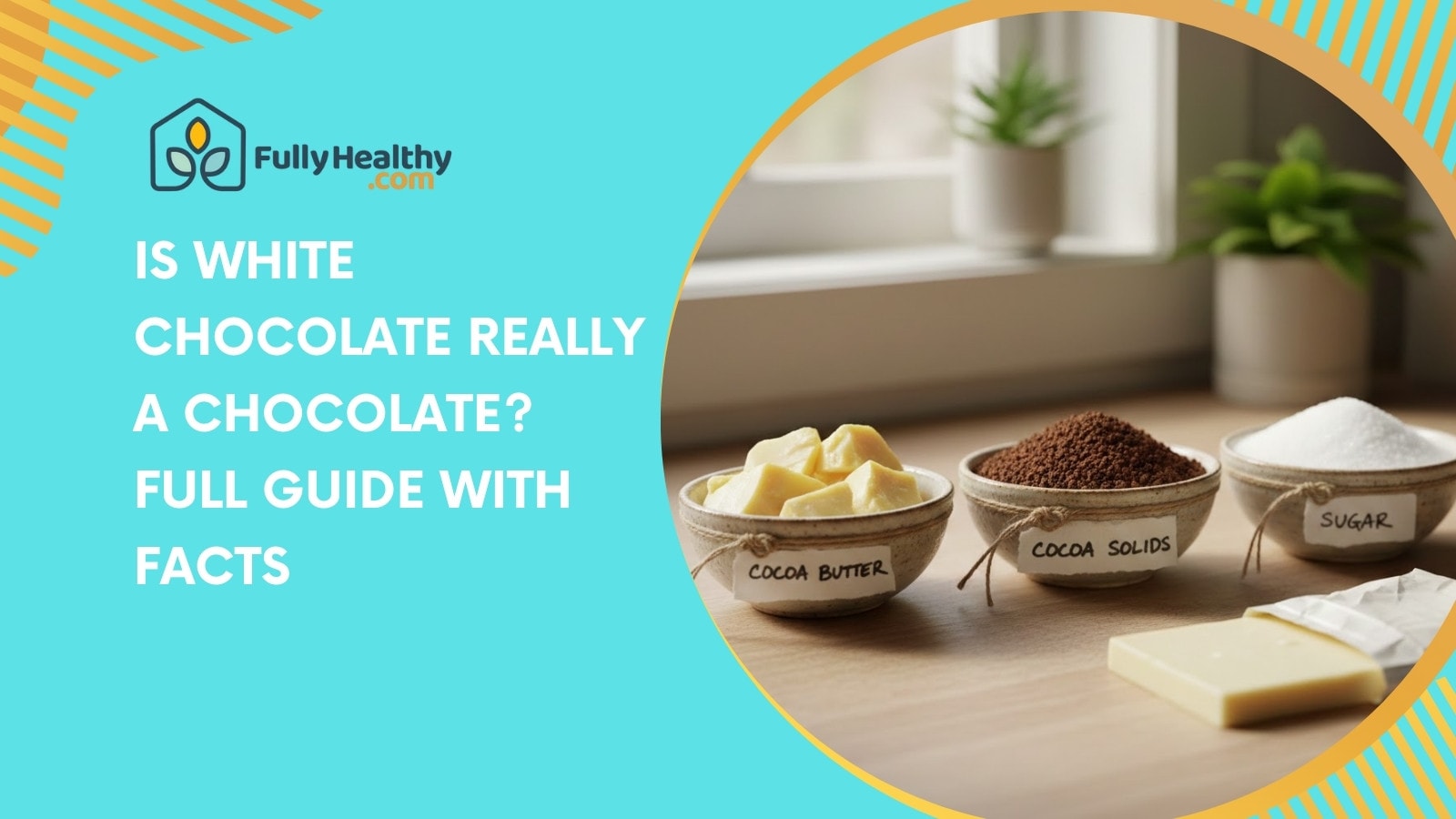
Is white chocolate really a kind of chocolate? Not in the way you think. White chocolate doesn't have cocoa solids in it like dark or milk chocolate does. It's made from sugar, cocoa butter, and milk solids instead.
The FDA says it is real chocolate if it follows strict rules about what ingredients can be used. This article explains what white chocolate is, who shouldn't eat it, and how it stacks up against the old favorites.
Featured Baking Pick
Enjoy Life // Semi-Sweet Mini Chocolate Chips - 9 oz
Loading...
Is White Chocolate Really a Chocolate?
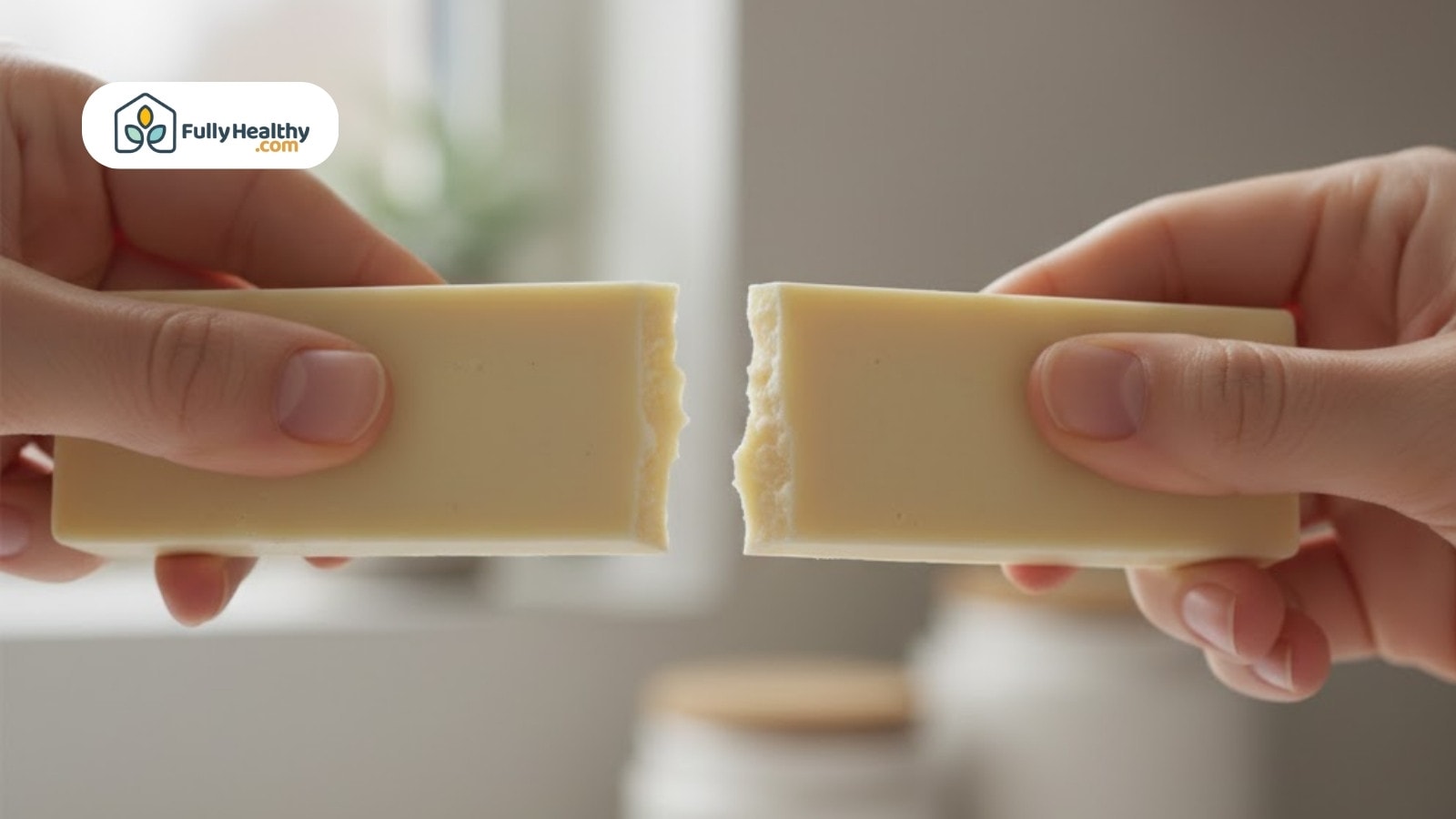
White chocolate is typically smoother and sweeter than dark chocolate, which has a more bitter and complex flavor due to the presence of cocoa solids. But is it really chocolate? If it follows FDA rules, yes, it is. It's not the same because it doesn't have cocoa solids. Instead, sugar, milk, and cocoa butter are all that are used to make it.
How the FDA Defines White Chocolate
In the U.S., white chocolate has to follow very strict FDA rules in order to be considered chocolate. The rules are mostly about how much cocoa butter and milk to use. These rules help keep the word "chocolate" safe and let customers know what they're buying.
-
Cocoa source: Made from cocoa beans, but it includes only the fat, cocoa butter, not cocoa powder or chocolate liquor.
-
Minimum content: Must have at least 20% cacao butter, 14% milk solids, and no more than 55% sugar.
-
Missing parts: No cocoa mass or cocoa liquor, unlike dark and milk chocolate.
-
Legal status: Meets the definition of real chocolate, even without the dark color.
What Makes White Chocolate Different?
Because it doesn't have cocoa solids, white chocolate stands out. It tastes mildly sweet and has a soft, creamy texture. It doesn't taste as strong as dark chocolate. The law says that white chocolate is chocolate, but it tastes and is good for you in very different ways than dark and milk chocolate.
-
Only fat used: It uses only the cocoa butter, which gives a rich, smooth feel.
-
Melting point: Cocoa butter's melting point is perfect, it melts in your mouth but stays firm at room temperature.
-
Additives: Some cheap brands use palm oil, coconut oil, or other vegetable fat instead of real cocoa butter.
-
Flavor focus: The taste comes from sugar and milk, not cocoa solids.
Can Someone With a Chocolate Allergy Eat White Chocolate?
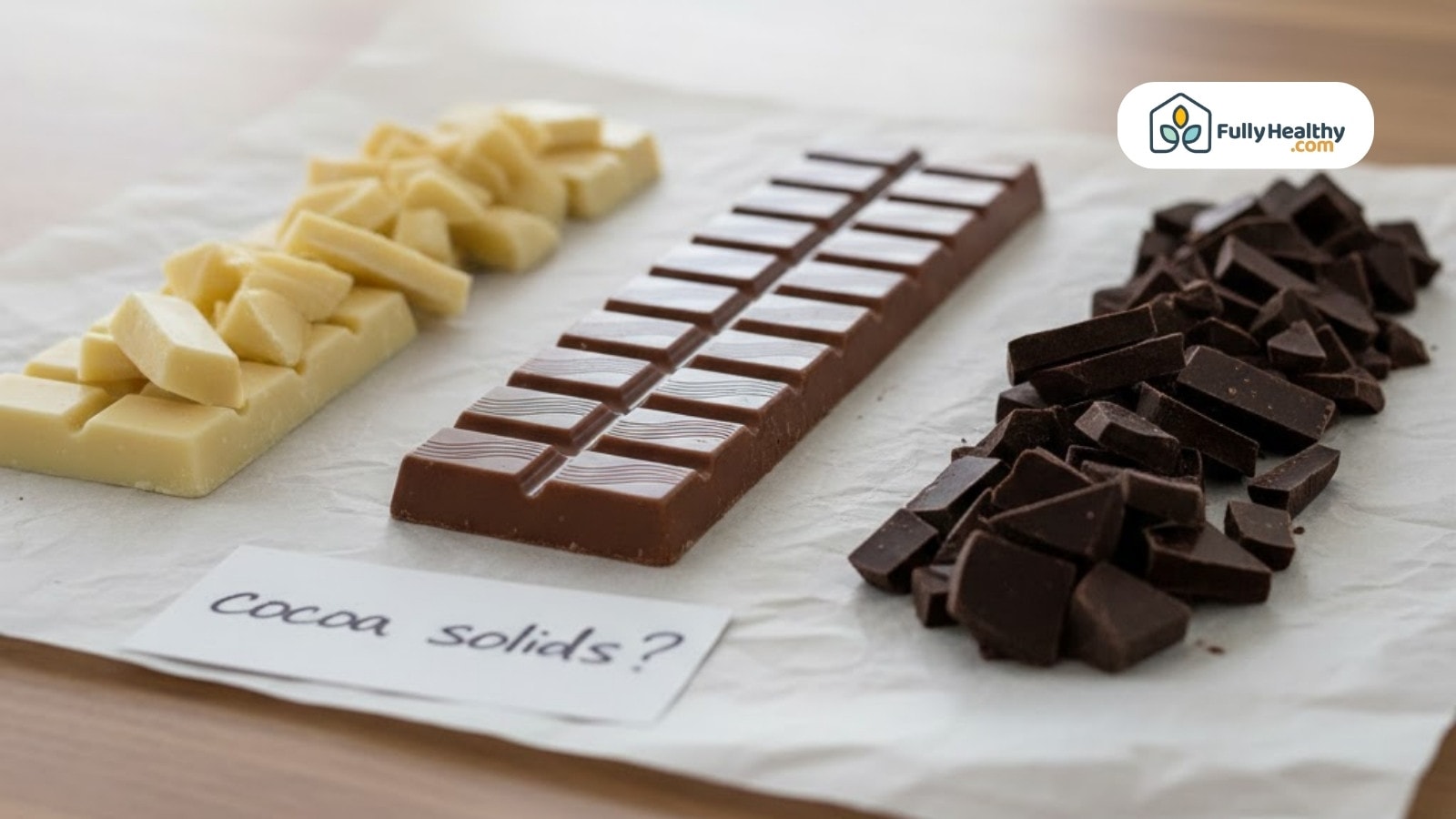
If you are allergic to chocolate, you might be curious about whether white chocolate is safely eaten. It is possible, but it depends on what in the chocolate makes you sick. While white chocolate doesn't have cocoa solids, which are often the cause, it does have other ingredients that can be harmful.
Understanding Chocolate Allergy vs. Sensitivity
Some people are allergic, and others are just sensitive. Sensitivities usually affect the digestive system, while allergies affect the immune system. Before you eat white chocolate, always read the label and, if you're not sure, talk to a doctor.
-
No cocoa solids: White chocolate has no cocoa powder or cocoa liquor, which may help some people avoid reactions.
-
Still contains milk: Most white chocolate includes milk powder, a common allergen.
-
Other triggers: Ingredients like soy lecithin, corn syrup, or even trace caffeine may still cause issues.
-
Different symptoms: Allergies can cause hives or swelling, while sensitivities may lead to gas or cramps.
Common Ingredients That May Trigger Allergies
Even though white chocolate looks easy, it can hide things that some people don't like. If any of these bother you, look for brands that are safe for people with allergies or think about a chocolate alternative.
-
Milk: Found in most white chocolate, it’s the second main ingredient after cocoa butter.
-
Soy: Soy lecithin is often added to keep that smooth texture.
-
Corn: Some products use corn syrup as a sweetener.
-
Caffeine: Cocoa butter contains negligible to zero caffeine. Most caffeine is found in cocoa solids, which are absent in white chocolate.
Can a Dog Eat White Chocolate?
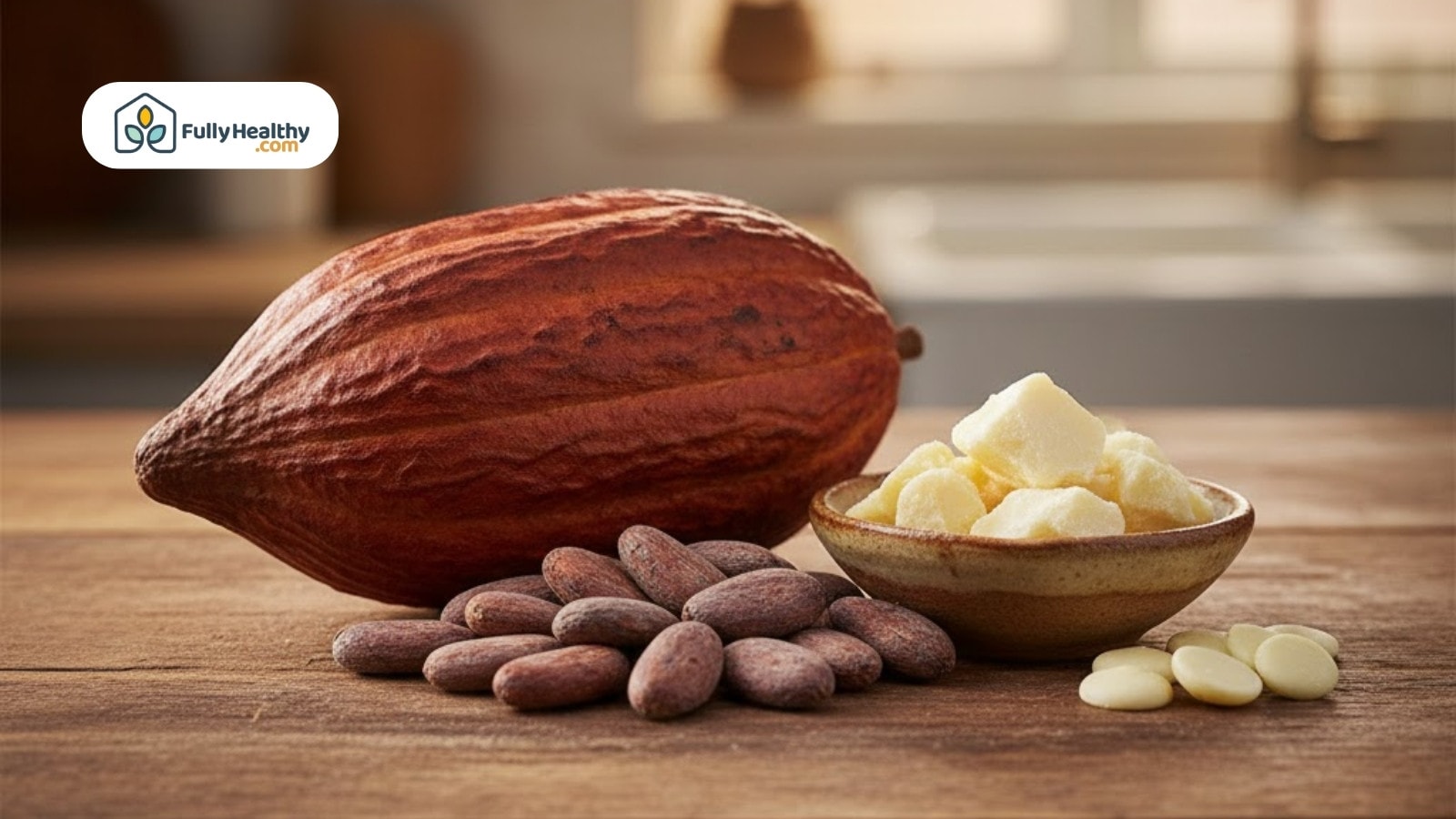
If you look closely, white chocolate might not look too bad for dogs, but it still is. Theobromine content is lower than in dark chocolate, but it's still bad for your pet because it's high in fat and sugar.
Why White Chocolate Is Harmful for Dogs
People who own dogs think white chocolate is safe, but it's not. It still comes from cocoa beans and has other ingredients that make it dangerous. Even small amounts of white chocolate should be avoided.
-
Low theobromine, not zero: It has less than dark chocolate but enough to cause problems in large amounts.
-
Too much fat: Made from cocoa butter sugar and milk, which are hard for dogs to digest.
-
Toxic fats: Can include palm oil or other vegetable fat, which may trigger pancreatitis.
-
No health benefit: It's a creamy confection with no value for dogs, just health risks.
Signs Your Dog May Be Sick From White Chocolate
If your dog eats white chocolate, look for signs that it may have drunk too much. You can protect your pet from serious harm if you act quickly. Keep all chocolate, but especially white chocolate, away from pets.
-
Digestive trouble: Vomiting, gas, or diarrhea are early signs.
-
Nervous behavior: Tremors, restlessness, or fast heartbeats could mean toxicity.
-
Seizures: In serious cases, dogs may collapse or shake uncontrollably.
-
Call a vet: If your dog shows any symptoms, contact your vet or Pet Poison Helpline right away.
What Are the Side Effects of White Chocolate?
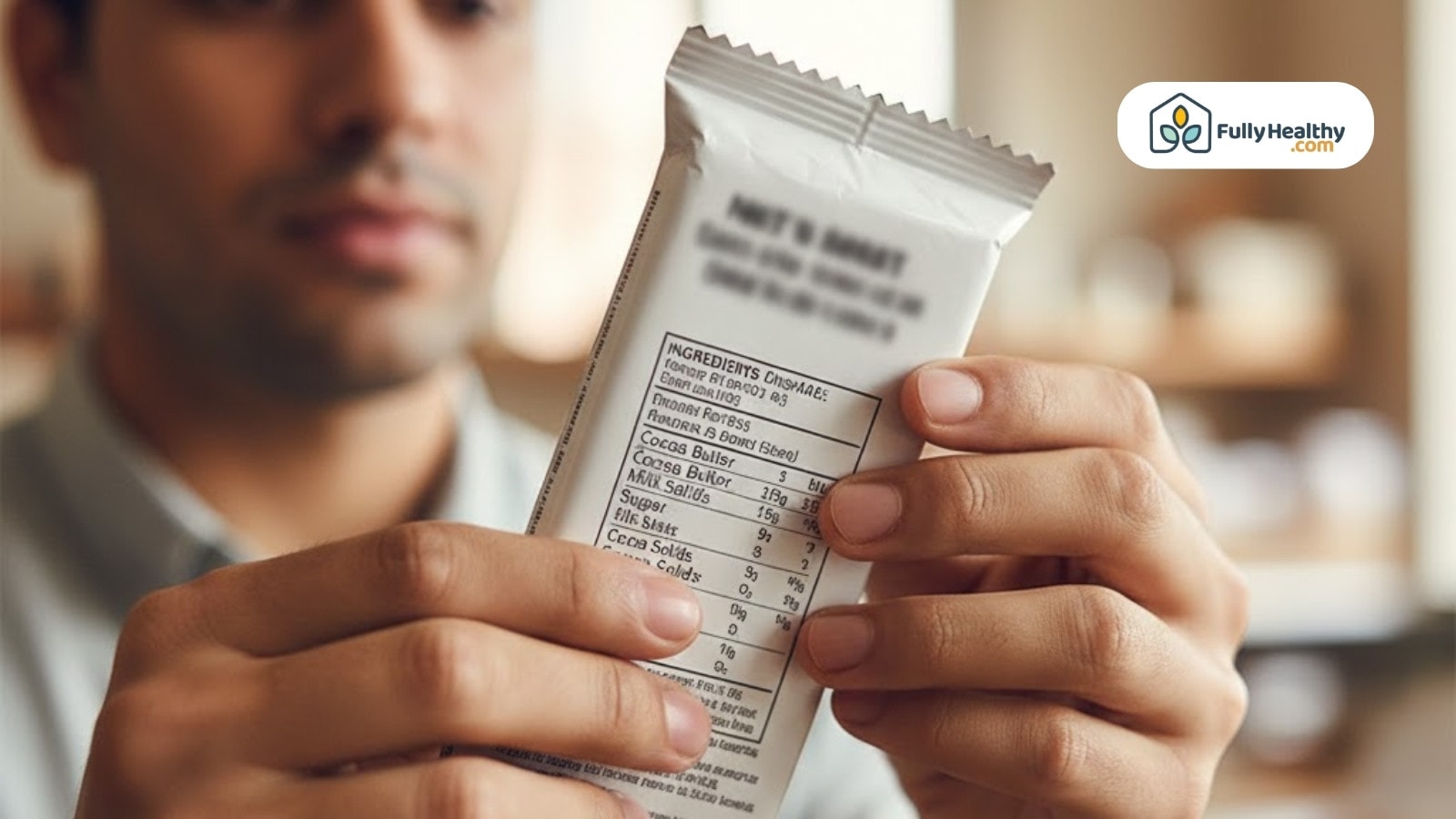
White chocolate is creamy and sweet, but it's not the healthiest kind of chocolate. It doesn't have cocoa solids like milk and dark chocolate, so it doesn't have as many antioxidants or fiber. The sugar and fat in it may be bad for your health if you eat it too often.
Health Risks of Eating White Chocolate
White chocolate is real chocolate, but the ingredients in it may not be as healthy as regular chocolate. In order to save money, many products use cheaper ingredients that may be bad for your health. To keep yourself safe, pick white chocolate that is made all the cocoa butter and no cheap fillers.
-
High sugar content: White chocolate contains a lot of sugar, which can raise your risk of weight gain, type 2 diabetes, and tooth decay.
-
Saturated fats: It includes cocoa butter, but some brands mix in palm oil or other vegetable fat, which lowers quality and may affect heart health.
-
Low in nutrients: Compared to milk and dark chocolate, it lacks antioxidants, protein, and fiber.
-
Risk with overconsumption: Eating too much, especially low-grade chocolate products, can impact long-term wellness.
Why Ingredient Quality Matters
What goes into white chocolate and how it's made determine how good it is. Good brands stick to the rules and don't use any artificial ingredients. If you pick high-quality brands, white chocolate is a safe and tasty treat.
-
Legally defined standards: Real white chocolate must have at least 20% cocoa butter, milk solids, and sugar.
-
Natural appearance: High quality white chocolate is ivory colored, not bright white.
-
Flavor add-ins: It may include vanilla or dried fruits, but quality control avoids fake flavors.
-
Manufacturing process: Skilled chocolate makers use traditional methods, like the conching machine, to create smooth texture and better taste.
What Can FullyHealthy Offer If You Avoid Chocolate?
You don't have to miss out on treats that taste like chocolate if you're allergic to them or on a strict diet. FullyHealthy has healthier options that aren't made with common allergens that are found in milk and dark chocolate.
Why Choose FullyHealthy Chocolate Alternatives?
FullyHealthy is great for people who don't want to eat chocolate or things that contain dairy, soy, or refined sugar. A lot of clean and healing diets can use their products. You can enjoy full-bodied flavors without making food allergies worse.
-
Chocolate-free options: Great for those avoiding cocoa solids and milk products.
-
Allergy-friendly: Many items are free from gluten, dairy, soy, and added sugars.
-
Naturally flavored: Uses ingredients like peppermint, maple, and beetroot instead of artificial flavoring.
-
Clean and simple: Every product is designed with ingredient transparency and quality control in mind.
Three Great Products to Try
A Swiss company invented white chocolate nearly a century ago, but modern chocolate producers provide even more inclusive options for everyone to enjoy.
-
EAT G.A.N.G.S.T.E.R Dark Choconot Fudge: Made with carob, not cocoa—perfect for those avoiding chocolate.
-
Elements Truffles Peppermint Chocolate: A gentle blend of cacao butter, peppermint, and vanilla, no milk or refined sugar.
-
Elements Truffles Maple Toffee: Made with maple syrup, moringa, and cacao butter ideal for a creamy, guilt-free treat.
Final Thoughts
There is more to white chocolate than just a sweet treat. It is a legal type of chocolate with its own history and recipe. White chocolate doesn't have any cocoa solids in it, but it still comes from cocoa beans. When white chocolate is made, it had a different mix of cocoa butter, sugar, milk solids, and flavors like vanilla.
The production process involves blending melted cocoa butter with sugar, milk solids, and flavorings, followed by refining and conching for texture development. The roasted cocoa in dark chocolate makes it bitter. White chocolate, on the other hand, is sweet and creamy. It's used all over the world in candy, baked goods, and even coffee drinks with flavors. Whether you enjoy it with nuts or paired with fun facts, quality matters. Choose better brands for a better bite.
FAQs
Was white chocolate invented recently or long ago?
White chocolate was introduced by Nestlé in the 1930s, primarily in Europe. However, similar cocoa butter confections predate this commercially popularized version.
What gives white chocolate its sweetness?
The sugar milk solids in the mixture add most of the sweetness.
How is white chocolate made in liquid form?
It’s created by melting cocoa butter, then blending in sugar and milk until smooth.
Can white chocolate be used in baking?
Yes, it’s often used in baking with nuts or coffee-flavored recipes.
What are fun facts about white chocolate?
Unlike regular chocolate, it’s made without roasted cocoa and has other flavors like vanilla or maple.
Leave a comment