

What Do Apricots Taste Like? The Flavor of the Delicious Armenian Plum
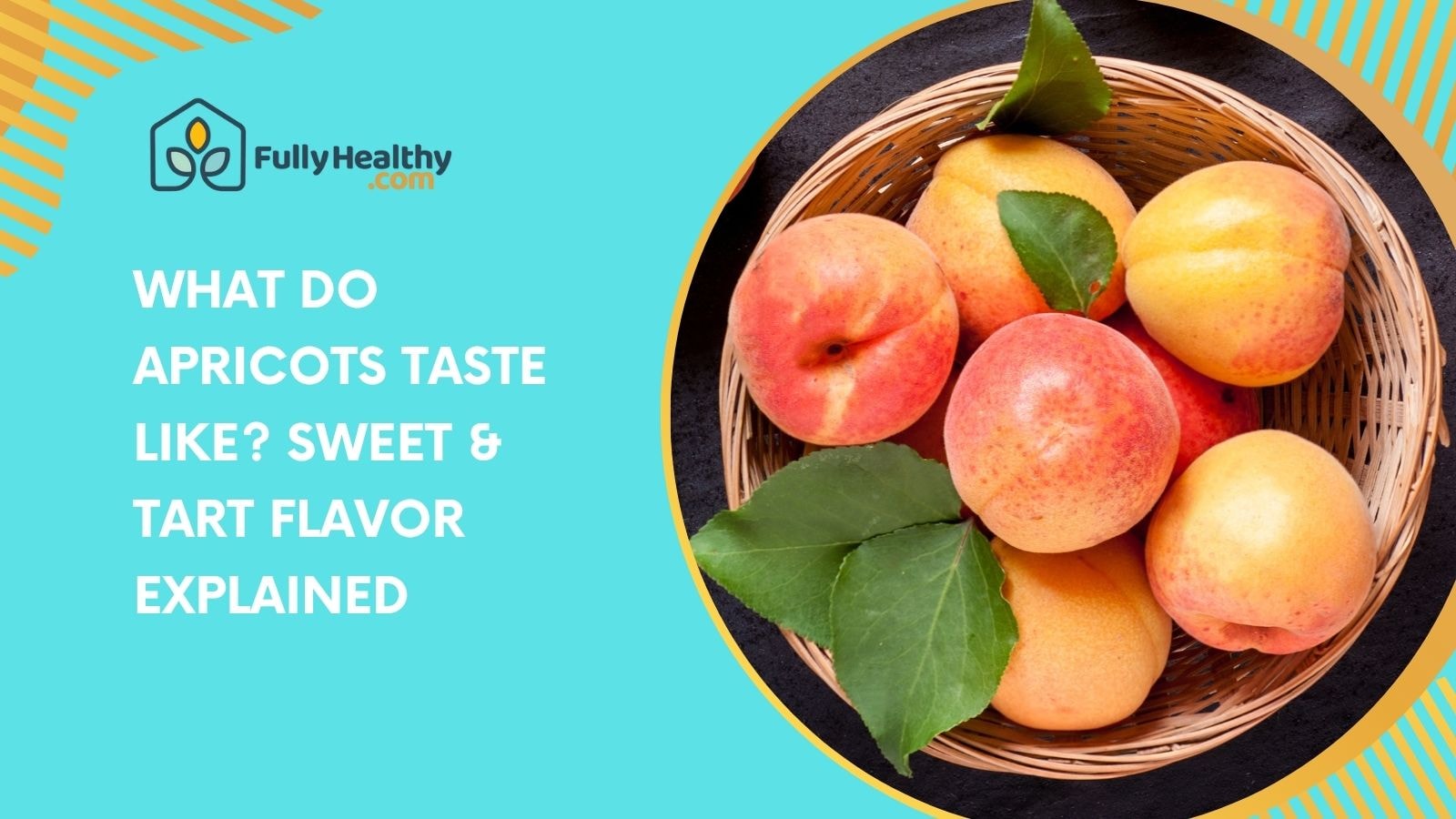 Photo Credit: Canva Pro
Wondering what do apricots taste like? These juicy, sweet fruits are just the right amount of sweet and tart. Apricots have a unique, refreshing taste that stands out when they are fresh or dried. They are often compared to peaches and plums.
Let's talk about how they taste, how their flavor changes when they dry, and how they stack up against other fruits. Plus, we'll share with you some tasty ways to add apricots to your daily meals.
Featured Pantry Pick
St Dalfour // Apricot Conserves - 10 oz
Loading...
How Would You Describe the Taste of an Apricot?
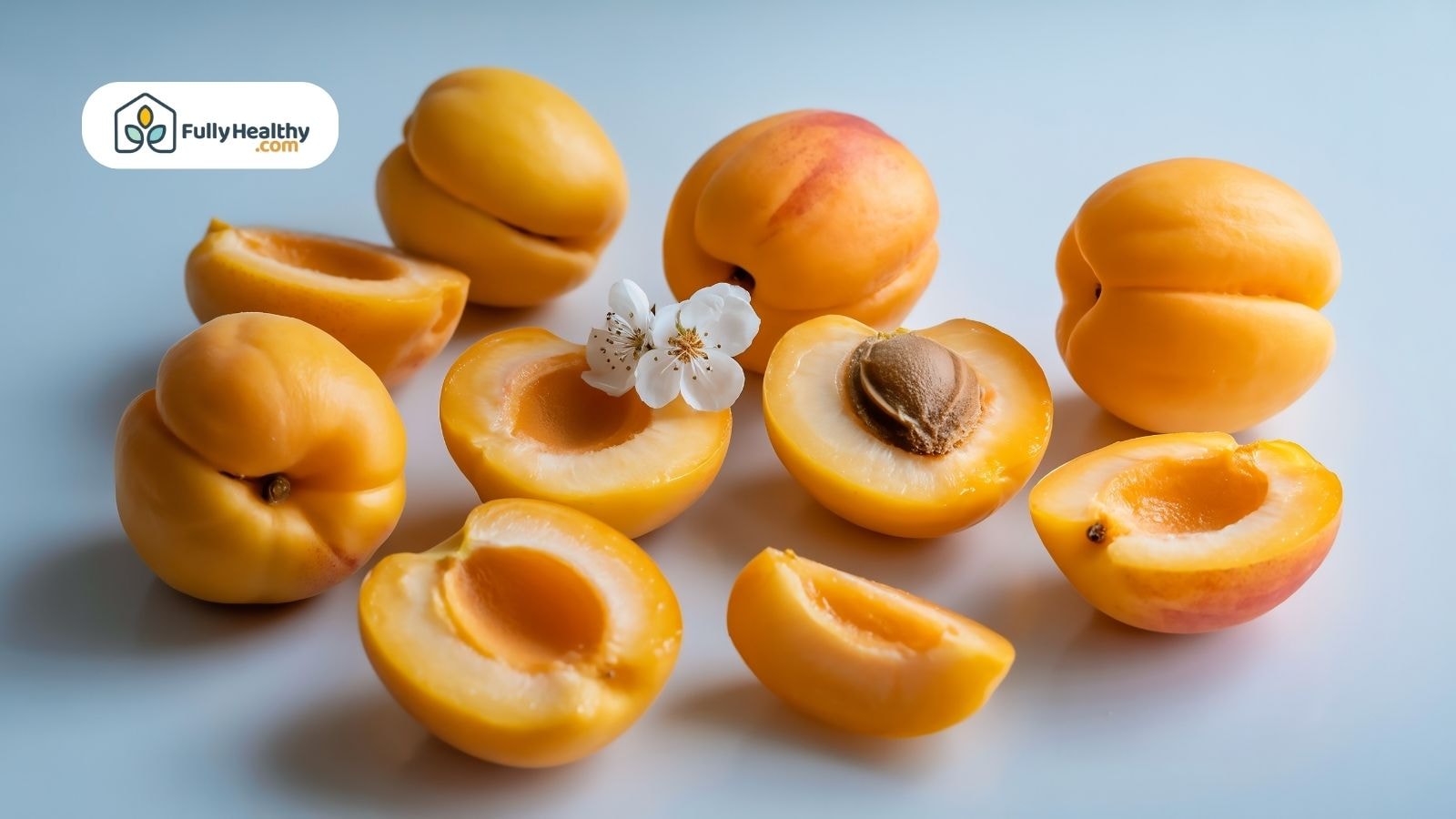 Photo Credit: Canva Pro
What Makes Apricot Flavor Stand Out
The flavor of apricots is a great mix of sweetness and subtle tartness. When apricots are fully ripe, they are very juicy and sweet, like honey, and complemented by a floral hint
-
Sweet and tart: Apricots have a perfect balance between sweet and slightly tart flavors.
-
Peach and plum influence: Similar to peaches and plums, apricots have a rich, juicy texture but a lighter taste.
-
Juicy and fragrant: Ripe apricots are highly aromatic and juicy, offering a refreshing experience with every bite.
-
Versatile flavor: The flavor of apricots works beautifully in various dishes, from desserts to savory meals.
Fresh vs Dried Apricots: How Flavor Changes
You can really tell the difference in taste and texture between fresh and dried apricots as soon as you try them. Apricots that are still fresh are juicy and slightly sour, but apricots that have been dried are sweeter and chewier.
-
Concentrated sweetness: Dried apricots are much sweeter due to the lack of water content.
-
Chewy texture: Drying removes moisture, creating a chewy consistency in dried apricots.
-
Flavor intensity: Fresh apricots are usually more tart and sweet, while dried apricots tend to be more concentrated in flavor.
-
Long shelf life: Dried apricots last longer and are often used in various recipes and snacks.
What Flavor Is Similar to Apricot?
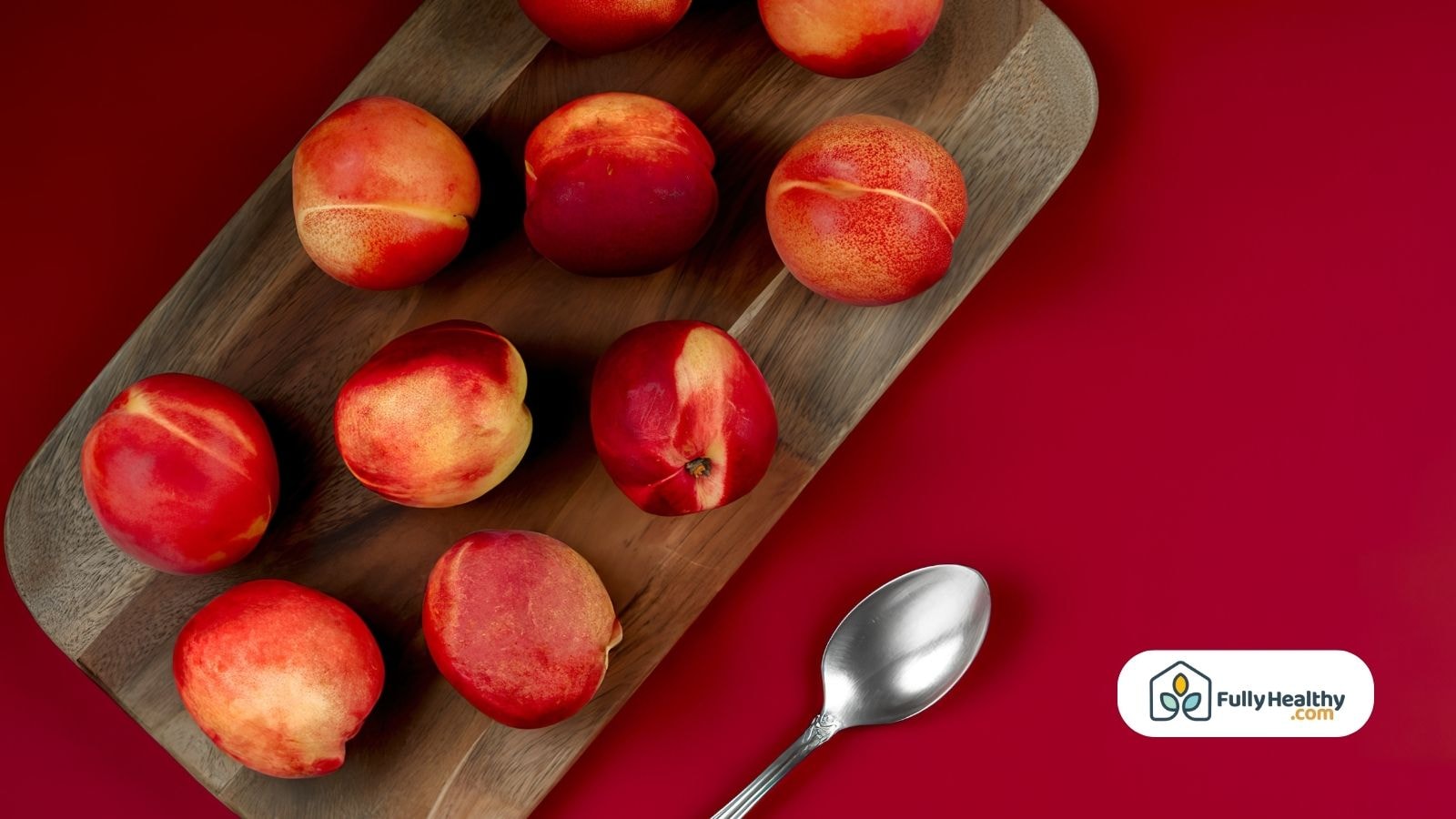 Photo Credit: Canva Pro
The Best Apricot Alternatives
The fruits that taste most like apricots are peaches and plums. They are both sweet and sour, which makes them great substitutes for fresh apricots when they are not available.
-
Peaches and apricots: Both have a sweet, juicy flavor with a slight tartness that balances perfectly.
-
Plums and apricots: Plums offer a sharper, more intense tartness that’s very similar to apricots.
-
Texture comparison: Apricots, like peaches and plums, have smooth, firm flesh with a pit at their center.
Other Fruit Substitutes for Apricot in Recipes
Besides peaches and plums, there are other fruits that can be used instead of apricots. When apricots are called for in a recipe, nectarine, cherry, or even berry works well, especially if the flavor and texture are the same.
These fruits are great for apricot jam, baked goods, and salads because they have the right amount of sweetness and sourness.
-
Nectarines: Slightly sweeter than apricots, nectarines have a similar juicy, tangy flavor.
-
Cherries: Cherries can replicate apricots’ tartness and are perfect for jams and desserts.
-
Berries: Berries like strawberries or raspberries bring out the sweet-tartness that apricots are known for.
Do You Eat the Skin on Apricots?
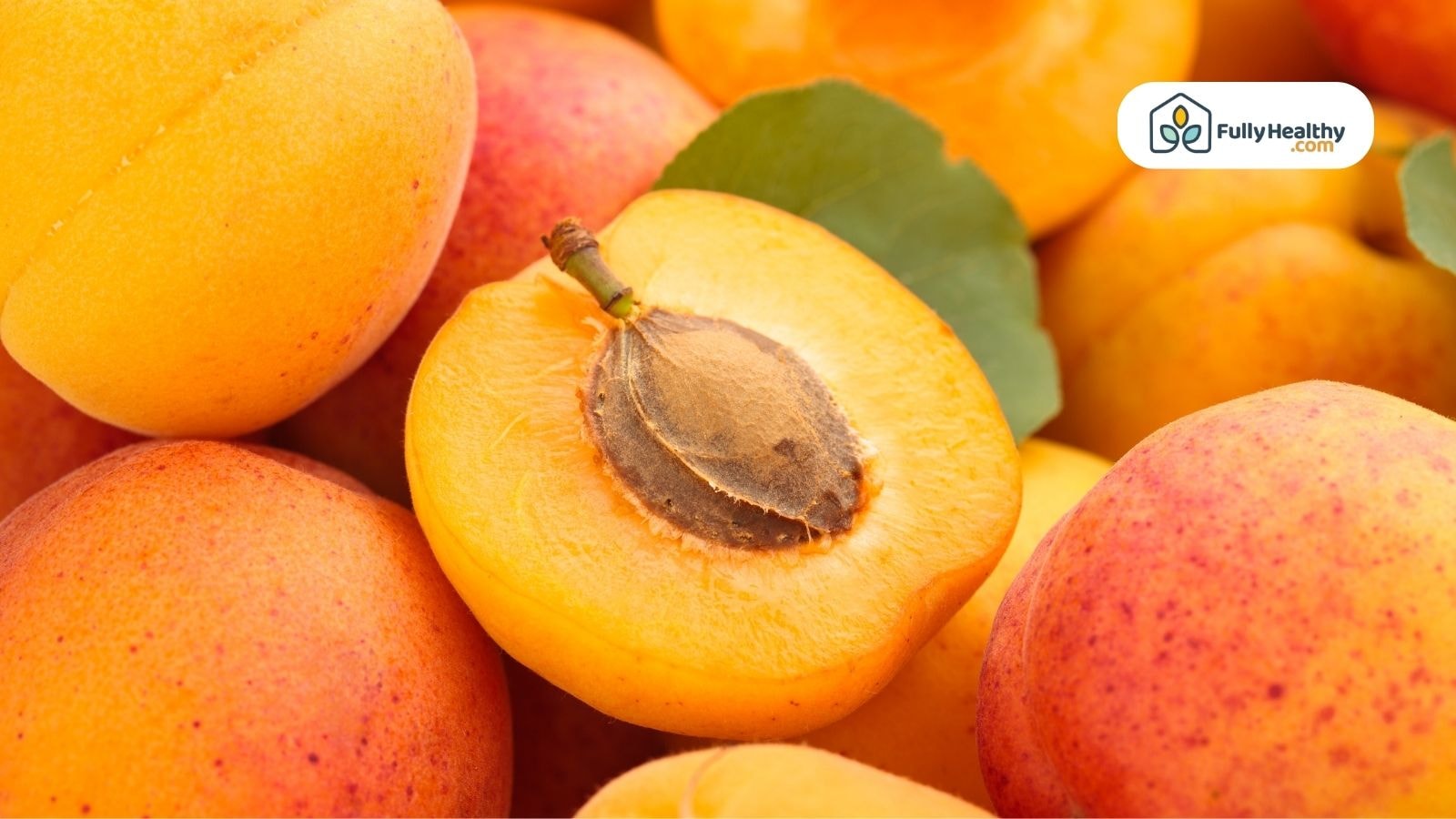 Photo Credit: Canva Pro
The Benefits of Eating Apricot Skin
The skin of an apricot is a great way to get extra nutrients. The skin has added vitamins, dietary fiber, and antioxidants that are good for your health. The fiber in the skin also helps your body digest food and keep your gut healthy.
-
Fiber content: Apricot skin provides dietary fiber, promoting digestive health.
-
Antioxidants: The skin contains antioxidants that help fight free radicals in the body.
-
Vitamins: The skin is rich in vitamins A and C, supporting skin and eye health.
-
Convenience: Eating apricot skin doesn’t require peeling, making it easy to enjoy on the go.
When to Peel Apricots and Why
Even though eating apricot skin is usually good for you, there are times when peeling them might be better. If you want a smoother texture, peeling the apricots before using them in some recipes, like when you make jam or sauces. It's best to peel off the skin if it's tough or bitter.
-
Smooth texture: Peeling apricots ensures a smoother texture in jams and sauces.
-
Tough skin: If the skin is too thick or bitter, removing it can enhance the flavor.
-
Aesthetic purposes: For visually appealing dishes like tarts or salads, peeling the apricot gives a cleaner look.
What Flavors Compliment Apricots?
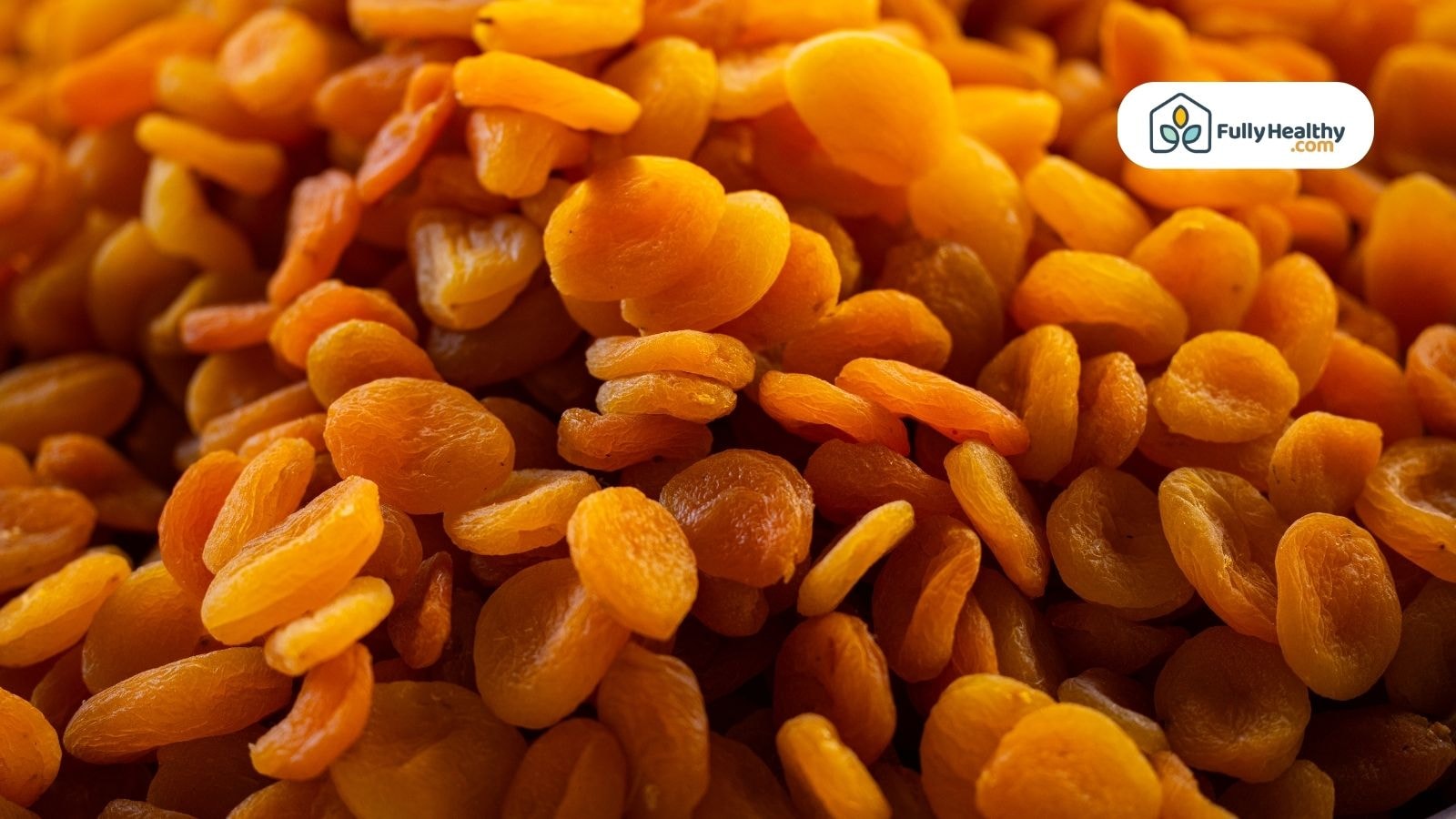 Photo Credit: Canva Pro
Top Herbs and Spices That Pair Well with Apricots
The sweet and sour taste of apricots goes well with many herbs and spices. Fresh or dried, cinnamon, ginger, and mint all go well with apricots and bring out their best.
-
Cinnamon: Adds warmth and depth to the sweet-tart apricot flavor.
-
Ginger: A little heat and spice enhance the apricot’s natural sweetness.
-
Mint: Provides a refreshing contrast to apricot’s richness.
-
Thyme: A savory herb that pairs well with apricot in roasted dishes.
Perfect Food Pairings for Apricots
If you want to use apricots in the kitchen, you can. They go well with both sweet and savory foods. They go well with meats like chicken, pork, and lamb, and they go well with cheeses like brie and goat cheese. With the right amount of sweetness and sourness, apricots also taste great in pastries, jams, and desserts.
-
Cheese pairings: Brie and goat cheese enhance apricot’s natural sweetness and tang.
-
Meat pairings: Apricots are great with chicken, pork, and lamb, adding sweetness to savory dishes.
-
Nuts: Almonds and pistachios complement apricot’s texture and flavor in both sweet and savory recipes.
-
Salads: Apricots add a juicy burst to fresh salads, balancing other ingredients with their sweetness and tartness.
Get to Know FullyHealthy
What is FullyHealthy?
FullyHealthy is dedicated to providing natural and organic food items that support a healthy way of life. We offer tasty, healthy options that will make it easy for you to stick to a healthy diet. Each product has been carefully chosen based on its health benefits and quality.
-
Organic and natural: FullyHealthy specializes in organic, wholesome food choices.
-
Health-focused: Our products are designed to nourish and support your health.
-
Convenient options: Easy-to-use and nutritious options for your busy life.
FullyHealthy’s Natural Apricot Products
Organic dried apricots and apricot jam are some of the apricot-based products that FullyHealthy offers. It's easy to fit these healthy snacks into your daily routine. They taste great and are good for you.
-
St. Dalfour Apricot Conserves: A sweet and smooth apricot jam made with the finest apricots.
-
Made in Nature Organic Dried Apricots: Naturally sweet, chewy dried apricots perfect for snacking.
-
Wild Zora Air-Dried Organic Orchard Fruit Mix: A wholesome, mixed fruit snack that combines apricots with cherries and apples.
-
That’s It. Apple Apricot Fruit Bar: A convenient, on-the-go fruit bar made from real apples and apricots.
Final Thoughts
Apricots hail from central Asia and the Middle East, where apricot cultivation thrives on apricot trees. This stone fruit is tasty both raw and cooked. It is also called the Armenian plum or Prunus armeniaca. The bright orange fruit is at its best in late spring and late summer, when it's fully ripe.
Apricot-based dried fruits are great for snacks, and their sweetness is often compared to caramel. In many cultures, apricots are eaten and added to beverages, jams, and even cooked foods to make them taste better. Keep them in a paper bag to let them ripen perfectly for your next treat!
FAQs
Do apricots taste like oranges?
Apricots don't taste like oranges, but their orange color and slight tartness are somewhat similar. The green buds on apricot trees grow into delicious, tangy fruit.
Are apricots high in sugar?
Apricots, especially dried fruits, contain natural sugar but are not as sugary as some other fruits like apples.
What is the botanical name for apricots?
The botanical name for apricots is Prunus armeniaca, also known as the Armenian plum.
How do apricots benefit heart health?
Apricots support heart health by providing essential vitamins and dietary fiber that help maintain healthy cholesterol levels.
Do apricots grow in Turkey?
Yes, apricots are widely cultivated in Turkey, where they are a major exporter of apricot products like dried apricots.
Leave a comment