

What Does Mango Taste Like? The Flavor Behind This Tropical Favorite
What does mango taste like? Mango tastes sweet, juicy, and tropical with a smooth, rich texture that becomes softer as it ripens. Its flavor is often compared to peach, pineapple, apricot, or papaya, but mango has a distinct taste that sets it apart from other fruits.
This guide explains what does mango taste like, how different varieties compare, their health benefits, the best food pairings, and simple ways to enjoy mango throughout the year.
How Do You Describe the Taste of Mango?
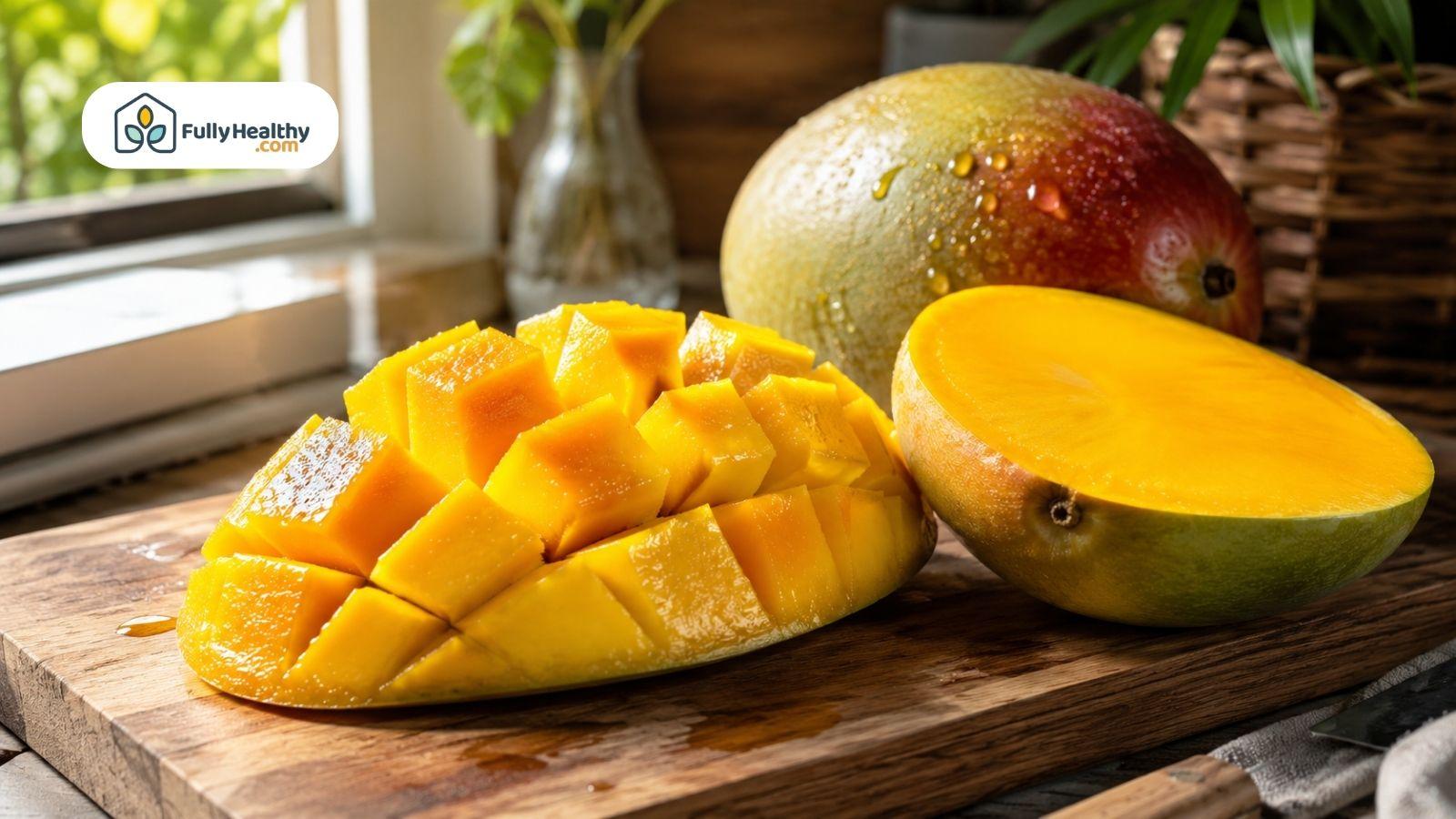
A mango has a sweet, juicy, and tropical taste with a rich flavor that becomes more intense as it ripens. Depending on the mango cultivar and ripeness, the fruit can range from mildly sweet and refreshing to deeply sweet, creamy, and complex.
Mango Flavor Profile and Aroma
A perfectly ripe mango has a balanced flavor profile with natural sweetness, a smooth texture, and a fragrant aroma. The flesh is soft, juicy, and succulent, while some mango varieties develop a richer, creamier mouthfeel and others remain slightly fibrous.
-
Sweetness: As mango ripens, starch breaks down and soluble sugars such as sucrose, glucose, and fructose become more prominent.
-
Flavor: The flavor ranges from light and refreshing to rich and complex, depending on the cultivar.
-
Texture: Most mango varieties have soft, juicy flesh, while some are slightly fibrous.
-
Aroma: A ripe mango has a fragrant tropical aroma that becomes stronger as ripeness increases.
-
Botanical Family: Mango belongs to the cashew family and is classified as a drupe with one large seed.
How Mango Varieties Affect Taste
The mango taste changes because each cultivar develops different levels of sweetness, acidity, fiber, and aroma. Growing conditions in India, the Philippines, Florida, and other tropical regions also influence the final flavor.
-
Ataulfo Mango: Creamy, buttery texture with high sweetness.
-
Tommy Atkins: Mild flavor with firm flesh and bright skin.
-
Alphonso: Rich sweetness and complex aroma.
-
Green Mango: Firmer texture with a sour flavor.
-
Ripeness: A perfectly ripe mango becomes softer, juicier, and sweeter than an unripe fruit.
What Does Mango Taste Similar To?
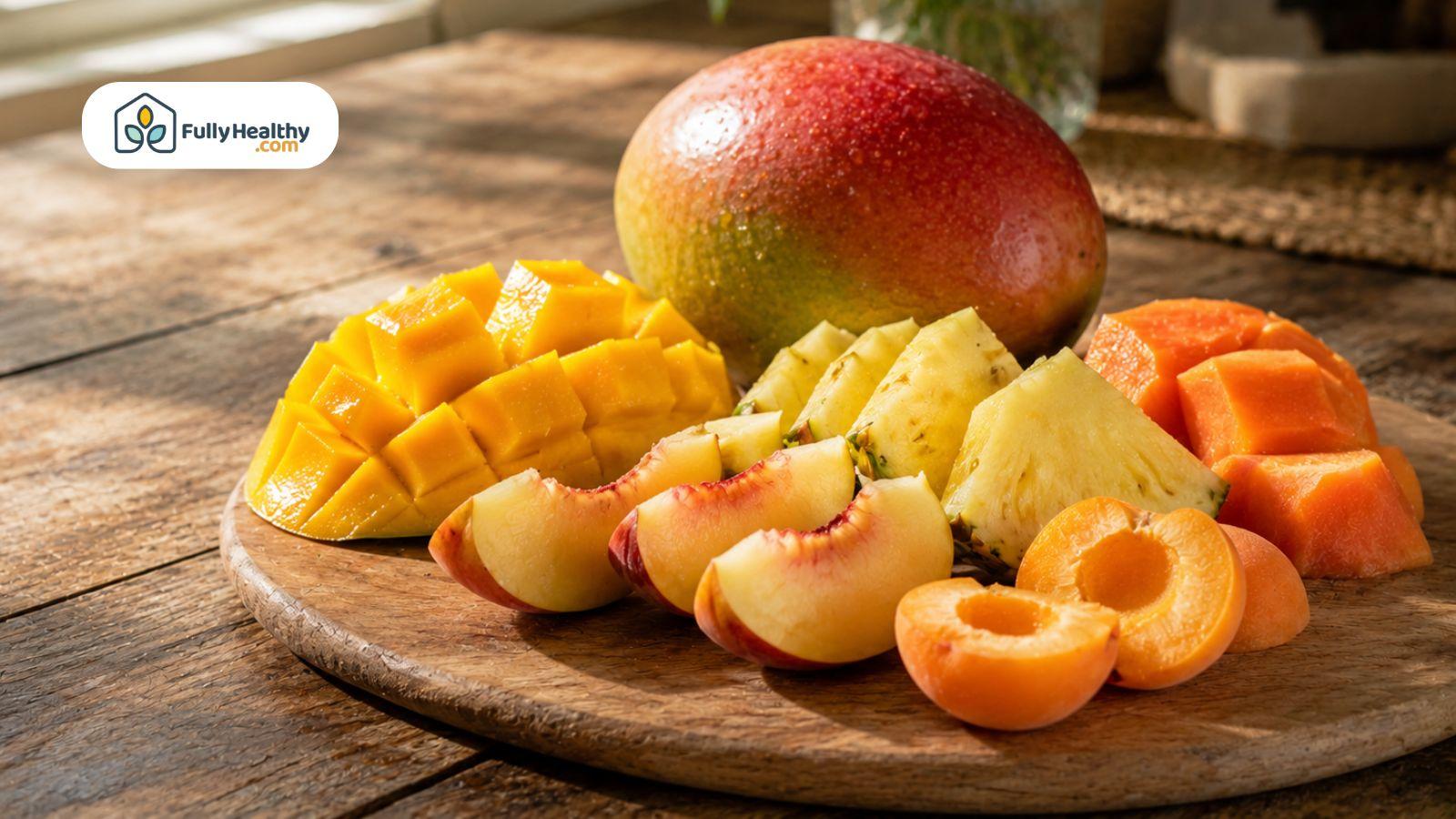
Mango tastes similar to several tropical and stone fruits, but its flavor is still unique. People compare mango to peach, pineapple, apricot, and citrus because of its sweetness, juicy texture, and tropical aroma.
Fruits With a Similar Flavor to Mango
Although mango has its own flavor profile, it shares characteristics with other fruits that are sweet, juicy, and fragrant. The closest comparison depends on the mango varieties and how ripe the fruit is when you eat it.
-
Peach: A ripe mango often has the soft sweetness and juicy flesh of a peach.
-
Pineapple: Some mango cultivars have bright tropical notes that remind people of pineapple.
-
Apricot: Certain varieties have a rich sweetness with a smooth texture similar to apricots.
-
Papaya: Mango and papaya are both tropical fruit, but mango is usually sweeter and has a brighter flavor.
-
Orange: Some cultivars have a slight citrus finish that adds freshness without becoming sour.
Why Mango Has Peach, Pineapple, and Floral Notes
The complex mango taste comes from natural aromatic compounds that develop as the fruit ripens. Climate, growing conditions, and the cultivar all influence why one mango may taste like peach while another has hints of pineapple, honey, or flowers.
-
Ripeness: A perfectly ripe mango develops stronger sweetness and a more balanced tropical flavor.
-
Natural Compounds: Aromatic compounds create floral, citrus, and fruity notes that make every bite interesting.
-
Cultivar: Ataulfo Mango, Alphonso, and Tommy Atkins each produce different levels of sweetness and aroma.
-
Growing Region: Mangoes grown in India, the Philippines, and Florida can develop slightly different flavor characteristics.
-
Individual Taste: Every person experiences flavor a little differently, so some people notice coconut, cherries, or even a slight turpentine note in certain varieties.
Are Mangoes Healthy to Eat?
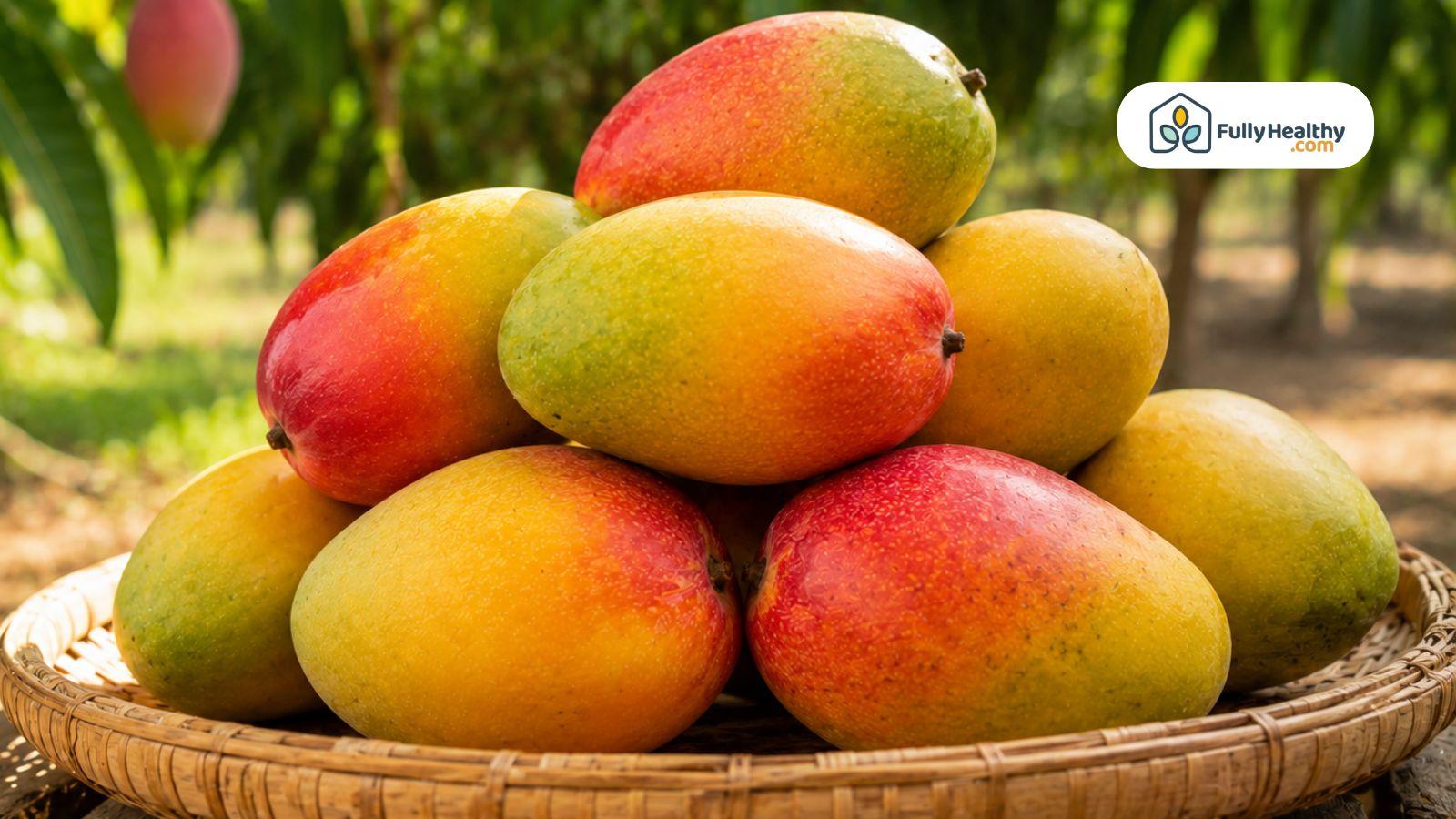
Yes, mangoes are a nutritious fruit that provides vitamins, minerals, fiber, and antioxidants. They can be part of a balanced diet when eaten in moderation, especially during mango season when fresh fruit is widely available.
Key Nutrients Found in Mangoes
A mango provides much more than great flavor. Its natural nutrients help support everyday health while adding sweetness and brightness to meals and snacks.
-
Vitamin C: Supports the immune system and helps the body produce collagen.
-
Vitamin A: Mango provides provitamin A carotenoids, which the body can convert into vitamin A to support vision, skin, and immune function.
-
Fiber: Supports digestion and helps you feel satisfied after eating.
-
Folate: Plays a role in healthy cell growth and normal body functions.
-
Antioxidants: Mango contains polyphenols and carotenoids, plant compounds with antioxidant activity that may help protect cells from oxidative stress.
Health Benefits of Eating Mango
Eating mango regularly can support overall wellness because it combines vitamins, minerals, water, and fiber in one delicious fruit. Like other fruits, it fits best as part of a varied diet that includes plenty of whole foods.
-
Digestive Health: Fiber supports healthy digestion and gut function.
-
Heart Health: Nutrients such as potassium and antioxidants contribute to overall cardiovascular health.
-
Eye Health: Vitamin A helps maintain normal vision.
-
Hydration: The juicy flesh contains plenty of water, making mango refreshing in warm weather.
-
Healthy Snacking: Fresh mango, yogurt, or a natural fruit blend can satisfy a sweet craving while providing valuable nutrients.
What Pairs Well With Mango?

Mango pairs well with both sweet and savory foods because its tropical sweetness balances creamy, spicy, salty, and tangy flavors. Its versatile flavor profile makes it a popular ingredient in drinks, desserts, main dishes, and healthy snacks.
Best Foods and Ingredients to Pair With Mango
Mango complements a wide range of ingredients without overpowering them. A perfectly ripe mango works especially well with fresh herbs, dairy products, seafood, and tropical fruits.
-
Fresh Fruits: Pair mango with pineapple, peaches, cherries, apples, coconut, or orange for a refreshing fruit salad.
-
Dairy: Add mango to yogurt, smoothies, or cottage cheese for a creamy breakfast or snack.
-
Herbs: Mint, basil, and cilantro bring out the natural brightness of mango.
-
Proteins: Mango complements grilled chicken, shrimp, fish, and pork by adding sweetness to savory dishes.
-
Spices: Chili, ginger, cinnamon, lime, and black pepper create a balanced combination of sweet and bold flavors.
Popular Ways to Use Mango in Recipes
Mango is easy to enjoy in everyday meals because it adds natural sweetness, vibrant color, and a smooth texture. If you have ever wondered what does mango taste like in recipes, it becomes even more delicious when combined with complementary ingredients.
-
Smoothies: Blend mango with yogurt, banana, and coconut milk for a creamy tropical drink.
-
Salsa: Mix diced mango with tomatoes, onions, cilantro, and lime to serve with grilled foods.
-
Salads: Add sliced mango to leafy greens, avocado, nuts, and grilled chicken.
-
Desserts: Use mango in sorbet, ice cream, puddings, or fruit parfaits.
-
Snacks: Enjoy dried mango, frozen mango chunks, or fresh slices as a naturally sweet snack.
Why Choose FullyHealthy
If you enjoy mango year-round, shelf-stable snacks are a convenient option. FullyHealthy offers a selection of mango products made with simple ingredients that fit different dietary preferences and lifestyles.
About FullyHealthy
FullyHealthy is an online website that specializes in better-for-you foods made for people with different dietary needs. The online store carries carefully selected products, making it a good place to shop for pantry staples, snacks, and specialty foods in one location.
-
Wide Selection: Offers snacks, baking ingredients, beverages, and pantry essentials.
-
Special Diets: Features products for gluten-free, allergy-friendly, and other dietary preferences.
-
Simple Ingredients: Many products focus on short ingredient lists with recognizable foods.
-
Trusted Brands: Carries well-known brands alongside specialty products.
-
Convenient Shopping: Makes it easy to order healthy snacks from home.
Shop Mango Products at FullyHealthy
FullyHealthy carries several mango snacks that make it easy to enjoy the fruit outside of mango season. These products range from dried fruit to fruit bars made with simple, natural ingredients.
-
Made in Nature Organic Dried Mangoes: Organic dried mango made with simple ingredients for a naturally sweet and chewy snack.
-
Solely Mango: Made with 100% mango and no added sugar or preservatives.
-
Solely Mango Halves: Larger dried mango pieces that are convenient for snacking or adding to meals.
-
That's It Apple + Mango Fruit Bar: A simple fruit bar made with apples and mango for an easy grab-and-go snack.
-
Mavuno Harvest Organic Mango and Coconut Fruit Bites: Organic mango blended with coconut into bite-sized chewy snacks.
-
That's It Mango Probiotics Fruit Bar: A mango fruit bar that includes probiotics for added digestive support.
Final Thoughts
Now that you know what does mango taste like, you can better appreciate the difference that ripeness, a mango tree, and three mango cultivars make. Mangoes are cultivated across the world in tropical regions and can even grow in a home garden, producing fragrant fruit with a sweet smell and bright yellow flesh.
Be aware that every variety is unique, and that is part of the magic. Now it's your turn to taste the difference and enjoy mango at its freshest during mango season.
FAQs
Does mango treat acid reflux?
No, mango does not treat acid reflux, although some people can enjoy ripe mango in moderation if it does not trigger their symptoms.
Does mango taste fishy?
No, mango does not taste fishy, but if it has an unusual smell or flavor, it may be overripe or spoiled.
What is the no. 1 healthiest fruit?
There is no single healthiest fruit because each offers different nutrients, and mango is one nutritious option among many fruits.
Is mango bitter or sweet?
A ripe mango is sweet, while an unripe mango can taste sour or slightly bitter depending on the variety.
When is mango season?
Mango season varies by region, but many mangoes are harvested during the warmer months, and the exact timing depends on where they are cultivated around the world.
Leave a comment