

What Does Thyme Taste Like and How to Use It Right

What does thyme taste like? Thyme tastes earthy and minty and has hints of lemon and flowers. It makes meat, vegetables, soups, and sauces taste better. Dried thyme has a stronger, woodier flavor, and fresh thyme is lighter and more herbal. This article talks about how thyme tastes, what foods it goes well with, and when to use thyme substitutes. If you've never cooked with thyme before, start here.
Featured Pantry Pick
Simply Organic // Thyme - .78 oz
Loading...
What Flavor Does Thyme Add to Food?
Fresh vs. Dried Thyme
Thyme tastes earthy and minty in a subtle way, and it has a floral flavor as well. It is part of the mint family and has a clean, slightly sharp taste that goes well with both savory and herbal dishes.
Thyme that is fresh smells stronger and is lighter, but thyme that is dried becomes bold and concentrated. Thyme adds flavor in different ways depending on what shape it is in.
-
Fresh thyme taste: Lemony, herbal, and mildly sweet with gentle floral notes.
-
Dried thyme flavor: Stronger, woodier, and more pungent, ideal for long cooking.
-
Flavor profile: A mix of mint, lavender, and slight bitterness.
-
Best uses: Use fresh thyme for quick sautés, and dried thyme for soups and stews.
-
Storage tip: Keep thyme sprigs in a damp paper towel in the fridge.
-
Stem prep: Remove thyme leaves from woody stems before cooking.
French, Lemon, and Other Types
French thyme is a strong and timeless herb that is commonly used in cooking roasted meats and other savory dishes. Lemon thyme adds a citrusy flavor to fish or vegetables, and Caraway thyme makes the dish spicier and deeper in flavor.
-
French thyme: Strong aroma, deeper green leaves, perfect for meat dishes.
-
Lemon thyme: Has a citrus hint, ideal in sauces or with fish and chicken.
-
Caraway thyme: Offers a warm, spice-like taste, great in bread or savory baking.
-
Flavor mix: Each variety still shares mint and lavender-like notes.
-
Blends well: Combines easily with herbs like rosemary, basil, and sage.
What Foods Go Well With Thyme?

Best Savory Pairings
Thyme is a versatile herb that can add flavor to a wide range of savory recipes. It holds up well in cooking and complements proteins, vegetables, and sauces.
-
Proteins: Adds depth to chicken breasts, beef roasts, lamb, and fish.
-
Vegetables: Pairs beautifully with potatoes, carrots, tomatoes, and onions.
-
Spice pairing: Often used with garlic, black pepper, and bay leaf in cooking.
-
Soups and stews: Enhances flavor in brothy dishes and slow-cooked recipes.
-
Poultry seasoning: A key ingredient in this classic spice blend.
-
Popular herbs: Matches well with parsley, oregano, and fresh rosemary.
Sweet and Drink Recipes
Thyme is mostly used in savory dishes, but it also tastes good in drinks and desserts. The herb's floral notes and mild mint flavor make simple dishes more sophisticated.
-
Desserts: Combine thyme with lemon in cakes, tarts, or shortbread.
-
Cocktails: Use thyme sprigs in gin-based drinks or herbal infusions.
-
Syrups: Infuse thyme into honey or sugar syrups for tea or baking.
-
Flavor balance: Works best with fruits like figs, berries, or citrus.
-
Oils: Pair thyme with avocado oil for dressings or marinades.
What Does Thyme Taste Similar To?
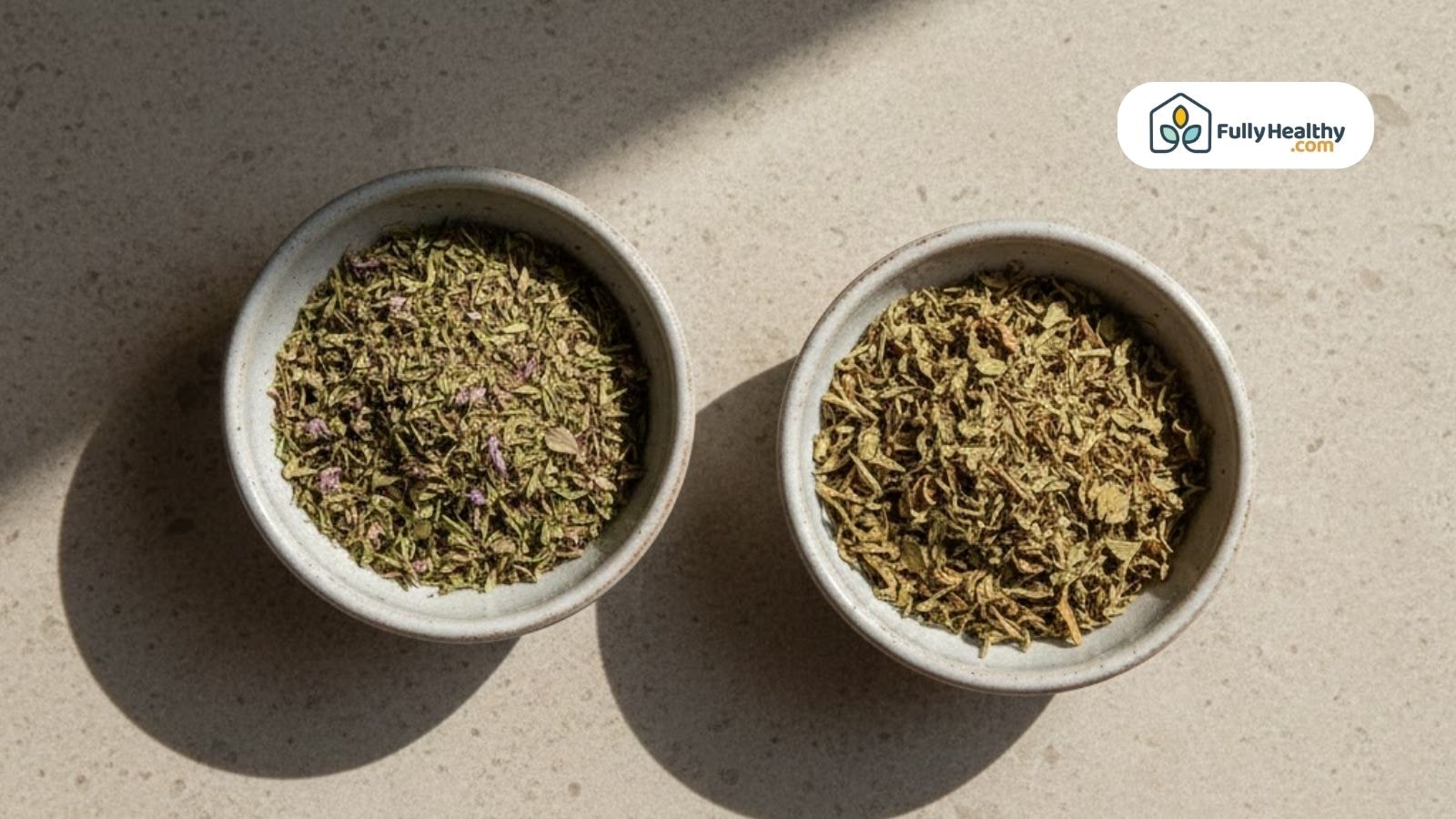
Quick Substitutes to Try
There are a number of herbs that taste similar to thyme that you can use when you can't find thyme. These thyme substitutes work well in both savory and herbal recipes.
-
Oregano: Earthy and bold, slightly more pungent than thyme.
-
Marjoram: Milder and sweeter with a floral twist.
-
Basil: Softer and sweeter, better for fresh recipes.
-
Tarragon: Adds an anise-like taste, usable in sauces and fish.
-
Rosemary: Stronger and piney, use half the amount in recipes.
-
Herb blends: Herbes de Provence or Italian seasoning often contain thyme.
What Makes Thyme Different
Many herbs have an earthy flavor like thyme, but it is more complex because it tastes like lemon, mint, and wood. It also blends without overpowering other ingredients.
-
Flavor identity: A subtle mix of floral, mint, and citrus notes.
-
Cooking versatility: Works in bread, meat, vegetables, and sauces.
-
Blend behavior: Unlike rosemary or sage, thyme won’t dominate a dish.
-
Texture: Fine thyme leaves blend smoothly into recipes when chopped.
-
Medicinal value: Contains antibacterial properties and natural compounds, such as contains thymol and carvacrol, phenolic compounds.
When Not to Use Thyme?
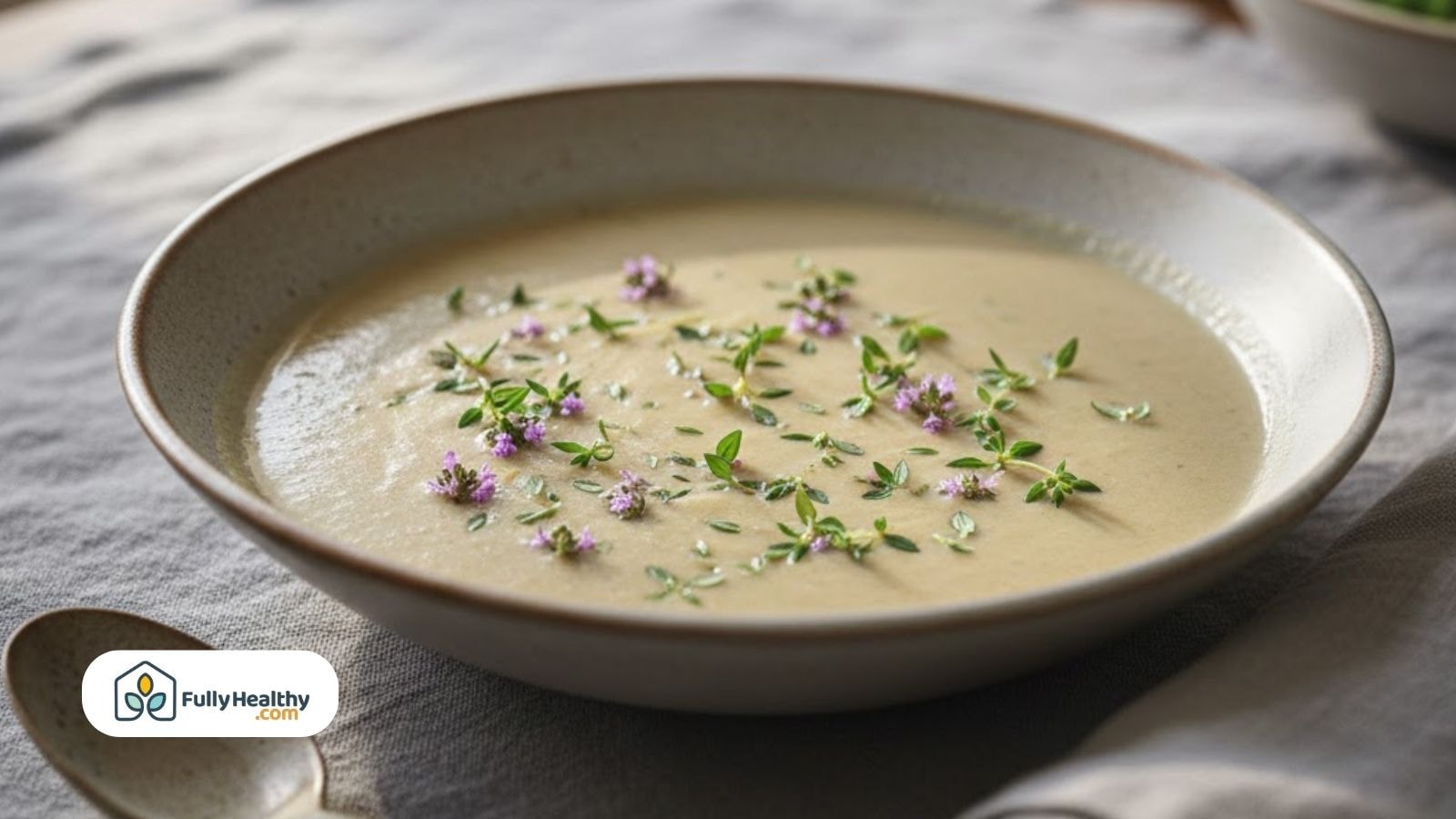
When Thyme Is Too Strong
Thyme can ruin delicate dishes if you are not careful. Its aroma of wood and rich flavor make it a bad match for dishes that are light and fresh or for ingredients that don't have strong flavors.
-
Light recipes: Avoid thyme in fruit salads, cucumber dishes, or chilled soups.
-
Clashing flavors: Its earthy strength can compete with mild herbs like parsley or tarragon.
-
Balance issue: Too much dried thyme can overwhelm sauces or breads.
-
Fresh vs. dried: Dried thyme is more concentrated, so use less to prevent bitterness.
-
Thyme taste like: A deeper version of mint with floral and peppery notes.
Health Reasons to Avoid Thyme
Though thyme has antimicrobial properties and supports the immune system, there are times when it should be avoided. Some people may react to its compounds or essential oil.
-
Allergies: Those allergic to herbs like oregano, basil, or rosemary may react to thyme.
-
Pregnancy caution: Thyme oil may affect hormones and should be avoided during pregnancy.
-
Medication conflicts: It may interfere with blood thinners or pressure medications.
-
Essential oil: Never ingest thyme oil directly, it’s too strong for internal use.
-
Other herbs: Herbs like sage or lavender can also cause similar effects when overused.
Meet FullyHealthy: Your Kitchen Wellness Partner
Who We Are
FullyHealthy is an online store that offers AIP, gluten-free, and allergen-friendly foods. For your everyday needs, we offer safe, honest items like organic thyme and other seasonings. There are no subscriptions or guesswork involved, just straightforward shopping.
-
Trusted information: We prioritize accuracy, quality sourcing, and culinary clarity.
-
Wellness approach: Our articles connect ingredients like thyme to immune system support and daily cooking.
-
Expert content: Backed by food writers and herbal researchers.
-
Accessible tips: Designed for general readers using plain English.
-
Commitment: Highlighting fresh herbs, natural compounds, and clean ingredients.
Our Thyme Product
Our Simply Organic Thyme offers rich flavor and aroma, perfect for everyday recipes. If you need thyme leaves for soups or sprigs for roasted vegetables, our dried thyme delivers quality.
-
Certified organic thyme: Sourced with no synthetic additives.
-
Versatile use: Great in meat dishes, sauces, stews, and herbal blends.
-
Long shelf life: Store in a cool place and use within 1–2 years.
-
Culinary staple: A key ingredient in poultry seasoning, vinaigrettes, and savory dishes.
-
Easy to use: Add flavor to any dish without the woody stems.
Final Thoughts
Thyme is a useful herb with a long history, going back to the Middle Ages. It has a clean, earthy flavor with hints of flowers, and it goes well with almost any type of dish. Both fresh and dried thyme make food taste better, but which one you use depends on the recipe. This herb is still very important in daily cooking, from its stems to its leaves. Store it in your spice rack because the next time you cook, you might need it!
FAQs
Do rosemary and thyme taste the same?
No, rosemary is stronger and piney while thyme taste is softer with floral notes, though both herbs like rosemary and thyme add flavor to meat dishes.
Does thyme taste spicy?
Thyme taste like mint with a hint of black pepper, but it is not considered a spicy herb like chili spices.
Is basil the same as thyme?
No, basil is sweet and soft while thyme has a rich flavor and is used more in savory dishes with thyme sprigs or thyme stems.
What meat goes best with thyme?
Thyme adds flavor to chicken, beef, and fish, making it a key ingredient in cooking with several herbs or blends like poultry seasoning.
Should you refrigerate thyme?
Fresh or dried thyme should be stored properly, fresh in a damp paper towel in the fridge, and dried thyme in a cool place.
Leave a comment