

What Is a Pickle? Understanding Flavor, Fermentation, and Food
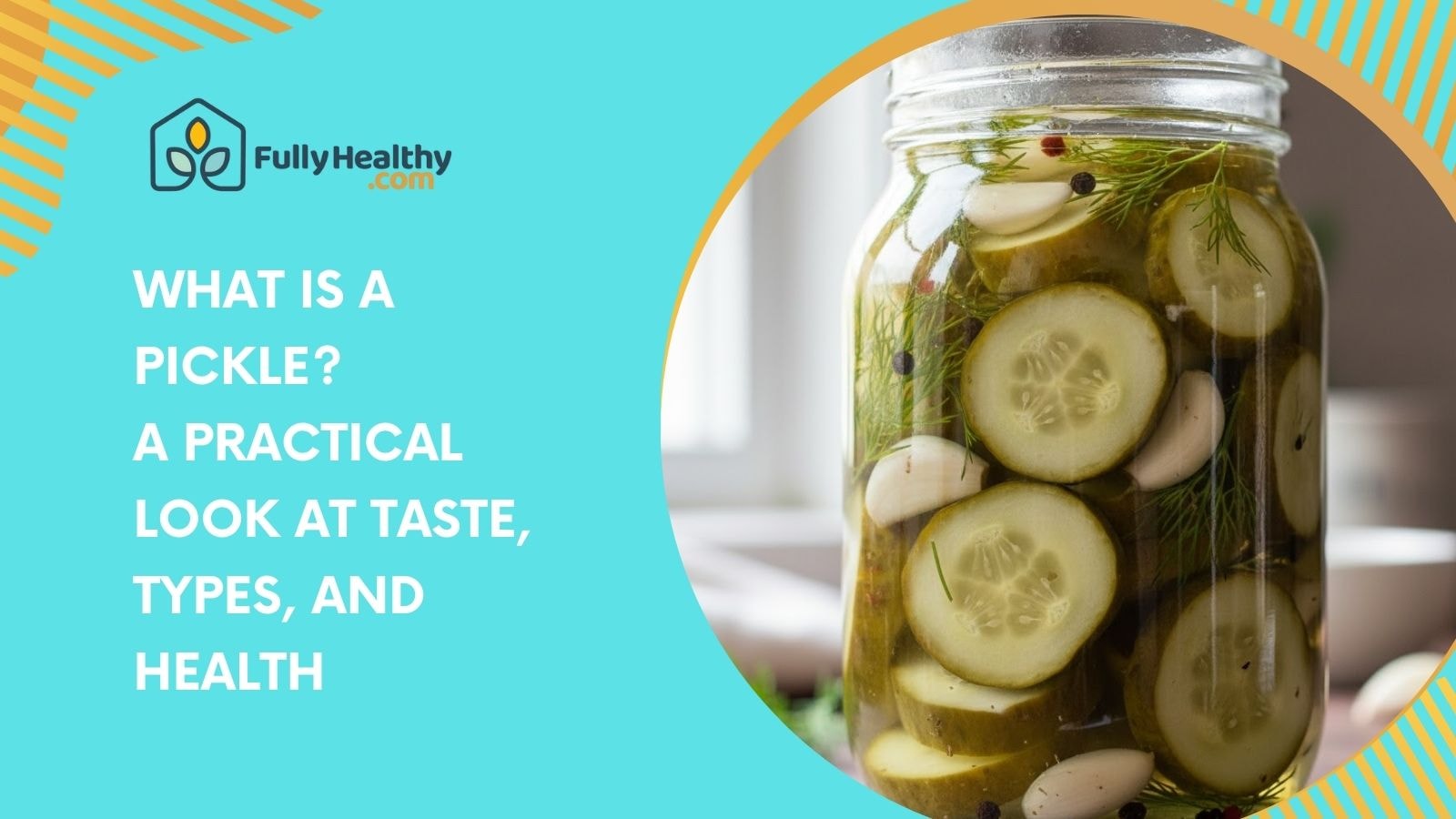
Understanding what is a pickle starts with knowing how simple food becomes preserved, flavorful, and long-lasting. A pickle is made when fruits or vegetables are soaked in brine or vinegar to change taste, texture, and shelf life.
There are different kinds of pickles, and this article talks about how they are made, what foods can be pickled, and how they fit into everyday meals and healthy choices around the world.
Featured Pantry Pick
Great Plain // Raw Sauerkraut - 16 oz
Loading...
What Is a Pickle, a Vegetable or a Fruit?
Pickle Definition and Preservation Basics
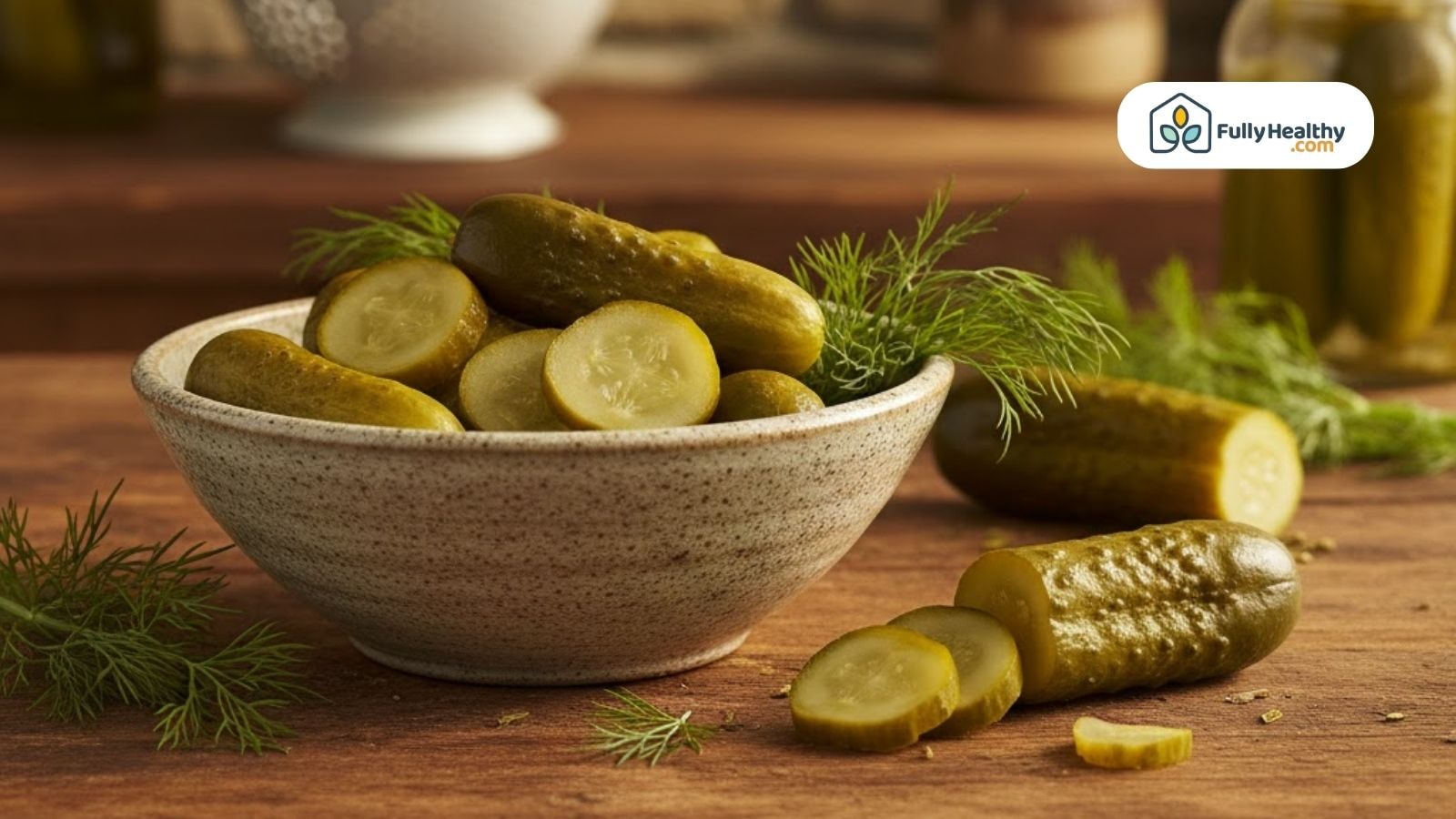
Understanding what is a pickle begins with the act of preservation, where food is transformed to last longer and develop stronger taste. The pickling process alters texture and flavor by using brine or a vinegar solution, creating a sour flavor and satisfying crunch enjoyed worldwide.
-
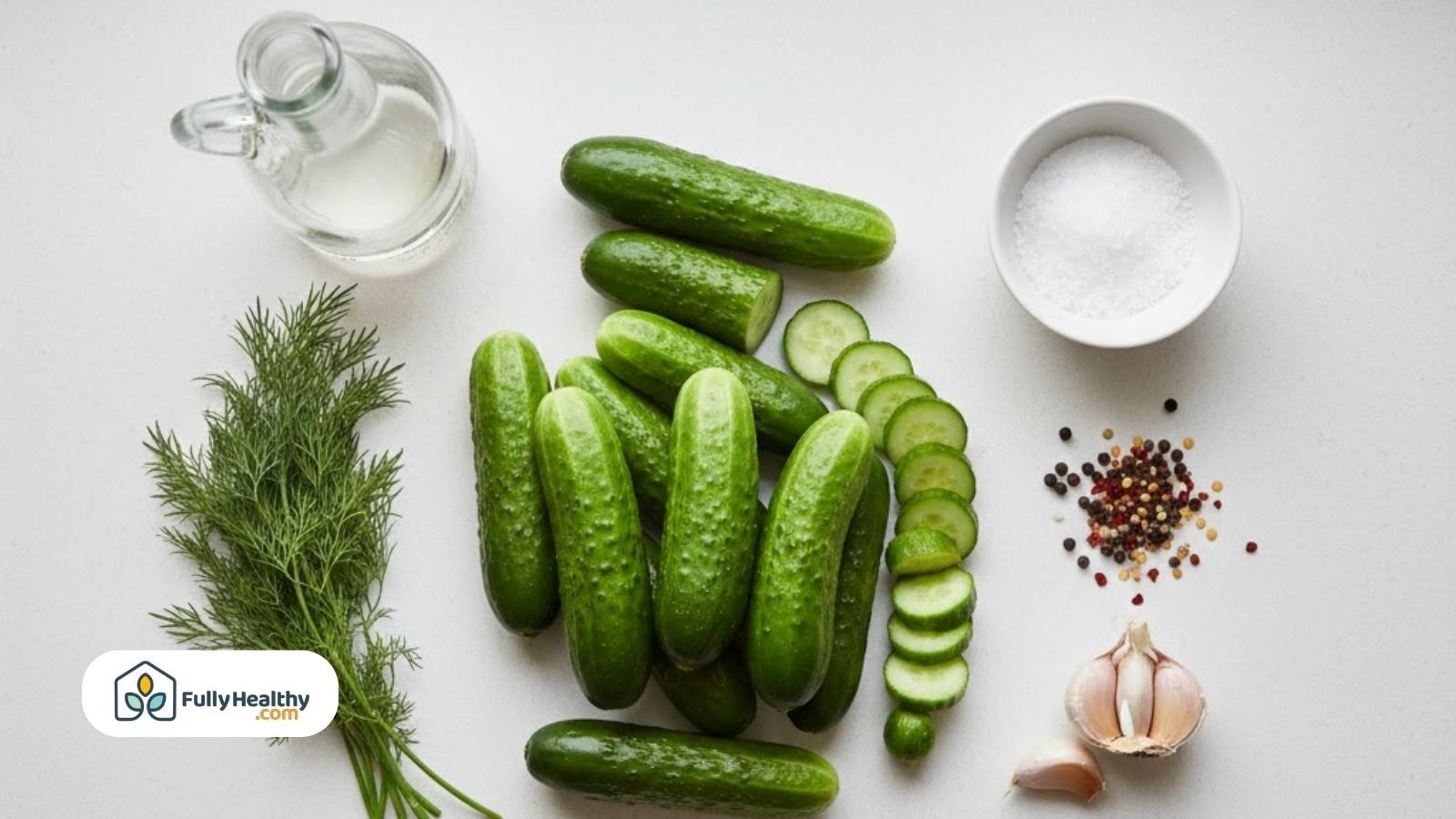
Pickling Process: Food such as cucumber is soaked in brine made with water and kosher salt or preserved in vinegar inside a glass jar.
-
Flavor Development: Garlic, dill, onions, sugar, red pepper flakes, and spices shape taste ranging from sweet to spicy.
-
Preservation Purpose: Pickled goods gain extended shelf life while remaining a crunchy snack with classic flavor.
Pickles as Fruits or Vegetables in Food Classification
Pickle is not a biological category, it is a culinary way to preserve food, and the type of food that makes it a pickle depends on what it was made from, not how it was picked. After being stored, pickles are put into groups based on how they are served and eaten instead of their plant structure.
-
Original Ingredient Basis: Pickles made from fruits like cucumber, peppers, and tomatoes remain fruits botanically, while pickled vegetables such as carrots, beets, green beans, and cauliflower stay vegetables.
-
Culinary Placement: Pickle is commonly treated as a vegetable-based food because it appears in savory dishes like burgers, sandwiches, potato salad, egg salad, and chicken salad.
-
Practical Use: In everyday cooking, pickle is classified by taste and pairing rather than scientific definitions, placing most pickled foods alongside vegetables.
Is Pickle Just Cucumber?
Other Foods That Can Be Pickled
Many types of fruits and vegetables can be pickled, which lets them keep their flavor while also being preserved. You can use this method to pickle more than just cucumbers and make a wide range of foods that are served as meals or appetizers.
-
Vegetables Used: Green beans, carrots, cauliflower, asparagus, beets, peppers, tomatoes, onions, and cauliflower are commonly pickled.
-
Fruit Uses: Some fruits are soaked with sugar, lime, or spices to balance sour and sweet taste.
-
Culinary Roles: Pickled olives, cilantro blends, and spicy mixes complement pork, chicken, bacon, and cheese dishes.
Cucumbers as the Standard Pickle Base
The word "pickle" is most often used to refer to pickled cucumbers. This is shown on grocery store labels and in everyday speech.
-
Common Forms: Pickle spear cuts, slices, and chips are standard cucumber preparations.
-
Historical Preference: Cucumbers were easy to grow and preserve using salt, brine, and vinegar.
-
Cultural Norm: Other foods are usually labeled as pickled vegetables rather than simply pickle.
What Are the Types of Pickles?
The Seven Most Popular Pickle Styles
Pickle styles vary based on sweetness, seasoning, and preparation method, shaping how they pair with food. These styles remain popular in homes, restaurants, and southern living traditions.
-
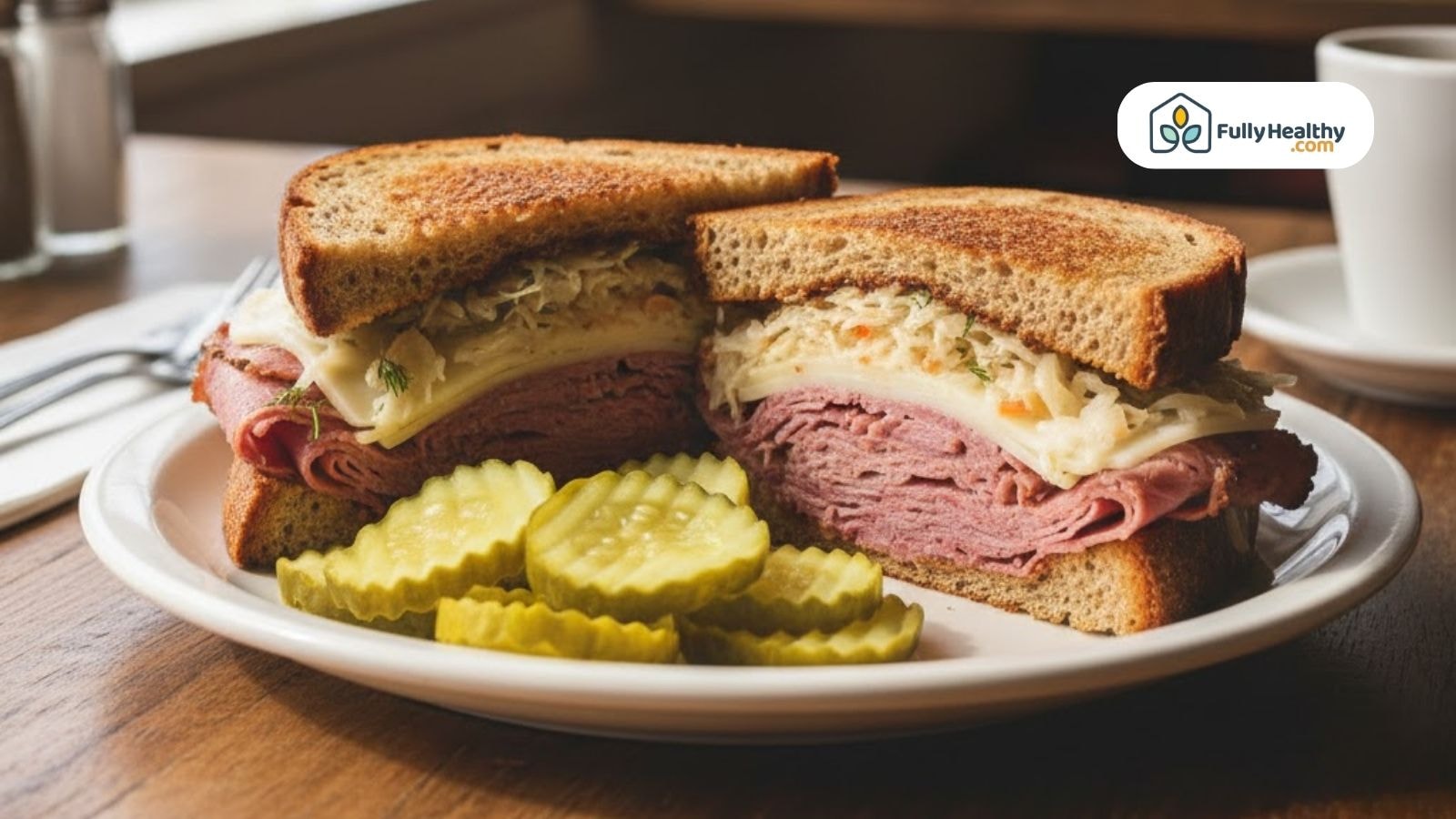
Dill Pickles: Seasoned with dill and garlic, often served with burgers and sandwiches.
-
Bread and Butter Pickles: Sweet and tangy slices created during the great depression using sugar and vinegar.
-
Sweet Pickles and Butter Pickles: Mild and sugary, commonly added to potato salad and chicken salad.
-
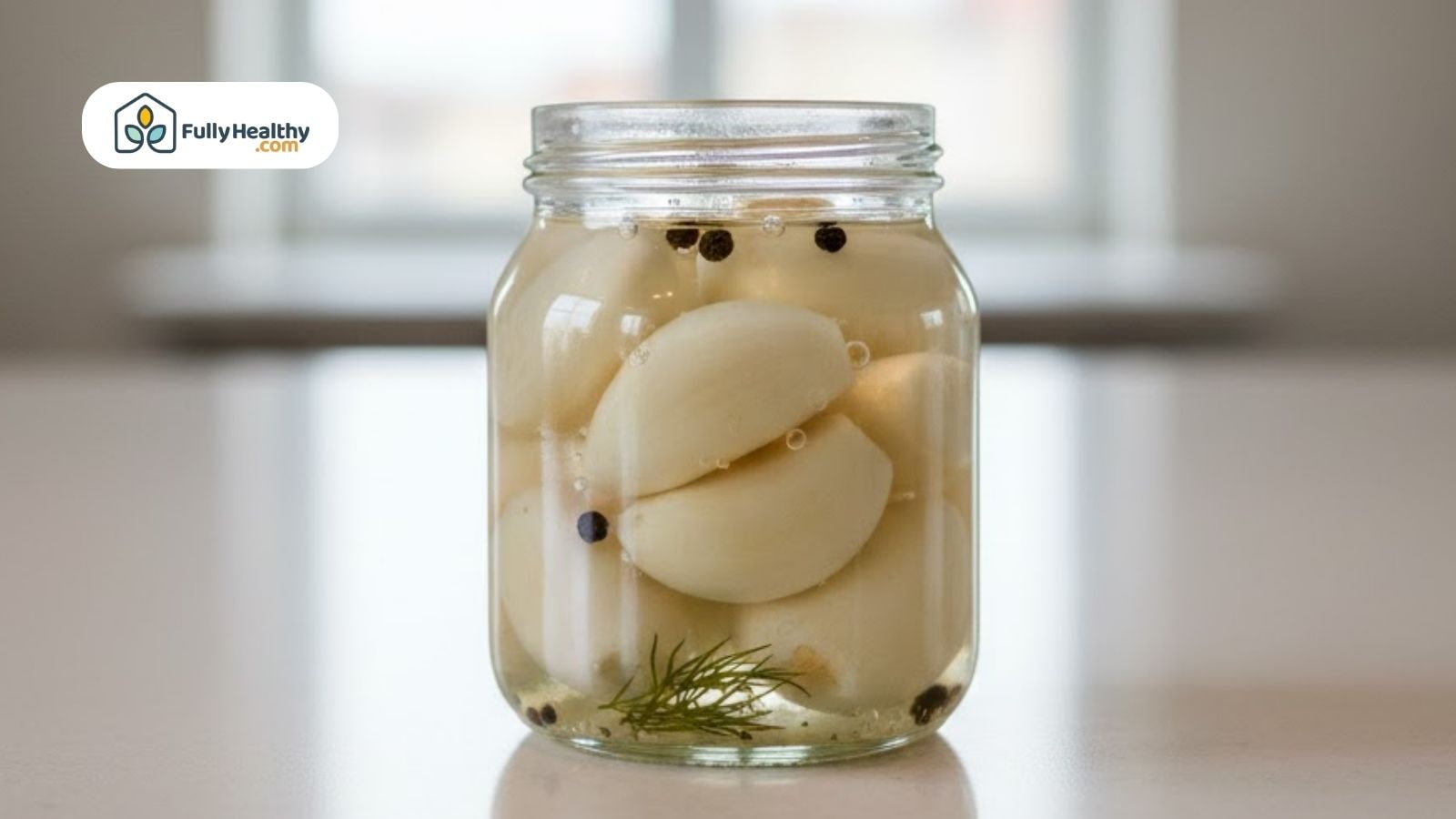
Kosher-Style Pickles: Garlic-forward and salty, traditionally made with brine.
-
Sour Pickles: Fully fermented with bold sour taste.
-
Gherkins: Small cucumbers with firm texture and classic flavor.
-
Spicy Pickles: Seasoned with peppers and red pepper flakes for heat.
Fermented Pickles and Vinegar Pickles
Not all pickles are produced the same way, as fermented foods rely on natural bacteria while vinegar pickles use added acidity. These methods affect flavor, texture, and shelf life differently.
-
Fermented Method: Salt and brine encourage natural bacteria that produce sour taste and potential health benefits.
-
Vinegar Method: Vinegar creates fast preservation with consistent flavor and longer shelf life.
-
Texture Result: Fermented versions develop deeper flavor, while vinegar styles deliver sharper sour notes.
Are Pickles Good for Your Gut?
Potential Gut Health Benefits
Some types of pickles can help digestion if they are fermented the old-fashioned way instead of being preserved in vinegar. Natural bacteria grow on fermented foods during the pickling process. These bacteria may help keep your gut in balance.
-
Fermentation Role: Brine made with water and kosher salt allows natural bacteria to grow, which is why fermented foods are often linked to health benefits.
-
Digestive Support: These bacteria may help the body break down food and support digestive comfort.
-
Additional Effects: Pickle juice may help relieve muscle cramps due to a combination of salt content and possible acetic acid-triggered neuromuscular reflexes.
Limitations and Dietary Considerations
Not all pickles provide digestive benefits, especially those made with a vinegar solution instead of fermentation. Adding pickled foods to regular meals affects how much you eat and how much sodium you take in.
-
Vinegar-Based Pickles: Pickles preserved with vinegar do not contain live cultures since fermentation does not occur.
-
Sodium Content: High salt levels may contribute to muscle cramps or discomfort when consumed in excess.
-
Balanced Intake: Pickles work best as a flavorful addition to food rather than a primary source of nutrition.
About FullyHealthy
FullyHealthy’s Mission and Food Philosophy
FullyHealthy focuses on providing carefully chosen foods that are made using traditional methods that put quality, honesty, and preservation first, without adding anything extra. The store offers fermented foods and preserved vegetables, which are traditional ways of cooking from all over the world.
-
Traditional Approach: FullyHealthy highlights food preserved through brine, salt, and fermentation rather than artificial processing.
-
Ingredient Standards: Products are selected for clean ingredients, simple seasonings, and recognizable food components.
-
Everyday Use: These foods fit easily into meals, snacks, and dishes that value flavor, balance, and consistency.
Pickled Products Available at FullyHealthy
At FullyHealthy, most of the fermented foods are vegetables that have been preserved using traditional fermentation methods that help flavors develop and products last longer. Each item is made with simple ingredients, is carefully prepared, and has a balanced flavor that is good for everyday meals.
-
Pickled Planet Organic Raw Taqueria Mix: A fermented vegetable blend featuring carrots, peppers, onions, and spices with a bright, tangy flavor inspired by taqueria-style seasonings.
-
Great Plain Raw Sauerkraut: A classic fermented cabbage product made with simple ingredients that delivers a clean, traditional sour taste.
-
Immune Boost Organic Raw Sauerkraut: A fermented sauerkraut blend combined with added vegetables and seasonings designed to complement a balanced diet.
-
Veda Kraut Raw Sauerkraut: A uniquely seasoned fermented cabbage product inspired by traditional spice blends, offering layered flavor without overpowering heat.
-
Dill-E-Gent Organic Raw Sauerkraut: A fermented sauerkraut flavored with dill and garlic that pairs well with sandwiches, chicken, pork, and cheese-based dishes.
Final Thoughts
If you know what a pickle is, you can see why this preserved food is used in so many meals, from sandwiches to sides, and why people like it for its taste, texture, and ease of use. Pickles can be used with cream cheese in a recipe, they can be used to balance out rich foods, and they remain delicious even when fresh produce isn't available.
Pickles are still important for meals and making smart decisions because they strike a good balance between tradition, taste, and usefulness.
FAQs
What makes a pickle a pickle?
A pickle becomes a pickle when food is preserved in brine or vinegar so it develops acidity, longer shelf life, and the familiar sour taste linked to pickling.
What are bread and butter pickles?
Bread and butter pickles are sweet and tangy cucumber slices made with vinegar, sugar, and spices, often preferred for burgers and classic comfort dishes.
What is the 3 2 1 rule for pickles?
The 3 2 1 rule for pickles refers to a ratio of three parts vinegar, two parts water, and one part sugar used in a basic pickling recipe.
Can pickles lower blood sugar?
While pickles do not directly reduce blood sugar, acetic acid in vinegar may moderate post-meal blood glucose spikes when consumed with carbohydrates.
What organ is pickle juice good for?
Pickle juice is most often associated with the stomach and nervous system because it may help muscle cramps through salt and acidity rather than targeting a specific organ.
Leave a comment