

What Is Aleppo Pepper? Flavor, Uses & Substitutes
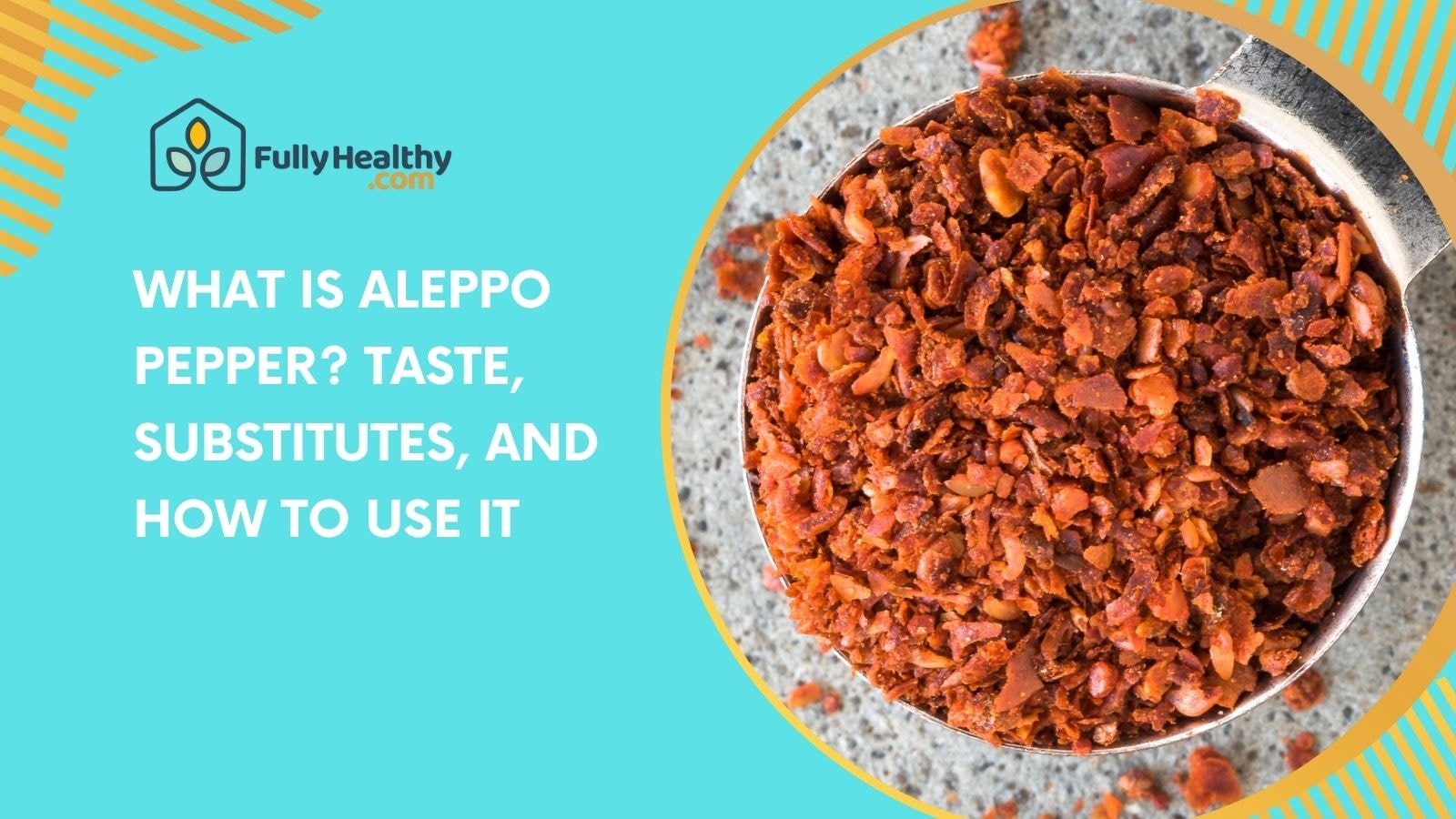 Photo Credit: Canva Pro
What is Aleppo pepper? This dark red spice comes from Halaby chiles that have been dried in the sun. It has a fruity, slightly sweet taste and a mild heat. Aleppo pepper is used a lot in Mediterranean and Middle Eastern cooking because it adds a little spice without making the dish too spicy.
It's rich, oily, and complex, not like regular red pepper flakes. Find out where it comes from, how to use it, and what to try instead if you need to.
Featured Spice Pick
Simply Organic // Black Pepper - 4 oz
Loading...
What Is So Special About Aleppo Pepper?
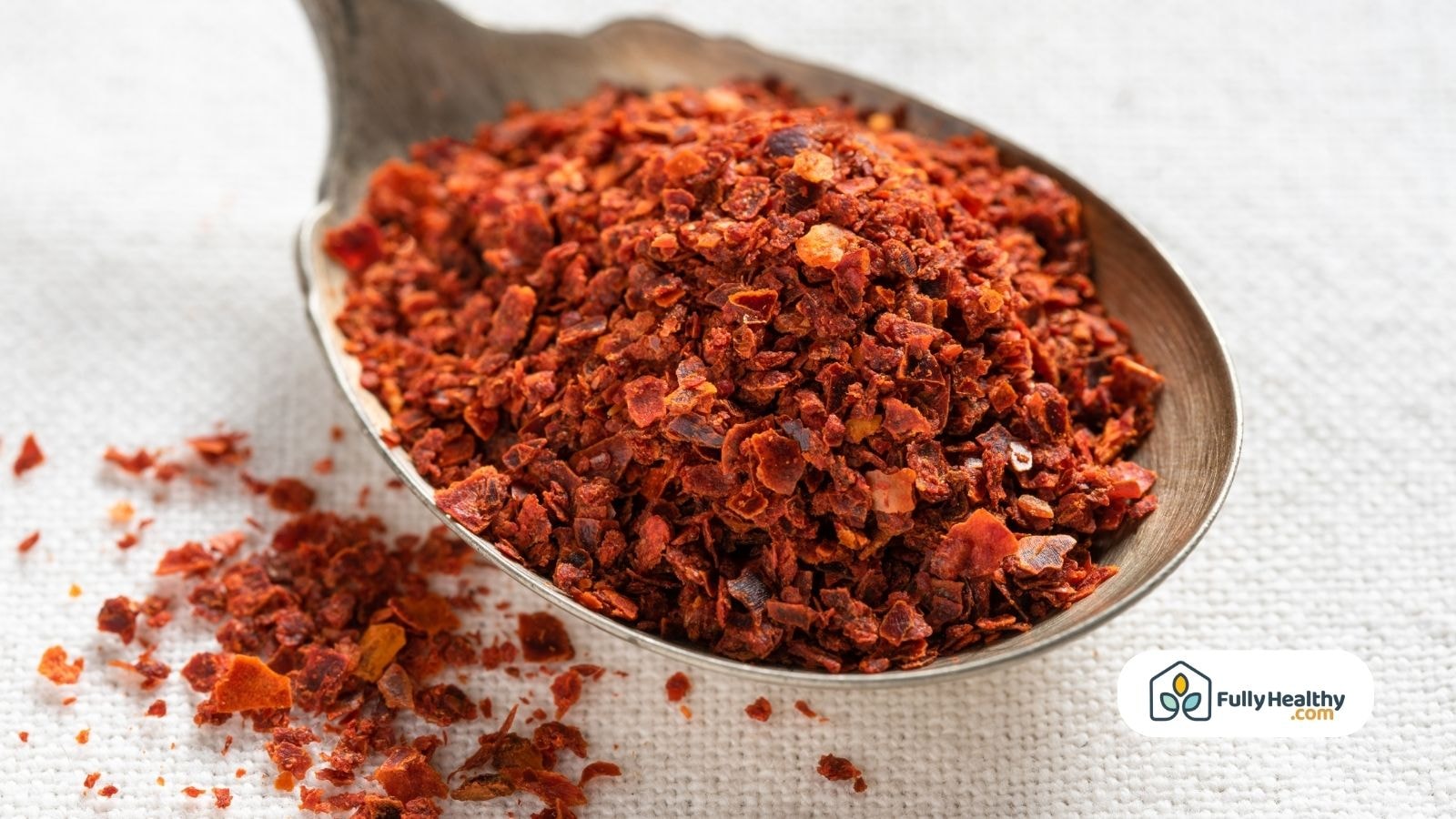 Photo Credit: Canva Pro
A Historic Spice From Syria’s Ancient City
Aleppo pepper, which is also called Halaby pepper, is a tasty spice that comes from Aleppo, Syria. This pepper used to be traded along the Silk Road, but now most of it is grown in Turkey because farming in Syria was harmed by the civil war there.
-
Origin: Aleppo is one of the oldest continuously inhabited cities in the world.
-
Disruption: Most Aleppo pepper now comes from Turkey due to the Syrian civil war.
-
Processing: Peppers are sun-dried, de seeded, and coarsely ground with salt and olive oil.
-
Other names: Known regionally as Halaby pepper or Pul biber.
-
Appearance: Aleppo pepper flakes have a deep red color and slightly oily texture.
Flavor Profile: Fruity, Tangy, Smoky, and Subtle
Aleppo pepper is famous for having a unique flavor that includes a light heat, a fruity smell, and hints of sun-dried tomatoes. It's not too spicy, so it can be used to improve many foods without making them very hot.
-
Heat level: Ranges from 2,500 to 10,000 SHU, giving it a fairly mild heat.
-
Flavor: Offers a sweet, tangy taste with subtle hints of vinegar and cumin.
-
Texture: Flakes are moist due to olive oil, unlike dry crushed peppers.
-
Color and scent: Deep red color with a fresh, smoky aroma.
-
Use cases: Sprinkle on eggs, pasta, fish, or even popcorn for a flavorful kick.
Is Aleppo Pepper Healthy to Eat?
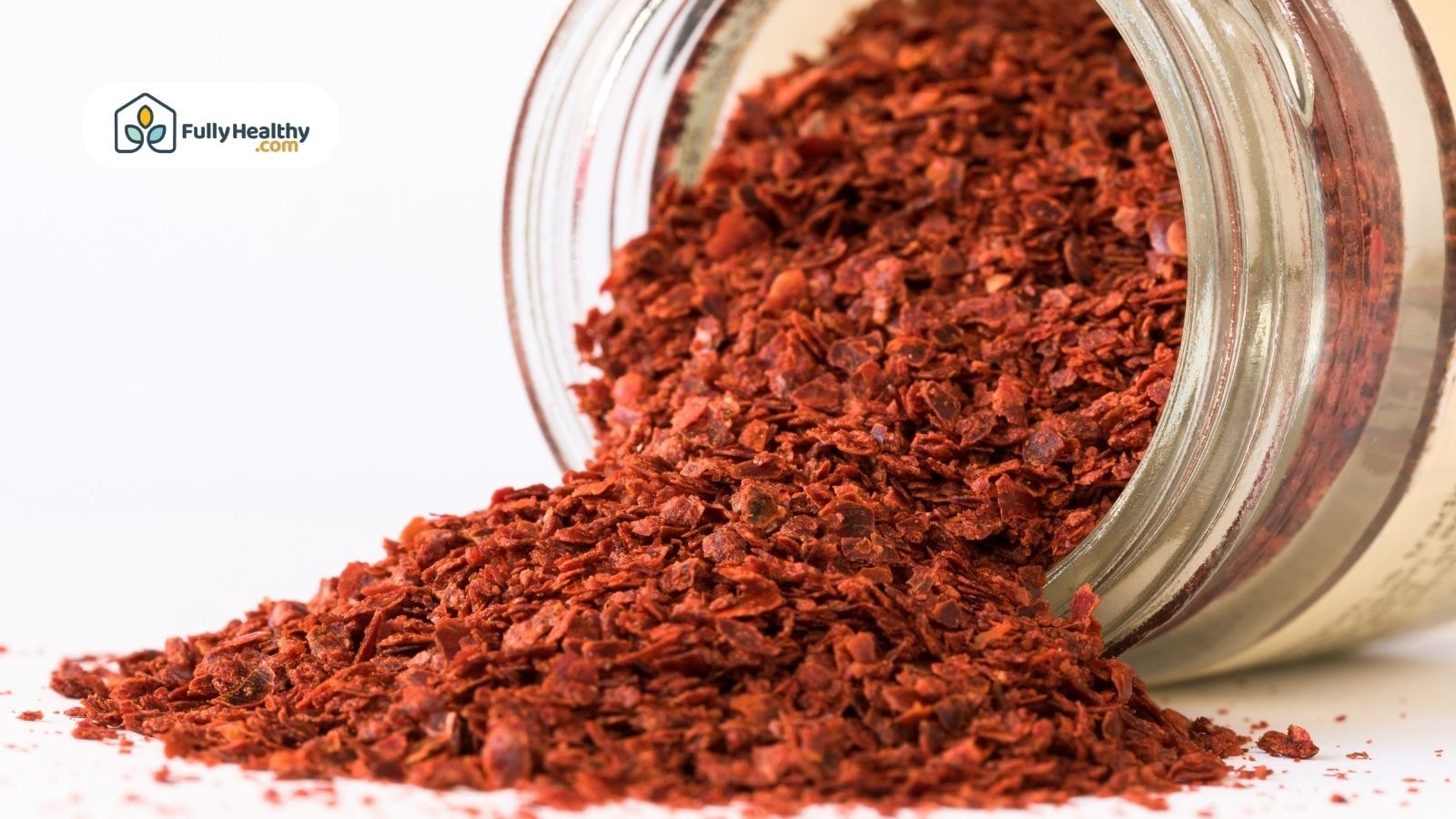 Photo Credit: Canva Pro
Rich in Antioxidants and Vitamins
Aleppo pepper is not only tasty, but it's also good for you. It has strong antioxidants in it, like vitamins A and C, which help keep your immune system healthy and lower oxidative stress.
-
Vitamin content: Contains some vitamin A (beta-carotene) and C, but not in quantities significant for health in typical serving sizes.
-
Antioxidants: Natural compounds that help protect cells from damage.
-
Better option: Milder than cayenne pepper, easier on the stomach.
-
Freshness matters: Choose Aleppo pepper that is stored properly to retain nutrients.
-
Storage tip: Keep in an airtight container to preserve quality.
Supports Metabolism, Digestion, and Heart Health
Capsaicin, the compound that gives Aleppo pepper its mild heat and possible health benefits, is found in it. It might help the body's metabolism, digestion, and heart health.
-
Capsaicin benefits: Boosts metabolism and helps regulate blood pressure.
-
Digestive aid: Stimulates digestive juices without harsh heat sources.
-
Heart-friendly: Some studies suggest mild peppers help improve circulation.
-
Gentle heat: Easier to tolerate than crushed red pepper or hot cayenne.
-
Versatile health boost: Add to salad dressing or other spices to enhance dishes.
What Is a Substitute for Aleppo Pepper?
 Photo Credit: Canva Pro
Closest Flavor Matches
If you run out of Aleppo pepper, marash peppers or urfa biber from Turkey will taste the most like it. These peppers have the same fruity, earthy taste and mild heat as aleppo pepper.
-
Marash peppers: Slightly hotter with a smoky, sweet profile.
-
Urfa biber: Deeper, richer, and more raisin-like than most aleppo pepper.
-
Flavor match: All are sun dried, de seeded, and coarsely ground.
-
Color and taste: Similar deep red color and sweet aroma.
-
Culinary use: Ideal for dishes like hummus, pasta, or roasted vegetables.
DIY Blends for Home Cooking
Can't find pepper in the Aleppo style? You can make your own blend at home with items like paprika and cayenne pepper that are easy to find.
-
Basic blend: Mix 4 parts sweet paprika with 1 part cayenne pepper.
-
Add flavor: Include a pinch of salt and a drop of olive oil for texture.
-
Earthy tone: Add ground cumin or coriander for more complexity.
-
Flexible use: Works well in Mediterranean recipes, sauces, and rubs.
-
Storage tip: Store your homemade Aleppo pepper substitute in an airtight container.
Is Aleppo Pepper the Same as Crushed Red Pepper?
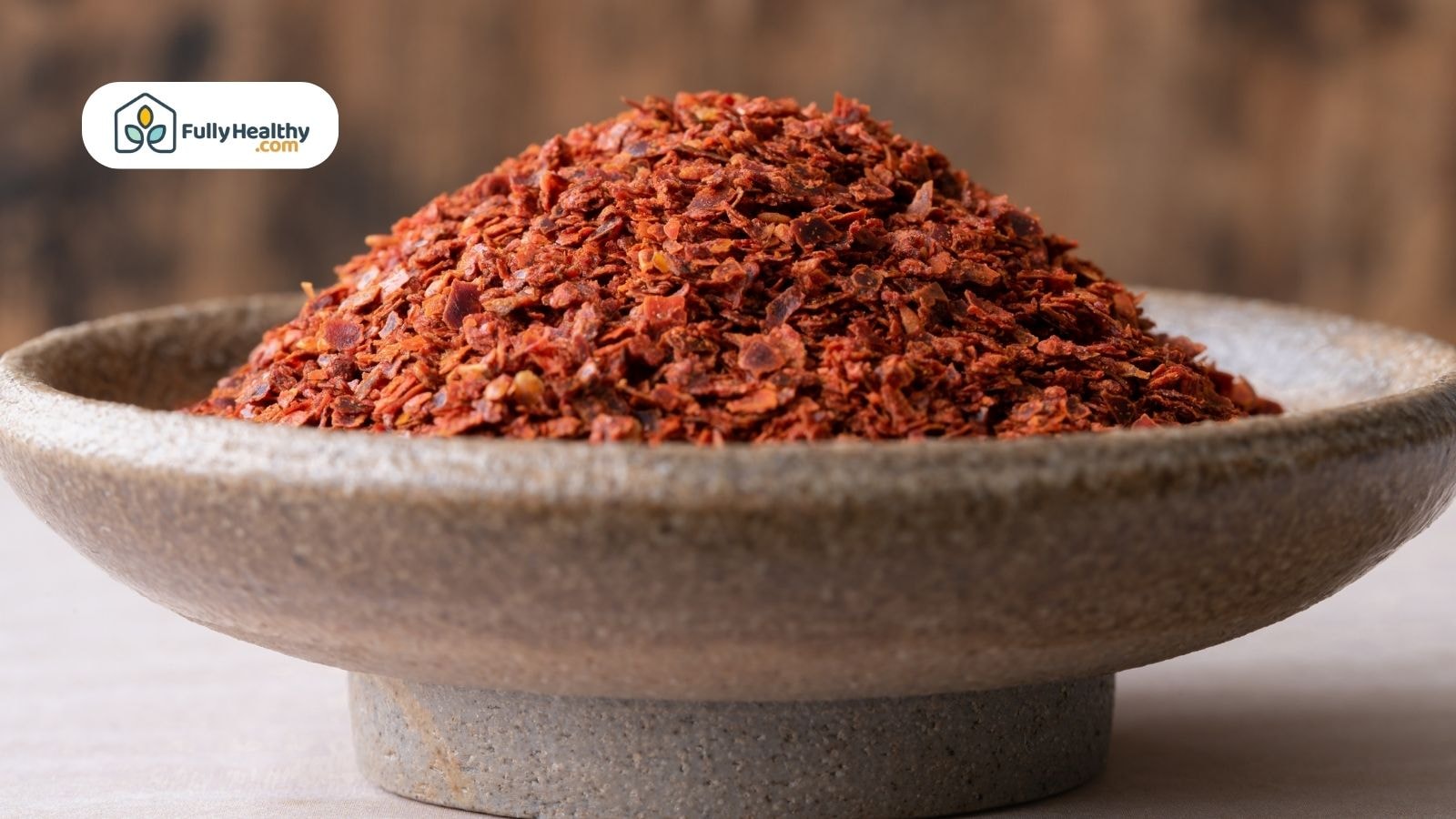 Photo Credit: Canva Pro
Milder, Richer, and More Complex
There is a difference between aleppo pepper and crushed red pepper, even though both are commonly used to season chili. Aleppo has less heat and more flavor. Its finish is oily and slightly sweet, which gives food depth.
-
Flavor difference: Aleppo pepper has subtle hints of sweetness and fruitiness.
-
Heat level: Crushed red pepper is often hotter and lacks depth.
-
Texture: Aleppo flakes are coarsely ground with olive oil, while red pepper flakes are dry and seed-heavy.
-
Use comparison: Aleppo is better for dishes like salad dressing or fish.
-
Better balance: Offers flavor without overwhelming heat.
Culinary Use Differences
People often use crushed peppers for spice, but aleppo style pepper adds depth to flavors. Aleppo pepper can be used to finish off a dish. It adds a warm, fruity flavor without the burn.
-
Versatile spice: Sprinkle on eggs, pasta, roasted vegetables, or even popcorn.
-
Recipe-friendly: Perfect in Mediterranean and Middle Eastern cooking.
-
Flavorful upgrade: A key ingredient in dishes that need both warmth and balance.
-
Cooking flexibility: Works well with other spices like cumin or coriander.
-
Subtle flavor: Ideal when a little heat and aroma are desired.
Meet FullyHealthy: Specialty Foods Made Simple
About FullyHealthy
FullyHealthy is an online grocery store that has items that are safe for people who are sensitive to certain foods. It sells clean-label items that are great for people on special diets like gluten-free, paleo, and allergen-free plans.
-
Company mission: Offers products for gut health, autoimmune support, and clean eating.
-
Diet focus: Great for AIP, Whole30, paleo, and anti-inflammatory diets.
-
Audience: Supports families, athletes, and health-focused shoppers.
-
Trustworthy sourcing: Only vetted, ingredient-conscious products.
-
Educational hub: More than just a store, it’s a resource for better living.
Our Products: Clean, Curated, and Compliant
There are pantry essentials in the store, like spice blends, protein snacks, and seasoning packets. Many of these go well with aleppo pepper flakes. Their products help home cooks make meals better without having to worry about hidden ingredients.
-
Simply Organic Black Pepper: Pure, organic black pepper with no fillers, great with aleppo pepper in cooking.
-
Chomps Venison Stick with Beef: Mild, high-protein snack made with grass-fed meat and simple salt and pepper.
-
Spice options: Includes sweet paprika, salt-free blends, and other spices with no additives.
-
Meal staples: Easy pantry items that match well with cumin, cayenne, or crushed red pepper flakes.
-
Storage tip: Keep spices fresh in a cool pantry using an airtight container.
Final Thoughts
A must-have spice, Aleppo pepper has a unique flavor that makes it stand out from other chiles and crushed peppers. It goes well with pizza, salad dressing, and even popcorn because it has fruity notes, a little heat, and a deep red color.
It's not from South America, but it's becoming more popular all over the world. Aleppo pepper can be used to add flavor and warmth without being too spicy. You can tell the difference by using it in your next recipe.
FAQs
What’s the difference between chili powder and Aleppo pepper?
Aleppo pepper is fruity and oily with mild heat, while chili powder mixes spices and often comes from South America.
What is the difference between Aleppo pepper and regular pepper?
Aleppo pepper is made from dried chiles with a sweet, tangy taste, unlike regular pepper which is sharper and not from chiles.
Are sumac and Aleppo pepper the same?
No, sumac is tangy and sour, while Aleppo pepper is spicy with subtle heat and deep earthy flavor.
Can I use Aleppo pepper instead of red pepper flakes?
Yes, aleppo pepper flakes are less spicy than red pepper flakes but offer more flavor and fruity notes.
Is Aleppo pepper essential in cooking?
Yes, it’s an essential spice to enhance dishes like roasted vegetables, pasta, hummus, or pizza using other spices.
Leave a comment