

What Is Self Rising Flour? A Simple Guide For Better Bakes
It is flour with baking powder and salt already mixed in, so baked goods can rise without extra leavening. Bakers often use it for biscuits, pancakes, muffins, and quick breads because it saves time and keeps measuring simple.
Still, it is not the same as all-purpose flour. Using it in the wrong recipe can change the texture, flavor, and height. This guide explains how it works, when to use it, and what to use instead.
Featured Baking Pick
Bob's Red Mill // Gluten Free 1-to-1 Baking Flour - 44 oz
Loading...
What Is Self Rising Flour?
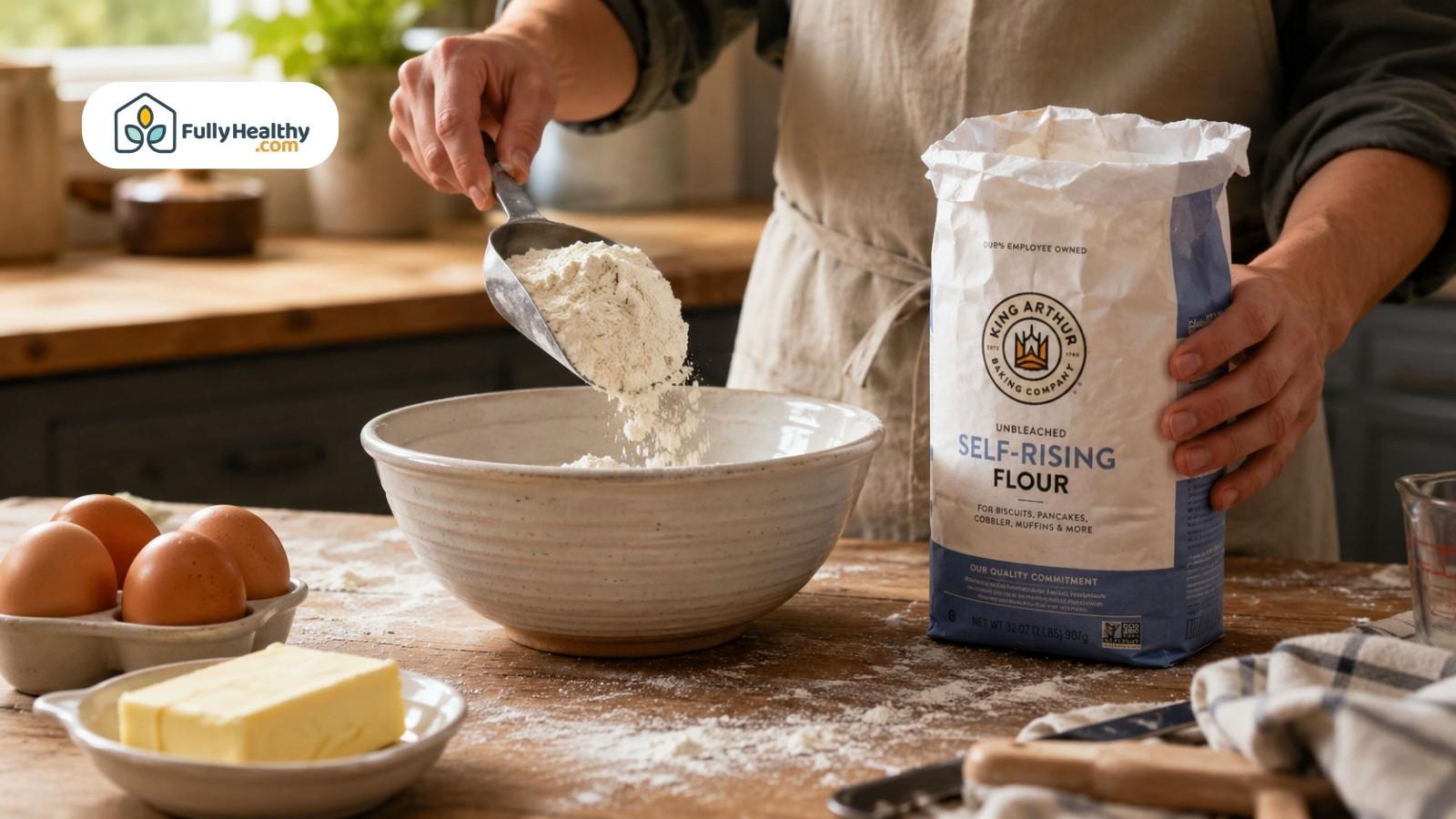
Self rising flour is wheat flour with baking powder and salt already mixed in. It helps baked goods rise without adding separate baking powder, though recipes may still need other ingredients such as eggs, buttermilk, or yeast depending on the product.
Home bakers often use self rising flour for quick breads, pancakes, and making biscuits because it keeps the recipe simple and uses fewer ingredients. Brands like White Lily, Gold Medal, and King Arthur may differ in protein content, which can affect texture.
What Is Self Rising Flour Made Of?
Most self rising flour contains flour, baking powder, and salt. Some baking powder blends may include monocalcium phosphate or sodium acid pyrophosphate, which help create bubbles for lift. A lower protein version can make a huge difference in soft southern recipes.
-
Main Mix: Self rising flour usually combines soft wheat flour, baking powder, and salt.
-
Texture: Lower protein flour can help create tender crumbs and the best biscuits.
-
Labels: Some enriched flours may list folic acid, so always check the package.
-
Pantry Tip: Keep it as a pantry staple if you often make biscuits or quick breads.
Why Self Rising Flour Helps Baked Goods Rise?
The baking powder in self rising flour reacts with moisture and heat. This reaction creates gas bubbles that help dough or batter rise. That is why it works well in simple baked goods that need fast lift without yeast.
-
Best Uses: Pancakes, muffins, waffles, scones, and biscuits are great choices.
-
Avoid Mistakes: Do not add baking powder unless the recipe calls for it.
-
Freshness Check: Always check the expiration date because old baking powder loses power.
-
Recipe Fit: It is not the best choice for all bread recipes, especially yeast breads.
What Is A Substitute For Self-Raising Flour?
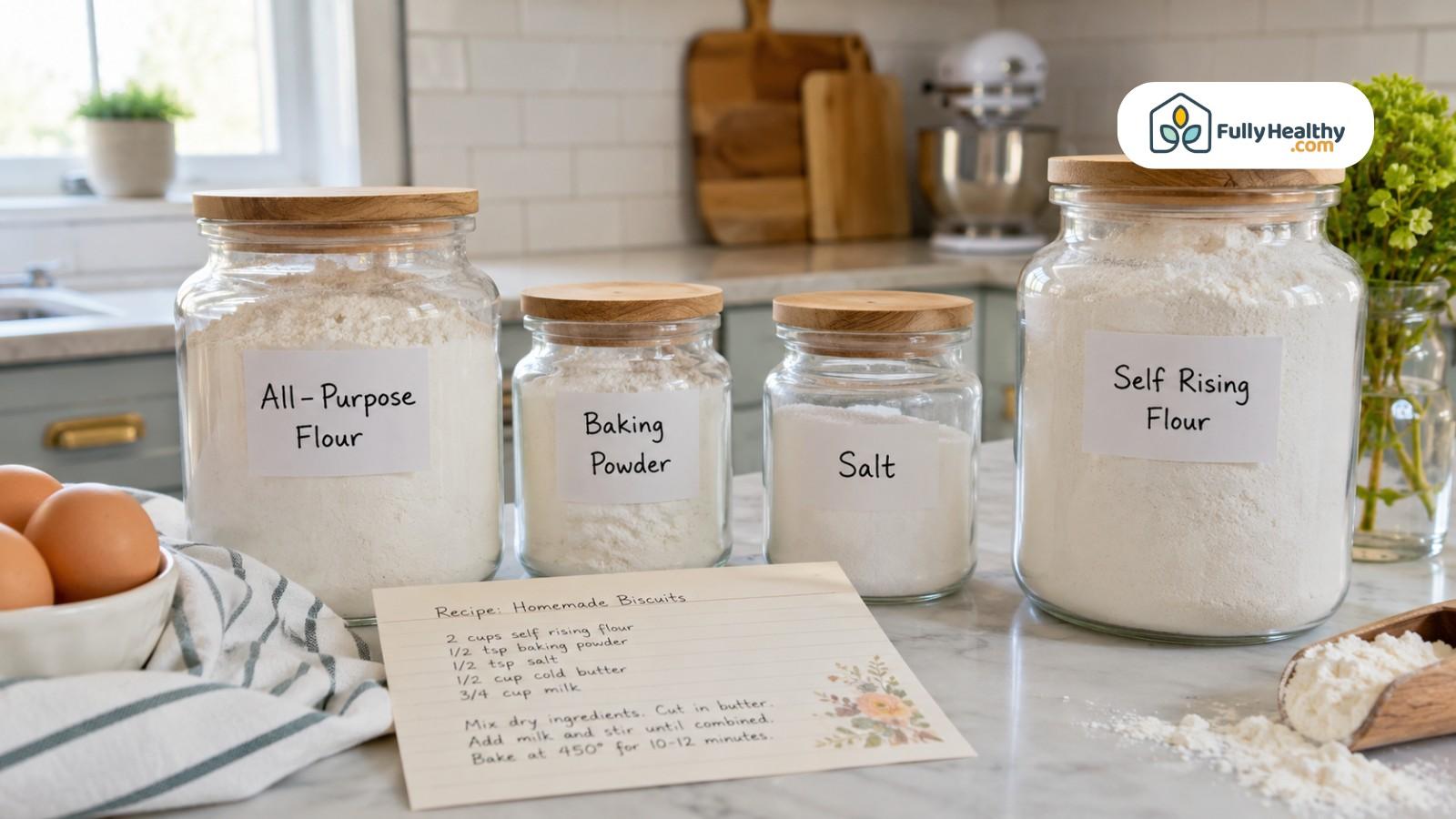
A good substitute starts with all purpose flour or purpose flour, then adds leavening and salt. This helps when you need homemade self rising flour but only have basic flour at home. The right ratio matters because too much or too little baking powder can change the final texture.
How To Make A Self-Rising Flour Substitute At Home?
You can make your own self rising flour by mixing one cup all purpose flour with baking powder and salt. King Arthur recommends 1 1/2 teaspoons baking powder and 1/4 teaspoon salt per cup. Whisk it well so the mixture spreads evenly.
-
Simple Ratio: Use one cup all purpose flour, baking powder, and salt for a quick swap.
-
Storage: Keep extra homemade self rising flour in an airtight container.
-
Freshness: Use fresh baking powder for better rise and cleaner flavor.
-
Best Result: Mix well before using so every scoop has even leavening.
Why UK And US Substitutes Can Be Different?
UK self-raising flour and American self-rising flour are not always the same. Some UK blends may not include salt, while US versions often do. If a recipe calls for one type, check where the recipe came from before changing it.
-
Smart Check: If the recipe already has salt, reduce the added salt carefully.
-
Baking Soda: Do not use baking soda unless the recipe has an acidic ingredient.
-
Common Error: Omitting baking powder can make baked goods flat and dense.
-
Better Baking: Compare labels when switching between other flours and self-rising flour.
Is Self-Rising Flour OK For Diabetics?

Self rising flour is usually refined white wheat flour, so it can affect blood sugar depending on serving size and the full recipe. It is not automatically forbidden, but portions matter. People with diabetes should look at carbs, fiber, sugar, toppings, and personal health advice.
How Self-Rising Flour May Affect Blood Sugar?
Because it is often refined wheat flour, self rising flour may digest faster than some whole grain or higher-fiber flours. Biscuits, cakes, and pancakes may also include sugar, butter, syrup, or sweet fillings, which can raise the total carb count.
-
Portion Size: A smaller serving can help control the total carb load.
-
Full Recipe: Sugar, syrup, and fillings can affect blood sugar more than flour alone.
-
Balance: Pairing baked goods with protein or fiber may help make the meal more filling.
-
Label Check: Always compare carbs, fiber, and serving size before choosing a product.
Smarter Flour Choices For Blood Sugar Control
Some readers may try other flours, whole grain blends, or gluten-free options, but labels still matter. Unbleached self rising flour is not automatically lower in carbs. The better choice depends on the recipe, serving size, and personal meal plan.
-
Better Choices: Look for recipes with less sugar and more fiber-rich ingredients.
-
Simple Swap: Use self rising flour only when the recipe is designed for it.
-
Health Note: Ask a dietitian before changing regular meals for diabetes control.
-
Practical Tip: Choose baked goods that fit your carb goals and daily eating plan.
What Is The Difference Between Self-Rising Flour And Just Regular Flour?
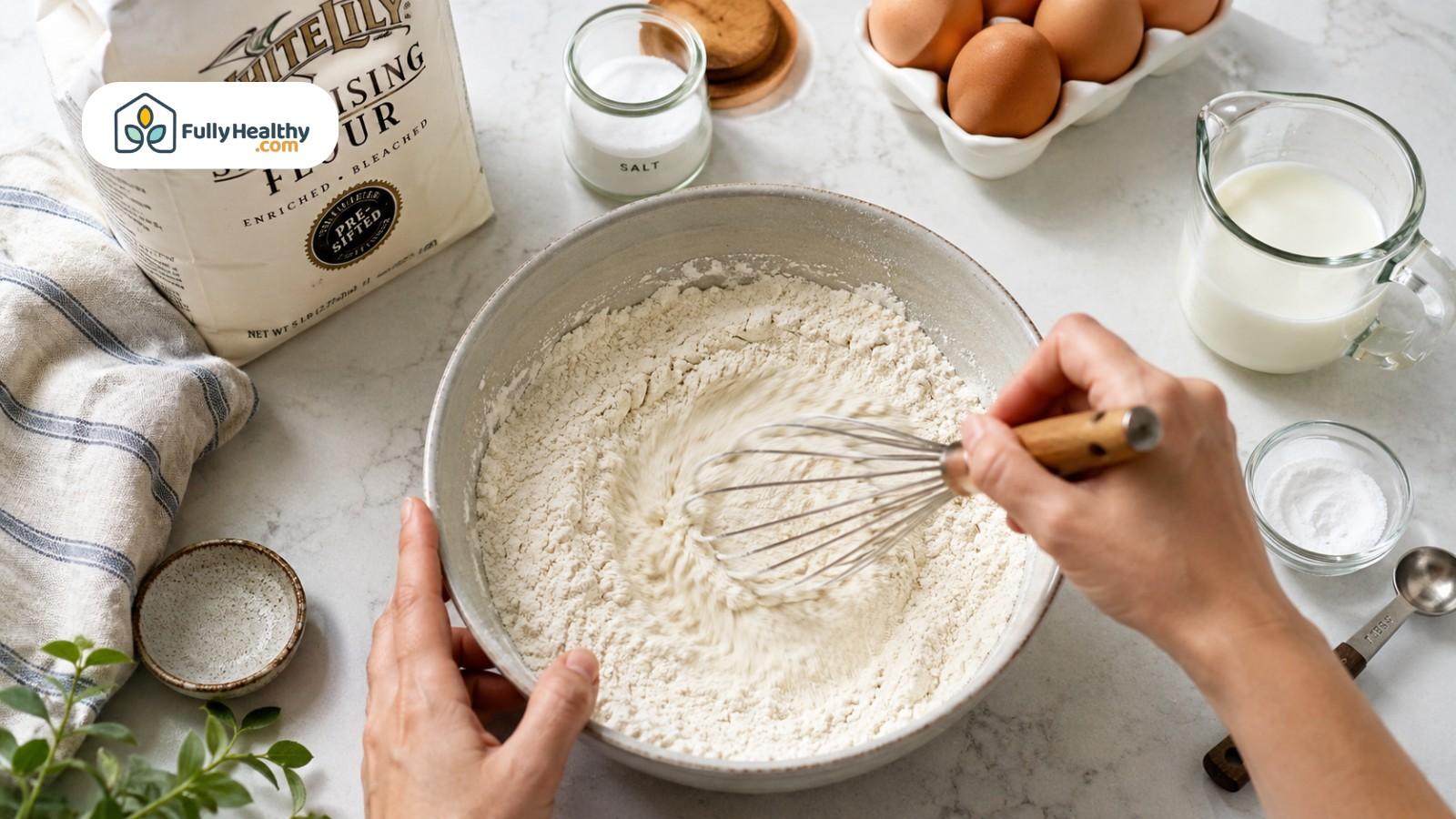
Regular flour is plain flour without built-in leavening. Self-rising flour already has baking powder and salt, so it works differently in a recipe. This difference affects rise, taste, and texture. It also changes how much control you have over other ingredients.
Self-Rising Flour Vs Regular Flour At A Glance
All-purpose flour is more flexible because it has no added leavening or salt. Self-rising flour is more specific and works best when the recipe is written for it. Some self-rising flour brands also have lower protein content, which can help make biscuits soft and tender.
-
Flour Base: Regular flour is usually plain wheat flour, while self-rising flour has added leavening and salt.
-
Added Ingredients: Self-rising flour already includes baking powder and salt, so extra leavening can ruin the balance.
-
Texture Result: A softer bag of self-rising flour can make biscuits tender, but it may not work well for every loaf.
-
Baking Control: Regular flour gives you more control over salt, baking powder, and liquid.
When To Use Each Flour In Baking?
Use self-rising flour when a recipe needs a quick rise and simple mixing. It works well for buttermilk biscuits, pancakes, muffins, and some quick breads. Use regular flour for sourdough, yeast bread, sauces, cookies, and recipes that measure leavening separately.
-
Self-Rising Flour: Choose it for quick baked goods that need easy lift without extra baking powder.
-
Regular Flour: Choose it for sourdough, pizza dough, cookies, cakes, and yeast-based bread.
-
Liquid Balance: Watch the liquid amount because buttermilk, milk, or water can change the dough texture.
-
Storage Tip: Keep flour sealed in a cool, dry place to protect freshness and prevent clumps.
How FullyHealthy Helps Special-Diet Bakers Find Flour Options
FullyHealthy can help readers who need baking options beyond regular wheat flour. This is useful for gluten-free, grain-free, AIP, or paleo-style kitchens. These products are not the same as self-rising flour, but they can support special-diet baking with the right recipe adjustments.
Why FullyHealthy Is Helpful For Special-Diet Baking?
Many home bakers cannot use standard self-rising flour because it usually contains wheat. FullyHealthy gives shoppers a place to find alternative baking products for specific diet needs. Still, readers should always check the label before replacing flour in any recipe.
-
Diet Needs: FullyHealthy supports shoppers looking for gluten-free, grain-free, AIP, and paleo-friendly baking options.
-
Label Check: Review the bag for allergens, serving size, and other ingredients before using it.
-
Recipe Fit: Alternative flours may need more liquid, binders, or careful mixing to work well.
-
Smart Use: Do not treat every gluten-free flour as a direct self-rising flour swap.
FullyHealthy Products To Consider For Baking
The FullyHealthy products to mention are Bob’s Red Mill Gluten Free 1 To 1 Baking Flour, AiPeazy Pizza Crust Mix With Tigernut Flour, and Otto’s Naturals Cassava Flour. Each product has a different purpose, so it helps to match the flour to the recipe.
-
Bob’s Red Mill: Use it for gluten-free muffins, cookies, cakes, brownies, and pancakes.
-
AiPeazy Mix: Use it for pizza crust when you want a faster special-diet option.
-
Otto’s Naturals: Use cassava flour for grain-free baking, frying, dredging, or thickening.
-
Baking Reminder: Let baked goods cool before slicing so the crumb can set properly.
Final Thoughts
What is self rising flour? It is wheat flour with baking powder and salt already added, making it a handy pantry staple for quick breads, making biscuits, pancakes, and other baked goods. It saves time because the recipe needs fewer ingredients, but balance still matters. If a recipe calls for all purpose flour or purpose flour, do not use self rising flour without adjusting the leavening agent, salt, and liquid. King Arthur, White Lily, and Gold Medal may vary in protein content, so the bag and expiration date matter. A lower protein version can make a huge difference for the best biscuits, especially in southern recipes. Store homemade self rising flour in an airtight container.
FAQs
What Is The Best Substitute For Self-Rising Flour?
You can make your own self rising flour by mixing one cup all purpose flour with baking powder and salt, which creates a simple homemade self rising flour substitute.
Can I Add Baking Powder To Regular Flour?
Yes, you can add baking powder to regular flour, but omitting baking powder or adding too much can change the rise, flavor, and texture of the recipe.
Does Self-Rising Flour Have Baking Soda?
Most self-rising flour uses baking powder, not baking soda, though some baking powder formulas may include monocalcium phosphate or sodium acid pyrophosphate.
Is Unbleached Self Rising Flour Better For Bread Recipes?
Unbleached self rising flour can work in some quick breads, but sourdough, a yeast loaf, and many bread recipes often need other flours and more control over other ingredients.
Why Does Buttermilk Matter When Baking With Self-Rising Flour?
Buttermilk adds acid, flavor, and moisture, but home bakers should watch the liquid level and let baked goods cool before slicing for the best texture.
Leave a comment