

What Is Vinegar Made Of? A Clear and Simple Guide

Vinegar is a simple liquid that is made in a very interesting way. Vinegar consists mainly of water and acetic acid. Acetic acid is produced during fermentation; the water comes from the starting liquid and/or dilution.
Apple, grape, and grain sugars first turn into alcohol and then into acid. It gets its sharp taste and smell from this process. You will learn how vinegar is made, what it contains, and how it might impact your health in this article.
Featured Wellness Pick
Bragg // Organic Apple Cider Vinegar with The Mother - 16 oz
Loading...
What Is Vinegar Made Of?
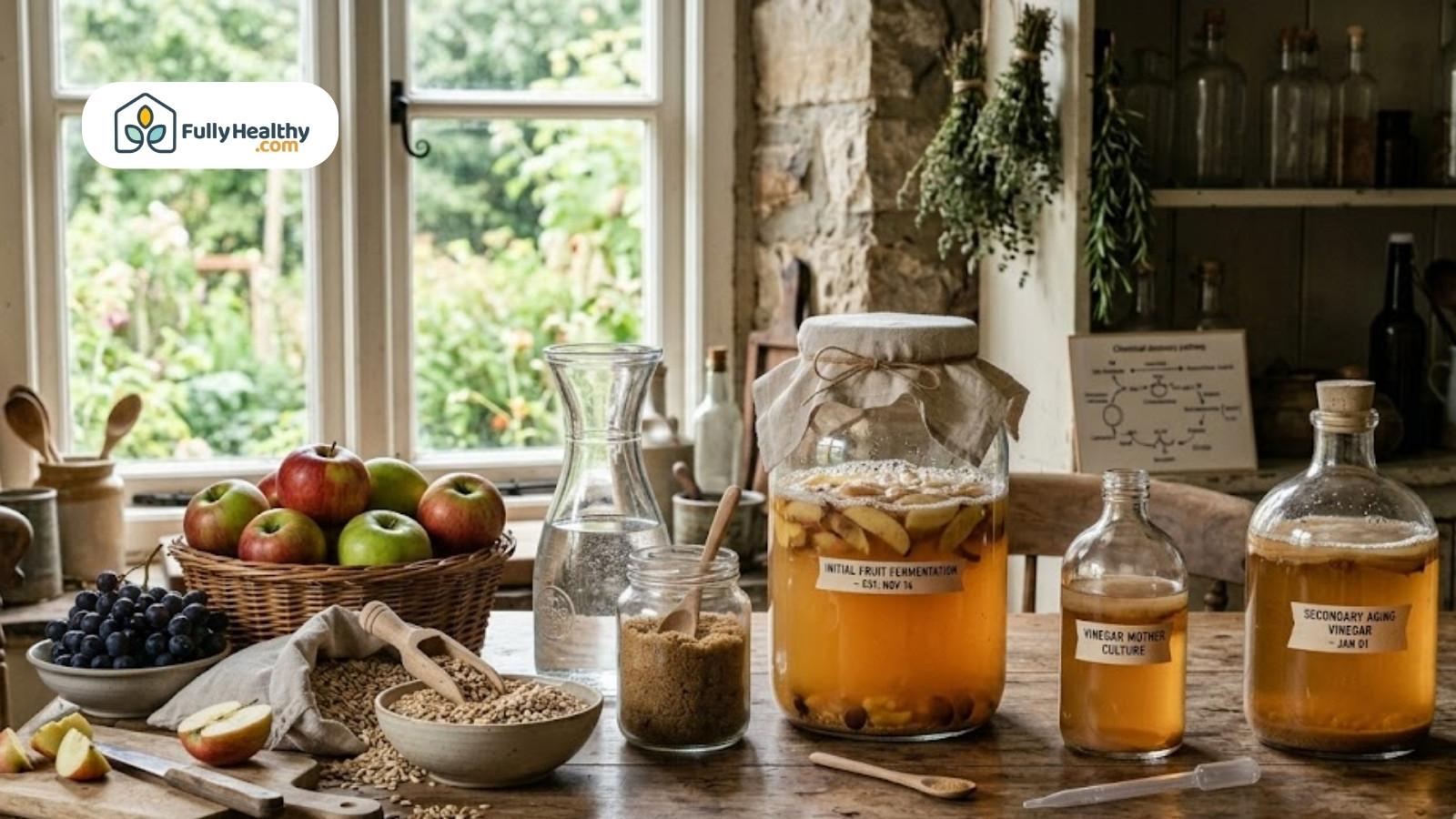
Vinegar is a simple liquid, but its creation follows a clear natural process. At its core, it comes from a two step fermentation process that turns plant sugars into acid. The word vinegar comes from “sour wine,” which reflects how early vinegar was discovered from fermented liquids like wine or fruit juice.
What Is Vinegar Made Of At Its Core?
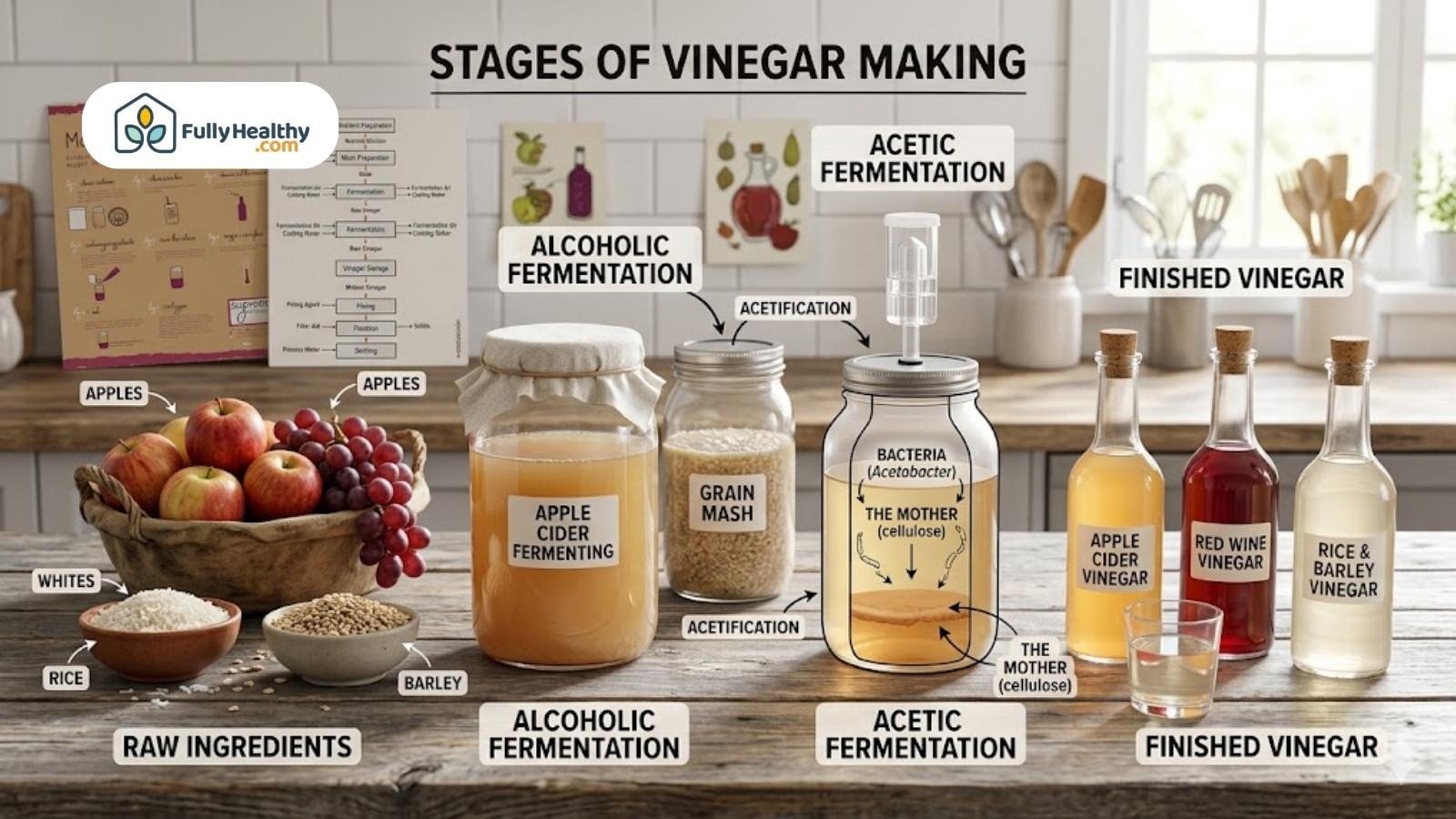
Vinegar is mainly water with acetic acid produced during fermentation. Sugars are first converted by yeast into ethanol, and the ethanol is then converted by acetic acid bacteria, in the presence of oxygen, into acetic acid.
-
Acetic acid bacteria: These bacteria convert alcohol into acetic acid during bacterial fermentation.
-
Carbon dioxide: This gas is released when yeast first breaks down sugars into alcohol.
-
Acetic acid fermentation: This final step gives vinegar its sharp taste and strong smell.
How Fermentation Turns Plant Sugars Into Vinegar
The process of making vinegar starts with natural sugars from plants. Yeast creates alcohol first, then bacteria turn it into vinegar over time.
-
Two step fermentation process: Sugar becomes alcohol, then alcohol becomes acid.
-
Vinegar produced: It can come from apple cider, grape juice, or fermented rice.
-
Longer fermentation period: This often improves flavor, especially in other vinegars like balsamic vinegar.
What Plant Is Vinegar Made From?
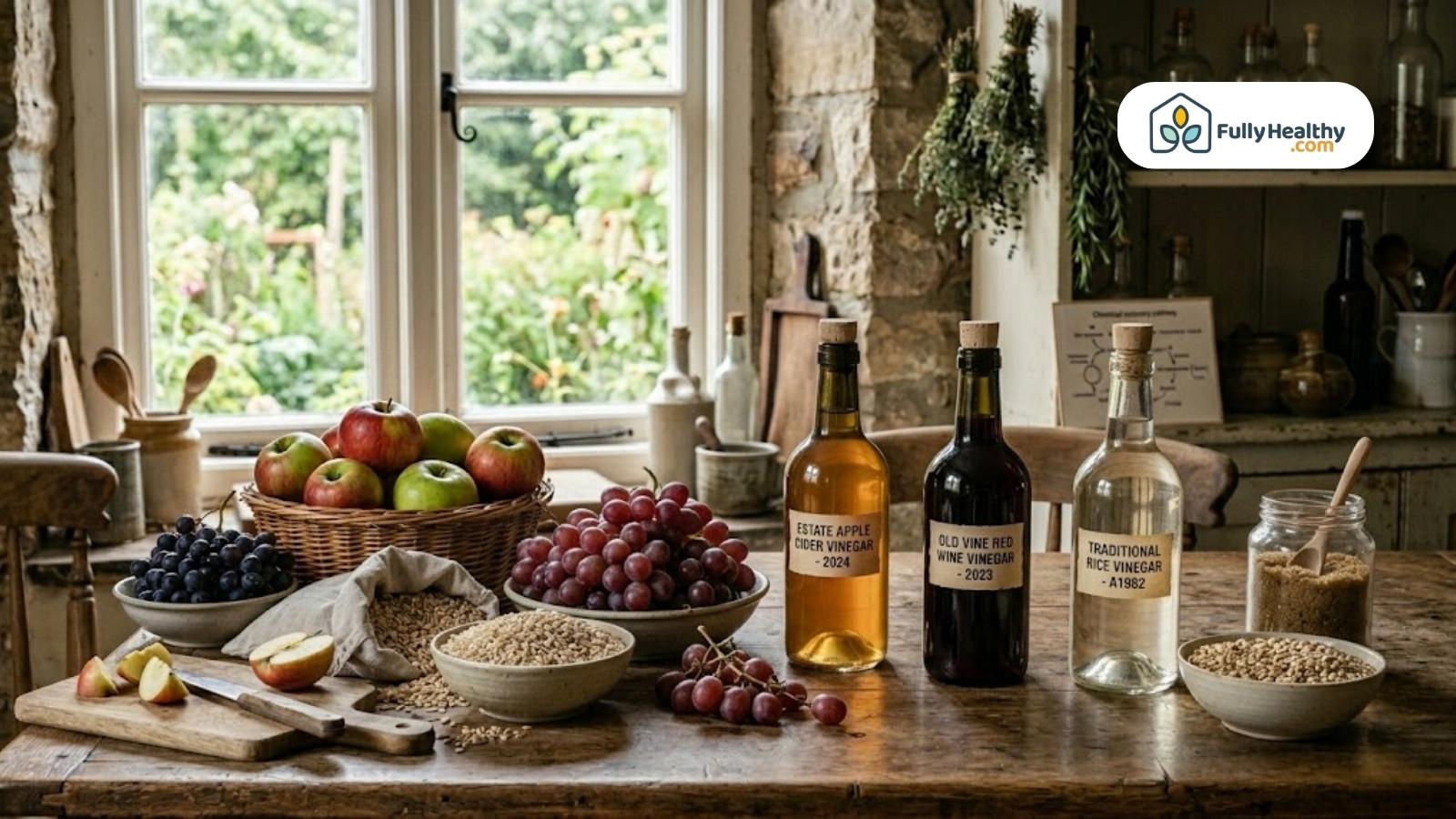
Vinegar can be made from many plant sources. Any ingredient with natural sugars can be used, which is why there are many vinegar varieties available today.
Common Plant Sources Used To Make Vinegar
Different plants create different types of vinegar. Each source changes the taste, color, and strength of the final product.
-
Fruit juice: Used to make apple cider vinegar, raspberry vinegar, and cider vinegar.
-
Red or white wine: Used for wine vinegar and red wine vinegar.
-
Barley malt: Commonly used in making malt vinegar.
-
Fermented rice: Used to produce mild and slightly sweet rice vinegar.
How The Source Ingredient Affects Flavor And Type
The main ingredient affects how vinegar tastes and how it is used in food. Some types are light and mild, while others are bold and strong.
-
Apple vinegar: Slightly sweet and often used in salad dressings.
-
Balsamic vinegar: Thick, rich, and made from grape juice with a deeper flavor.
-
Distilled vinegar: Neutral and clean, usually made from distilled alcohol.
-
Other vinegars: Include spirit vinegar and white vinegar for everyday cooking and cleaning.
What Is The Main Ingredient Of Vinegar?
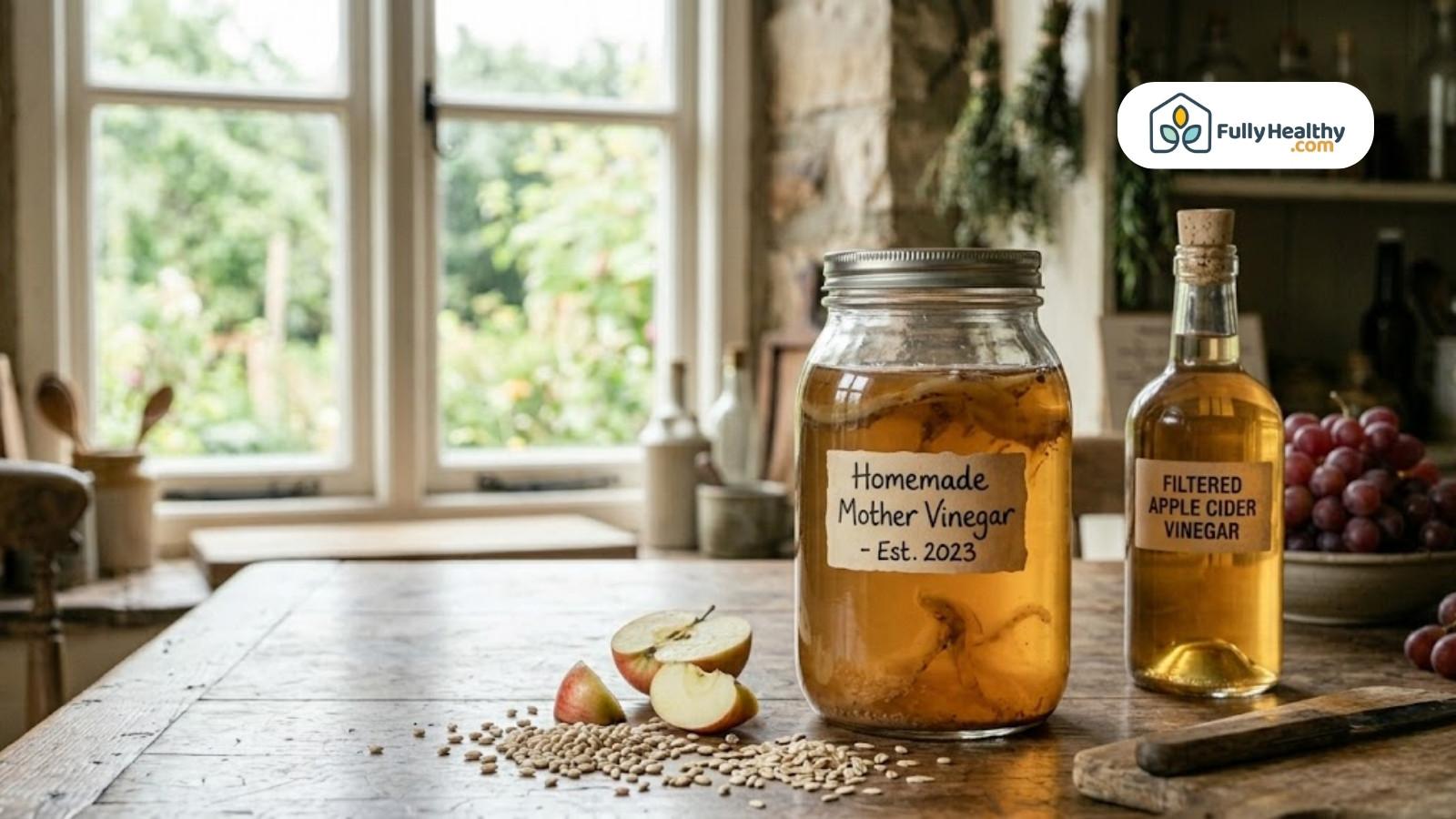
The defining active component of vinegar is acetic acid, but water is the largest component by volume. This compound gives vinegar its sour taste, strong smell, and ability to preserve food.
Why Acetic Acid Is The Key Component In Vinegar
Acetic acid forms during the final stage of vinegar production. It develops when alcohol is exposed to oxygen and processed by bacteria.
-
Acetic acid bacteria: These bacteria change alcohol into acetic acid.
-
Ethyl alcohol: This is formed first from fermented sugars before becoming acid.
-
Bacterial fermentation: This natural process is essential for making vinegar.
What Percentage Of Acetic Acid Is In Vinegar?
Most vinegar contains a small amount of acetic acid mixed with water. This balance makes it safe and useful for daily use.
-
White vinegar: Usually contains about 4–6% acetic acid.
-
Distilled white vinegar: Made from distilled alcohol with a clean, sharp taste.
-
Vinegar consumption: Safe in small amounts but can be harsh if overused.
-
Health note: Some studies suggest vinegar may attenuate postprandial glucose, but more research is needed.
Is Vinegar Good For Your Stomach?
Vinegar has been used for medicinal purposes in many cultures, including the middle east, for a long time. Today, people use it to support digestion and overall health. While some benefits look promising, strong proof from clinical trials is still limited, so it’s best to use vinegar in moderation.
Potential Digestive Benefits Of Vinegar
Vinegar may help digestion because it contains acetic acid and other compounds formed during fermentation. These may affect how your body handles food and blood sugar.
-
Improves digestion: Vinegar may help break down food after the first fermentation process, making digestion easier.
-
Supports gut balance: Some compounds may support healthy gut bacteria, even though vinegar is not a probiotic.
-
Blood sugar control: Some clinical trials suggest vinegar may help regulate insulin responses after meals.
-
Weight loss support: A few studies show vinegar may help with fullness, but results are not consistent.
Risks And Side Effects Of Drinking Vinegar
Vinegar is safe in small amounts, but too much can cause problems. Its acidity can affect different parts of the body if overused.
-
Stomach irritation: High acidity may cause discomfort, especially when taken on an empty stomach.
-
Tooth damage: Regular use can weaken enamel over time.
-
Mixing reactions: Combining vinegar with baking soda creates a reaction that releases gas.
-
Limited evidence: Many health claims are not fully supported by strong clinical trials.
FullyHealthy Vinegar Options For Specialized Diets
Finding the right vinegar can be hard if you follow a strict diet. FullyHealthy makes this easier by offering carefully selected products that meet specific dietary needs while keeping quality high.
How FullyHealthy Helps You Find Diet-Friendly Vinegar
FullyHealthy focuses on simple, clean products. It works with trusted brands that produce vinegar in small batches using quality ingredients.
-
Curated selection: Products are chosen for people with allergies or special diets.
-
Clean ingredients: Many items avoid additives and focus on natural sources.
-
Convenient shopping: Saves time by removing the need to check every label.
-
Multi-purpose use: Products can be used for cooking, cleaning purposes, and daily meals.
Featured Vinegar Products Available On FullyHealthy
FullyHealthy offers different vinegar types, each with unique features based on how it is made and stored.
-
Champagne vinegar: Made in small batches and aged in wooden barrels for a smooth, refined flavor.
-
Apple cider vinegar: Contains natural elements from fermentation, including the nontoxic slime known as the mother.
-
Ume plum vinegar: A unique option with lower acidity and a salty taste, made using traditional methods.
-
Production details: Some vinegars go through an aging process in a dark place for a few months, while industrial methods speed up vinegar production using ethanol from starch.
Final Thoughts
Vinegar is a simple product with a powerful process behind it. When you understand what is vinegar made of, it becomes clear that the key ingredient is acetic acid formed through fermentation.
This natural process gives vinegar its sharp taste, long shelf life, and wide use in food and daily life. From cooking to cleaning, vinegar remains a practical choice. Choosing high-quality options ensures better flavor, safety, and overall value for everyday use.
FAQs
What is vinegar made of and what is the key ingredient?
Vinegar is made mostly of water plus acetic acid and minor compounds from the source material; acetic acid is the key compound responsible for its sour taste and preservative properties.
Does vinegar have a long shelf life?
Yes, vinegar has a long shelf life because its acidity helps prevent spoilage.
What gives vinegar its strong taste?
The key ingredient, acetic acid, gives vinegar its sour and sharp flavor.
Is vinegar safe to store for a long time?
Yes, its shelf life is long, and it remains safe when stored properly.
Why is vinegar useful in many ways?
Its key ingredient and long shelf life make it useful for cooking, cleaning, and preservation.
Leave a comment