

What Nuts Can Dogs Eat? Vet-Backed Answers Made Simple
The safest answer to the question "What nuts can dogs eat?" is "only a few," and only in small amounts. Some nuts, such as plain unsalted peanuts and cashews, are generally considered lower-risk for some dogs in very small amounts, but they are not ideal treats and can still cause gastrointestinal upset or pancreatitis in susceptible dogs.
In no way should macadamia nuts be given to anyone. Also, you should stay away from almonds, pecans, walnuts, and pistachios. This guide tells you about safe options, big risks, and better dog treats.
Featured Snack Pick
Mauna Loa // Hawaiian Sea Salt Macadamia Nuts - 4 oz
Loading...
What Nuts Can Dogs Eat?

People often ask what kinds of nuts dogs can eat. The truth is that not all nuts are good for dogs. Some nuts may be safe in very small amounts, but a lot of nuts are too fattening, hard to digest, or can cause choking.
Dogs only eat nuts as a snack once in a while, not every day. If your pet likes nuts, the safest way to give them is in small amounts, plain pieces, and while you watch them closely after each bite.
Which Nuts Are Generally Safer for Dogs in Small Amounts
Some options are safer than others. More often than any other kind, dogs eat plain unsalted peanuts and cashews. This is because it's easier to give dogs small amounts of these foods. Pine nuts are also talked about in some sources, but they still have a lot of fat.
There isn't really a healthiest nut for dogs because most of the time, treats with fewer calories and less fat are better for them.
-
Safer options: Lower-risk options may include plain unsalted peanuts and cashews in very small amounts; pine nuts are not commonly recommended and should not be presented as a preferred option.
-
Portion guide: Small dogs should get one or two nuts at most, while larger dogs still need small quantities.
-
Best form: Choose unsalted nuts, raw nuts, or dry roasted nuts with no salt, sugar, or added flavor.
-
Main rule: How many nuts matter, because too many nuts can lead to stomach upset, weight gain, and other health problems.
Why Are Even Safe Nuts Not Ideal Everyday Dog Treats
Even when dogs eat peanut butter, it should stay a tasty treat and not become part of the daily dog's diet. Although nuts contain fats and micronutrients, they are not a necessary or evidence-based way to support canine coat, muscle, or circulatory health.
Still, the high fat content and very high fat content of many nuts can make digestion problems. So, even nuts that are safe for dogs shouldn't be given to them too often, especially if they already have a sensitive stomach.
-
Big concern: Too much high-fat food can make dogs sick and may lead to weight gain over time.
-
Nut spreads: Peanut butter, nut butter, and almond butter should only be offered after checking the label carefully.
-
Label warning: Peanut butter brands must not contain the artificial sweetener xylitol, a sugar substitute that is toxic to dogs.
-
Skip these: Salted nuts, trail mix, and sugary snacks are poor choices for safely feeding any dog.
What Is the Most Toxic Thing for Dogs to Eat?

There's no one answer because many foods are very bad for you. Macadamia nuts are well recognized as toxic to dogs and should never be intentionally fed. Grapes, chocolate, onions, xylitol, and alcohol are some other foods that are bad for your dog.
Call a vet immediately if your dog consumes any of these. Getting things done quickly is more important than trying to guess whether the amount was big or small.
Is There One Most Toxic Food for Dogs, or Several Top Dangers
Some foods can be dangerous, and each one hurts the body in its own way. Macadamia nuts are the nut most clearly associated with a well-documented toxic syndrome in dogs.
In dogs, xylitol can rapidly trigger insulin release, causing severe hypoglycemia and, in some cases, acute liver injury. Grapes could be bad for your kidneys. Chocolate can make your heart and nervous system work differently. This is why people should know that nuts that aren't safe are only one part of the bigger problem when it comes to home food safety.
-
Top dangers: Dogs eat macadamia nuts, xylitol, grapes, chocolate, and onions, all of which need quick attention.
-
Do not wait: Feed macadamia nuts never, even in small amounts.
-
Warning signs: Possible signs after toxic ingestion may include vomiting, weakness, tremors, ataxia, lethargy, or collapse, depending on the substance and dose.
-
Severe signs: Severe cases may involve seizures, marked weakness, hyperthermia, or inability to walk normally; symptom patterns vary by toxin.
Where Do Macadamia Nuts Fit Among Foods That Are Dangerous for Dogs
When it comes to nuts, macadamias are the clear emergency. Macadamia nut toxicosis in dogs commonly causes weakness, vomiting, tremors, hyperthermia, and gait abnormalities, usually within several hours of ingestion.
It's not just that they're fat that makes nuts bad. They're foods that dogs should never eat. They are not at all like raw cashews or unsalted peanuts, which can be eaten in small amounts but shouldn't be treats all the time.
-
Never share: Do not feed macadamia nuts under any condition.
-
Also avoid: Dogs eat pistachios, dogs eat pecans, dogs eat walnuts, and dogs eat brazil nuts are all poor choices.
-
Walnut risk: Black walnuts, English walnuts, and moldy walnuts may raise the risk of nut toxicity.
-
Main dangers: Unsafe nuts can cause choking hazards, intestinal blockage, upset stomach, and serious harm.
Can Dogs Have Almonds Or Pecans?
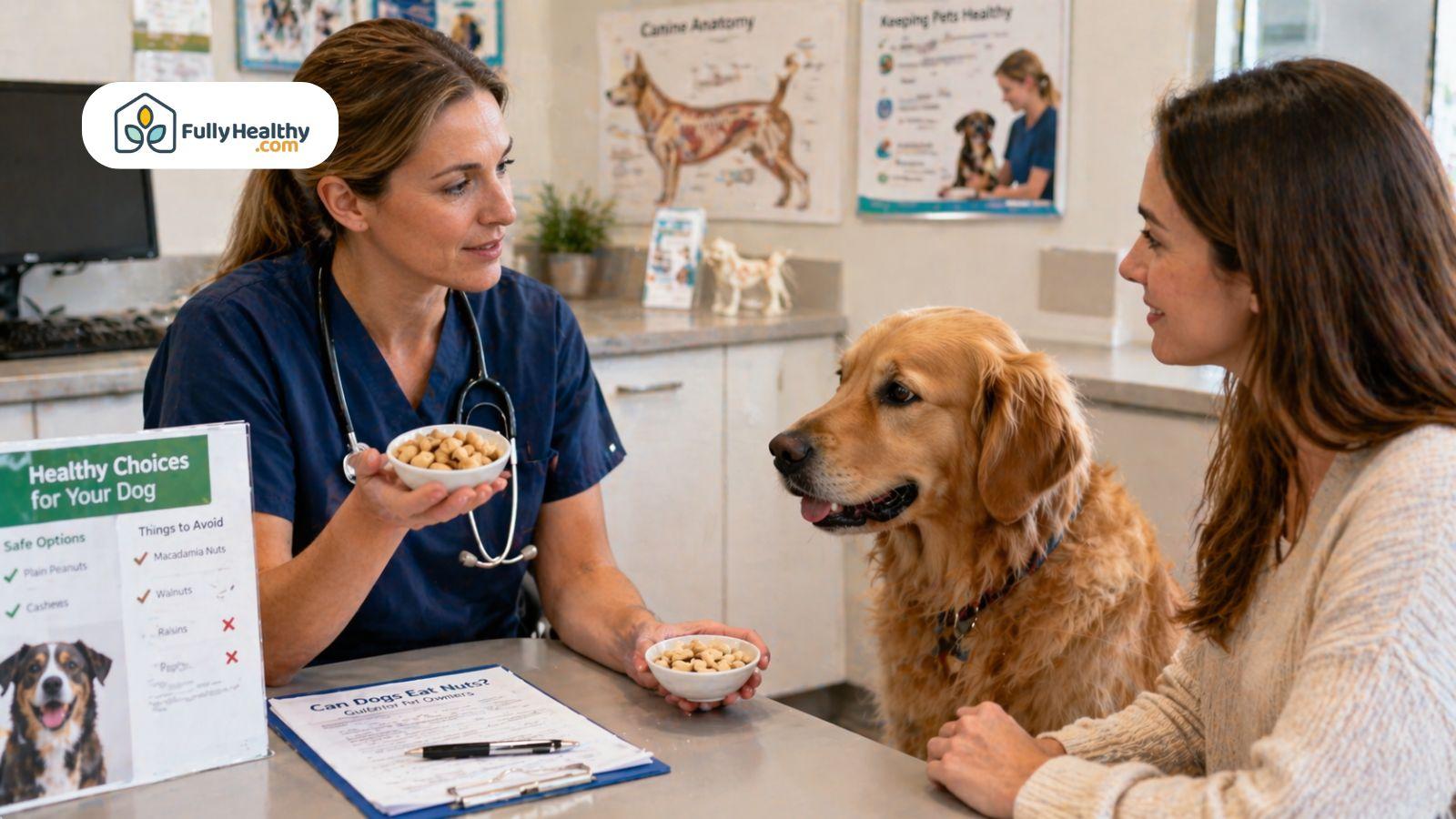
Nuts like almonds and pecans are bad for dogs. Even though they aren't as dangerous as macadamia nuts, they can still be bad. Both nuts have a lot of fat and might make your dog sick. Also, they might be tough to chew and break down. Avoid them and pick a safer treat instead because they don't do much good.
Why Are Almonds And Pecans Poor Choices For Dogs
Nuts like almonds and pecans can be hard for dogs to digest. Because almonds and pecans are high in fat and difficult to digest, they may cause vomiting or diarrhea and can increase pancreatitis risk in susceptible dogs. When the nuts are salted or flavored, the risk goes up. That's why they aren't a good snack for everyday eating.
-
Digestive risk: Almonds and pecans may cause stomach upset, especially in dogs with sensitive stomachs.
-
Fat content: These nuts are rich and heavy, which may increase the risk of digestive trouble.
-
Seasoning problem: Salted nuts add extra sodium and can make the nuts even harder on your dog.
Are Almonds And Pecans Toxic, Or Simply Unsafe
Almonds and pecans are generally considered unsafe rather than inherently toxic in the way macadamia nuts are, but mold-contaminated pecans or walnuts may expose dogs to tremorgenic mycotoxins.
Mold-related toxins may be in pecans, and almonds can make you choke. People should only share plain foods like peanut butter that don't have xylitol in them. Also, stay away from Brazil nuts because they have a lot of fat.
-
Key difference: Almonds and pecans are not the same as toxic nuts, but they are still risky.
-
Safer choice: Skip these nuts and choose a dog-safe treat instead.
-
When to call: Contact your veterinarian if your dog eats a large amount or shows signs of illness.
Which Nuts Are Not for Dogs?

Some nuts are just too dangerous for dogs to eat. Dog nuts can be hard to chew, digest, and give too much of, even if they look harmless. Many of them have a lot of fat, and some may have mold or sharp shell pieces in them.
So a nut doesn't have to be dangerous to be a problem. Most of the time, it is smarter to stay away from nuts that could be dangerous and pick a safer treat instead.
Which Nuts Should Stay off a Dog’s Menu
There are some nuts that your dog shouldn't eat because they are less healthy and more dangerous. A lot of people ask if dogs can eat almonds, but they're still not a good choice. It might sound better for dogs to eat almond butter, but it depends on what's in it.
Since they have shells, fat, and can make your dog sick, pistachios are also not a good idea for dogs. Also, you should stay away from hickory nuts because they are tough and unhealthy for your pet.
-
Avoid list: Macadamia nuts should be classified as toxic; almonds, pistachios, pecans, walnuts, Brazil nuts, and hickory nuts are better classified as poor choices because of fat, choking, obstruction, or mold-related risks.
-
Almond risk: If dogs eat almonds or try to eat almonds often, the size and texture can raise the risk of choking or blockage.
-
Almond butter note: Dogs eat almond butter only if the label is free from harmful additives, but it still should not become a regular snack.
-
Simple takeaway: A nutty treat may sound harmless, but most nuts bring more risk than value to dogs.
Why Do Mold, Shells, Salt, and Fat Make Many Nuts Unsafe for Dogs
Problems don't always come from the nut itself. Nuts with mold, shells, or too much salt are sometimes the bigger problem. These things can make the nut harder to chew and digest or make your stomach upset.
One more big problem is fat, since high-fat foods can make dogs sick. The wrong nut can still be very bad for the dog, especially if it eats too much of it.
-
Shell problem: Hard shells can scratch the mouth, get stuck, or raise the risk of blockage.
-
Fat issue: Rich nuts may lead to vomiting, diarrhea, abdominal discomfort, and, in susceptible dogs, pancreatitis.
-
Mold concern: Old or damaged nuts may carry harmful substances that make symptoms more serious.
-
Best advice: Keep unsafe nuts out of reach instead of testing what your dog can handle.
What Does Fully Healthy Offer for Readers Researching What Nuts Can Dogs Eat?
Even though Fully Healthy isn't a website about pet health, it does play a small part in this subject. It's an online market for AIP, gluten-free, and allergen-free foods that focuses on people. It's important to know this because many owners give their pets snacks without first reading the label.
The site is best used in this article to show why reading the ingredients is more important than believing healthy-sounding packaging.
What Is Fully Healthy, and How Is It Relevant to This Topic
The website makes it easier for people to find unique foods in one place. In that case, it's not a source for dog food advice, and the article should make that clear.
Its worth here comes from the labels on the products, not from its veterinary knowledge. People who read this should remember to be careful about giving packaged foods to their pets.
-
What it is: Fully Healthy is a marketplace for specialty foods, not a dog nutrition authority.
-
Why it matters: It reminds readers that foods made for people may still be unsafe for dogs.
Which Fully Healthy Products or Categories Are Most Relevant in a Nut-Safety Discussion
There are snacks, sweets, spices, and baking mixes on the home page. These foods might work for people on special diets, but dogs need something else. That's why this section is helpful for label reading and reminding people that a snack made for people might not be safe for pets.
-
Relevant categories: Snacks, sweets, seasonings, and baking mixes are the most useful categories to mention here.
-
Key lesson: Readers should check every label before sharing any packaged food with dogs.
Final Thoughts
Less is always better when it comes to what nuts dogs can eat. Small amounts of plain peanuts and cashews might be fine, but most nuts are too fatty, hard to digest, or not worth the risk. You should never feed your pet macadamia nuts.
Almonds, pecans, walnuts, pistachios, and Brazil nuts are also bad for them. If you're not sure, give your dog a simple treat that is safe for them or talk to your vet before giving them human food.
FAQs
What annoys dogs the most?
Many dogs dislike hugs, loud noise, too much teasing, and people getting in their space.
Can dogs eat cashews?
Yes, dogs can eat plain, unsalted cashews in small amounts.
What three meats should dogs avoid?
Dogs should avoid fatty meats, heavily seasoned meats, and processed meats like bacon or sausage.
What is a silent killer for dogs?
Hemangiosarcoma is often called a silent killer because it can grow without clear signs until it becomes severe.
Are cashews safe for all dogs?
Cashews may be tolerated by some dogs in very small amounts, but they are not appropriate for all dogs, especially those with obesity, gastrointestinal sensitivity, or pancreatitis risk.
Leave a comment