

When to Plant Garlic? Make Next Year’s Harvest Count
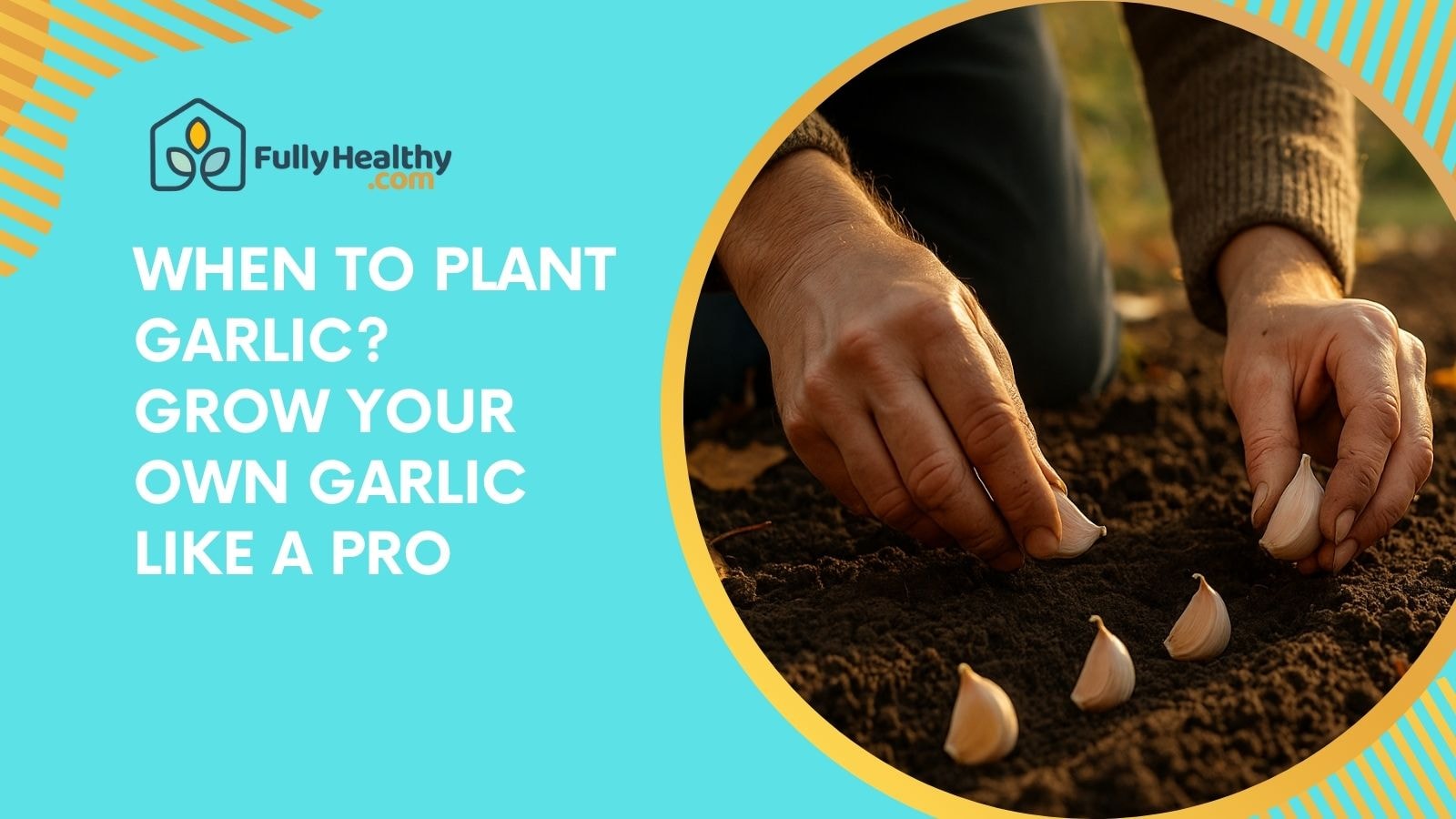
When you plant garlic at the right time, it grows the best. The best time is in the fall, especially in October. It keeps garlic cold enough for bulbs to grow big and healthy. You can also plant in the spring, but the heads might be smaller.
Many depends on timing, getting the soil ready, and not making common mistakes. This article tells you when to plant garlic, what not to do, and the best way to get your plants to grow.
Featured Pantry Pick
Simply Organic // Garlic Powder - 3.64 oz
Loading...
When to Plant Garlic?
When garlic is planted at the right time, the roots get strong, the bulbs get bigger, and the garlic tastes better. For garlic to grow right, it needs to be cold, especially in the fall. It makes a big difference when you plant garlic, whether you do it in raised beds or in the ground. Garlic is usually planted in the fall, but the best time depends on the climate, the type of garlic, and how well the soil is prepared.
Fall vs. Spring: Which Season Works Best?
When it comes to planting garlic, fall is the best time. It lets the cloves grow roots before the ground freezes. You can plant in the spring, but without sufficient chilling, garlic bulbs may not fully divide into cloves and can resemble a single-round shape, similar to undivided bulbs.
-
Best fall timing: From the mid October to the end of fall, before the first frost.
-
Spring planting warning: Planting garlic in the spring might lead to smaller bulbs if the cloves do not receive adequate vernalization (cold exposure).
-
Soil prep tip: Before you plant, use compost and get rid of any weeds.
Key Fall Planting Tips:
-
Ideal month: Around the middle of October in most places.
-
Clove depth: Plant 2 to 4 inches deep.
-
Spacing: There should be 6 inches between each clove in a row.
-
Mulch use: Put in 4 to 6 inches of grass or straw.
Regional Timing Based on Frost
Garlic grows well in most climates, but planting time will depend on when your last frost is. In colder places, you need to plant earlier. In warmer places, planting can wait until late fall.
-
Zones 3–7: From the mid September to the end of October is the best time to plant garlic cloves.
-
Zones 8–9: Plant in late fall before winter rains or cold.
-
First frost tip: Plant about two weeks before the first frost is due.
What Is the Trick to Planting Garlic?
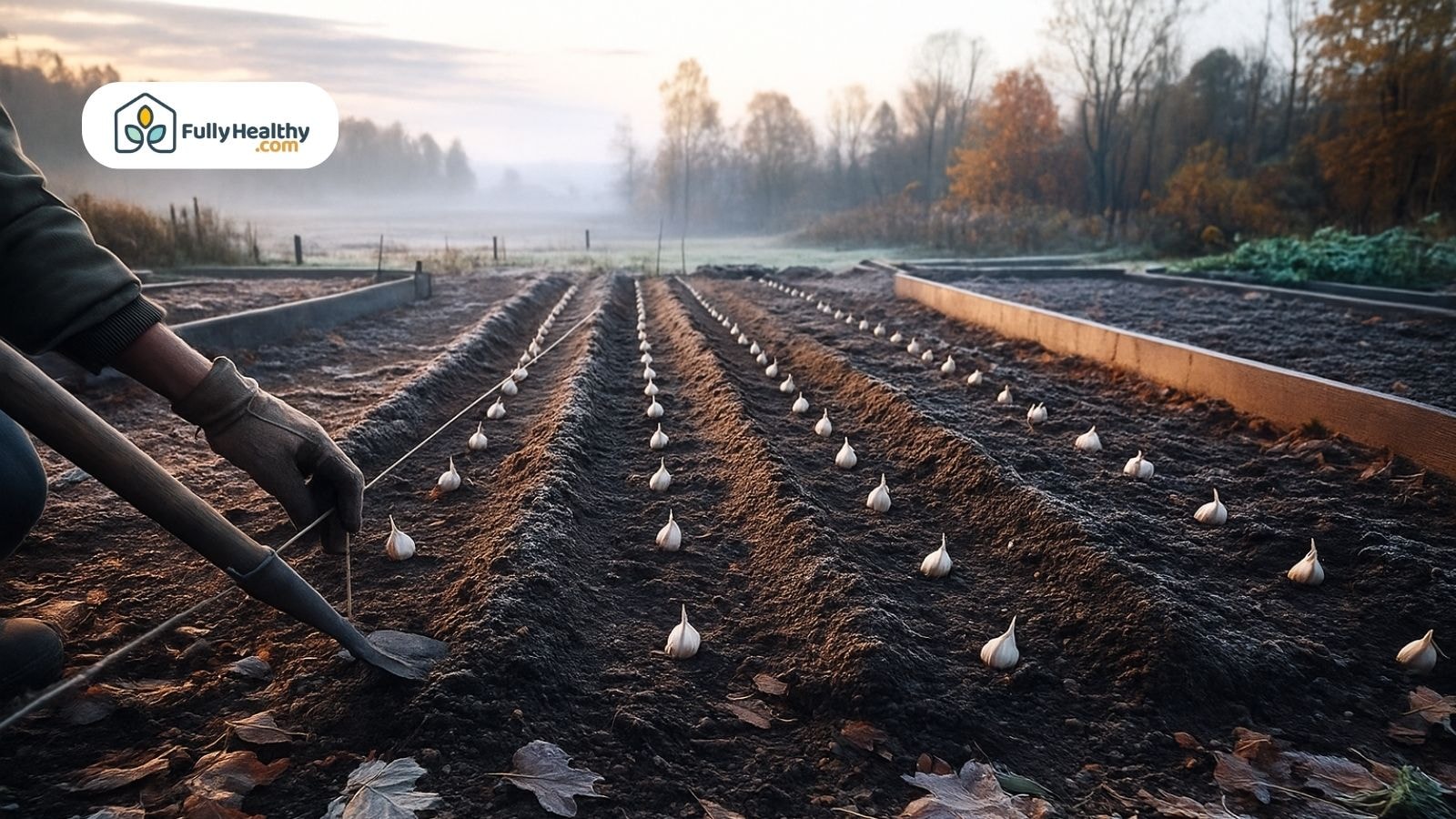
To plant garlic successfully, you need to know when, how deep, and how to care for it. If you plant garlic in the fall, it will have time to grow strong roots before the first frost.
No matter if you choose softneck varieties or hardneck garlic with a hard stem and garlic scapes, you need to plant each clove in the right way for the plants to be healthy. For a harvest to go well, you need good soil, mulch, and enough space between plants.
Mastering Planting Depth and Position
When you plant garlic, put the flat side down and the pointy side up so that the roots grow down and the shoots grow up. Instead of garlic bulbs from the store, use healthy, fresh cloves. People who garden often plant garlic in late fall, when the weather is naturally cooler.
-
Planting depth: 3 to 4 inches deep for places in the north.
-
Best timing: A few weeks before the ground freezes in the fall is the best time to plant.
-
Spacing: 4 to 6 inches separate each row of cloves.
-
Mulch tip: To keep garlic bulbs warm, use leaves or straw.
Growing Garlic for Flavor and Storage
Dry garlic bulbs for a few weeks after harvesting to make them taste better. Save the best heads for next year's seed and use the scapes in cooking.
-
Dry location: Keep bulbs out of the sun to cure.
-
Cooking use: You can cook with garlic or eat roasted garlic.
-
Storage life: Once harvested and cured properly, hardneck garlic can be stored for several months.
Can Garlic Be Planted in October?
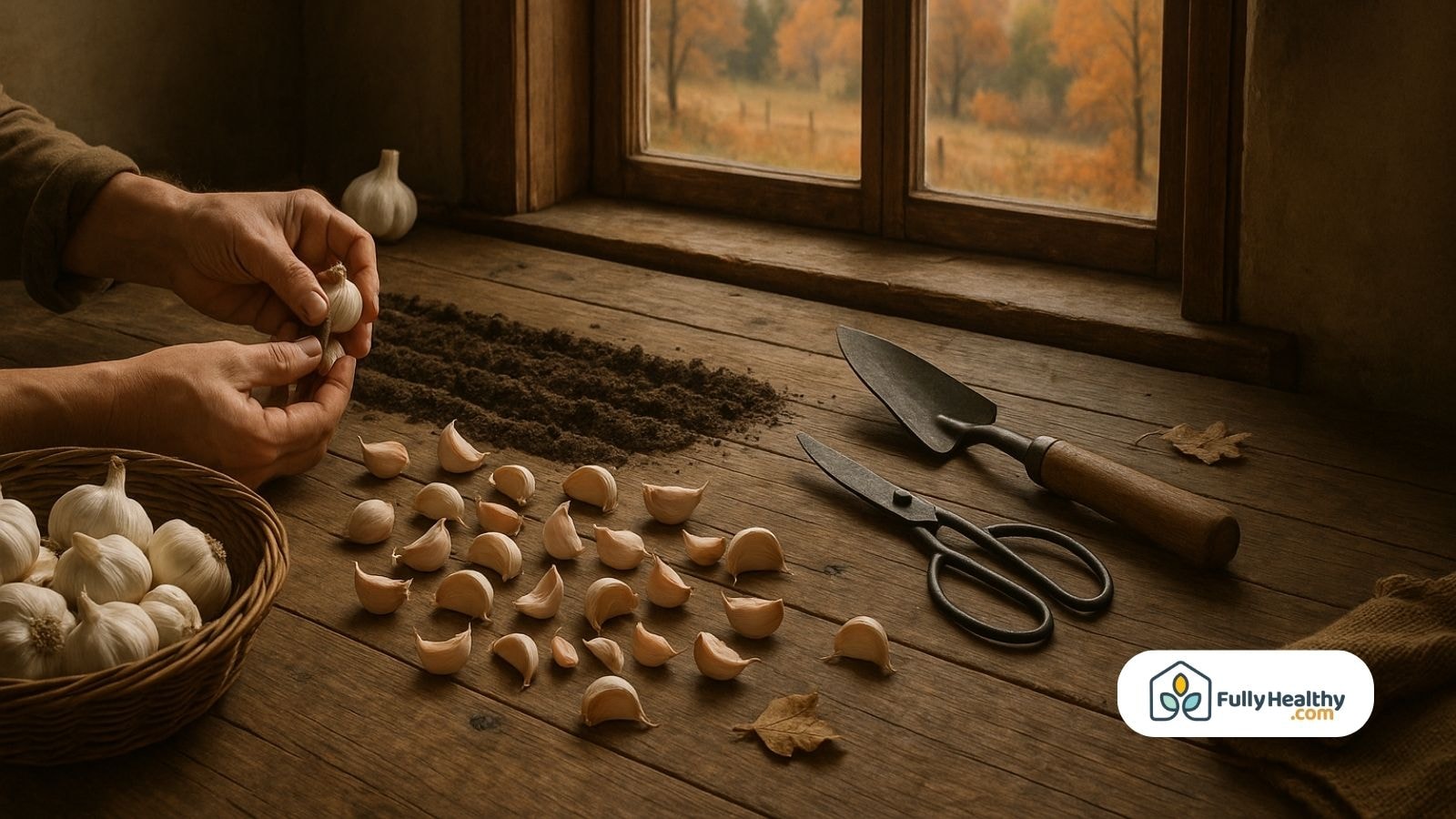
Yes, October is often the best month to plant. When planted in October, garlic gets strong roots before winter. It also does better when it is naturally exposed to cold. Planting in the fall will make your crop better, and by summer, the garlic bulbs will be bigger.
Why October Works for Your Own Garlic
The best time for garlic cloves to grow is in October. The weather is getting cooler, but the ground can still be worked. This helps the clove grow roots instead of tall stalks before winter.
-
Natural cold exposure: It helps cut the garlic clove into a full head.
-
Avoids early sprouting: Avoids premature sprouting: Proper timing reduces the risk of shoot damage from early winter freezes.
-
Longer growing season: For spring growth, roots grow over the winter.
Bigger Bulbs Start with Fall Planting
When planted in the fall, garlic bulbs grow bigger and taste better. If you plant garlic seeds in the middle of October, they will be ready by early to mid-summer. A strong chill period is especially good for elephant garlic and hardneck varieties.
-
Clove turns to bulb: Cold exposure is required to initiate proper bulb formation and clove differentiation.
-
Larger heads: In the fall, garlic has more time to grow below ground.
-
Flavor boost: Garlic tastes better when it's cold outside.
-
Save heads: You can plant garlic from this year's crop next year.
What Is the Mistake When Planting Garlic?
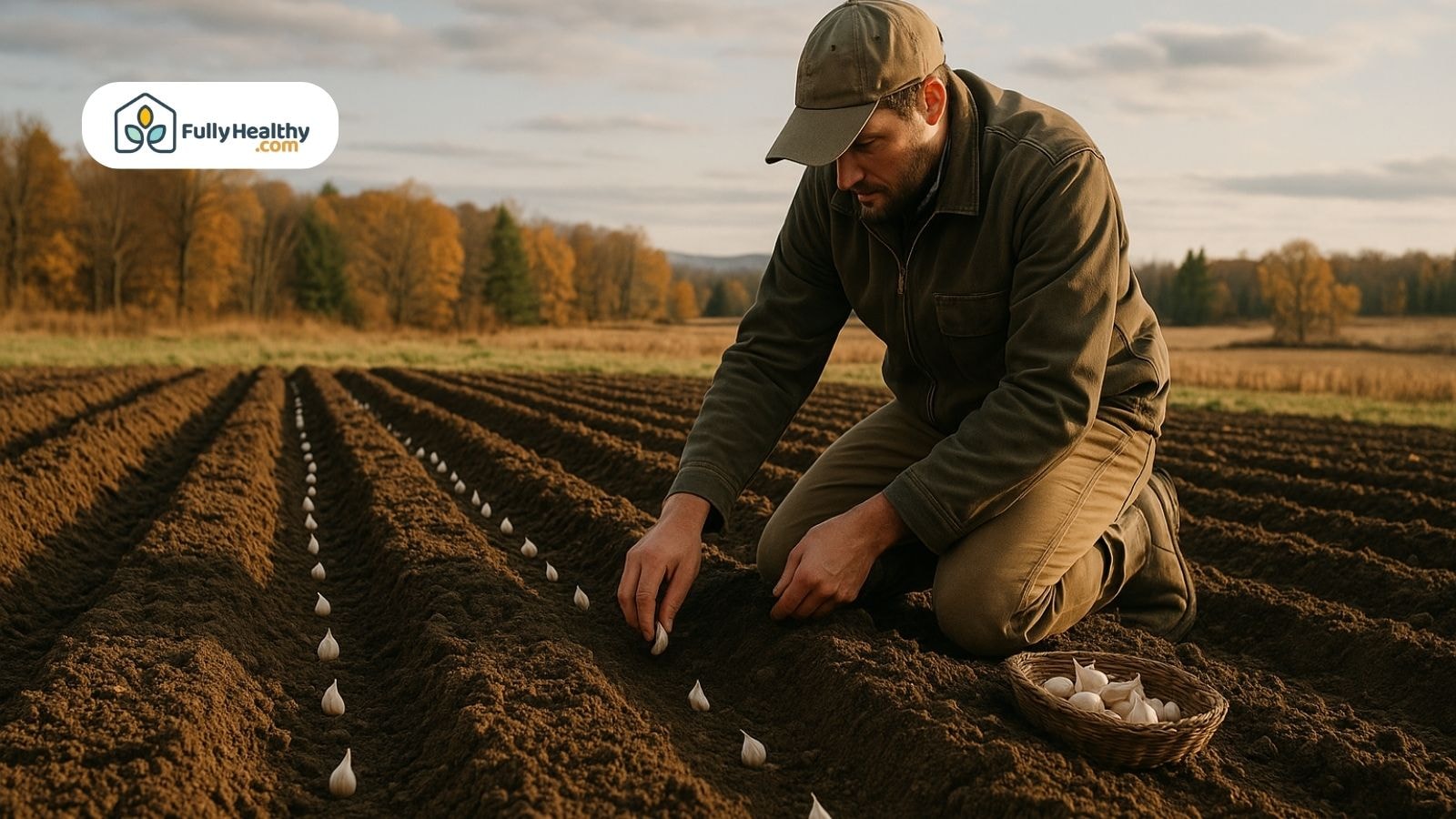
It might look easy to plant garlic, but common mistakes can ruin your harvest. It's important to get the planting details right if you want to grow garlic successfully in the fall garden.
Your garlic bulbs will do better if you use healthy garlic seed, get the soil ready, and plant them at the right time. If you skip steps or hurry through the process, the plants and bulbs will be weak and small.
Common Mistakes Gardeners Make
Garlic from the grocery store is used by many beginners, but it's not the true garlic for your area. It is wrong to plant too early, too shallowly, or with low-quality cloves. Putting garlic in the ground upside down will hurt your crop.
-
Wrong source: The garlic you buy at the store might not sprout or grow well where you live.
-
Too early: Planting too early may lead to premature shoot growth, which can be vulnerable to harsh winter temperatures in colder climates.
-
Too shallow: If you plant garlic too close to the ground, it might pop out when it freezes and thaws.
-
Upside down cloves: Onion roots grow from the flat end. The point has to be up.
-
Poor soil: Plant garlic in raised beds or a garden bed. It does best in soil that is loose, rich, and full of compost.
-
Crowded spacing: If you plant cloves too close together, the garlic bulbs will be small.
Fixes From the Experts
How to Grow Garlic Like a Pro: Begin with organic garlic seeds of hardneck types like Chesnok Red. Plant each garlic clove in the right way, with a few inches between each one. To protect your bed and keep weeds away, use mulch like straw or grass clippings. Plant garlic where it will get full sun.
-
Use seed garlic: Plant cloves only from bulbs that are healthy and free of disease.
-
Mind spacing: In rows 10 to 12 inches apart, space the cloves 6 inches apart and 2 inches deep.
-
Add compost: Before you plant, work compost into the ground.
-
Mulch heavily: When you plant in the late fall, add mulch that is several inches thick.
-
Label rows: For later harvesting, know where to plant elephant garlic and hardneck garlic.
What Can You Find at FullyHealthy.com to Support Garlic Growers?
FullyHealthy.com doesn't sell garlic bulbs, but it does have a lot of helpful items for people who cook with or grow garlic. You can find things to eat with roasted garlic and fresh garden vegetables, like AIP-friendly seasonings and healthy sweeteners.
Pantry Items That Pair With Garlic
After you pick your garlic, you'll need things to make it taste better in the kitchen. For garlic fans who want to stay healthy, FullyHealthy sells clean seasonings and baking mixes.
-
AIP seasonings: Mix nightshade-free spice mixes with the onions and garlic that you have chopped up.
-
Maple sugar: When you add garlic scapes, use in sauces or marinades.
-
Banana bread mix: Spread roasted garlic and dairy-free butter on top and serve.
A Garden-To-Table Lifestyle
FullyHealthy encourages a natural, whole-food way of life. It helps gardeners turn their fresh garlic, potatoes, and onions into healthy meals. This store will help you reach your goals, whether you want to grow garlic in a raised bed or onions nearby.
FullyHealthy Benefits:
-
Allergen-safe cooking: Perfect for garlic lovers who are on a strict diet.
-
Bulk ingredients: Buy things that will last for weeks after the garlic is picked.
-
Trusted brands: Many products don't use processed ingredients.
Final Thoughts
When you plant your own garlic in the fall, the roots get strong before the first frost. If you plant garlic in the fall and it starts to sprout in the spring, you'll see plants push through the ground.
Once the scapes are straight, gently pull the garlic bulbs apart. Then, dry them until the papery skin forms. For next year, save the best cloves to use as seeds. To make food taste great for weeks, use fresh or roasted garlic in cooking. This is real garlic that you should grow.
FAQs
What not to do when planting garlic?
Don’t plant garlic too early before the first frost, don’t use treated cloves, and don’t forget to space rows or plant cloves tip-up.
Do you water garlic every day?
No, garlic plants don’t need daily water—tend the garden weekly unless it's dry, especially after garlic planted in fall starts growing roots.
What is the 10 minute garlic rule?
The 10-minute rule means letting chopped clove sit before cooking to boost flavor in roasted garlic or any garlic bulbs used in meals.
How long can garlic survive?
Garlic bulbs from fall planting can last for several months after harvest if cured and stored in a cool, dry location; roots form best before October’s first frost.
What happens if you eat garlic every day?
Eating garlic every day gives cooking strong flavor, but too much clove may upset stomach—own garlic or use scapes in small tips for balance.
Leave a comment