

How to Plant Garlic? A Tasty Harvest in Any Backyard
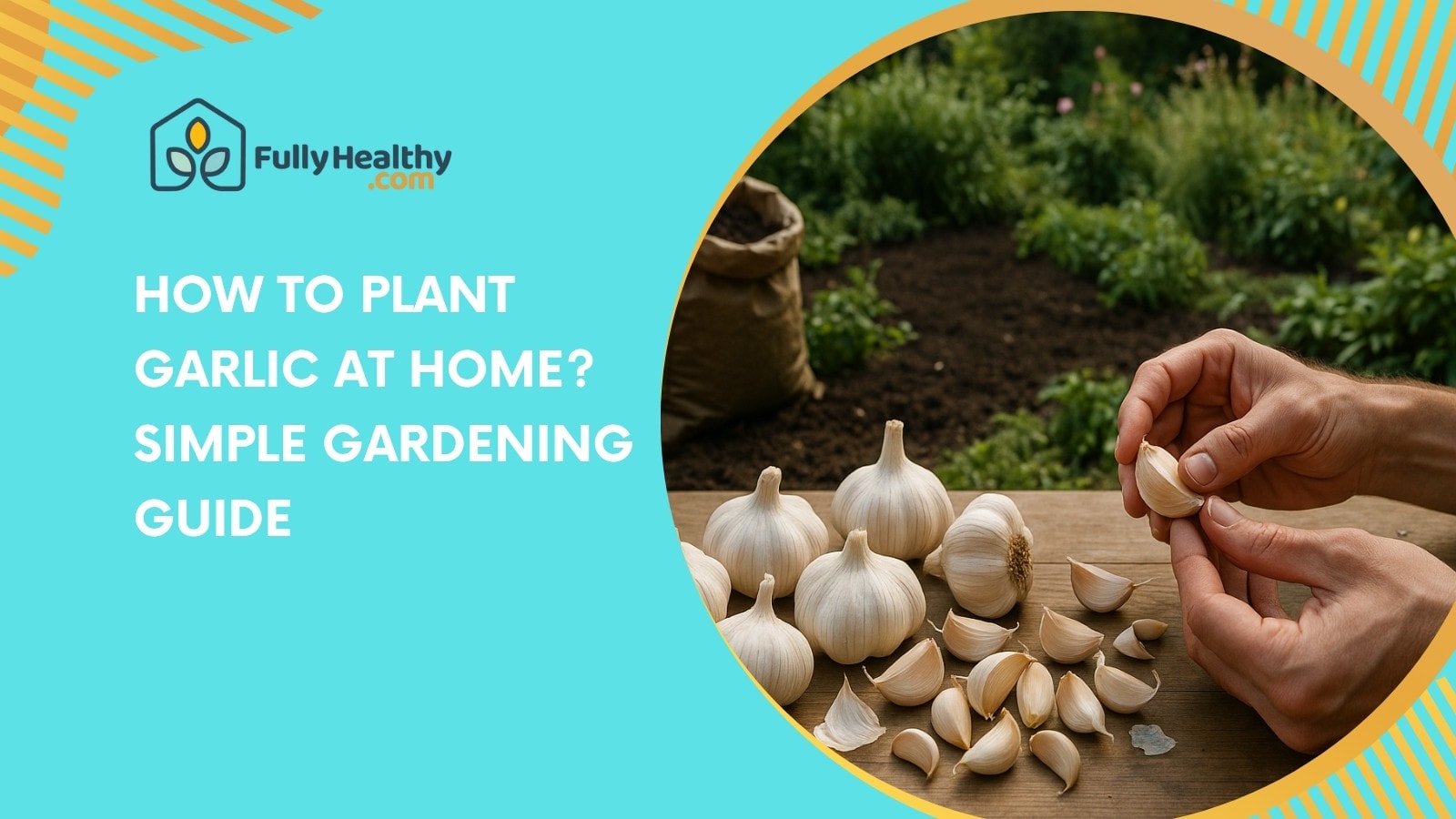
Garlic planting is simple, fun, and great for people who are just starting out. A garlic bulb, soil that drains well, and the right time are all you need.
You will learn how to plant garlic step by step, from breaking up the cloves to covering them with mulch. We'll also talk about when to plant, what not to do, and even if garlic from the store will work. Are you ready to grow your own tasty garlic? Let's start right away.
Featured Pantry Pick
Simply Organic // Garlic Powder - 3.64 oz
Loading...
How to Plant Garlic?
It's easy and fun to grow garlic, even if you've never done it before. You just need a few bulbs, healthy soil, and the right time. You don't need any fancy tools or a lot of space. If you know how to plant garlic the right way, you can eat it every year.
Step-by-Step: How to Plant Garlic Cloves
To begin, you need garlic seed, which actually refers to healthy garlic cloves. Pick out the best cloves from the garlic heads to plant.
-
Break the bulb: Gently separate individual cloves from a few bulbs right before planting. Leave the papery skin on.
-
Pick the largest cloves: The largest cloves grow into strong, healthy bulbs. Avoid planting the smallest cloves.
-
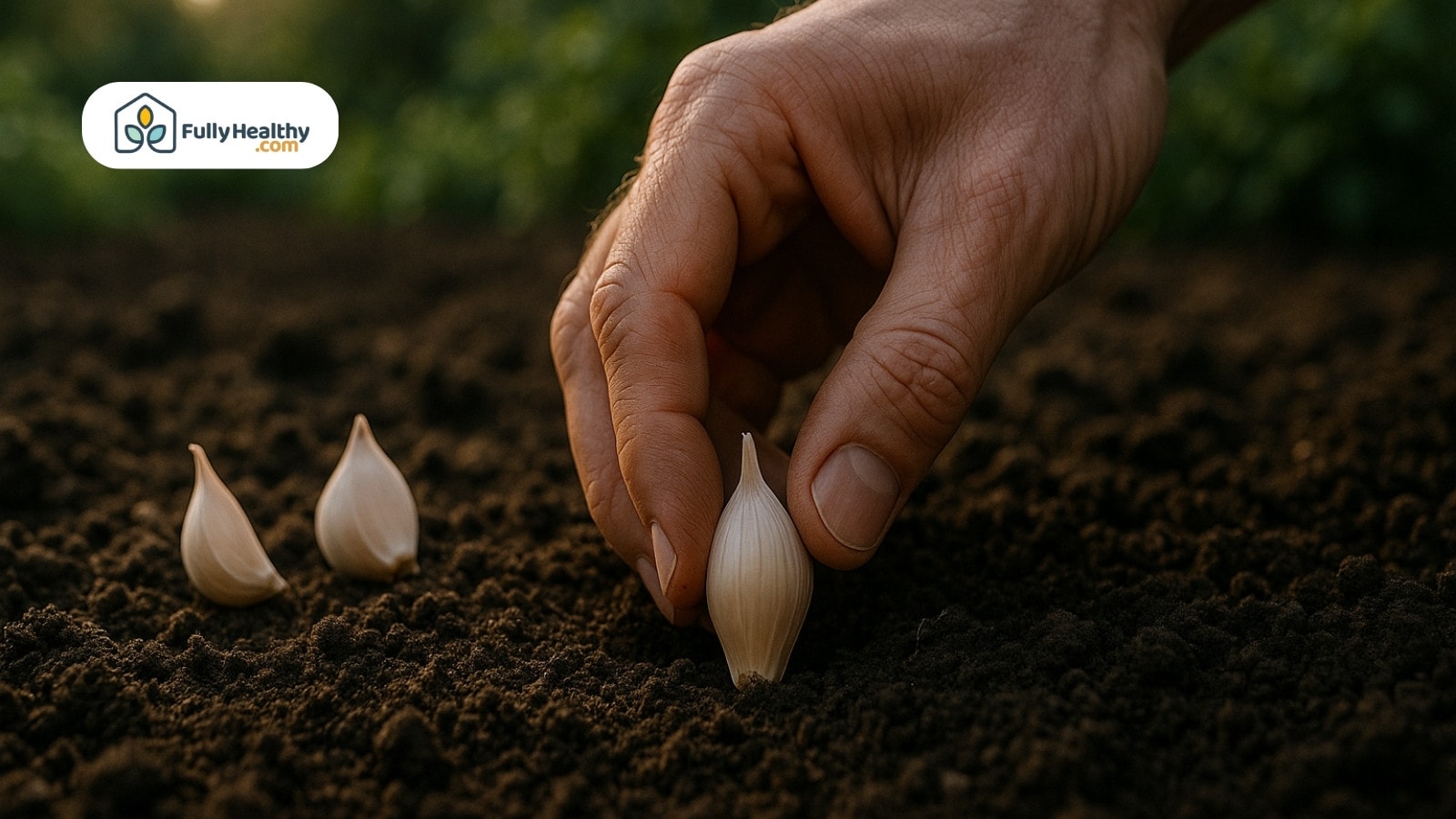
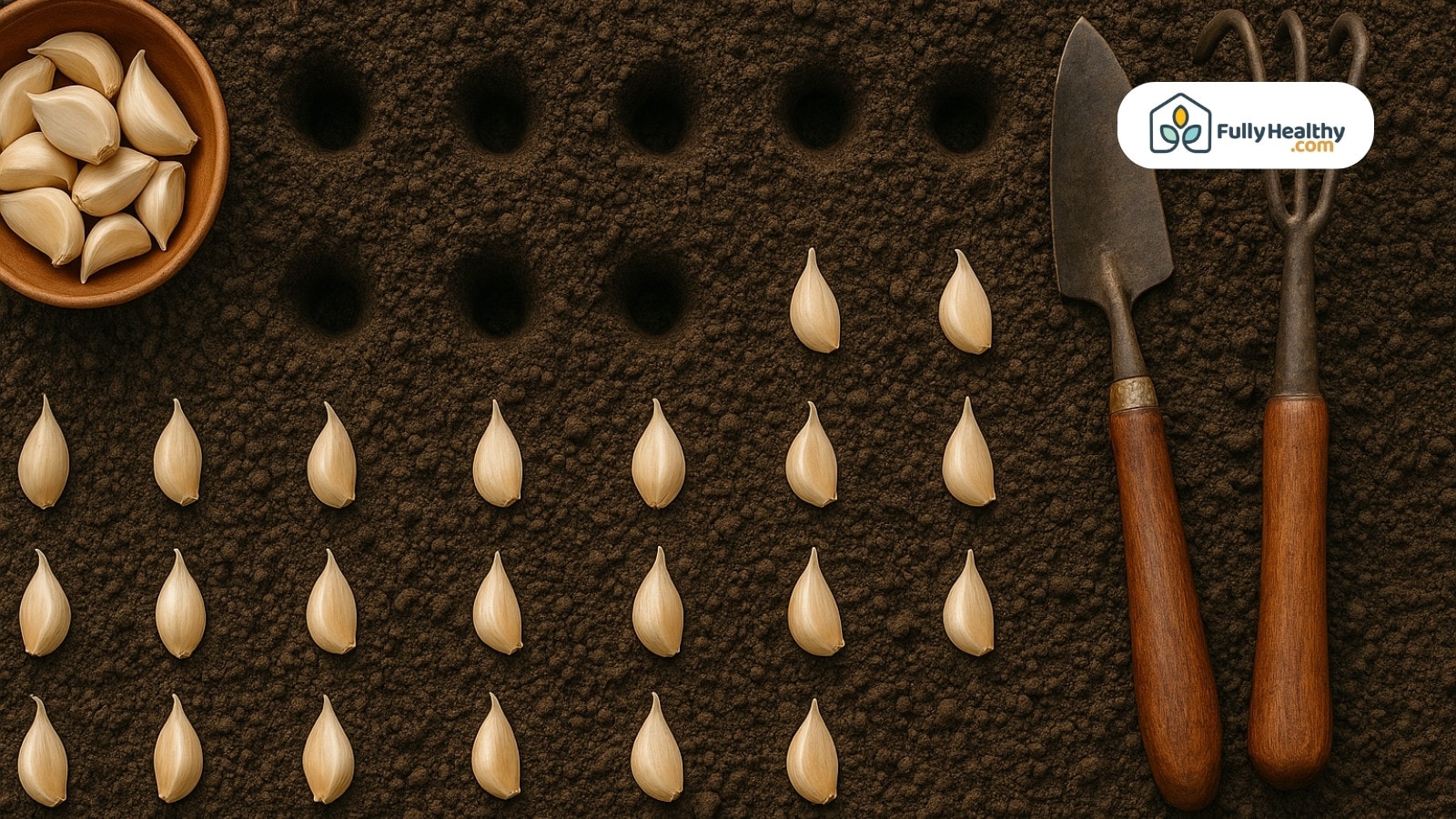
Plant correctly: Place cloves 1–2 inches deep, with the pointy end facing up and the flat root end down.
-
Space them out: Keep 4–6 inches between each clove, and space rows about 10 inches apart for good airflow.
Soil and Sun Needs for Garlic
It needs loose soil that drains well and a lot of sun to grow well. It is great to have raised beds because they warm up and drain better.
-
Use a raised bed: It helps avoid soggy soil and improves root growth.
-
Add compost or worm castings: These boost nutrients during the growing season.
-
Give full sun: Garlic grows best in full sun, about 6–8 hours daily.
-
Keep soil loose: Loose soil allows garlic heads to form properly without pressure.
What Is the Best Month to Plant Garlic?
If you want garlic to grow well, you should plant it in the fall. So, garlic has time to get strong roots before winter and get ready to grow again in the spring. It also helps the garlic cloves separate into several pieces, which makes full heads of garlic.
Why Garlic Should Be Planted in the Fall
When you plant garlic in the fall, it gets the cold weather it needs to grow bigger cloves. You might only get one round bulb if there is no cold.
-
Plant in October or early November: This is the best window for most U.S. climates.
-
Cold triggers bulb growth: Garlic needs 6+ weeks of cold to divide properly.
-
Better root growth before frost: Planted in the fall, cloves develop roots before the freeze.
Can Garlic Be Planted in Spring?
It is possible to plant garlic in the spring, especially in warmer places, but the bulbs will be smaller.
-
Start early in spring: Plant as soon as the soil can be worked, especially in colder zones.
-
Smaller bulbs are common: Spring-planted garlic has less time to grow and may form smaller cloves.
-
Best for softneck garlic: Softneck garlic does better in warmer climates with short winters.
Can I Just Plant Garlic From the Grocery Store?
There is a catch, though. Garlic grown for storage isn't always grown to be planted; it may be treated to stop sprouting. Still, many gardeners can grow garlic from grocery store cloves by following a few simple steps.
Risks of Using Grocery Store Garlic
Not all garlic from the store is good for the garden. Some might never grow, or even worse, they might cause problems in the soil.
-
Sprout inhibitors are common: Some store garlic is treated to prevent growth.
-
Cloves may be old or dry: These often won’t root or grow into strong garlic plants.
-
Could carry disease: Grocery garlic isn’t certified disease-free like garlic seed.
Better Garlic Options for Planting
If you want a better harvest, use garlic varieties that are meant to grow, not eat.
-
Use hardneck varieties: Red Russian garlic and other hardneck garlic types grow well in cooler climates and produce garlic scapes.
-
Buy certified seed garlic: Look for bulbs from trusted garden stores or online suppliers.
-
Save your own garlic: After you harvest garlic, keep your largest cloves to replant in the fall garden.
What Do You Put in a Hole When Planting Garlic?
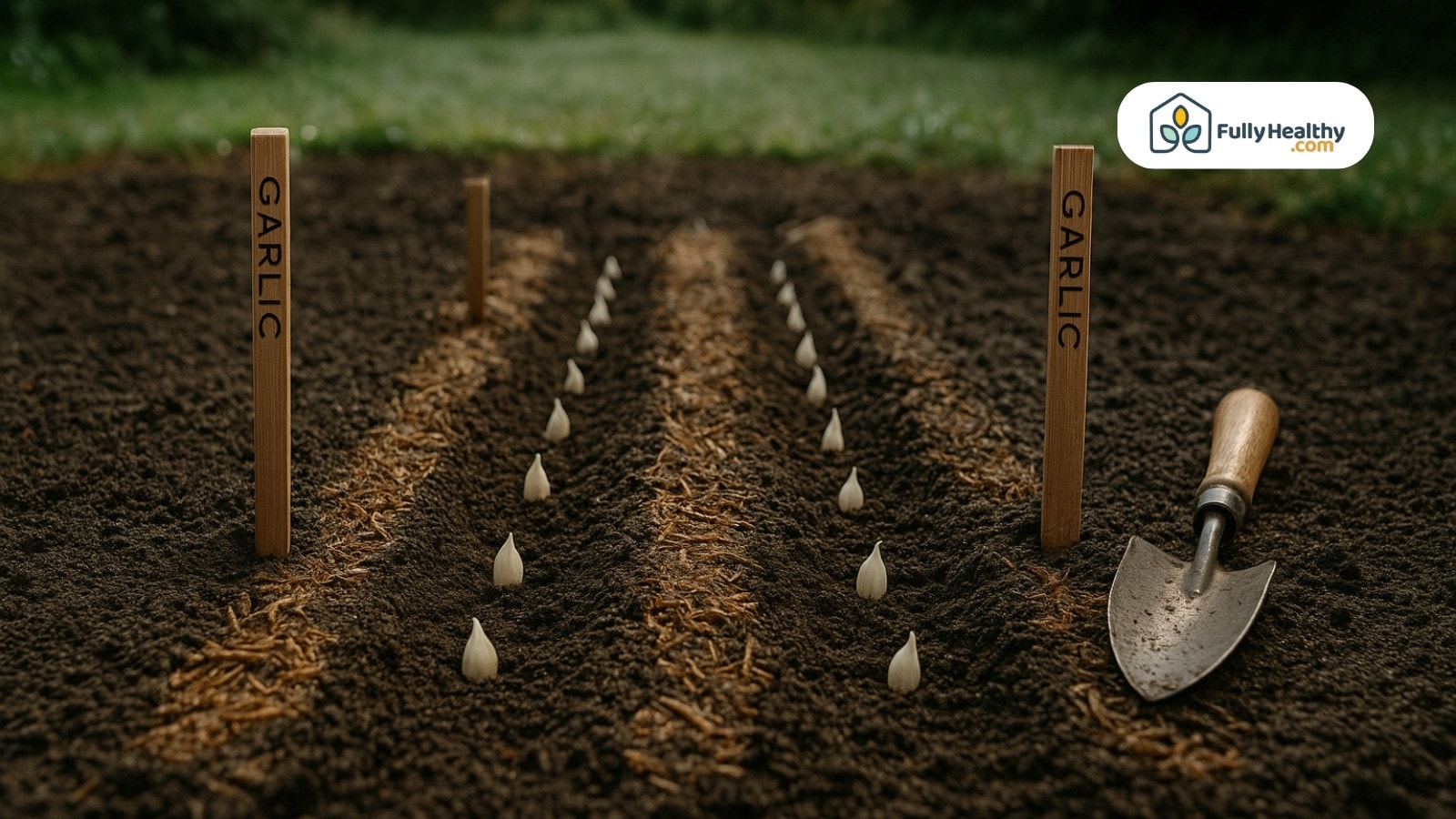
Getting ready for planting cloves is very important. For garlic to grow into the biggest bulbs, it needs food, water, and protection. Simple but important steps must be taken whether you have a raised bed or a small garden area.
Best Materials to Add When You Plant Cloves
When you plant true garlic, make sure the soil is good. Adding organic matter and warmth to the soil helps garlic grow through the winter and into the early summer.
-
Use compost or aged manure: This gives garlic the nutrients it needs during the growing season.
-
Add worm castings if available: A natural boost that helps roots develop faster.
-
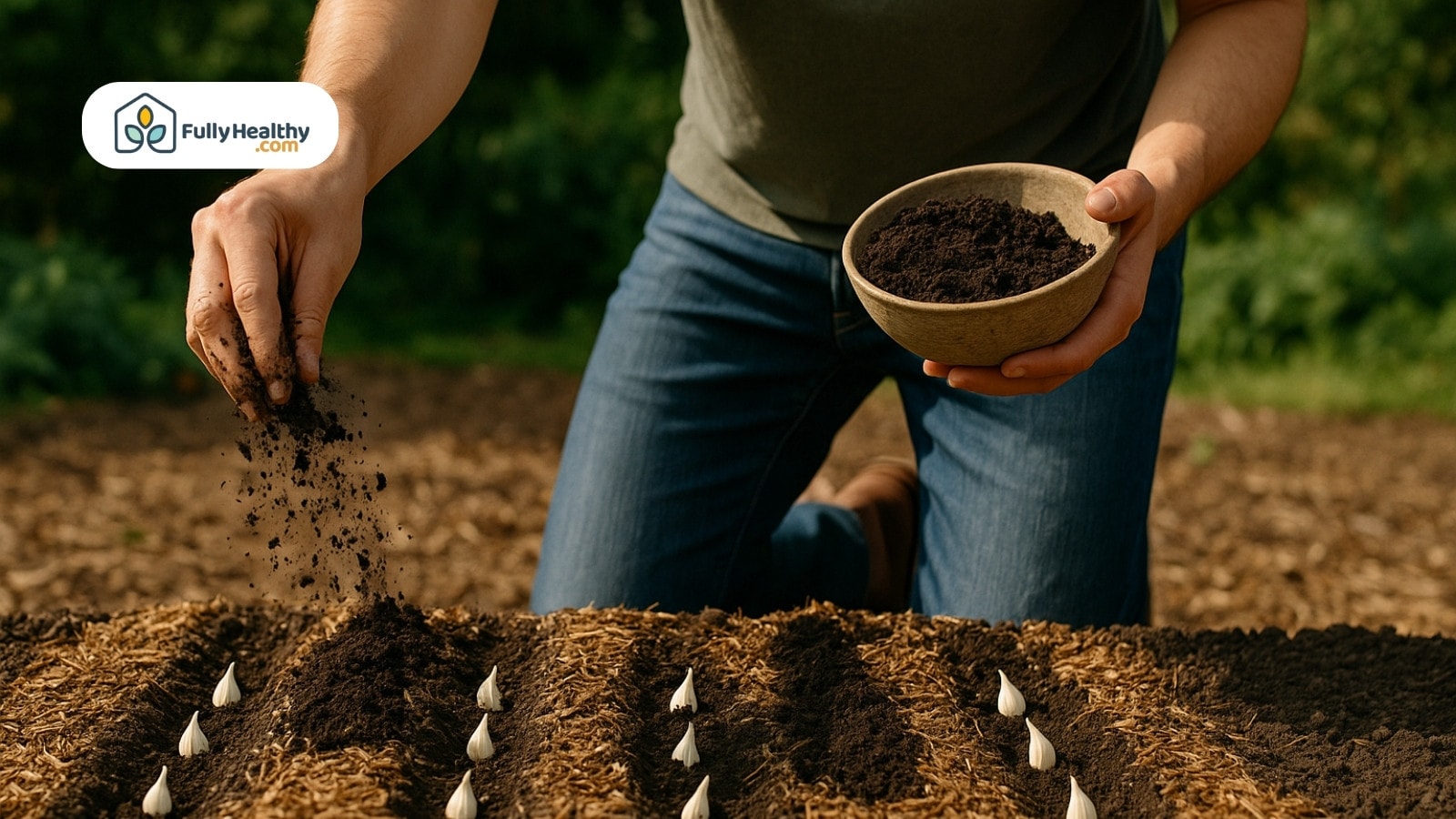
Cover with mulch: Use straw or shredded leaves for extra insulation before the ground freezes.
-
Avoid over-fertilizing: Too much nitrogen can lead to big leaves but small bulbs.
Positioning Cloves the Right Way
Placement is important for growing real garlic. To make sure a healthy bulb grows, make sure each clove is planted in the ground correctly.
-
Place cloves pointy side up: This helps shoots emerge easily in early spring.
-
Keep spacing 4–6 inches: Cloves need room to grow into full-size garlic heads.
-
Plant 2 inches deep: Just enough to protect from cold, with mulch as added cover.
-
Start planting by mid September: This gives roots time to settle before frost sets in.
FullyHealthy Products for Garlic Lovers
FullyHealthy has some unique garlic products that you can be a huge fan of when garlic isn't in season. These snacks are good for people with allergies and the AIP because they taste like homegrown garlic without having to plant a single clove.
Garlic-Based Pantry Picks from FullyHealthy
Meanwhile, while you wait to grow your own garlic, these things will go well with your meals.
-
Basil Garlic Organic Sauerkraut: Fermented with cabbage, garlic, and basil—adds tang and gut-friendly benefits.
-
Garlic Powder (when available): A handy way to add flavor to meats, soups, or even homemade roasted garlic dips.
-
Rosemary Garlic Crackers: Ideal for snacking or pairing with soft cheeses, especially for softneck varieties lovers.
Why Choose Garlic Products from FullyHealthy?
Keeping these garlic-flavored foods in your pantry is easy, and they add variety to your meals.
-
Shop allergy-friendly: Great for those following AIP diets or avoiding nightshades.
-
Save time and effort: Enjoy garlic flavor without needing to chop or grow it.
-
Great when garden space is limited: A smart choice if you can't grow garlic this season.
-
Find online or at your farmers market: FullyHealthy ships direct, but you might find similar items locally too.
Final Thoughts
You can grow garlic easily, enjoyably, and with tasty results. The steps are easy to follow whether you're planting one clove or a whole crop. If you use the right soil, fertilizer, and time, your homegrown garlic will taste better than any store-bought garlic.
Don't forget to pull out your bulbs when the leaves turn brown in late summer or late July. That's when the magic happens. If you follow these gardening tips every year, you'll have garlic that tastes just as good as your best onions. With a little work, even a beginner can get great results.
FAQs
Can I plant one clove of garlic with fertilizer and grow a full crop?
Yes, planting one clove with good fertilizer can give you a full bulb in the right conditions.
When do I pull garlic with a hard stem like onions?
Pull garlic with a hard stem in late July, just like you would with onions, when the leaves are brown halfway.
What gardening tips stop weeds from hurting my garlic crop?
Mulch helps control weeds so your crop gets the nutrients and space it needs.
Is late summer a good time to use fertilizer after you pull garlic?
No, late summer is better for curing garlic. Don’t apply fertilizer after you pull the bulbs.
How do I make garlic more delicious with one clove and onions?
Roast one clove with onions and oil, it brings out a sweet, delicious flavor.
Leave a comment