

Where Do Macadamia Nuts Come From? The Truth Behind Its Origin
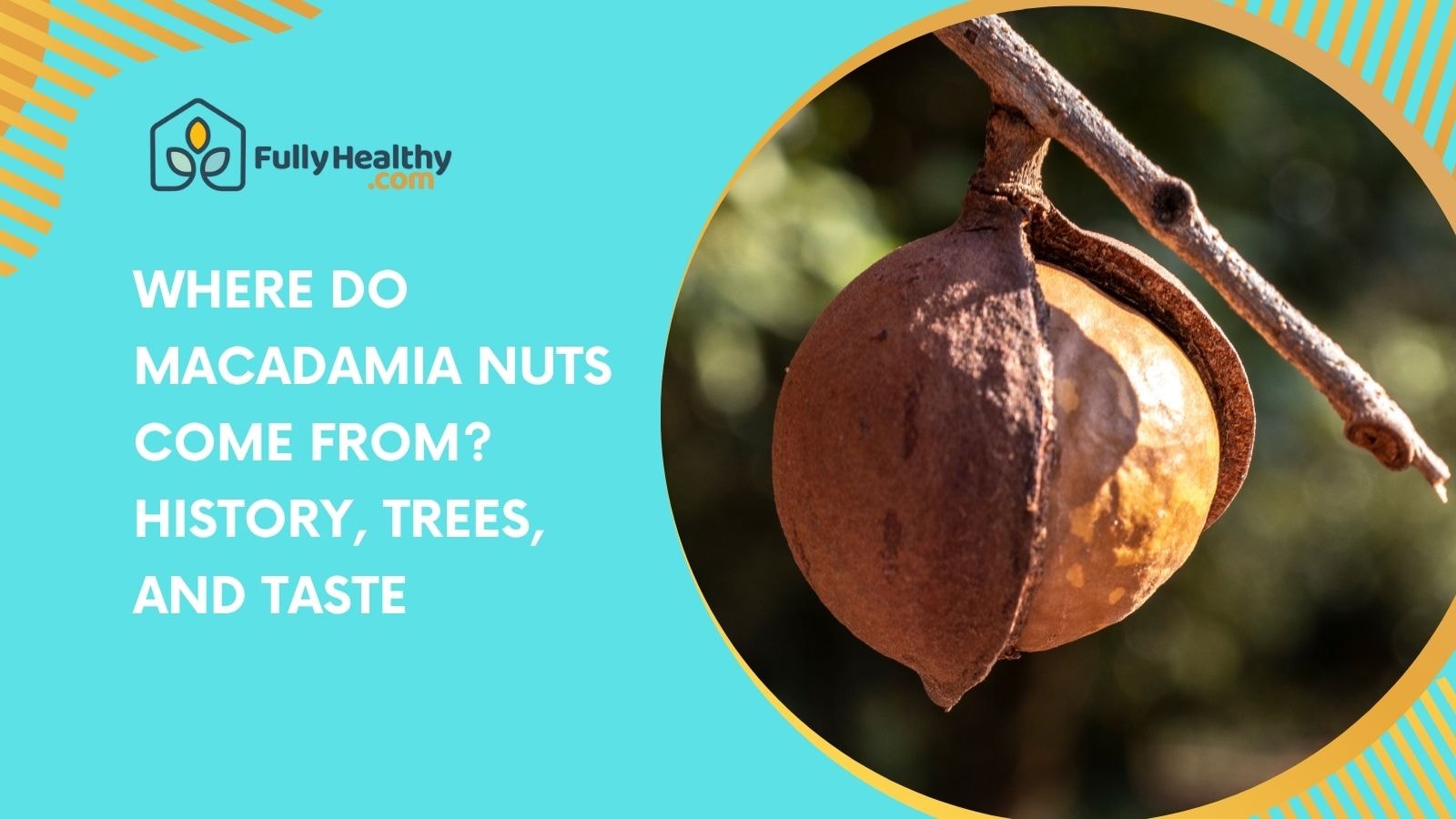 Photo Credit: Canva Pro
Where do macadamia nuts come from? Many people think they grow on Hawaiian macadamia trees, but they actually come from Australia. Indigenous Australians were the first people to gather these nuts. Later, they were planted in Hawaii for commercial purposes. These days, they are grown in many places.
Every part of them is useful, from the oily flesh to the tough shells. This article talks about their history, how they became a worldwide favorite, and some health facts about them.
Featured Snack Pick
Mauna Loa // Hawaiian Sea Salt Macadamia Nuts - 4 oz
Loading...
Where Are Macadamia Nuts Originally From?
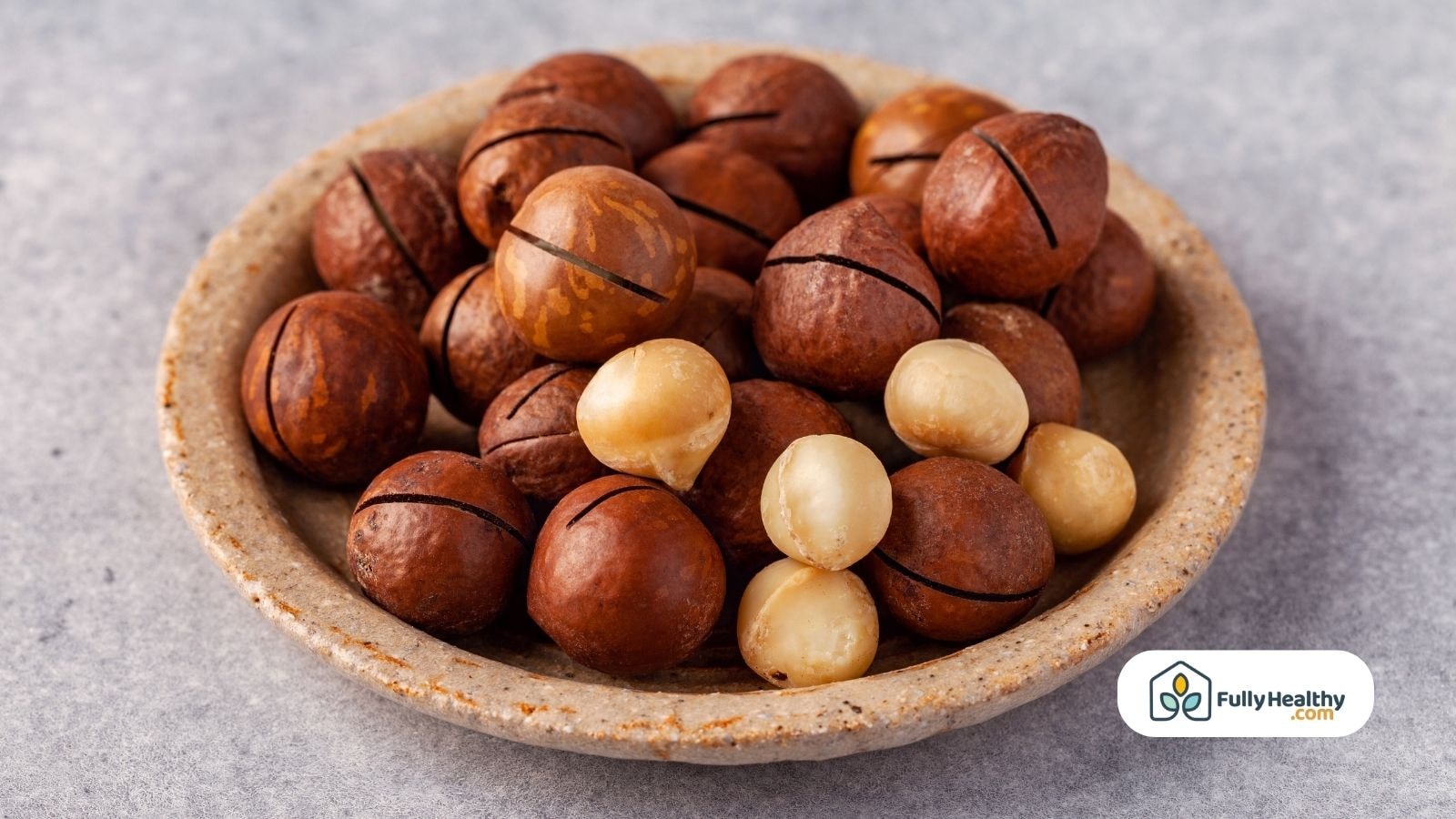 Photo Credit: Canva Pro
Indigenous Roots in Australia
Macadamia nuts are native to Australia, especially the rainforests of southeast Queensland and northern New South Wales. This nut was first eaten by Indigenous Australians, who called it "Kindal Kindal" and "Boombera."
-
First habitat: Macadamia trees grew wild in coastal rainforests of Queensland and New South Wales.
-
Aboriginal usage: Indigenous people roasted and cracked the nuts as part of traditional diets.
-
Scientific classification: The genus Macadamia was named in 1857 by Baron Ferdinand von Mueller after his friend John Macadam.
-
Botanical history: This happened at a time when European settlers were becoming more interested in plants.
-
Early recognition: Macadamias were identified as nutritious, with rich oil content and a tough shell that protects the kernel.
How Hawaii Became the Face of Macadamias
William Purvis, a sugar cane investor, brought macadamia seeds to Hawaii in 1881. Around 1920s, Ernest Van Tassel established the first industrial macadamia seed farm close to Honolulu.
-
Imported seeds: Purvis brought seeds from Australia to the Big Island of Hawaii.
-
Windbreak usage: Trees were first planted to protect sugar cane crops from wind.
-
Commercial production: Van Tassel launched Van's Macadamia Nuts in the 1922 and began growing orchards.
-
Hawaiian macadamia nut branding: Marketing efforts in the mid-20th century led consumers to believe macadamias originated in Hawaii.
-
Major brand role: Royal Hawaiian became a leading brand, cementing Hawaii's place in the nut's global identity.
What Kind of Tree Do Macadamia Nuts Come From?
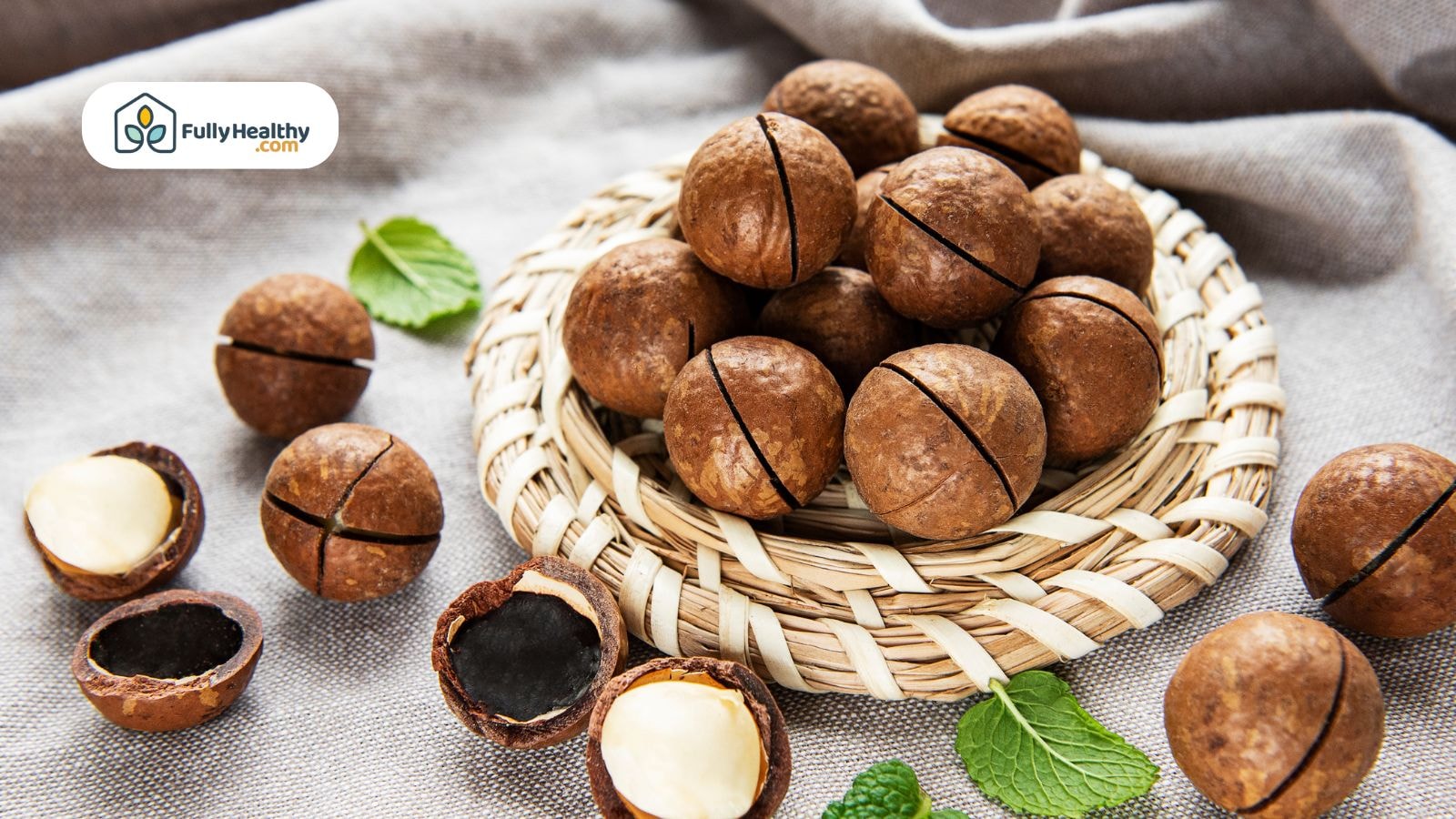 Photo Credit: Canva Pro
Tree Species and Their Traits
Macadamia trees are evergreen and native to Australia. The two main types that are grown for commercial use are Macadamia integrifolia and Macadamia tetraphylla.
-
Size and growth: Trees grow up to 20 meters tall and can live for 40 to 60 years.
-
Nut development: The nuts are enclosed in a hard shell inside a green husk.
-
Fruiting season: Nuts ripen throughout the year, but most harvests occur in fall and spring.
-
Leaves and flowers: Trees produce long, narrow leaves and white or pink macadamia flowers in clusters called racemes.
Pollination, Growth & Genetic Diversity
Honeybees are the main insects that pollinate macadamia trees. Most trees are self-incompatible, which means they need nearby types to grow nuts.
-
Pollination method: Bees are key pollinators, visiting macadamia flowers for nectar and pollen.
-
Genetic concern: Research shows 70% of the world's macadamia nuts come from a single tree in Gympie, Queensland.
-
Cross-pollination: Planting multiple compatible species improves fruit yield and nut weight.
Are Macadamia Nuts Very Healthy?
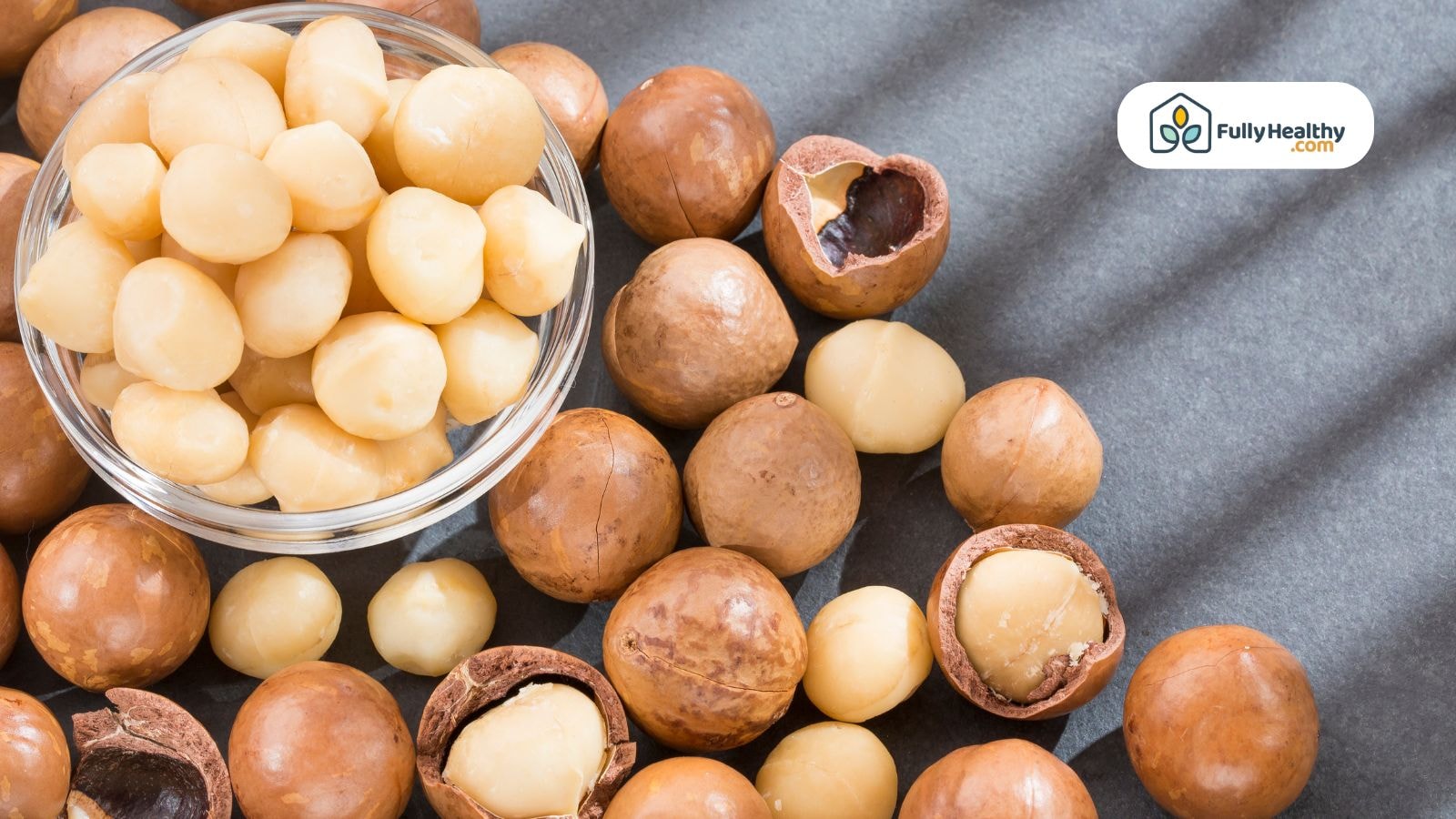 Photo Credit: Canva Pro
Nutritional Breakdown & Healthy Fats
There are a lot of calories in macadamia nuts, but they are also very healthy. They have many essential minerals and vitamins and a lot of healthy monounsaturated fats.
-
Calorie content: One ounce delivers around 204 calories and 23 grams of fat.
-
Good fats: Most of the fat is monounsaturated, known for supporting heart health.
-
Nutrient profile: Contains magnesium, manganese, thiamine, copper, and vitamin B6.
-
Low carbs: Macadamias have only 4 grams of carbs and 1 gram of sugar per serving.
-
High in fiber: Each serving includes about 3 grams of dietary fiber.
Proven Health Benefits
Clinical studies support the health claims around macadamia nuts. Regular intake may help manage cholesterol, blood sugar, and inflammation.
-
Heart health: Helps reduce LDL cholesterol and improves good HDL levels.
-
Blood sugar control: Low glycemic index makes it suitable for people managing diabetes.
-
Anti-inflammatory effect: Tocotrienols and flavonoids in macadamias help reduce inflammation.
-
Gut support: Fiber acts as a prebiotic and supports digestive health.
-
Weight management: Despite high calories, they increase satiety and reduce overeating.
What Is Better for You, Cashews or Macadamia Nuts?
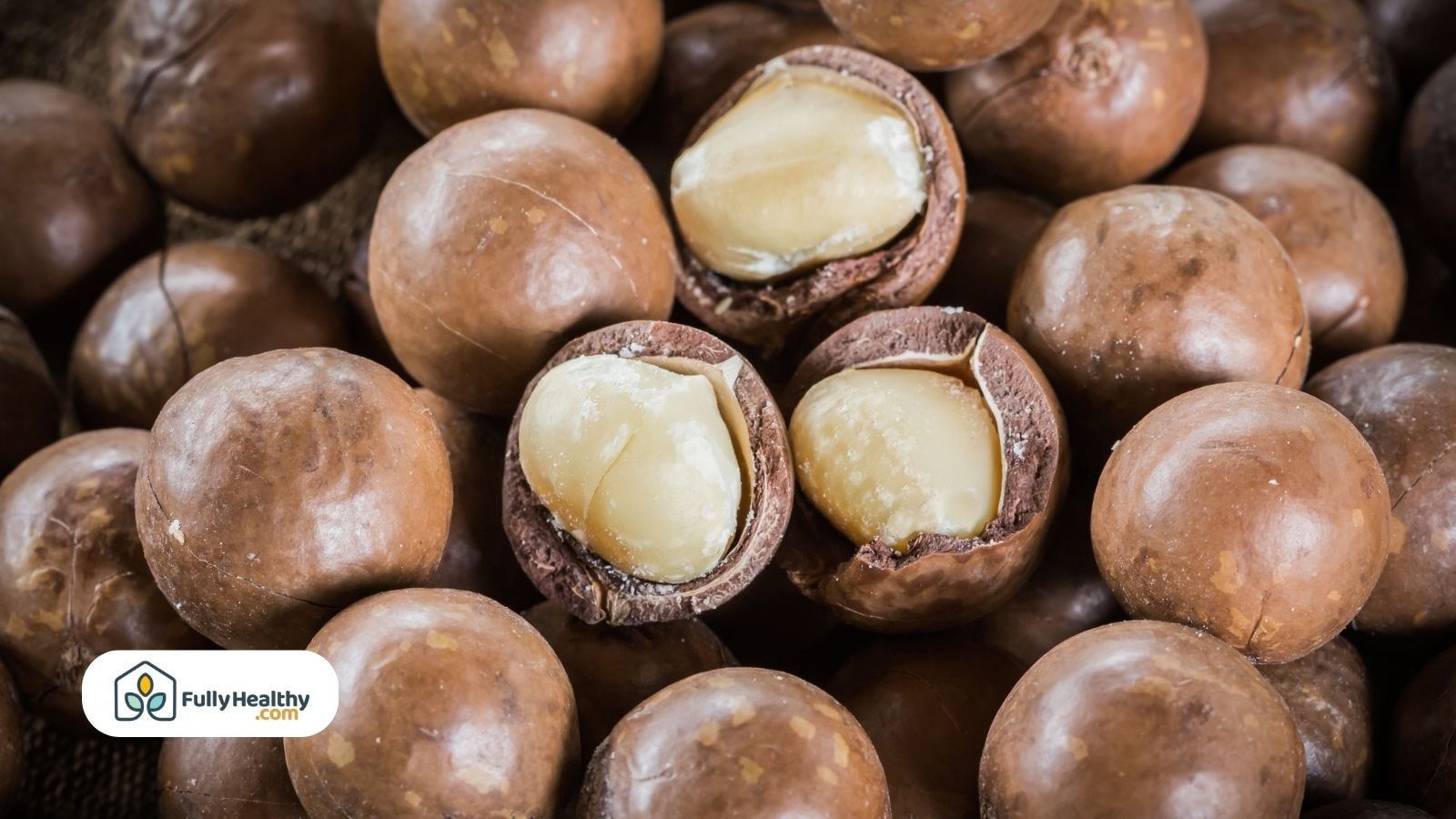 Photo Credit: Canva Pro
Fat Profile and Heart Health
When compared to cashews, macadamia nuts have more monounsaturated fat, which is good for your heart. Cashews contain more polyunsaturated fats and slightly higher saturated fat.
-
Fat composition: Macadamia nuts contain up to 80% monounsaturated fat, compared to 60% in cashews.
-
Cholesterol impact: Macadamias help lower LDL and raise HDL, while cashews show a neutral effect in most people.
-
Antioxidant content: Macadamias are richer in tocotrienols, which help protect cells from oxidative stress.
-
Oil stability: The oil in macadamia nuts is less susceptible to oxidation than the oil in cashews.
-
Heart benefit: Macadamias in the diet lower inflammation markers and improve vascular function.
Digestibility and Diet Compatibility
For many, macadamia nuts are better for digestion than cashews. They work better with more special diets and are less likely to trigger sensitivities.
-
Diet compatibility: Macadamias are generally better for keto, paleo, and AIP diets.
-
Antinutrients: Cashews contain more phytates and lectins, which may irritate sensitive guts.
-
Carb content: Cashews contain more than double the carbs of macadamias per serving.
-
Allergy potential: Cashews are more likely to cause allergic reactions compared to macadamias.
-
Gut tolerance: Macadamia kernels are easier to digest and have fewer FODMAPs.
Meet FullyHealthy: Wellness for Every Pantry
What Is FullyHealthy?
FullyHealthy is an online market that focuses on healthy foods that are free of allergens, gluten, and are AIP-compliant. The store supports small producers and emerging health brands.
-
Brand focus: Offers curated foods for autoimmune, paleo, and clean-label diets.
-
Core values: Delivers transparency, food safety, and dietary trust for consumers with restricted diets.
-
Customer audience: Appeals to health-conscious shoppers, families, and people with chronic conditions.
Products We Carry
The store has a lot of different foods, like snacks, sauces, and everyday foods. The Mauna Loa Hawaiian macadamia nut, which comes in a number of AIP-safe flavors, is a standout item.
-
Flagship product: Mauna Loa Hawaiian Sea Salt macadamia nuts, available in 4oz resealable packs.
-
Trustworthy sourcing: Partners only with vetted suppliers that meet USDA and AIP standards.
-
Processor transparency: Lists the origin, ingredients, and processing methods on all product pages.
Final Thoughts
At the beginning, Macadamia trees were planted in South East Queensland. They grew over many generations and developed to become the best nuts in the world. The industry grew across countries, from dried kernels to the Hawaiian macadamia nut boom.
The Hawaiian Agricultural Experiment Station led the way. Researchers from from almost all of the universities that took part have found that Australia is still the biggest producer. As harvest time approaches in July, the air changes. You’ve now discovered the facts, so crack some open and enjoy.
FAQs
Why shouldn’t you eat a lot of macadamia nuts?
Because macadamia nuts are high in oil, calories, and air-dried kernel density that can affect your management goals.
Why is macadamia so expensive?
Macadamia trees take several years to mature and bear fruit, with commercial yields typically starting in 7–10 years.
What makes Hawaiian macadamia nut different?
Hawaiian macadamia nut cultivation relied on a limited genetic base from a few Australian trees introduced in the late 19th century, expanded through efforts by the Hawaiian Agricultural Experiment Station.
What are macadamia flowers and how do they affect production?
Macadamia flowers bloom in racemes, paving the way for bee pollination and dried nut harvest in multiple countries.
Where are macadamia trees grown and who is the largest producer?
Macadamia trees are grown in Australia, Hawaii, and South Africa, with Australia determined as the largest producer by university studies.
Leave a comment